Why Winter Is The Best Time For Wisconsin Gardeners To Do All Their Plant And Supply Shopping
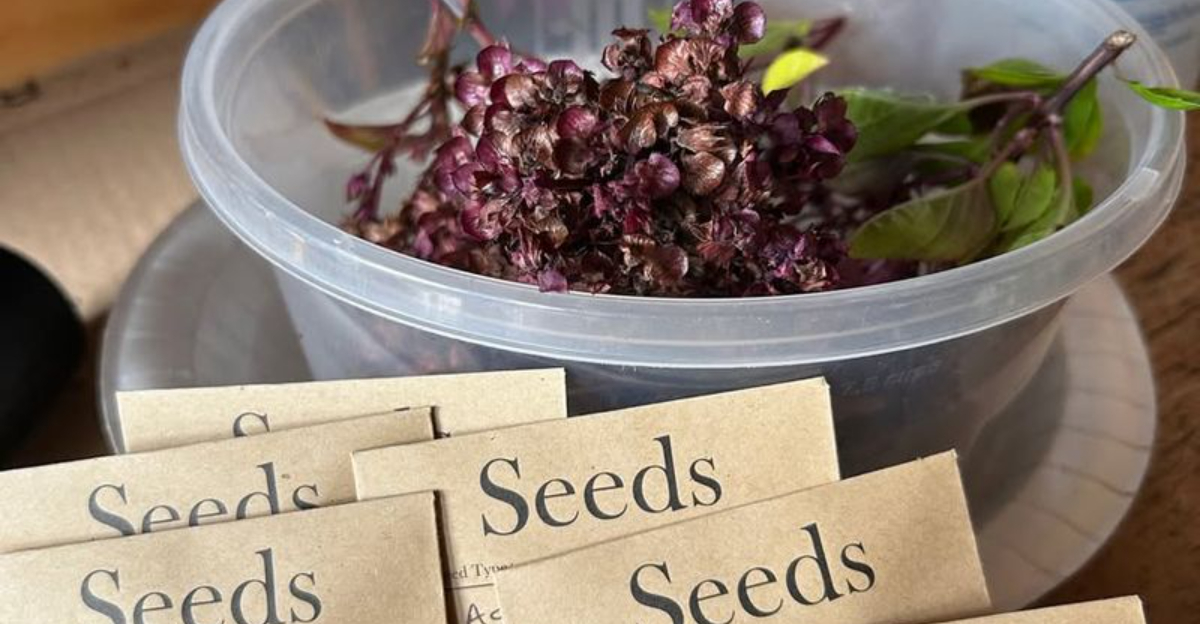
For Wisconsin gardeners, winter might seem like the off-season—but it’s actually prime time for planning and purchasing.
While the ground is frozen solid, nurseries and suppliers are quietly offering the best selection and fewer headaches.
Buying now means better availability, more time to research, and less pressure when spring hits like a freight train.
It also helps gardeners avoid impulse buys that don’t suit their space or climate.
Smart Wisconsin gardeners use winter to get ahead of the curve, setting themselves up for success long before the first thaw.
When spring arrives, they’re ready—and everyone else is still scrambling.
Best Selection Before Spring Sellouts
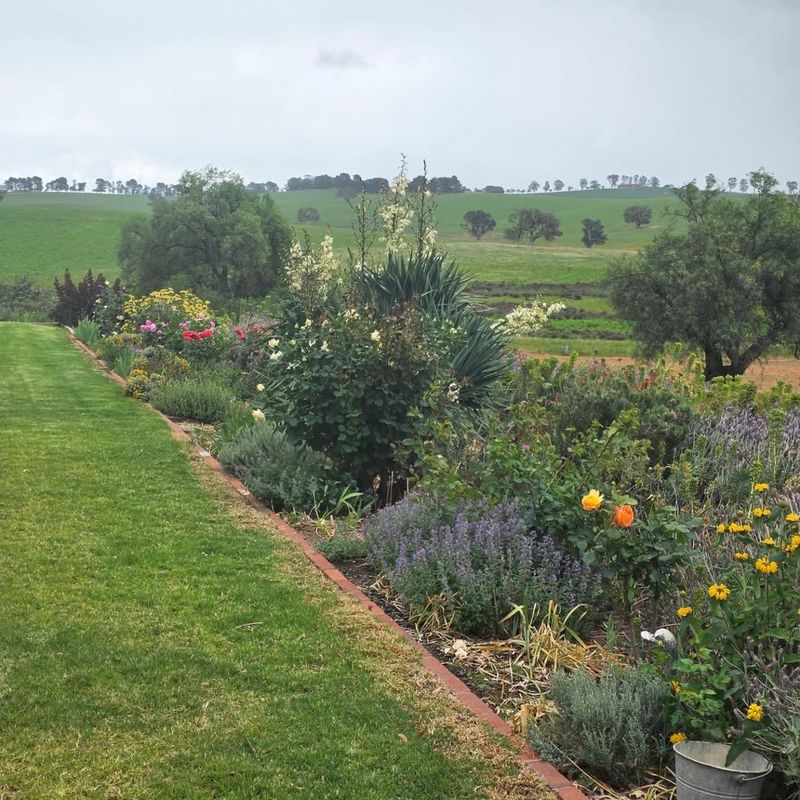
Getting your hands on rare heirloom tomato seeds or that special variety of dahlia bulb becomes nearly impossible once everyone starts shopping in March and April.
Winter gives Wisconsin gardeners exclusive early access to specialty catalogs and online nurseries when inventory is fully stocked.
Bare-root perennials, unique vegetable seeds, and unusual bulb varieties often sell out weeks before planting season even begins.
Ordering during January and February means you secure exactly what you want instead of settling for whatever remains on picked-over shelves.
Garden companies release their newest varieties and specialty collections at the start of the year, giving early shoppers first choice.
Popular items like berry bushes, fruit trees, and heritage seeds disappear fast once gardening fever hits the state.
By shopping in winter, you avoid the frustration of finding your top choices marked as out of stock or backordered until next year.
Many nurseries also limit quantities on certain plants to ensure quality, so winter orders guarantee you don’t miss out.
Taking advantage of full selection now means your garden will feature exactly the plants you’ve been dreaming about all year long.
Lower Prices And Off-Season Discounts
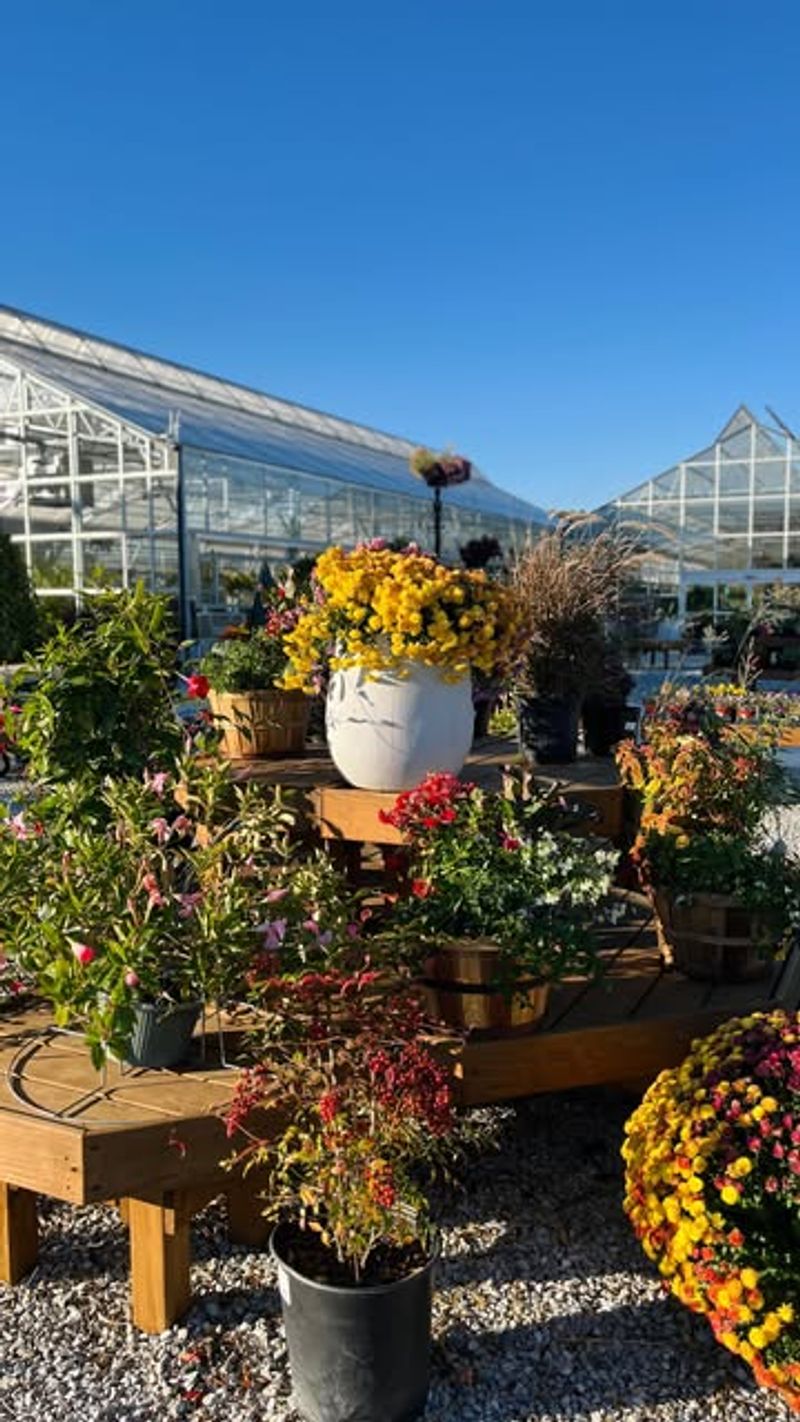
Retailers know that winter shoppers are serious planners, so they reward early buyers with discounts that disappear when demand skyrockets in spring.
Garden centers, online suppliers, and hardware stores offer significant markdowns on seeds, potting soil, hand tools, grow lights, and containers during the off-season.
These sales help clear inventory and make room for spring stock, which means gardeners can save anywhere from twenty to fifty percent on essential supplies.
Buying larger quantities of amendments like compost, peat moss, or perlite becomes much more affordable when purchased during winter clearance events.
Tool manufacturers also run promotions on pruners, shovels, and cultivators when fewer people are thinking about yard work.
Subscription seed companies and garden clubs offer their best membership deals during the quieter months, giving you access to exclusive varieties at reduced rates.
Stocking up now on items you’ll definitely need later means more money left over for plants and fun additions to your garden.
Even shipping costs tend to be lower in winter since delivery services aren’t overwhelmed with spring rush orders.
Smart budgeting during the cold season stretches your gardening dollars much further than last-minute spring shopping ever could.
More Time To Compare And Plan Purchases
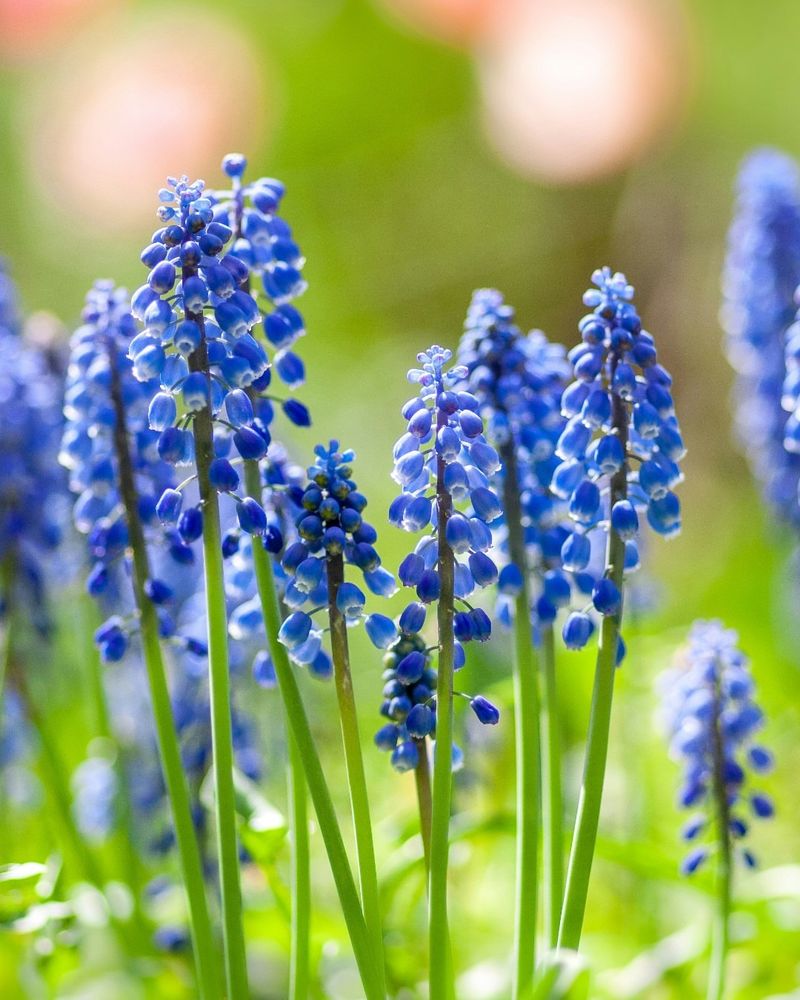
Rushing through a crowded garden center on a sunny April weekend leads to impulse buys and forgotten necessities that derail your carefully imagined garden plans.
Winter’s slower pace gives Wisconsin gardeners the luxury of time to research which tomato varieties resist blight, which sunflowers grow tallest, or which soil mix works best for containers.
You can read reviews, watch growing tutorials, and compare prices without feeling pressured to make quick decisions.
Catalog browsing becomes an enjoyable evening activity rather than a frantic errand squeezed between other spring tasks.
Thoughtful planning during these quiet months helps you design garden layouts, calculate spacing requirements, and determine exactly how much of each supply you’ll actually need.
This research time prevents costly mistakes like buying plants unsuited to Wisconsin’s climate or purchasing tools that don’t match your gardening style.
You can also reach out to extension offices, join online gardening forums, and consult with experienced growers who have more availability to answer questions before the busy season hits.
Creating detailed shopping lists and comparing multiple suppliers ensures you get the best quality and value.
When spring arrives, you’ll be completely prepared instead of scrambling to figure out what you need.
Early Seed Starting Requires Winter Supplies
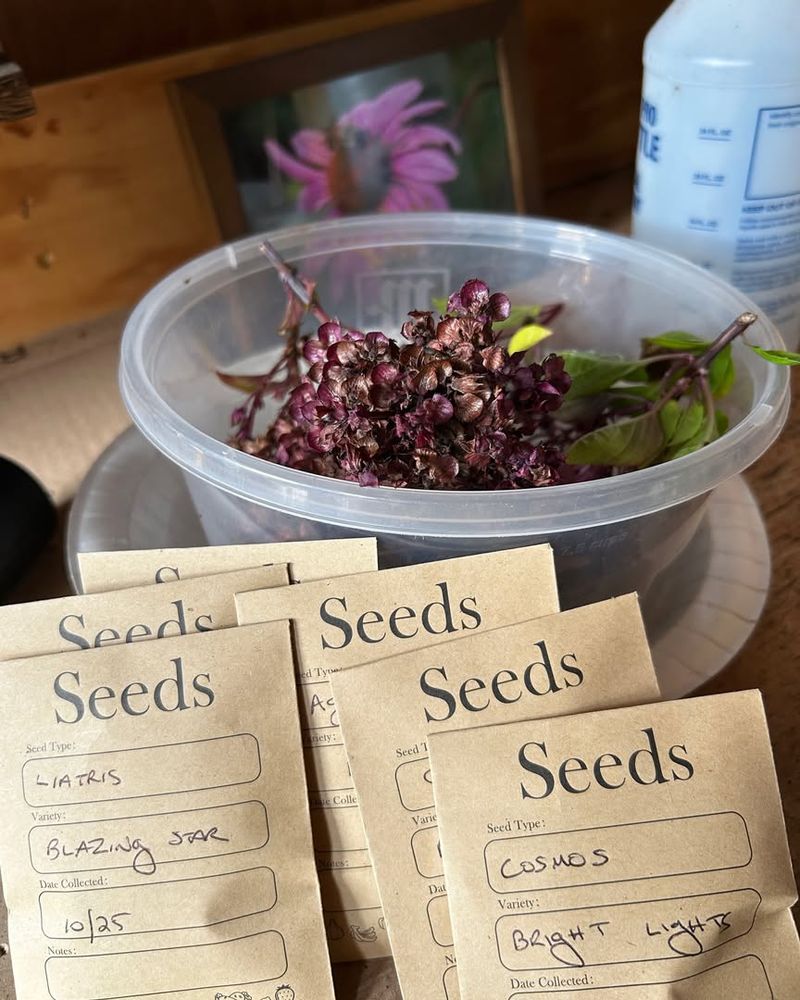
Many vegetables and flowers need eight to twelve weeks of indoor growth before they can handle Wisconsin’s unpredictable spring weather outside.
Peppers, eggplants, celery, and slow-growing flowers like petunias absolutely require early starting to produce harvests or blooms during our short growing season.
Waiting until March to buy seed-starting supplies means you’ve already missed the optimal window for many crops.
Setting up your indoor growing station in January or early February gives seedlings the head start they need to thrive once transplanted outdoors.
You’ll need quality seed-starting mix, sturdy trays with drainage, adjustable grow lights, and possibly heat mats to maintain proper germination temperatures.
Purchasing these supplies in winter ensures you have everything ready when it’s time to plant those first seeds.
Running out to find sold-out heat mats or inferior potting mix in late winter creates unnecessary stress and compromises your seedlings’ success.
Winter shopping also gives you time to test your lighting setup, organize your growing space, and troubleshoot any equipment issues before precious seeds go into trays.
Having all your materials assembled and ready transforms seed starting from a chaotic scramble into a smooth, enjoyable process that sets your entire garden up for success.
Bare-Root Trees And Shrubs Are Ordered In Winter
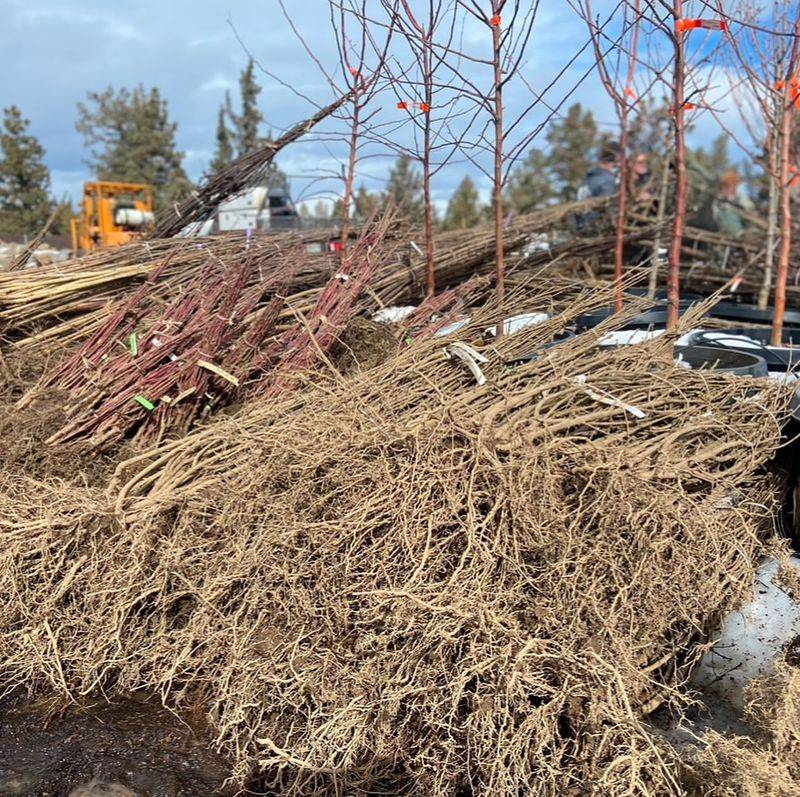
Fruit trees, berry bushes, roses, and many perennial shrubs arrive at nurseries as bare-root stock that must be ordered months before planting season begins.
These plants are harvested while inactive during late fall and stored in controlled conditions until spring shipping.
Nurseries take advance orders throughout winter and allocate their limited inventory based on when customers place reservations.
Waiting until you see potted plants at garden centers in April means you’ve missed the opportunity to order superior bare-root specimens that establish faster and cost significantly less.
Bare-root plants also suffer less transplant shock and develop stronger root systems than container-grown alternatives.
Wisconsin gardeners who want specific apple varieties, raspberries, blueberries, or ornamental shrubs need to secure their orders by late winter at the latest.
Popular varieties and sizes sell out quickly, sometimes before Christmas, leaving latecomers with limited choices or no availability.
Ordering in winter also ensures your plants arrive at the ideal planting time for your zone rather than sitting in a pot getting root-bound.
Many specialty nurseries offer consultation services during the ordering process, helping you select varieties perfectly suited to your property’s conditions and your taste preferences.
Avoids Crowded Garden Centers In Spring
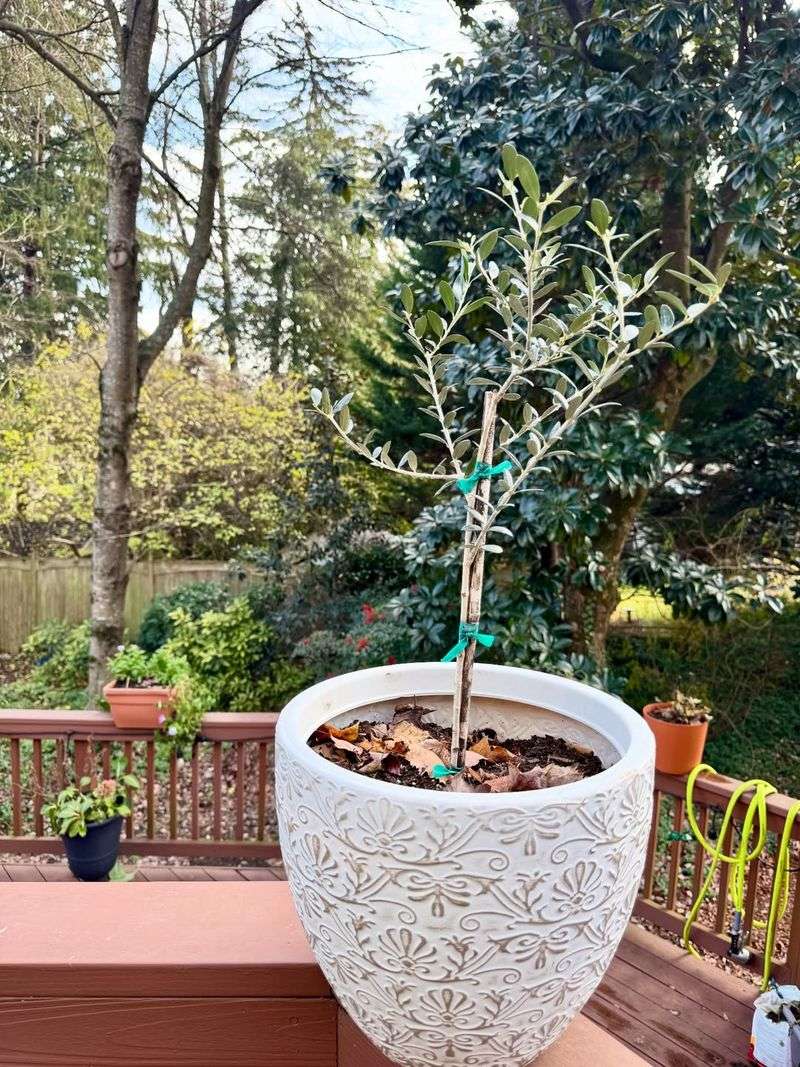
Once warm weather arrives, Wisconsin garden centers transform into chaotic parking nightmares filled with overwhelmed shoppers grabbing whatever they can find.
Trying to ask staff questions becomes nearly impossible when every employee is helping three customers at once and restocking picked-over displays.
The relaxed, helpful shopping experience you want turns into a frustrating test of patience as you navigate crowded aisles and wait in long checkout lines.
Winter shopping lets you browse at your own pace, examine products carefully, and have actual conversations with knowledgeable staff who have time to share their expertise.
Online ordering during quiet months means you can shop from your couch without battling traffic or crowds at all.
You’ll also avoid the disappointment of arriving at stores to find empty shelves where the items you needed used to be.
Spring shoppers often settle for subpar substitutes simply because they’re tired, rushed, and don’t want to visit multiple stores.
Completing your shopping during winter means you skip the entire spring frenzy and can instead spend those beautiful first warm days actually working in your garden.
Your supplies are already waiting at home, organized and ready to use the moment conditions are right for planting.
Better Budget Control Before The Growing Season
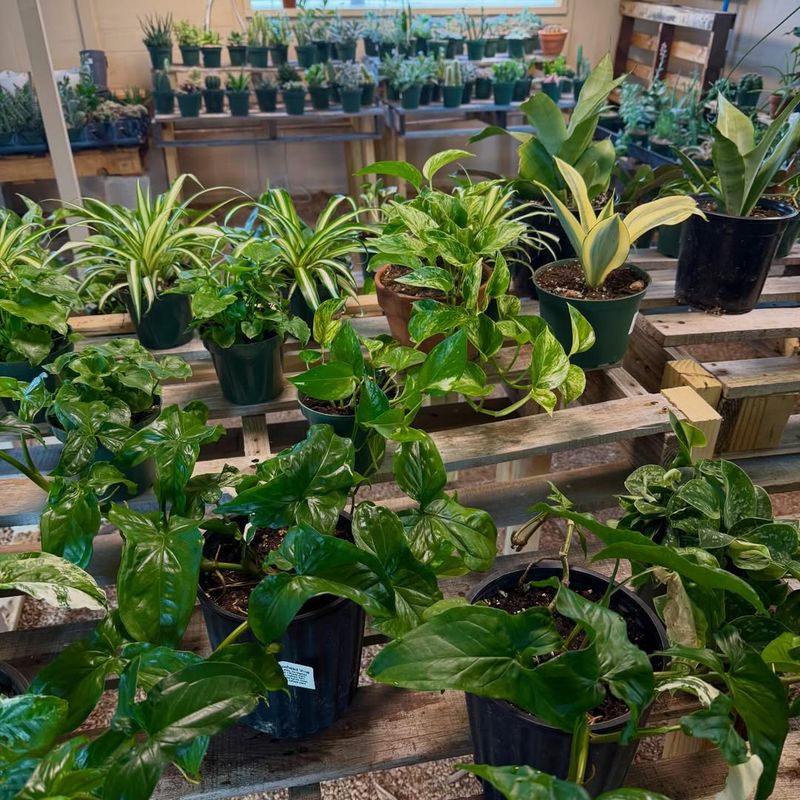
Dropping hundreds of dollars at the garden center in a single spring shopping trip can shock your bank account and strain your budget in ways that feel overwhelming.
Spreading purchases across December, January, and February allows you to manage expenses more comfortably by breaking costs into smaller, more manageable amounts.
This approach prevents the financial stress of trying to buy everything at once when spring fever has you wanting to purchase far more than you actually need.
Winter shopping also gives you time to watch for sales, use coupons, and take advantage of promotional offers that pop up throughout the off-season.
You can prioritize essential purchases first, then add nice-to-have items as your budget allows rather than making rushed decisions.
Tracking your spending over several months helps you understand your true gardening costs and plan more realistically for future seasons.
This measured approach prevents impulse purchases that often happen when you’re caught up in spring excitement surrounded by blooming displays and enthusiastic shoppers.
Having your supplies already purchased and paid for before planting season means you can focus your spring budget on fresh plants, mulch, and any unexpected needs that arise.
Financial planning during winter creates a stress-free growing season where money concerns don’t overshadow your gardening enjoyment.
Access To Expert Advice And Resources
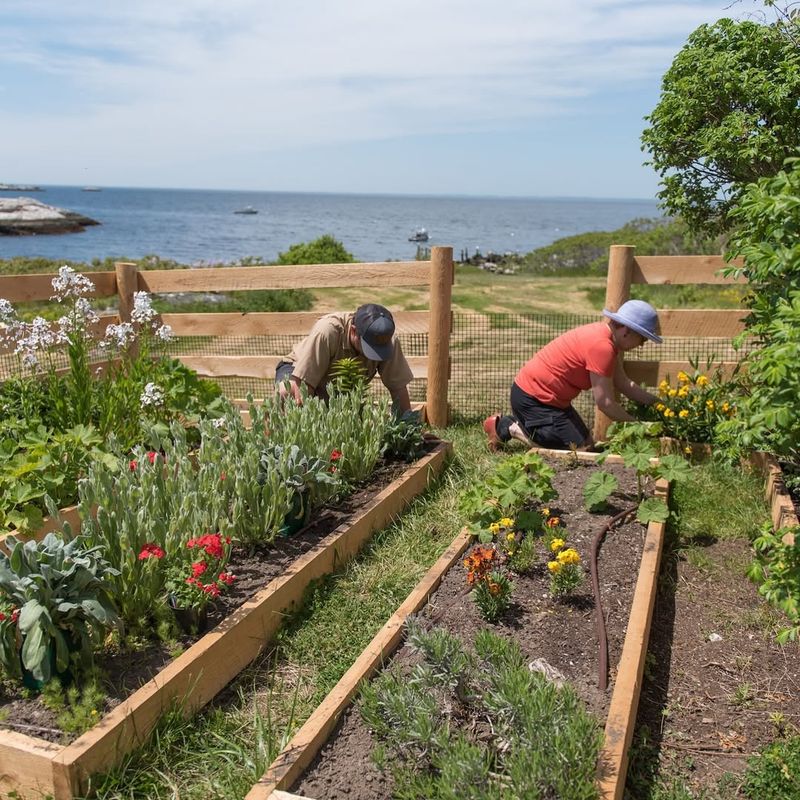
Extension offices, master gardener programs, and horticultural societies offer their most comprehensive educational programs during winter when both instructors and participants have availability.
Webinars on soil health, seed selection, pest management, and garden planning fill the calendars of agricultural extension services throughout January and February.
These free or low-cost resources provide expert guidance that helps you make informed purchasing decisions rather than guessing what your garden needs.
Catalog companies publish detailed growing guides and planting calendars specifically designed for Wisconsin’s climate zones during the winter months.
Reading these materials before shopping helps you understand which supplies match your garden’s specific requirements and your skill level.
Online gardening communities become more active during winter as experienced growers share their knowledge and answer questions from newcomers.
This collective wisdom helps you avoid common mistakes and discover products that truly deliver results in Wisconsin’s challenging conditions.
Winter is also when garden writers publish their annual reviews of new varieties, tools, and techniques, giving you access to tested recommendations before making purchases.
Taking advantage of these educational opportunities transforms you from a casual shopper into an informed buyer who knows exactly what will work best in your unique growing situation.
Everything Is Ready The Moment The Ground Thaws

Wisconsin’s growing season is notoriously short, making every single day of potential planting time precious for gardeners trying to maximize their harvests and blooms.
Having all your supplies purchased, organized, and waiting means you can plant peas, spinach, and onions the instant soil conditions allow instead of wasting valuable days shopping for what you need.
Those early plantings often determine whether you get multiple harvests or just one before fall frost arrives.
Seeds, soil amendments, tools, and support structures already sitting in your garage or shed eliminate the excuse of not being prepared when perfect planting weather suddenly appears.
Spring in Wisconsin can be unpredictable, with narrow windows of opportunity between late snow and early heat waves.
Gardeners who completed their shopping during winter can focus entirely on soil preparation and planting when conditions are right rather than dividing their attention between errands and garden work.
This efficiency translates directly into healthier plants, better establishment, and ultimately more productive gardens.
Your early preparation also reduces stress during the naturally busy spring season when yard cleanup, lawn care, and other outdoor projects compete for your time and energy.
When everything is ready and waiting, gardening becomes pure enjoyment rather than another item on an overwhelming to-do list.