Why Winterberries Are Dropping Early In Oregon Gardens This Season
Oregon gardens expect winterberries to hold color deep into cold months, yet many shrubs shed fruit early this season.
Branches that once glowed red now look bare before winter settles in.
Gardeners scratch heads and trade theories over fences.
Weather swings play a role, with warm spells, sudden chills, and heavy rain that push plants out of rhythm.
Birds notice first and feast fast, strip shrubs before holiday views arrive.
Soil stress, prune time, and pollination gaps also stack the deck against long berry life.
The result feels irksome, yet not mysterious.
Clear insight into these forces restores confidence and guides smart care.
The focus turns to why winterberries drop early in Oregon gardens, which signals matter, and how future seasons can look brighter.
With the right insight, shrubs regain strength, berries last longer, and winter landscapes keep their sparkle when gray days stretch on ahead now.
Unexpected Temperature Fluctuations Confuse The Plants
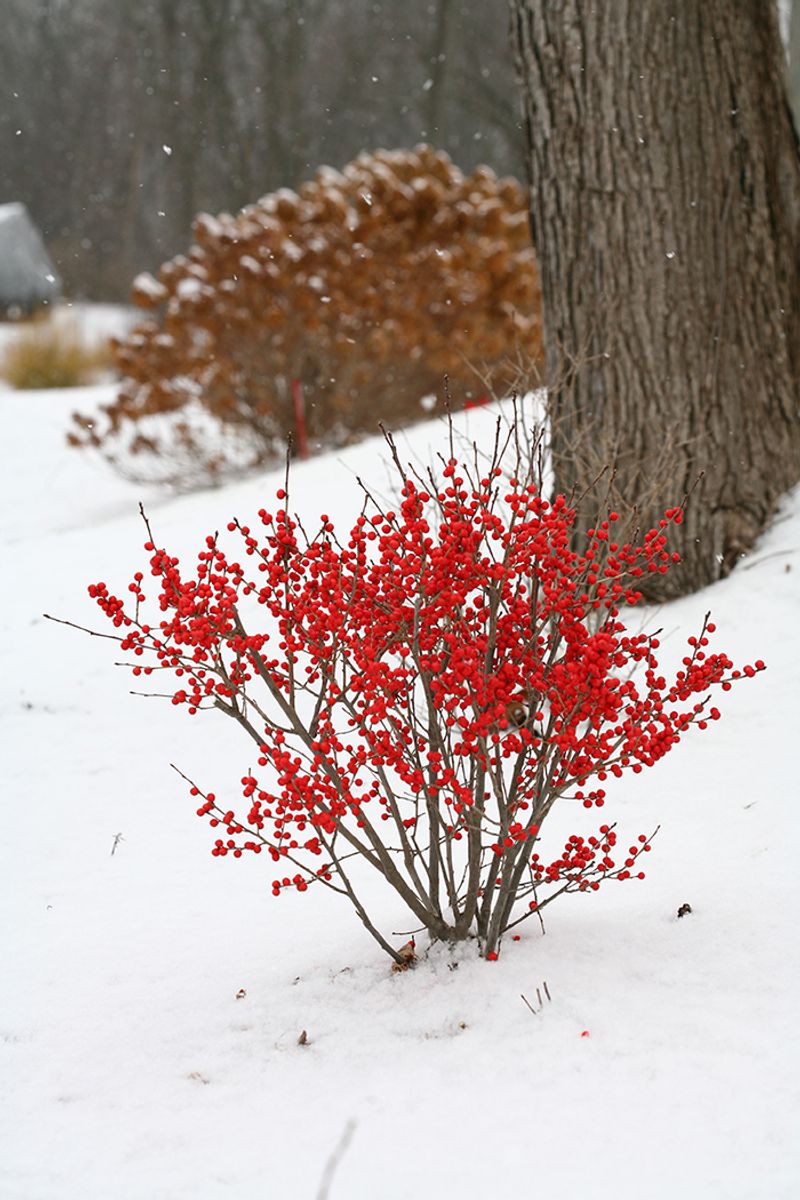
Wild temperature swings have been particularly challenging for Oregon gardeners this season.
Winterberry bushes naturally expect gradual cooling as autumn transitions into winter, but sudden warm spells followed by quick freezes throw off their internal clock.
When temperatures jump from mild to freezing within a day or two, the berries can’t adjust properly.
The plant responds by dropping berries prematurely to protect its energy reserves for survival.
Oregon’s coastal and valley regions have experienced more erratic weather patterns than usual, creating stress for these typically hardy plants.
The berries themselves contain moisture that expands when frozen rapidly, causing cell damage that weakens their attachment to branches.
Many gardeners in Portland and Eugene have reported noticing berry drop right after an unexpected cold snap hit following unseasonably warm November days.
To minimize this issue, consider planting winterberries in locations that offer some protection from harsh winds.
Mulching around the base helps regulate soil temperature, which in turn supports more stable plant health.
While you can’t control the weather, providing consistent care helps your winterberries withstand these challenging conditions better.
Inadequate Watering During Critical Growth Periods

Water availability plays a bigger role in berry retention than most people realize.
Even though winterberries are relatively drought-tolerant once established, they still need consistent moisture during berry development in late summer and early fall.
Oregon experienced drier-than-normal conditions in September and October across several counties, which stressed many ornamental plants.
When winterberry bushes don’t receive adequate water during this crucial period, they struggle to maintain the berries they’ve produced.
The plant prioritizes survival over decoration, so it drops berries to conserve precious resources.
Berries require continuous moisture flow from roots through stems to stay plump and firmly attached to branches.
Without enough water, the connection point weakens and berries fall off easily, sometimes with just a gentle breeze.
Gardeners in southern Oregon particularly noticed this issue where rainfall was scarce during autumn months.
Establishing a regular watering schedule through fall, even as temperatures cool, helps prevent premature berry loss.
Aim for deep watering once weekly rather than frequent shallow watering, which encourages stronger root development and better moisture retention throughout the plant.
Hungry Birds And Wildlife Feasting Earlier Than Usual
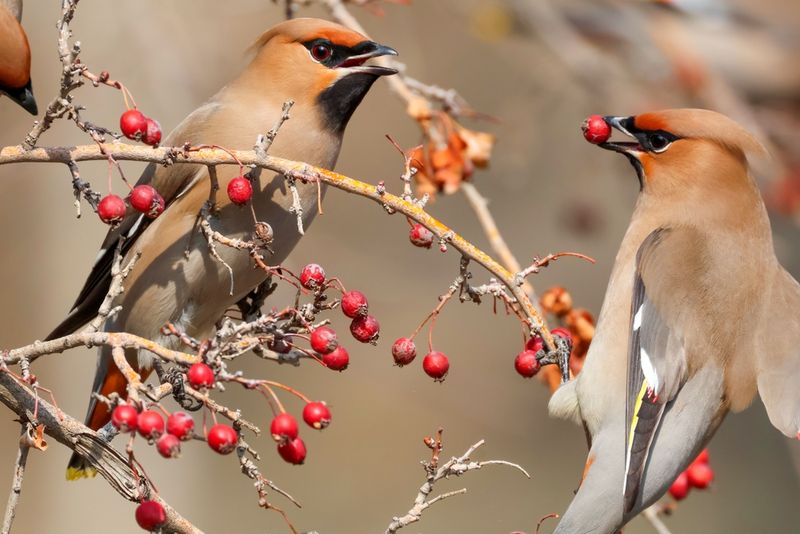
Sometimes what looks like natural berry drop is actually the work of hungry visitors to your garden.
Oregon’s wildlife population, including robins, cedar waxwings, and other berry-loving birds, have been particularly active this season.
Food sources in wild areas have been less abundant due to drought conditions, pushing wildlife into residential gardens earlier than typical.
Birds can strip a winterberry bush surprisingly fast, leaving gardeners puzzled about where all the berries went.
Small mammals like squirrels and raccoons also enjoy winterberries and contribute to the rapid disappearance of fruit.
Many Oregon homeowners have noticed increased animal activity around their landscaping this year as natural habitats provide fewer food options.
The berries that appear to have dropped may actually have been plucked and carried away, leaving no trace except bare branches.
You might notice berries missing from eye-level branches first, where birds can easily perch and feed.
Installing bird netting offers protection if you want to preserve berries for visual appeal, though many gardeners enjoy supporting local wildlife.
Alternatively, planting extra winterberry bushes gives you both beautiful garden displays and provides food for Oregon’s feathered residents during challenging times.
Soil pH Imbalance Affecting Nutrient Absorption
Winterberries thrive in acidic soil conditions, typically preferring a pH between 4.5 and 6.5.
Oregon soils vary considerably depending on location, with some areas naturally more alkaline than winterberries prefer.
When soil pH drifts too high, these plants struggle to absorb essential nutrients like iron and manganese, even when those nutrients are present.
Nutrient deficiencies weaken the plant’s ability to sustain berries through the season, leading to premature dropping.
Many gardeners don’t realize that regular watering with hard tap water can gradually raise soil pH over time.
Fertilizers and amendments used for other plants nearby might also alter the soil chemistry in ways that don’t suit winterberries.
Yellowing leaves accompanied by berry drop often signal a pH-related nutrient problem rather than simple neglect.
Testing your soil is straightforward and inexpensive, giving you valuable information about what your winterberries actually need.
If your pH tests too high, incorporating sulfur or using fertilizers designed for acid-loving plants helps correct the imbalance.
Residents throughout Oregon, from Bend to Salem, should check their soil conditions annually to maintain optimal growing environments for these beautiful shrubs.
Pollination Problems From Earlier In The Growing Season
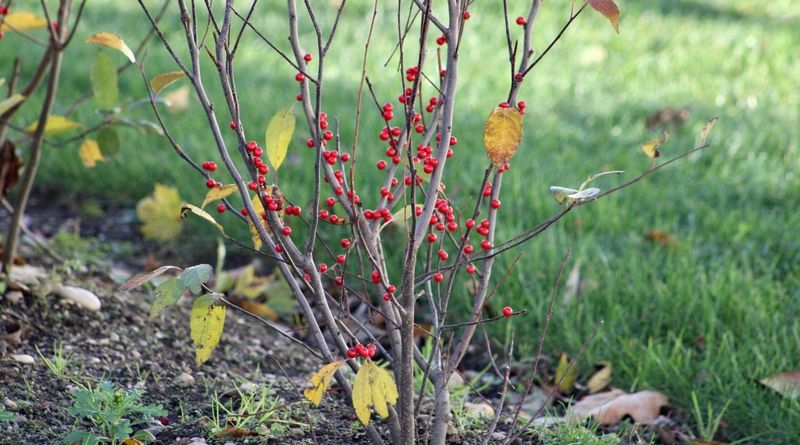
Winterberries are dioecious, meaning you need both male and female plants for successful berry production.
Poor pollination during spring flowering results in berries that never develop proper attachment strength to branches.
Oregon experienced unusual spring weather patterns that disrupted normal pollinator activity when winterberries were blooming.
Cold, rainy periods during the critical flowering window kept bees and other pollinators from efficiently transferring pollen between plants.
Berries that form from inadequate pollination often look normal initially but lack the internal development needed to stay attached long-term.
As the season progresses, these poorly pollinated berries drop off while well-pollinated ones remain firmly in place.
Having too few male plants nearby, or males that bloom at different times than females, compounds pollination challenges.
Gardeners who planted only female winterberries without realizing the pollination requirement often face disappointing berry retention.
For every five female plants, you should have at least one compatible male variety planted within fifty feet.
Checking bloom times when purchasing plants ensures males and females flower simultaneously, maximizing successful pollination and berry retention throughout Oregon’s varied microclimates.
Pest Infestations Weakening Plant Health
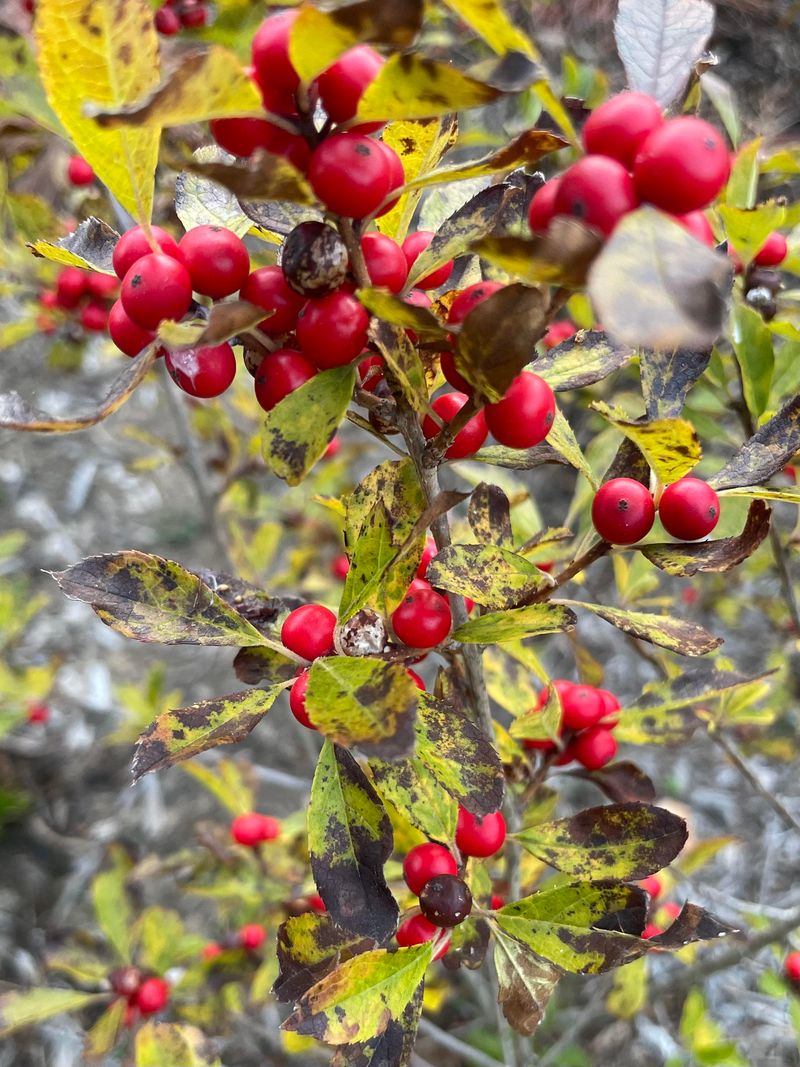
Several pest species target winterberries and can compromise the plant’s ability to hold onto its fruit.
Scale insects, spider mites, and aphids have all been more prevalent in Oregon gardens this year due to warmer, drier conditions.
When pests feed on plant sap, they drain vital nutrients and energy that winterberries need to maintain their berry crop.
Heavily infested plants become stressed and respond by dropping berries to redirect resources toward fighting the infestation and staying alive.
Scale insects particularly love winterberry stems and can build up large populations before gardeners notice them.
Their protective coating makes them look like natural bumps on branches, so they often go undetected until damage becomes severe.
Spider mites thrive in dry conditions and can cause leaf damage that reduces the plant’s photosynthetic capacity.
With less energy being produced, the plant cannot support a full berry load and begins dropping fruit prematurely.
Regular inspection of your winterberries helps catch pest problems early when they’re easier to manage.
Horticultural oils applied during dormant seasons control many overwintering pests, while insecticidal soaps work well during active growth periods for Oregon gardeners dealing with infestations.
Fungal Diseases Spreading Through Moisture And Humidity
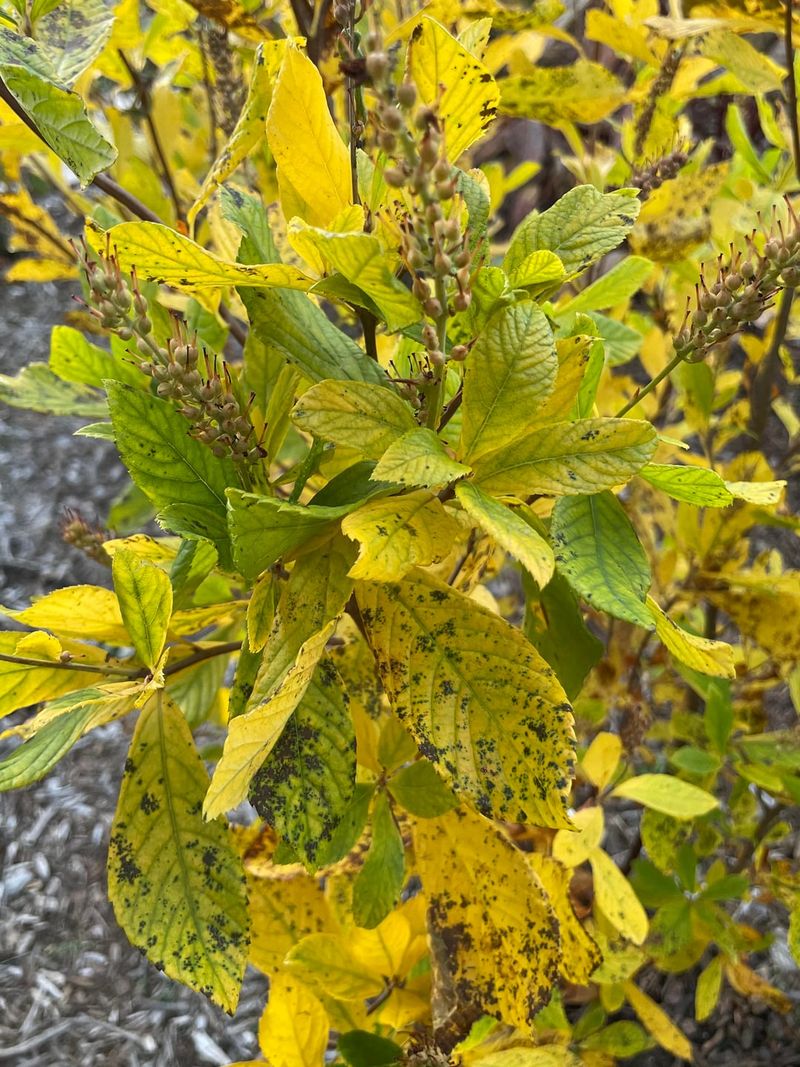
Fungal issues can silently undermine winterberry health and lead to berry drop that seems mysterious at first.
Oregon’s naturally moist climate creates ideal conditions for various fungal pathogens, especially during mild, wet autumns.
Leaf spot diseases, powdery mildew, and root rot all stress winterberries in ways that trigger premature fruit loss.
When fungi attack leaves, they reduce the plant’s ability to produce food through photosynthesis, leaving less energy for berry maintenance.
Root diseases are particularly sneaky because symptoms appear aboveground as general decline and berry drop without obvious signs of the underground problem.
Overwatering or poorly draining soil encourages root fungal problems that eventually manifest as berry loss.
Many Oregon gardeners deal with heavy clay soils that retain moisture longer, creating perfect environments for fungal growth.
Crowded plantings with poor air circulation also promote fungal diseases by keeping foliage damp for extended periods.
Pruning winterberries to improve airflow and removing fallen leaves that harbor fungal spores helps prevent disease establishment.
Applying preventative fungicides in early spring protects susceptible plants, while improving soil drainage through amendments addresses root health issues affecting winterberries throughout Oregon’s diverse growing regions.
Natural Berry Maturity And Aging Process
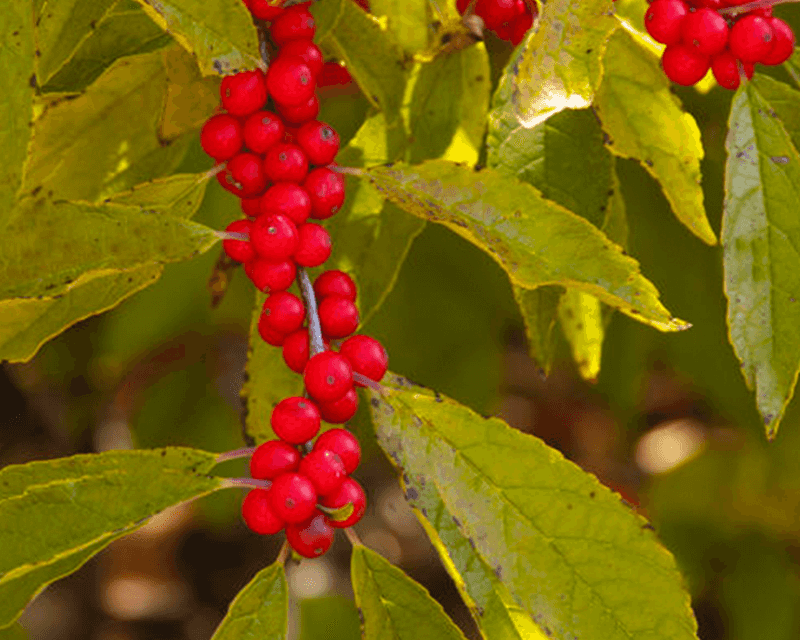
Not all berry drop indicates a problem with your winterberry plants.
Berries naturally have a lifespan, and some cultivars simply don’t hold fruit as long as others regardless of growing conditions.
Oregon gardeners growing certain winterberry varieties may notice earlier berry drop simply because that’s characteristic of those particular plants.
Berries that matured early in the season naturally begin breaking down and falling off as they age, making room for next year’s growth.
The brilliant red color that makes winterberries so attractive actually signals full ripeness, and fully ripe berries don’t last forever on branches.
Environmental factors like rain and wind accelerate the natural aging process, causing mature berries to drop sooner than they might in calmer conditions.
Some winterberry varieties are specifically bred for long-lasting fruit display, while others prioritize berry size or color over retention.
Checking variety characteristics when purchasing plants helps set realistic expectations about how long berries will persist.
Cultivars like ‘Winter Red’ and ‘Red Sprite’ are known for excellent berry retention well into winter across Oregon.
Understanding that some berry drop is completely normal helps you distinguish between natural plant behavior and actual problems requiring intervention in your garden.