Why Winterberry Berries Are Disappearing In Ohio Gardens And What Experts Say About Bird Activity
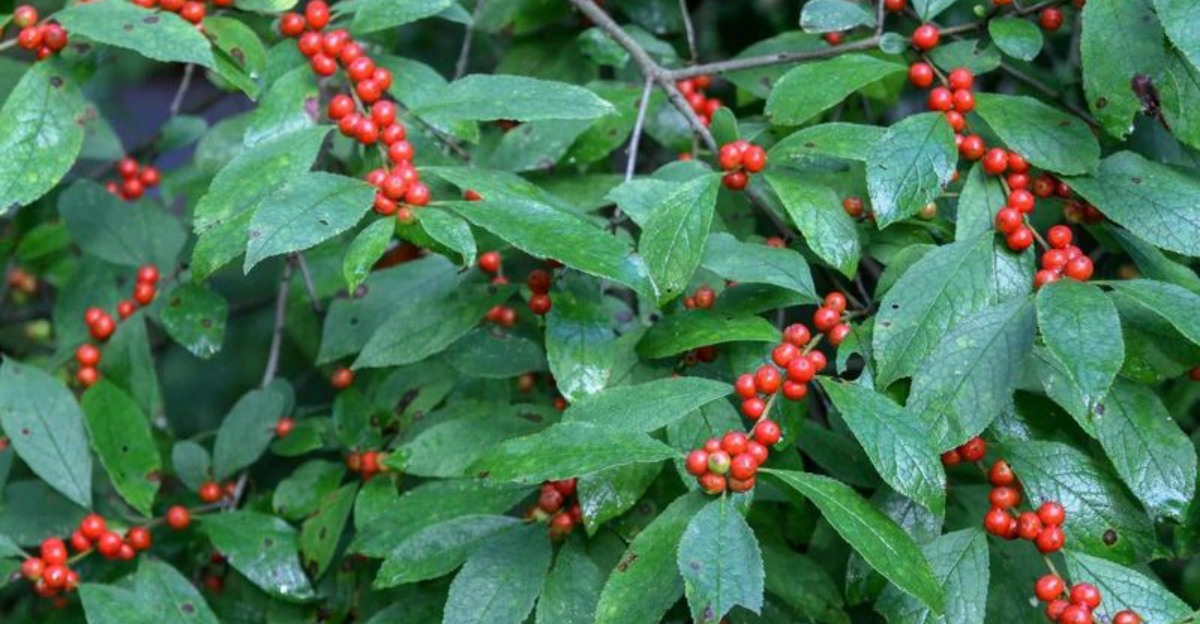
Winterberry shrubs are beloved in Ohio gardens for their brilliant red fruit that brightens dull winter landscapes—but lately, many gardeners are noticing those berries disappearing faster than expected.
In years past, winterberries would persist well into the season, offering eye-catching color and a reliable food source for wildlife.
Now, flocks of hungry birds are arriving early and stripping the branches clean before homeowners have a chance to enjoy them.
This shift isn’t random; it’s tied to changes in bird activity, migration timing, and how wildlife uses your yard as a winter food source.
Experts say understanding this behavior helps gardeners anticipate berry loss, plan plantings more wisely, and balance their desire for both vibrant winter interest and a bird-friendly habitat.
Let’s explore why Ohio winterberry berries are vanishing—and what bird dynamics are behind it.
Hungry Birds Flock To Winterberry Bushes For Food
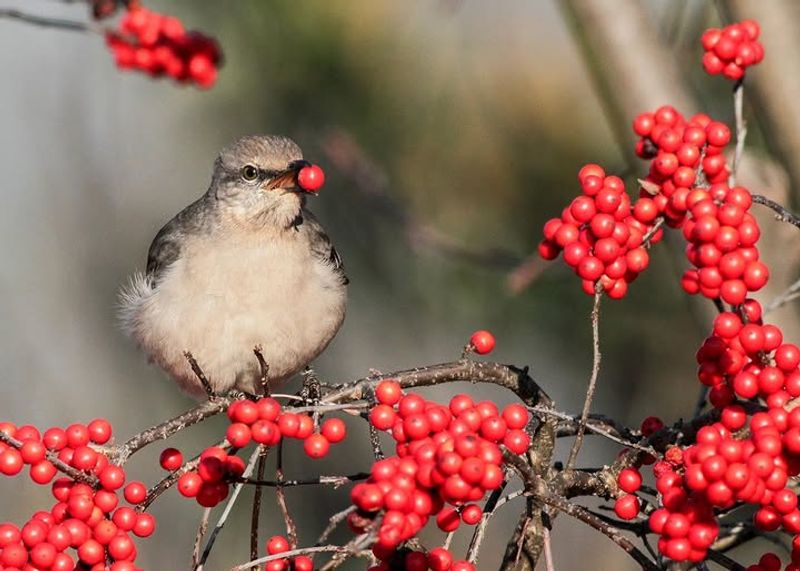
Birds love winterberry fruits because these bright red treasures provide essential nutrition when other food sources become scarce during harsh Ohio winters.
Cedar waxwings, robins, and bluebirds gather in large flocks around winterberry bushes, eating dozens of berries within just a few hours of discovering them.
Their appetite increases dramatically as temperatures drop and natural food becomes harder to find in frozen landscapes.
Wildlife experts explain that birds can strip an entire bush bare in one day if the flock is large enough.
Ornithologists in Ohio have observed that bird activity around winterberries peaks during January and February when snow covers most other berry sources.
The bright color of winterberries acts like a beacon, attracting birds from considerable distances across neighborhoods.
Some species remember locations of productive bushes and return year after year to feast on the reliable food source.
Gardeners who want to keep more berries should consider planting extra bushes to satisfy both birds and their own decorative desires throughout winter.
Male Winterberry Plants Produce No Berries At All
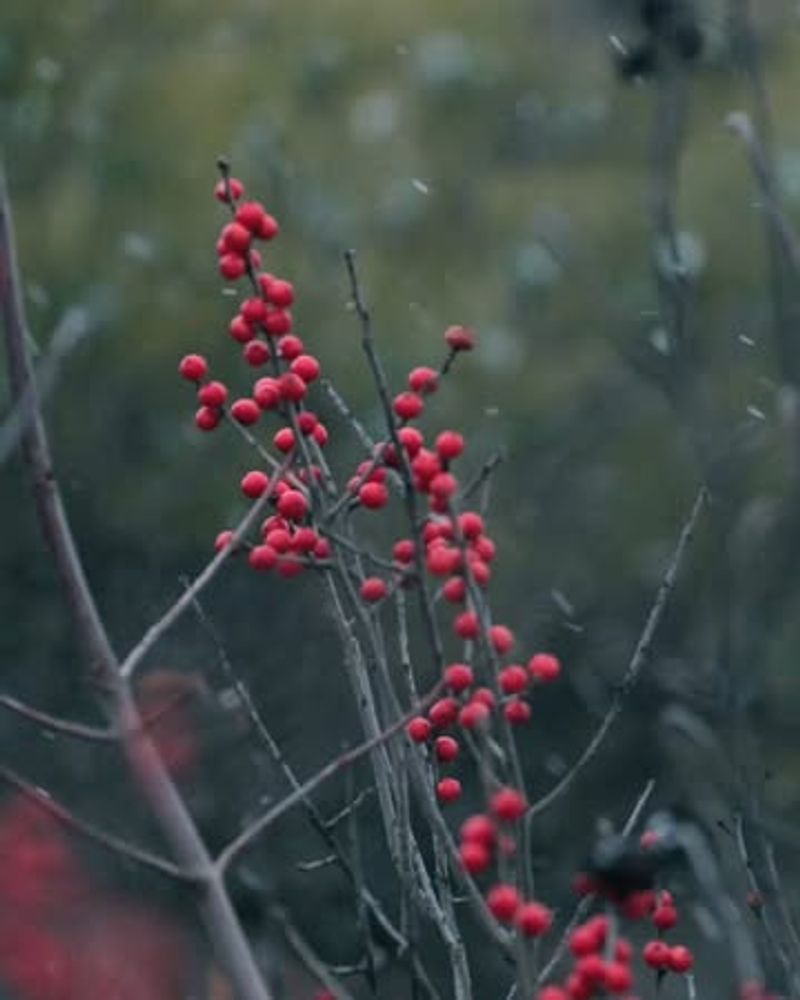
Winterberry plants come in male and female varieties, but only female plants actually produce the beautiful red berries that gardeners want to see.
Many Ohio gardeners accidentally purchase only male plants or have an imbalanced ratio of males to females in their gardens without realizing it.
Male plants look very similar to females during most of the year, making identification difficult until berry season arrives.
Garden centers sometimes mislabel plants, leading to confusion and disappointment when no berries appear despite healthy growth and proper care.
Experts recommend planting at least one male plant for every five female plants to ensure proper pollination while maximizing berry production in your landscape.
Without adequate pollination from male plants, even female winterberries will produce very few fruits or none at all during the season.
Checking plant tags carefully before purchase helps avoid this common mistake that leaves gardeners wondering why their bushes stay bare all winter long.
Consulting with local nursery staff about proper plant selection ensures you get the right combination for abundant berry displays each year.
Poor Pollination Results In Fewer Berries Forming
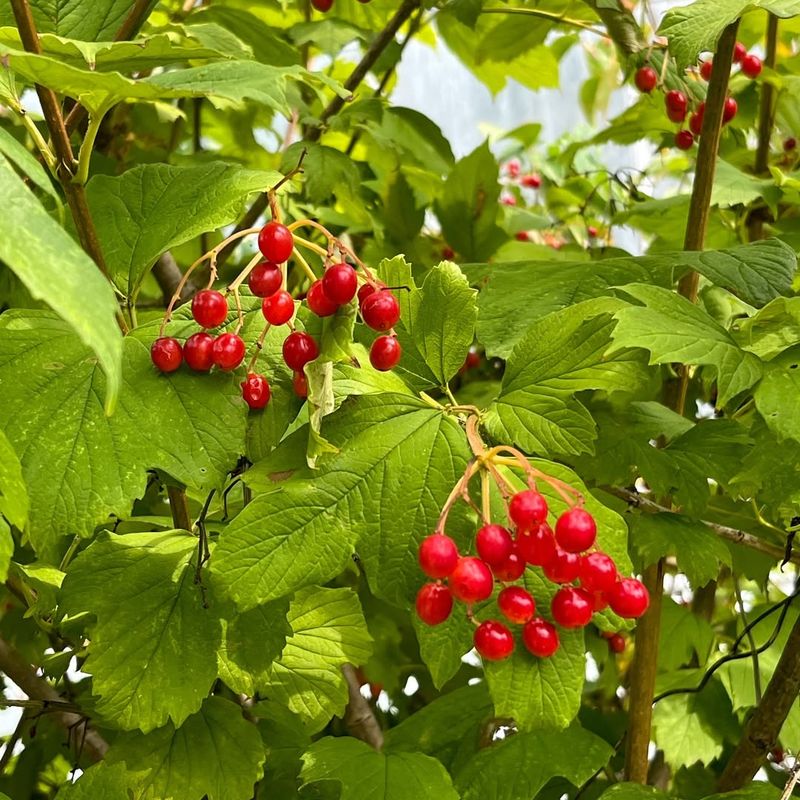
Winterberry flowers bloom in late spring, and successful pollination during this brief period determines how many berries will appear the following winter season.
Cold, rainy weather during flowering time keeps pollinators like bees away from blossoms, resulting in poor fertilization and dramatically reduced berry production later.
Ohio gardeners often overlook this springtime connection when they notice sparse berries in December and January.
Wind can also help with pollination, but it remains far less effective than insect activity for transferring pollen between male and female plants.
Planting male and female winterberries close together improves pollination success rates because pollinators travel shorter distances between the different plant types.
Experts suggest spacing male plants no more than fifty feet from female plants to maximize the chances of successful fertilization occurring.
Creating pollinator-friendly gardens with diverse flowering plants throughout spring encourages more bees to visit your property and pollinate winterberry blooms effectively.
Some gardeners even hand-pollinate their winterberries using small brushes to transfer pollen manually, ensuring better berry production despite unpredictable weather conditions.
Extreme Weather Damages Developing Berry Clusters Early
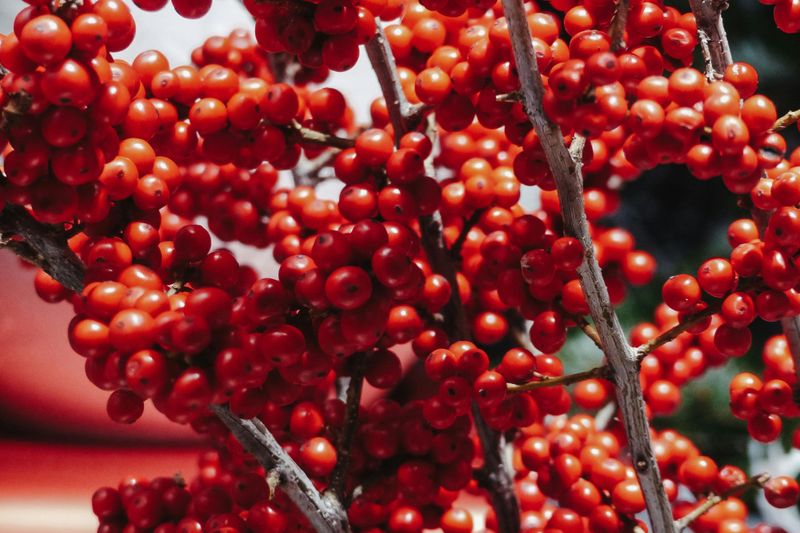
Ohio experiences unpredictable weather patterns that can harm winterberry plants during critical growth stages, affecting berry development and retention throughout the season.
Late spring frosts sometimes damage newly formed berries when they are still small and vulnerable, causing them to shrivel and drop prematurely.
Summer droughts stress winterberry bushes, leading to berry drop as the plant conserves energy and water for survival rather than fruit production.
Heavy storms with strong winds can knock berries off branches before they fully ripen and develop their characteristic bright red color.
Experts note that winterberries growing in exposed locations suffer more weather damage than those planted in protected spots near buildings or fences.
Mulching around the base of plants helps maintain consistent soil moisture, reducing stress during dry periods and improving overall berry retention rates.
Providing supplemental water during prolonged dry spells in summer ensures berries develop properly and remain attached to branches through winter months ahead.
Selecting planting sites carefully based on wind exposure and microclimate conditions improves the likelihood of maintaining healthy berry displays despite challenging weather patterns.
Deer Browse On Branches And Consume Available Berries
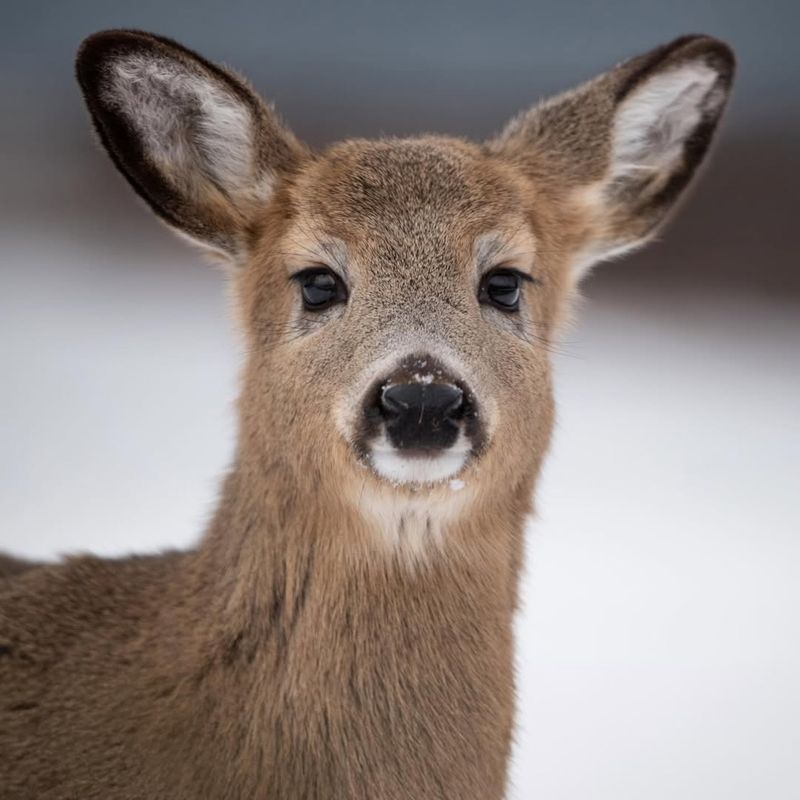
Deer populations have grown significantly throughout Ohio suburbs, and these hungry animals browse on many garden plants including winterberry bushes and their fruits.
Winter food scarcity drives deer to eat plants they might normally avoid, including the berries and tender branch tips of winterberries.
A single deer can consume hundreds of berries in one feeding session, leaving bushes stripped bare overnight to the surprise of gardeners.
Deer also damage plants by breaking branches while reaching for berries, which reduces future berry production and affects the overall health of bushes.
Wildlife specialists report that deer activity around gardens increases during snowy periods when their usual food sources become buried and inaccessible to them.
Installing fencing at least eight feet tall provides effective protection, though it can be expensive and may not fit every landscape design.
Applying deer repellent sprays regularly throughout winter offers another option, though these products require frequent reapplication especially after rain or snow events.
Planting winterberries closer to houses where human activity is higher sometimes deters deer from browsing, as they prefer feeding in quieter areas.
Incorrect Pruning Timing Removes Future Berry-Producing Wood
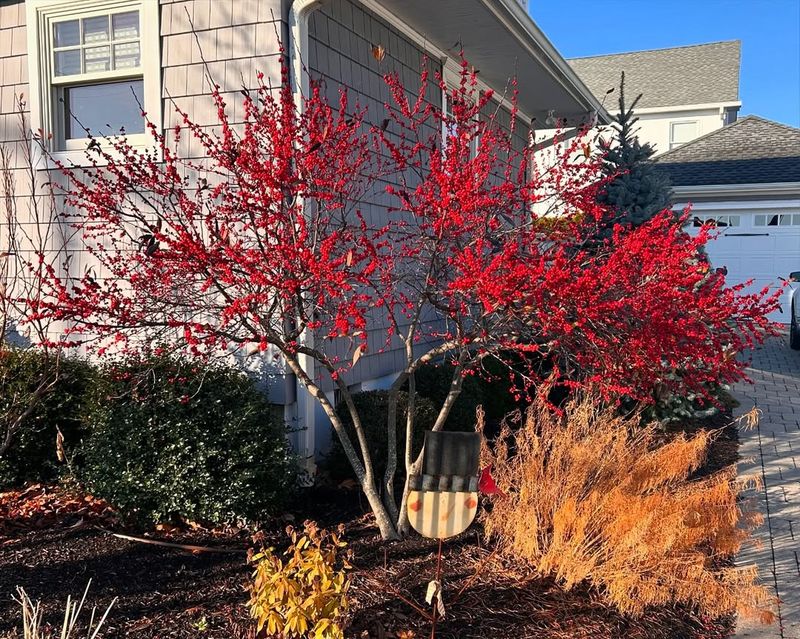
Winterberries produce their flowers and subsequent berries on wood that grew during the previous growing season, making pruning timing absolutely critical for success.
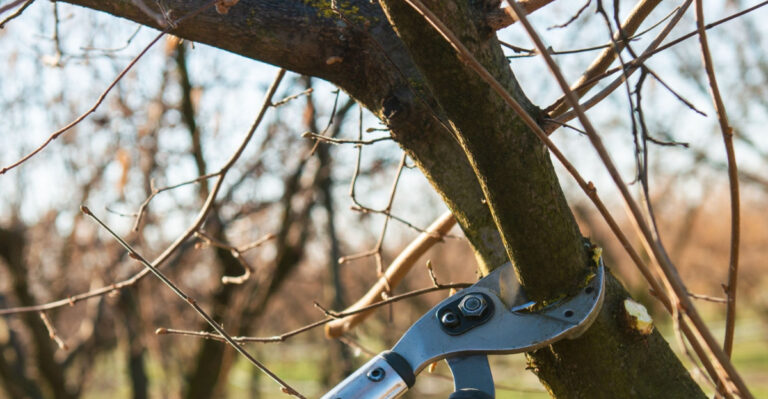
Gardeners who prune winterberries in late winter or early spring accidentally remove the exact branches that would have produced berries the following season.
This common mistake leads to beautiful, well-shaped bushes that frustratingly produce very few or no berries at all despite appearing perfectly healthy.
Understanding the growth cycle of winterberries helps prevent this disappointing outcome that puzzles many Ohio gardeners each year.
Horticulture experts recommend pruning winterberries only in late spring immediately after the flowers fade, preserving new growth that will produce next year’s berries.
Removing old, damaged, or crossing branches at the proper time maintains plant health while ensuring maximum berry production for winter displays ahead.
Avoid heavy pruning altogether if berry production is your primary goal, as even correctly timed cutting reduces the total number of berry-producing branches.
Consulting pruning guides specific to winterberries before picking up shears prevents costly mistakes that take a full year to correct in your garden.
Soil Conditions Affect Overall Plant Health And Berry Production
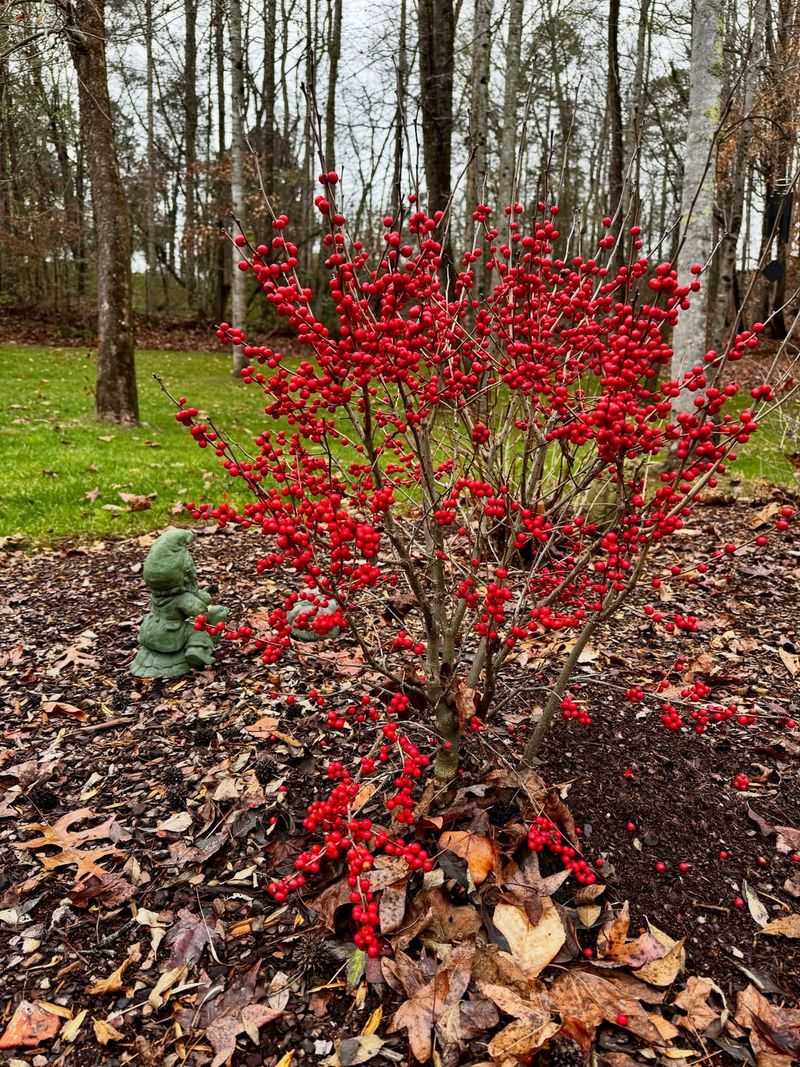
Winterberries thrive in acidic, moist soil conditions, and plants growing in unsuitable soil often struggle to produce abundant berries despite adequate care otherwise.
Ohio soils vary widely across different regions, with some areas having alkaline soil that prevents winterberries from absorbing essential nutrients they need for health.
Iron deficiency caused by improper pH levels shows up as yellowing leaves and reduced vigor, which directly impacts the plant’s ability to produce berries.
Testing soil pH before planting winterberries helps ensure conditions match the plant’s preferences, which typically fall between 4.5 and 6.5 on the scale.
Amending soil with sulfur or peat moss lowers pH levels gradually, creating more favorable growing conditions for winterberries and improving their berry production capacity.
Poor drainage causes root problems that stress plants and reduce berry set, even when other growing conditions seem perfect for these shrubs.
Experts suggest planting winterberries in naturally low-lying areas where moisture collects, mimicking their native wetland habitats and promoting vigorous growth and fruiting.
Regular soil testing every few years helps maintain optimal conditions as soil chemistry changes over time with weathering and amendment applications.
Competition From Other Plants Reduces Winterberry Vigor And Fruiting
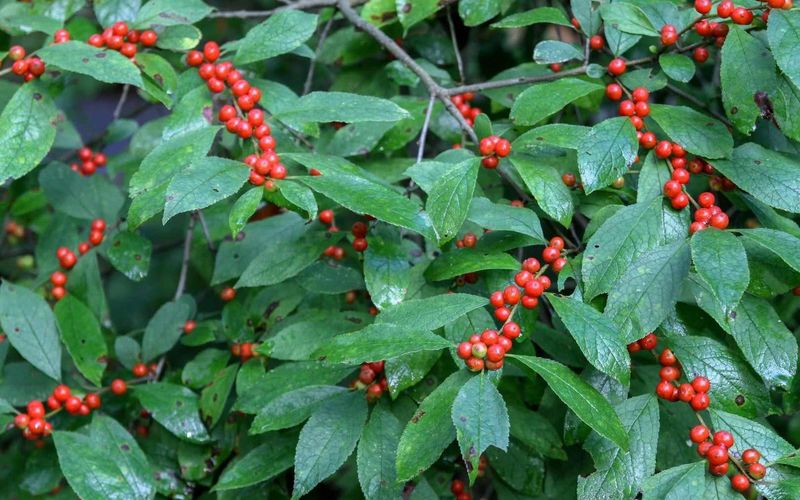
Winterberries need adequate space, sunlight, and resources to produce their best berry displays, but competition from nearby plants often limits their performance significantly.
Aggressive ground covers, weeds, and neighboring shrubs compete for water, nutrients, and light, leaving winterberries with insufficient resources for heavy berry production each season.
Grass growing right up to the base of winterberry bushes creates particularly strong competition that weakens plants over time without gardeners realizing it.
Shading from nearby trees or structures reduces photosynthesis, which decreases the energy available for flower and berry production during the growing season ahead.
Maintaining a weed-free zone extending at least three feet around each winterberry bush ensures plants receive adequate resources for optimal growth and fruiting.
Applying mulch in this cleared area suppresses weed growth while conserving soil moisture, creating ideal conditions for winterberries to thrive and produce abundantly.
Experts recommend evaluating the surrounding landscape and removing or relocating plants that crowd winterberries, giving them room to reach their full potential.
Proper spacing at planting time prevents future competition problems, as mature winterberries need approximately six to eight feet between plants for best results.
Cultivar Selection Influences Berry Abundance And Persistence On Branches
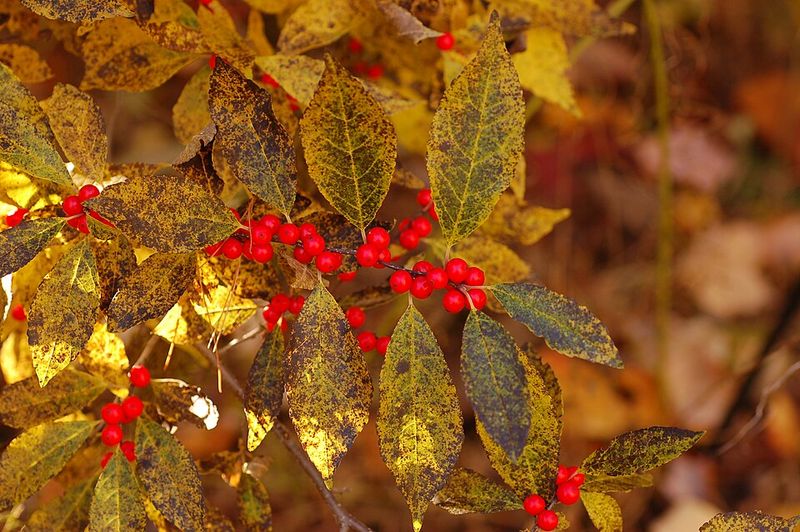
Not all winterberry varieties produce the same quantity of berries or hold them on branches for equal lengths of time throughout the winter season.
Some cultivars naturally produce smaller berry crops, while others are bred specifically for heavy fruiting and long-lasting displays that persist into early spring.
Certain varieties have berries that birds find less palatable, meaning fruits remain on bushes longer for gardeners to enjoy throughout the coldest months.
Ohio gardeners who select cultivars without researching their characteristics may inadvertently choose varieties with sparse berry production or early berry drop patterns.
Popular cultivars like Winter Red and Red Sprite are known for abundant berry production and good persistence, making them excellent choices for Ohio gardens.
Consulting with local extension offices or experienced nursery staff helps identify which winterberry varieties perform best in your specific region and climate conditions.
Reading plant tags carefully and researching cultivar characteristics before purchasing ensures you select winterberries that meet your expectations for berry quantity and display duration.
Choosing proven performers suited to Ohio’s climate increases the likelihood of enjoying spectacular berry displays that last throughout the entire winter season.