Why Wisconsin Gardeners Turn To Garden Covers And Tunnels More Than Ever
Wisconsin gardeners know better than most that the weather can change on a dime.
One warm afternoon can give way to a frosty night, leaving tender plants out in the cold.
With growing seasons that feel too short and surprises around every corner, many gardeners have learned the hard way that luck alone will not cut it.
That is why garden covers and tunnels have become the go to tools across the state.
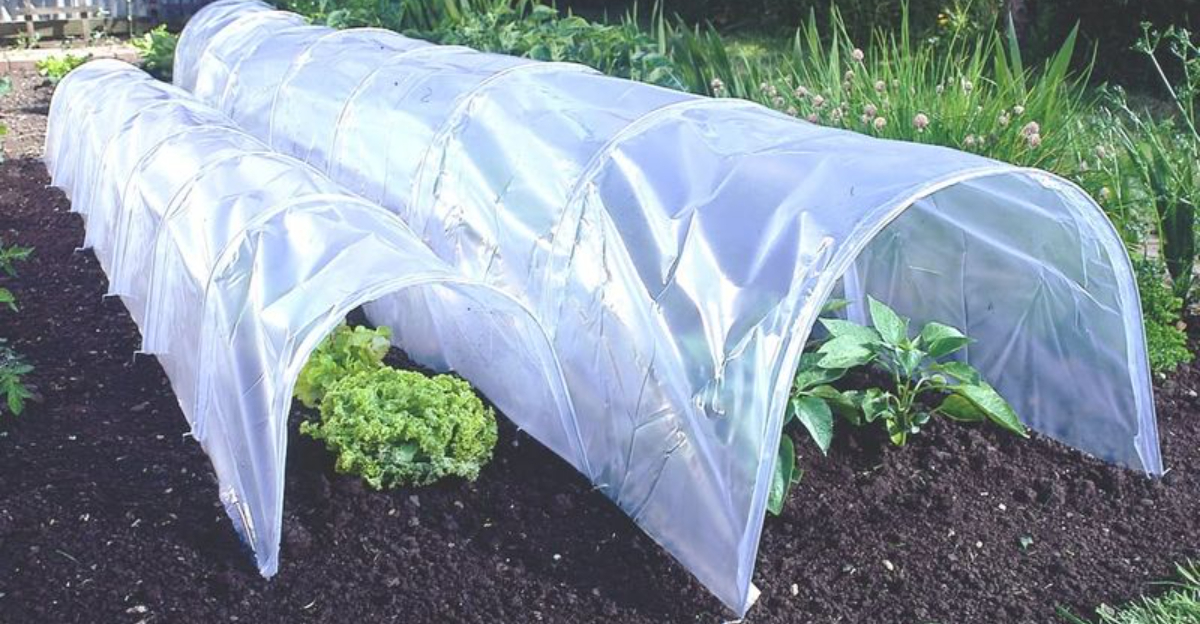
These simple setups act like a safety net, shielding plants from biting winds, sudden chills, and heavy rain.
They help hold warmth in the soil, give seedlings a fighting chance, and stretch the growing season on both ends.
For gardeners eager to get an early start or keep harvests going longer, covers and tunnels are worth their weight in gold.
More than anything, these tools offer peace of mind.
Instead of watching the forecast with crossed fingers, gardeners can rest easier knowing their plants have backup.
In a place where Mother Nature likes to keep everyone guessing, garden covers and tunnels help Wisconsin gardeners stay one step ahead and keep their hard work from going down the drain.
1. Unpredictable Spring Frosts Threaten Early Plantings
Spring in Wisconsin can fool even the smartest gardeners with its warm, sunny days that suddenly turn freezing overnight.
One day you’re planting tomatoes in shorts, and the next morning everything’s covered in a layer of ice that damages tender seedlings.
Garden covers and tunnels solve this frustrating problem by trapping warm air around plants, creating a buffer zone that keeps temperatures several degrees warmer than the outside air.
Many Wisconsin gardeners in places like Eau Claire and Oshkosh have learned this lesson the hard way after losing entire crops to unexpected late-season frosts in May.
The protective barrier that tunnels provide means you can plant earlier in the season without constantly worrying about checking the weather forecast every single night.
This extra protection gives plants a head start of two to three weeks, which makes a huge difference in Wisconsin’s short growing season.
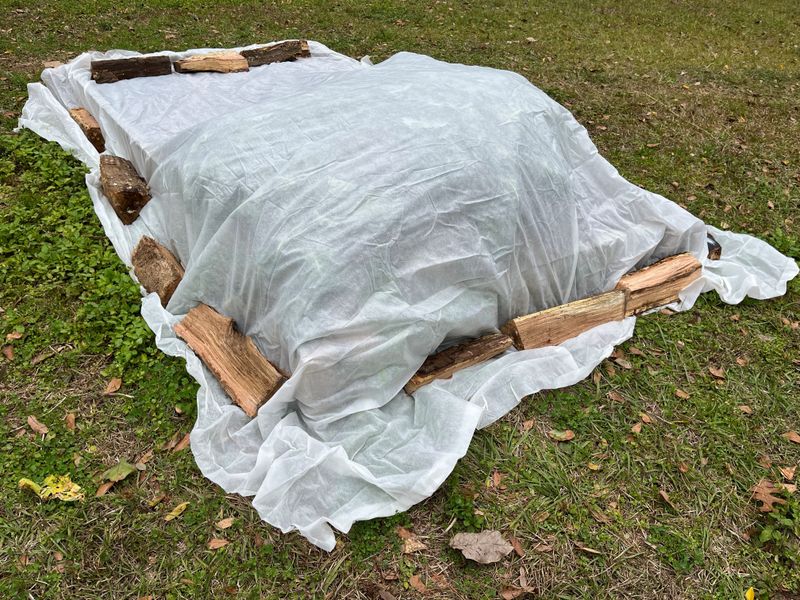
Row covers made from lightweight fabric or plastic sheeting can be quickly thrown over plants when frost warnings appear, while more permanent tunnel structures stay in place all season long.
Gardeners throughout Wisconsin report that using these protective methods has saved countless hours of replanting and hundreds of dollars in lost seedlings.
The peace of mind alone makes covers and tunnels worth every penny, especially during those tricky transition weeks between winter and true spring.
Temperature fluctuations that once meant disaster now become manageable challenges that your protected plants can easily handle.
2. Extending The Growing Season In Short Summers
Wisconsin summers fly by faster than a hummingbird, leaving gardeners wishing they had just a few more weeks to ripen tomatoes and harvest peppers.
The average frost-free period in much of Wisconsin runs only about 120 to 160 days, depending on where you live in the state.
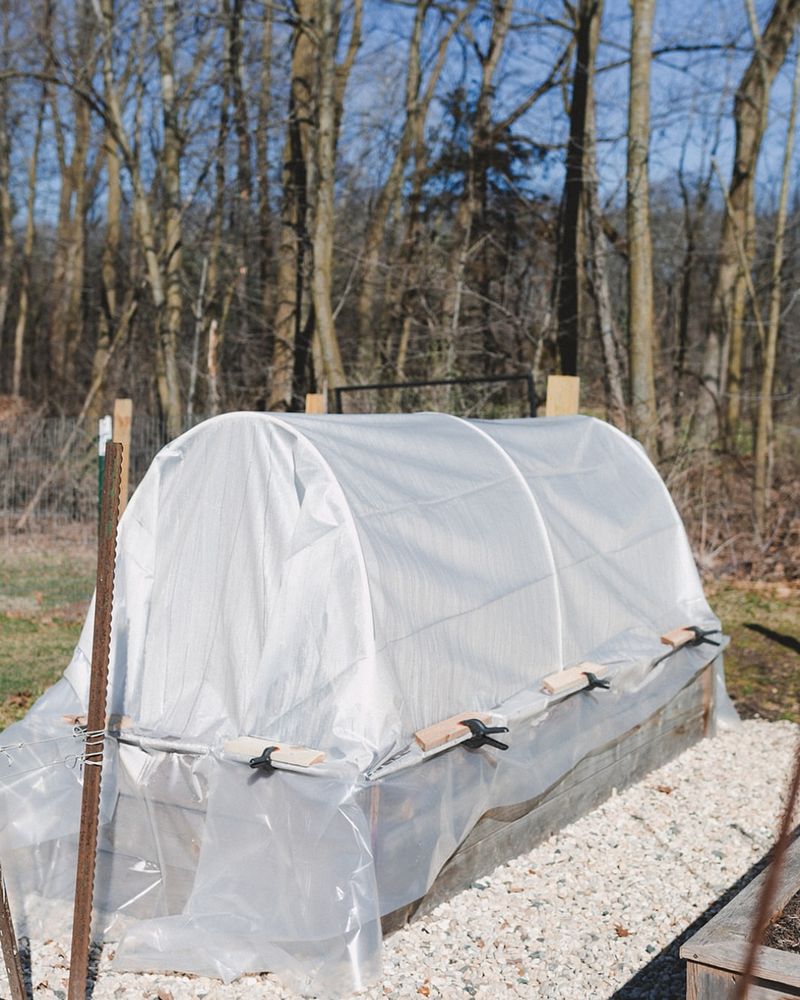
Garden tunnels and covers act like time machines that add precious weeks to both ends of your growing season, letting you start earlier and finish later.
Farmers and home gardeners across Wisconsin communities like Wausau and Stevens Point use these structures to grow heat-loving crops that normally wouldn’t have enough time to mature.
Inside a tunnel, temperatures stay warm enough for plants to keep growing even when September nights start getting chilly outside.
This means you can enjoy fresh salad greens well into November and start harvesting radishes and lettuce as early as March in some years.
The extended season also allows gardeners to plant multiple crops in the same space, getting two or even three harvests where they’d normally get just one.
Cool-season crops like broccoli and cabbage thrive under covers during Wisconsin’s unpredictable spring and fall weather patterns.
Many gardeners report that tunnels have completely changed their relationship with gardening, removing much of the stress and disappointment that comes from racing against the calendar.
Your investment in protective structures pays back many times over through increased harvests and longer enjoyment of fresh, homegrown produce throughout the year.
3. Protection From Heavy Rain And Hail Damage
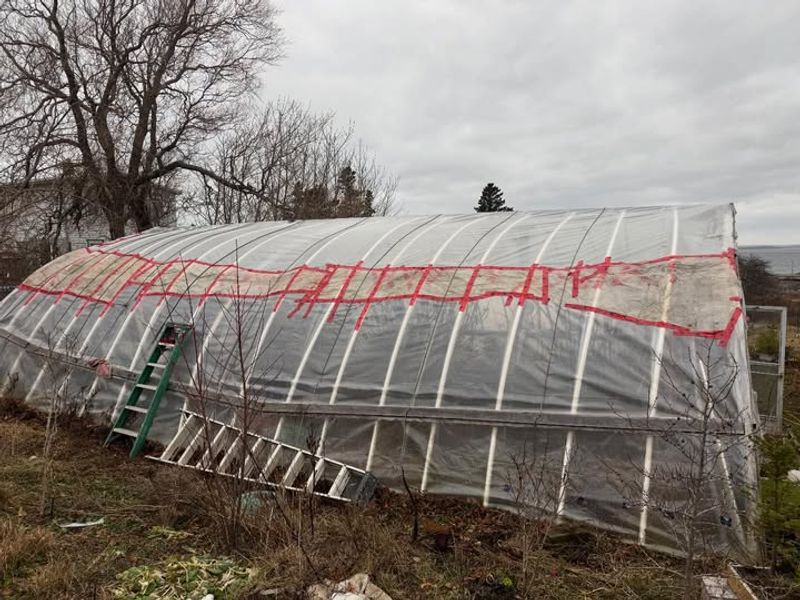
Wisconsin weather can turn violent without warning, sending destructive hailstones crashing down that shred delicate leaves and break plant stems in minutes.
Heavy rainstorms that seem to appear out of nowhere can flatten entire gardens, washing away soil and leaving plants bruised and battered.
Solid garden covers and tunnel structures act as umbrellas that take the beating so your plants don’t have to suffer the consequences.
Gardeners in areas like Appleton and Sheboygan have watched storms rage outside while their covered plants stayed completely safe and dry underneath protective barriers.
The physical shield that covers provide prevents hail from directly hitting tender foliage, which can set plants back by weeks or ruin crops entirely.
Excessive rain can also cause problems like soil compaction, root rot, and fungal diseases that spread rapidly in constantly wet conditions.
Tunnels with solid tops help regulate moisture levels by keeping some rain off while still allowing proper air circulation around plants.
Many Wisconsin gardeners have discovered that their tomatoes develop fewer disease problems when grown under protective covers that reduce leaf wetness from rain.
The controlled environment inside a tunnel means you decide when and how much water your plants receive, rather than leaving it entirely up to unpredictable weather patterns.
After experiencing just one destructive hailstorm that ruins a season’s worth of work, most gardeners become instant believers in the value of protective structures for their Wisconsin gardens.
4. Keeping Pests Away From Precious Crops
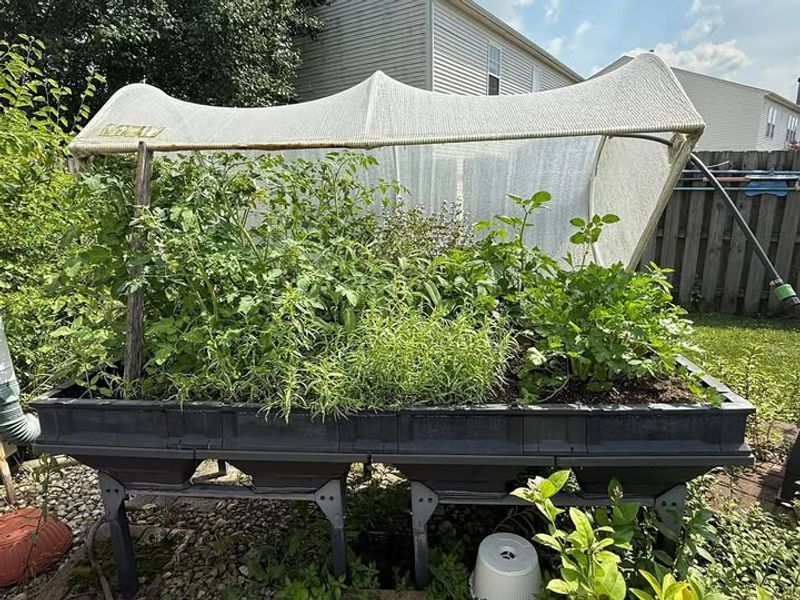
Hungry insects, rabbits, and deer view your Wisconsin garden as an all-you-can-eat buffet that’s open twenty-four hours a day.
Garden covers made from fine mesh fabric create physical barriers that keep these unwanted visitors away from your vegetables without using harsh chemicals.
Floating row covers work particularly well against flying insects like cabbage moths, cucumber beetles, and flea beetles that can devastate crops throughout Wisconsin’s growing season.
Gardeners near wooded areas in places like Rhinelander and Minocqua struggle constantly with deer that can munch through an entire garden in a single night.
Taller tunnel structures covered with netting provide protection from both insects and larger animals that would otherwise feast on your hard work.
The see-through nature of mesh covers means plants still get plenty of sunlight and air while staying safe from pests that spread diseases and damage leaves.
Many Wisconsin growers have cut their pest problems by more than half simply by using protective covers during the most vulnerable stages of plant growth.
Young seedlings especially benefit from this protection when they’re tender and attractive to every bug in the neighborhood.
Once plants grow larger and stronger, you can remove covers or switch to different protection methods depending on what pests are active in your area.
The money saved on pest control products and replacement plants quickly adds up, making covers a smart investment that protects both your garden and your wallet throughout the growing season.
5. Creating Ideal Microclimates For Sensitive Plants
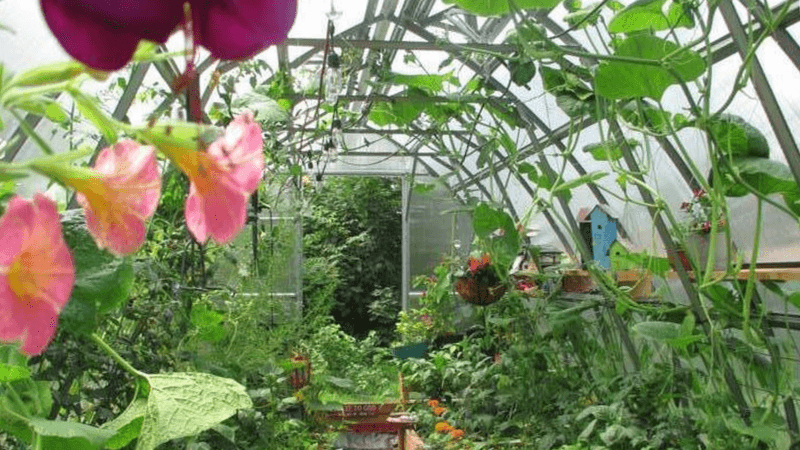
Some vegetables and flowers need specific growing conditions that Wisconsin’s variable climate rarely provides consistently throughout the season.
Peppers, eggplants, and melons crave steady warmth and humidity levels that outdoor gardens in places like Kenosha and Racine struggle to maintain.
Tunnels and covers let you create customized microclimates that mimic the growing conditions these fussy plants prefer, turning impossible crops into reliable producers.
Inside a properly managed tunnel, temperatures stay more stable without the wild swings that happen in open gardens exposed to every passing weather front.
You can adjust ventilation, add or remove layers of covering, and control moisture levels to match exactly what your plants need at different growth stages.
Wisconsin gardeners report amazing success growing plants they never thought possible in the state’s challenging climate, from sweet melons to exotic herbs.
The protected environment also reduces plant stress, which leads to healthier growth, better disease resistance, and more abundant harvests overall.
Plants that normally limp along in Wisconsin’s cool nights thrive when given the consistent warmth that tunnels provide during crucial flowering and fruiting periods.
Even common crops like tomatoes produce earlier and more heavily when grown under covers that keep them cozy during chilly early summer evenings.
This ability to fine-tune growing conditions has opened up exciting new possibilities for Wisconsin gardeners who want to experiment with crops beyond the usual cold-hardy varieties that dominate traditional gardens.
6. Reducing Water Usage While Improving Plant Health
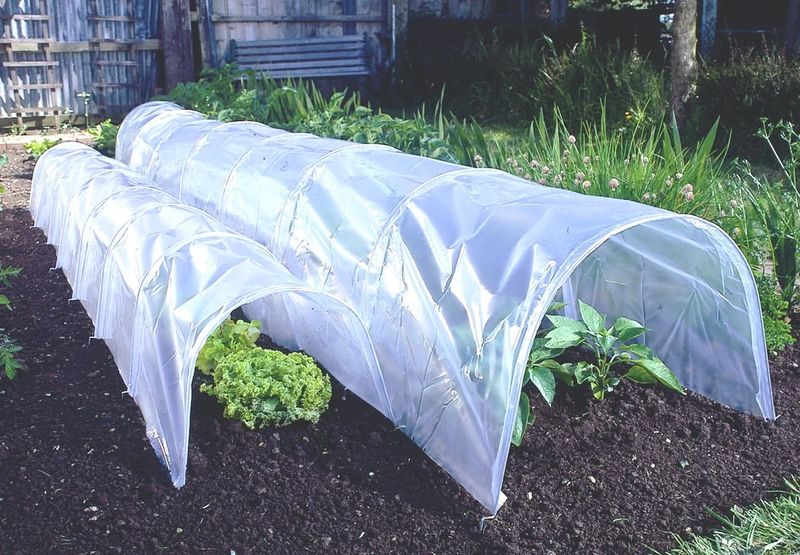
Water bills and drought concerns have made Wisconsin gardeners more conscious about using this precious resource wisely throughout the growing season.
Garden covers and tunnels dramatically reduce water loss from evaporation, meaning plants need less frequent watering while still staying healthy and productive.
The enclosed environment traps moisture in the soil and air, creating humidity that helps plants absorb water more efficiently through their leaves and roots.
Gardeners in drier parts of Wisconsin like the southwestern counties have found that covered plants need about half as much supplemental watering as those growing in open gardens.
This water conservation benefit becomes especially valuable during hot summer weeks when rainfall disappears and municipal water restrictions sometimes go into effect.
Protected plants also develop stronger root systems because soil moisture stays more consistent without the constant wet-dry cycles that stress plants in exposed gardens.
When you do water, the moisture stays where you put it instead of evaporating within hours under bright Wisconsin sunshine and drying winds.
Many gardeners combine tunnels with drip irrigation systems that deliver water directly to plant roots with minimal waste or runoff.
The controlled environment means less water splashing on leaves, which reduces fungal disease problems that plague Wisconsin gardens during humid summer months.
Lower water usage benefits both your budget and the environment while producing healthier plants that yield more vegetables and flowers throughout the entire growing season in Wisconsin’s variable climate conditions.