Why Yellow Leaves Keep Appearing On Houseplants In Massachusetts — And What Helps
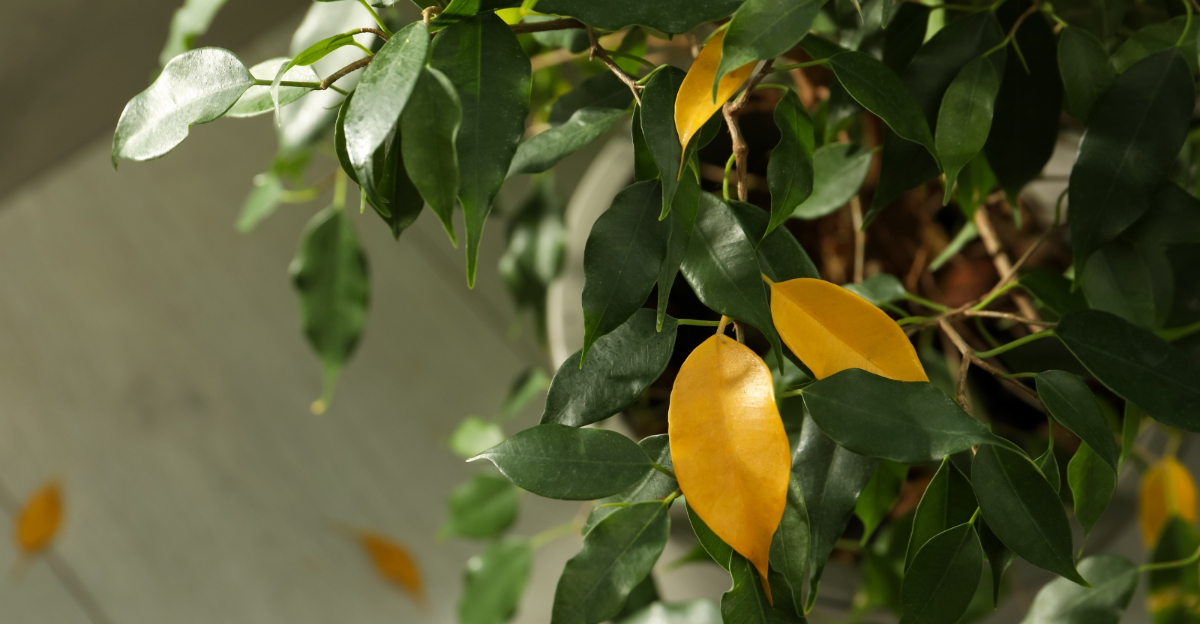
Yellow leaves show up on houseplants in Massachusetts homes even when watering feels consistent and care hasn’t changed, which makes the problem especially frustrating.
Indoor heating, low winter light, and seasonal humidity shifts quietly stack the odds against healthy foliage.
Many plant owners assume yellowing means something urgent is wrong, when it’s often a slow response to conditions building over weeks.
Massachusetts homes create a unique indoor environment that plants react to long before damage looks serious. The signs appear gradually, starting with a few faded leaves that are easy to ignore.
Because the change feels subtle, most people keep repeating the same routine, expecting the plant to bounce back on its own.
What actually helps isn’t drastic or complicated, but it does require noticing what the plant is responding to.
Once the real cause becomes clear, yellow leaves stop feeling mysterious and start feeling manageable.
1. Low Light Levels During Long Massachusetts Winters
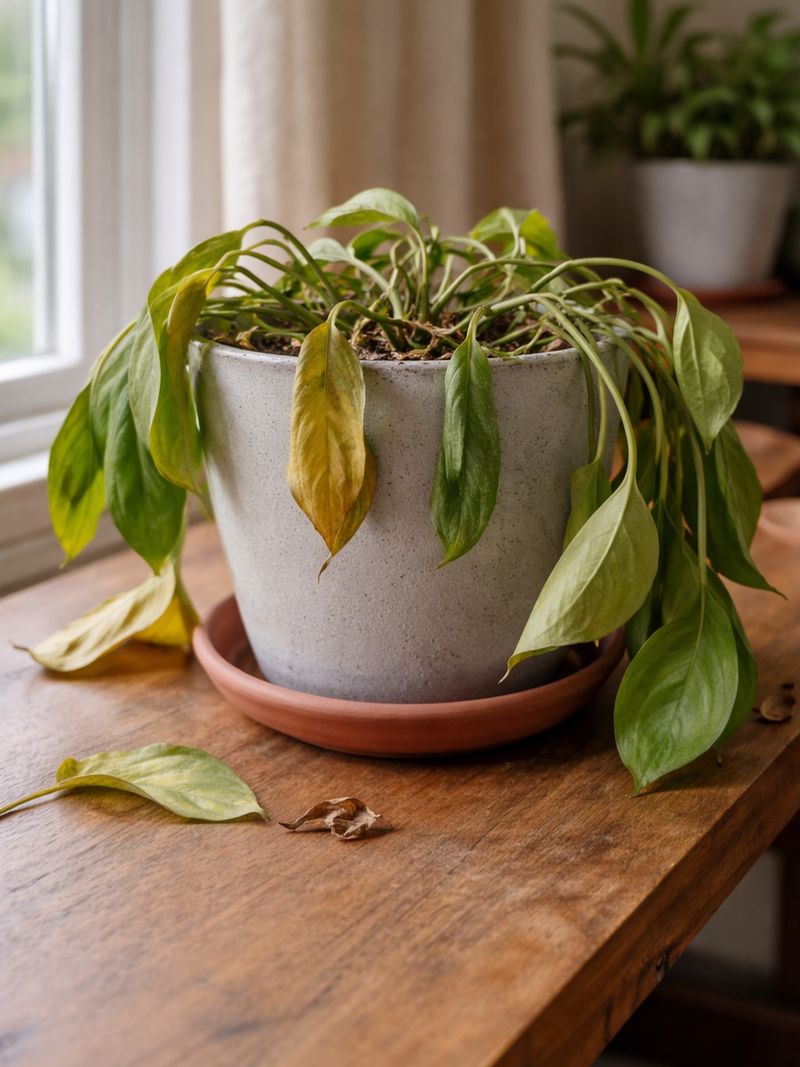
Winter days in Massachusetts feel noticeably shorter, and your houseplants definitely notice the change. Plants rely on sunlight to make food through photosynthesis, so when daylight hours shrink from November through February, they struggle to get enough energy.
Leaves that don’t receive adequate light start turning yellow because they can’t produce the chlorophyll needed to stay green.
Many popular houseplants come from tropical regions where sunlight stays consistent year-round. Pothos, philodendrons, and peace lilies all prefer bright, indirect light but can tolerate lower conditions.
However, even shade-loving plants need some light to survive.
The angle of winter sun in Massachusetts also matters because it sits lower in the sky. This means sunlight coming through windows is weaker and less direct than summer rays.
South-facing windows provide the most light during these months, but even those spots might not be enough for light-hungry plants.
Older leaves typically turn yellow first when light becomes insufficient. The plant redirects its limited energy to newer growth at the top.
This natural process helps the plant survive, but it signals that conditions aren’t ideal.
Snow cover outside can actually help by reflecting extra light into your home. Still, Massachusetts winters remain challenging for indoor gardens.
Supplemental grow lights can make a huge difference for plants showing signs of light stress.
Rotating your plants every week or two helps all sides receive equal exposure. Dust buildup on leaves also blocks light absorption, so wiping them down monthly keeps photosynthesis efficient throughout the cold season in Massachusetts.
2. Overwatering Becomes More Common In Cold Months
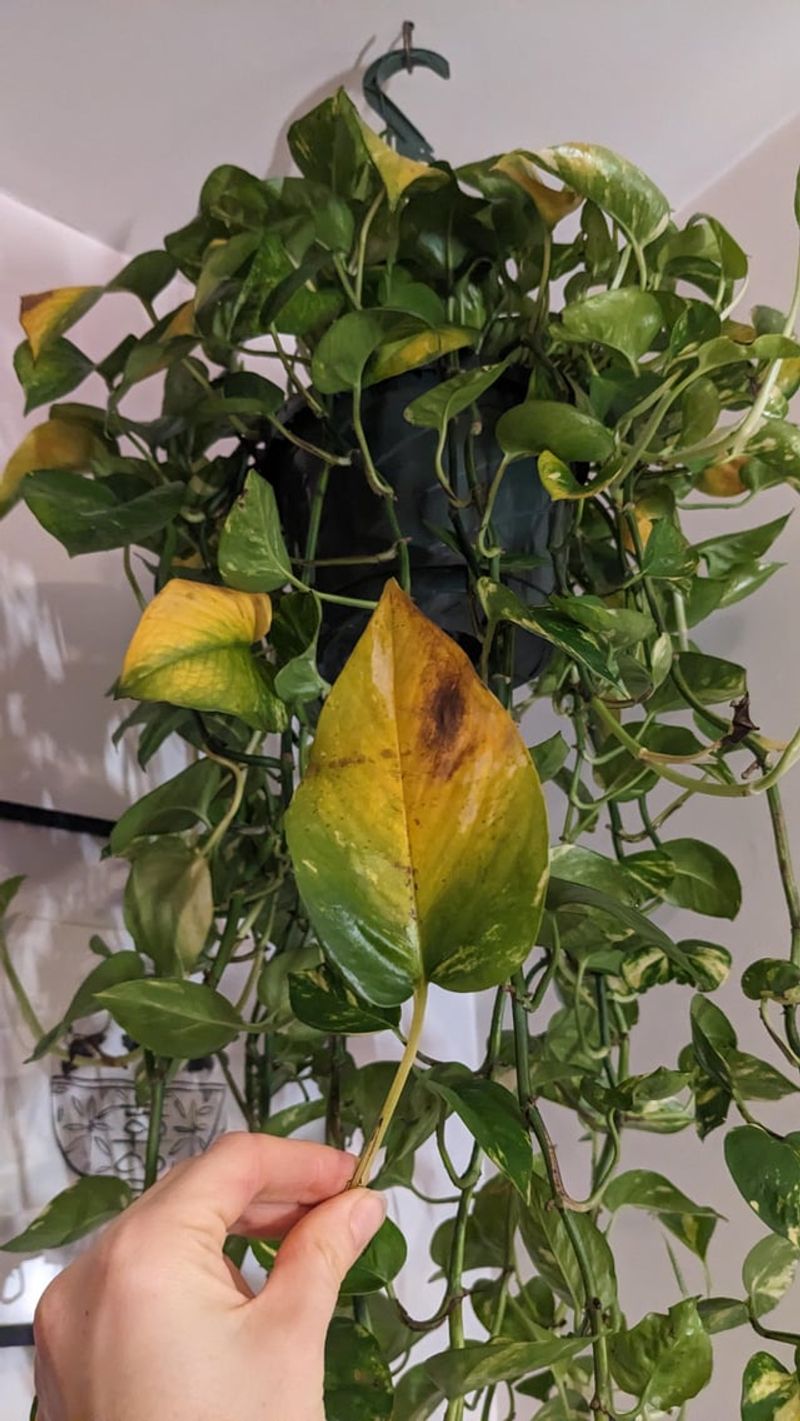
Plant growth slows dramatically when temperatures drop and daylight decreases across Massachusetts. Most houseplants enter a semi-dormant state during winter, meaning they use far less water than during active growing seasons.
Continuing your summer watering schedule into fall and winter almost guarantees problems with yellow leaves.
Roots sitting in soggy soil can’t absorb oxygen properly, which leads to root rot. When roots start failing, leaves turn yellow because water and nutrients can’t travel up to the foliage.
This happens faster in cold conditions because soil takes much longer to dry out.
Heating systems in Massachusetts homes create a tricky situation. While the air feels dry, the soil in pots stays wet longer because plants aren’t actively drinking.
Many people see dry air and assume their plants need more water, but that’s often the opposite of what they need.
The weight test works great for checking moisture levels. Lift your pot when the soil is freshly watered, then lift it again a few days later.
You’ll notice a significant difference that helps you learn when watering is actually necessary.
Drainage holes are absolutely essential for preventing overwatering damage. Pots without drainage trap excess water at the bottom where roots sit.
Clay pots dry out faster than plastic ones, which can be helpful during Massachusetts winters.
Checking soil moisture with your finger before watering prevents most overwatering issues. Push your finger about two inches down into the soil.
If it feels damp, wait a few more days before watering your plant again.
3. Dry Indoor Air Caused By Constant Heating
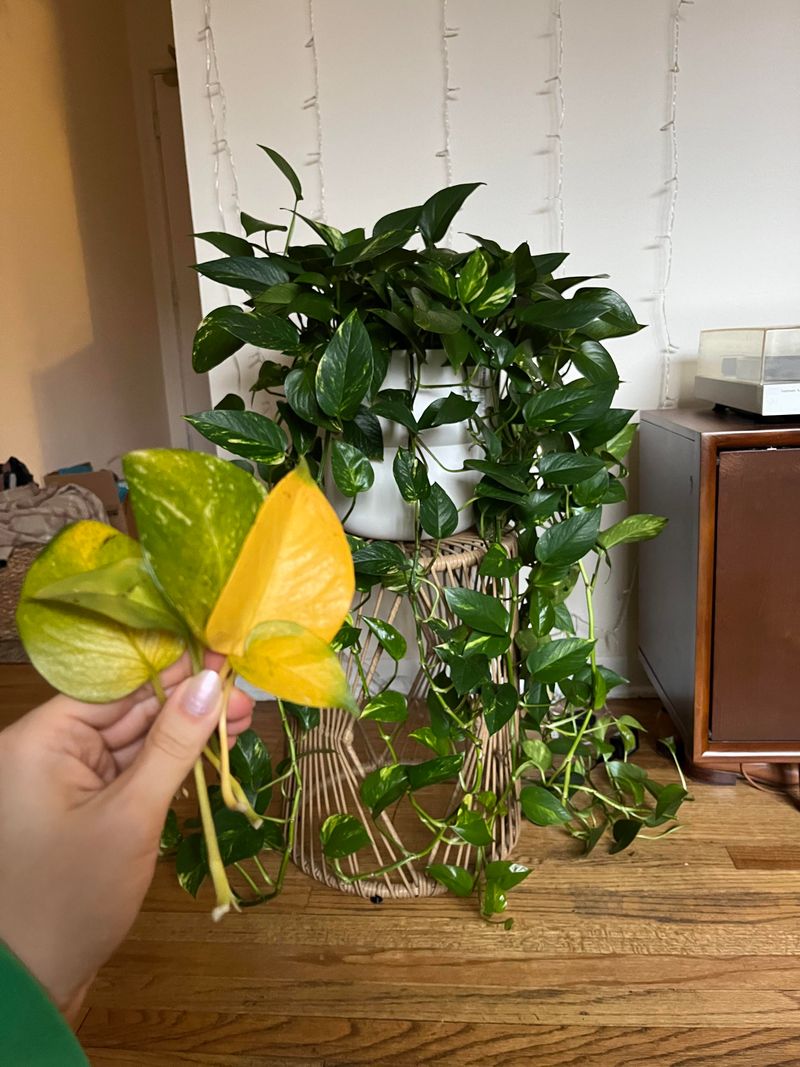
Furnaces and heating systems running constantly throughout Massachusetts winters create desert-like conditions inside homes. Humidity levels can drop to 10-20 percent, which is drier than many actual deserts.
Tropical houseplants that naturally grow in humid environments struggle badly when air moisture disappears.
Leaf tips and edges often turn brown or yellow first when humidity drops too low. Spider plants, ferns, calatheas, and prayer plants are especially sensitive to dry air.
Their leaves may develop crispy edges before yellowing spreads to larger areas.
Central heating systems pull moisture out of everything, including plant leaves and soil. Plants lose water through tiny pores called stomata, and this process speeds up dramatically in dry conditions.
When plants lose water faster than their roots can replace it, leaves start showing stress symptoms.
Boston is particularly known for harsh winters with indoor heating running non-stop. Even coastal areas of Massachusetts experience significant humidity drops indoors during heating season.
The contrast between summer and winter humidity levels can be shocking.
Grouping plants together creates a micro-climate where they benefit from each other’s transpiration. As plants release moisture through their leaves, nearby plants absorb some of that humidity.
This natural arrangement mimics how plants grow together in nature.
Pebble trays offer another simple humidity solution. Place a shallow tray filled with pebbles and water beneath your plant pot.
As water evaporates, it increases moisture around the foliage without making soil soggy.
4. Cold Drafts Near Windows And Exterior Doors
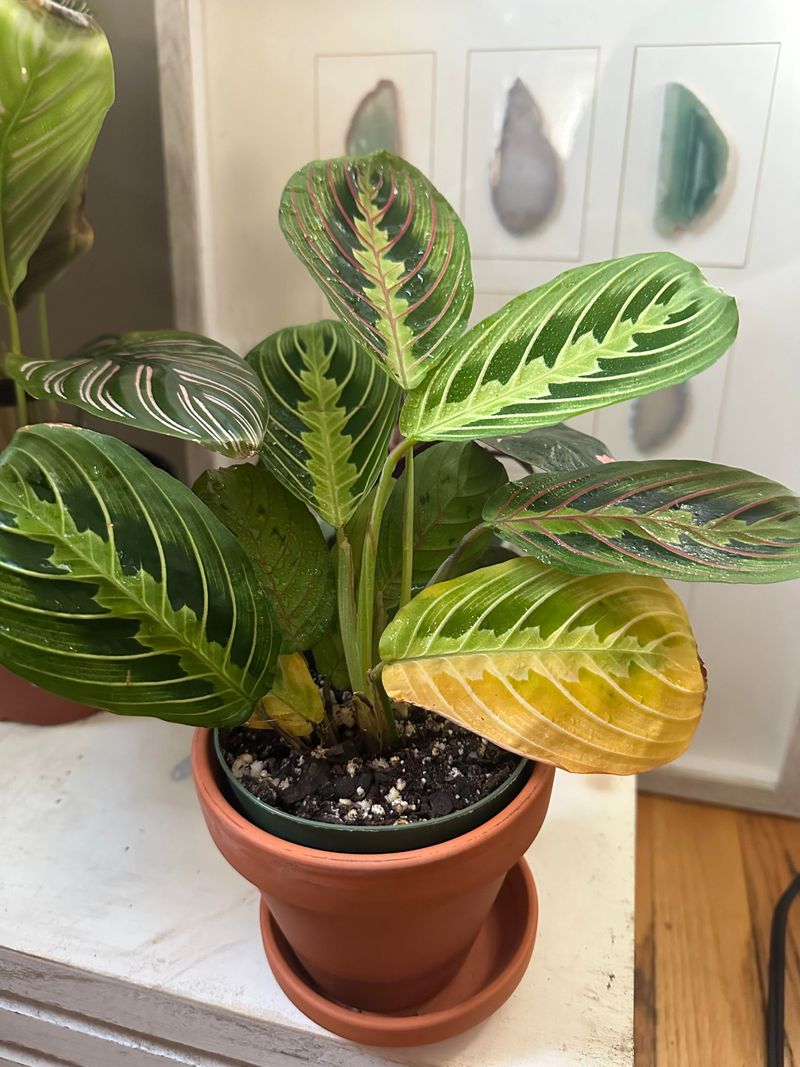
Temperature swings stress houseplants more than consistent coolness in many cases. Windows and doors in older Massachusetts homes often have small gaps that let freezing air seep inside.
Plants sitting near these drafty spots experience sudden temperature drops that shock their systems.
Most tropical houseplants prefer temperatures between 65-75 degrees Fahrenheit. When cold air hits leaves directly, it can cause cellular damage that shows up as yellowing.
The plant basically gets frostbite on a smaller scale, even though it’s technically indoors.
Nighttime temperatures near windows can drop significantly lower than the rest of your home. Single-pane windows, common in historic Massachusetts buildings, provide minimal insulation.
Your thermostat might read 68 degrees while the area right next to a window sits at 55 degrees.
Leaves touching cold glass can develop yellow spots or patches. This direct contact creates localized cold damage that spreads as the affected tissue fails.
Moving plants just a few inches away from glass prevents this contact damage.
Entryways and mudrooms in Massachusetts homes see frequent door openings during winter. Each time someone enters or exits, a blast of cold air rushes in.
Plants near these high-traffic areas experience repeated temperature shocks throughout the day.
Radiators and heating vents near windows create another problem. Plants might sit between a cold draft and a hot air source, experiencing extreme temperature fluctuations.
This constant stress weakens plants and makes yellow leaves more likely to develop and spread.
5. Move Houseplants To Brighter Indoor Locations
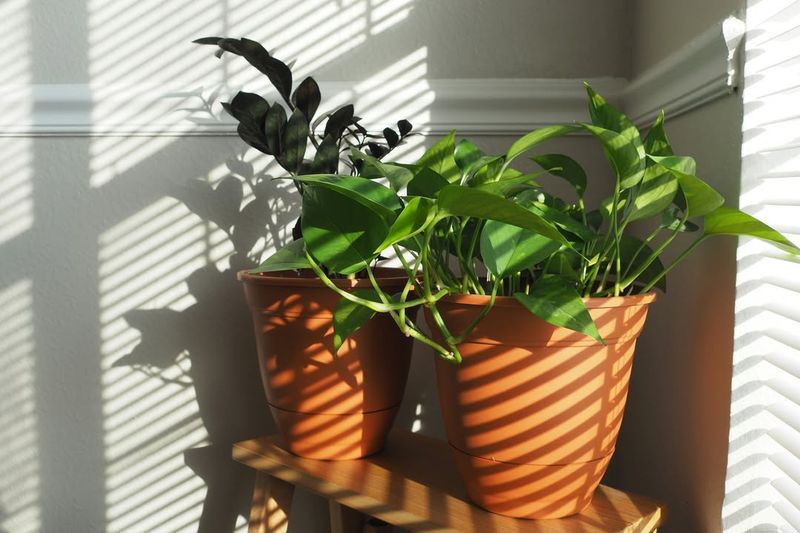
Relocating plants to sunnier spots makes an immediate difference when yellow leaves appear from light deficiency. South-facing windows in Massachusetts homes receive the most consistent light during winter months.
East-facing windows provide gentle morning sun that works well for many houseplants without causing burn.
Rooms that felt too bright during summer often become perfect plant locations in winter. The sun’s lower angle and shorter days mean you can move light-sensitive plants closer to windows.
Spaces that previously caused leaf scorch might now provide ideal conditions.
Bathrooms with windows offer excellent humidity and light combinations. The steam from showers boosts moisture levels while windows provide necessary brightness.
This setup works especially well for ferns, orchids, and other humidity-loving plants common in Massachusetts homes.
Avoid placing plants directly on cold windowsills, even when moving them for better light. Use a small table or plant stand that positions foliage near the window without touching cold surfaces.
This arrangement maximizes light while minimizing temperature stress.
Kitchens often have multiple windows and tend to stay warmer than other rooms. The ambient heat from cooking and appliances creates comfortable conditions.
Just keep plants away from stove areas where temperature spikes and grease buildup cause problems.
Monitor your plants closely after moving them to new locations. Some adjustment time is normal, but if yellowing worsens, the new spot might be too bright or have other issues.
Finding the perfect location sometimes requires experimenting with a few different areas around your Massachusetts home.
6. Let Soil Dry More Between Watering

Adjusting your watering schedule prevents the most common cause of yellow leaves during Massachusetts winters. Most houseplants need water only when the top inch or two of soil feels completely dry.
During cold months, this might mean watering once every two or three weeks instead of weekly.
Different plants have different moisture needs, so research your specific varieties. Succulents and cacti might go a month between waterings in winter.
Tropical plants like pothos and philodendrons still need regular moisture but much less frequently than during summer growth periods.
Room temperature affects how quickly soil dries out in your Massachusetts home. Cooler rooms mean slower evaporation and less water uptake by plants.
Warmer rooms near heating sources dry out faster, but plants still use less water overall during winter dormancy.
Pot size and material also influence drying time significantly. Large pots hold moisture longer than small ones.
Terracotta pots allow evaporation through their porous walls, while plastic and ceramic containers keep soil wet much longer.
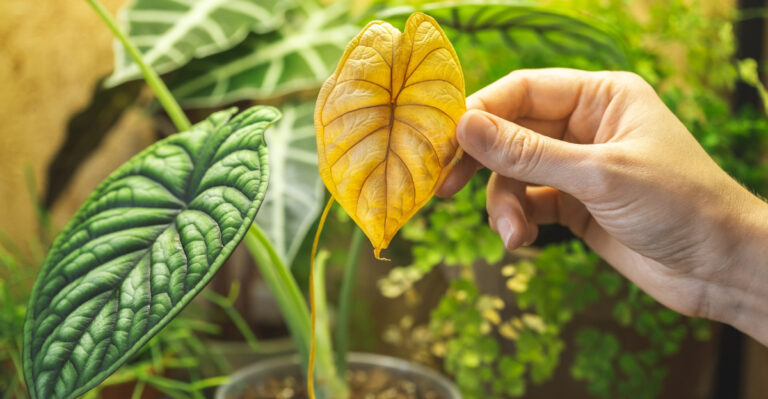
Yellow leaves from overwatering usually appear on lower, older foliage first. The leaves might feel soft or mushy rather than crispy.
If you notice these signs, allow soil to dry out thoroughly before watering again, and consider repotting if roots show damage.
Investing in a moisture meter takes the guesswork out of watering decisions. These inexpensive tools measure moisture deep in the root zone.
They’re especially helpful for large pots where surface soil might feel dry while deeper layers remain saturated throughout the long Massachusetts winter.
7. Increase Humidity Around Sensitive Plants
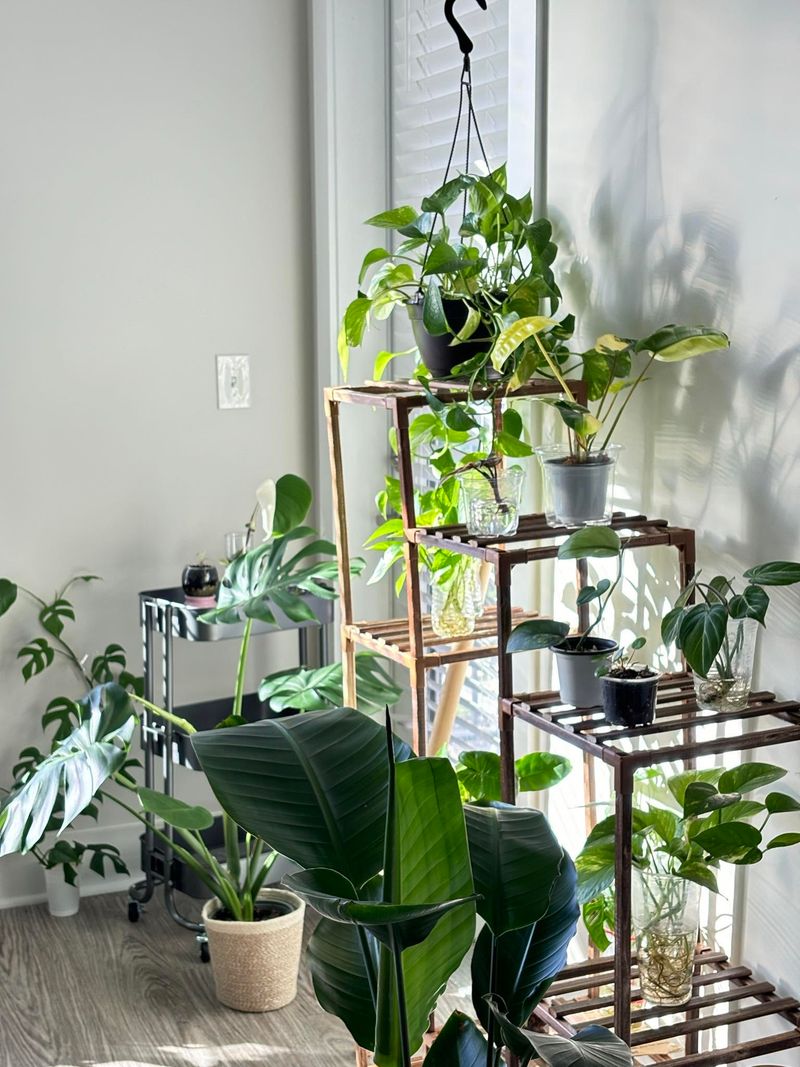
Boosting moisture levels in the air helps humidity-loving plants thrive despite Massachusetts heating systems. Small humidifiers designed for personal use work wonderfully when placed near plant groupings.
Running one for a few hours daily can prevent the dry air damage that causes yellow leaves.
Misting plants seems helpful but actually provides minimal benefit. The moisture evaporates within minutes, offering only temporary relief.
Regular misting can also promote fungal problems if water sits on leaves overnight in cool conditions common to Massachusetts homes.
Creating a humidity tray takes just minutes and costs almost nothing. Fill a shallow tray with pebbles or decorative stones, add water until it reaches just below the top of the pebbles, then set your plant pot on top.
The key is keeping the pot above water level so roots don’t sit in moisture.
Terrariums and glass cloches create mini greenhouses with naturally high humidity. These work beautifully for small ferns, mosses, and other moisture-loving plants.
The enclosed environment maintains stable humidity even when the rest of your Massachusetts home feels like a desert.
Bathroom placement provides natural humidity from showers and baths. If your bathroom has adequate light, it becomes prime real estate for tropical plants.
Even carrying plants into the bathroom while you shower gives them a beneficial humidity boost.
Grouping plants together amplifies the humidity they create through transpiration. Arrange several plants close together on a table or shelf.
They’ll create their own microclimate that benefits all members of the group throughout the dry winter months in Massachusetts.
8. Keep Pots Away From Drafty Areas
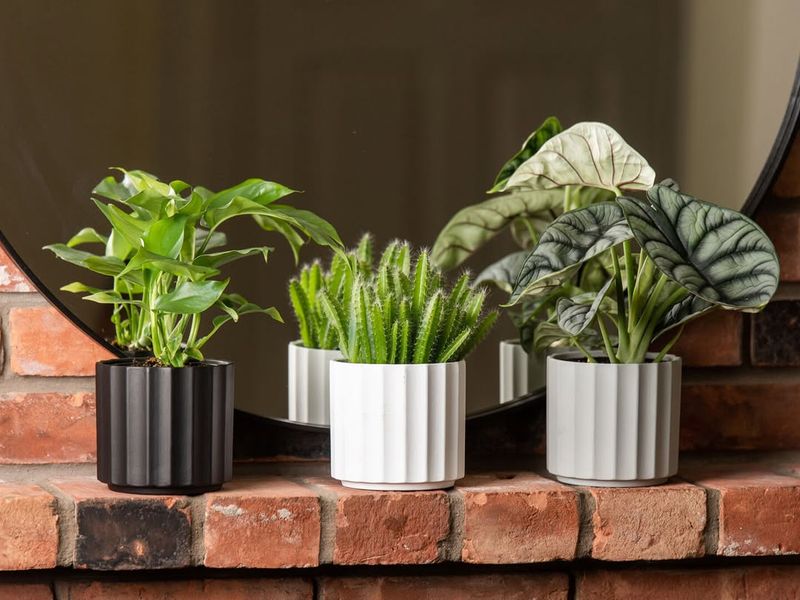
Identifying and avoiding drafty locations prevents cold damage that leads to yellow leaves. Hold your hand near windows, doors, and vents to feel temperature differences.
You’ll often notice cool spots that aren’t obvious just by walking through a room in your Massachusetts home.
Window insulation film or heavy curtains reduce cold air penetration during winter. These solutions help both your heating bills and your plants.
Drawing curtains at night creates a barrier between plants and cold glass, though you’ll need to open them during daylight for adequate light.
Door sweeps and weatherstripping seal gaps that let cold air enter. These inexpensive fixes improve comfort for both people and plants.
Old Massachusetts homes especially benefit from these upgrades since original construction often prioritized different concerns than modern energy efficiency.
Hallways and entryways experience the most dramatic temperature swings. Keep plants out of these zones during winter months.
Relocate them to interior rooms where temperature stays more consistent, even if those spots have slightly less light.
Basement stairs and doors to unheated spaces create cold zones. Even closed doors to garages or attics can radiate cold into adjacent rooms.
Position plants away from these areas, focusing instead on interior walls that stay warmer and more stable.
Air conditioning vents cause similar problems in summer, but heating vents create issues year-round in Massachusetts. Direct heat causes rapid soil drying and can burn foliage.
Position plants where they benefit from ambient warmth without sitting directly in the path of hot air blowing from registers.
9. Refresh Potting Soil Or Repot When Needed

Soil quality degrades over time, becoming compacted and depleted of nutrients. Old potting mix stops draining properly, which contributes to overwatering problems and yellow leaves.
Most houseplants benefit from fresh soil every one to two years, even if they don’t need larger pots.
Roots growing out of drainage holes signal that repotting time has arrived. When roots circle densely around the inside of the pot, the plant has become rootbound.
This condition prevents proper water absorption and nutrient uptake, often resulting in yellowing foliage despite your best care efforts.
Spring offers the ideal timing for repotting houseplants in Massachusetts. Plants entering their active growth phase recover quickly from the disturbance.
Repotting during winter dormancy can stress plants and slow their recovery, though emergency repotting for severely damaged roots sometimes becomes necessary.
Choose pots only one or two inches larger in diameter than the current container. Oversized pots hold too much moisture around roots, creating the soggy conditions that cause root rot.
Proper pot sizing helps maintain the careful moisture balance houseplants need.
Quality potting mix formulated for houseplants drains well while retaining some moisture. Garden soil from outdoor beds is too heavy and often contains pests or diseases.
Specialized mixes for cacti, orchids, or African violets provide ideal conditions for plants with specific needs.
Gently loosening the root ball when repotting encourages roots to grow outward into fresh soil. Trim any brown or mushy roots with clean scissors.
This pruning helps the plant focus energy on strong root development, which translates to greener, healthier leaves in your Massachusetts home.