Why You Are Hearing More Woodpeckers Around Michigan Right Now
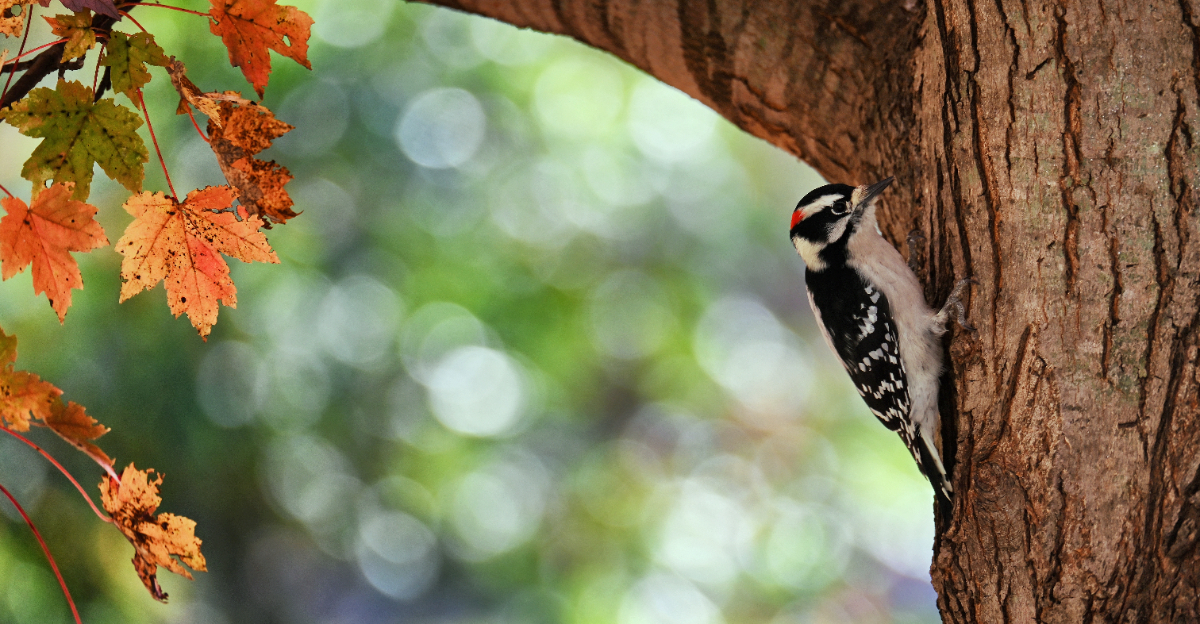
If your Michigan yard suddenly sounds louder than usual, there is a good reason for it. That steady tapping, sharp drumming, and echoing calls coming from nearby trees are signs that woodpeckers are becoming far more active right now.
For many homeowners, it can feel like these birds appeared overnight. Across the Upper and Lower Peninsulas, early spring is when woodpecker behavior shifts into high gear.
As temperatures begin to rise, these birds start marking territory, searching for mates, and preparing nesting sites.
The drumming you hear is not random noise. It is a clear signal to other birds and part of a seasonal routine that repeats every year.
Once you understand what is driving all this activity, the sounds become much more interesting.
Michigan’s woodpeckers are not just making noise, they are putting on one of the most fascinating early spring displays in the natural world.
1. Spring Is Peak Drumming Season
Few sounds signal the arrival of spring in Michigan quite like the rapid, rhythmic drumming of a woodpecker echoing through the trees.
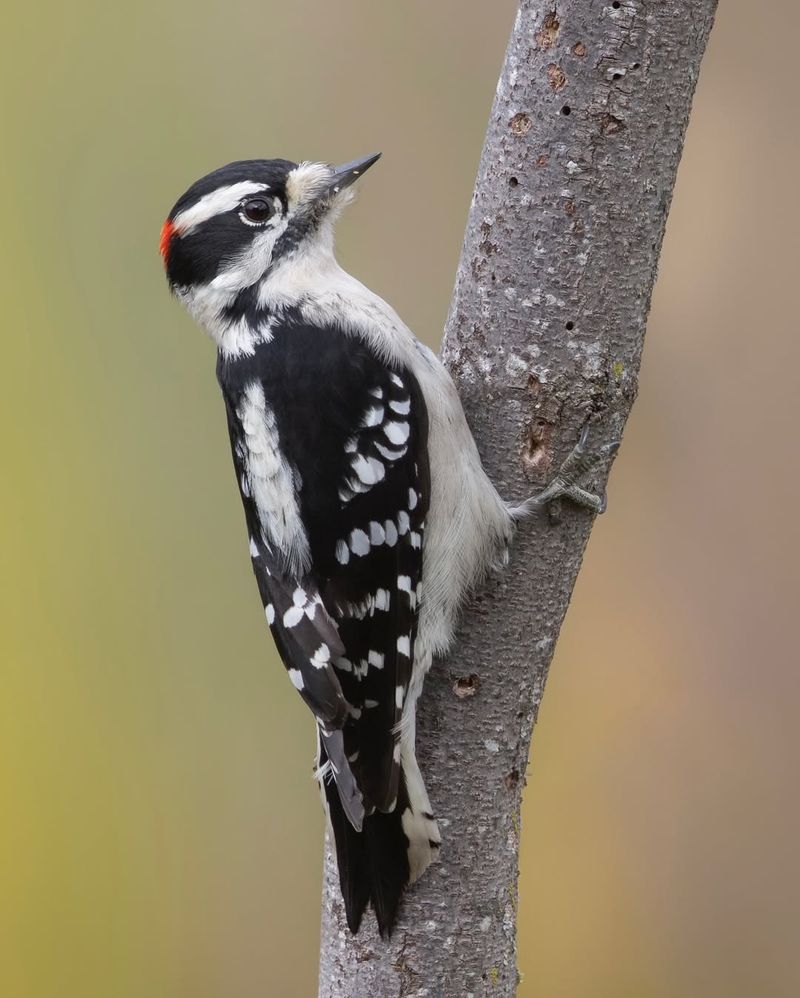
Starting around March and running strong through April, species like the Downy Woodpecker and the Northern Flicker kick their drumming activity into high gear.
It is one of the most reliable signs that the season is truly changing. Unlike songbirds that use melodies to communicate, woodpeckers rely on percussion.
They drum on trees, wooden siding, and even metal surfaces to send messages across their territory. The faster and louder the drumming, the stronger the signal it sends to other birds nearby.
Michigan residents in both rural and suburban areas often notice this sound picking up dramatically in early spring mornings.
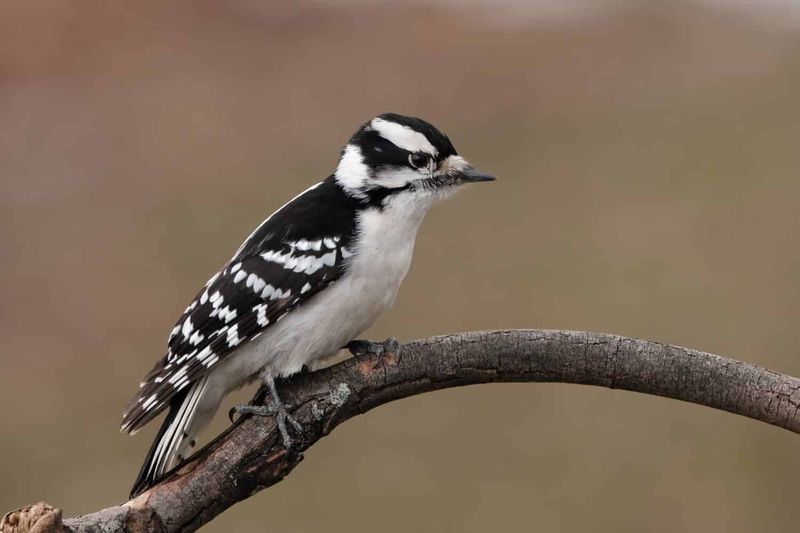
Hollow trees, dry branches, and metal gutters all act like natural amplifiers. The Downy Woodpecker, one of the most common Michigan species, is a champion drummer despite its small size.
The Northern Flicker, a larger and bolder bird, adds its own booming rhythm to the mix. Together, these birds create a springtime soundtrack that is hard to miss once you start paying attention to it.
2. They Are Defending Territory
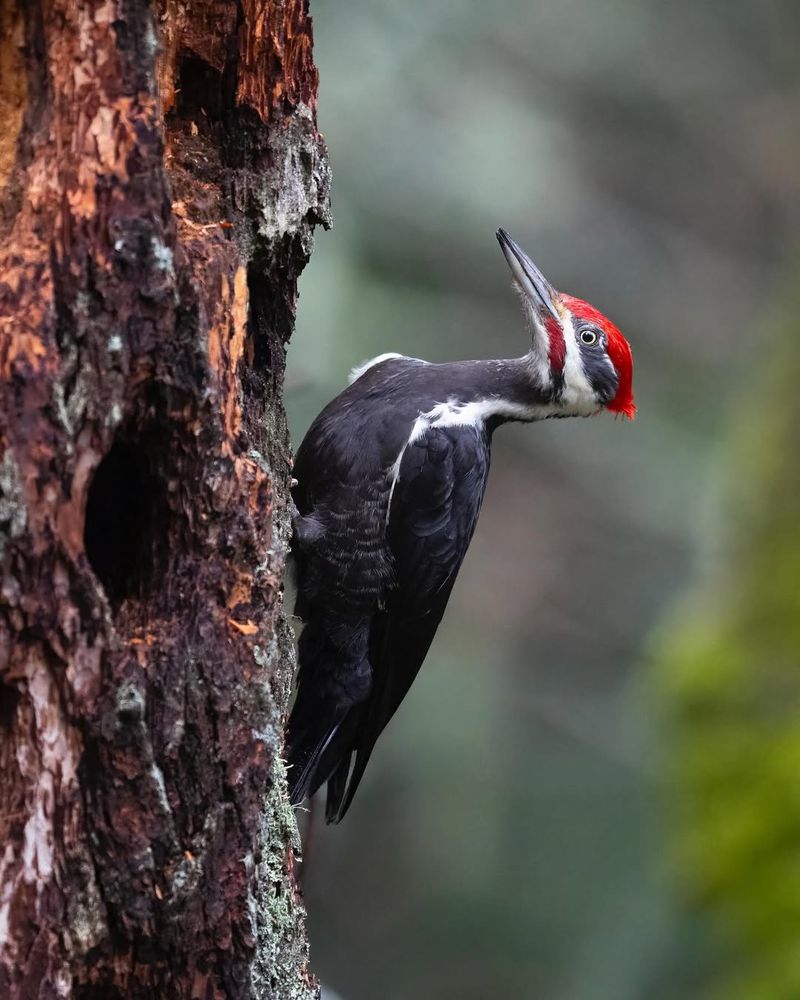
Woodpeckers are not shy about letting others know where their boundaries are. Every spring across Michigan, these birds become noticeably louder and bolder as they work hard to claim and protect their nesting territories.
Drumming and sharp calling sounds serve as clear warnings to any other woodpecker that might think about moving in.
Territorial behavior peaks from late February through mid-April, which is exactly when most Michigan residents start noticing the uptick in woodpecker noise.
A bird that has claimed a good patch of trees will drum repeatedly from the same spots, basically announcing ownership every single morning.
It is their version of putting up a fence. Both male and female woodpeckers participate in territory defense, though males tend to be the loudest and most persistent.
Species like the Red-bellied Woodpecker are especially vocal during this period, producing a rolling call that carries surprisingly far through Michigan neighborhoods and wooded edges.
Understanding this behavior makes the noise a lot more interesting than annoying. These birds are working hard, competing, and building the foundation for a successful breeding season.
The next time you hear that insistent drumming outside your window in Michigan, you are actually witnessing a very determined bird staking its claim on the world.
3. Mating Season Increases Activity
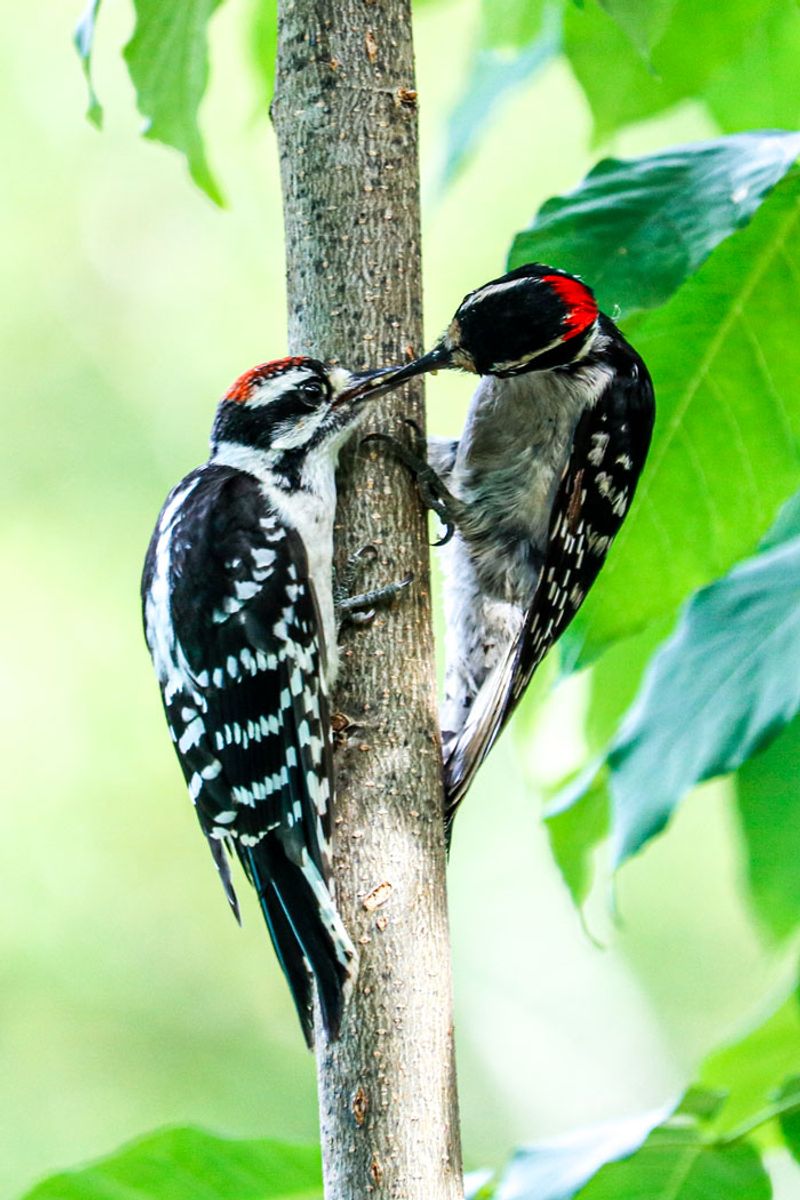
Spring in Michigan brings a whole new level of energy to the woodpecker world, and mating season is a huge part of that.
By March, many Michigan woodpecker species are already actively searching for partners, and their behavior becomes dramatically more visible and audible as a result.
The quiet, low-key birds of winter transform almost overnight into bold, busy, and very noisy suitors. Drumming is one of the primary ways woodpeckers attract a mate.
Males especially increase their drumming frequency and intensity to show off their strength and stamina.
A bird that drums loudly and consistently is advertising itself as a strong, healthy partner worth choosing. Beyond drumming, woodpeckers also increase their overall movement during mating season.
They fly more frequently between trees, call out more often, and spend more time in open areas where they can be seen and heard.
The Northern Flicker is a perfect example of this behavior, often spotted chasing potential mates through Michigan backyards and open woodlands.
Activity that peaks in March and April makes these birds far more noticeable compared to the quieter winter months.
For anyone paying attention to Michigan wildlife, mating season is genuinely one of the most entertaining and lively times of year to watch woodpeckers go about their busy, energetic lives.
4. They Are Searching For Nest Sites
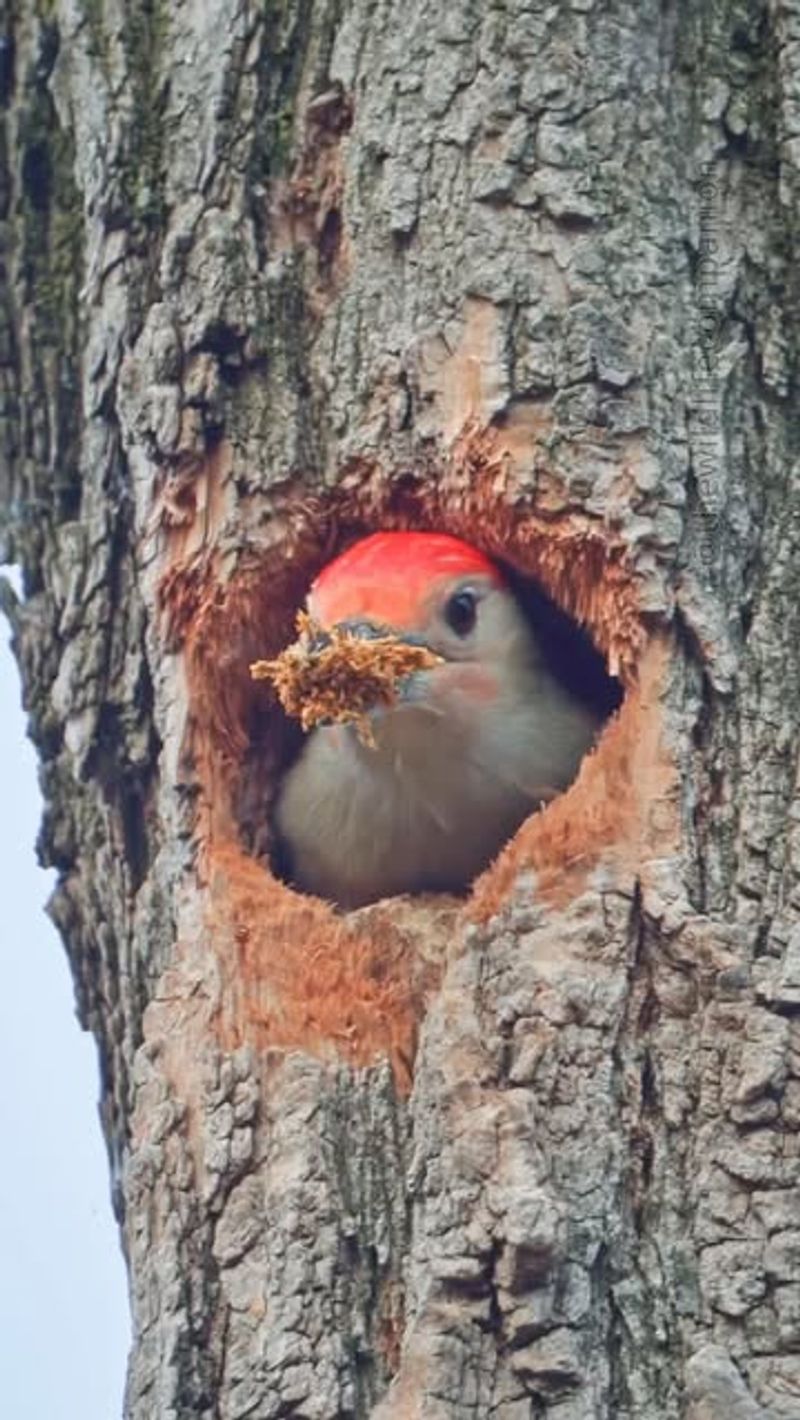
One of the busiest and most dramatic springtime activities for Michigan woodpeckers is finding and carving out the perfect nesting spot.
Starting in early spring, woodpeckers begin drilling into trees to create the cavities where they will raise their young.
This process produces some of the loudest and most persistent tapping sounds you will hear all season.
Species like the Red-bellied Woodpecker prefer soft, decaying wood because it is easier to carve through. They look for trees that offer the right combination of depth, protection from weather, and safety from predators.
Once a bird picks a spot, it can spend days or even weeks chipping away at the wood to get the hole just right.
Both male and female woodpeckers work together on nest excavation, taking turns drilling and clearing out wood chips.
Michigan homeowners with older trees in their yards are especially likely to notice this activity up close. The sound of nest excavation is different from territorial drumming.
It tends to be slower, more deliberate, and focused on one specific spot rather than scattered across multiple surfaces. Watching a woodpecker carve a home from scratch is genuinely impressive.
These birds are not just making noise, they are building something real, one careful chip at a time.
5. Insects Become More Active In Spring
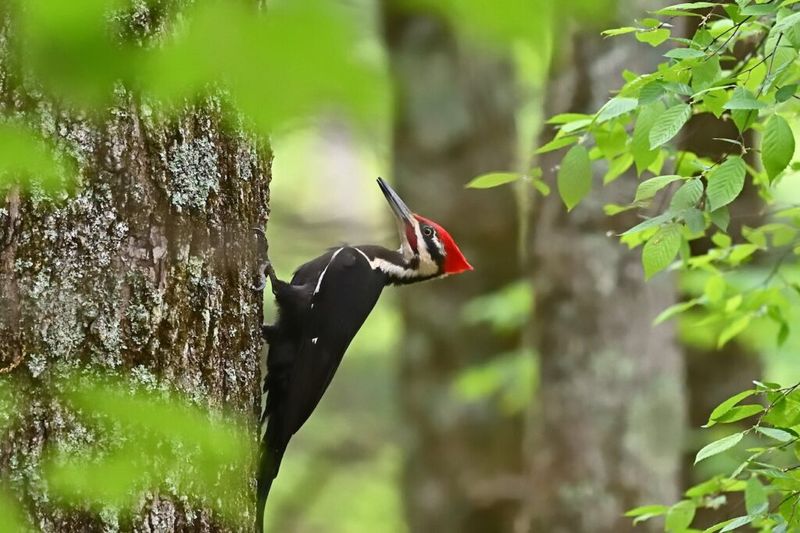
Warming spring temperatures in Michigan do not just wake up the flowers and trees, they also stir up a whole world of insects living beneath tree bark.
For woodpeckers, this seasonal shift is basically like a restaurant opening its doors after a long winter.
More insects mean more food, and more food means a whole lot more pecking activity in yards and forests across the state. Woodpeckers are expert hunters when it comes to finding insects hidden inside trees.
Their strong beaks and incredibly long, sticky tongues are perfectly designed to extract beetle larvae, ants, and other insects from deep inside wood.
As temperatures climb in March and April, these insects become more active and easier to detect, drawing woodpeckers into more frequent and energetic feeding sessions.
Michigan species like the Hairy Woodpecker and the Downy Woodpecker are especially skilled at this type of foraging.
You might notice them working methodically along a single branch or trunk, tapping and listening before drilling precisely where food is hiding.
This feeding behavior produces a softer, more exploratory tapping sound compared to territorial drumming.
The sheer increase in available food during spring pushes woodpeckers to spend more time actively foraging, making them a much more common sight and sound throughout Michigan neighborhoods and natural areas.
6. Trees Reveal Hidden Food After Thaw
Michigan winters are tough, and the freeze-and-thaw cycles that mark the end of the cold season actually do woodpeckers a huge favor.
When temperatures swing between freezing and warming, bark contracts and expands, loosening its grip on the wood underneath.
Insects and larvae that were buried deep and protected all winter suddenly become much easier to reach. Woodpeckers seem to know this instinctively.
As soon as the thaw begins, they move quickly to take advantage of the newly exposed food sources hiding just beneath the surface of trees.
You might notice them working on trees that look perfectly healthy on the outside, but that are actually full of activity underneath the bark.
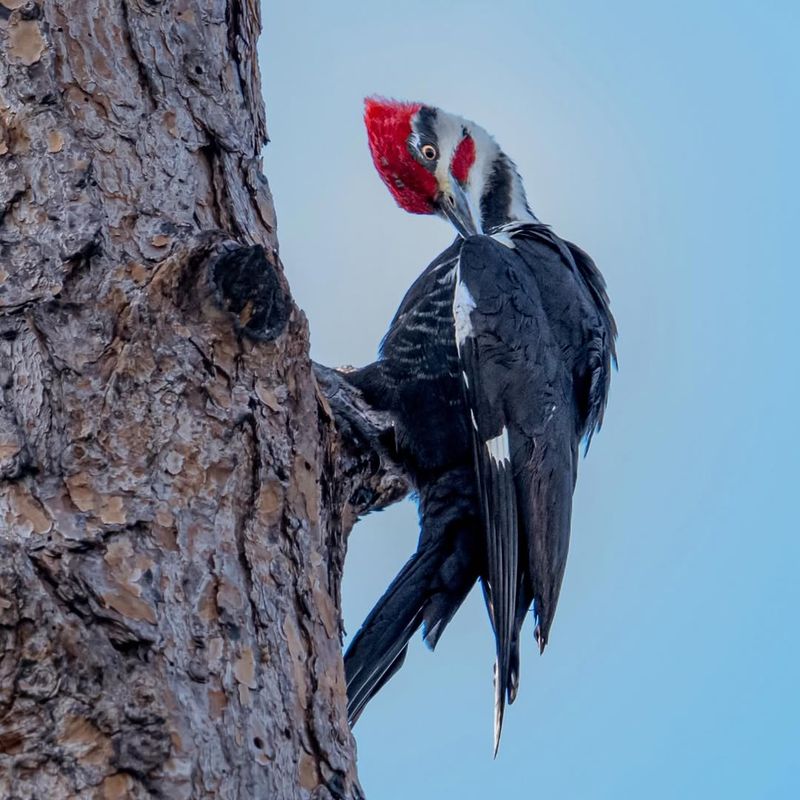
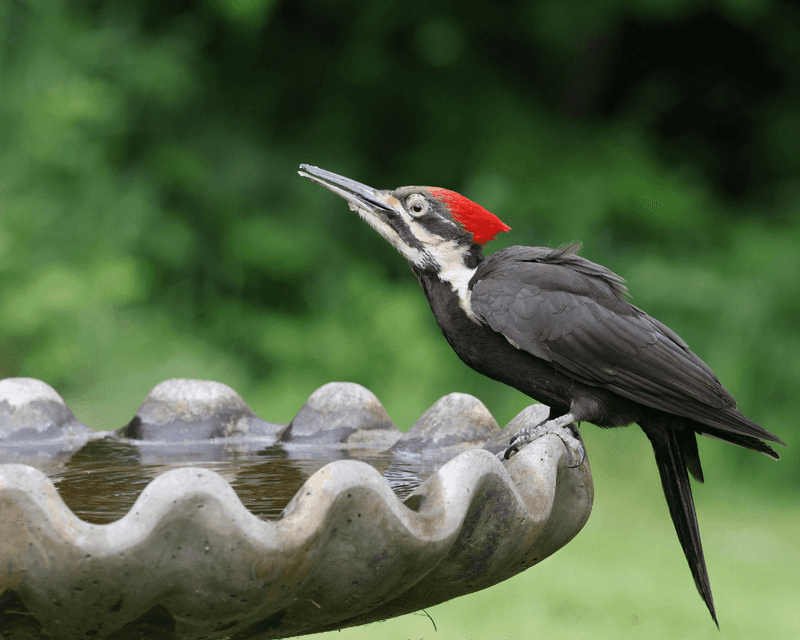
The Pileated Woodpecker, Michigan’s largest woodpecker species, is especially good at exploiting this seasonal shift.
Its powerful beak can tear through bark and wood with remarkable force, exposing carpenter ants and beetle larvae that other birds simply cannot reach.
The large rectangular holes it leaves behind are a common sight in Michigan forests after the spring thaw begins. This post-winter feeding frenzy adds a whole new layer of noise and activity to the Michigan spring landscape.
It is one of those fascinating natural cycles that rewards anyone who takes a moment to watch and listen closely to the trees around them.
7. Males Drum To Attract Mates
Forget singing a love song. Male woodpeckers have a different strategy, and it is all about rhythm and power.
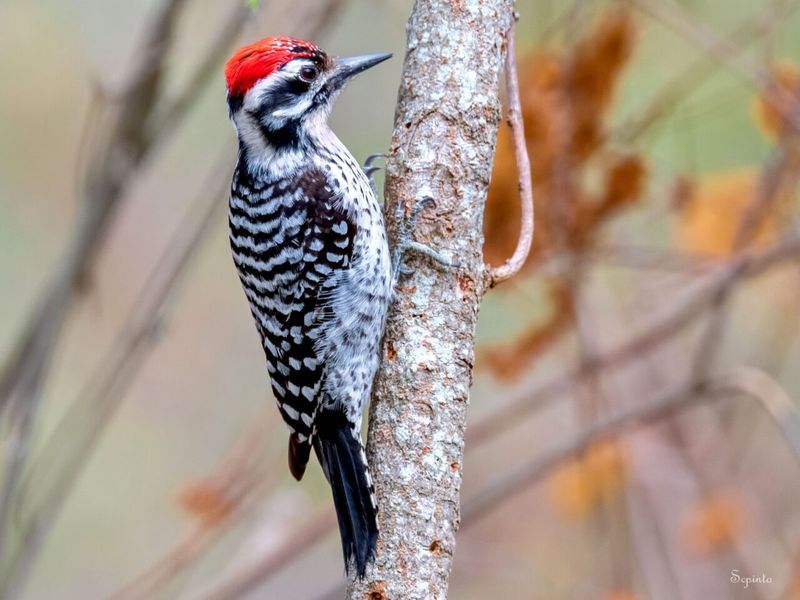
Drumming is the primary way male woodpeckers across Michigan advertise themselves to potential mates, and the performance they put on during early spring is truly remarkable.
The louder and faster the drumming, the more attractive the signal it sends. Early mornings in Michigan during March and April are when this behavior reaches its peak intensity.
Male woodpeckers seek out the loudest, most resonant surfaces they can find to maximize the reach of their drumming.
A hollow branch, a dry snag, or even a metal gutter can carry the sound surprisingly far across a neighborhood or forest.
What makes this behavior so interesting is that drumming speed and consistency actually communicate information about a male bird’s physical condition.
A healthy, strong male can drum faster and longer without tiring, which signals to females that he would make a reliable partner and parent.
Michigan birders who pay close attention during spring mornings can sometimes hear multiple males drumming in response to each other, creating a back-and-forth competition that echoes through the trees.
It is a natural performance that plays out every single spring, hiding in plain sound for anyone willing to step outside, stay quiet for a moment, and simply listen.
8. They Prefer Loud Surfaces For Drumming
Here is something that surprises a lot of Michigan homeowners every spring: woodpeckers are not just drumming on trees.
Metal gutters, aluminum siding, chimney caps, and metal roof vents are among their favorite surfaces, and for a very practical reason.
These materials produce a louder, sharper sound that carries much farther than drumming on wood alone.
For a woodpecker trying to establish territory or attract a mate, volume matters enormously.
A bird drumming on a hollow metal vent on a suburban Michigan home can project its signal across a much wider area than one drumming on a dense oak branch. From the bird’s perspective, it is simply choosing the best available amplifier in its territory.
The Northern Flicker is one of the Michigan species most commonly associated with drumming on human structures.
Its large size and powerful beak make it capable of producing an impressively loud racket on metal surfaces.
While this behavior can feel startling or even alarming to homeowners, it is completely harmless to the structure in most cases and typically fades once breeding season winds down.
Hanging shiny tape or placing visual deterrents near problem areas can help redirect a persistent drummer.
But honestly, knowing why the bird is doing it makes the whole experience a little easier to appreciate and a lot more fascinating.
9. More Daylight Means More Activity
One of the simplest and most powerful drivers of increased woodpecker activity in Michigan during spring is something most people do not think about at all: the days are getting longer.
As daylight hours extend through March and April, birds have significantly more time each day to feed, drum, call, and explore their territories.
More daylight hours directly translates into more bird activity all around. Woodpeckers are diurnal birds, meaning they are active during daylight and rest at night.
When winter keeps daylight limited to just nine or ten hours, their activity window is naturally compressed.
But as spring arrives and days stretch toward fourteen or fifteen hours, Michigan woodpeckers are out and busy for a much longer stretch of each day.
This extended activity window means Michigan homeowners are far more likely to hear and see woodpeckers throughout the day, not just at dawn.
Morning drumming sessions, midday foraging trips, and late afternoon territorial displays all become part of the regular spring soundtrack.
Birdwatchers in Michigan know that spring mornings are especially productive for spotting multiple woodpecker species in a single outing.
The combination of longer days, active breeding behavior, and abundant food makes spring the absolute best time of year to appreciate just how lively and remarkable Michigan’s woodpecker population truly is.