Why You Are Seeing More Chipmunks In Michigan Yards In April
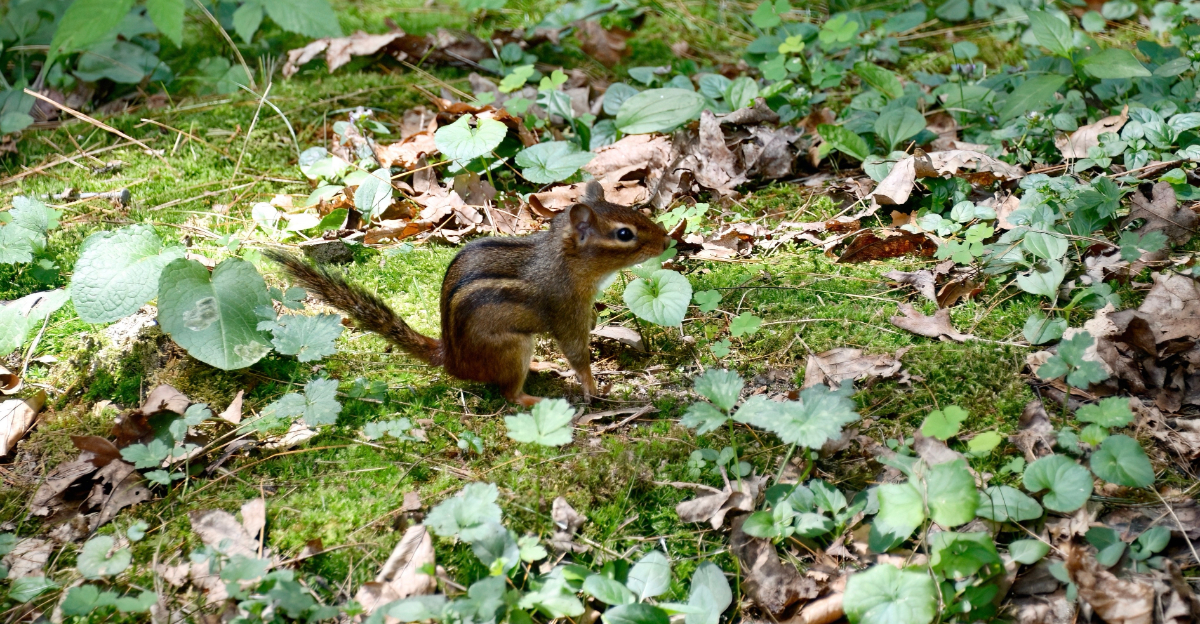
April is when Michigan yards start waking up, and chipmunks seem to appear at the exact same time. One day the garden feels quiet, and the next there are tiny striped bodies darting across flower beds, under decks, and along fences.
It can feel like there are suddenly more of them than ever. The truth is, chipmunks become much easier to notice in spring because they are active, hungry, and busy after the long winter season.
As the ground warms up, they start searching for food, checking old hiding spots, and digging in loose soil where fresh garden growth is just beginning. Yards also give them what they want most, including shelter, seeds, bulbs, and easy places to burrow.
For Michigan homeowners, that burst of activity can be surprising. Once you know why chipmunks show up so much in April, their sudden spring takeover makes a lot more sense.
1. They Emerge After Winter Dormancy
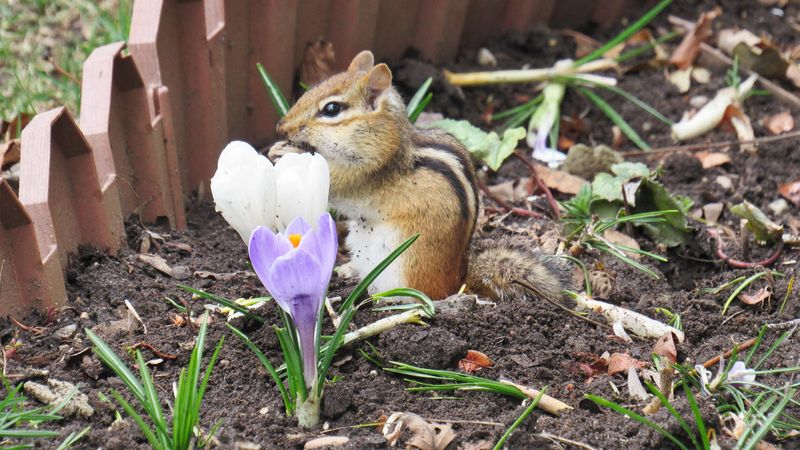
Picture this: a tiny striped face poking out of the ground after months underground. That is exactly what happens across Michigan every April, when Eastern chipmunks (Tamias striatus) begin showing themselves again after a long winter spent mostly below the surface.
Chipmunks do not fully hibernate the way bears do. Instead, they enter a state called torpor, where their body temperature drops and activity slows way down.
They wake up periodically throughout winter to snack on stored food inside their burrows, then drift back into a light sleep. By the time April rolls around and Michigan temperatures start climbing, they are ready to come out for good.
You will notice them more often because they are no longer hiding underground. They are moving around, stretching their legs, and checking out their surroundings after being mostly out of sight since late fall.
It can feel like a sudden chipmunk explosion, but it is really just nature doing its thing. If the activity near your garden beds gets a little too enthusiastic, consider placing simple raised bed barriers or lightweight hardware cloth around the edges.
This keeps curious chipmunks from turning your fresh plantings into their personal playground, without causing any harm to the animals at all.
2. They Are Searching For Fresh Spring Food
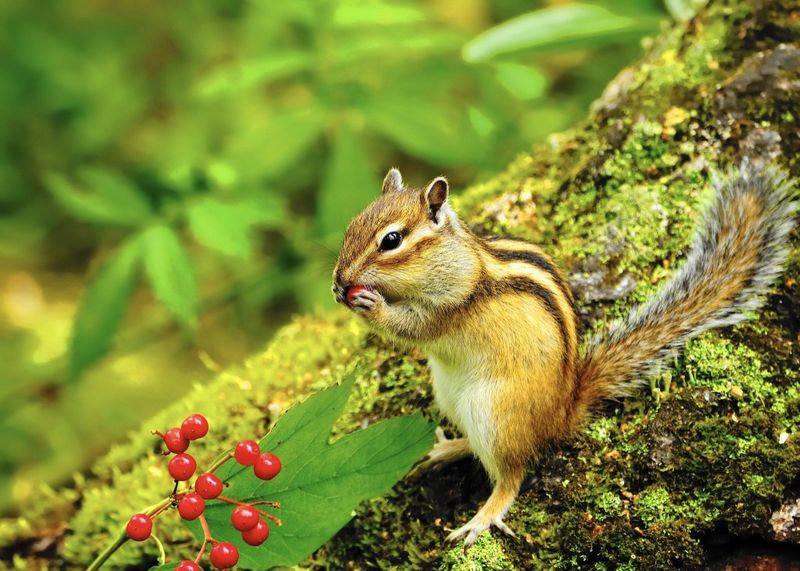
Hunger is a powerful motivator, and after a long winter underground, chipmunks in Michigan are seriously ready to eat. April is prime foraging season for these little animals, and your yard might be offering exactly what they are looking for.
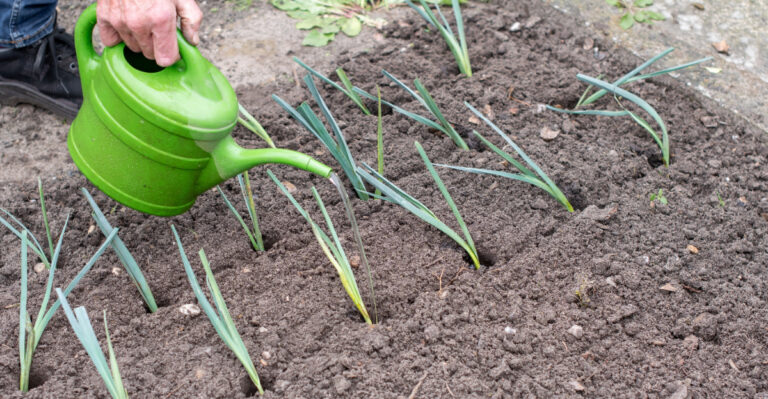
Chipmunks are opportunistic eaters who go after seeds, berries, fungi, insects, and young plant shoots. Freshly planted garden beds are especially tempting because the soil is soft and easy to dig through, and new seeds or bulbs sit right near the surface.
If you just planted tulip bulbs or vegetable seeds, do not be surprised to find a chipmunk investigating within days.
They also dig up leftover food caches from fall that they buried and forgot about, which means your yard may be sitting on top of their personal snack stash.
This makes April a particularly active month for food-focused behavior all across Michigan neighborhoods and suburban gardens.
A simple and wildlife-friendly fix is covering new plantings with lightweight mesh or row covers. These let sunlight and rain through while keeping chipmunks from reaching your seeds.
You can also try placing small rocks or wire cloches over individual bulbs. These small steps can protect your garden without disrupting the natural balance of your outdoor space.
3. Garden Beds Are Easy Digging Spots
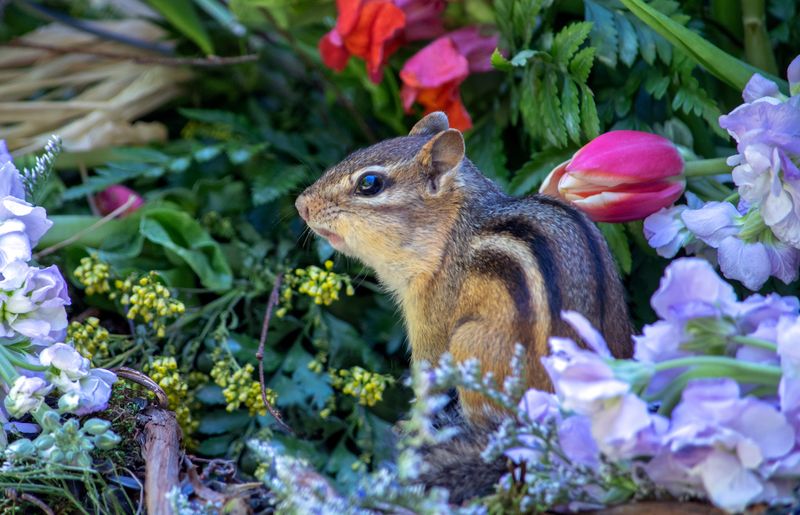
Freshly worked garden soil is basically an open invitation for chipmunks. If you have been out in your Michigan yard turning beds, adding compost, or planting early spring crops, you may have created the perfect digging environment for these energetic little animals.
Loose, airy soil is much easier for chipmunks to dig through than compacted ground. Raised beds are especially attractive because the soil inside tends to stay soft and fluffy, which makes it simple for chipmunks to tunnel in and search for food or create small hideaways.
The warmth that raised beds hold also draws them in during cool April mornings when the rest of the ground is still cold.
Did you know a single chipmunk can move an impressive amount of soil while building or expanding a burrow? Their front paws are surprisingly strong and quick, making short work of even a well-organized garden bed.
Once they find a good spot, they tend to return to it repeatedly throughout the season.
Adding a layer of hardware cloth beneath your raised beds before filling them with soil is one of the most effective long-term solutions. You can also place flat rocks or a thin layer of gravel on the soil surface as a light deterrent.
These approaches keep your Michigan garden tidy and protected while remaining completely safe for local wildlife.
4. They Are Expanding And Maintaining Burrows
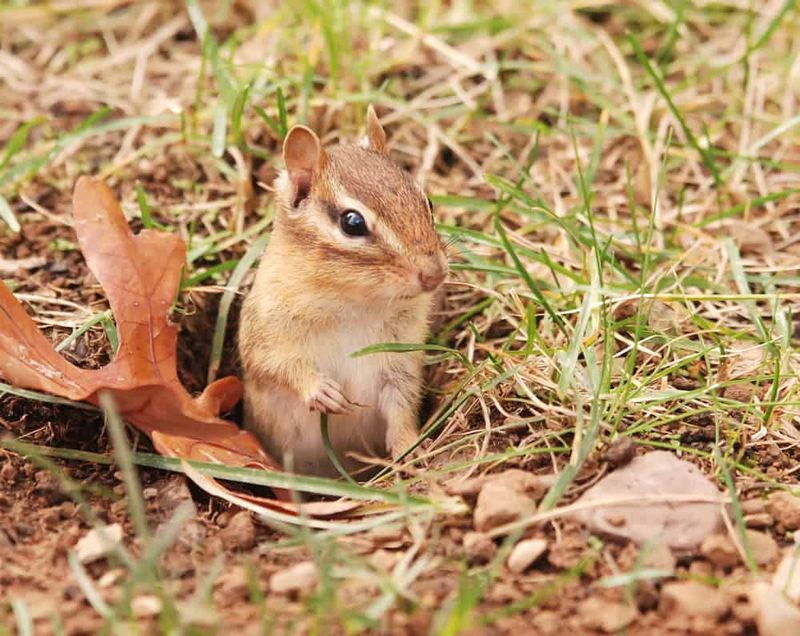
Spring cleaning is not just for humans. Every April across Michigan, chipmunks get busy expanding, cleaning, and reinforcing their underground burrow systems after a long winter spent inside them.
All that activity makes them far more visible than they were just a few weeks earlier.
A chipmunk burrow can be surprisingly complex, with multiple tunnels, sleeping chambers, and food storage rooms.
These burrows are often located near foundations, raised beds, woodpiles, or the base of large shrubs, which means you might notice small piles of loose dirt appearing in unexpected places around your yard.
That is a sure sign a chipmunk is doing some serious renovating below ground. The good news is that chipmunk burrows rarely cause structural damage to homes or gardens.
However, if you notice a lot of tunneling near a garden wall or foundation, it is worth keeping an eye on the situation.
Consistent digging in the same spot over time can occasionally loosen soil around structures. One of the easiest ways to discourage burrow placement near your home is by keeping the surrounding areas tidy and open.
Chipmunks love cover and shelter, so removing dense brush piles, stacking wood off the ground, and trimming low shrubs near your foundation can make those spots feel less safe to them.
Small changes in your Michigan yard layout can go a long way toward redirecting their activity naturally.
5. Spring Is Breeding Season
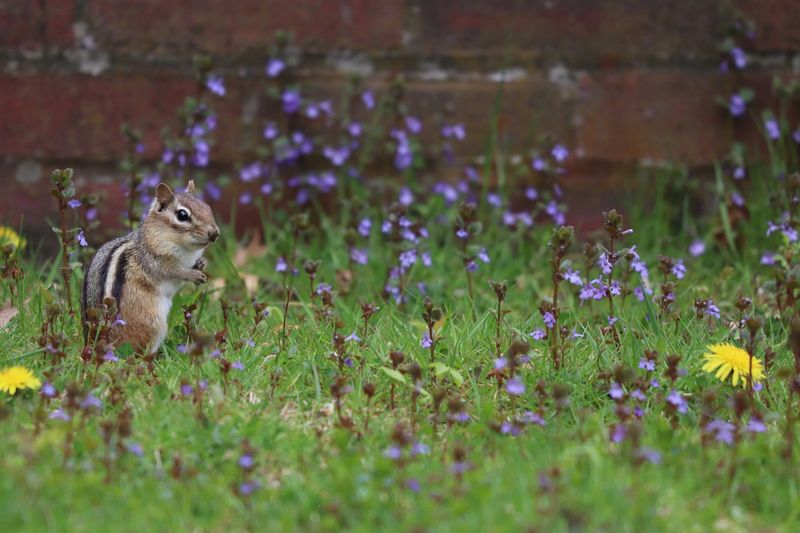
April is not just busy for gardeners in Michigan. For chipmunks, it is one of the most action-packed months of the entire year because breeding season kicks off right around this time.
Increased movement, chasing, and chirping sounds are all signs that romance is in the air for these small striped mammals.
Eastern chipmunks typically have their first breeding period between March and May. Males become especially active during this window as they search for mates and compete with other males for territory.
Females, meanwhile, are busy preparing nesting areas inside their burrows to get ready for raising offspring. All of this combined movement means far more chipmunk sightings for Michigan homeowners.
Interestingly, a female chipmunk can give birth to a litter of around two to five young, and the babies may begin venturing outside the burrow by late spring or early summer.
So if you think you are seeing a lot of chipmunks now, just wait a few weeks when the next generation starts exploring your yard for the very first time.
The best approach during breeding season is simply reducing attractants rather than trying to interfere with their natural behavior.
Keeping exposed food sources to a minimum, securing compost bins, and tidying up fallen fruit or nuts from trees can make your Michigan yard a little less appealing without disrupting their natural spring routine.
6. Bird Feeders And Seeds Attract Them
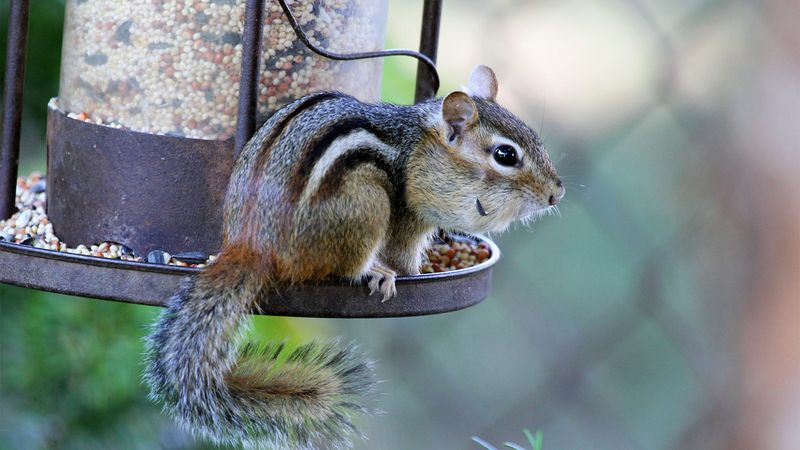
Bird feeders are one of the biggest reasons chipmunks show up so frequently in Michigan yards during April. Seeds that fall from feeders pile up quickly on the ground below, and chipmunks are expert at spotting a free meal from a surprising distance away.
Sunflower seeds, safflower seeds, millet, and cracked corn are all favorites for many backyard bird species, but chipmunks love them just as much. They will stuff their cheek pouches full and make trip after trip back to their burrows to store the extra food.
A well-stocked bird feeder can essentially become a chipmunk buffet if spilled seed is not managed regularly.
The fix does not have to be complicated or expensive. Placing a seed-catching tray beneath your feeder collects falling seeds before they hit the ground, which significantly reduces the food source available to chipmunks at ground level.
Cleaning up spilled seed every few days also helps keep your yard from becoming a hotspot for repeated visits.
Switching to a no-waste bird seed blend, which contains hulled seeds and no filler material, means less mess overall and fewer leftovers to attract wildlife you were not planning to feed.
Michigan bird lovers can still enjoy feeding their favorite backyard species while making simple adjustments that keep chipmunk activity around feeders at a much more manageable level throughout the spring season.
7. They Prefer Covered, Safe Areas
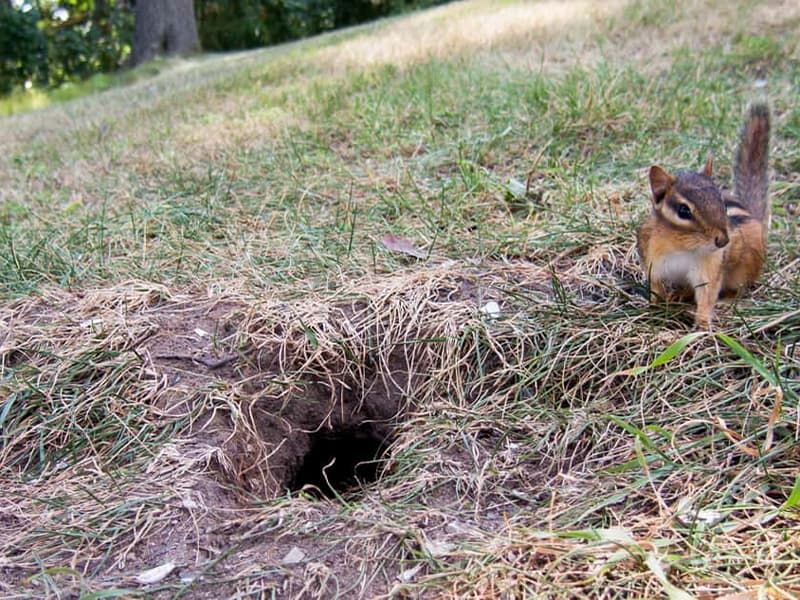
Chipmunks are bold little animals, but they are also very aware of their own vulnerability. Hawks, foxes, cats, and other predators are always a threat, so chipmunks gravitate toward yards that offer good cover and quick escape routes.
If your Michigan yard has mulch beds, brush piles, dense shrubs, or stacked wood, it is practically a five-star resort for a chipmunk looking for safety.
Thick mulch layers are especially inviting because they provide both warmth and concealment. Chipmunks can move through mulched areas quickly and quietly while staying hidden from above.
Wood stacks and brush piles near garden borders offer similar protection, acting as natural shelters where chipmunks feel confident enough to forage and rest without constant stress.
The more sheltered and cluttered a yard feels, the more attractive it becomes to chipmunks looking for a safe home base.
Open, tidy spaces with minimal ground cover feel riskier to them, which naturally discourages them from setting up permanent residence nearby.
You do not have to completely redesign your Michigan landscaping to make a difference. Simply keeping garden edges neater, reducing dense ground-level plantings near your foundation, and moving brush piles away from the house can shift the balance enough to make chipmunks look elsewhere.
You can still maintain a beautiful, wildlife-friendly yard while creating a layout that feels just a little less cozy for small burrowing animals throughout the spring season.
8. Early Prevention Helps Reduce Garden Damage
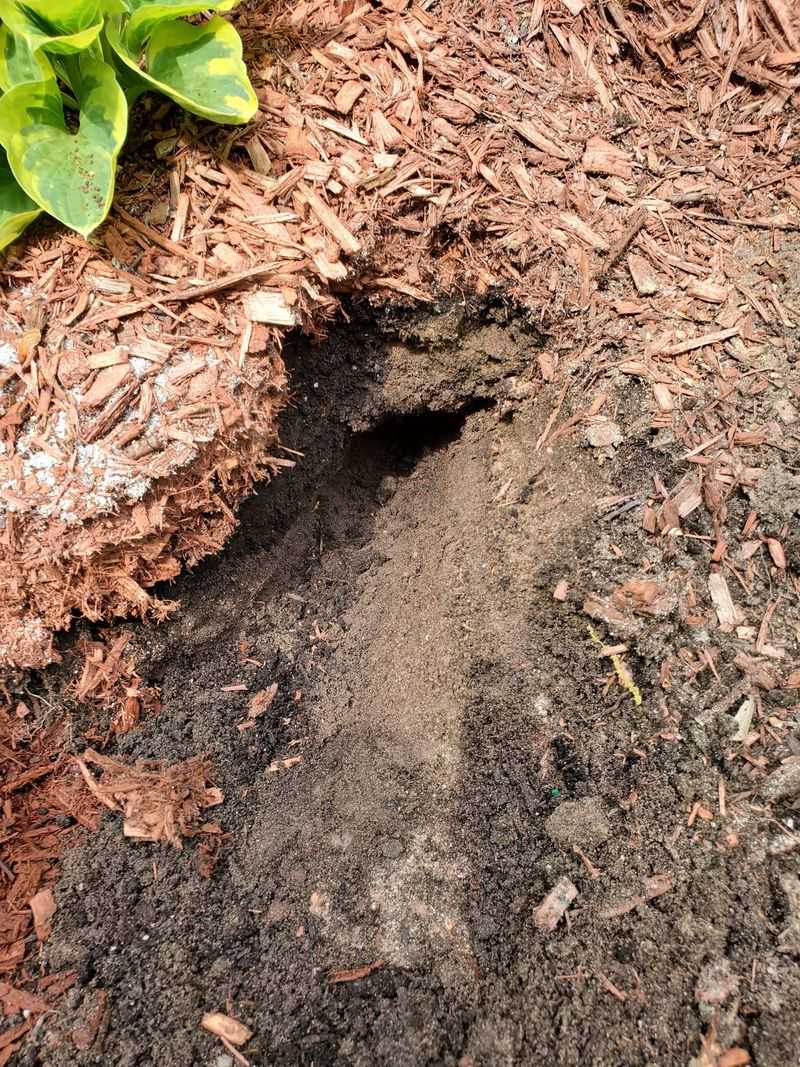
April is the sweet spot for getting ahead of chipmunk activity in Michigan. Once these animals establish a feeding or burrowing habit in a specific area of your yard, they tend to return to that same spot again and again throughout the season.
Taking small preventive steps early makes a much bigger difference than trying to address the problem after it has already taken hold.
The most effective approach combines a few simple strategies rather than relying on just one method.
Placing hardware cloth or mesh barriers around garden beds, covering freshly planted seeds, and keeping food sources like bird feeders and fallen fruit cleaned up all work together to make your yard less inviting.
None of these methods cause any harm to the animals, they simply redirect chipmunks toward areas where their natural behavior causes fewer problems.
Natural deterrents like peppermint oil applied to cotton balls near garden borders, or a light sprinkling of cayenne pepper around specific plants, can also discourage chipmunks from focusing on your most valued garden spots.
These need to be reapplied after rain, but they are easy, affordable, and safe for other wildlife and pets.
Michigan gardeners who take action in early April consistently report less digging and fewer disrupted plantings as the season progresses. Staying one step ahead of their habits is really the key.
A little preparation now saves a lot of frustration later, and your spring garden will thank you for the effort all season long.