Why You Cannot Cut Down Certain Trees And Shrubs Near Wetlands In Michigan
Michigan’s wetlands quietly protect some of the most important natural spaces in the state. These areas filter water, support wildlife, and help stabilize shorelines across both the Upper and Lower Peninsulas.
The trees growing along wetland edges are not just part of the scenery. They play a critical role in holding soil in place, slowing runoff, and keeping these fragile environments healthy.
Because of their importance, removing certain trees near wetlands can create serious environmental problems and may even lead to legal trouble with the Michigan Department of Environment, Great Lakes, and Energy.
Many homeowners are surprised to learn that cutting the wrong tree in the wrong place can trigger strict regulations.
Before you consider clearing trees near a wet area on your property, it helps to know which ones are especially important. These ten trees should never be removed near Michigan wetlands without careful consideration.
1. Red Maple
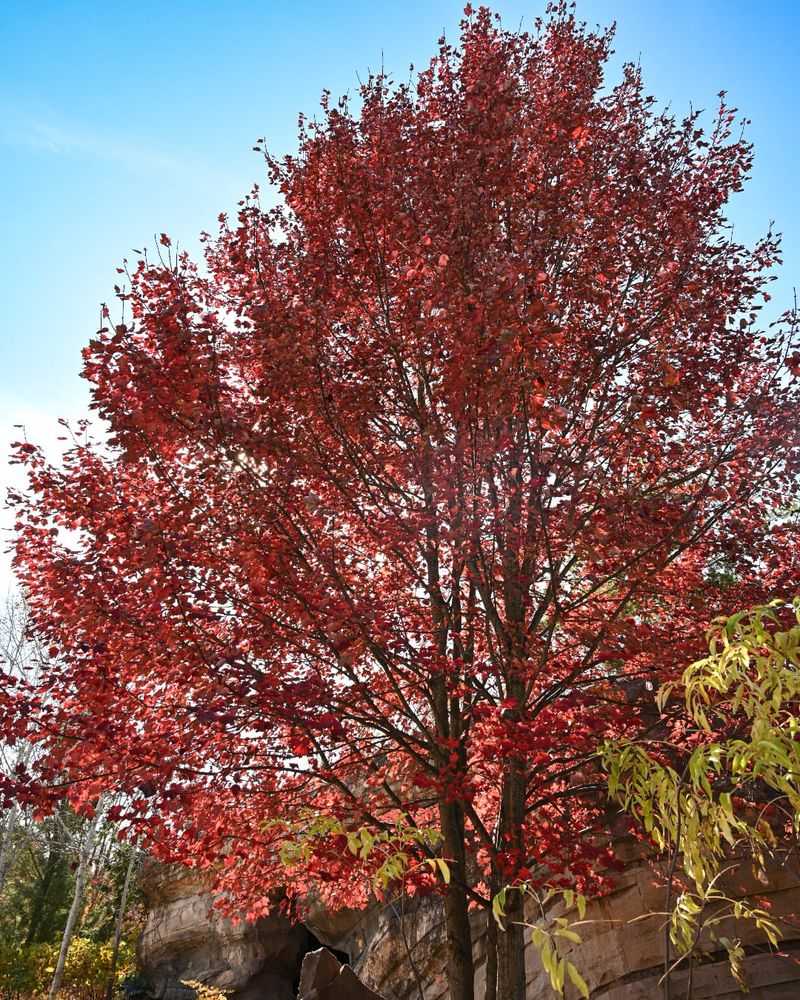
Few trees put on a show quite like the Red Maple, and near Michigan wetlands, it does far more than look beautiful. Acer rubrum grows naturally in wet, poorly drained soils, making it one of the most common and important wetland trees across the state.
Its extensive root system grips the soil tightly, preventing erosion along muddy shorelines where water levels constantly shift.
Red Maples also filter nutrients from stormwater runoff before that water enters the wetland. This natural filtration keeps the water cleaner and healthier for fish, frogs, and other aquatic life that depend on clear water to survive.
Without these trees, sediment and excess nutrients would flow freely into the wetland, causing real damage over time.
Wildlife absolutely loves this tree. Birds nest in its branches, amphibians shelter in its leaf litter, and insects feed on its flowers in early spring.
Michigan’s EGLE requires permits before removing vegetation near wetlands, and for good reason.
Removing a Red Maple near a Michigan wetland is not just ecologically harmful, it can trigger soil instability and disrupt an entire food chain that took years to build. These trees are irreplaceable anchors of the wetland edge.
2. Black Willow
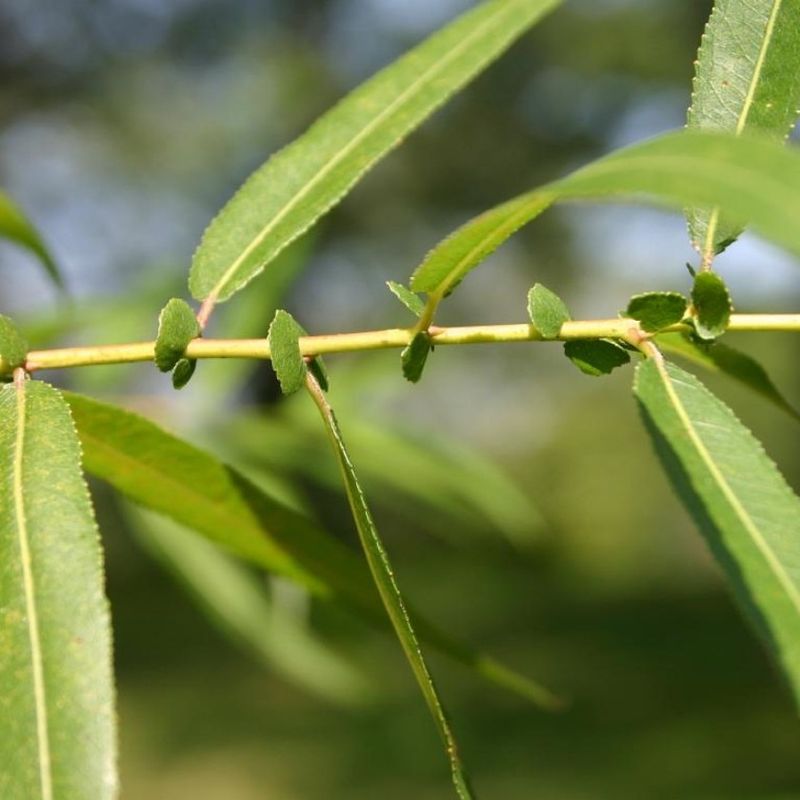
Walk along almost any Michigan riverbank or wetland edge and you will likely spot a Black Willow. Salix nigra is a native champion of wet environments, growing faster than almost any other native tree in Michigan’s soggy lowlands.
That rapid growth is actually one of its greatest strengths, because it quickly colonizes bare, eroding banks and locks the soil in place before it washes away.
The roots of Black Willow spread wide and deep into waterlogged ground, creating a natural barrier against bank collapse. Insects swarm to its early spring catkins, providing a critical food source for birds returning from migration.
Small mammals also find shelter in its dense, twisting branches, making it a busy hub of activity throughout every season.
Removing a Black Willow near a Michigan wetland can trigger rapid bank erosion, especially in areas with strong water flow or heavy rainfall.
Michigan regulations under EGLE are clear about protecting vegetation in these sensitive zones, and Black Willow falls right at the heart of that protection.
Beyond the legal risk, losing this tree means losing a natural erosion-control system that no fence or retaining wall can fully replace.
Leaving Black Willows standing is one of the smartest things any Michigan landowner near a wetland can do for their property and the environment.
3. Silver Maple
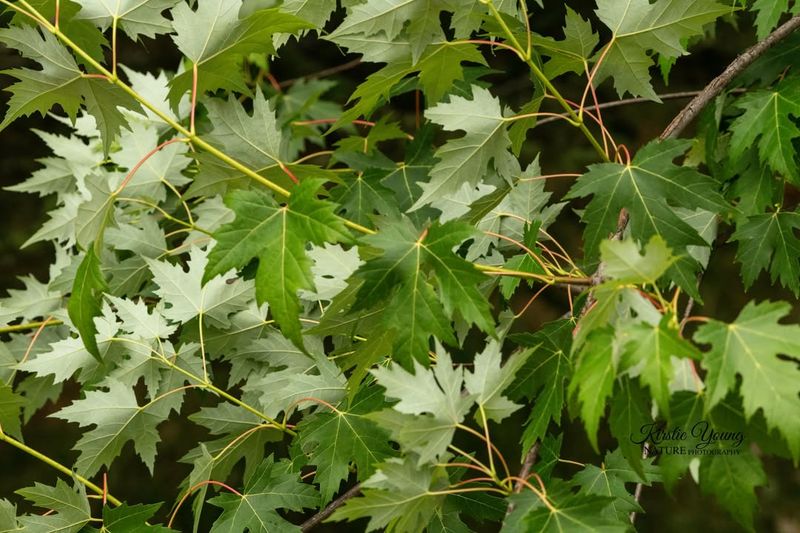
Silver Maple earns its name from the shimmering silver underside of its leaves, but its real value near Michigan wetlands runs much deeper than appearances.
Acer saccharinum is one of the most flood-tolerant trees in the state, thriving in areas where other species simply cannot survive.
Its roots spread broadly through saturated soils, creating a living web that holds shoreline ground together even during high water events.
When heavy rains hit Michigan, Silver Maple trees slow down the movement of sediment-laden runoff toward wetlands and streams. That sediment control is critical because excess sediment smothers aquatic plants and clogs the gills of fish and other wetland creatures.
By absorbing water quickly and anchoring the soil, Silver Maple acts like a natural sponge and shield working at the same time.
Cutting one down near a wetland area in Michigan is a decision that comes with serious consequences. EGLE regulations protect trees in these sensitive buffer zones, and violations can result in costly fines and restoration requirements.
Beyond the legal side, Silver Maple provides dense canopy shade that keeps wetland water temperatures cooler, which benefits cold-water species throughout the warmer months.
Many landowners underestimate how much work this single tree is doing until it is gone. Protecting it is always the smarter, more sustainable choice for Michigan shorelines.
4. Swamp White Oak
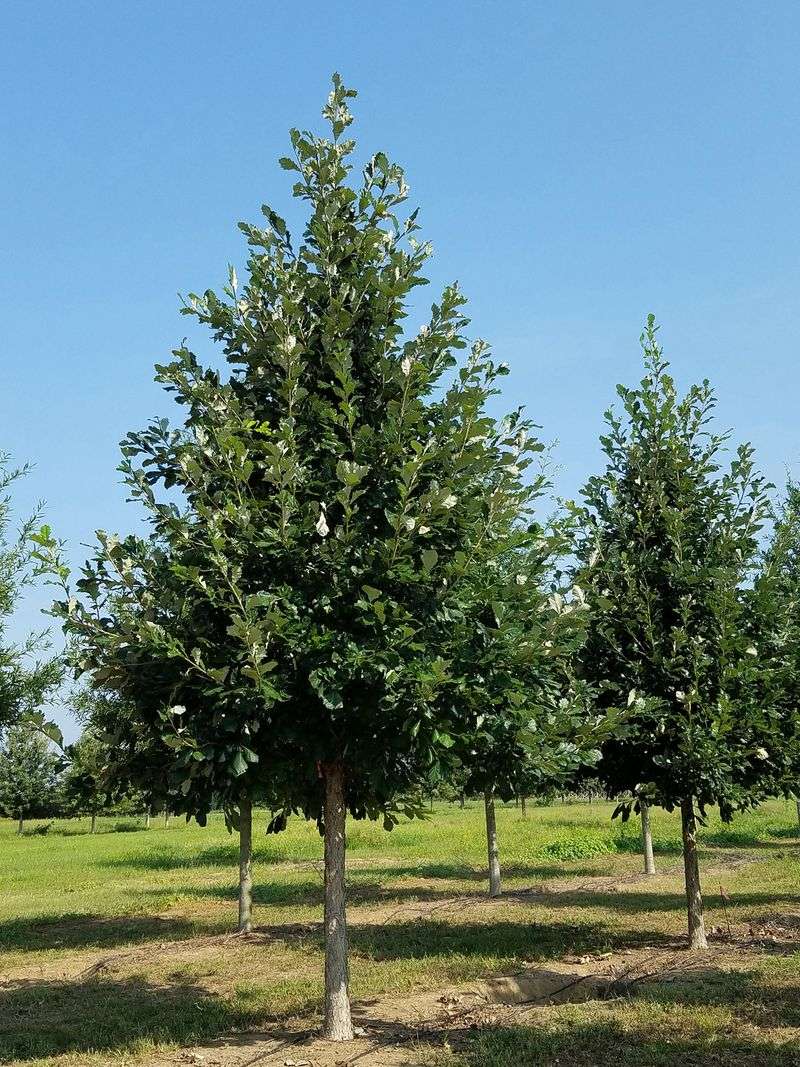
There is something ancient and steady about a Swamp White Oak standing in a Michigan wetland. Quercus bicolor has been part of Michigan’s landscape for thousands of years, and its presence in wetland areas is not accidental.
This tree evolved specifically for wet, heavy soils, developing a root system tough enough to anchor ground that floods regularly and drains slowly.
Swamp White Oak produces acorns that are a critical food source for deer, wood ducks, wild turkeys, and dozens of other wildlife species across Michigan.
The tree’s layered, peeling bark also creates perfect nesting and foraging habitat for insects, woodpeckers, and small birds.
When one of these oaks stands at a wetland edge, it supports an entire food web that stretches far beyond what the eye can see.
Michigan’s EGLE regulations protect wetland vegetation for exactly this reason, and Swamp White Oak is among the species most worth safeguarding.
Removing it weakens the soil structure around the wetland, opens the area to invasive species that rush in to fill the gap, and strips away decades of accumulated habitat value.
Replanting a Swamp White Oak to replace a mature one is not a realistic solution since these trees grow slowly and take generations to reach full ecological function. Protecting what already stands is always the wiser path in Michigan’s precious wetland zones.
5. Eastern Cottonwood
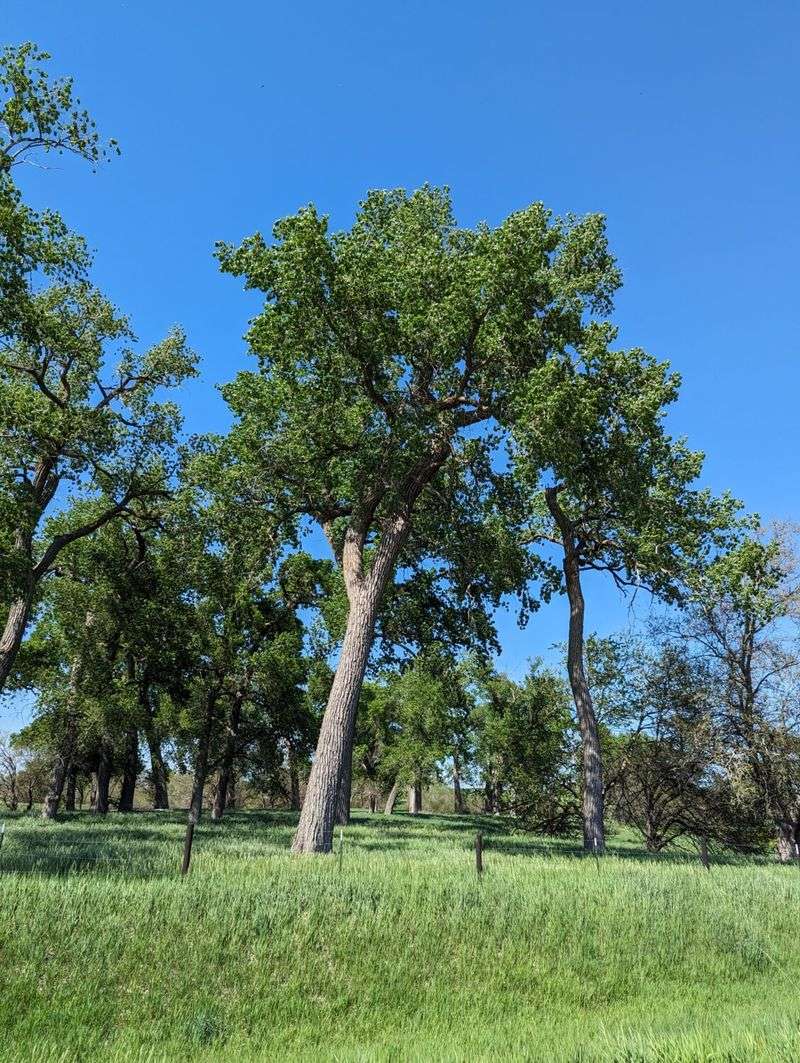
Eastern Cottonwood is one of the fastest-growing native trees in North America, and in Michigan wetlands, that speed is a genuine superpower.
Populus deltoides can shoot up several feet in a single growing season, quickly establishing shade and root coverage along wetland edges that might otherwise erode or be invaded by aggressive non-native plants.
Its massive trunk and wide crown are unmistakable landmarks along Michigan’s rivers and low-lying wet areas.
The shade that Eastern Cottonwood casts over wetland water keeps temperatures stable, which is vital for fish, amphibians, and aquatic insects that cannot tolerate warm, stagnant conditions.
Fallen leaves decompose quickly and add organic matter to the wetland floor, fueling the entire food web from the bottom up.
Birds, including cavity-nesting species like woodpeckers and owls, rely on older cottonwood trunks for shelter and breeding sites.
Cutting down an Eastern Cottonwood near a Michigan wetland triggers a chain reaction of problems. Soil destabilizes quickly without those deep, spreading roots holding things together, and sunlight hits the water surface harder, warming it rapidly.
Michigan’s EGLE permitting requirements exist precisely to prevent this kind of sudden disruption to sensitive wetland systems.
The fluffy white seeds this tree sends out each summer are often seen as a nuisance, but they represent nature’s way of spreading resilience across the Michigan landscape. Respect the cottonwood and the wetland thrives alongside it.
6. American Elm
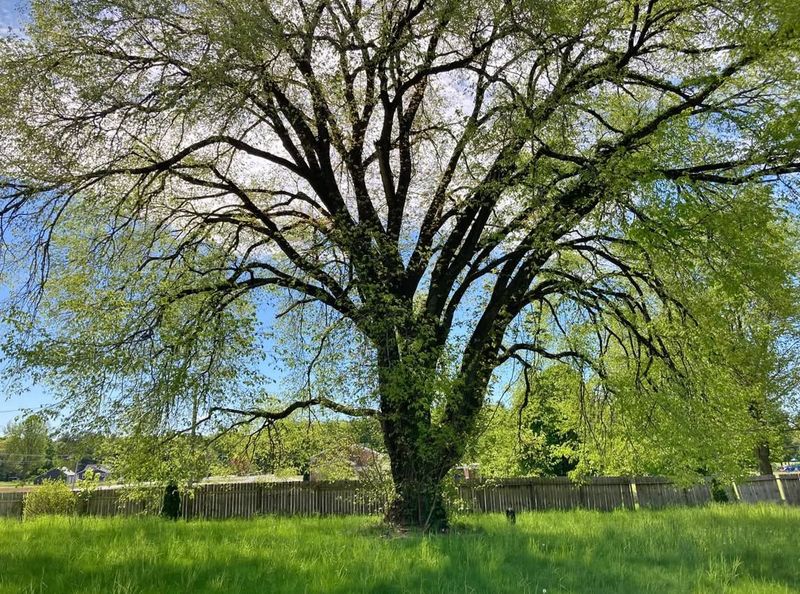
American Elm once lined the streets and riverbanks of Michigan in enormous numbers, and the trees that remain near wetlands today are genuinely precious.
Ulmus americana grows naturally in moist, rich soils along floodplains and wetland edges, where its towering vase-shaped canopy creates a cathedral of shade over the water and ground below.
That canopy is not just beautiful, it is biologically essential for the creatures living underneath it.
The root system of American Elm spreads wide and anchors shoreline soil against the constant pressure of water movement and seasonal flooding.
Birds nest in its upper branches throughout spring and summer, while insects colonize its bark and leaf litter year-round.
Some butterfly species specifically depend on elm leaves as a food source during their larval stage, making this tree a quiet but critical piece of Michigan’s broader ecological puzzle.
Michigan regulations under EGLE treat wetland-adjacent vegetation with strict oversight, and American Elm in these zones falls firmly under that protection.
Removing one without proper permitting can result in fines and mandatory restoration work that costs far more than leaving the tree alone ever would.
Beyond the legal angle, American Elm has faced enormous pressure from Dutch elm disease over the decades, making every surviving healthy tree near Michigan wetlands even more worth protecting.
These trees are survivors, and the wetland ecosystem around them is stronger because of their presence.
7. Bald Cypress
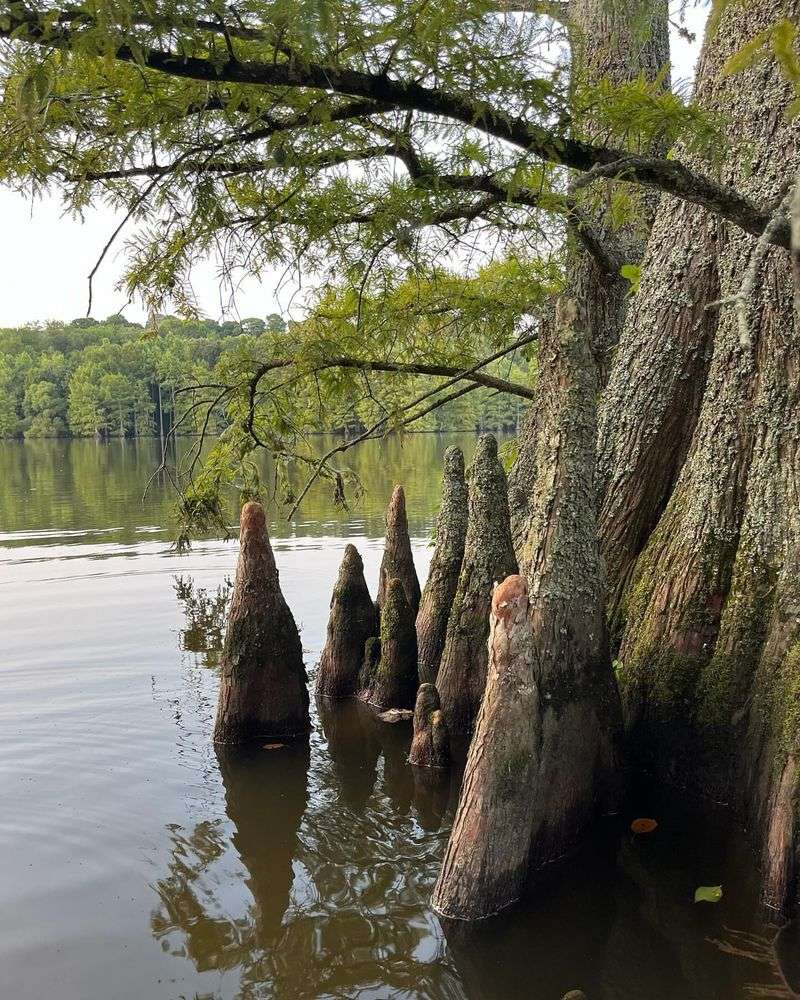
Bald Cypress might surprise you if you spot it in southern Michigan, since most people associate this tree with the swamps of Louisiana or Florida.
But Taxodium distichum does exist in parts of southern Michigan’s wetlands, and its presence there is both remarkable and ecologically significant.
This ancient tree has been growing in wetland environments for millions of years, and its design is perfectly suited for life in standing water.
The most recognizable feature of Bald Cypress is its woody knee roots, which rise up from the waterlogged soil around the base of the tree.
These knees help anchor the tree in unstable, saturated ground while also creating complex underwater habitat for fish, turtles, and aquatic invertebrates.
The dense canopy above shelters birds and filters sunlight, keeping wetland water temperatures in a range that supports aquatic life.
Removing a Bald Cypress from a southern Michigan wetland would be both ecologically damaging and legally risky under EGLE guidelines.
The soil stabilization and water filtration these trees provide are not easily replaced, and the unique habitat their roots create takes decades to develop.
Bald Cypress trees are slow-growing, long-lived, and deeply woven into the ecological fabric of any wetland they inhabit.
Spotting one in Michigan is genuinely special, and protecting it should always be the first instinct for any landowner lucky enough to have one on their property.
8. River Birch
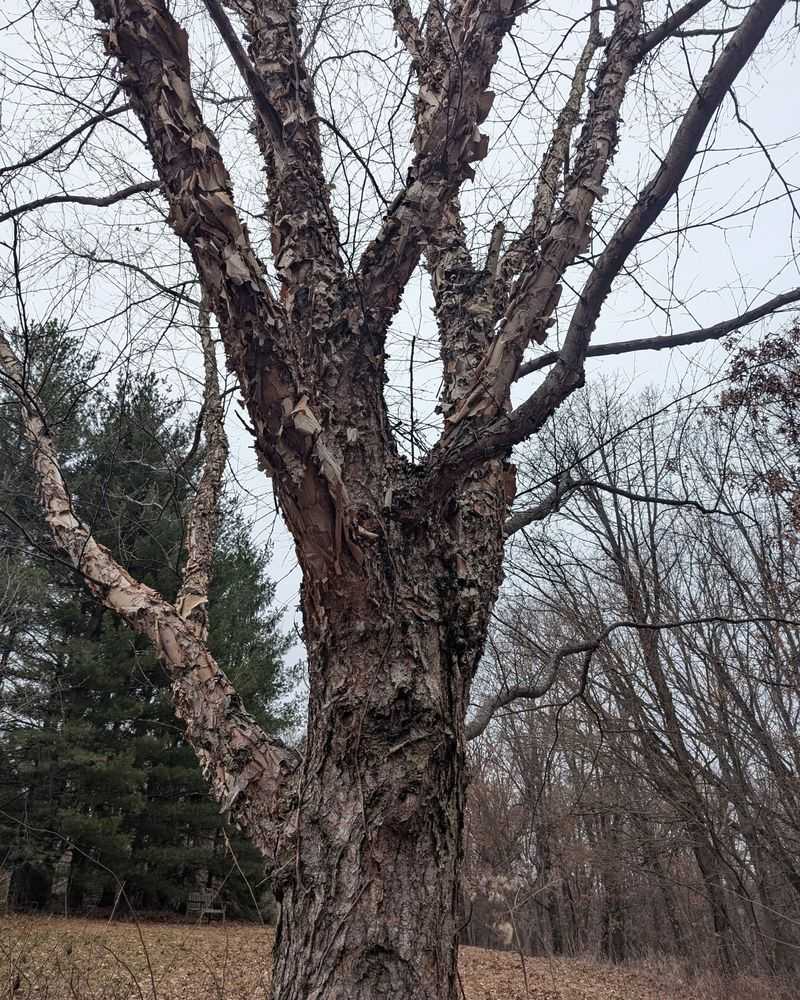
River Birch is one of those trees that makes you stop and look twice. Its peeling, cinnamon-colored bark catches sunlight in a way that makes it glow along Michigan stream banks and wetland edges throughout every season.
But Betula nigra is far more than a pretty face in the landscape. It is a hardworking erosion-control specialist that thrives in the wet, fluctuating conditions that would stress most other tree species.
Along Michigan’s wetland edges, River Birch roots grip sandy and silty soils with impressive tenacity, preventing the kind of bank slumping that sends sediment cascading into streams and ponds.
The tree also provides dense shade over water, keeping temperatures cool for fish and aquatic insects.
Caterpillars of several moth and butterfly species feed on birch leaves, making this tree an important link in the food chain that supports birds and other wildlife throughout Michigan.
Cutting down a River Birch near a Michigan wetland removes a layer of protection that the shoreline genuinely needs.
EGLE regulations require landowners to obtain permits before removing trees or other vegetation that could alter the land surface near water bodies, and River Birch falls squarely within that protection zone.
Losing even one mature River Birch can leave a stretch of bank vulnerable to erosion within a single storm season. Michigan’s wetland ecosystems are built on the contributions of trees like this one, and they deserve to be left standing.
9. Buttonbush
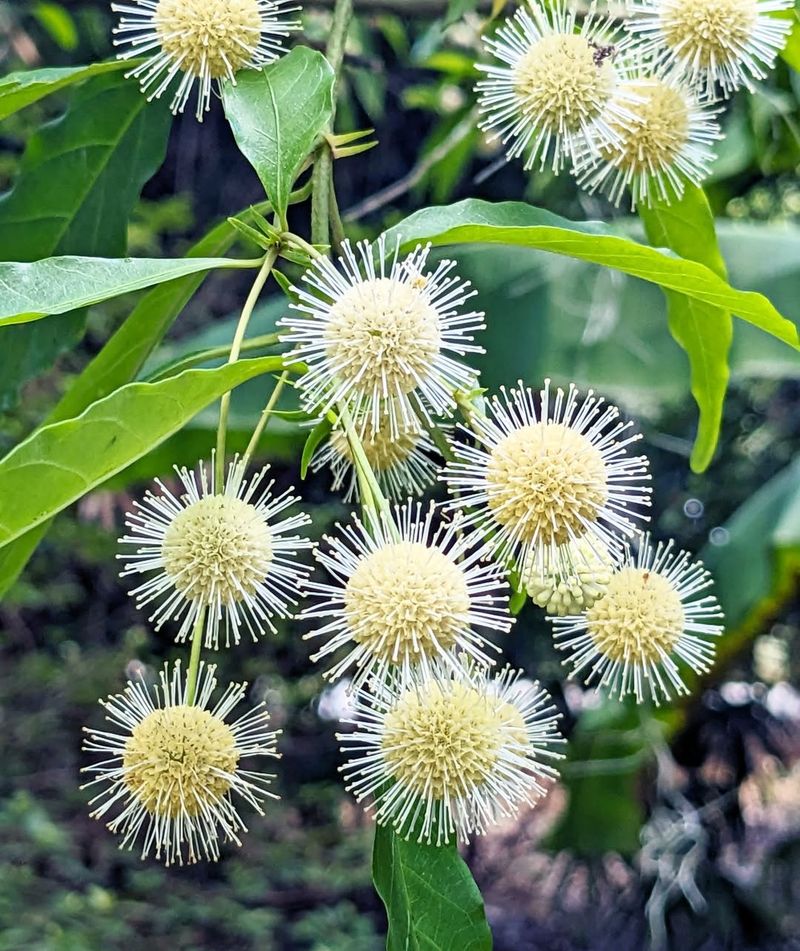
Buttonbush might be smaller than the towering trees on this list, but what it lacks in height it more than makes up for in ecological importance.
Cephalanthus occidentalis is a native shrub that grows right at the waterline of Michigan wetlands, often with its roots partially submerged for months at a time.
Its round, pincushion-like white flowers bloom in midsummer and draw in an astonishing number of pollinators, from honeybees and bumblebees to several butterfly species that are important to Michigan’s broader ecosystem.
Beyond its role as a pollinator magnet, Buttonbush provides dense cover and nesting habitat for wetland birds like warblers and wrens.
Ducks feed on its small round fruit clusters throughout the fall and winter months, making it a valuable food source when other options are scarce.
The shrub’s thick root system also stabilizes the wet, unstable soils right at the water’s edge, where erosion pressure is greatest.
Michigan’s EGLE regulations protect wetland vegetation like Buttonbush because removing it creates immediate gaps in both habitat and soil stability.
Even a small patch of removed Buttonbush can open the door for invasive plants like purple loosestrife to move in and take over, dramatically reducing the wetland’s biodiversity.
Buttonbush is a cornerstone species for Michigan wetland edges, and its ecological value far exceeds its modest size. Leaving it untouched is always the right call near any Michigan wetland.
10. Spicebush
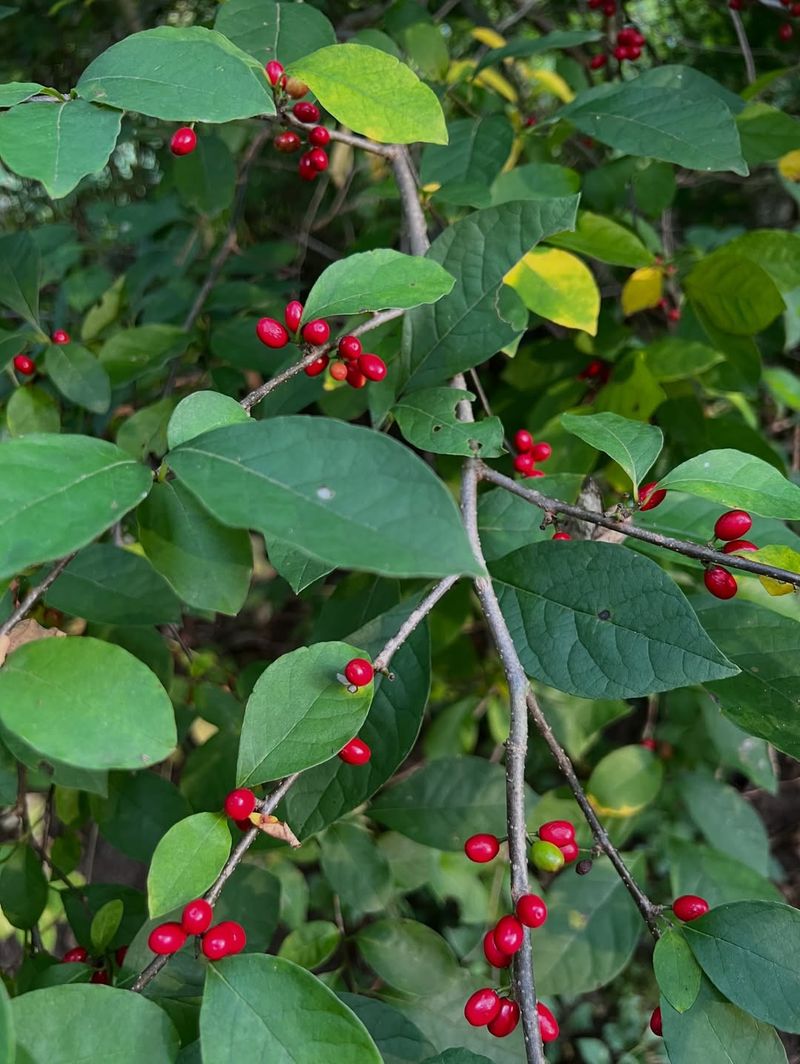
Spicebush is one of those understory plants that most people walk right past without realizing how much work it is quietly doing.
Lindera benzoin grows in the shaded, moist areas near Michigan wetlands, often forming dense thickets that provide food and cover for a wide range of wildlife.
Crush one of its leaves between your fingers and you will get a sharp, spicy scent that explains the name immediately.
Birds are particularly drawn to Spicebush during fall migration, when its bright red berries ripen and offer high-fat fuel for long journeys south.
The Spicebush Swallowtail butterfly, one of Michigan’s most striking native butterflies, depends entirely on Spicebush leaves as a food source for its caterpillars.
Small mammals shelter in its dense branches, and the early yellow flowers that bloom before most other plants provide a crucial first nectar source for pollinators emerging in early spring.
Removing Spicebush from Michigan wetland edges reduces biodiversity in ways that ripple outward through the entire ecosystem.
Fewer berries means fewer migrating birds, fewer caterpillars means fewer butterflies, and fewer butterflies means reduced pollination across the surrounding landscape.
Michigan’s EGLE guidelines protect wetland-edge vegetation for exactly this reason, recognizing that every native plant plays a connected role in the system.
Spicebush may not be the tallest or most dramatic plant in a Michigan wetland, but its ecological contributions are genuinely outsized. Protecting it is protecting the whole community of life that surrounds it.