Why You Hear Frogs In Michigan Before Spring Flowers Appear
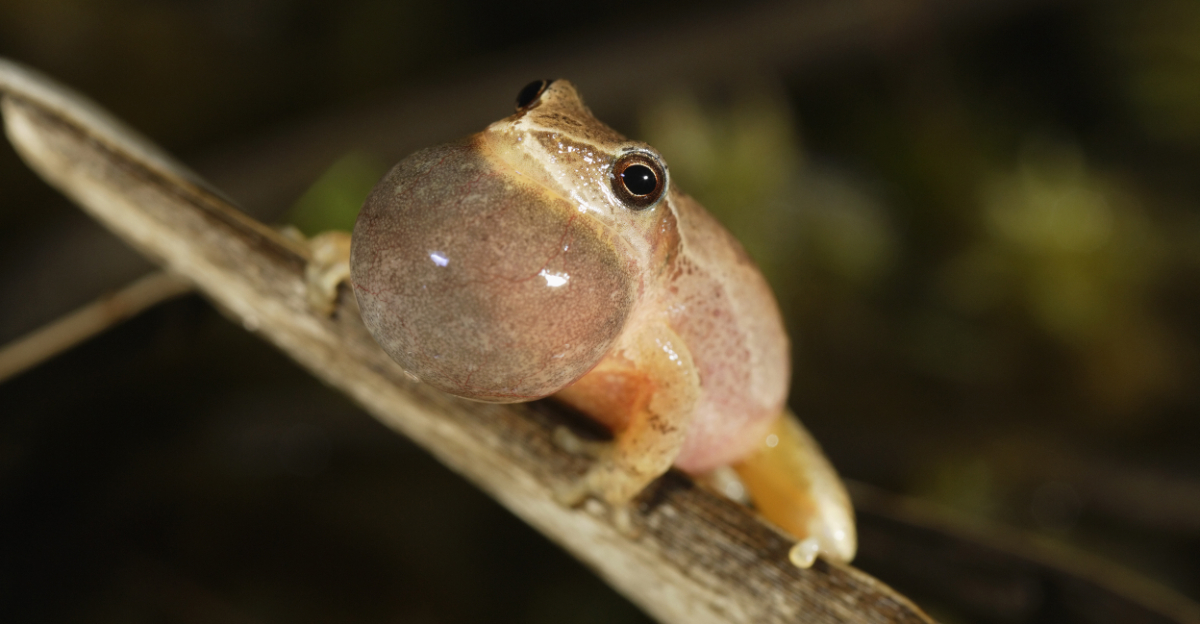
Before the first tulip opens or the trees begin to leaf out, Michigan evenings come alive with an unmistakable sound. Step outside on a chilly spring night and you may hear a lively chorus rising from nearby ponds and wetlands, long before flowers make their debut.
Those voices belong to frogs, and their early arrival is no accident. While gardens still look quiet, these small amphibians are already responding to subtle shifts in temperature, daylight, and moisture that signal the start of breeding season.
Many species are specially adapted to handle cold water and brisk air, allowing them to move and call earlier than most people expect. Their songs are not just background noise but an important part of Michigan’s seasonal rhythm.
Learning why frogs begin calling so soon reveals a fascinating layer of spring that often goes unnoticed, transforming an ordinary evening into a powerful reminder that nature is already wide awake.
1. Frogs Respond To Temperature, Not Bloom Cycles
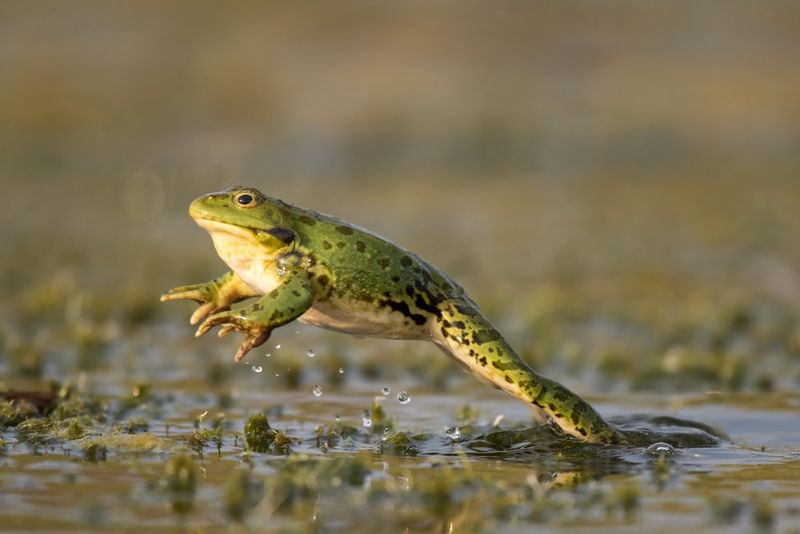
Most people assume spring begins when the first flowers bloom, but frogs follow a completely different calendar. Their bodies are wired to respond to rising air and water temperatures, not to what plants are doing.
The moment temperatures climb above freezing consistently, frogs wake up and start calling.
Bloom cycles depend on a combination of factors including soil warmth, daylight, and moisture. Frogs skip most of those requirements entirely.
A few warm nights in a row can be enough to bring them out, even when the garden still looks completely bare and frost-bitten.
Michigan spring peepers, for example, begin calling when nighttime temperatures hover just above 40 degrees Fahrenheit. Flowers need sustained warmth that simply has not arrived yet at that point.
So the frogs get a head start that can be several weeks long before the first tulips or trilliums push through the soil.
This temperature-driven behavior is actually a smart survival strategy. Frogs need time to find mates, lay eggs, and let tadpoles develop before summer predators arrive.
Responding to temperature rather than bloom cycles gives them the maximum breeding window possible. Next time you hear frogs on a chilly March evening, you know they are just following their own perfectly tuned internal thermostat.
2. Vernal Pools Warm Faster Than Garden Soil
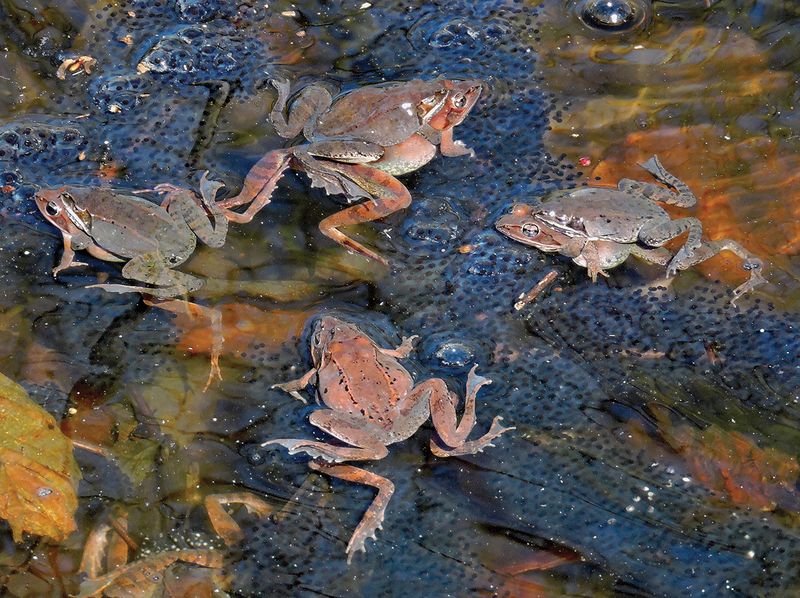
Shallow water heats up surprisingly fast compared to a thick layer of garden soil. Vernal pools, which are temporary wetlands that form in low-lying forest areas, can absorb sunlight quickly because they are so thin and exposed.
A few sunny days in late February or early March can raise a vernal pool’s temperature enough to trigger frog activity.
Garden soil is a different story. It holds cold much longer because the warmth has to penetrate downward through multiple layers.
The top inch might feel warm on a sunny afternoon, but just a few inches below, the ground stays cold for weeks longer than a nearby shallow pool.
This difference in warming rates creates a timing gap that explains a lot about why you hear frogs before you see flowers. Frogs are drawn to vernal pools because those spots warm first, giving them the signal to start their breeding season.
Meanwhile, the flower bulbs and roots sitting in that cold, deep soil are still waiting for their cue.
Vernal pools also tend to be in open or semi-open areas where sunlight hits the water directly.
That solar energy warms the pool rapidly, sometimes creating a microhabitat that is weeks ahead of surrounding land. Frogs take full advantage of this natural solar heating to jump-start their season every year.
3. Some Frog Species Breed Immediately After Ice Melt
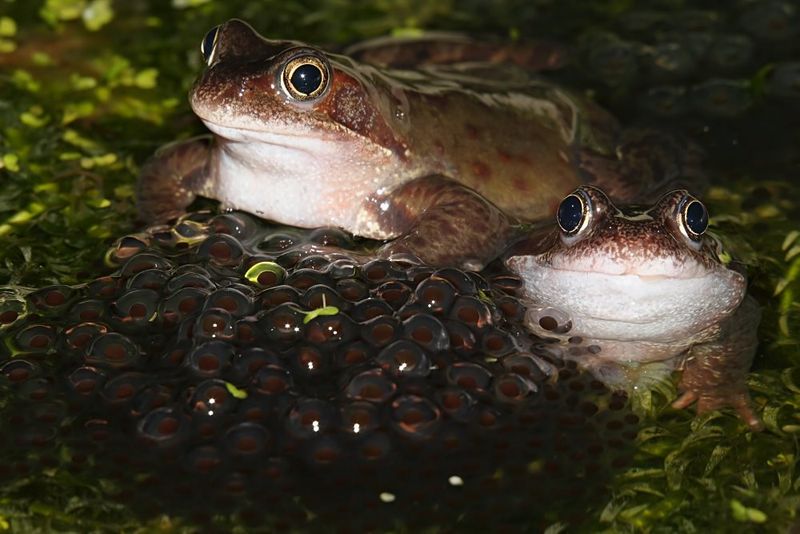
Wood frogs are genuinely extraordinary. They can begin breeding within hours of ice melting from a vernal pool, sometimes while snow still sits on the ground just a few feet away.
Their urgency is not random; it is a finely tuned biological response that has developed over thousands of years.
Spring peepers are similarly bold. These tiny frogs, no bigger than a thumbnail, start their loud chorus almost as soon as temperatures allow.
Their calls can be heard from a surprising distance, filling Michigan evenings with sound long before any flower dares to open.
Both species breed early because their tadpoles need enough time to grow before the vernal pools dry out in summer. Missing the early window means missing the entire breeding season.
That kind of pressure pushes them to act fast, even when the weather still feels more like winter than spring.
For gardeners and nature lovers in Michigan, this creates a remarkable sensory experience. You might be bundled up in a winter coat, looking at bare trees and frozen ground, yet hearing a full amphibian chorus all around you.
It is one of nature’s most exciting previews, a sign that the season is shifting even before the landscape shows it. These frogs are essentially the opening act of spring, performing before the rest of the show has even begun.
4. Frogs Overwinter In Mud Or Leaf Litter
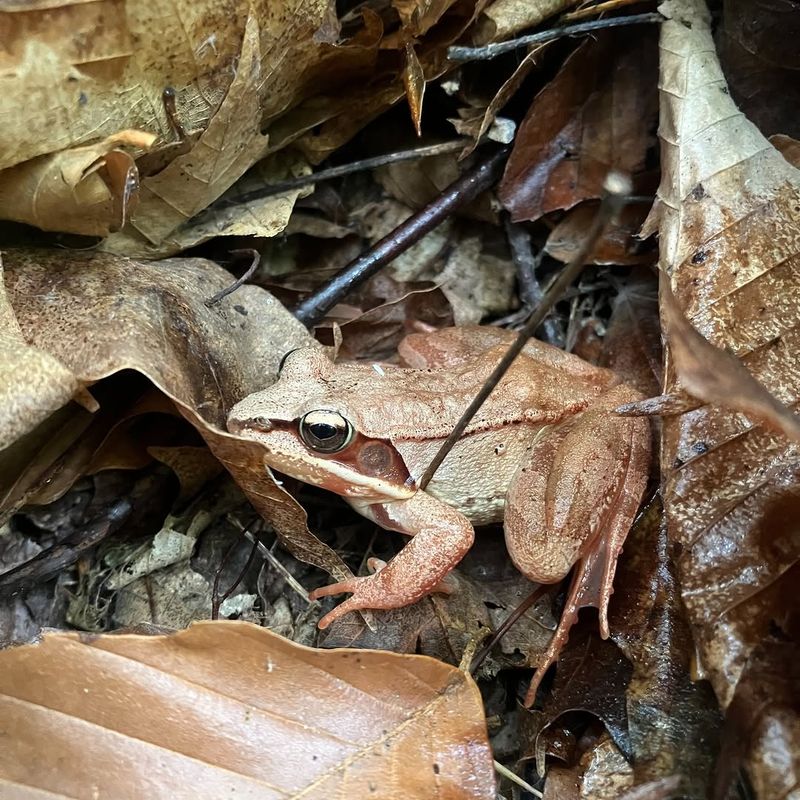
Frogs do not go far when cold weather arrives. Many Michigan species burrow into the mud at the bottom of ponds or tuck themselves under thick layers of fallen leaves on the forest floor.
They stay there through the coldest months, slowing their metabolism to an almost undetectable pace.
What makes this remarkable is how quickly they can bounce back. Once temperatures rise above freezing, these frogs do not need days to recover.
They warm up and become active within hours, which means they are ready to call and breed almost immediately after the thaw begins.
Spring flowers cannot match that speed. Most flowering plants need their roots and bulbs to warm gradually before they can push new growth upward.
That biological process takes time, sometimes weeks. Frogs, by contrast, are already on the surface and singing before flowers even start the process of emerging.
Wood frogs take this to an extreme that still amazes scientists. They actually allow their bodies to partially freeze during winter, with ice forming between their cells.
Special proteins and high glucose levels protect their tissues from damage. When spring warmth arrives, they thaw out and resume normal activity.
It sounds almost unbelievable, but this freeze-and-thaw survival trick is exactly why wood frogs can breed so early and so successfully across Michigan every single year.
5. Amphibians Tolerate Cold Better Than Flower Buds
Frost is a flower’s worst enemy in early spring. A single cold night can damage or destroy tender buds that have just begun to open.
Plants invest significant energy into those early blooms, and a late frost can set them back dramatically, sometimes by weeks.
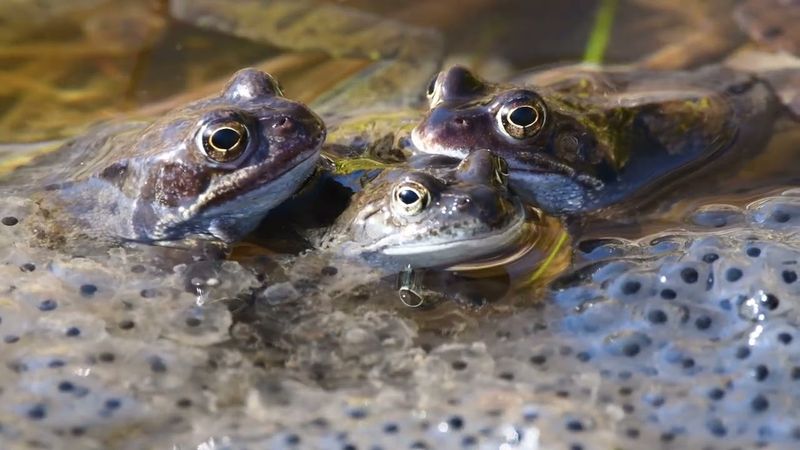
Frogs operate by a completely different set of rules. Many Michigan species can remain active and even call at temperatures just above freezing.
Their cold-blooded nature, which once seemed like a disadvantage, actually gives them a window to breed that warm-blooded animals and frost-sensitive plants simply do not have.
Wood frogs can survive actual freezing, as mentioned earlier, but even species that do not freeze solid are remarkably tolerant of cold. Spring peepers call on nights when most people reach for an extra blanket.
American toads become active in temperatures that would stop flower growth entirely. This cold tolerance is not accidental; it is the result of millions of years of adaptation to exactly the kind of unpredictable early spring weather that Michigan delivers every year.
For gardeners, this contrast is worth appreciating. When you hear frogs calling during a cold snap that has your flowers drooping, those frogs are not struggling.
They are thriving in conditions perfectly suited to their biology. Their ability to handle the cold is one of the most underappreciated advantages in the animal kingdom, and Michigan residents get to witness it every spring firsthand.
6. Frog Breeding Is Timed For Short-Lived Wetlands
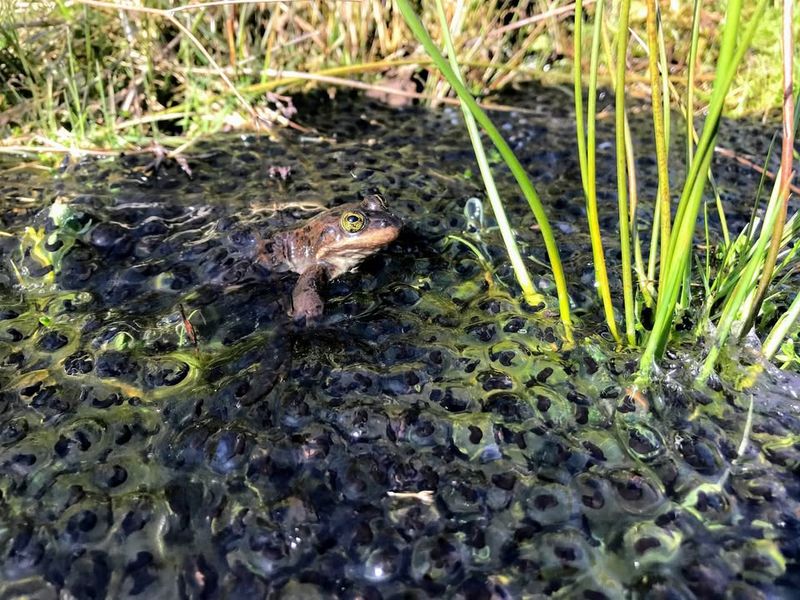
Vernal pools have a clock ticking from the moment they fill with snowmelt and rain. By midsummer, many of these shallow wetlands will be completely dry, leaving no water at all.
Every species that depends on them knows this on a biological level, which creates an intense urgency to breed early.
Frogs that use vernal pools must complete their entire reproductive cycle before the water disappears. Eggs need to hatch, tadpoles need to grow legs, and young frogs need to be ready to move onto land before the pool dries out.
That entire process takes weeks, so starting early is not optional. It is essential. This timing pressure pushes frog breeding to the earliest possible point in the season, well before most spring flowers have appeared.
The frogs are not being impatient; they are being precise. Their breeding window is defined by the lifespan of the pool, not by temperature or daylight alone.
For anyone who has stumbled upon a vernal pool in March or April, the activity there can be almost overwhelming. Hundreds of frogs calling, eggs floating in clusters near the surface, and the whole scene buzzing with life.
It feels chaotic, but every bit of it is perfectly organized by millions of years of evolution. The urgency is real, the timing is tight, and the frogs have it figured out better than any calendar could manage.
7. Day Length Increases Trigger Hormonal Changes
Sunlight does more than warm the ground. As days grow longer in late winter, the increasing light exposure triggers hormonal shifts inside frog bodies that prepare them for breeding.
This process begins well before the weather feels anything like spring, quietly happening beneath the surface of ponds and inside leaf piles across Michigan.
Photoperiod, which is the scientific term for day length, is one of nature’s most reliable seasonal signals. Many animals use it to time reproduction, migration, and other critical behaviors.
Frogs are especially sensitive to these changes, and their hormonal system responds to longer days by ratcheting up reproductive activity.
By the time temperatures rise enough for frogs to emerge, their bodies are already primed and ready. The hormonal preparation has been underway for weeks.
This means frogs do not waste any time once conditions are right; they are already at peak breeding readiness when that first warm evening arrives.
Spring flowers also respond to day length, but they require longer and warmer conditions before blooming. The photoperiod response in plants tends to work alongside soil temperature in a way that delays flowering compared to frog activity.
Frogs get a hormonal head start that flowers simply do not have. Watching a late February sunset stretch a little longer each day, you might not realize you are watching the trigger that sends Michigan frogs into their spectacular spring chorus just weeks later.
8. Flowering Requires Sustained Soil Warmth
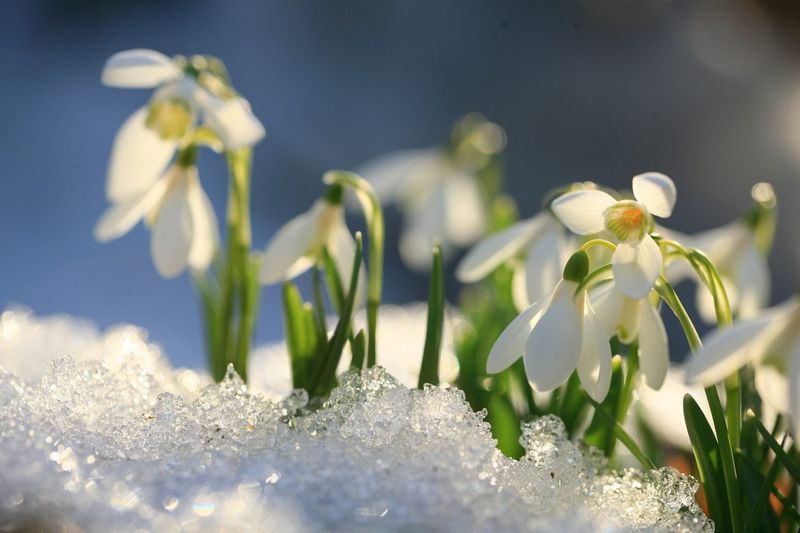
Air can warm up quickly on a sunny March afternoon, but soil tells a different story. The ground holds cold deep in its layers, and it takes sustained warmth over many days or weeks before soil temperature rises enough to support flower growth.
That lag time is one of the main reasons frogs are calling long before your garden shows any color.
Most spring flowers need consistent soil temperatures above 50 degrees Fahrenheit before they push new growth upward. Even cold-hardy bulbs like tulips and daffodils need that baseline warmth maintained over time, not just for an afternoon.
Michigan soil in early spring often stays well below that threshold, even when air temperatures feel encouraging.
Shallow water in vernal pools warms much faster than deep garden soil because there is less mass to heat and more direct sun exposure. Frogs take advantage of that warm water while flower bulbs are still waiting underground for soil temperatures to catch up.
The gap between water warming and soil warming can span several weeks in Michigan’s climate.
Gardeners know this frustration well. You see frogs, you feel warmth in the air, and you want to plant.
But experienced gardeners wait for soil temperature, not air temperature, before getting started. Frogs have no such patience because they do not need soil warmth at all.
Their world is water, and water is already warm enough to get the season started.
9. Michigan’s Great Lakes Moderate Early Temperature Swings
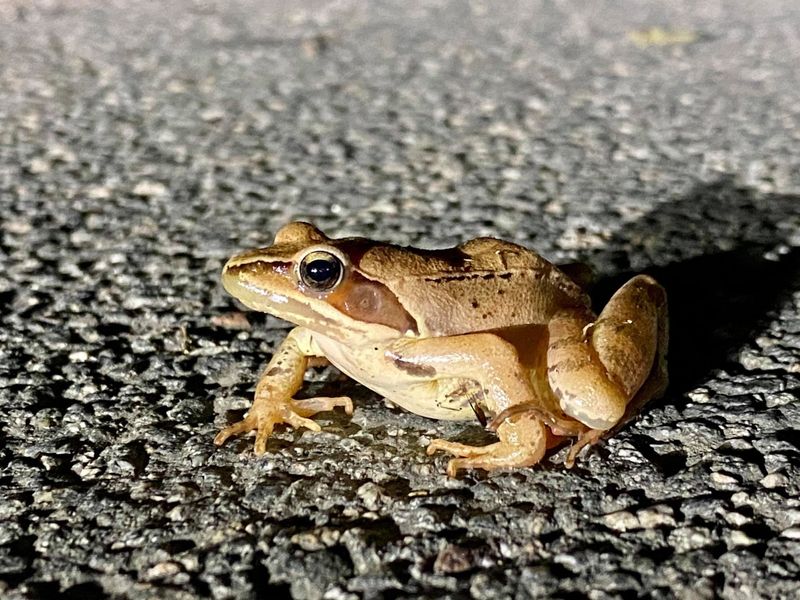
Living near one of the Great Lakes changes how seasons feel in a subtle but powerful way. The massive volume of water in lakes like Michigan, Huron, and Erie stores thermal energy from the previous summer and releases it slowly during winter and early spring.
This moderating effect keeps temperatures from swinging as wildly as they do inland. For frogs, this moderation is a gift. Gradual, steady warming is exactly what triggers their emergence and breeding behavior.
Sudden cold snaps followed by warm spells can confuse or delay frog activity, but the lake effect tends to smooth those fluctuations out across much of Michigan.
Frogs near the Great Lakes shoreline often begin calling earlier and more consistently than those in more inland areas.
Spring flowers need that same kind of steady warmth, but they also need soil to respond, which takes longer even with the lake effect helping.
The water influence speeds up the overall thaw but cannot overcome the fundamental difference between shallow pool warming and deep soil warming. Frogs still get their window of activity before flowers do.
The Great Lakes make Michigan one of the most interesting places in North America to observe early spring wildlife.
The combination of lake-moderated temperatures, abundant vernal pools, and diverse frog species creates a natural chorus that signals spring’s arrival in a way that is uniquely Michigan.
Before a single bloom appears, the lakes and the frogs together announce that the cold season is ending.