Why You May Notice More Woodpeckers In Georgia Yards This September
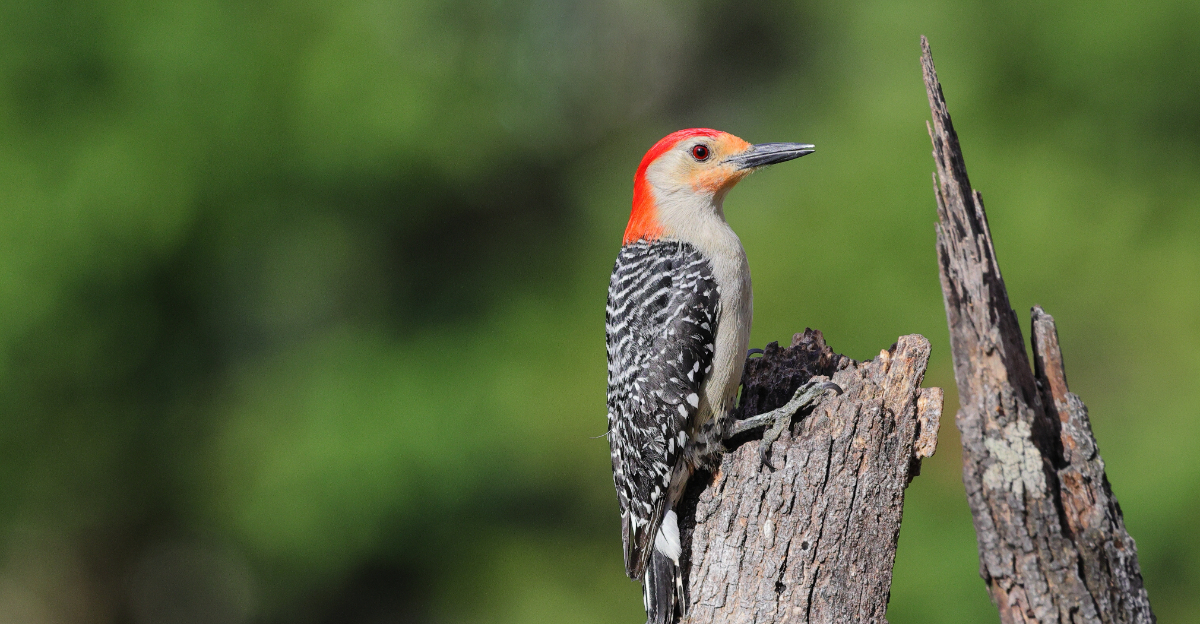
That tapping sound outside may seem louder and more frequent once September arrives. Woodpeckers can become especially noticeable around yards as seasonal activity begins to shift.
Georgia is home to several woodpecker species, and your trees can offer exactly what these active birds are searching for. Watch closely before assuming something unusual is happening.
September brings changes in food sources and bird movement that can make certain woodpeckers easier to notice. Your yard may suddenly become part of their daily routine.
Look beyond the noise when one starts working its way along a trunk. Its behavior can tell you plenty about what brought it there.
Some visits are brief, while others may continue as conditions remain favorable.
Knowing what attracts woodpeckers helps you understand these September visitors without immediately worrying about every tap you hear outside.
1. September Can Make Woodpeckers Easier To Notice
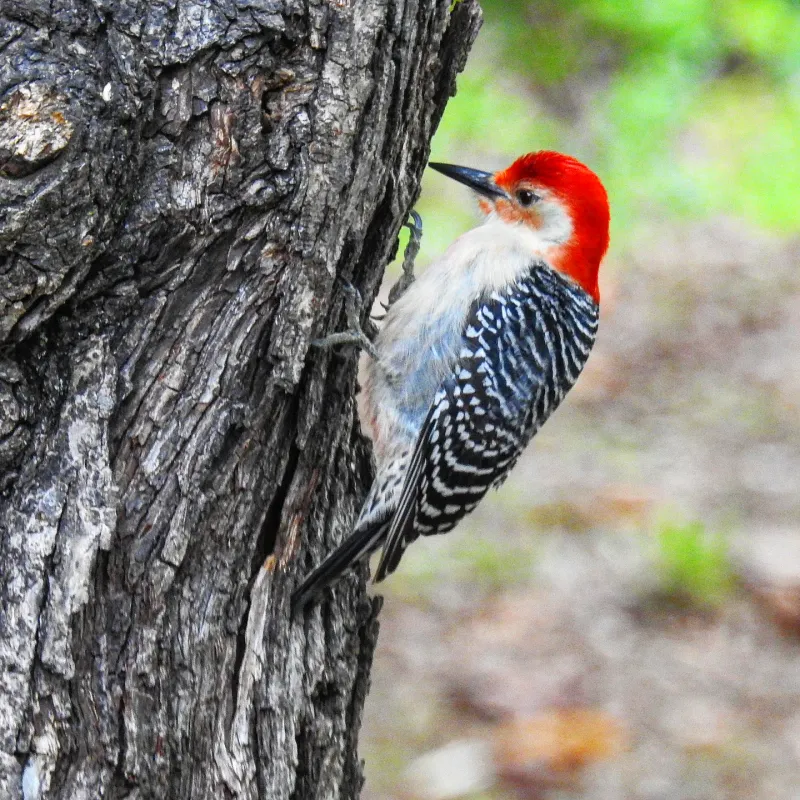
Leaves start thinning out in September, and that changes everything for birdwatchers. Woodpeckers that were hidden behind thick summer foliage suddenly become much more visible.
You might not be seeing more birds overall. You might just finally be able to see them clearly.
Cooler mornings also bring woodpeckers out earlier in the day. Birds tend to be more active when temperatures drop from the summer highs.
September mornings can feel almost perfect for birds searching for food before the heat of the afternoon kicks in.
Noise is another factor worth noting. Woodpeckers drum on trees to communicate and mark territory, and that tapping carries farther in the quieter fall air.
Fewer insects buzzing and fewer frogs calling means the sound of a woodpecker working on a tree trunk stands out much more clearly.
Yards with large trees and open sightlines become natural observation spots. If you sit outside with a cup of coffee in the morning, the chances of catching a woodpecker in action go up considerably.
September creates a natural window for noticing birds that were always around but easy to overlook.
2. Some Woodpeckers Stay In The Same Areas All Year
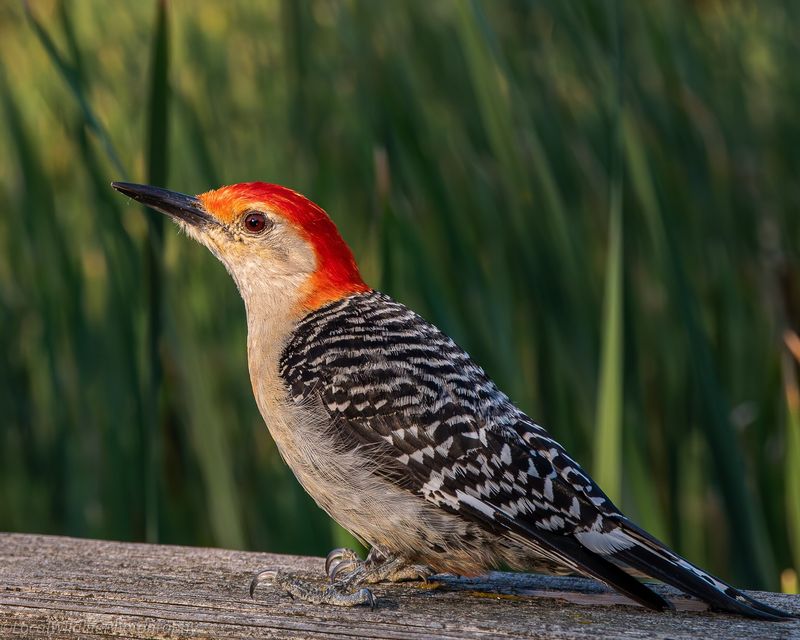
Not every woodpecker you see in September is passing through. Several species in Georgia are year-round residents that stick to the same territory for months at a time.
Seeing them more often in fall does not mean they just arrived. It often means conditions changed enough to make them more noticeable.
Red-bellied woodpeckers are one of the most common year-round species in the region. They are adaptable birds that do well in suburban neighborhoods, wooded backyards, and areas with mature trees.
Their loud, rolling call is one of the easiest sounds to recognize once you learn it.
Downy woodpeckers are another resident species. Smaller than most, they often visit backyard feeders and work along thinner branches that larger woodpeckers tend to skip.
They can be surprisingly bold around people once they get comfortable with a yard.
Pileated woodpeckers, the large crow-sized birds with bright red crests, also stay put year-round in wooded areas. Spotting one feels like a genuine treat.
Their rectangular excavations in tree trunks are a clear sign they have been working an area, even when you cannot see them directly. Knowing which species live locally helps you track who is visiting and when.
Your Georgia Garden Changes Every Week. Your Plan Should Too.
Gardening in Georgia changes quickly throughout the season. Every Friday you’ll receive a simple weekly plan showing exactly what to plant, prune, fertilize, harvest, and protect so you never miss the right timing.
3. Fall Movement Brings Other Woodpeckers Through New Areas
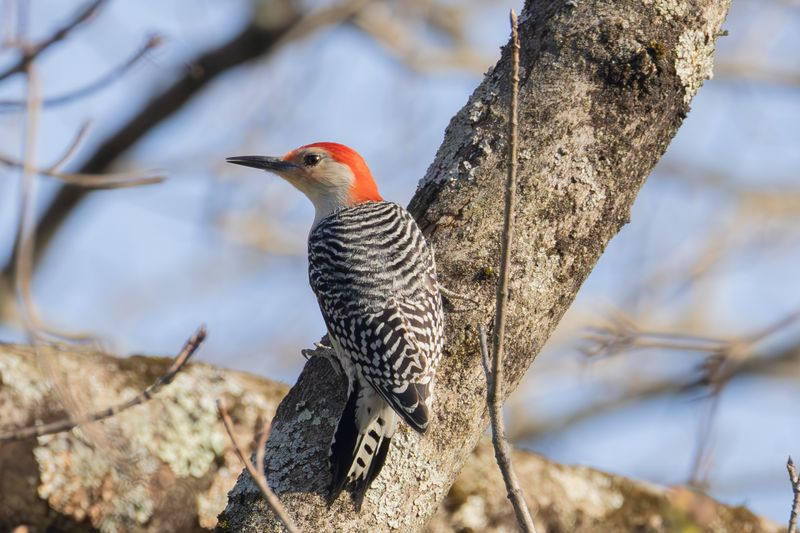
Fall migration is not just for songbirds and raptors. Some woodpecker species shift their ranges as seasons change, and September marks the beginning of that movement across much of the Southeast.
Yards that rarely see certain species during summer can get surprise visitors as fall kicks in.
Northern flickers are a great example. These ground-feeding woodpeckers move through Georgia in larger numbers during fall.
They look quite different from the tree-clinging woodpeckers most people picture, often feeding on ants directly from the soil. Seeing one in your yard for the first time can catch you off guard.
Red-headed woodpeckers also shift around during fall. While some stay in the same area, others move in search of better food supplies, particularly mast crops like acorns.
A yard near oak trees can suddenly attract a bird that was not there all summer.
Migration does not follow a rigid schedule. Weather patterns, food availability, and local habitat all influence when and where birds move.
A cold front pushing through can bring a wave of movement that puts new birds in unexpected places. Keeping an eye on your yard through September gives you a real chance of catching something you have not seen before.
4. Trees Give These Birds Plenty Of Food To Find
Woodpeckers are built for tree-based foraging, and September trees are loaded with opportunity. Bark beetles, wood-boring larvae, and carpenter ants are all active in tree trunks and branches heading into fall.
Woodpeckers can hear and feel insects moving beneath the bark, and they work fast once they locate a target.
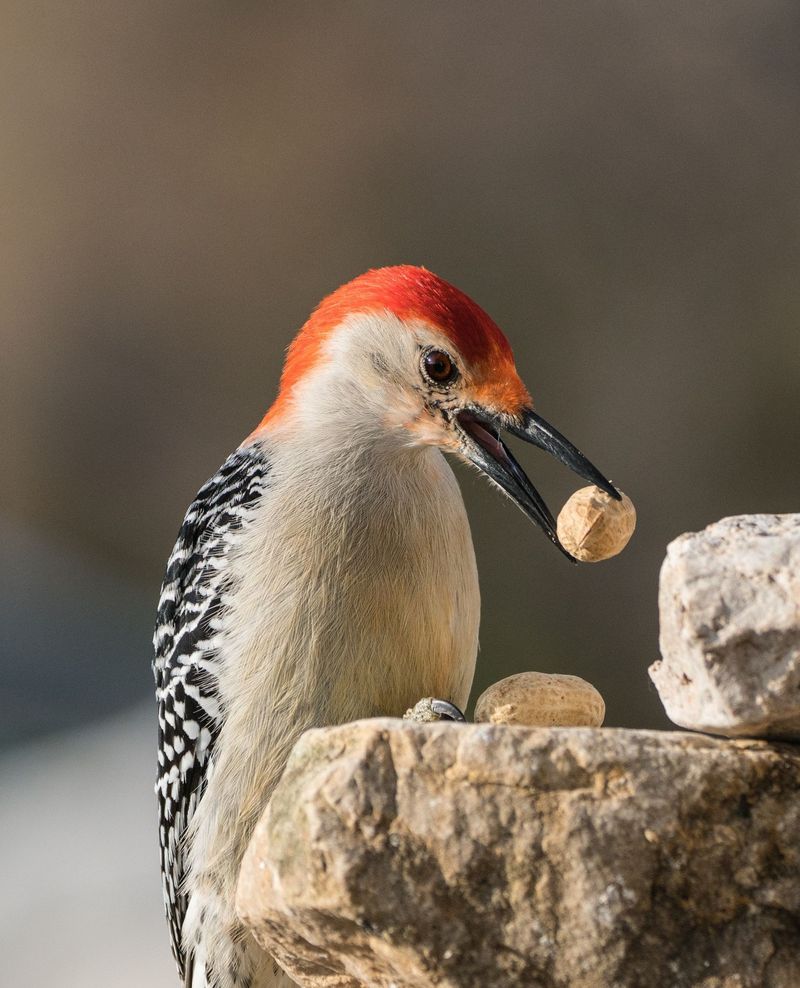
Acorns and other hard mast crops ripen in September across much of the region. Some woodpecker species, particularly red-headed woodpeckers and red-bellied woodpeckers, cache food by wedging nuts and seeds into bark crevices.
You might see a bird repeatedly flying between a feeder or a tree and a specific spot on a trunk or fence post.
Sap wells are another food source. Sapsuckers drill rows of small holes in tree bark to access sap and the insects it attracts.
Other woodpecker species sometimes visit these wells too, taking advantage of the work already done.
A yard with a variety of mature trees offers more feeding options than one with only young or ornamental plantings. Oak, hickory, pine, and sweetgum trees all support different insects and food sources that woodpeckers rely on.
Having even a few large trees nearby can make your yard a regular stop for multiple species throughout the fall season.
5. Backyard Feeders Can Bring Woodpeckers Into Better View
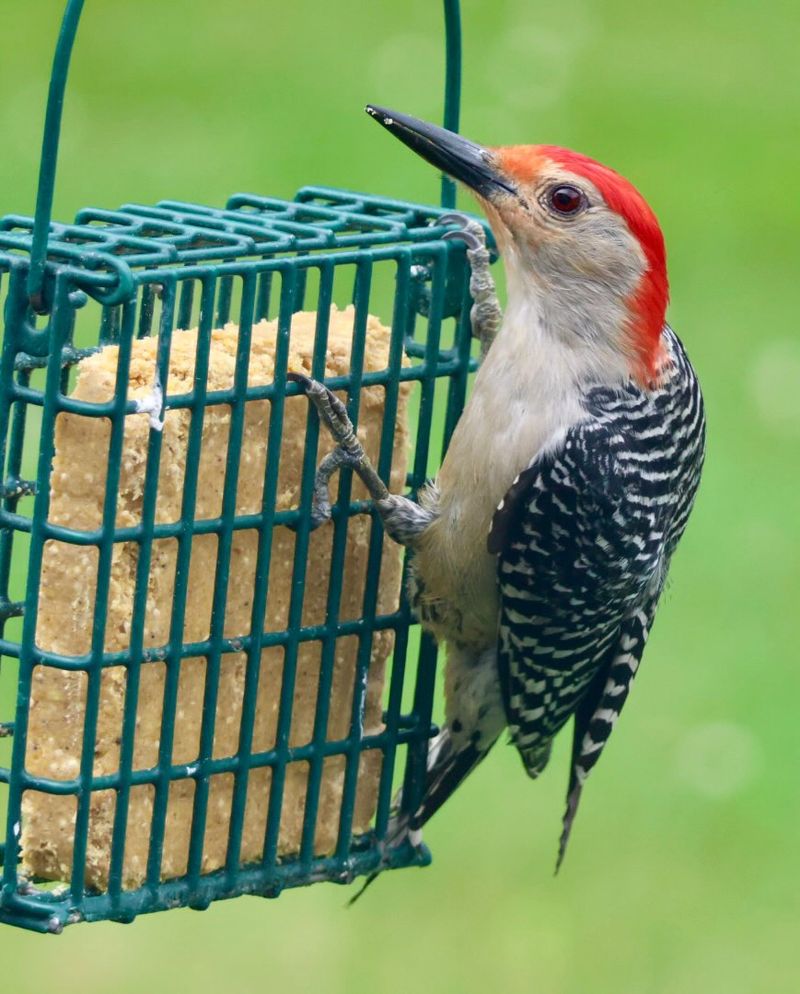
Suet feeders are one of the most reliable ways to attract woodpeckers up close. Suet is a high-fat food that gives birds quick energy, and woodpeckers seek it out eagerly, especially as temperatures start dropping in September.
Hanging a suet cage from a sturdy hook or tree branch can bring birds within a few feet of a window.
Placement matters more than most people realize. Woodpeckers feel more comfortable feeding near trees or shrubs that give them a quick escape route.
A feeder positioned too far out in the open may get ignored even if the food is good. Hanging it near a large tree trunk tends to work well.
Peanut butter-based suet blends and straight peanut suet are especially popular with downy and hairy woodpeckers. Red-bellied woodpeckers often take chunks of suet back to a nearby tree to eat or cache.
Watching that behavior is genuinely entertaining once you start paying attention.
Keeping feeders clean and stocked through September gives you a steady stream of activity. Squirrels can be a challenge around suet feeders, and a cage-style feeder with a protective cover can help limit that competition.
A little bit of setup goes a long way toward getting woodpeckers into clear, close view.
6. Older Trees Give Woodpeckers More Places To Feed And Rest
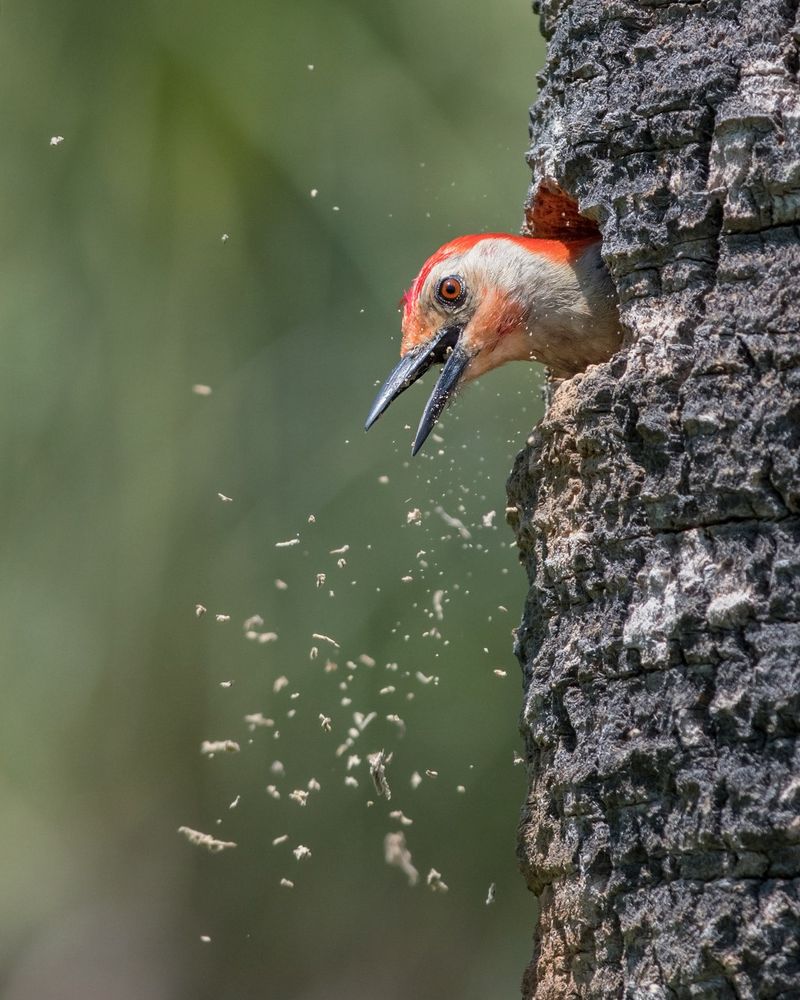
Mature trees are magnets for woodpeckers, and the older the tree, the better. Thick, furrowed bark holds more insects.
Older wood develops soft spots that are easier to excavate. A large, well-established tree in your yard can support woodpecker activity throughout the entire fall season without any effort on your part.
Standing snags, which are upright trees that have lost most of their leaves and living tissue, are particularly valuable. Woodpeckers excavate nesting and roosting cavities in snags, and those cavities get used repeatedly over multiple years.
If a snag is stable and not posing a hazard, leaving it in place is one of the best things you can do for local woodpecker populations.
Even partially decayed limbs on otherwise healthy trees attract feeding activity. Insects colonize weakened wood quickly, and woodpeckers follow.
You might notice a bird returning to the same branch or spot on a trunk day after day because the food supply there is reliable.
Younger, smooth-barked trees offer far less to a foraging woodpecker.
If your yard is mostly made up of newer plantings, adding a suet feeder near any older tree on the property edge can help bridge that gap and pull birds into a better viewing spot during September visits.
7. Yellow-Bellied Sapsuckers Begin Showing Up As Fall Moves Along
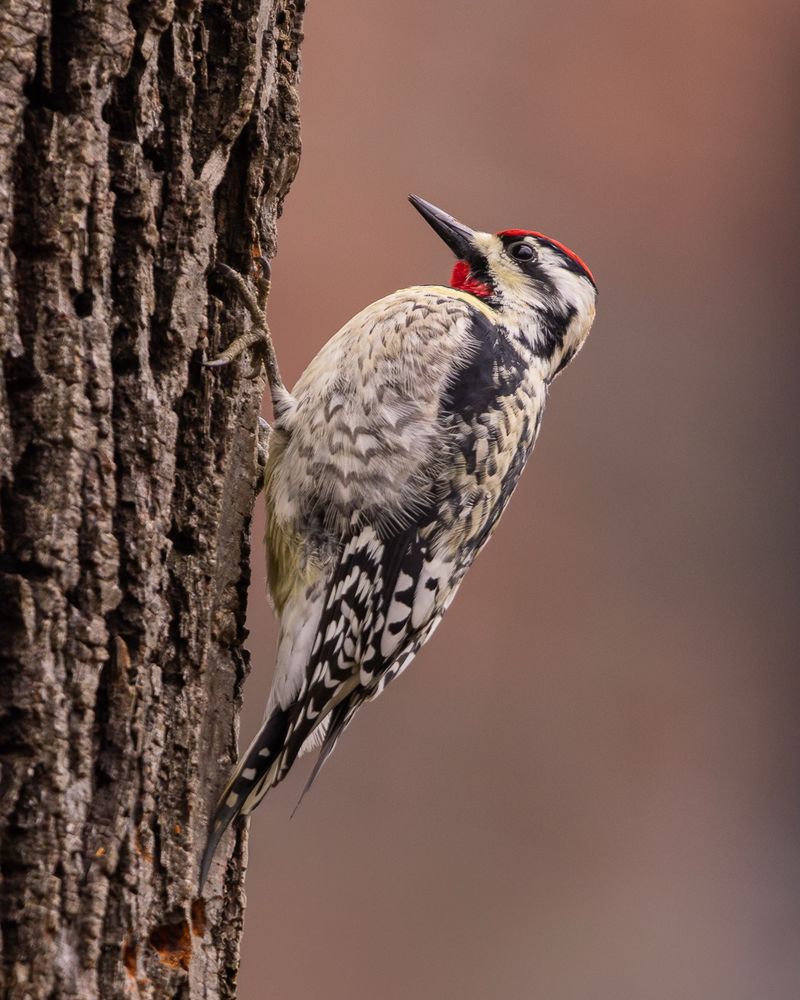
Yellow-bellied sapsuckers are one of the most recognizable signs that fall has truly arrived in Georgia.
These medium-sized woodpeckers breed far to the north and move south as temperatures drop, making them a seasonal visitor rather than a year-round resident.
September marks the early edge of their arrival window across the state.
Sapsuckers drill neat rows of small holes in tree bark, creating what are called sap wells. They return to these wells repeatedly to feed on both the flowing sap and the insects attracted to it.
The pattern of holes they leave is one of the easiest ways to confirm a sapsucker has been working in your yard even when the bird is not visible.
Birch, maple, apple, and ornamental cherry trees are among their preferred targets. Seeing horizontal rows of small, evenly spaced holes on a smooth-barked tree is a strong indicator that a sapsucker has been visiting.
Other wildlife, including hummingbirds and certain warblers, sometimes feed at these same wells.
Sapsuckers tend to be quieter and more secretive than some other woodpecker species. Slow, deliberate movement around trees is a helpful habit when trying to spot one.
Watching for their distinctive black, white, and red markings against pale bark makes them easier to pick out once you know what to look for.