Why You Should Grow Blazing Star Along Your Fence In Pennsylvania This Spring?
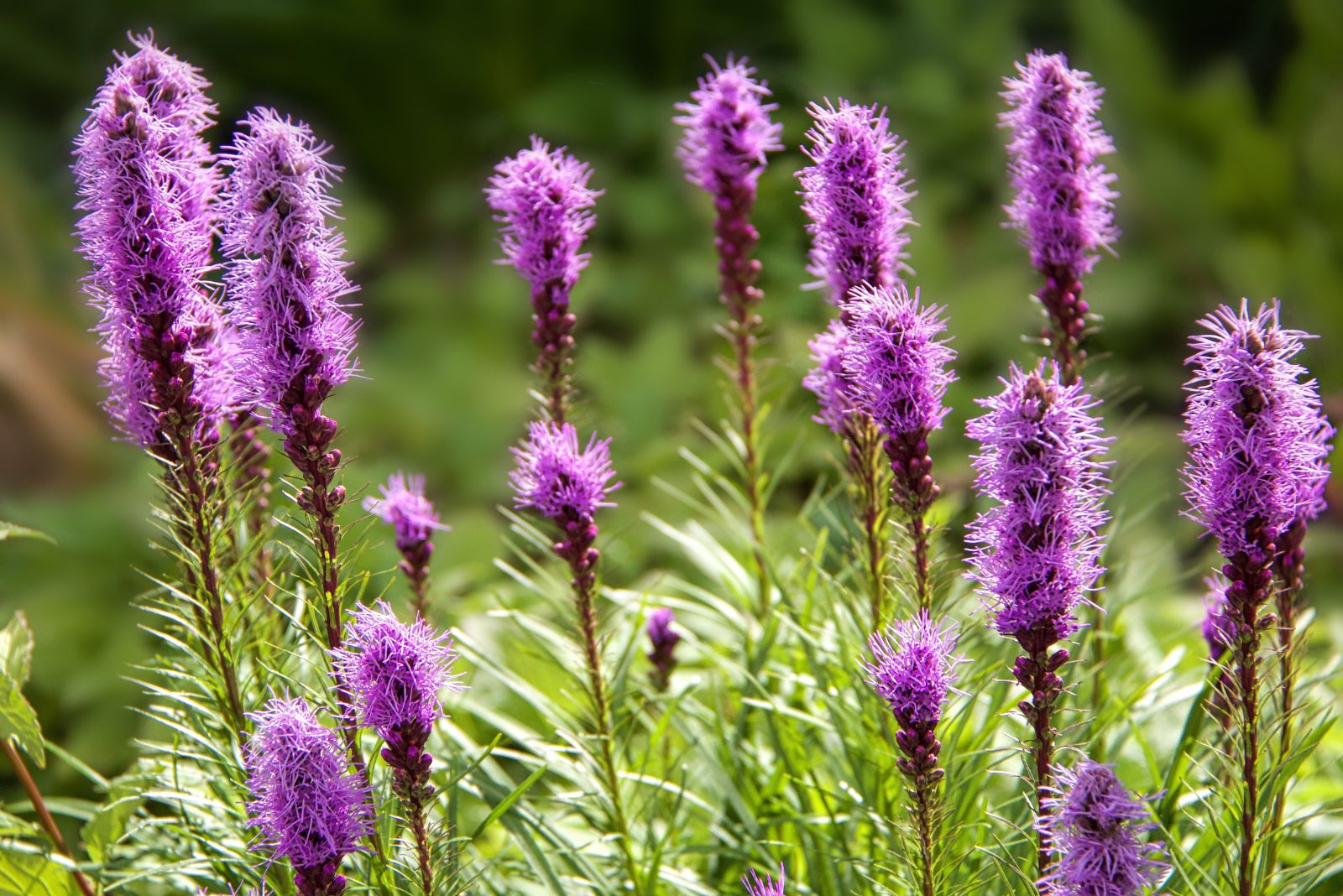
Want to bring more life, color, and gentle buzzing to your Pennsylvania garden this spring? One standout native plant is becoming a favorite for its incredible ability to attract bees while adding height and beauty along fences and borders.
Blazing star produces tall spikes of vibrant blooms that serve as a rich nectar source, drawing busy pollinators throughout the season.
It thrives in Pennsylvania’s changing conditions, handling cool spring weather and warmer summer days while needing very little care once established.
As bees gather around its flowers, they help support pollination and bring constant activity and energy to your outdoor space. Its upright growth also softens hard fence lines and adds vertical interest without crowding nearby plants.
Planting blazing star along your fence can create a bright, pollinator friendly feature that keeps your Pennsylvania garden lively, colorful, and full of natural movement all season long.
1. A Simple Spring Planting That Greatly Helps Local Bees
Bees face serious challenges across Pennsylvania and throughout North America. Their populations have dropped significantly over recent decades due to habitat loss, pesticide exposure, and reduced food sources.
These tiny pollinators are responsible for helping one out of every three bites of food we eat, making their survival essential for our own well-being.
Native bee species struggle even more than honeybees because they often go unnoticed and lack the organized support that beekeepers provide.
Many solitary bees nest in the ground or in hollow stems, and they need nearby flowers to feed themselves and their young.
Without adequate nectar and pollen sources within flying distance of their nests, these important pollinators cannot thrive.
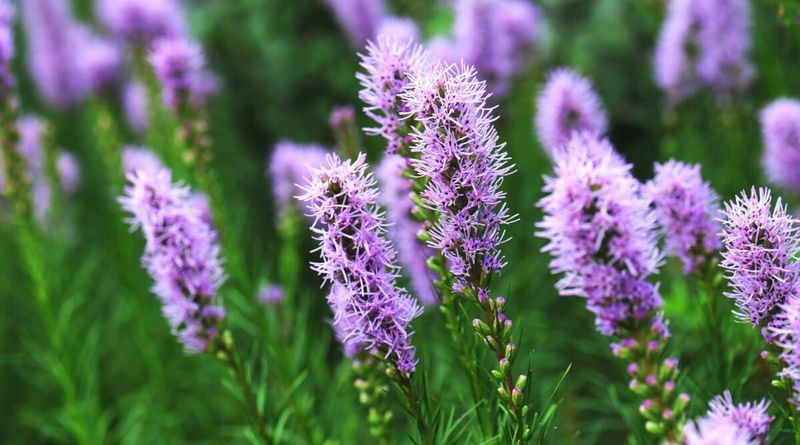
Blazing Star offers Pennsylvania gardeners an incredibly effective solution that requires minimal effort. This native wildflower produces abundant nectar and pollen exactly when bees need it most, during the mid to late summer months.
Planting it along your fence this spring creates a reliable food corridor that local bees will discover and return to throughout the blooming season.
The best part about choosing Blazing Star is how simple it makes supporting pollinators. You don’t need special skills, expensive equipment, or constant maintenance.
Just plant the roots or young plants this spring, water them during establishment, and watch as your fence line transforms into a buzzing hub of activity.
Each flower spike can support dozens of bee visits per day, multiplying your positive impact on the local ecosystem.
Pennsylvania’s native bees evolved alongside plants like Blazing Star, making this pairing especially beneficial for their survival and reproduction.
2. Blazing Star Is A Powerful Nectar Source For Bees
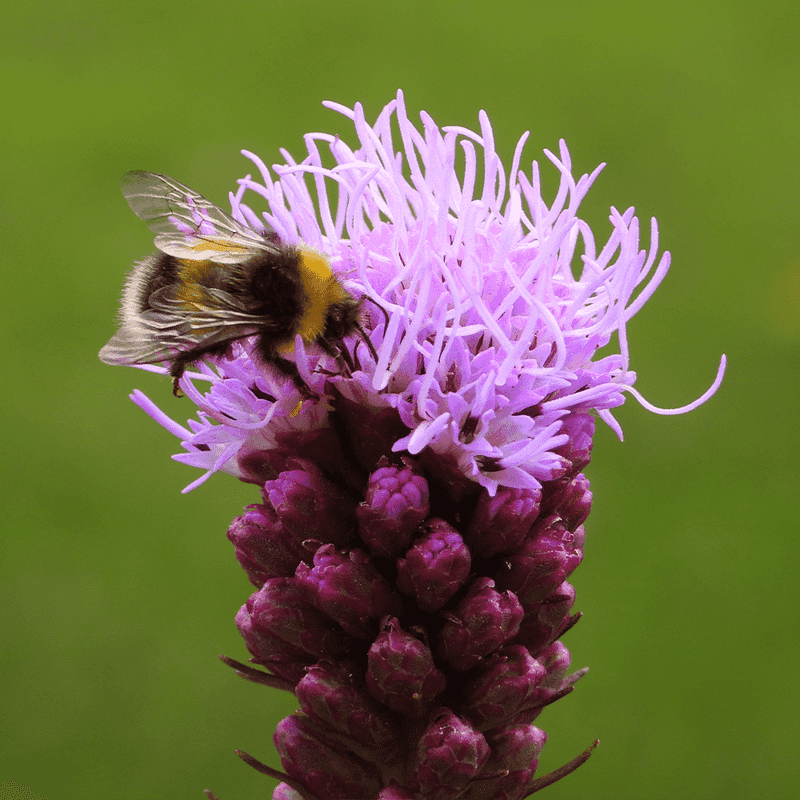
Nectar serves as the primary carbohydrate source for adult bees, providing the energy they need for flight, hive maintenance, and foraging activities.
Blazing Star produces copious amounts of this sweet liquid, making it one of the most valuable nectar plants you can grow in Pennsylvania.
The flowers contain tubular blooms packed closely together on tall spikes, creating an efficient feeding station where bees can access abundant food without wasting energy traveling between scattered blossoms.
Honeybees, bumblebees, and numerous native solitary bee species all visit Blazing Star regularly throughout its extended blooming period. The vertical flower spikes make landing and feeding easy for bees of different sizes.
Smaller native bees can work the lower flowers while larger bumblebees reach the upper blooms, allowing multiple species to feed simultaneously without competition.
The nectar quality from Blazing Star ranks exceptionally high compared to many ornamental garden flowers. Bees clearly show their preference by returning to the same plants repeatedly throughout the day.
Honeybees often perform their famous waggle dance to communicate the location of productive Blazing Star patches to their hive mates, bringing more foragers to your fence line garden.
When you plant Blazing Star along your Pennsylvania fence this spring, you’re essentially installing a all-season buffet for local bee populations. The flowers open gradually from bottom to top on each spike, extending the nectar availability over several weeks.
This prolonged blooming period means bees can count on your fence line as a dependable food source during the critical late summer period when many spring and early summer flowers have finished blooming.
3. Rich Pollen Supports Bee Health And Reproduction
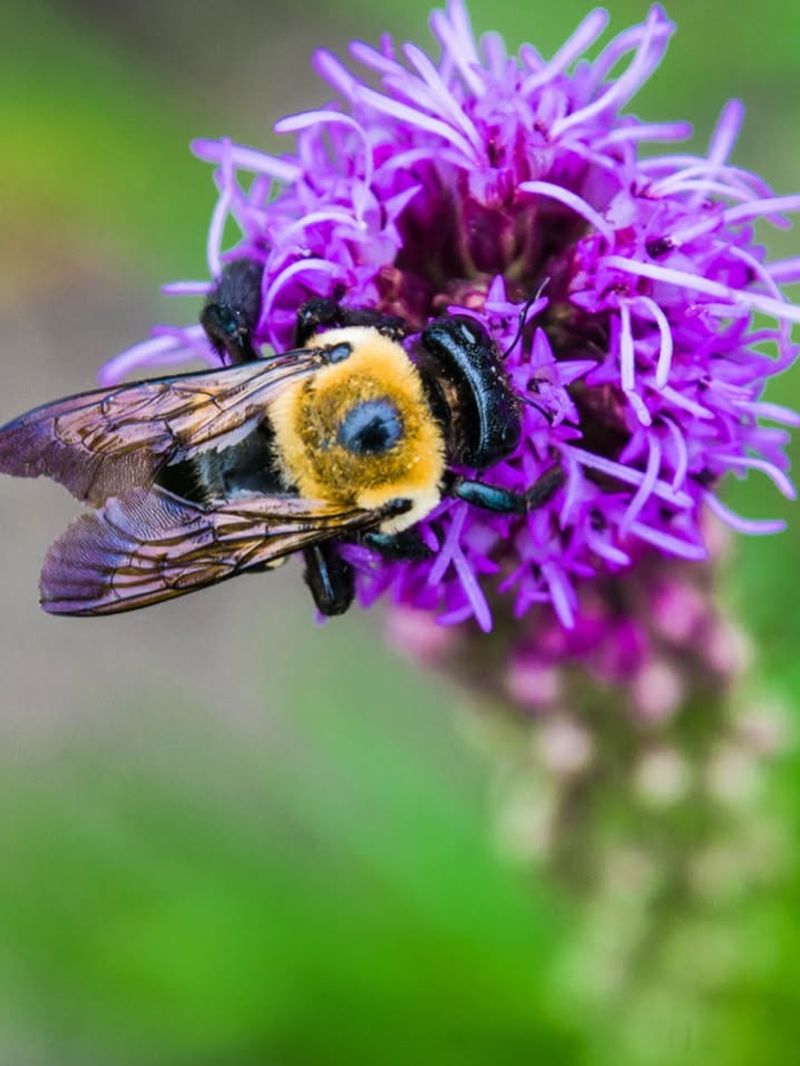
While nectar fuels adult bees, pollen provides the protein, fats, vitamins, and minerals necessary for raising healthy offspring.
Female bees collect pollen in specialized structures on their legs called pollen baskets or scopae, carrying these nutritious loads back to their nests.
Blazing Star produces abundant pollen that Pennsylvania bees eagerly gather throughout the blooming season.
Honeybee colonies require substantial pollen supplies to feed developing larvae and maintain strong populations. Worker bees mix pollen with nectar to create “bee bread,” a nutrient-rich food that nourishes young bees and supports the growth of future workers, drones, and queens.
For native solitary bees, pollen is even more critical, as each female must gather enough to provision her own nest chambers.
By offering a steady, reliable pollen source during mid-to-late summer, Blazing Star helps ensure successful brood development, stronger bee populations, and healthier pollinator communities across Pennsylvania gardens.
4. Why Planting Along A Fence Creates A Better Bee Habitat?
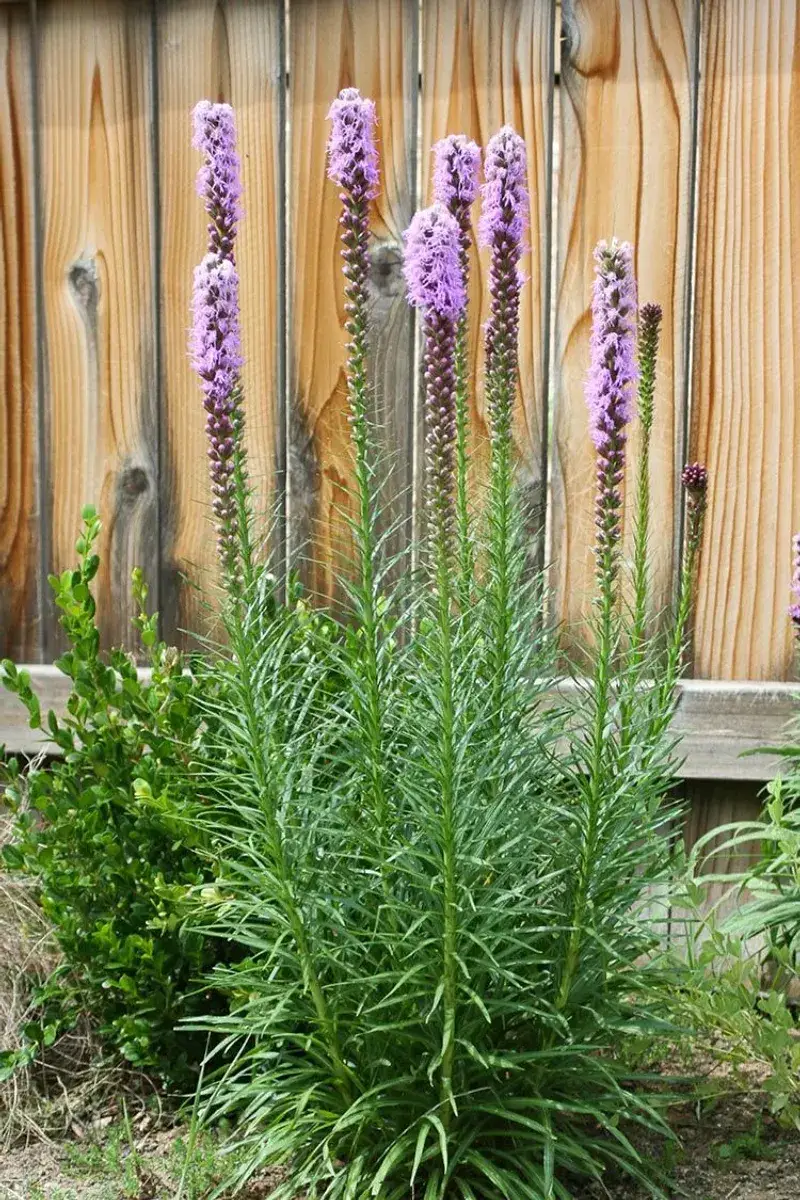
Fence lines offer unique advantages for both gardeners and pollinators that make them ideal locations for Blazing Star plantings.
Most residential fences run along property edges where they receive full sun exposure throughout the day, which Blazing Star absolutely loves.
The linear layout allows you to plant multiple specimens in a row, creating a concentrated nectar corridor that bees can easily locate and remember for future visits.
Grouped plantings work far better for attracting pollinators than single scattered plants. Bees have excellent spatial memory and quickly learn productive feeding routes.
When you plant Blazing Star along your Pennsylvania fence, you’re creating a visible landmark that bees recognize from a distance.
They’ll establish regular patrol routes along your fence line, checking for newly opened flowers multiple times per day.
Fences also provide valuable wind protection that benefits both plants and pollinators. Strong Pennsylvania winds can damage tall flower spikes and make flying difficult for smaller bee species.
The fence structure creates a sheltered microclimate where Blazing Star grows stronger and bees can feed more comfortably. This protection becomes especially important during summer thunderstorms when exposed plants might get battered.
Many homeowners struggle to find productive uses for the narrow strips of land running alongside fences. These areas often become weed-filled eyesores that require constant maintenance.
Planting Blazing Star transforms this challenging space into a beautiful, functional garden feature that requires minimal care once established.
You’re maximizing your property’s potential while creating essential habitat for Pennsylvania’s native bee populations in an area that might otherwise remain unused.
5. A Native Plant Perfectly Adapted To Pennsylvania Conditions
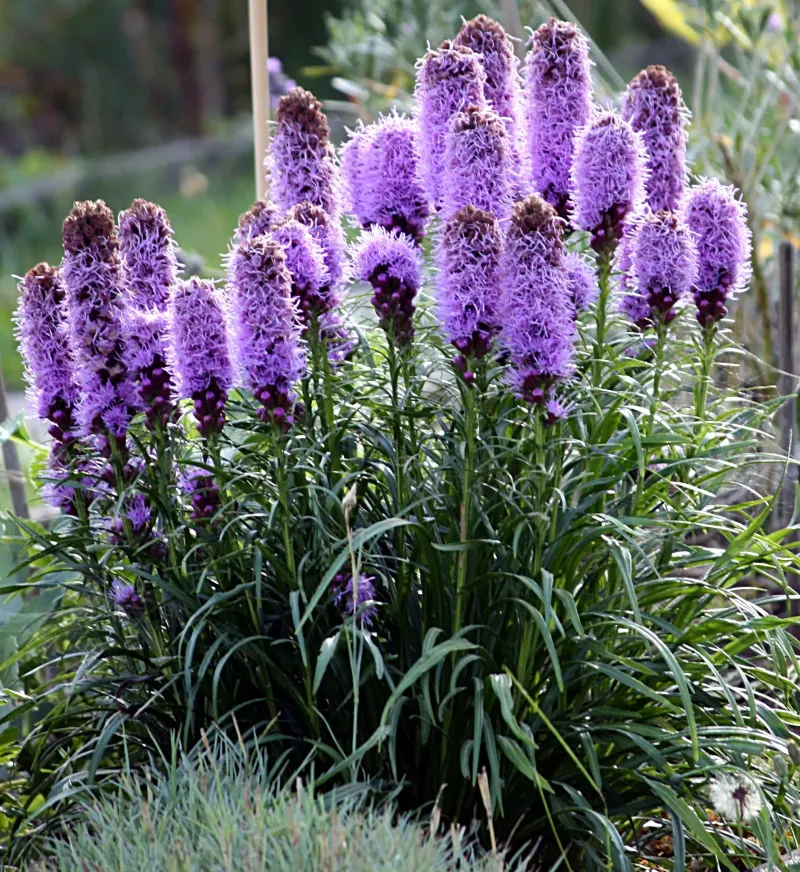
Native plants evolved over thousands of years to thrive in specific regional conditions, and Blazing Star is perfectly suited to Pennsylvania’s climate and soils.
This hardy perennial survives cold winters without protection, returning reliably each spring from its underground corms.
Once established, it tolerates summer heat and dry spells that would stress many non-native garden plants, making it an excellent choice for low-maintenance landscapes.
Pennsylvania gardeners appreciate plants that don’t require constant fussing, and Blazing Star delivers admirably on this front. After the first growing season, when roots have established deeply, the plant becomes remarkably drought tolerant.
You won’t need to drag hoses to your fence line during dry weeks. The deep taproot system allows Blazing Star to access moisture unavailable to shallow-rooted plants.
Chemical-free gardening becomes much easier when you choose native species like Blazing Star. These plants developed natural resistance to local pests and diseases over countless generations.
You won’t need pesticides, fungicides, or other chemicals that harm the very bees you’re trying to help. This makes Blazing Star especially valuable for pollinator gardens where safety is paramount.
The blooming schedule of Blazing Star perfectly matches Pennsylvania bee needs. While many garden flowers peak in late spring or early summer, Blazing Star waits until mid to late summer to produce its spectacular flower spikes.
This timing fills a critical gap when bee food sources often become scarce. Native Pennsylvania bees recognize Blazing Star instinctively as a valuable food source, visiting it more readily than exotic species they haven’t evolved alongside.
Your spring planting investment pays dividends for years with minimal maintenance required.
6. How To Create A Bee-Friendly Fence Garden With Blazing Star?
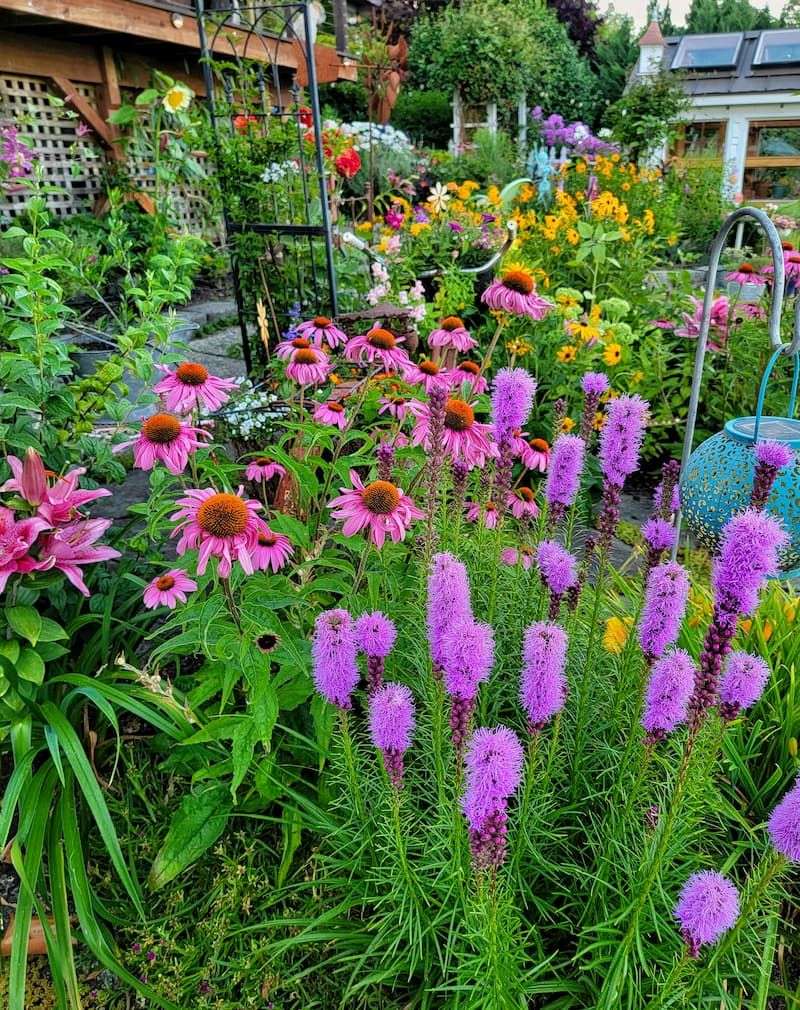
Creating an effective bee habitat along your Pennsylvania fence requires some planning, but the process remains straightforward. Plant Blazing Star in clusters of three to five plants rather than spacing them individually.
Bees notice grouped flowers much more easily than scattered singles, and the concentrated nectar reward encourages them to return frequently. Space clusters about three feet apart along your fence line for maximum visual impact and bee attraction.
Avoiding pesticides and herbicides is absolutely essential for pollinator safety. Even products labeled as garden-safe can harm bees, especially when applied to flowering plants.
Commit to chemical-free maintenance around your Blazing Star plantings. Hand-pull weeds during the first season or use organic mulch to suppress unwanted growth. Once established, Blazing Star’s dense root system naturally outcompetes most weeds.
Companion planting amplifies your bee garden’s effectiveness tremendously. Combine Blazing Star with other native Pennsylvania plants that bloom at different times, creating a season-long food supply.
Purple Coneflower blooms earlier in summer, Bee Balm provides mid-season nectar, and Goldenrod extends the season into fall. This succession planting ensures bees find food along your fence from late spring through first frost.
Leave flower stalks and stems standing through fall and winter rather than cutting everything back. Many native Pennsylvania bees nest inside hollow plant stems or overwinter as pupae attached to dry vegetation.
These plant structures provide essential habitat that bees need for survival. Wait until late spring to trim back old growth, giving overwintering bees time to emerge.
This simple practice dramatically increases your garden’s value as true pollinator habitat rather than just a feeding station.