Why You Should Grow Coral Honeysuckle Along Your Fence In Georgia
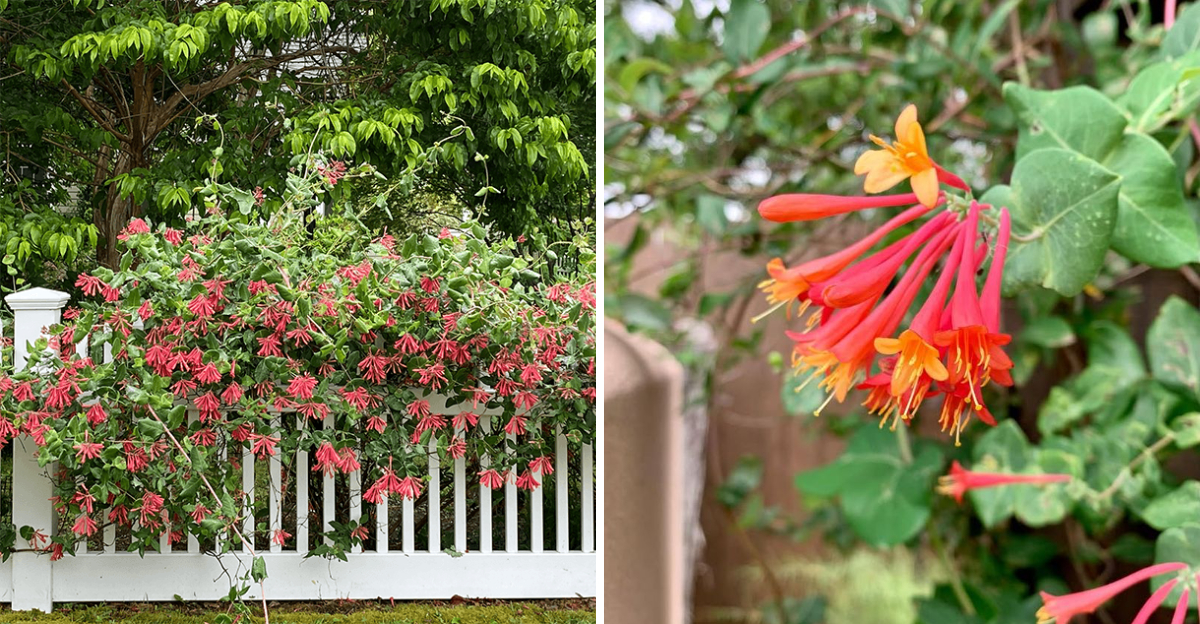
Some plants do more than sit there and fill a space, and coral honeysuckle is one of them.
In Georgia, this vine has a way of turning an ordinary fence into something far more lively, with bright blooms, soft movement, and the kind of natural charm that makes the whole yard feel warmer and more inviting.
It stands out quickly, but it never feels too much.
What makes it even better is that it does more than look pretty. Coral honeysuckle fits so well into Georgia gardens because it handles the climate nicely and brings extra life to the yard in a way many fence plants do not.
When it starts climbing and filling in, that plain stretch of wood or wire begins to feel like part of the garden instead of something sitting behind it.
For anyone wanting a fence line that feels softer, fuller, and more alive through the season, this is one plant that earns the space.
1. A Native Vine That Thrives In Georgia Without Extra Fuss
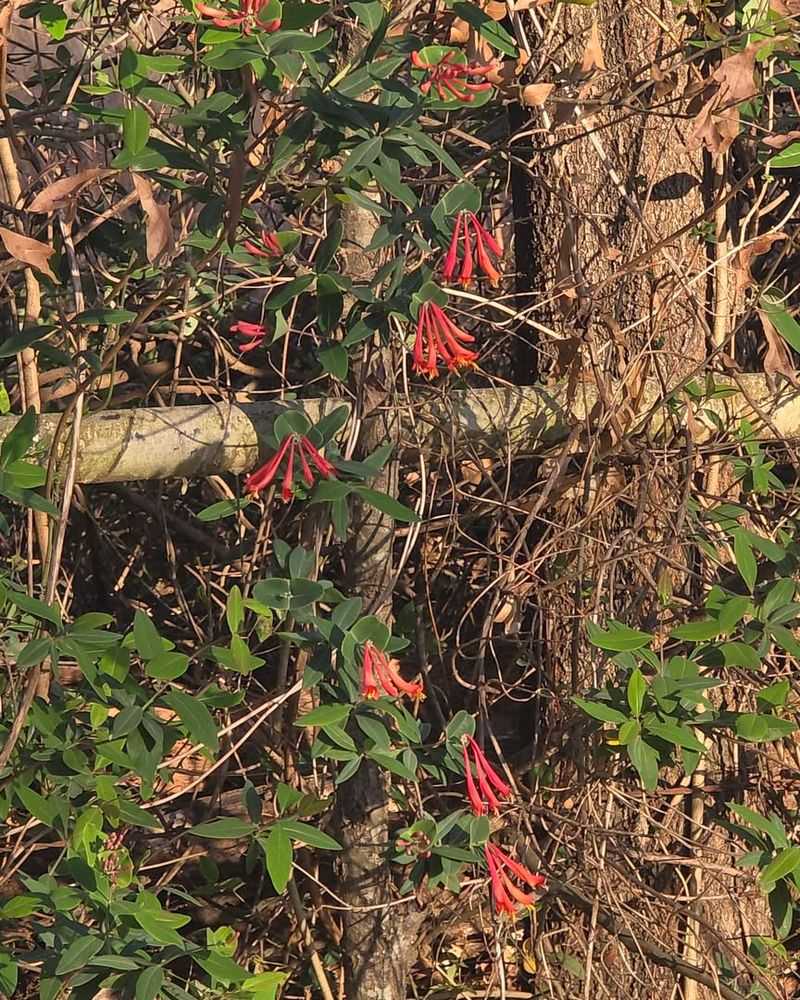
Coral honeysuckle did not need humans to introduce it to Georgia — it was already here. Lonicera sempervirens grows naturally across the state, from the red clay hills of north Georgia down to the coastal plains near Brunswick.
Because it evolved right alongside Georgia’s climate, it does not need coddling to survive.
Planting it along a fence is almost like giving it a job it was born to do. Provide a simple support structure and it will start climbing without any encouragement.
No special fertilizers, no complicated watering schedules, no seasonal panic.
Georgia summers are brutal. High humidity, scorching afternoon heat, and sudden downpours can stress out plants that are not built for it.
Coral honeysuckle handles all of that without skipping a beat. It roots into Georgia soil and simply gets on with growing.
Gardeners across the state often say this vine is one of the easiest things they have ever planted. That reputation comes from years of real-world experience in Georgia yards, not from a seed catalog description.
Neighbors notice it on fences and ask what it is because it looks like someone put real effort in.
Starting from a container-grown plant in spring gives it the best head start. Place it near a fence post, water it regularly for the first season, and then mostly step back.
By the second year, it will be doing exactly what you hoped for without much help from you at all.
2. Hummingbirds Are Naturally Drawn To Its Bright Tubular Flowers
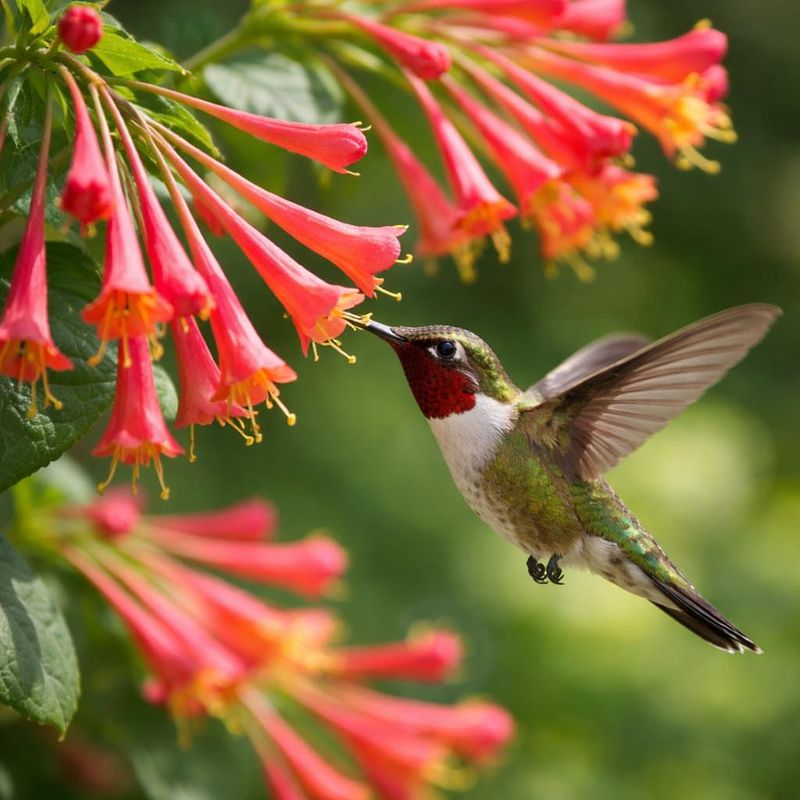
Watch a ruby-throated hummingbird hover in front of coral honeysuckle blooms and you will understand immediately why Georgia gardeners keep planting this vine. Those narrow, tubular flowers are practically custom-built for a hummingbird’s long bill.
No other garden plant pulls hummingbirds in quite this reliably.
Ruby-throated hummingbirds are the species you will see most often in Georgia, and they follow the bloom cycle of coral honeysuckle closely. Plant it along your fence and you can expect regular visits from late spring all the way through early fall.
Some gardeners in south Georgia report hummingbird activity near their vines even into November.
Beyond hummingbirds, the flowers also bring in butterflies and native bees. Swallowtail butterflies are especially common visitors in Georgia, and they will work the blooms right alongside the hummingbirds.
A fence covered in coral honeysuckle becomes a genuinely active spot in your yard.
Nectar production is strong throughout the bloom period, which keeps wildlife coming back consistently rather than just passing through. Planting near a window or a porch gives you a front-row seat to all of it without having to do anything special.
It turns an ordinary fence line into something worth watching.
Late summer also brings small red berries that attract songbirds like robins and cedar waxwings. So even after the main flowering slows down, the vine keeps earning its place in a Georgia garden by feeding local wildlife well into the cooler months.
3. Climbs Fences Easily Without Becoming Aggressive Or Invasive
Japanese honeysuckle has given honeysuckle vines a bad name in Georgia, and for good reason. That invasive species has taken over roadsides, forests, and yards across the state for decades.
Coral honeysuckle is a completely different story.
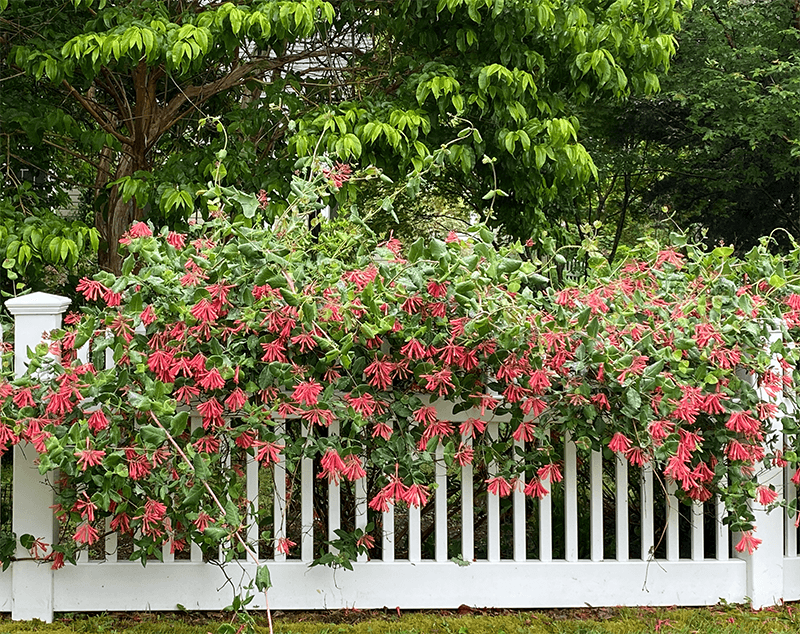
Lonicera sempervirens climbs by twining its stems around whatever support it finds, but it does not send out aggressive runners or seed itself everywhere. Plant it along a six-foot privacy fence and it will fill that space over a couple of seasons without trying to swallow the neighbor’s yard too.
That restrained growth habit makes it genuinely fence-friendly.
Reaching lengths between fifteen and twenty-five feet at full maturity, it covers a solid stretch of fence without becoming unmanageable. Homeowners in Georgia suburbs have used it along property lines for years without complaints from neighbors or conflict with other plants nearby.
Compared to wisteria, which can pull down a fence structure if left unchecked, coral honeysuckle is practically polite. It needs a little guidance when young, just training the new stems toward your fence, and after that it figures things out on its own.
No weekly battles to keep it contained.
Wildlife corridors and natural areas around Georgia actually benefit from having more coral honeysuckle in residential landscapes. Unlike its invasive lookalike, this vine supports the local ecosystem rather than disrupting it.
Planting it along your fence is a choice that is good for your yard and good for Georgia’s native habitat at the same time.
4. Handles Georgia Heat And Humidity Better Than Many Vines
August in Georgia is not kind to plants that did not grow up here. Temperatures regularly push past ninety degrees, humidity sits heavy in the air, and afternoon thunderstorms dump rain before the sun comes back out and bakes everything again.
Most ornamental vines from other climates struggle badly under those conditions.
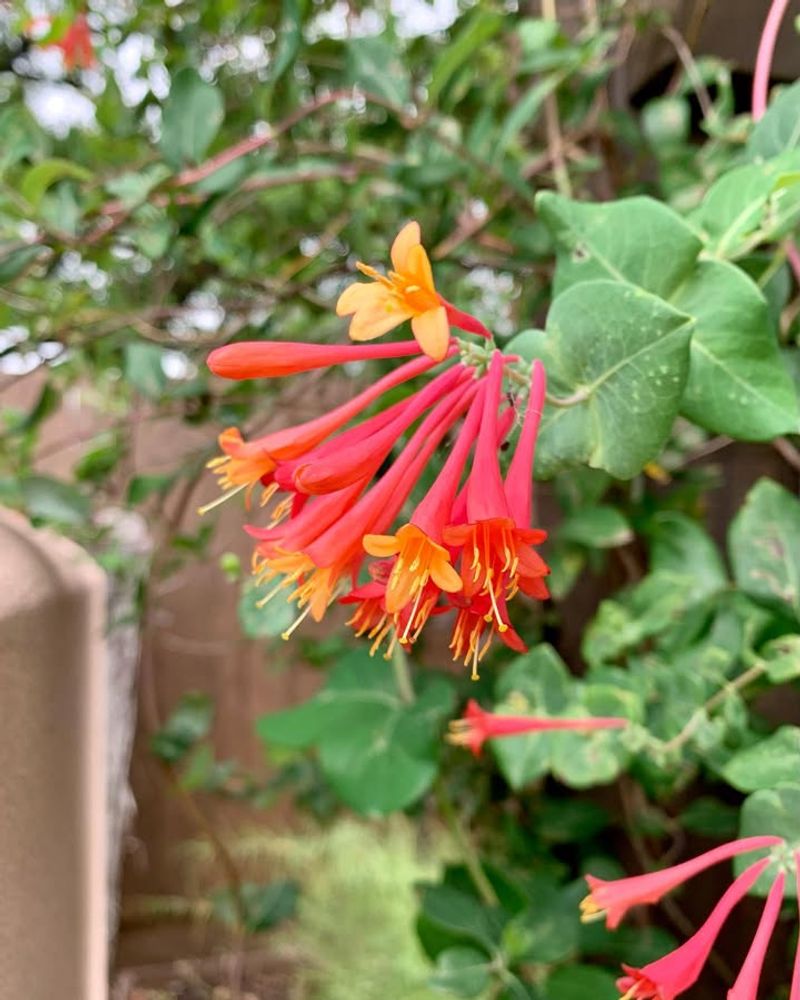
Coral honeysuckle shrugs it off. Having adapted to the Southeast over thousands of years, it is wired for exactly this kind of weather.
The foliage stays green and healthy through the hottest stretches of Georgia summer without showing the leaf scorch or wilting that other vines display by mid-July.
Soil conditions across Georgia vary widely, from the heavy red clay around Atlanta to the sandier soils in the coastal plain near Savannah. Coral honeysuckle handles both without complaint, as long as drainage is reasonable.
Standing water is the one thing it genuinely dislikes, so avoid planting it in low spots that collect puddles after rain.
Full sun is where it performs best, but partial shade works fine too. North Georgia gardeners with shadier fence lines have had good success with it as long as the vine gets at least four to five hours of direct sunlight daily.
Flexibility like that is rare in a flowering vine.
Even during drought stretches, established plants hold up well without supplemental watering. That kind of toughness is not something you find in every vine at the garden center, and it matters a lot when Georgia summers turn punishing.
5. Blooms Over A Long Season With Minimal Care Required
Most flowering vines give you a few weeks of color and then go quiet for the rest of the year. Coral honeysuckle runs a completely different schedule.
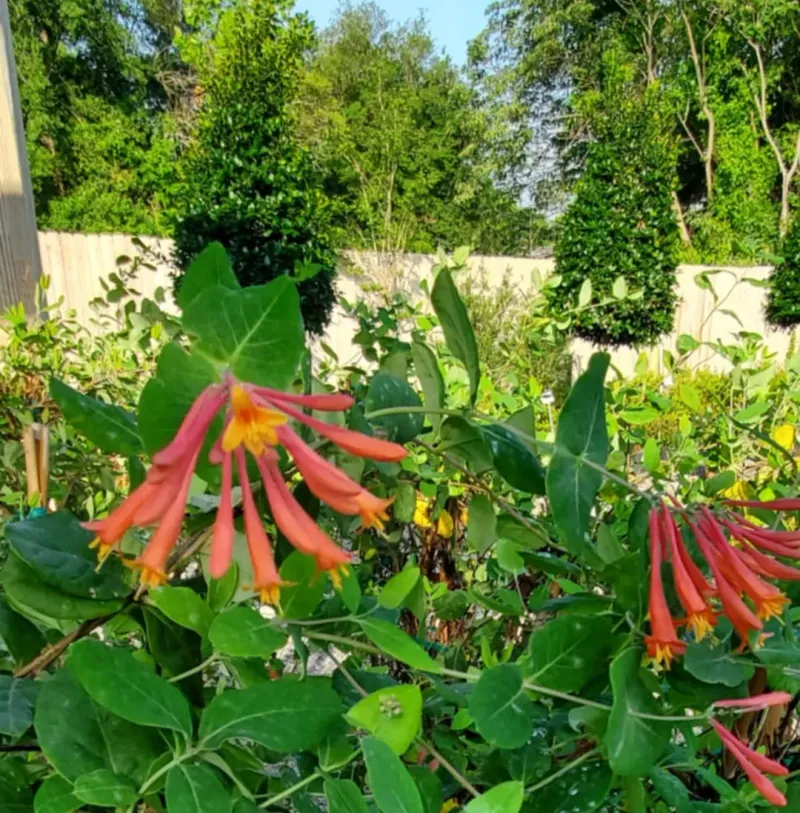
Blooms typically start appearing in late March or April in Georgia, and the vine keeps producing flowers all the way through October with barely any interruption in between.
That extended bloom window is not an accident. Coral honeysuckle flowers in flushes, meaning it produces a strong wave of blooms, rests briefly, then pushes out another round.
Gardeners in middle Georgia often count three or four distinct bloom periods across a single growing season. Keep the fence looking alive and colorful for months without doing much at all.
Deadheading spent flowers is not required to keep the blooms coming. Removing old flower clusters can encourage a slightly faster rebloom, but even if you never touch it, the vine will cycle through on its own timeline.
That kind of independence is genuinely useful for busy households.
Fertilizing is optional rather than necessary. A light application of balanced granular fertilizer in early spring can give the vine a boost, but Georgia soil often provides enough nutrients on its own.
Overfeeding actually pushes the plant toward more leaves and fewer flowers, so less really is more here.
Watering during the first summer after planting helps the root system settle in properly. After that first season, rainfall across most of Georgia is typically enough to carry the vine through without regular irrigation.
Fewer chores, longer bloom season — that trade-off works in every gardener’s favor.
6. Supports Local Pollinators And Native Wildlife
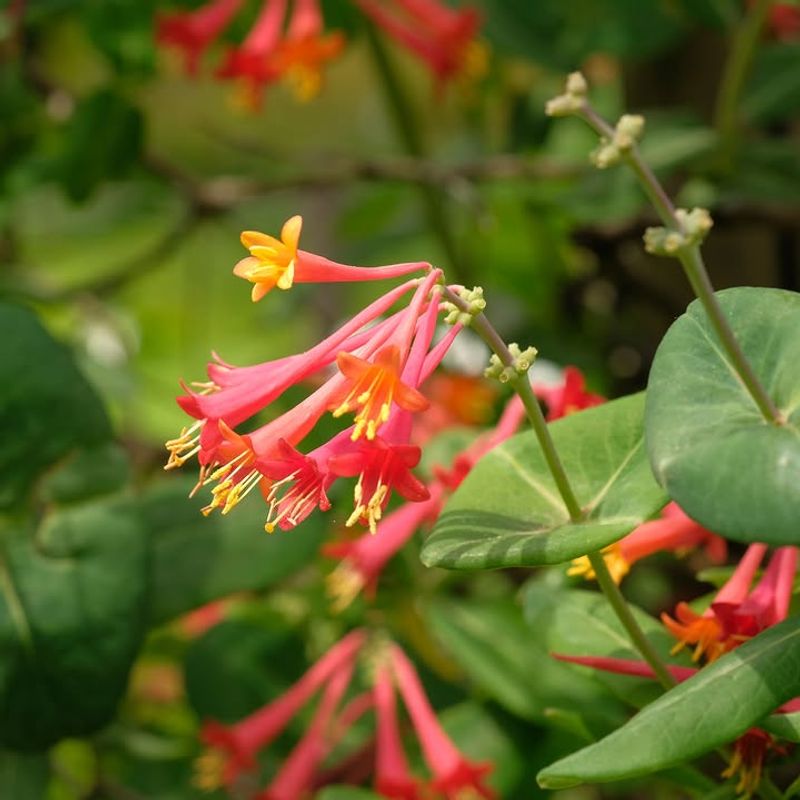
Georgia’s native pollinators are under real pressure from habitat loss, pesticide use, and the spread of non-native plants that do not feed them properly. Planting coral honeysuckle along your fence is a small but meaningful way to push back against that trend in your own yard.
Native bees, including bumblebees and several solitary bee species common in Georgia, visit the flowers regularly for nectar. Butterflies like the zebra longwing and various swallowtail species work the blooms throughout the season.
Each of those visits contributes to pollination in your garden and the surrounding neighborhood.
Red berries ripen on the vine in late summer and fall, and songbirds do not ignore them. Robins, cedar waxwings, and hermit thrushes passing through Georgia on their fall migration routes will stop to feed on those berries.
A fence line with coral honeysuckle becomes a refueling station during migration season without any extra effort on your part.
Caterpillars of the snowberry clearwing moth — a fascinating hummingbird moth that confuses people who see it for the first time — use coral honeysuckle as a host plant. Supporting that kind of insect diversity keeps the broader food web in your Georgia yard functioning the way it should.
Choosing native plants over ornamental imports is one of the most effective things a home gardener can do for local wildlife.
Coral honeysuckle checks every box: it feeds birds, supports pollinators, hosts native insects, and looks genuinely attractive doing all of it along a Georgia fence line.
7. Light Pruning Keeps It Full Without Sacrificing Future Blooms
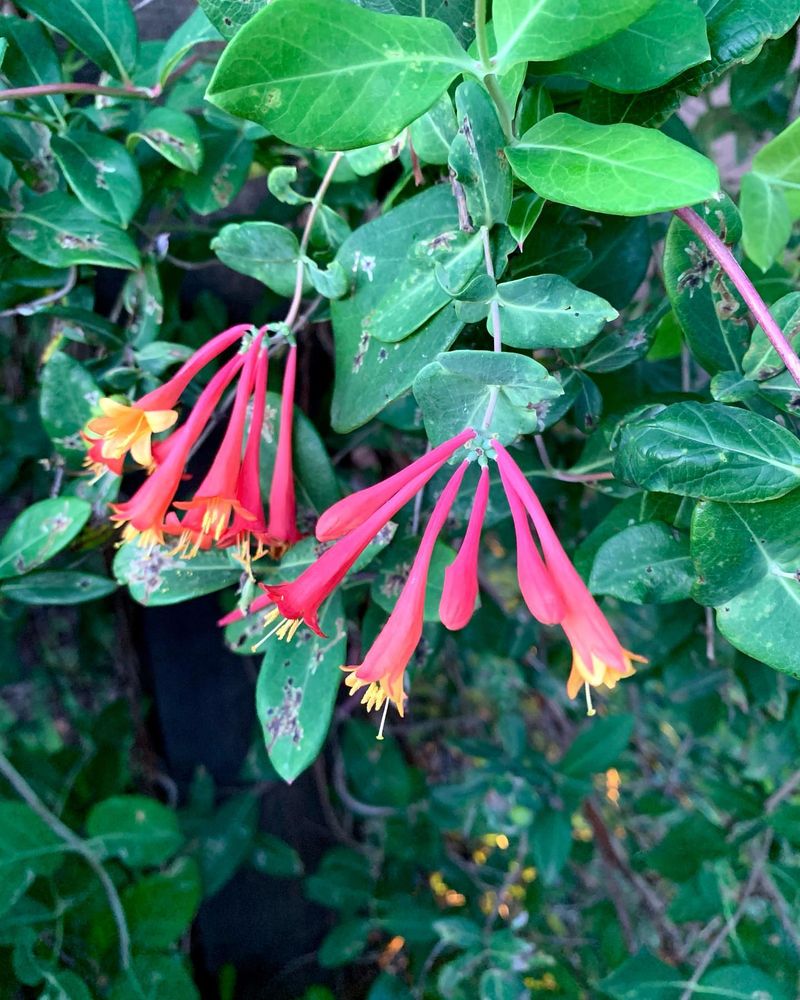
Coral honeysuckle blooms on new growth, which changes how and when you should prune it. Cutting at the wrong time is the most common mistake Georgia gardeners make with this vine, and it is an easy one to avoid once you understand the basic pattern.
Right after the first big spring flush of blooms finishes — usually around late May or early June in Georgia — is the best window for a light trim. Cutting back long or unruly stems at that point encourages the vine to branch out and produce more flowering tips.
More branching equals more flowers in the next round.
Hard pruning in late winter, before new growth starts, is another option if the vine has gotten woody or tangled over several years. Cut it back significantly and it will push fresh growth from the base by spring.
Coral honeysuckle recovers from aggressive pruning without any lasting setback in a Georgia climate.
Avoid pruning in late summer or fall if possible. New growth pushed out late in the season is more vulnerable to cold snaps in north Georgia, and cutting then removes the developing buds that would open the following spring.
Patience through September and October pays off in a stronger bloom the next year.
Sharp, clean pruners make the job easier and reduce the chance of tearing stems. Wipe blades with rubbing alcohol between plants if you are working in multiple spots in the yard.
Keeping tools clean is a simple habit that protects all your Georgia garden plants, not just the honeysuckle.