Why You Should Place Jasmine Near Your Front Door In Georgia
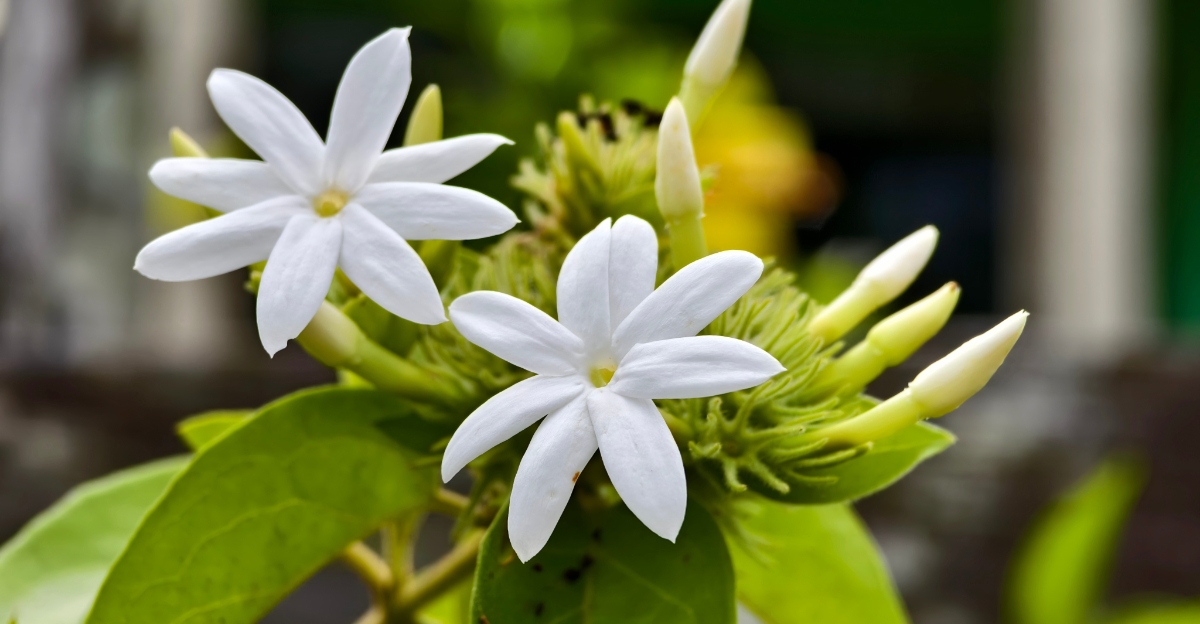
Your front door sets the tone for your entire home, and in Georgia’s climate, jasmine can completely transform that first impression.
Placing jasmine near your entrance allows its fragrance to greet you the moment you step outside and welcome guests before they even knock.
The state’s warmth and humidity help jasmine bloom generously, which means the scent carries naturally through porches and entryways instead of fading quickly.
Beyond fragrance, jasmine adds softness and movement to the area that frames your doorway. It breaks up hard surfaces like brick and siding while staying manageable with basic care.
In Georgia conditions, this placement is not just decorative, it is practical, impactful, and one of the simplest ways to make your home feel more inviting every single day.
1. Fragrance Fills The Entry Before The Door Opens
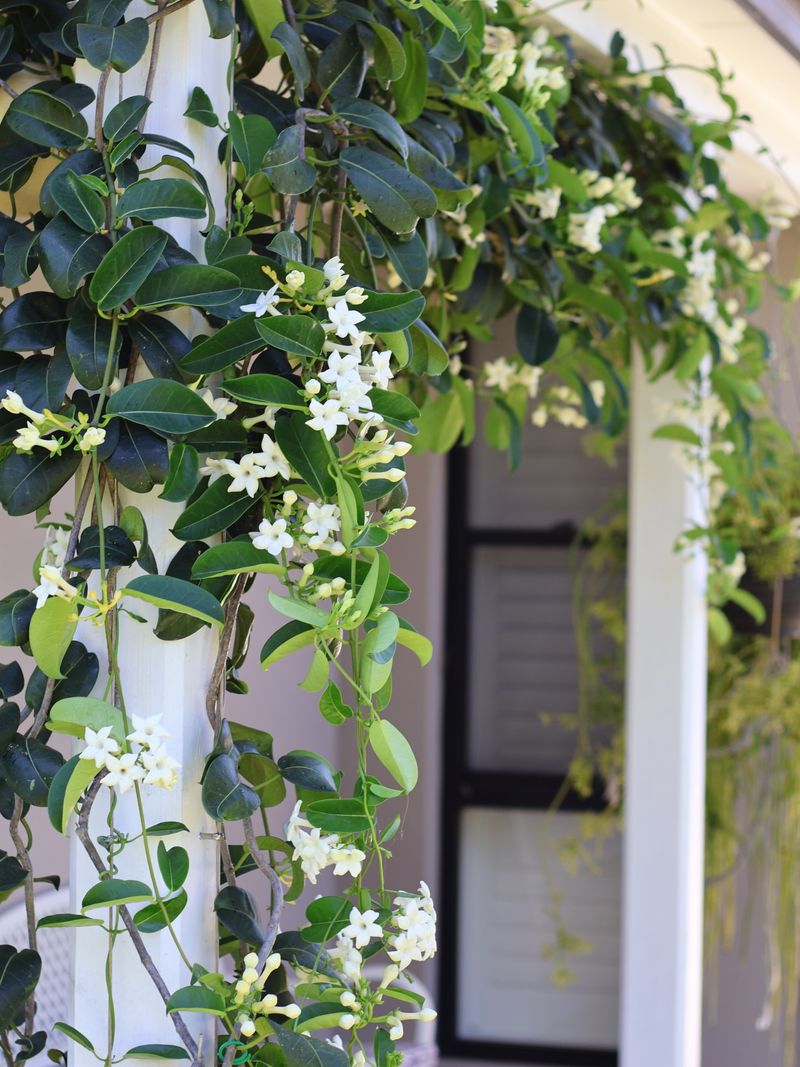
Walking up to a home wrapped in jasmine scent creates an instant impression. The fragrance drifts several feet from the plant, reaching visitors before they step onto the porch.
That welcoming aroma sets a tone that no doormat or wreath can match.
Georgia’s humidity amplifies the scent during spring and summer evenings. The moisture in the air carries the fragrance farther, turning your entryway into a naturally perfumed zone.
You notice it when you come home from work, and guests comment on it every time they visit.
Positioning jasmine within three feet of the door maximizes this effect. The plant releases its strongest scent during bloom cycles, which in Georgia can extend from late spring through early fall depending on the variety.
Confederate jasmine and Carolina jasmine both deliver powerful fragrance without overwhelming the senses.
Carolina jasmine is beautiful and fragrant, but keep in mind it is toxic if ingested, so place it thoughtfully if you have pets or small children.
The scent also masks less pleasant odors that can linger near entryways. Trash bins, wet shoes, or outdoor equipment smells fade into the background when jasmine is blooming.
This natural air freshening happens without sprays or plug-ins.
Frequent foot traffic near the door slightly brushes against the foliage, releasing additional fragrance.
This layered aromatic experience makes your front entrance distinctive and memorable, creating a signature impression that defines your home’s character throughout the growing season in Georgia.
2. Georgia’s Mild Winters Support Reliable Growth
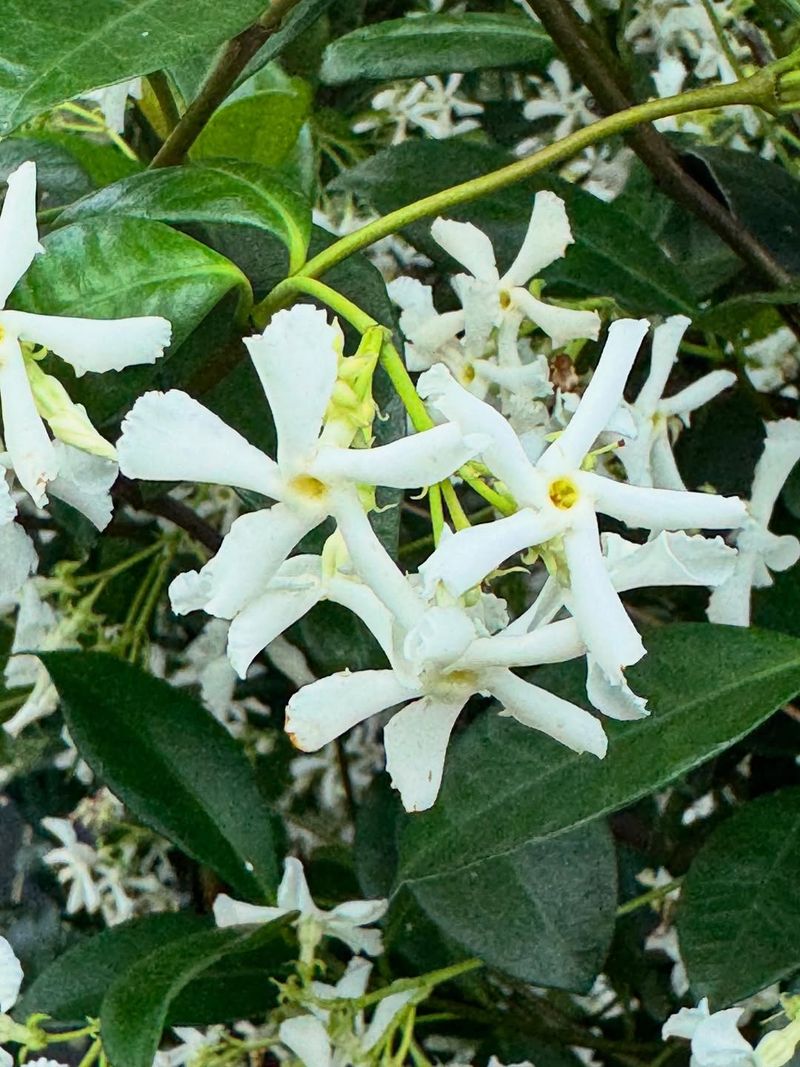
Jasmine thrives where winters stay relatively gentle, and Georgia delivers exactly that. Temperatures rarely drop low enough to damage established plants, allowing the vine to maintain its structure year-round.
This means you skip the replanting cycle that colder climates require.
Most of Georgia sits in zones 7b through 9a, which matches perfectly with jasmine’s hardiness range. Confederate jasmine handles brief dips into the low twenties without significant damage.
Carolina jasmine tolerates even colder snaps, bouncing back quickly when warmer weather returns.
Growth slows significantly during winter, but the plant rebounds quickly once temperatures rise in early spring.
By the time spring arrives, the plant is already positioned to produce abundant blooms rather than spending energy recovering from winter damage.
Occasional freezes in North Georgia might brown some leaf tips, but the main stems remain viable. A quick trim in early March removes any damaged growth, and new shoots emerge within weeks.
Central and South Georgia gardeners often see jasmine holding onto most of its foliage through the entire winter.
This reliable performance eliminates guesswork. You plant jasmine once near your front door, and it establishes itself as a permanent feature.
The predictable growth pattern allows you to plan around the plant’s mature size, knowing it will reach full development within two to three growing seasons across most of Georgia.
3. Warm Evenings Strengthen The Sweet Scent
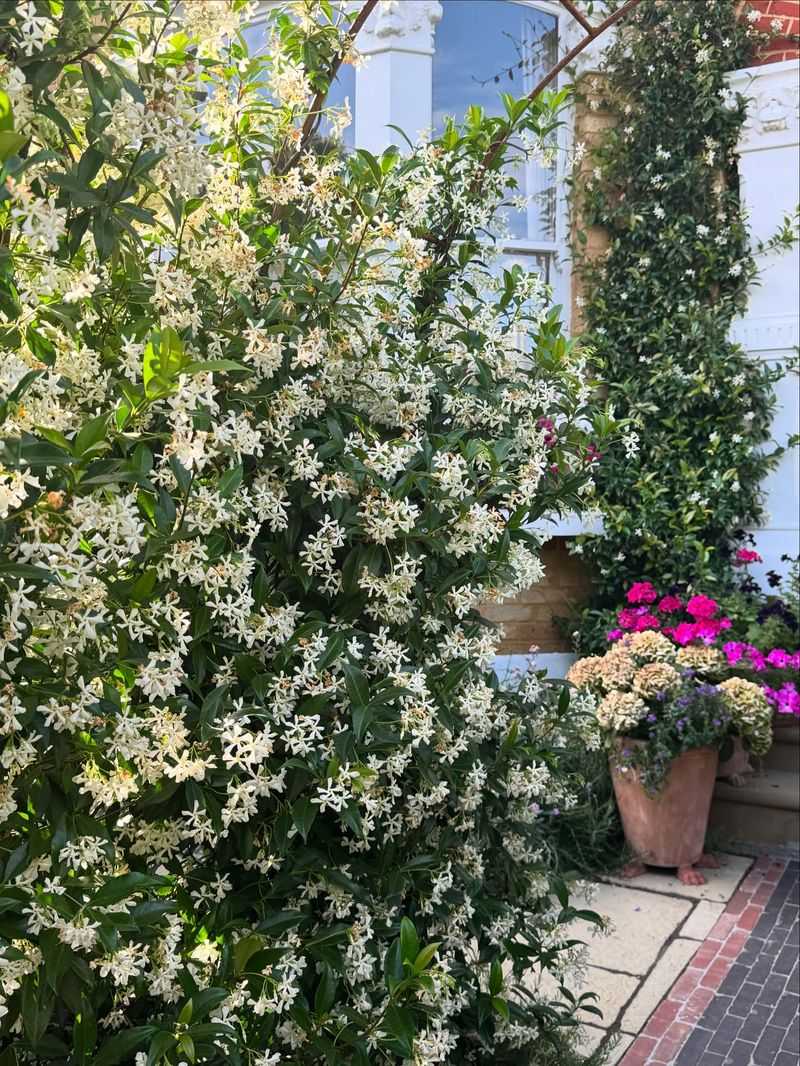
Heat intensifies jasmine’s fragrance in a way cool climates never experience. Georgia’s warm evenings from May through September create ideal conditions for the plant to release its essential oils.
The scent becomes almost tangible, hanging in the still air around your entrance.
Temperature plays a direct role in how strongly jasmine blooms smell. When evening temperatures stay above seventy degrees, the flowers produce more volatile compounds that carry the scent.
Georgia’s summer nights regularly hit this sweet spot, making every evening feel like a special occasion when you step outside.
The timing works perfectly with outdoor living patterns. People sit on porches, open windows, and gather outside during these warm hours.
Jasmine positioned near the front door extends its fragrance to these spaces, enhancing the experience without any effort on your part.
Morning scent is pleasant but milder. As the day heats up, the fragrance builds gradually, reaching peak intensity around sunset.
This natural rhythm means the strongest scent arrives exactly when you’re most likely to enjoy it, whether you’re returning home or welcoming evening visitors.
Cooler spring and fall evenings still produce noticeable fragrance, just less intense. The extended warm season in Georgia means you get months of peak scent performance rather than a brief window.
Southern parts of the state enjoy this benefit even longer, with warm evenings stretching into October and starting again in April, giving jasmine plenty of opportunities to perfume your entryway throughout much of the year.
4. Entryway Walls Provide Extra Cold Protection
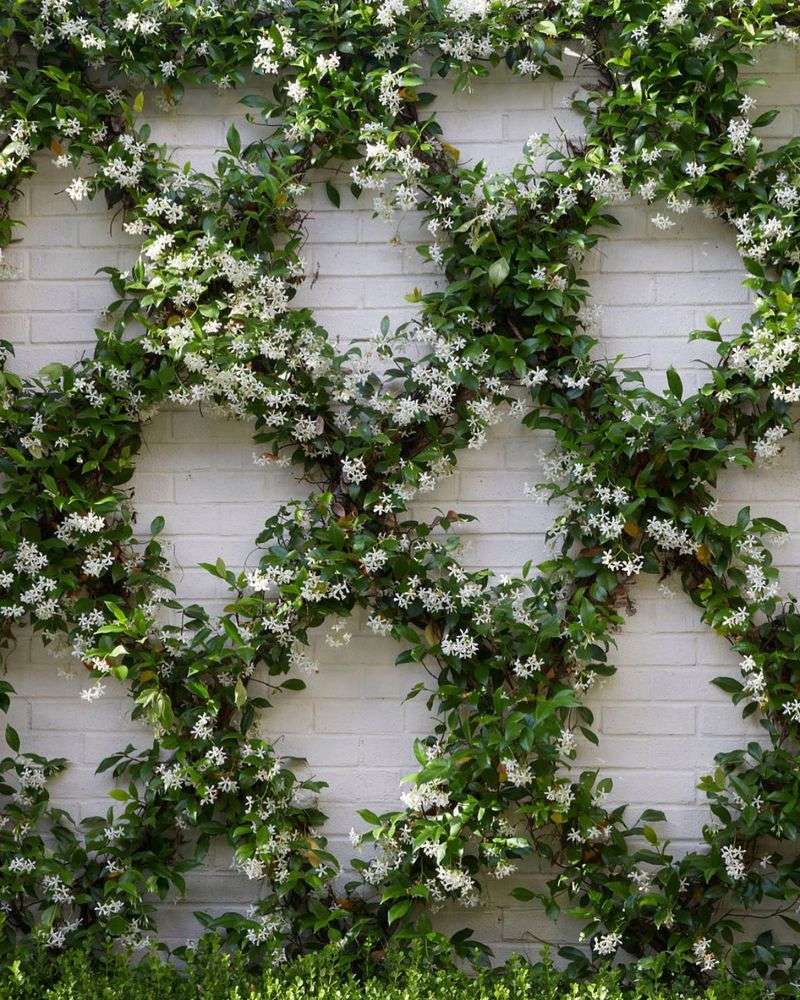
Brick, stone, or siding near your front door acts as a heat battery for jasmine. These surfaces absorb warmth during the day and release it slowly at night, creating a microclimate several degrees warmer than open garden spaces.
Jasmine planted in this protected zone experiences fewer temperature extremes.
Georgia winters include occasional cold snaps that can stress plants in exposed locations. A jasmine vine growing against the wall near your entrance benefits from radiant heat that continues flowing from the structure for hours after sunset.
This buffer often makes the difference between a plant that sails through winter and one that shows damage.
The wall also blocks wind, which can be just as damaging as cold temperatures. North winds that sweep across Georgia in January and February hit your front wall and deflect upward, leaving the jasmine in a calm pocket.
Less wind means less moisture loss from leaves and reduced cold stress on stems.
South-facing walls offer the best protection, soaking up maximum sunlight during short winter days. East and west-facing entryways work well too, providing enough warmth and protection for jasmine to flourish.
Even north-facing doors offer some shelter, though growth may be slightly slower.
This natural protection extends the growing season at both ends. Jasmine near a warm wall starts growing earlier in spring and continues later into fall.
The cumulative effect means more blooms, fuller foliage, and a healthier plant that requires less intervention from you throughout the year in Georgia’s variable climate.
5. Early Pollinators Gather Around Fresh Blooms
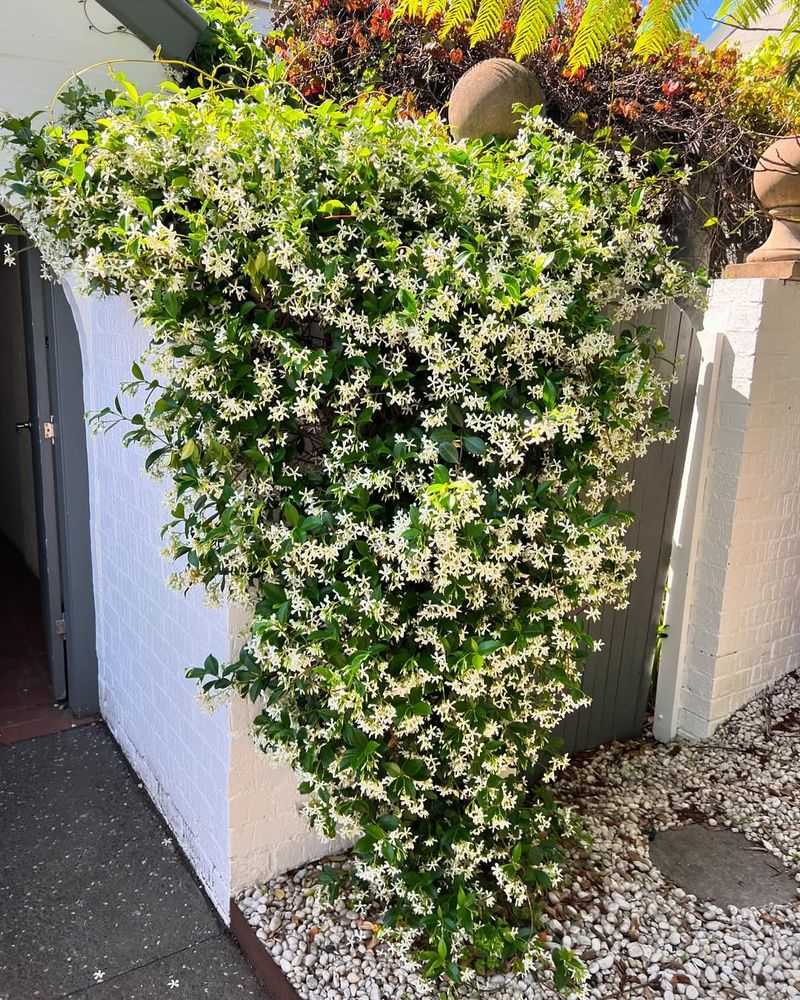
Bees start searching for food sources as soon as Georgia’s temperatures rise in early spring. Jasmine blooming near your front door provides one of the first reliable nectar sources they encounter.
Watching pollinators work the flowers adds movement and life to your entrance area.
Native bees, honeybees, and bumblebees all visit jasmine flowers regularly. The tubular shape of the blooms suits their feeding habits perfectly, and the abundant nectar keeps them returning throughout the day.
This activity benefits your entire yard, as these insects move on to pollinate vegetables, fruit trees, and other flowering plants after visiting your jasmine.
Butterflies also frequent jasmine, particularly swallowtails and skippers common in Georgia. The flowers provide essential fuel during migration periods and breeding seasons.
Having this resource right at your front door gives you a front-row seat to butterfly activity without walking through your yard.
The pollinator traffic creates an unexpected educational opportunity. Kids notice the insects, ask questions, and learn about pollination simply by walking past the plant.
The close proximity makes observation easy and safe, since the insects are focused on flowers rather than people.
Hummingbirds occasionally investigate jasmine flowers, though they prefer other plants. Still, a jasmine-covered entrance may attract them to explore your property further.
The combination of fragrance, flowers, and active pollinators makes your front door a miniature ecosystem that changes daily throughout Georgia’s long growing season, providing constant interest and natural beauty.
6. Evergreen Foliage Keeps The Front Of The Home Lively
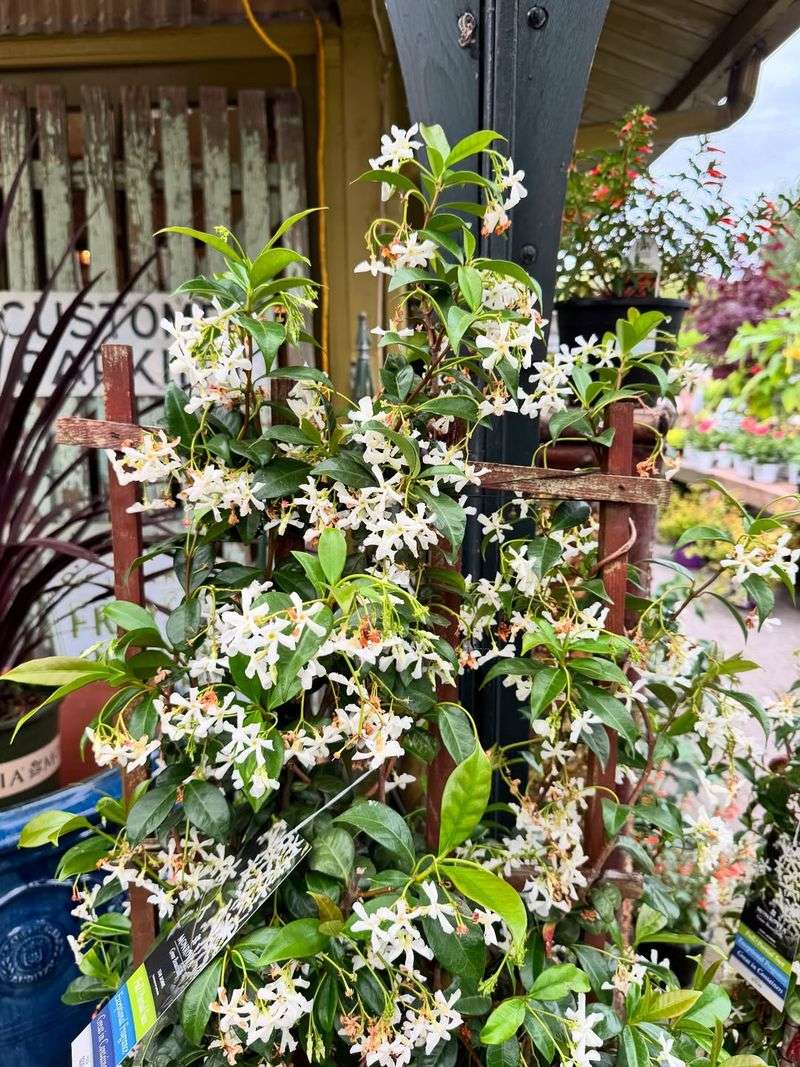
Brown, bare vines look uninviting during winter months. Jasmine solves this problem by holding onto most of its leaves year-round in Georgia.
Your front entrance maintains a green, living appearance even when surrounding plants have gone dormant.
The glossy leaves catch light differently throughout the day, creating visual interest without flowers. Morning sun highlights the foliage texture, while afternoon light creates deeper shadows that emphasize the vine’s coverage.
This changing appearance keeps the entrance from looking static or dull.
Evergreen coverage also provides privacy screening that persists through winter. If your front door faces the street or a neighbor’s property, jasmine creates a natural barrier that softens sightlines without requiring a fence.
The dense foliage blocks direct views while still allowing air circulation.
The vine fills in naturally, covering its support structure completely. This full coverage means you avoid the patchy appearance that deciduous vines display for half the year.
The foliage backdrop makes seasonal decorations stand out more effectively. Holiday wreaths, door swags, and porch decorations pop against the deep green leaves.
The contrast creates better visual impact than decorations placed against bare siding or brick.
Maintenance stays minimal because the leaves don’t drop in fall. You skip the constant sweeping and cleanup that deciduous plants require.
The foliage naturally sheds older leaves gradually throughout the year in Georgia, but the volume is small enough that it rarely creates noticeable debris around your front entrance area.
7. Close Placement Makes Seasonal Pruning Simple
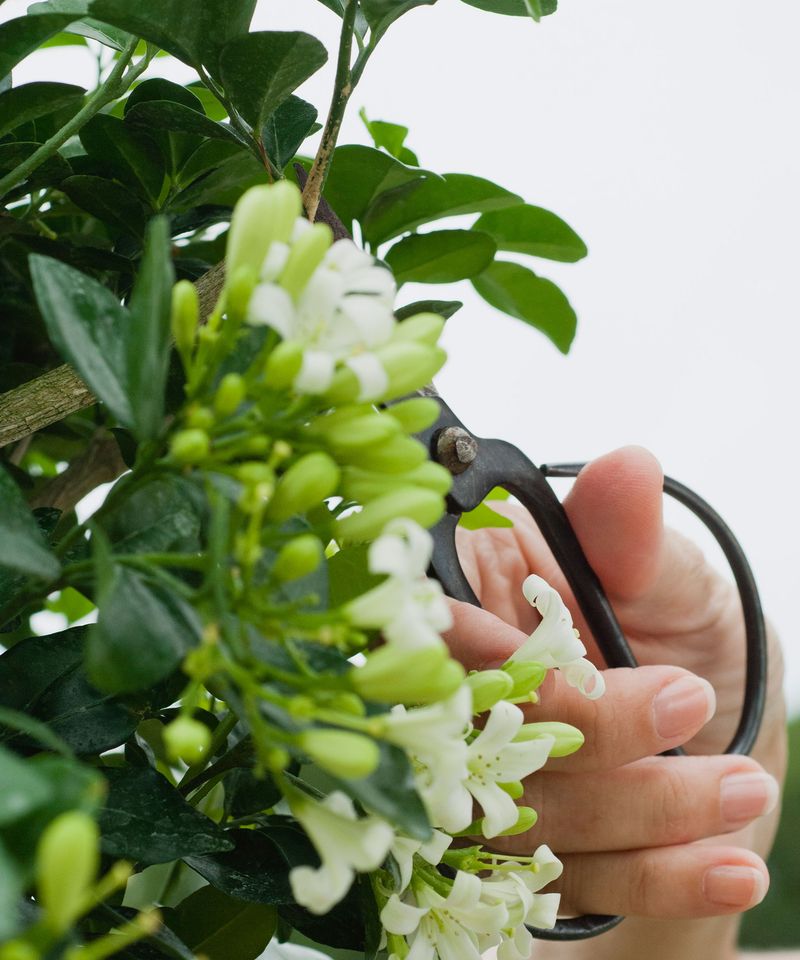
Pruning jasmine doesn’t require ladders or special equipment when it grows near your front door. You can reach most of the plant from ground level, making maintenance quick and straightforward.
This accessibility means you actually keep up with pruning rather than letting it slide.
Spring pruning takes about fifteen minutes for a mature plant near an entrance. You trim back any stems that have grown across the doorway or block the path.
The close location means you notice these issues immediately rather than discovering them after growth becomes excessive.
Shaping the vine is easier when you pass it daily. You spot wayward stems while checking the mail or leaving for work, and you can snip them right then.
This ongoing minor maintenance prevents major pruning sessions that require significant time and effort.
The plant responds well to frequent light pruning, producing fuller growth and more blooms. Georgia’s long growing season means jasmine can push out new shoots quickly after trimming.
Pruning near the door in March encourages branching that fills in by May, just in time for peak bloom season.
Cleanup is simpler too. Trimmings fall onto the porch or walkway where you can quickly gather them rather than hunting through garden beds.
You can prune in regular clothes without worrying about trekking through wet grass or kneeling in soil.
The proximity also helps you monitor plant health closely. You notice pest problems, disease symptoms, or nutrient deficiencies early when the plant is right at your entrance.
Early detection means simpler solutions and healthier plants throughout the year in Georgia’s climate.