Why You Should Plant Goldenrod Along Your Pennsylvania Fence This March?
Early spring in Pennsylvania still feels quiet, but the garden is already waking up. Fresh shoots push through the soil, and pollinators begin searching for their first reliable food sources.
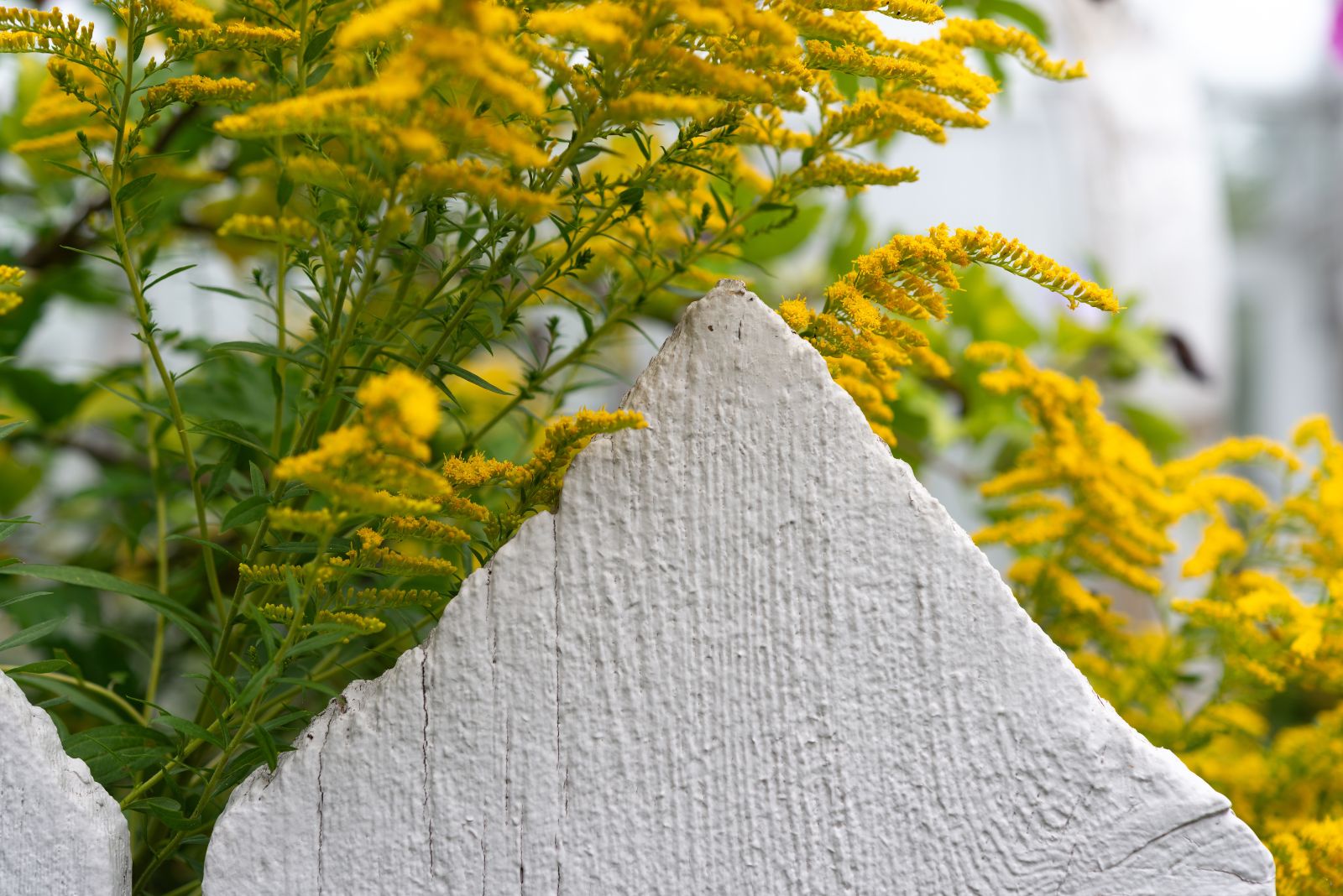
If your fence line looks bare this time of year, it holds more potential than you might think. A simple planting choice can turn that plain stretch into a buzzing, lively border within one season.
Goldenrod is a favorite among bees, especially when nectar is hard to find. Its bright yellow blooms provide rich food that helps bees build strength and support their colonies.
Planting it along your fence creates an easy, natural feeding strip that requires little effort once established. It also adds warm color and soft movement to your yard as the flowers sway in the breeze.
Bees play a huge role in keeping gardens healthy and productive. Giving them a dependable nectar source in early growth months helps your whole outdoor space thrive.
1. Goldenrod Is A Powerful Nectar Source For Bees
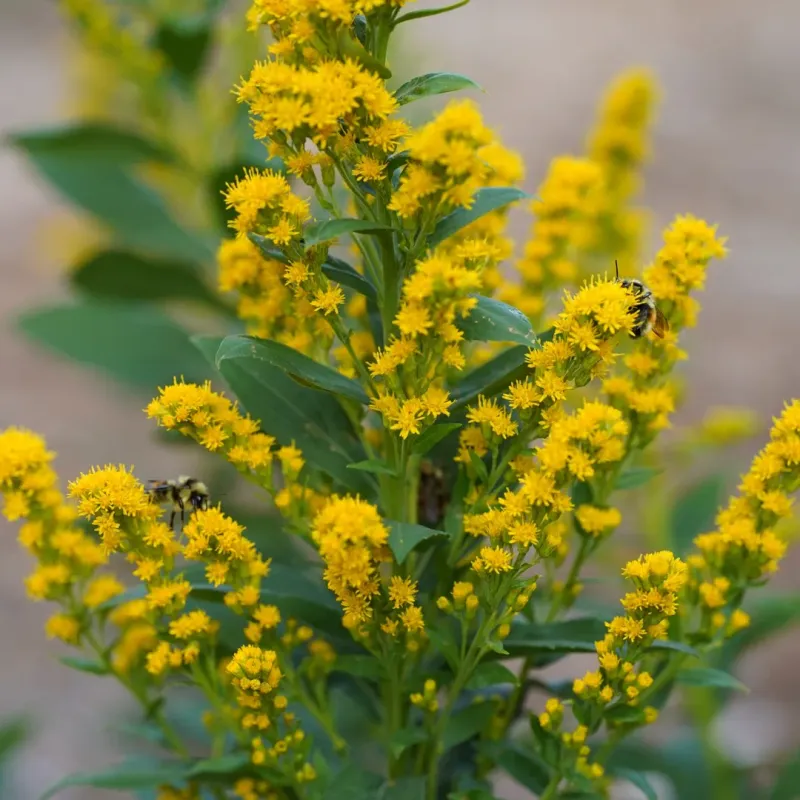
Goldenrod flowers produce large amounts of nectar that draw in honeybees, bumblebees, and many types of native solitary bees. Each flower cluster contains hundreds of tiny blossoms packed together, creating a rich feeding area.
Bees can move from bloom to bloom without flying far, which saves energy and allows them to collect more food in less time.
Pennsylvania bees rely on plants that offer abundant nectar throughout the growing season. Goldenrod stands out because its dense clusters make feeding efficient.
A single goldenrod plant can support dozens of bees at once. This efficiency matters because bees need to gather enough food to sustain their colonies.
When you plant goldenrod along your Pennsylvania fence, you create a dependable nectar source that bees will visit repeatedly. They remember productive feeding sites and return to them daily.
This repeat behavior helps bees meet their nutritional needs without wasting time searching for new flowers.
Goldenrod nectar is high in sugar content, which gives bees the energy they need for flight and hive activities. Strong nectar flow attracts a wide variety of bee species, not just honeybees.
Native bees, which are often overlooked, benefit greatly from goldenrod because they evolved alongside it.
Planting goldenrod along your fence this March means your property will become a bee magnet by late summer. The bright yellow blooms signal to bees that food is available.
Over time, your goldenrod patch will become a known feeding spot for local bee populations. This contributes to healthier, more resilient bee communities across Pennsylvania.
Supporting bees with native plants like goldenrod is one of the simplest and most effective conservation actions any gardener can take.
2. Critical Late-Season Food For Bee Survival
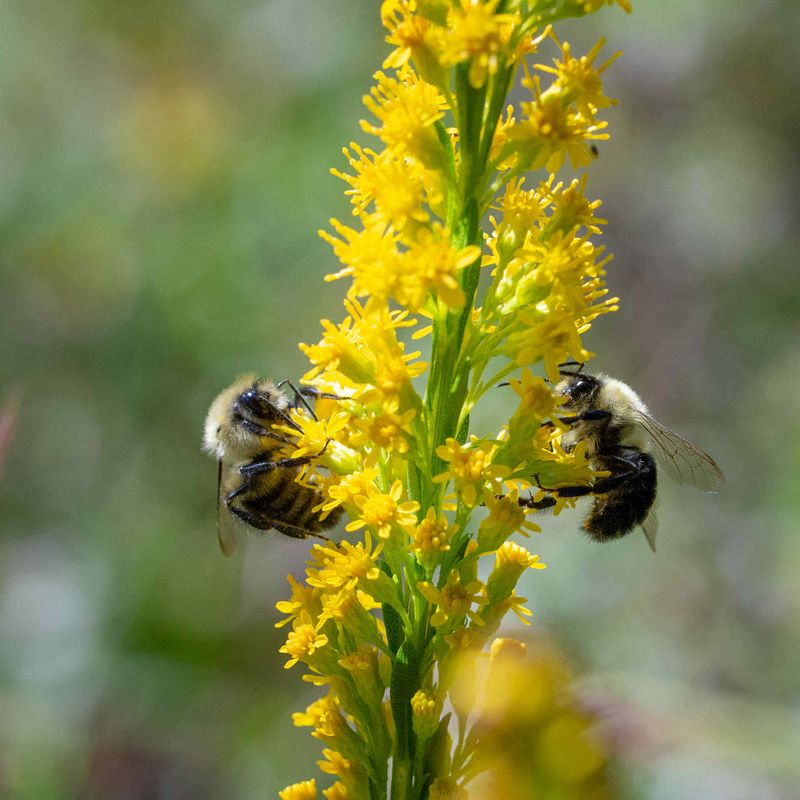
Most garden flowers bloom in spring and early summer, leaving bees with fewer food options as fall approaches. Goldenrod blooms from late summer through fall, filling a critical gap in the bee food calendar.
This timing is essential because bees need to gather enough resources before cold weather arrives.
Pennsylvania bees face a challenging period in autumn. They must collect sufficient nectar and pollen to sustain their colonies through winter.
Without adequate food stores, colonies weaken and struggle to survive until spring. Goldenrod provides a lifeline during this vulnerable time.
Honeybees use late-season nectar to produce honey that feeds the hive through winter. Native bees need energy reserves to complete their life cycles or enter dormancy.
Goldenrod delivers the calories and nutrition bees require when few other plants are flowering.
Planting goldenrod along your Pennsylvania fence this March ensures bees will have food available when they need it most.
By fall, your goldenrod will be in full bloom while many other plants have finished flowering. This makes your property a vital feeding station for local bee populations.
Late-season food sources directly impact bee survival rates. Colonies that access abundant fall nectar enter winter stronger and healthier.
Native bees that feed well in autumn have better reproductive success the following year. Your goldenrod patch becomes part of a larger support system that helps Pennsylvania bees thrive.
Gardeners often focus on spring flowers, but fall food sources are just as important. Goldenrod is one of the best late-season plants you can grow.
It blooms reliably every year and provides consistent food when bees have few other options. This makes it an essential addition to any bee-friendly Pennsylvania garden.
3. Rich Pollen Supports Bee Health And Reproduction
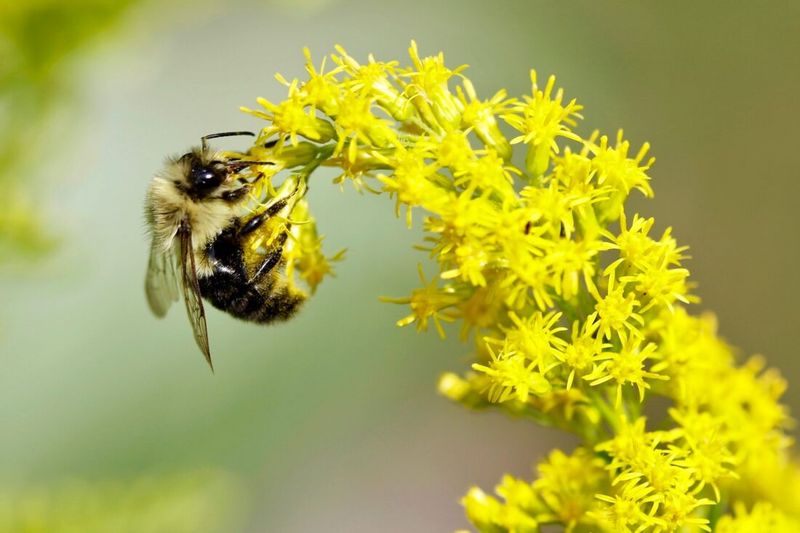
Pollen is the primary protein source for bees. They feed it to their developing larvae, which need protein to grow into healthy adults.
Goldenrod produces abundant, protein-rich pollen that bees collect and store in their hives or nests.
Honeybee colonies use goldenrod pollen to raise new generations of worker bees. Strong pollen supplies lead to larger, healthier colonies.
Native bees also depend on pollen to provision their nests and ensure their offspring have enough food to develop properly.
Pennsylvania bees benefit from goldenrod pollen because it contains essential amino acids and nutrients. High-quality pollen improves bee immune function and overall health. Well-nourished bees are better able to resist diseases and environmental stresses.
When you plant goldenrod along your fence this March, you provide bees with a reliable pollen source for years to come.
Goldenrod pollen is bright yellow and easy to see on bees as they visit flowers. This visible pollen load shows just how productive goldenrod is for bee nutrition.
Reproductive success in bee populations depends heavily on pollen availability. Queens and reproductive females need protein to produce eggs.
Larvae require pollen to grow and develop. Without adequate pollen, bee populations decline.
Goldenrod blooms when many other pollen sources have finished, making it especially valuable. Your Pennsylvania fence line can become a pollen pantry that supports multiple bee species.
Native solitary bees, bumblebees, and honeybees all collect goldenrod pollen to feed their young.
By planting goldenrod, you contribute to stronger, more resilient bee populations. Healthy bees produce more offspring, which helps maintain stable populations.
This ripple effect benefits Pennsylvania ecosystems by ensuring bees continue their vital pollination work.
Goldenrod is a simple, low-maintenance way to support bee reproduction and long-term population health.
4. Fence-Line Planting Creates A Reliable Bee Feeding Corridor
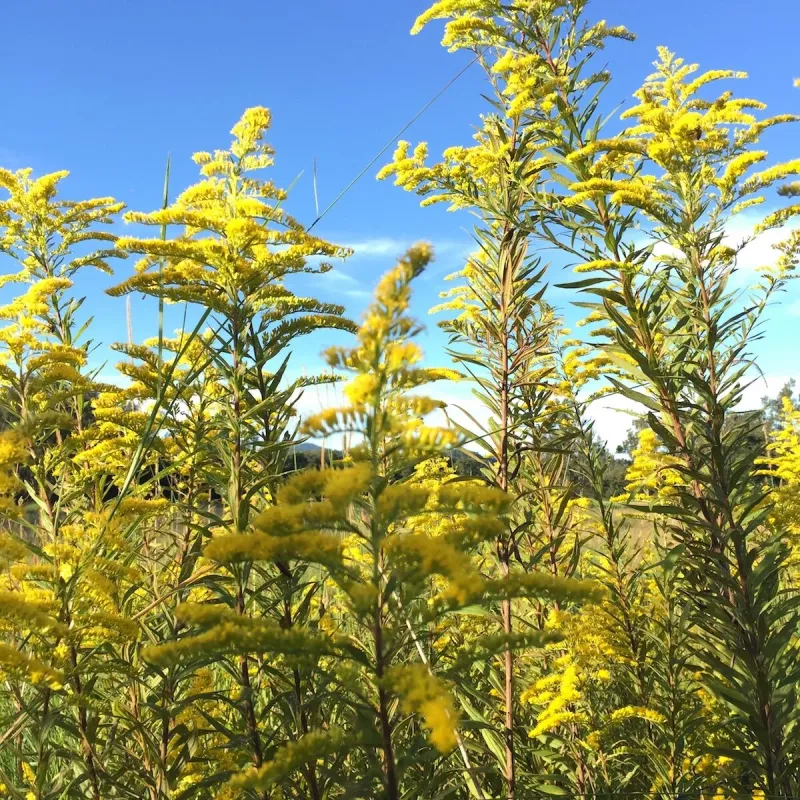
Bees navigate by recognizing landmarks and following scent trails to productive feeding areas.
Planting goldenrod along your Pennsylvania fence creates a visible, continuous food source that bees can easily locate and remember. Grouped plantings produce more nectar and pollen than scattered individual plants.
Fence lines provide natural structure that guides bee movement. Bees flying along your fence will discover the goldenrod and return regularly.
This concentrated planting strategy maximizes the benefit to bee populations by creating a predictable feeding corridor.
Goldenrod planted in rows along fences also gains some protection from wind. Reduced wind exposure helps flowers last longer and makes it easier for bees to land and feed.
The fence itself can provide afternoon shade in hot Pennsylvania summers, which helps keep flowers fresh.
A well-established goldenrod fence line becomes a destination for bees from across your neighborhood. Bees will travel significant distances to reach reliable food sources.
Your property becomes part of a network of feeding sites that support local bee populations.
Planting goldenrod this March along your fence keeps the flowers out of high-traffic areas while still providing maximum benefit to bees.
You can mow your lawn and use your garden without disturbing the goldenrod. The fence line location is practical for homeowners and ideal for bees.
Continuous corridors of native plants help bees move through landscapes more safely. Instead of isolated patches, connected plantings create pathways that support bee foraging behavior.
Your goldenrod fence line contributes to this larger landscape connectivity.
Pennsylvania gardeners who plant goldenrod along fences often notice increased bee activity throughout their property. Bees that visit the goldenrod also pollinate nearby vegetables, fruits, and flowers.
This creates a win-win situation where bees get food and your garden gets better pollination. Fence-line planting is a smart, space-efficient way to support Pennsylvania bees.
5. Native Plants Are Safer And Better For Local Bees
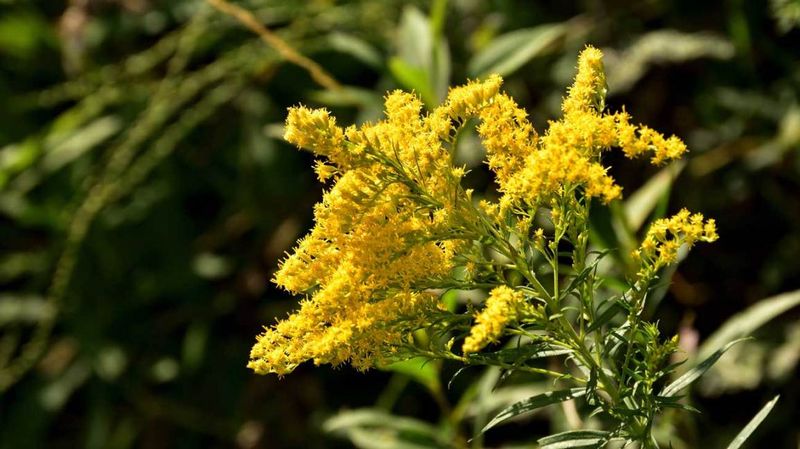
Goldenrod is native to Pennsylvania, which means it evolved alongside local bee species over thousands of years.
Native bees recognize goldenrod as a reliable food source and have adapted to use it efficiently. This natural relationship benefits both the plant and the pollinators.
Non-native plants often require fertilizers, pesticides, and extra water to survive in Pennsylvania. These chemicals can harm bees directly or contaminate the nectar and pollen they collect.
Goldenrod thrives without any chemical inputs, making it a safe choice for bee-friendly gardening.
Native plants support native insects, which form the base of local food webs. By planting goldenrod along your Pennsylvania fence, you support not just bees but also butterflies, beneficial beetles, and other wildlife. This contributes to overall ecosystem health in your area.
Pennsylvania bees have specific nutritional needs that native plants are best suited to meet. Goldenrod provides the right balance of nutrients that local bees require.
Exotic plants may produce nectar and pollen, but they do not always offer the same nutritional value.
Growing native plants like goldenrod also helps preserve Pennsylvania biodiversity. Many native species face habitat loss due to development and agriculture.
Home gardens that include natives create small refuges that help maintain regional plant diversity.
Goldenrod is well-adapted to Pennsylvania soil types, rainfall patterns, and temperature ranges. It does not need special care or amendments to thrive. This makes it an easy, reliable choice for gardeners of all experience levels.
Choosing native plants demonstrates environmental stewardship. You create habitat without introducing invasive species that could harm local ecosystems.
Goldenrod will never become a problem plant because it belongs in Pennsylvania landscapes.
Your fence-line planting supports local bees while protecting the natural character of your region. Native plants like goldenrod are the foundation of sustainable, bee-friendly gardening.
6. Easy To Grow And Low Maintenance For Long-Term Bee Support
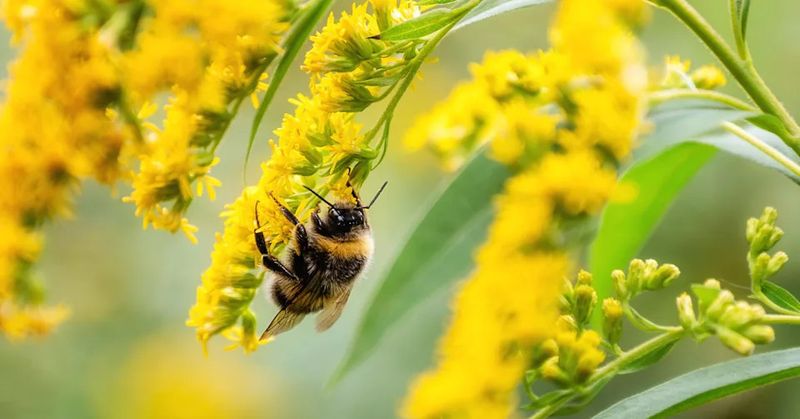
Goldenrod is one of the easiest native plants to grow in Pennsylvania. It tolerates a wide range of soil types, from clay to sandy loam.
Once established, goldenrod requires no fertilizer, no pesticides, and very little water. This makes it perfect for busy gardeners who want to help bees without adding extra work.
March is the ideal time to plant goldenrod in Pennsylvania because the soil is warming and spring rains help new plants establish.
Goldenrod spreads through underground rhizomes, gradually forming attractive clumps. It does not become invasive but will fill in along your fence naturally over time.
Full sun is best for goldenrod, and fence lines typically receive plenty of sunlight. The plant grows two to four feet tall, creating a beautiful golden display in late summer.
Pennsylvania gardeners appreciate goldenrod because it requires no deadheading, staking, or special care.
Drought tolerance is another major advantage of goldenrod. After the first year, established plants survive dry spells without supplemental watering.
This resilience makes goldenrod a smart choice for sustainable landscaping that conserves water while supporting bees.
Goldenrod is a perennial, meaning it returns year after year without replanting. Your initial effort this March provides bee habitat for many seasons to come.
This long-term benefit makes goldenrod an excellent investment in Pennsylvania pollinator health.
Deer and rabbits generally leave goldenrod alone, so you will not need fencing or repellents. The plant has few pest problems and rarely suffers from diseases.
This low-maintenance nature means you can plant it and let it do its job without constant attention.
Pennsylvania gardeners who plant goldenrod along their fences enjoy years of beautiful blooms and active bee populations. The plant rewards minimal effort with maximum ecological benefit.
For anyone wanting to support bees without complicated gardening tasks, goldenrod is the perfect choice.