Why You Should Think Twice Before Mulching Your Georgia Garden This Summer
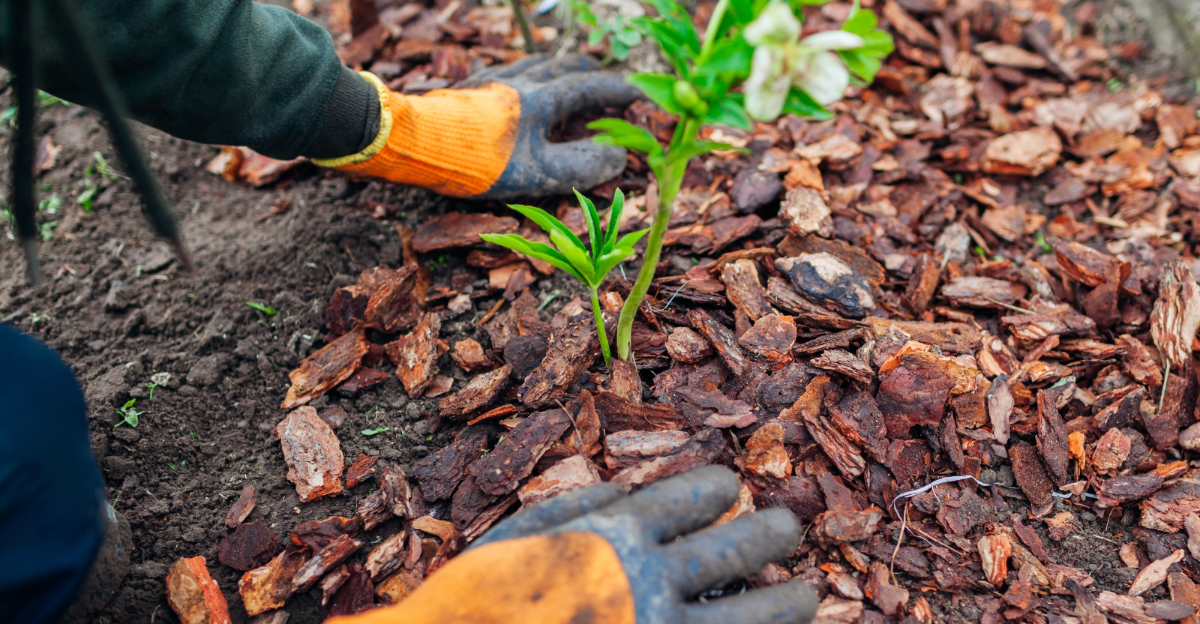
Summer mulching often feels like the safest and most responsible choice once the Georgia heat starts settling in and the soil begins to dry out.
That instinct usually comes from years of advice saying mulch protects roots, holds moisture, and shields plants from stress.
In Georgia, however, summer brings a combination of intense heat, heavy humidity, and warm nights that can change how mulch behaves in the garden.
What works beautifully in spring or fall does not always respond the same way once temperatures stay consistently high. Some gardeners begin noticing subtle issues weeks after mulching, even when everything initially looks healthy and well cared for.
These problems tend to develop slowly, which makes them easy to overlook or blame on something else.
Thinking twice does not mean skipping mulch entirely, but recognizing that timing and conditions matter more than habit.
Before adding another layer this summer, it helps to understand what mulching is really doing in a Georgia garden.
1. Mulching Too Early In Georgia Summer Can Trap Excess Heat In The Soil
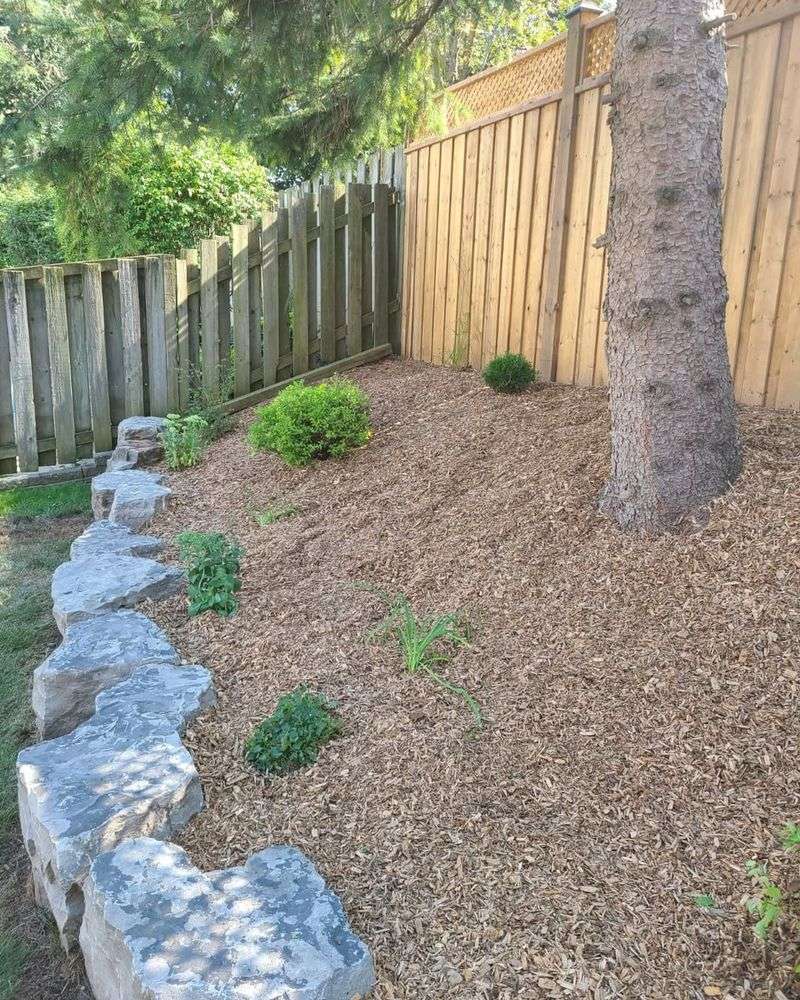
Spring temperatures in Georgia can feel deceptively mild, tempting gardeners to prepare beds early with fresh mulch layers. But soil beneath that mulch continues absorbing and holding heat as summer approaches.
When you add mulch before temperatures truly stabilize, you create an insulating blanket that prevents natural cooling cycles from working properly.
Plant roots need a balance between warmth and breathability. Too much trapped heat stresses root systems and limits their ability to absorb water efficiently.
Georgia’s rapid temperature swings between late spring and early summer make timing critical for mulch application.
Consider waiting until consistent daytime highs reach the 80s before adding summer mulch. This allows soil to adjust naturally without being sealed under an insulating layer too soon.
Roots establish better when they experience gradual temperature increases rather than sudden spikes trapped by premature mulching.
Observing local weather patterns helps you decide the right moment. Some Georgia regions warm faster than others, especially in southern counties.
Adjusting your mulching schedule to match your specific microclimate ensures better plant health throughout the growing season.
Patience pays off when it comes to mulch timing. Rushing the process might seem productive, but it can backfire as summer heat intensifies across the state.
Many gardeners underestimate how quickly soil temperatures rise once summer patterns lock in.
Giving the ground time to breathe before sealing it with mulch often leads to stronger roots and more resilient plants as Georgia heat builds.
2. How Thick Mulch Layers Can Hold Moisture Where Roots Do Not Need It
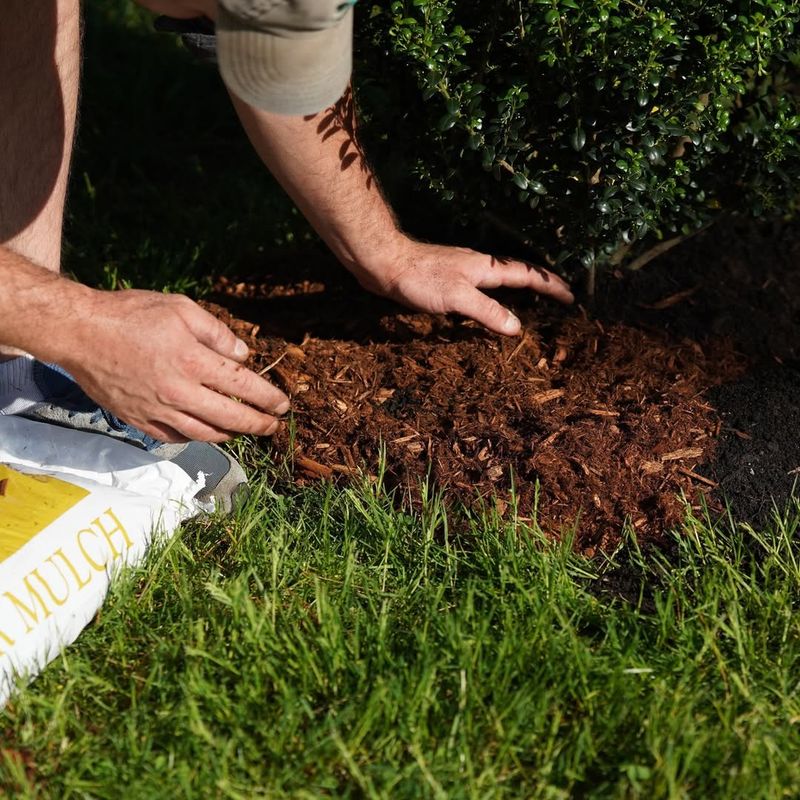
Many gardeners believe more mulch equals better moisture retention, but this assumption can create problems in Georgia gardens. Excess mulch piled too thickly keeps water sitting near the soil surface instead of allowing it to penetrate deeper where roots actually feed.
Surface moisture encourages shallow root development, which makes plants vulnerable during drought periods.
A thick mulch layer acts like a sponge, soaking up water before it reaches the root zone. This is especially problematic during Georgia’s summer thunderstorms when heavy rain falls quickly.
Instead of hydrating roots, the water gets trapped in the mulch itself and slowly evaporates without benefiting your plants.
Proper mulch depth should range between two to three inches for most garden beds. Anything deeper interferes with natural water movement through soil layers.
Roots grow where conditions are most favorable, and if moisture stays trapped above them, they won’t develop the depth needed for long-term health.
Check your mulch thickness regularly throughout the season. As organic mulch breaks down, it compacts and can create dense mats that block water penetration.
Loosening mulch occasionally helps maintain proper drainage and ensures moisture reaches root zones effectively across Georgia gardens.
When water never reaches deeper soil layers, roots adapt by staying close to the surface, leaving plants far more sensitive to heat and short dry spells.
Over time, this shallow rooting pattern weakens overall plant stability and reduces their ability to cope with Georgia’s unpredictable summer weather.
3. Why Heavy Mulch In Hot Weather Can Stress Shallow-Rooted Plants
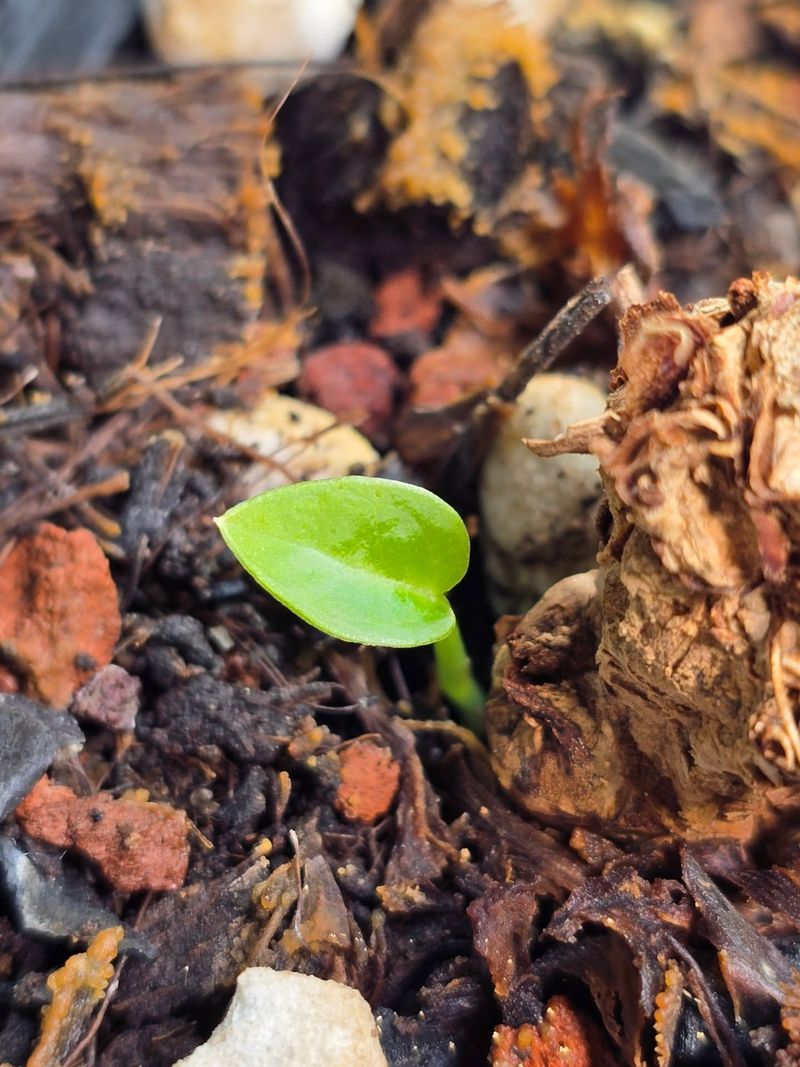
Shallow-rooted plants like lettuce, herbs, and many annual flowers depend on air circulation around their root systems to stay healthy. Heavy mulch application during Georgia’s hottest months creates a suffocating environment that limits oxygen availability.
Without adequate air exchange, roots struggle to function properly and plants show signs of stress even when watered regularly.
Heat combined with thick mulch creates a steam-like effect that essentially cooks delicate root structures. This is particularly damaging for plants that naturally grow close to the soil surface.
Georgia summers already challenge these plants with intense sun and high humidity, and adding heavy mulch compounds the problem significantly.
Light mulching or using alternative ground covers works better for shallow-rooted species. A thin layer of straw or shredded leaves provides some protection without creating the oppressive conditions that thick wood mulch can cause.
These lighter materials allow better air movement while still offering modest temperature regulation.
Pay attention to how your plants respond after mulching. Wilting despite adequate water, yellowing leaves, or stunted growth can all indicate that mulch is causing root stress.
Removing or thinning mulch around affected plants often leads to quick improvement in Georgia gardens during summer months.
4. Mulch Can Increase Fungal Issues During Georgia’s Humid Summers
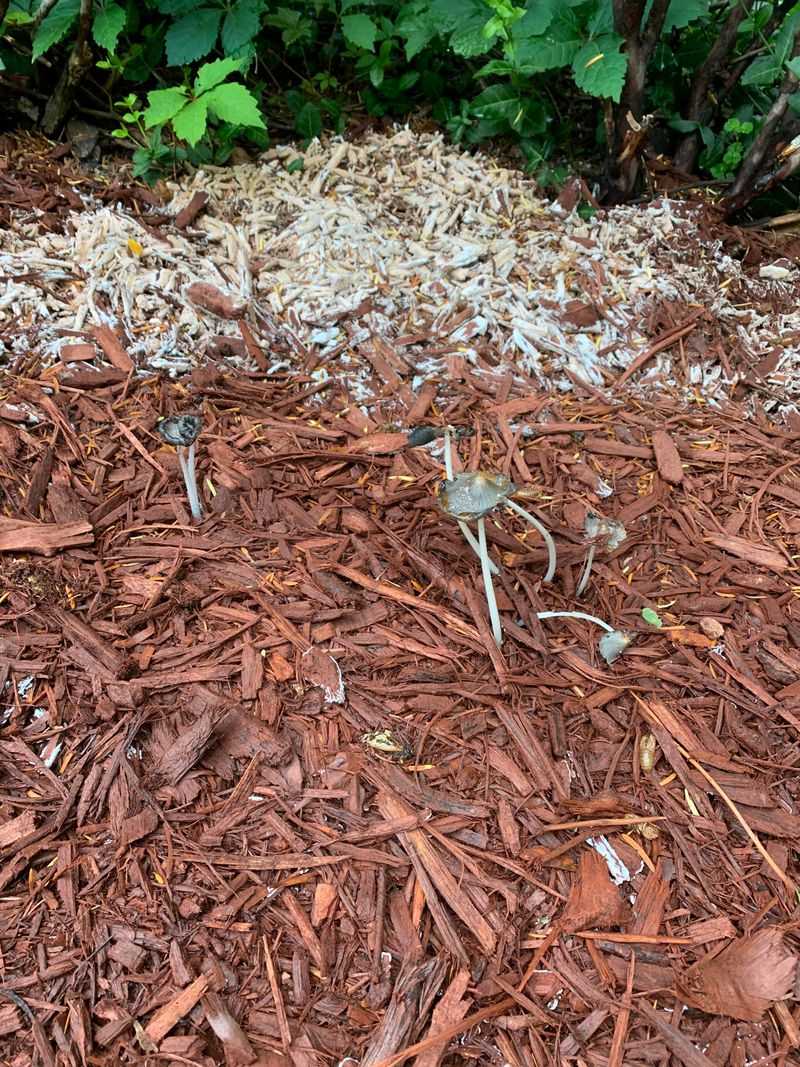
Georgia’s summer humidity creates perfect conditions for fungal growth, and mulch can make this problem worse when not managed properly. Organic mulches hold moisture against the soil surface, creating a consistently damp environment that fungi love.
Spores that naturally exist in garden soil multiply rapidly when they find these ideal breeding conditions.
Fungal diseases spread quickly from mulch to plant stems and leaves, especially when mulch touches plant bases directly. This contact creates a bridge for pathogens to move from decomposing organic matter onto living plant tissue.
Common problems include stem rot, leaf spot, and various molds that thrive in the state’s muggy summer climate.
Keeping mulch pulled back several inches from plant stems reduces fungal disease risk significantly. This simple spacing allows air to circulate around the plant base and keeps stems dry.
Even a small gap makes a big difference in preventing fungal infections during Georgia’s most humid months.
Choose mulch materials carefully based on their decomposition rates and moisture-holding properties. Pine straw tends to dry out faster than hardwood mulch, making it less hospitable for fungi.
Monitoring your mulch regularly and replacing any sections that show visible mold growth helps maintain healthier garden conditions throughout summer across Georgia.
In Georgia’s humid summers, problems often start below the surface long before visible symptoms appear on leaves or stems.
Once fungal activity takes hold in damp mulch, it can spread quietly through the garden, making plants more vulnerable even when watering and care seem correct.
5. When Mulch Prevents Soil From Cooling After Extreme Heat Days
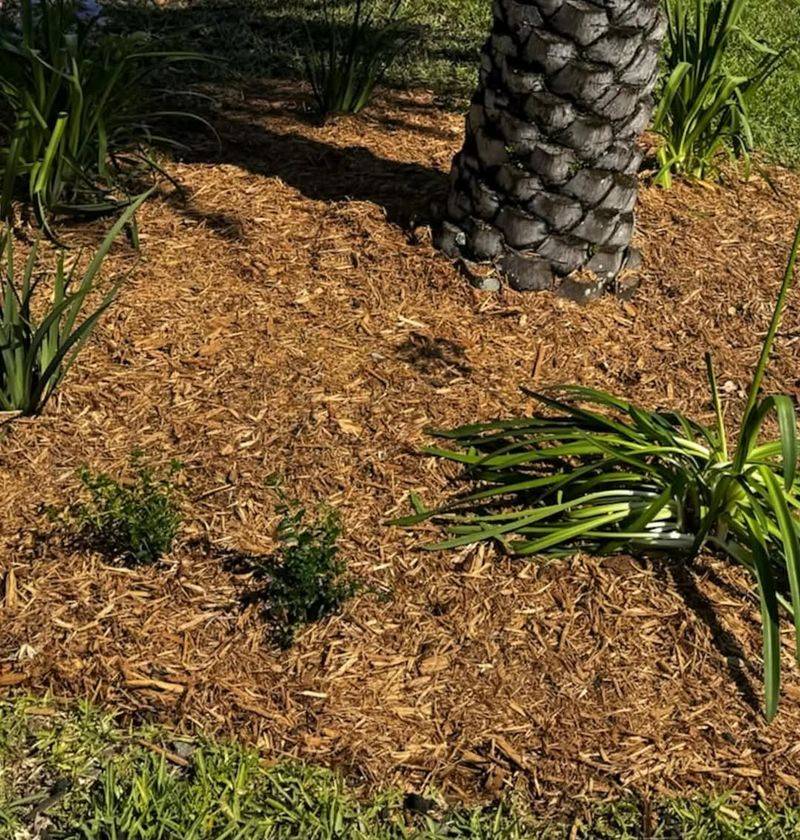
Extreme heat days in Georgia can push soil temperatures to levels that stress even heat-tolerant plants. Soil naturally cools overnight when temperatures drop, but thick mulch layers interfere with this important cooling process.
The insulation that seems beneficial during moderate weather becomes problematic when temperatures soar into the 90s and beyond.
Bare soil releases heat more efficiently than mulched soil once the sun sets. This natural cooling helps roots recover from daytime stress and prepares plants for the next day’s heat.
When mulch blocks this heat release, soil stays warmer longer, giving roots no relief from high temperatures.
Georgia gardeners often notice that plants in heavily mulched beds struggle more during heat waves than those with lighter mulch coverage. This happens because trapped heat accumulates day after day without proper nighttime cooling.
The cumulative effect weakens plants over time, even if they receive adequate water.
Consider temporarily pulling back mulch during extended heat waves to allow better soil cooling. This practice helps roots recover and improves overall plant resilience.
Once temperatures moderate, you can redistribute the mulch without having caused long-term harm. Strategic mulch management makes a real difference during Georgia’s most challenging summer weather patterns.
6. Why Some Georgia Plants Perform Better With Bare Soil In Summer
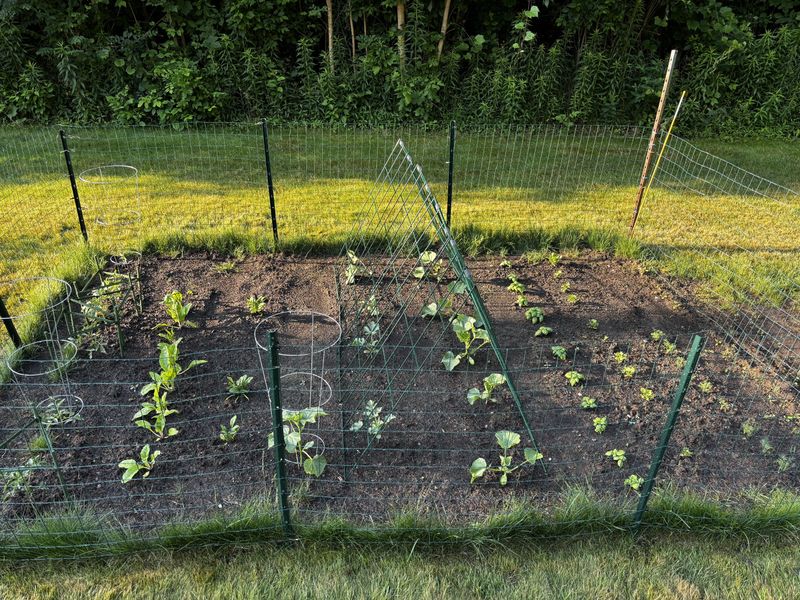
Certain plants have evolved to thrive in open, sunny conditions with exposed soil, and mulching around them goes against their natural preferences. Native Georgia wildflowers, many Mediterranean herbs, and some vegetable crops actually grow stronger when their roots experience direct soil contact without mulch interference.
These species have adapted to handle heat and temporary dryness better than constant moisture.
Bare soil warms quickly in spring, encouraging early growth for heat-loving plants. It also allows for better air exchange and prevents the moisture-related issues that mulch can create.
Plants like okra, sweet potatoes, and southern peas perform exceptionally well in Georgia when grown in unmulched beds.
Observing how plants respond to different growing conditions teaches you which species prefer bare soil. Some plants show more vigorous growth, better fruiting, and fewer disease problems when not mulched.
This knowledge helps you customize your garden management to match each plant’s specific needs rather than applying blanket mulching practices everywhere.
Creating mulch-free zones in your Georgia garden for these plants doesn’t mean neglecting them. Regular weeding and proper watering still matter, but skipping mulch allows these species to express their full potential.
Matching growing conditions to plant preferences always produces better results than following generic gardening rules.
In these conditions, uncovered soil allows heat and moisture to move more freely, which helps roots adjust naturally instead of staying confined near the surface.
Plants that evolved for this environment often show stronger structure, steadier growth, and fewer stress signals when their root zone is not insulated by mulch.
7. Situations Where Summer Mulching Still Makes Sense In Georgia Gardens
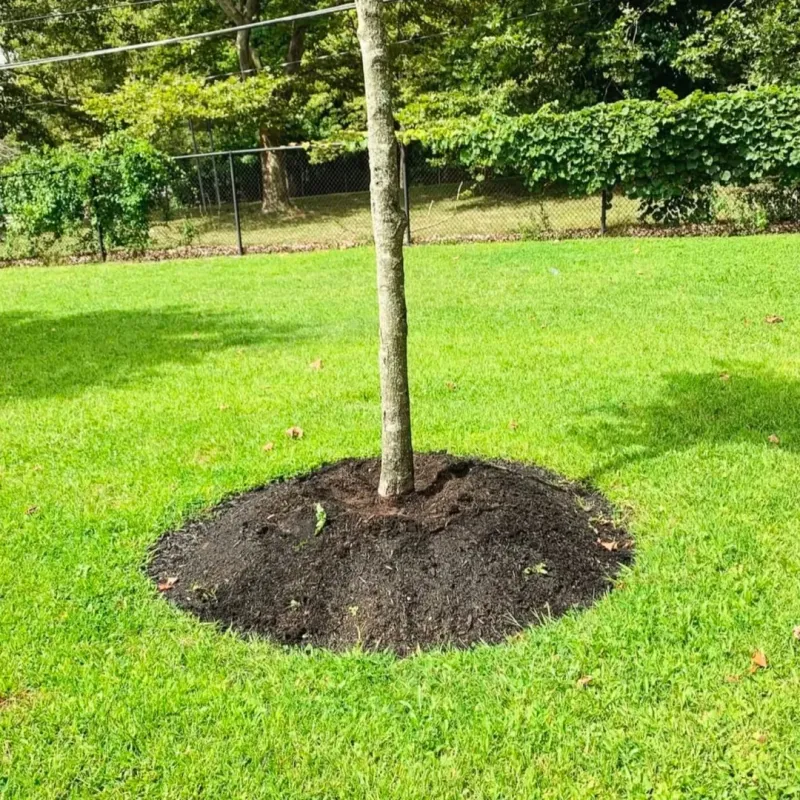
Despite the potential problems, summer mulching remains beneficial in specific Georgia gardening situations. Newly planted trees and shrubs benefit greatly from mulch that conserves moisture while their root systems establish.
These larger plants handle mulch better than shallow-rooted annuals and actually need the temperature moderation that mulch provides during their critical first summer.
Slopes and erosion-prone areas require mulch to prevent soil loss during Georgia’s intense summer thunderstorms. Without mulch, heavy rain washes away topsoil and exposes roots, causing far more damage than any heat-trapping concerns.
In these situations, the protective benefits of mulch clearly outweigh the potential drawbacks.
Pathways between garden beds benefit from thick mulch layers that suppress weeds and create comfortable walking surfaces. Since you’re not growing plants in these areas, the heat retention and moisture issues don’t apply.
Mulched paths make garden maintenance easier and more pleasant during hot Georgia summers.
Container gardens and raised beds often need mulch more than in-ground plantings because they dry out so quickly. The elevated position and limited soil volume mean these gardens lose moisture rapidly in summer heat.
A moderate mulch layer helps containers and raised beds maintain more consistent moisture levels without the same risks that affect in-ground beds across Georgia.
8. How To Adjust Mulch Depth Instead Of Skipping Mulch Completely
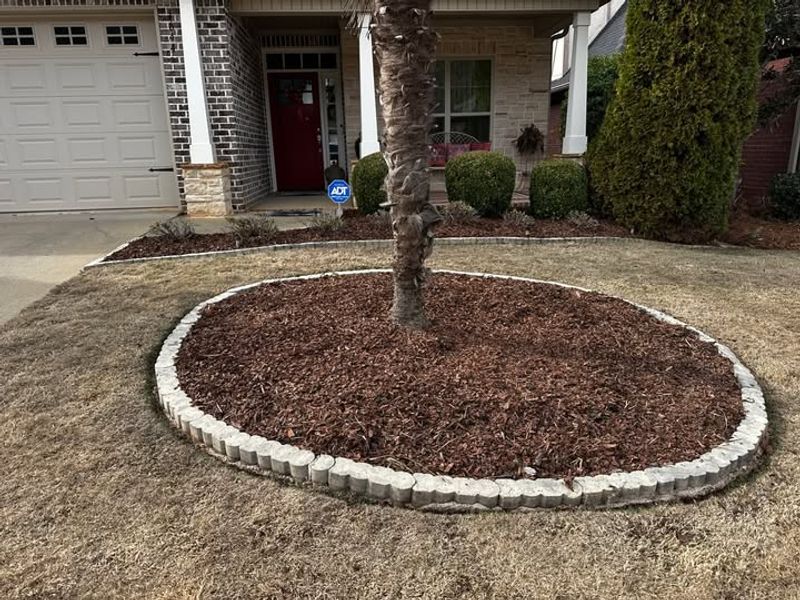
Rather than eliminating mulch entirely, adjusting the depth gives you the benefits while minimizing summer problems in Georgia gardens. Start with a thinner layer of about one to two inches instead of the standard three to four inches often recommended.
This lighter coverage still suppresses weeds and moderates soil temperature without creating the excessive heat retention and moisture problems of thicker applications.
Seasonal mulch adjustment works well for Georgia’s climate extremes. Apply mulch more heavily in fall and winter when insulation benefits outweigh heat concerns, then reduce depth as summer approaches.
This adaptive approach recognizes that garden needs change throughout the year and one mulching strategy doesn’t fit all seasons.
Different garden areas may need different mulch depths based on sun exposure, plant types, and soil conditions. Shaded beds can handle slightly more mulch than full-sun areas because they don’t experience the same heat buildup.
Customizing mulch depth to match specific conditions shows thoughtful garden management rather than following rigid rules.
Check mulch depth regularly and remove excess as it accumulates from repeated applications. Many Georgia gardeners add new mulch each season without removing old material, creating unintentionally thick layers.
Taking time to assess and adjust keeps mulch at optimal depths for summer conditions while maintaining the benefits that make mulching worthwhile in the first place.