Why You Shouldn’t Grow These Houseplants In Washington Homes
Houseplants can make Washington homes feel brighter and more welcoming, but not every plant is a good match for the local climate and indoor conditions. High humidity, low winter light, and cool temperatures can turn some popular plants into constant problems.
Not every trendy houseplant belongs in your home. Some varieties struggle to survive, attract pests, or create extra maintenance you never planned for.
Save yourself stress by choosing plants that actually thrive indoors. Knowing which ones to avoid can protect your time, money, and indoor air quality.
A smarter plant choice can make all the difference. Healthy homes start with the right greenery.
By learning what is recommend skipping, you can build a collection of houseplants that grow better, last longer, and fit Washington living spaces much more naturally.
1. Fiddle Leaf Fig
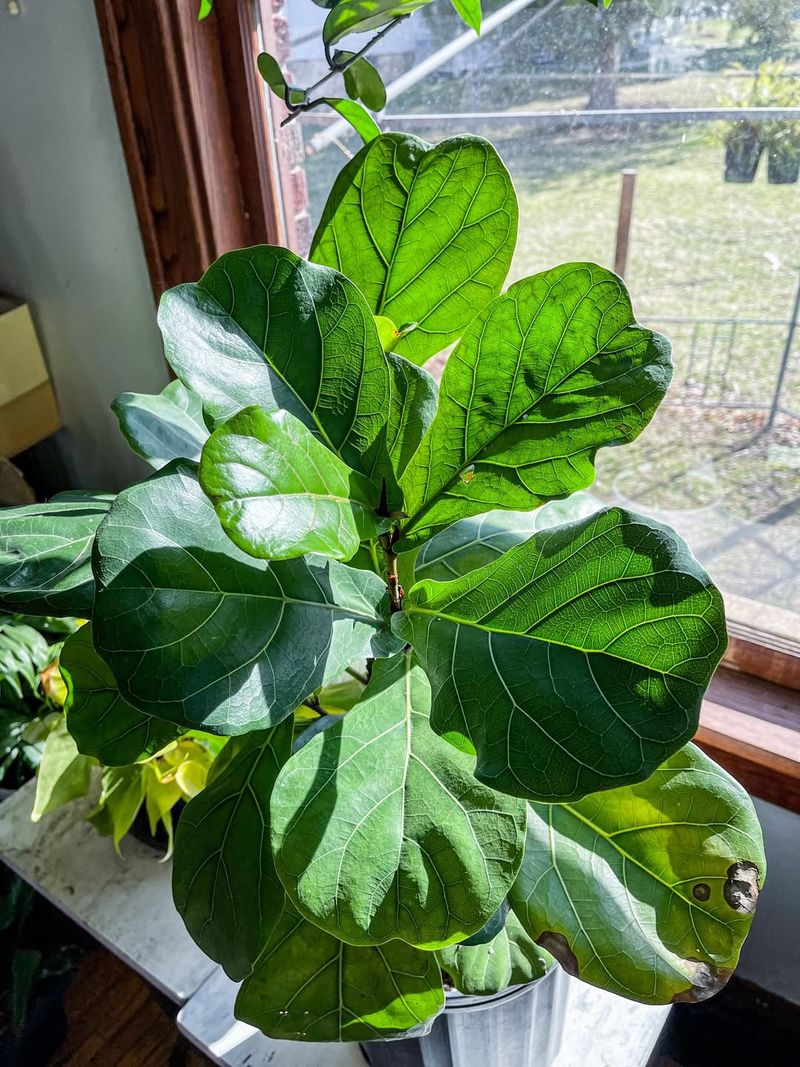
Fiddle leaf figs have become incredibly trendy in recent years, showing up in design magazines and Instagram feeds everywhere. Their large, violin-shaped leaves look stunning in photos, but they’re notoriously fussy about their growing conditions.
These plants crave bright, indirect light for several hours each day, which can be hard to come by during Washington’s long, gray winters.
Low light levels in Seattle and other western Washington cities cause fiddle leaf figs to drop leaves and stop growing. They also hate being moved or experiencing temperature fluctuations, which happens often in homes with drafty windows or inconsistent heating.
Overwatering is another common problem, and Washington’s naturally humid air can make it tricky to judge when the soil has dried out enough.
Root rot develops quickly if the drainage isn’t perfect, and the plant will start losing leaves from the bottom up. Fiddle leaf figs are also sensitive to tap water chemicals, so you may need to use filtered water to prevent brown spots on the foliage.
In Spokane and eastern Washington, the dry indoor air during winter creates yet another challenge, as these plants prefer moderate humidity.
If you’re looking for a low-maintenance statement plant for your Washington home, skip the fiddle leaf fig. There are plenty of more forgiving options that will give you the same lush look without the constant stress and disappointment.
2. Croton
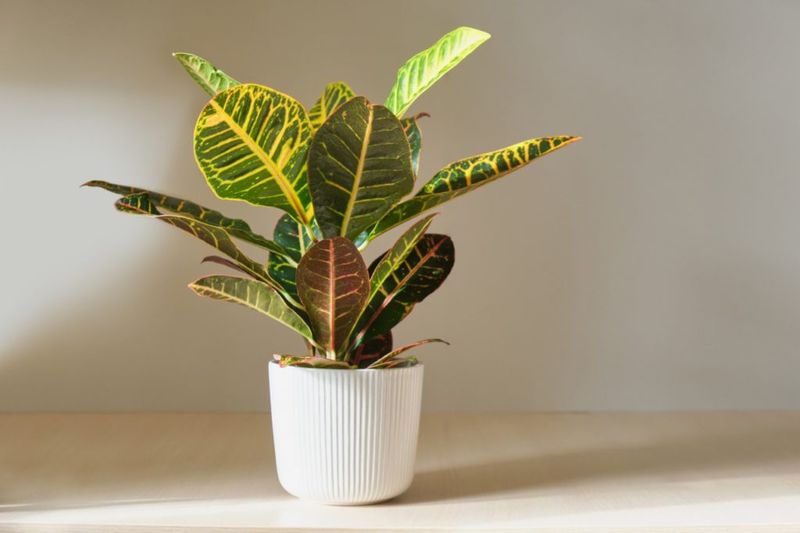
Crotons are famous for their wildly colorful foliage, featuring bold splashes of red, orange, yellow, and green. At first glance, they seem like the perfect way to brighten up a dreary Washington winter.
Unfortunately, these tropical beauties demand conditions that are nearly impossible to replicate indoors in the Pacific Northwest.
Bright, direct sunlight is essential for crotons to maintain their vibrant colors and healthy growth. Without at least six hours of strong light daily, the leaves fade to dull green and the plant becomes leggy and weak.
Washington’s cloudy skies, especially from October through April, simply don’t provide enough natural light for crotons to thrive.
High humidity is another must-have for these plants, and they’ll quickly develop brown, crispy leaf edges in dry indoor air. Eastern Washington homes with forced-air heating face an even tougher challenge keeping humidity levels high enough.
Crotons are also incredibly sensitive to cold drafts and temperature drops, which can cause sudden leaf drop.
Even a short exposure to temperatures below 60 degrees Fahrenheit can stress the plant. Moving a croton or changing its environment often triggers a dramatic response, with leaves falling off in protest.
They’re also prone to spider mites, especially in dry conditions, adding another layer of difficulty.
For Washington homeowners seeking easy-care, colorful foliage plants, crotons are best left at the nursery. Save yourself the hassle and choose something more adaptable to our regional climate.
3. Gardenia
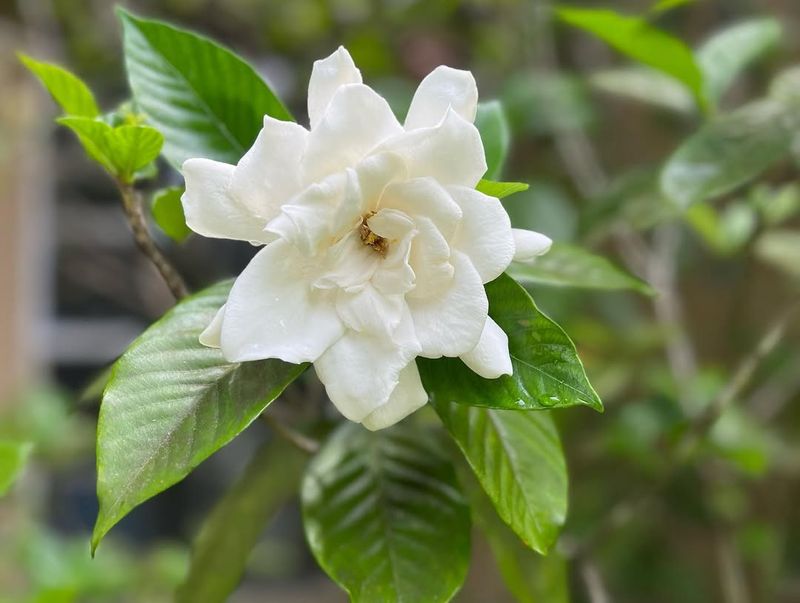
Few plants can match the intoxicating fragrance of gardenia blooms, and their creamy white flowers are absolutely gorgeous. Many people try growing gardenias indoors, hoping to enjoy that sweet scent year-round.
However, these plants are extremely particular about their care requirements, making them a poor choice for Washington homes.
Gardenias need very bright light to produce flowers, and they prefer acidic soil with precise moisture levels. The low light conditions common in western Washington during fall and winter prevent buds from forming, and any buds that do appear often drop off before opening.
Temperature is another critical factor, as gardenias require cool nights and warm days to bloom properly.
Most Washington homes maintain steady indoor temperatures, which disrupts the plant’s natural cycle. High humidity is absolutely essential for gardenias, and dry indoor air causes buds to turn brown and fall off.
Even in naturally humid areas like Tacoma or Bellingham, indoor heating during winter reduces humidity to levels far below what gardenias need.
These plants are also magnets for pests like spider mites, whiteflies, and aphids, especially when stressed by poor conditions. Yellowing leaves from iron deficiency are common, requiring special fertilizers and soil amendments.
Gardenias demand constant attention and precise care, rewarding you with disappointment more often than blooms.
If you love fragrant flowers indoors, consider easier alternatives like jasmine or scented geraniums that tolerate Washington’s conditions much better.
4. Zebra Plant
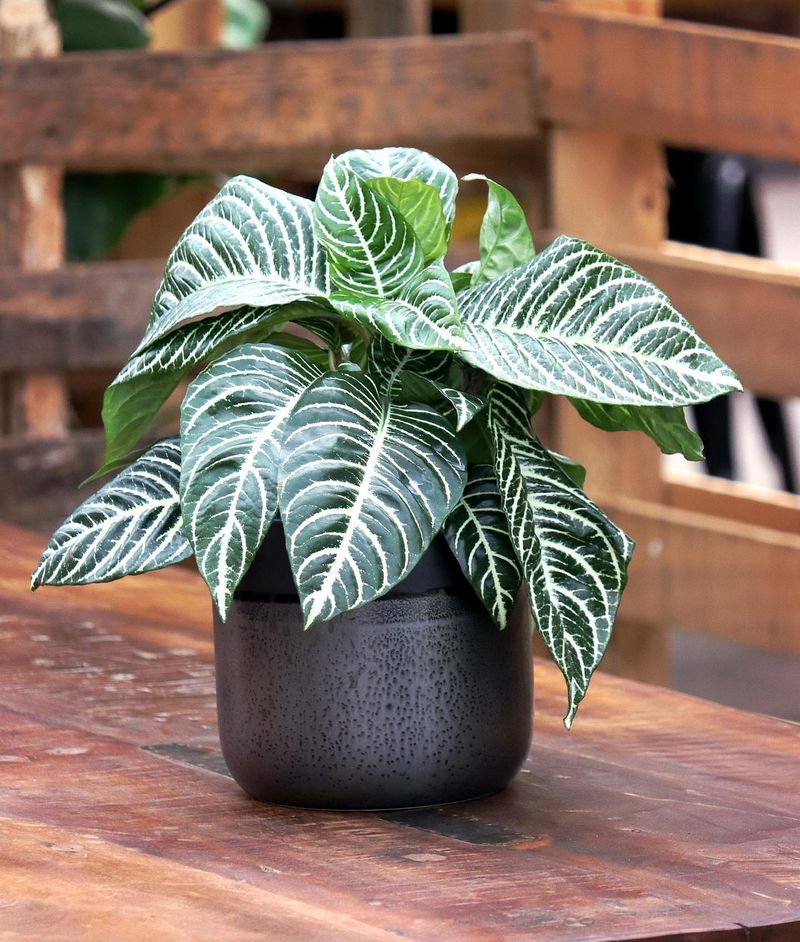
Zebra plants earn their name from the striking white stripes that run across their dark green leaves. This bold pattern makes them eye-catching additions to any plant collection, and they occasionally produce bright yellow flower bracts.
Despite their visual appeal, zebra plants are notoriously difficult to keep happy in Washington homes.
These tropical natives require consistently high humidity, ideally above 60 percent, which is hard to maintain indoors. Washington’s heated homes during winter drop humidity levels significantly, causing leaf edges to turn brown and crispy.
Zebra plants also need bright, indirect light to maintain their distinctive markings and compact growth habit.
The dim conditions typical of Seattle, Olympia, and other western Washington cities during winter cause the plant to become leggy and lose its vibrant appearance.
Watering is another challenge, as zebra plants want consistently moist soil but will quickly develop root rot if overwatered. Finding the right balance is tricky, especially when indoor conditions fluctuate with the seasons.
Temperature sensitivity adds another layer of difficulty, as these plants suffer in cool drafts or sudden temperature changes. They prefer warm, stable conditions that many Washington homes can’t provide year-round.
Zebra plants are also prone to aphids and spider mites, which thrive when the plant is stressed.
Getting a zebra plant to bloom indoors in Washington is extremely rare, and keeping the foliage looking good requires constant vigilance. Unless you’re prepared to invest in a humidifier and grow lights, choose a more forgiving striped plant like a calathea instead.
5. Caladium
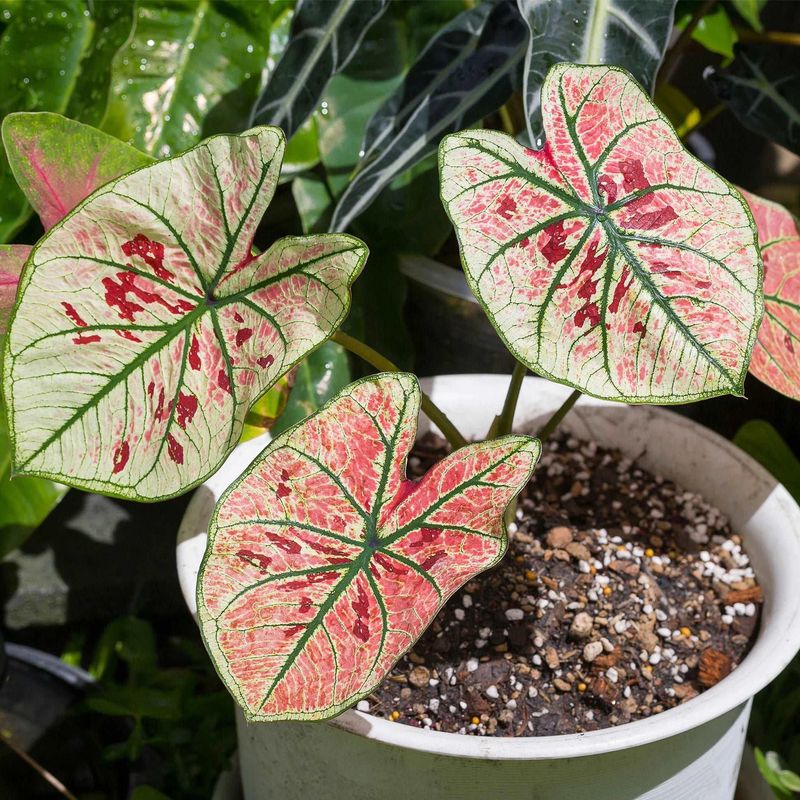
Caladiums are beloved for their heart-shaped leaves decorated with stunning patterns of pink, red, white, and green.
These colorful foliage plants add a tropical touch to any space, but they’re seasonal growers that don’t adapt well to Washington’s indoor conditions. Understanding their natural growth cycle helps explain why they’re so challenging here.
Caladiums are tuberous plants that go dormant in winter, losing all their leaves and requiring a rest period. This dormancy is triggered by shorter days and cooler temperatures, which happens naturally in fall.
In Washington homes, maintaining the warm temperatures and high humidity caladiums need during their growing season is difficult enough.
When winter arrives and the plant goes dormant, storing the tubers properly requires cool, dry conditions that are hard to achieve. Western Washington’s damp climate makes it easy for stored tubers to rot, while eastern Washington’s dry air can cause them to shrivel.
Even during the growing season, caladiums need bright, indirect light and consistent warmth above 70 degrees Fahrenheit.
Washington’s cool spring and fall temperatures slow their growth, and cloudy skies limit the light they receive.
The leaves lose their vibrant colors in low light, fading to dull green and white. Caladiums also need regular fertilization and careful watering to prevent tuber rot.
They’re sensitive to fluoride in tap water, which causes brown leaf tips and edges. For Washington gardeners, caladiums are better suited as outdoor summer annuals than year-round houseplants. Choose plants with permanent foliage for easier indoor success.
6. Azalea
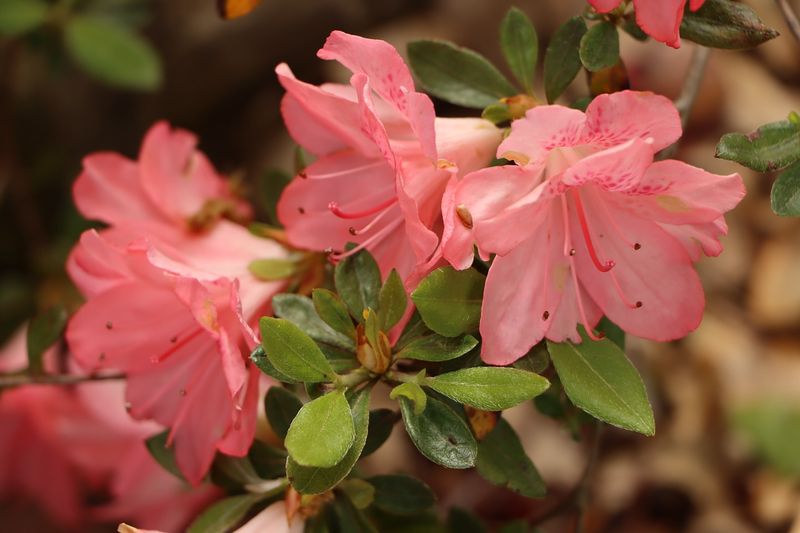
Azaleas are popular gift plants, especially around holidays, arriving covered in gorgeous blooms in shades of pink, red, white, or purple.
Many people assume these flowering beauties will continue blooming indoors, but azaleas are actually outdoor shrubs that struggle tremendously as houseplants. Their care requirements are nearly impossible to meet in Washington homes.
Azaleas need very cool temperatures, ideally between 40 and 60 degrees Fahrenheit, to maintain their flowers. Most Washington homes are kept much warmer than this, causing blooms to fade and drop within days.
After flowering, azaleas require a period of cool temperatures and reduced watering to set buds for the next bloom cycle.
Providing these conditions indoors is extremely challenging, and most indoor azaleas never bloom again. These plants also demand very acidic soil and consistent moisture, never allowing the roots to dry out completely.
Washington’s tap water is often alkaline, which gradually raises soil pH and causes nutrient deficiencies.
Azaleas need bright light but not direct sun, which is hard to achieve during Washington’s dark winters.
Without adequate light, the plant weakens and becomes susceptible to pests and diseases. High humidity is another requirement, and dry indoor air causes leaves to brown and drop.
Even in naturally humid western Washington cities like Vancouver or Everett, indoor heating reduces humidity to levels far below what azaleas prefer. These plants are much happier planted outdoors in Washington’s acidic soil and cool climate.
Enjoy them as temporary blooming gifts, then plant them in your garden where they’ll actually thrive.
7. Ming Aralia
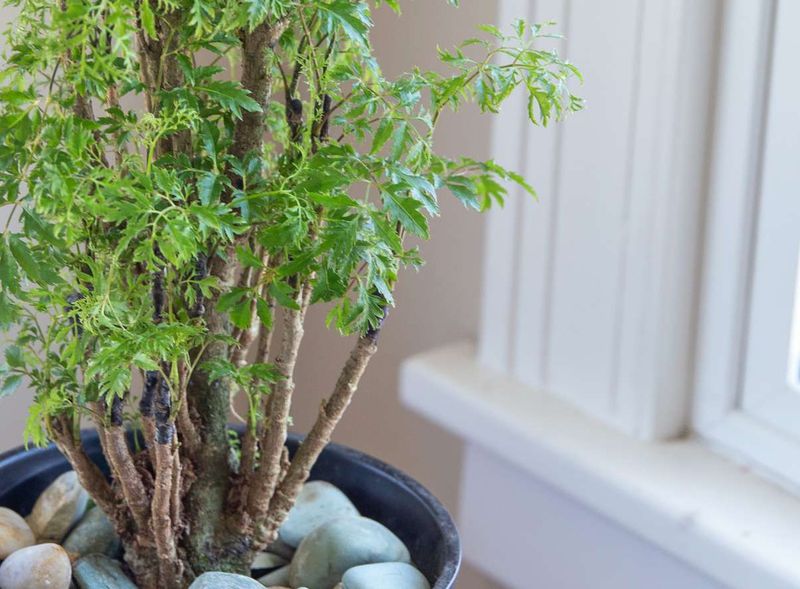
Ming aralia plants have delicate, lacy foliage that creates an elegant, tree-like appearance. Their finely divided leaves and upright growth habit make them attractive accent plants, and they’re often marketed as easy-care houseplants.
In reality, ming aralias are quite temperamental and don’t tolerate Washington’s indoor conditions well.
These plants are extremely sensitive to changes in their environment, responding to any stress by dropping leaves. Moving a ming aralia to a new location, adjusting watering schedules, or even turning the pot can trigger sudden leaf drop.
Washington’s fluctuating indoor conditions, with temperature and humidity changes throughout the year, keep these plants in constant stress.
Ming aralias prefer bright, indirect light but will scorch in direct sun and become leggy in low light. Finding the right spot in a Washington home, especially during winter when natural light is limited, can be frustrating.
They need consistent moisture but are prone to root rot if overwatered, which is easy to do in Washington’s humid climate.
The soil should dry slightly between waterings, but not completely, requiring constant monitoring.
High humidity is important for healthy foliage, yet many Washington homes have dry air during heating season. Cold drafts from windows or doors cause additional leaf drop and stress.
Ming aralias are also susceptible to spider mites, scale, and mealybugs, especially when weakened by poor conditions. Their delicate leaves show damage quickly, developing brown spots or yellowing.
For a similar look with much less drama, consider a fern or a more forgiving aralia variety that handles Washington’s climate better.
8. Bird Of Paradise
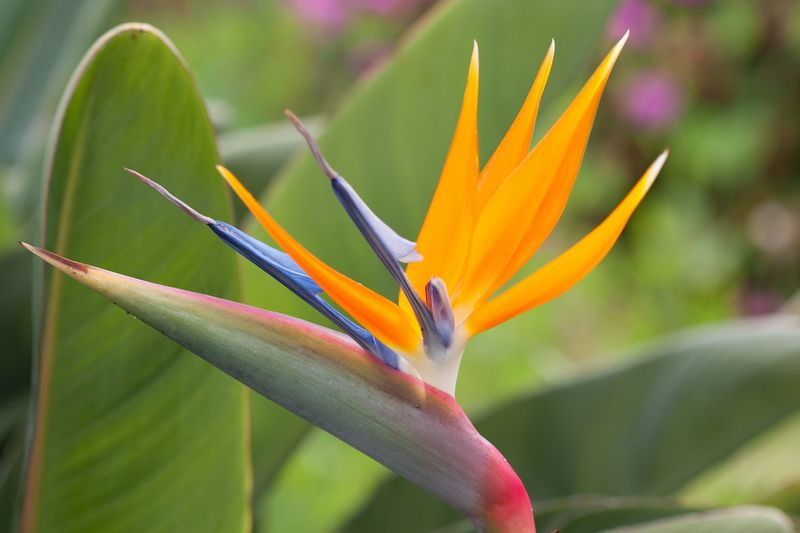
Bird of paradise plants are stunning tropical specimens with large, paddle-shaped leaves that create a dramatic focal point. Their exotic flowers, resembling colorful birds in flight, make them highly desirable houseplants.
However, these giants are extremely challenging to grow successfully in Washington homes for several reasons.
Bird of paradise plants can grow six feet tall or more indoors, requiring significant space that most homes can’t accommodate. They need extremely bright light, preferably direct sun for several hours daily, to grow well and produce flowers.
Washington’s cloudy skies, particularly in western regions like Bellevue or Bremerton, provide nowhere near enough light for these sun-loving plants.
Without adequate light, bird of paradise plants become leggy, produce small leaves, and almost never bloom indoors. Getting these plants to flower inside a Washington home is nearly impossible without professional greenhouse conditions.
They also need consistent warmth, high humidity, and regular fertilization during the growing season.
Maintaining these conditions year-round in Washington is difficult and expensive, often requiring supplemental lighting and humidifiers. Bird of paradise plants are heavy feeders and need large containers with excellent drainage.
They’re also prone to scale insects and spider mites, especially when stressed by inadequate light or dry air.
The leaves naturally split and tear, which is normal but can look unattractive in indoor settings. These plants are much better suited to conservatories or outdoor growing in mild climates.
For Washington homeowners wanting a tropical look, consider more manageable large-leafed plants like monstera or philodendron that adapt better to indoor conditions.