Why Young Agaves Rot More Often In February Than In Summer In Arizona
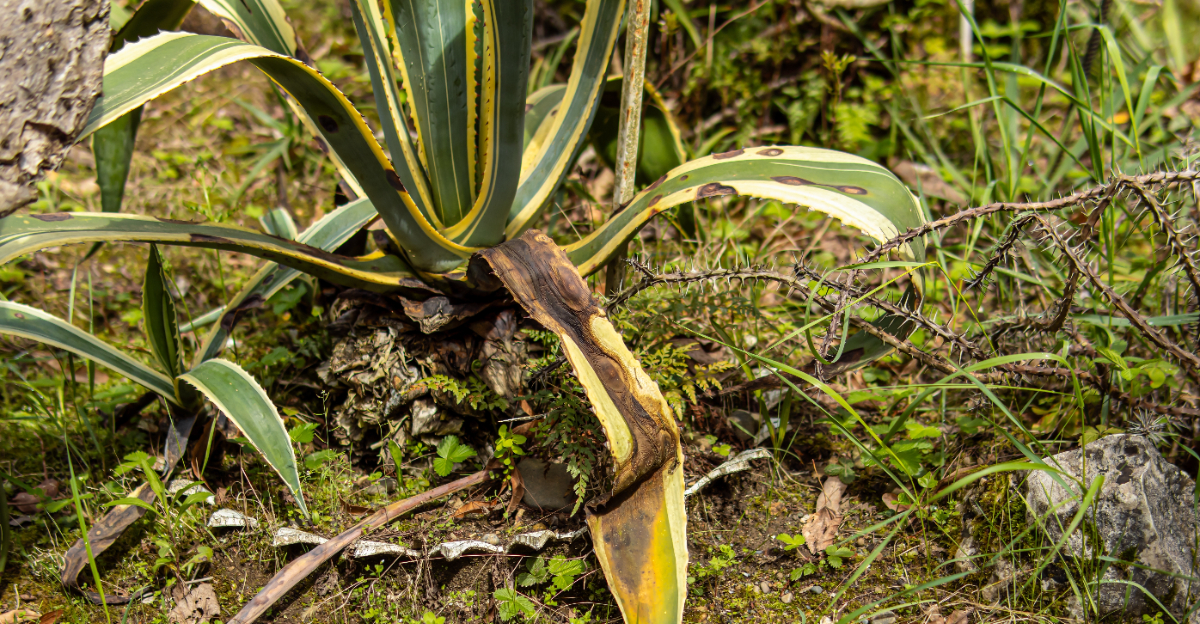
February is when your young agave looks calm on the surface while trouble quietly builds below the soil line. In Arizona, cool ground temperatures and lingering winter moisture slow root activity so much that water simply sits where it should have drained.
Your agave handles brutal summer heat better than you think, because hot soil dries fast and keeps roots active. What it struggles with is cold, damp earth that never fully warms during the day and never fully dries at night.
The real danger is not extreme heat but moisture trapped in soil that feels harmless to you. February can damage a young agave faster than July ever will.
When you understand how winter soil behaves differently from summer soil, preventing rot becomes far more predictable and far less frustrating.
1. Cold Soil And Lingering Winter Moisture Create The Perfect Conditions For Rot
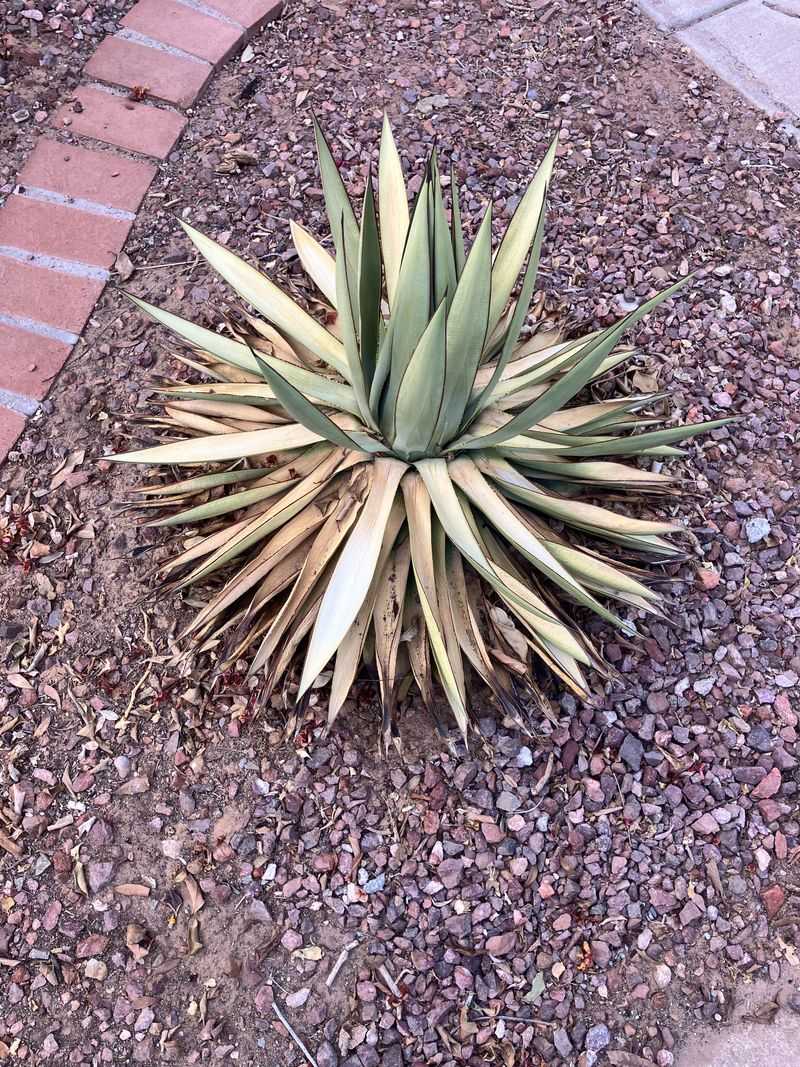
February temperatures in Arizona drop significantly at night, creating soil conditions that stay cold well into the morning hours. When soil temperatures remain below 50 degrees Fahrenheit, agave roots become sluggish and cannot absorb water efficiently.
Moisture from winter rains or irrigation sits around the roots instead of being taken up by the plant.
Fungal and bacterial pathogens thrive in these cool, wet conditions. Agaves evolved in environments where moisture drains quickly and soil warms rapidly, so their natural defenses work poorly in cold, saturated ground.
Young plants with tender root systems become especially vulnerable because they lack the robust root structure of mature specimens.
Arizona’s winter rain patterns compound this problem. Unlike summer monsoons that arrive with intense heat and rapid evaporation, winter precipitation soaks into cool soil where it persists for days or weeks.
The combination of low temperatures and extended wetness creates an ideal breeding ground for root rot organisms.
Gardeners often make the mistake of maintaining summer watering schedules into winter months. Even minimal irrigation during February can push moisture levels past what cold soil can handle.
Young agaves need almost no supplemental water during Arizona winters, yet many receive regular watering out of habit or concern.
The soil itself holds more water when temperatures drop because evaporation slows dramatically. What might drain adequately in summer becomes waterlogged in winter, even without additional rainfall.
This fundamental shift in soil behavior catches many Arizona gardeners off guard, especially those new to desert gardening.
2. Young Agaves Have Shallow Roots That Stay Wetter Longer
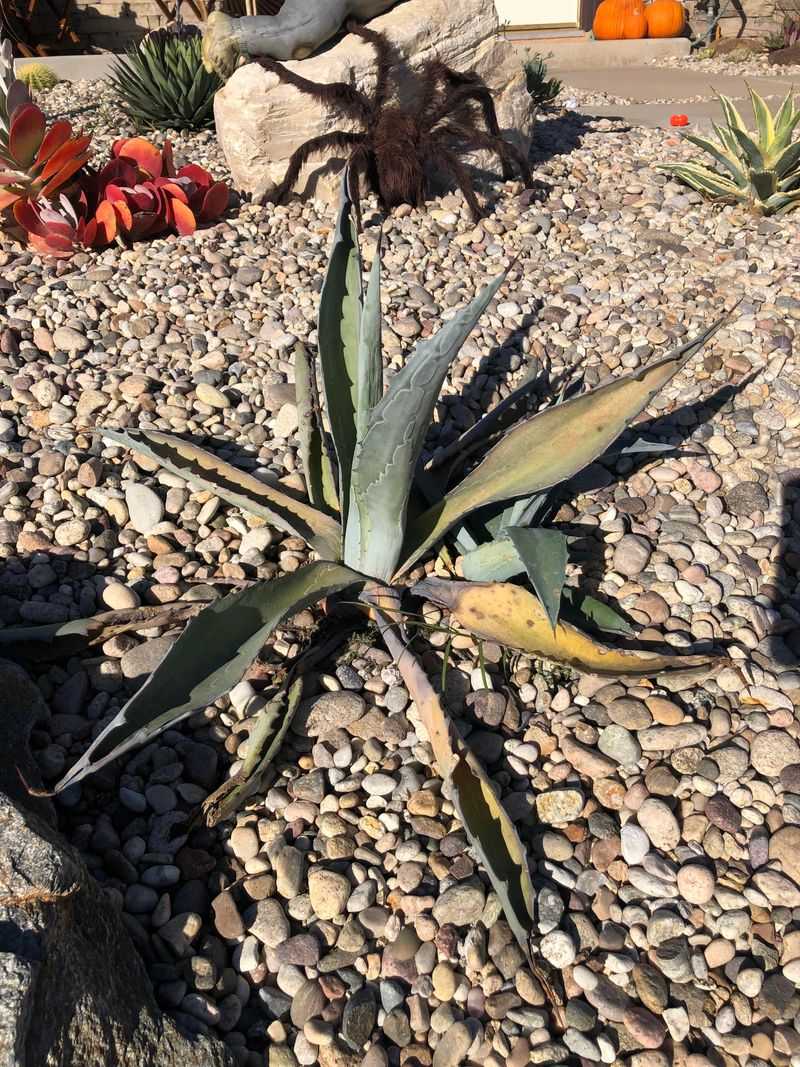
Newly planted agaves spend their first year or two developing root systems that remain concentrated in the top few inches of soil. Surface layers retain moisture longer during cool weather because they receive less warming from the winter sun compared to summer.
February conditions keep these shallow zones perpetually damp, creating constant stress on young root tissues.
Established agaves develop extensive root networks that reach deeper into well-draining layers where moisture disperses more quickly. Their mature roots access different soil zones, allowing them to avoid waterlogged surface areas.
Young plants lack this advantage and must endure whatever conditions exist in their limited root zone.
Root hairs on young agaves are particularly delicate and susceptible to damage from prolonged wetness. When these fine structures sit in saturated soil for extended periods, they begin to break down and provide entry points for pathogens.
Once infection starts, it spreads rapidly through the small root system.
Arizona soils vary considerably in texture and drainage capacity. Clay-heavy areas around Phoenix and Tucson retain water much longer than sandy or rocky soils.
Young agaves planted in these heavier soils face greater February rot risks because their shallow roots cannot escape the saturated zone.
The limited root volume of young plants means they have fewer reserves to draw upon when fighting infection. Mature agaves can sacrifice damaged roots and rely on healthy portions of their extensive systems.
Young specimens lack this buffer and may lose their entire root structure to rot before showing above-ground symptoms.
3. February Sun Warms The Surface But Soil Stays Cool Underneath
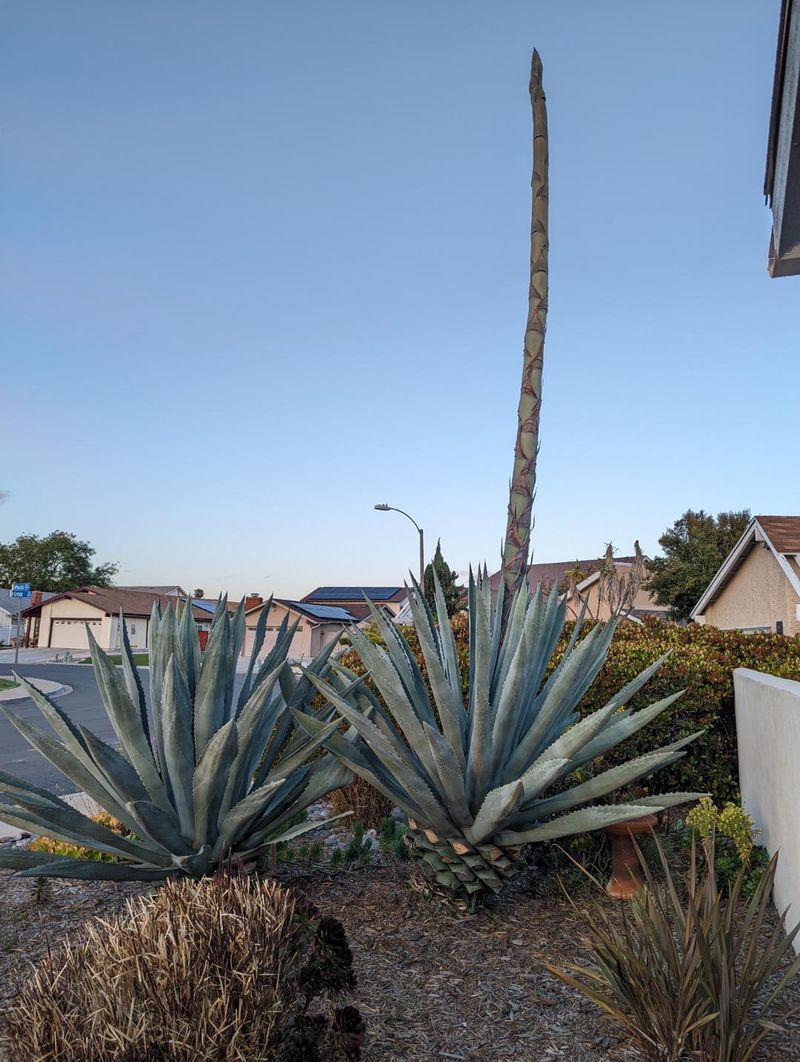
Bright Arizona sunshine during February days creates a deceptive warmth at the soil surface while temperatures just inches below remain surprisingly cold.
This temperature gradient confuses plant metabolism and creates conflicting signals for young agaves.
Their leaves warm up and attempt to photosynthesize actively, but their roots stay chilled and unable to support increased water demands.
Surface warming causes the top quarter-inch of soil to dry out, giving gardeners a false impression that moisture levels have dropped throughout the root zone.
Checking soil with a finger reveals dry conditions, yet just below this thin layer, the ground remains saturated and cold.
Many Arizona gardeners water based on surface conditions and unknowingly add moisture to already-wet deeper layers.
Young agave roots sitting in this cool, wet zone cannot function properly even as the plant’s above-ground portions experience warm conditions.
The mismatch between warm leaves and cold roots creates physiological stress that weakens the plant’s disease resistance. Pathogens exploit this vulnerability and establish infections more easily.
Temperature fluctuations between day and night in February Arizona can span 40 degrees or more.
Soil temperatures lag behind air temperatures, so while days may reach 70 degrees, the root zone might only climb to 50 degrees before nighttime cooling begins again.
This prevents soil from ever reaching temperatures where agave roots function optimally.
Mulch layers that protect plants during summer can trap cold and moisture during winter months. What works perfectly in June becomes problematic in February when insulation prevents soil warming and extends how long moisture persists around roots.
4. Cool Nights Slow Evaporation And Root Activity
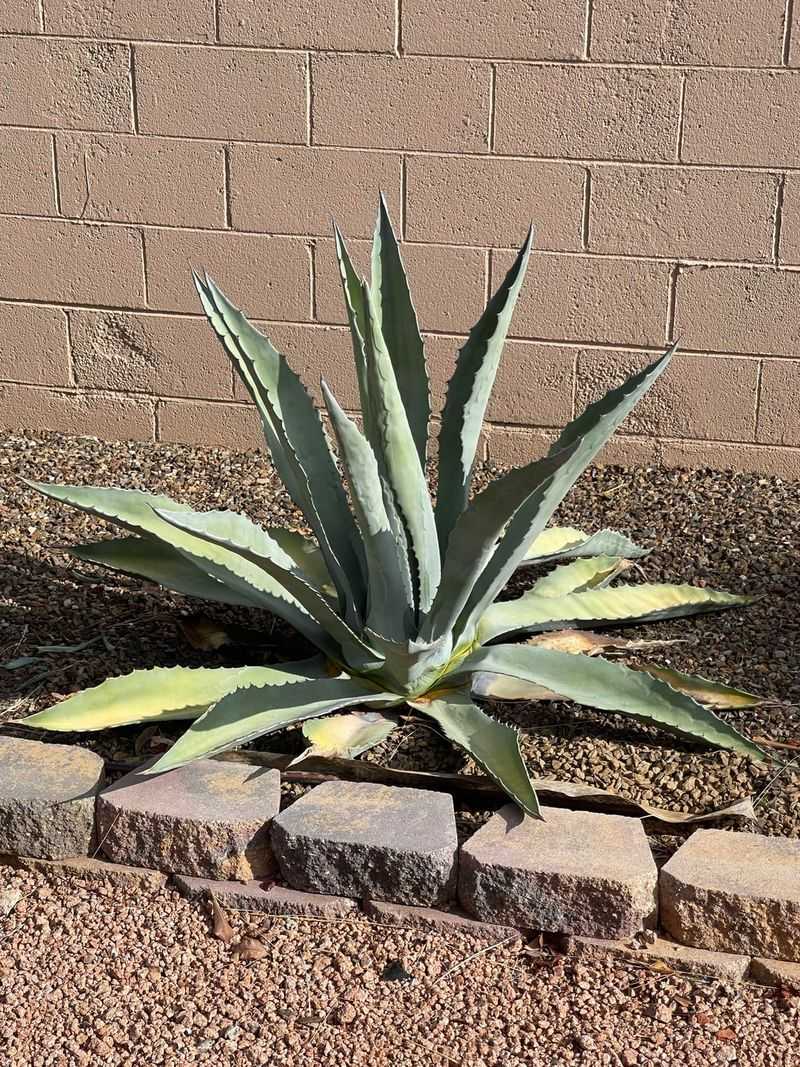
Nighttime temperatures throughout February in Arizona regularly drop into the 40s or even 30s, bringing evaporation to a near standstill. Water that might evaporate within hours during summer nights lingers for days during winter.
Young agaves sit in this stagnant moisture while their metabolic processes slow to a crawl, unable to process or transpire water effectively.
Root activity in agaves depends heavily on soil temperature. Below 55 degrees, most cellular processes slow dramatically, and water uptake becomes minimal.
Arizona February nights keep soil temperatures depressed for 12-14 hours at a stretch, meaning roots remain inactive for more than half of each day. During these inactive periods, moisture accumulates rather than being absorbed.
Condensation forms on agave leaves during cool nights, and some of this moisture drips down to the base of the plant where it adds to soil wetness.
This natural process causes no problems during warm months when evaporation quickly removes excess water.
In February, however, each night’s condensation contributes to the moisture load that cold soil cannot shed.
Young plants transpire very little during cool weather because their small leaf surface area and reduced metabolic activity limit water movement through their tissues.
Mature agaves with extensive foliage can transpire enough to help dry surrounding soil even in winter.
Young specimens lack this capacity and remain passive victims of their moist environment.
Extended cool periods during February in Arizona sometimes last for weeks when cloud cover or storm systems settle over the region.
These prolonged cool spells prevent soil from warming sufficiently to restart normal root function, creating conditions where rot can develop and spread unchecked.
5. Winter Rain Lingers Longer In Heavy Or Poorly Draining Soil
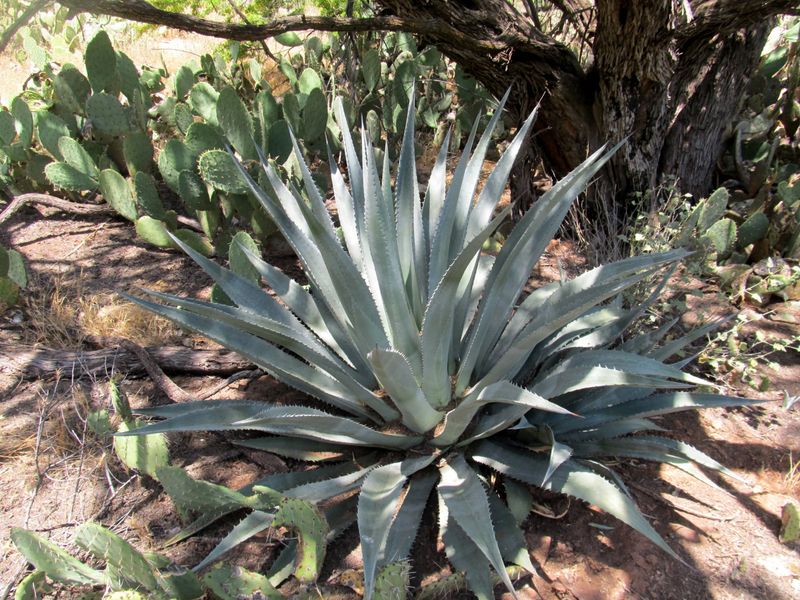
Soil composition determines how quickly water drains away from agave roots. Sandy, rocky soils typical of natural agave habitat shed water within hours, but many Arizona gardens contain clay-amended or compacted soils that hold moisture for extended periods.
Young agaves planted in these heavier soils face substantially higher rot risks during February when drainage becomes even slower.
Winter rains in Arizona tend to be gentle and prolonged rather than intense and brief like summer monsoons. These soaking rains penetrate deeply into soil and saturate the entire root zone.
Without the intense heat and dry winds that follow summer storms, this moisture persists and creates perfect conditions for root rot development.
Caliche layers common throughout Arizona create impermeable barriers that trap water above them. Young agaves planted without adequate soil preparation may have roots sitting directly above these hardpan layers.
During February rains, water accumulates in this trapped zone and cannot drain away, essentially creating a perched water table around the roots.
Basin irrigation systems that work well during summer months become problematic in winter. Water collects in basins and sits rather than draining quickly, keeping soil saturated for days after irrigation.
Young agaves in these basins experience prolonged root wetness that mature plants might tolerate but young ones cannot.
Gardeners sometimes improve soil drainage with amendments, but these improvements can settle or compact over time.
By February, soils that drained adequately when agaves were planted months earlier may have developed drainage problems.
Annual soil evaluation helps identify these changes before they cause rot problems.
6. Overwatering Is More Dangerous In Cool Weather Than In Extreme Heat
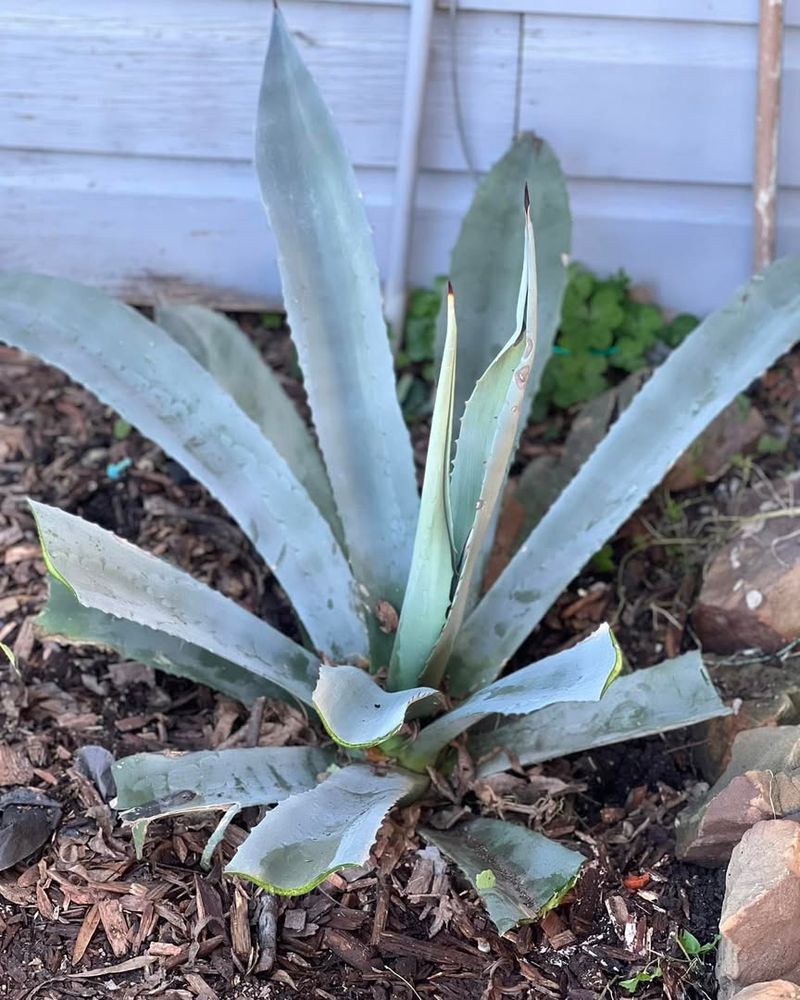
Summer heat in Arizona evaporates water so rapidly that even generous irrigation rarely causes rot problems.
Excess water simply disappears into the atmosphere within hours, and high soil temperatures keep roots active and able to process available moisture.
February presents the opposite scenario where even modest watering can create dangerous conditions for young agaves.
Automatic irrigation systems programmed for summer needs often continue running through winter unless manually adjusted.
A watering schedule that provides appropriate moisture in July delivers far too much in February.
Young agaves receiving this excess water develop root rot because their cold, inactive roots cannot utilize what they receive. Visual cues that indicate water needs during summer become unreliable in winter.
Agaves naturally slow their growth and may appear slightly deflated or dull during cool months, leading concerned gardeners to water when plants actually need no supplemental moisture.
This well-intentioned care causes more harm than neglect would.
Container-grown agaves face particular risks because potting soil retains moisture longer than ground soil during cool weather.
Young agaves in pots need almost zero supplemental water during Arizona Februaries, yet many receive regular watering.
The confined root environment of containers amplifies rot risks when moisture persists.
Professional landscaping services sometimes maintain standard watering schedules year-round without adjusting for seasonal needs.
Young agaves in commercially maintained Arizona landscapes often receive far too much February water, leading to widespread rot problems that could be easily prevented with seasonal schedule adjustments.
Homeowners should verify that landscape services reduce winter watering appropriately.
7. Mature Agaves Resist Rot Better Because Their Roots Are Established
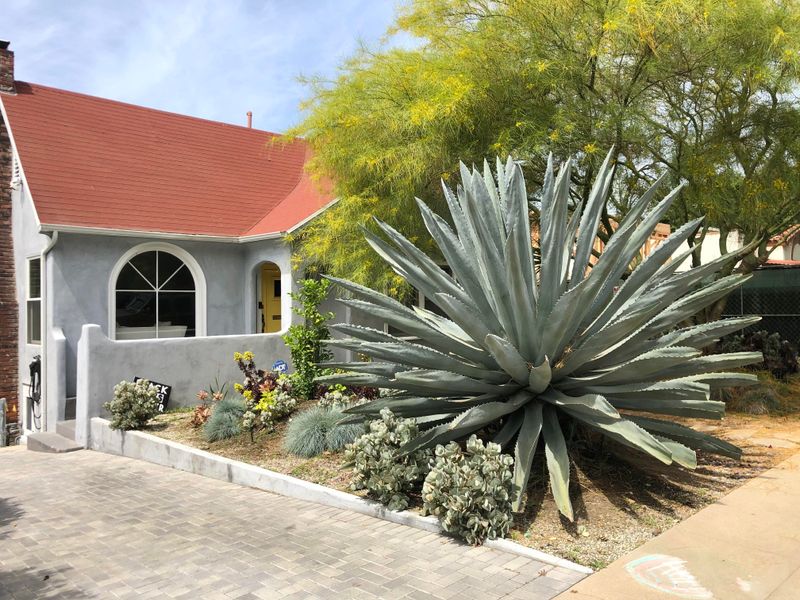
Established agaves develop remarkable resilience to rot because their extensive root systems spread across multiple soil zones and depths. When surface areas become waterlogged, deeper roots in drier layers continue functioning normally.
This redundancy allows mature plants to tolerate February conditions that would overwhelm young specimens with limited root development.
Root mass in mature agaves contains sufficient reserves to replace damaged portions without compromising the entire plant. If rot affects some roots, healthy sections continue supporting the plant while new roots regenerate.
Young agaves lack these reserves and may lose their complete root system before they can recover.
Older plants have developed thicker, more resistant root tissues that pathogens penetrate less easily.
Years of exposure to soil microorganisms have also allowed beneficial bacteria and fungi to colonize mature root surfaces, providing natural protection against harmful pathogens.
Young agaves have not yet established these protective relationships.
Mature agaves in Arizona have survived multiple February seasons and proven their ability to handle local winter conditions. Their genetic makeup and growth patterns suit the specific challenges of the region.
Young plants, especially those recently purchased from nurseries in different climates, may lack this adaptation and struggle with Arizona’s unique winter moisture patterns.
The crown structure of mature agaves sits higher above the soil surface, allowing better air circulation and faster drying after rain or irrigation.
Young plants often have their crowns closer to ground level where moisture accumulates and persists.
This physical difference contributes significantly to the lower rot rates observed in established specimens throughout Arizona gardens during February.