Why Your Arizona Bermuda Grass Stays Patchy In Spring
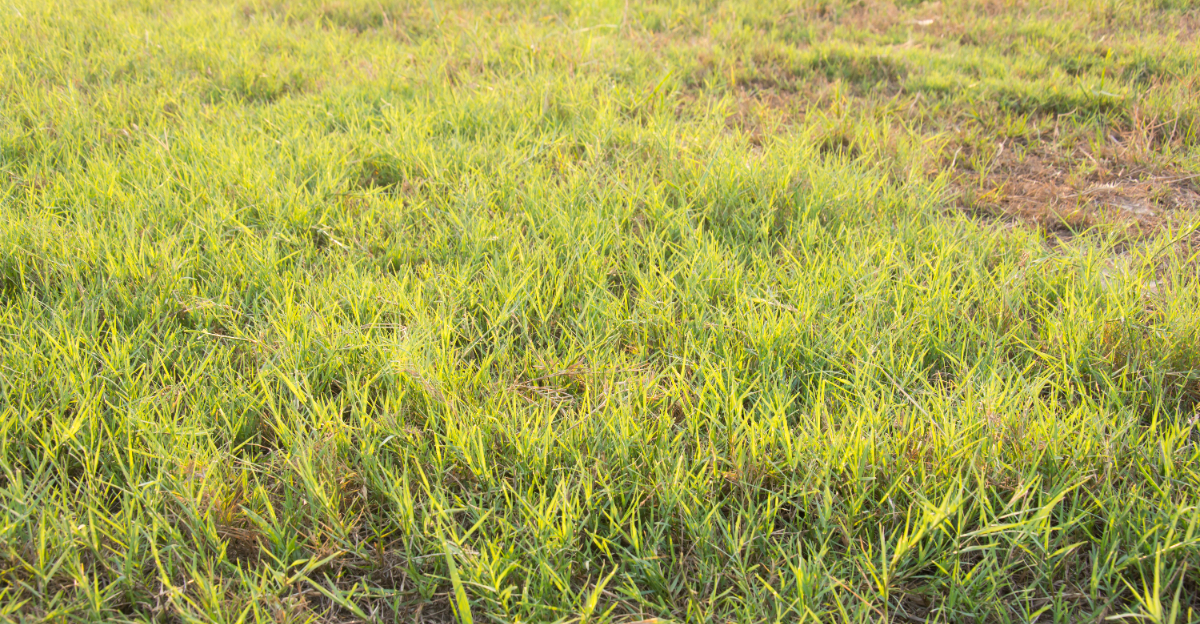
Arizona lawns rarely stay even in spring, and Bermuda grass has a way of showing that difference fast. One section starts to turn green and fill in, while another holds back with thin spots that refuse to catch up.
That uneven look stands out more each day, especially when care stays consistent across the yard.
Warm days begin to push growth, yet not every part of the lawn responds at the same pace. Soil warmth, sunlight exposure, and how each area handled winter all start to show through.
Some patches move forward with strong color and density, while others stay behind without any clear signal at first.
Many homeowners hit this stage and assume more water or extra care will fix it. That quick reaction often misses what is actually shaping those patchy spots right now.
Early spring sets the tone for how Bermuda grass fills in, and small differences during this period tend to carry forward into the hotter months.
1. Soil Temperatures Are Not Warm Enough For Full Growth Yet
Bermuda grass runs on soil temperature, not air temperature, and that difference matters more than most Arizona homeowners realize.
You can have a string of 80-degree days in March, step outside feeling like summer arrived early, and still find your lawn looking half-asleep.
That is because the soil underneath is often still sitting in the low 60s or even the high 50s, and Bermuda grass roots simply do not respond until that number climbs closer to 65 degrees Fahrenheit.
Soil warms up slower than the air above it, especially after a cooler winter. Shaded areas of your yard, spots near walls that block afternoon sun, and low areas where cold air settles at night can all lag behind by several degrees.
Those are usually the exact spots where patchiness sticks around the longest in spring.
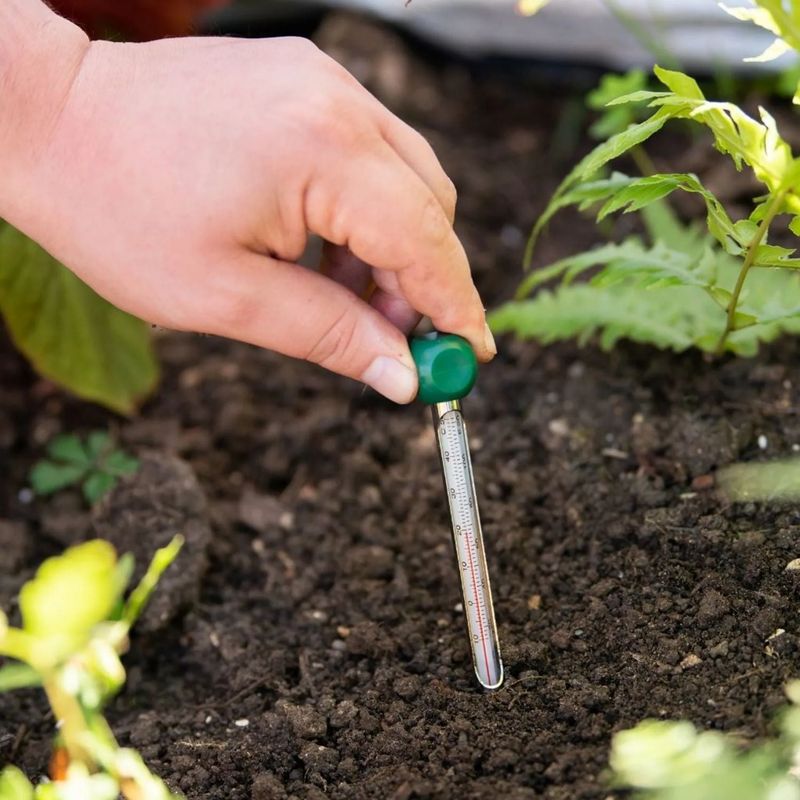
A basic soil thermometer, available at most garden centers in the Phoenix or Tucson area, takes the guesswork out of this completely. Push it a few inches into the ground in the morning before the sun heats the surface.
If you are reading below 65 degrees, the grass is not being stubborn, it is just waiting on the right signal. Trying to push growth before the soil is ready, whether through heavy watering or fertilizing, tends to cause more problems than it solves.
2. Dormant Grass From Winter Still Blocks New Green-Up
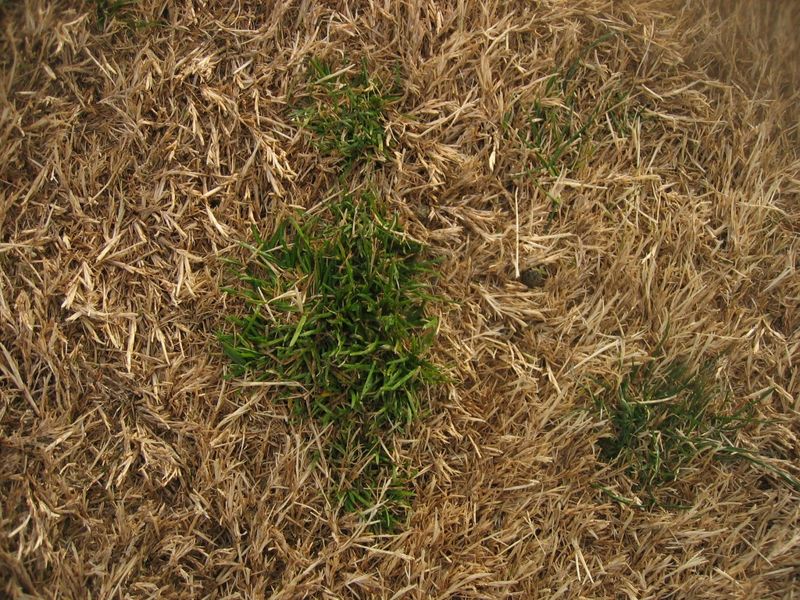
Brown and tan blades sitting on top of your lawn are not just ugly, they are actually slowing your spring green-up down.
Dormant Bermuda grass leaves from winter form a dense mat that blocks sunlight from reaching the soil and the new growth trying to push through underneath.
In Arizona, where spring green up can start as early as late February in the lower desert, clearing that leftover material off the surface can make a noticeable difference in how quickly your lawn fills back in.
Dethatching is the word for removing that layer, and it does not need to be complicated. A simple thatching rake pulled across the lawn can lift a surprising amount of loose, leftover material from the surface.
Your Arizona Garden Changes Every Week. Your Plan Should Too.
Gardening in Arizona changes quickly throughout the season. Every Friday you’ll receive a simple weekly plan showing exactly what to plant, prune, fertilize, harvest, and protect so you never miss the right timing.
For larger yards, a dethatching attachment for a mower or a rented power dethatcher gets the job done faster. The goal is not to strip the lawn bare, just to open things up so sunlight and air can get through to where growth is trying to happen.
If you overseeded with ryegrass last fall, which is common in the Valley, you have an extra layer to deal with. As ryegrass starts fading in late spring heat, that dying material mixes with dormant Bermuda and creates a thick, matted mess.
3. Compacted Soil Slows Early Spring Spread
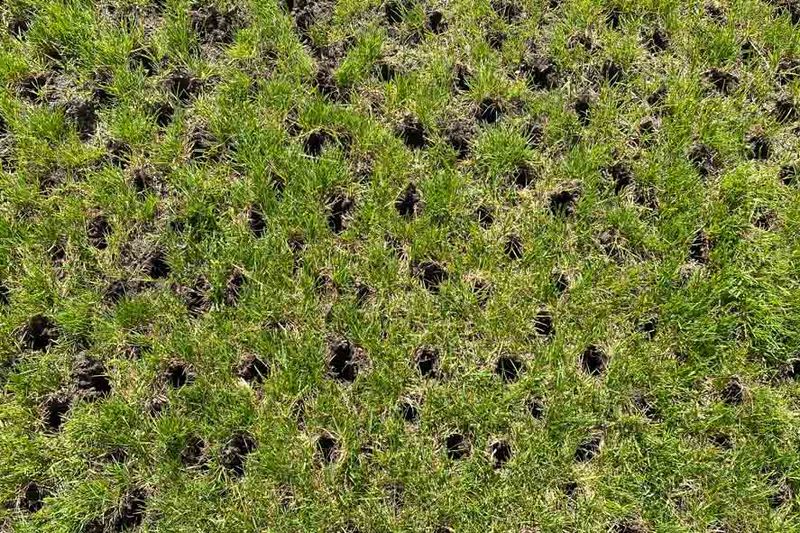
Foot traffic, heavy clay content, and years of dry heat pack Arizona soil down tighter than most people expect. Compacted ground is one of the sneakiest reasons Bermuda grass struggles to spread in spring, because the problem is invisible until you actually dig into it.
When soil particles get squeezed together, water runs off instead of soaking in, roots cannot push deeper, and the lateral runners Bermuda uses to fill bare spots just stall out.
A simple screwdriver test tells you a lot. Push a standard screwdriver into your lawn with light hand pressure.
If it stops within an inch or two, your soil is probably compacted enough to slow growth. In the Phoenix metro and surrounding areas, this is extremely common in yards with heavy foot traffic or clay-heavy native soil that has never been aerated.
Core aeration pulls small plugs of soil out of the ground and creates channels for water, air, and roots to move through.
Doing this in early spring, right as soil temperatures start climbing, gives Bermuda grass a real opening to spread into those channels before summer heat arrives.
Rental aerators are available at most equipment rental shops across the Valley, and the process on an average yard takes only a couple of hours.
4. Mow Slightly Lower To Help Sunlight Reach New Growth
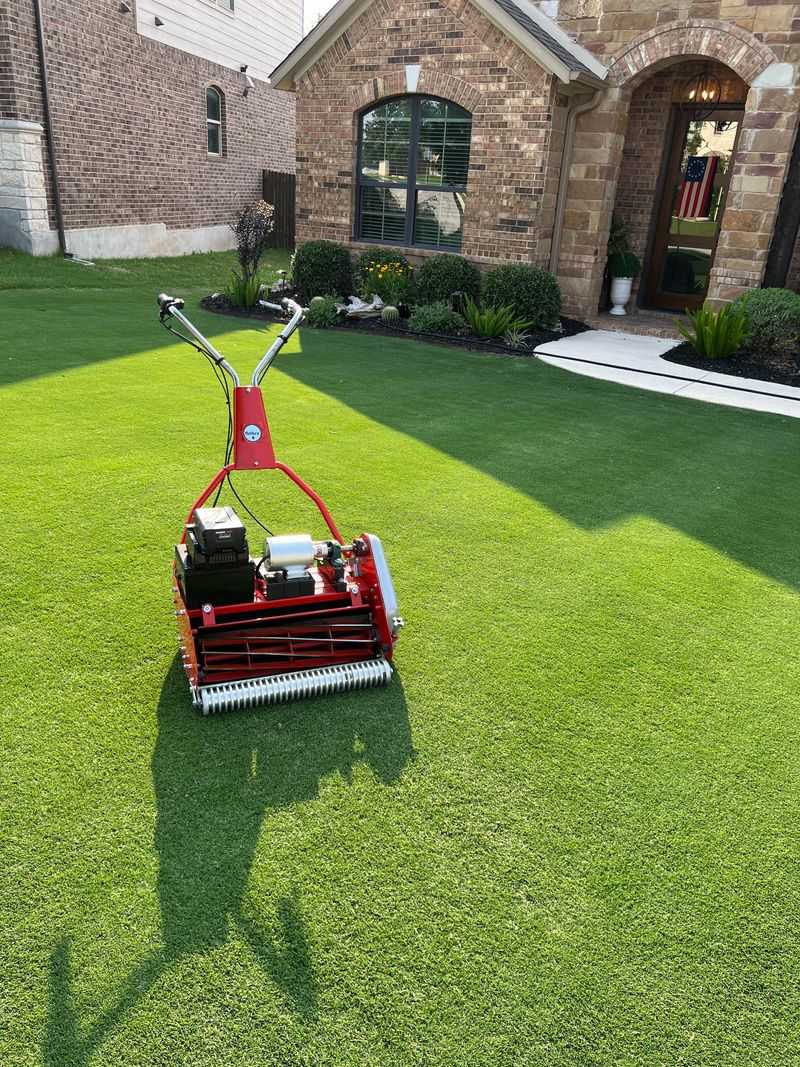
Cutting your lawn a little shorter than usual in early spring is one of those simple adjustments that actually pays off. Bermuda grass spreads through above-ground runners called stolons, and those runners need direct sunlight to activate and push forward.
When old blades are left long and thick from winter, they shade the soil surface and slow the whole green-up process down significantly.
Dropping your mower deck by about half an inch lower than your normal summer setting in early spring removes that layer of dull, brownish turf and opens the canopy up.
In Arizona, where spring sunshine is already intense, this small change can help the soil warm faster and give new shoots the light they need to take off.
Aim for a cutting height somewhere between three-quarters of an inch and one and a half inches for most home lawns.
One thing worth remembering is the one-third rule. Never remove more than one-third of the blade height in a single mowing session, even when trying to cut lower.
Taking off too much at once stresses the grass and can set back recovery rather than speed it up. If your lawn grew long over winter, step the height down gradually over two or three mowings.
Also, make sure your mower blade is sharp before spring cutting begins. A dull blade tears grass rather than cutting it cleanly, which leaves ragged edges that turn brown and make a recovering lawn look worse than it actually is.
5. Water Deeply But Infrequently As Growth Begins
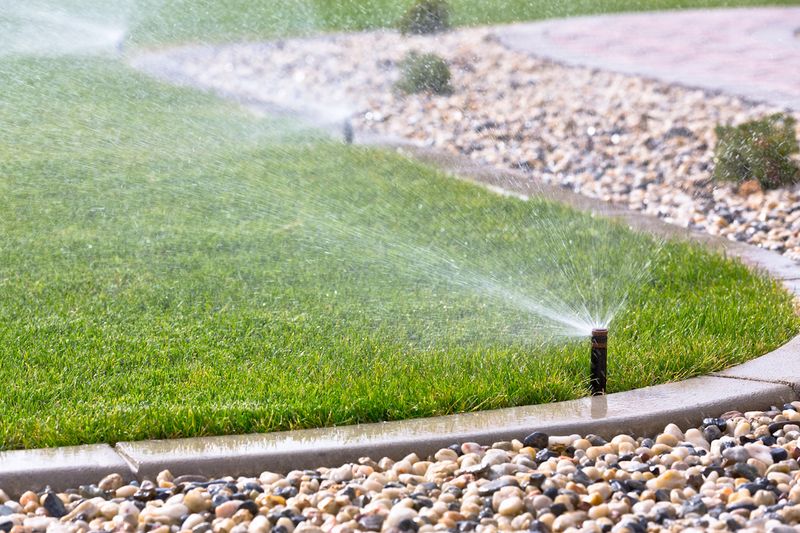
Watering habits that worked fine in summer do not automatically translate to spring, and getting this wrong is one of the more common reasons Arizona Bermuda lawns stay thin and patchy longer than they should.
Early spring is a transition period where the grass is waking up but not yet pulling water at the same rate it does in July heat.
Running your irrigation system on a summer schedule in March often leads to soggy soil, shallow roots, and conditions that encourage fungal problems rather than healthy growth.
Deep, infrequent watering pushes roots downward and encourages Bermuda to anchor itself before the intense heat of summer arrives.
Watering two to three times per week in early spring, allowing the soil to partially dry between sessions, tends to produce better root development than daily light watering.
Each session should wet the soil to a depth of about six inches, which you can check by pushing a screwdriver or thin rod into the ground after watering to feel where moisture stops.
Across the Phoenix and Tucson areas, spring mornings are still relatively mild, so evaporation is lower than it will be by May or June.
Scheduling irrigation in the early morning, around five or six a.m., keeps moisture in the soil longer and reduces the chance of fungal issues that come from wet grass sitting overnight.
Adjust your controller settings gradually as temperatures rise rather than making big jumps.
6. Wait To Fertilize Until Grass Is Mostly Green
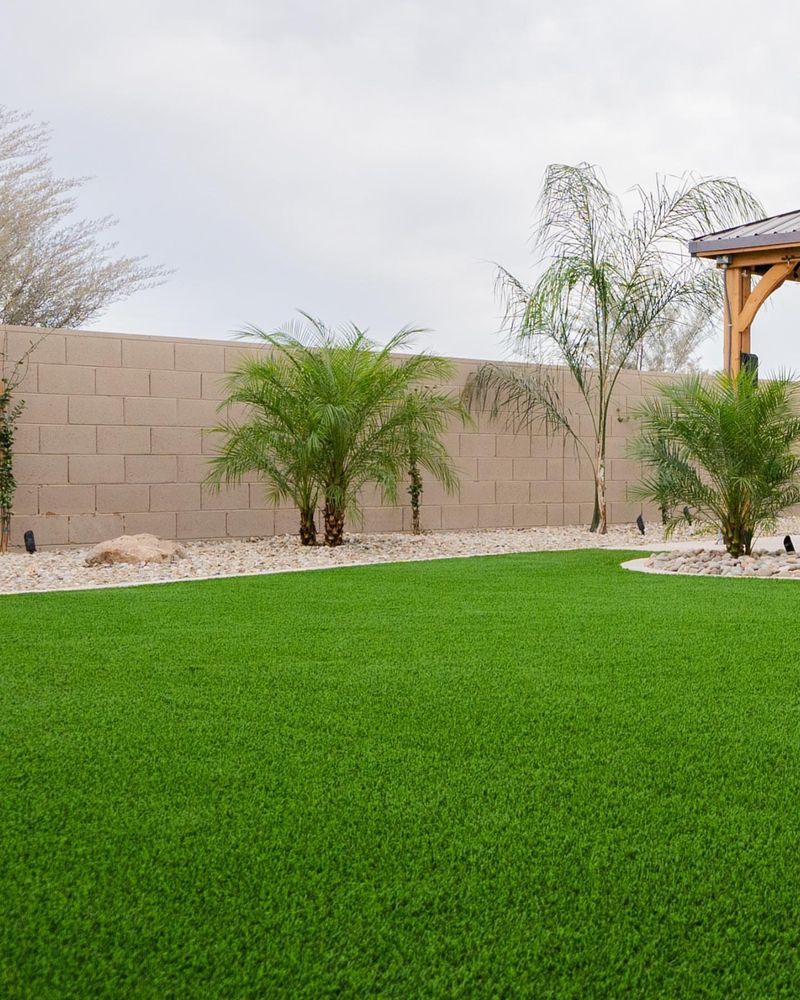
Fertilizing too early is a mistake a lot of Arizona homeowners make with the best intentions. Seeing a patchy lawn in February or March makes you want to do something, and reaching for a bag of fertilizer feels productive.
But pushing nutrients into soil before Bermuda grass is actively growing does not speed things up. It can actually stress the root system and create uneven growth spurts that make patchiness worse rather than better.
Bermuda grass needs to be mostly green, meaning at least sixty to seventy percent of the lawn has visibly greened up, before fertilizer actually gets used the way it is supposed to. Before that point, the grass roots are not actively absorbing nutrients at a meaningful rate.
Nitrogen sitting in soil that is not being taken up can leach away with watering or, in some cases, encourage weed growth instead of turf recovery.
In most parts of the Phoenix metro and lower Arizona desert, that threshold usually arrives sometime between late March and mid-April depending on how the winter went. Higher elevation areas like Prescott or Flagstaff will run later.
A slow-release nitrogen fertilizer applied once the lawn is mostly green tends to produce steady, even results without the surge-and-crash pattern that quick-release products sometimes cause.
7. Aerate And Patch Bare Spots Once Soil Warms Further
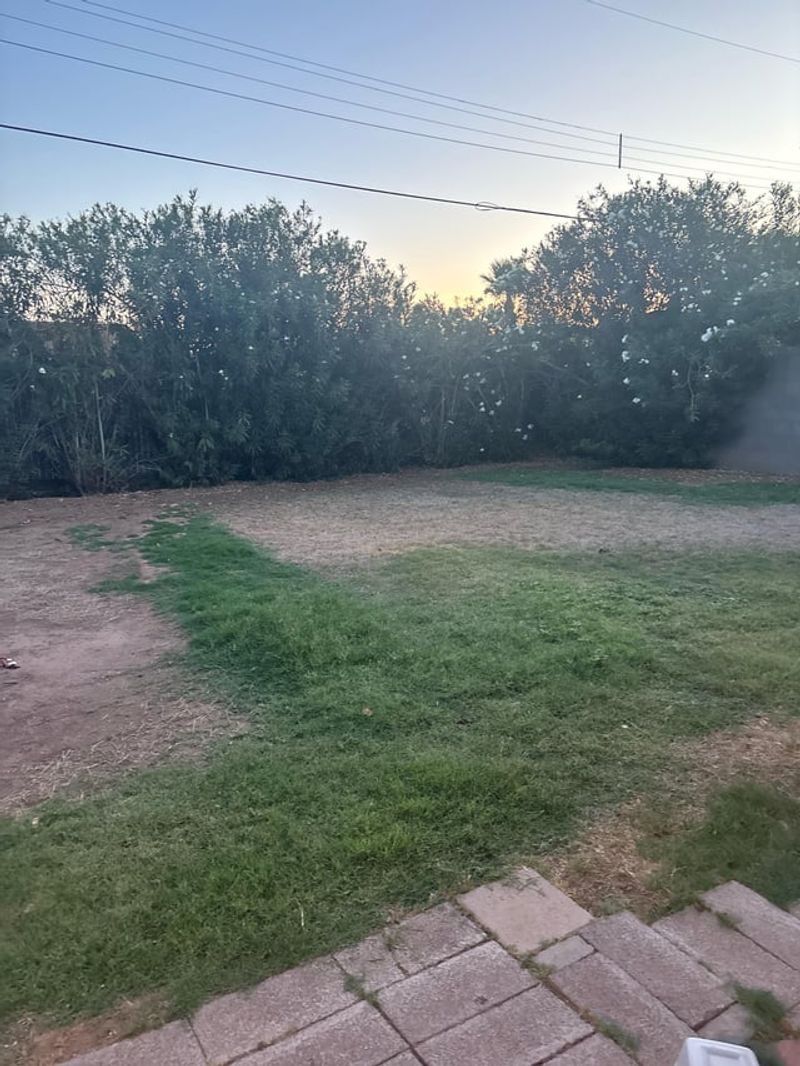
Bare spots that survive all the way into late spring usually need more than just water and time. By the point when soil temperatures are consistently above 70 degrees Fahrenheit, which in the Phoenix area often means April or early May, actively patching those stubborn areas makes sense.
Waiting until this window rather than trying to patch in February or March gives any new grass material a much better environment to establish in.
Aerating right before patching is a combination that works well together. Aeration loosens the surface and creates small pockets where seed or plugs can make good contact with soil rather than sitting on top of a hard, sealed surface.
Bermuda grass plugs pulled from a healthy part of the lawn and pressed into bare spots tend to spread faster than seed in Arizona heat, though seeding works too if you choose a variety suited to your area and keep the surface consistently moist until germination.
Keeping patched areas slightly more moist than the rest of the lawn for the first three to four weeks helps new growth establish without drying out before roots can anchor.
A light layer of topdressing soil or compost over seeded areas holds moisture and improves germination rates in Arizona dry air.
Foot traffic over freshly patched spots should be limited as much as possible during this window.