Why Your Boxwood Looks Brown In Pennsylvania Winter
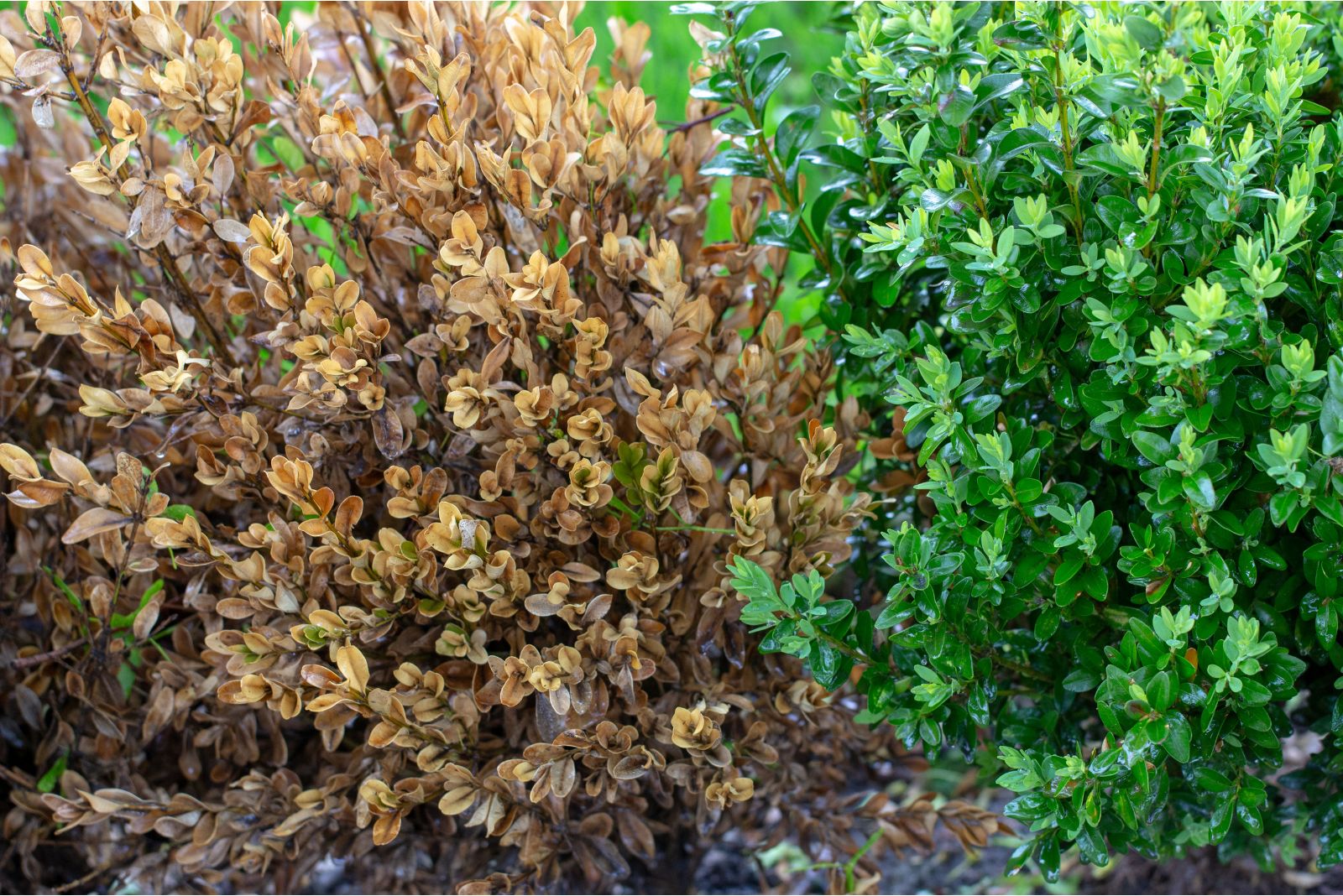
Ever walk outside in mid-winter and wonder why your once-green boxwood has suddenly turned a dull brown? It’s a common sight in Pennsylvania, and it tends to worry homeowners who aren’t sure whether their shrubs are fading or just stressed.
Cold winds, sudden temperature drops, and strong winter sun can all pull moisture from the leaves faster than the roots can replace it. The result is that familiar bronze or brown tint that shows up after harsh weather.
Salt from sidewalks and roads can add to the problem, and heavy snow may even bend or break branches, making the shrub look worse than it truly is. The good news is that browning doesn’t always mean your boxwood is doomed.
Understanding why it happens makes it easier to tell the difference between temporary winter bronzing and real damage. With the right care, many shrubs bounce back beautifully once spring arrives.
1. Winter Burn From Harsh Winds
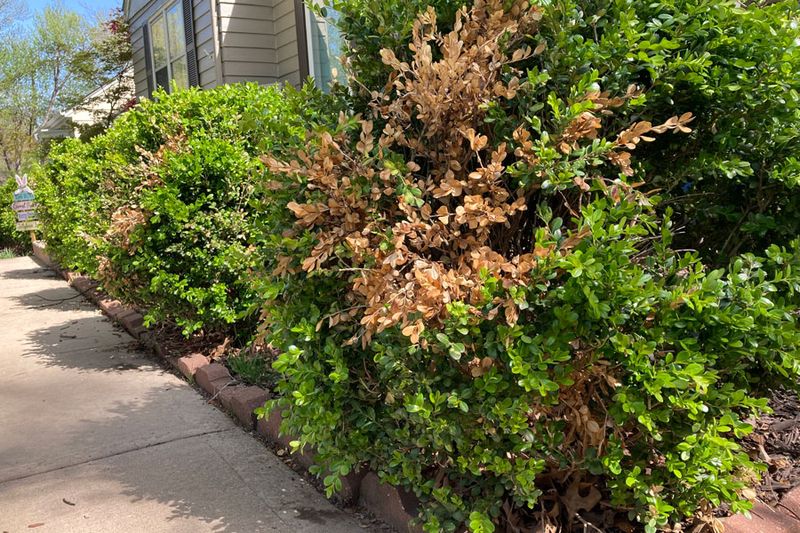
Cold winter winds whip across Pennsylvania landscapes and steal moisture right from boxwood leaves.
When temperatures drop below freezing, the ground freezes solid and roots cannot pull up water to replace what the wind takes away. Your boxwoods basically get dehydrated, and the leaves turn brown as a result.
The northwest side of your shrubs usually shows the worst damage because that is where the strongest winter winds hit. Boxwoods planted in open areas without protection suffer more than those sheltered by buildings or fences.
Pennsylvania winters bring plenty of windy days, especially in January and February when the cold really sets in.
Evergreen leaves continue losing moisture all winter long, even when plants are not actively growing. This process speeds up dramatically on windy days.
The brown color you see is actually dried-out leaf tissue that could not get enough water to stay healthy and green.
You can help prevent wind burn by wrapping your boxwoods with burlap before winter arrives.
This creates a barrier that blocks harsh winds while still letting air circulate around the plant. Another option is planting boxwoods near walls or fences that naturally block wind.
Watering your boxwoods deeply in late fall before the ground freezes also helps. Well-hydrated plants handle winter stress much better than thirsty ones.
Apply a thick layer of mulch around the base too, which helps soil retain moisture longer and protects roots from temperature swings that are common throughout Pennsylvania winters.
2. Temperature Fluctuations Cause Stress
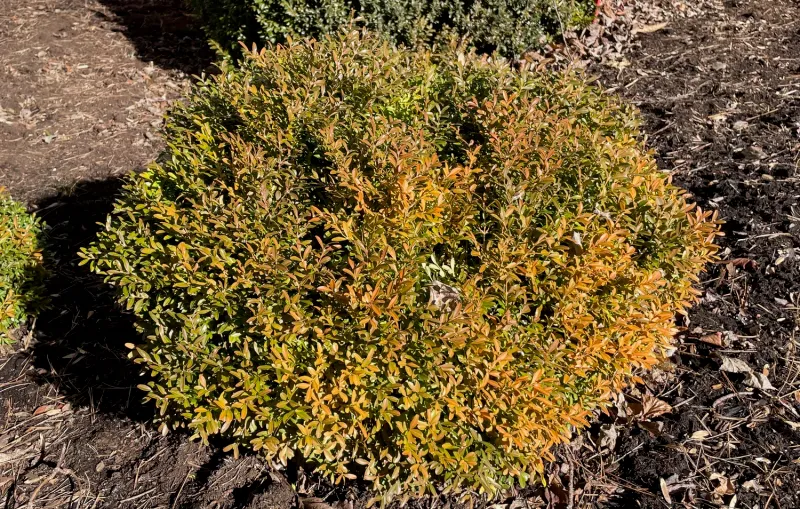
Pennsylvania weather acts like a rollercoaster during winter months. One day might be sunny and reach 50 degrees, then the next day drops to 15 degrees overnight.
These wild temperature swings confuse boxwood plants and cause serious stress that shows up as brown leaves.
Warm spells trick boxwoods into thinking spring has arrived early. The plants start moving water and nutrients through their systems again.
Then when temperatures suddenly plunge, that moving sap freezes inside the plant tissues and causes damage.
Boxwood leaves contain cells filled with water, and when that water freezes and expands, it breaks cell walls. Once cells are damaged, those areas turn brown and cannot recover.
The damage often appears as brown patches or spots scattered across the foliage rather than affecting entire branches.
South-facing boxwoods experience the most temperature stress because they warm up quickly in winter sunshine. The rapid warming followed by nighttime freezing creates the perfect conditions for cellular damage.
This explains why boxwoods on the sunny side of your Pennsylvania home might look worse than those in shadier spots.
Protecting your plants from these temperature swings takes some planning. Anti-desiccant sprays applied in late fall create a protective coating on leaves that reduces moisture loss and provides some insulation.
Choosing cold-hardy boxwood varieties bred for Pennsylvania climates also makes a big difference.
Mulching around your boxwoods helps moderate soil temperature changes. A three-inch layer of shredded bark or wood chips keeps soil temperatures more stable, which helps roots function better even when air temperatures bounce around wildly.
3. Salt Damage From Roads And Sidewalks
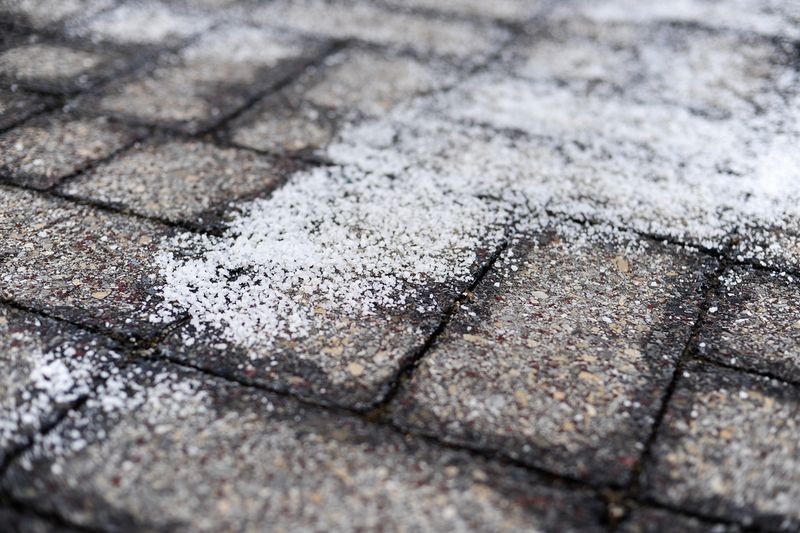
Road salt and sidewalk de-icers are everywhere in Pennsylvania during winter. Snowplows spray salt onto roads, and homeowners spread it on walkways and driveways to prevent slipping. Unfortunately, this salt causes major problems for nearby boxwoods.
Salt spray from passing cars can hit boxwood foliage directly, causing leaves to turn brown within days. The salt pulls moisture from plant tissues and essentially burns the leaves.
Lower branches closest to roads or sidewalks typically show the worst browning because they get hit with the most salt.
Salt also washes into the soil around your boxwoods. When snow melts, it carries dissolved salt right to plant roots.
High salt levels in soil prevent roots from absorbing water properly, leading to drought-like symptoms even when soil contains plenty of moisture.
Boxwoods planted within 10 feet of treated roads or walkways face the highest risk of salt damage. Pennsylvania municipalities use tons of salt each winter to keep roads safe, but this necessary practice creates challenges for nearby landscaping.
Urban and suburban boxwoods suffer more than those in rural areas with less road treatment.
You can reduce salt damage by rinsing boxwood foliage with plain water on warmer winter days when temperatures rise above freezing. This washes away salt before it causes serious harm.
Creating physical barriers like burlap screens between roads and boxwoods also helps block salt spray.
Consider using calcium chloride or other plant-friendly de-icers on your own property instead of rock salt. These alternatives are less harmful to boxwoods and other landscape plants while still melting ice effectively on Pennsylvania driveways and walkways.
4. Snow And Ice Weight Breaks Branches
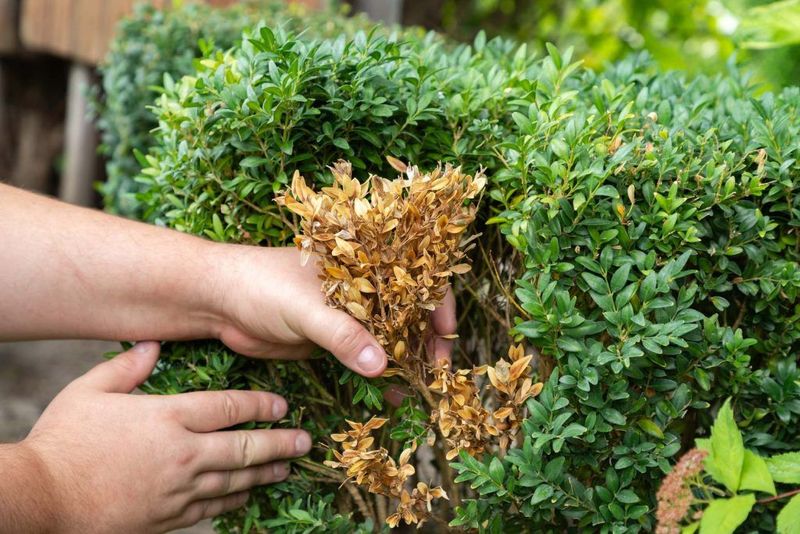
Heavy snow and ice pile up on boxwood branches during Pennsylvania winters. A single winter storm can dump several inches of wet, heavy snow that weighs down branches and causes them to bend or snap. Once branches break, the damaged areas turn brown.
Ice storms create even worse problems than snow alone. Freezing rain coats every branch and leaf with a thick layer of ice that adds tremendous weight.
Boxwood branches are not very flexible, so they crack under pressure rather than bending gracefully like some other shrubs.
Broken branches cannot transport water and nutrients properly, so everything beyond the break point turns brown. Sometimes the damage is obvious with clearly snapped branches, but other times the injury is internal.
Tiny cracks in branch tissue disrupt the flow of water without completely breaking the branch in half.
Older boxwoods with dense, overgrown centers are especially vulnerable to snow and ice damage. Snow gets trapped inside the shrub and cannot slide off easily. The weight accumulates and pushes outward on branches until something gives way.
Gently brushing snow off your boxwoods after storms helps prevent this type of damage. Use a broom to carefully sweep upward from underneath, allowing snow to fall away naturally.
Never shake branches vigorously or try to knock off ice, as this often causes more harm than the ice itself.
Proper pruning before winter helps too. Thinning out dense growth allows snow and ice to fall through the shrub more easily instead of accumulating on top.
Well-pruned boxwoods maintain better shape under winter weather conditions common throughout Pennsylvania.
5. Lack Of Water Before Ground Freezes
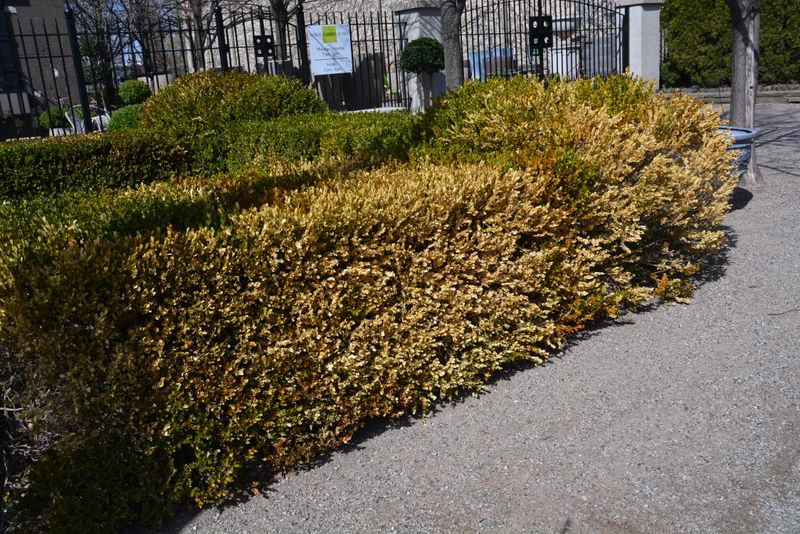
Many Pennsylvania gardeners stop watering their plants once fall arrives and cooler weather sets in. This is actually a mistake that leads to brown boxwoods all winter long. Boxwoods need plenty of water stored in their tissues before the ground freezes solid.
Evergreen plants like boxwoods continue losing moisture through their leaves all winter. Unlike deciduous plants that drop their leaves and go dormant, boxwoods keep their foliage and keep breathing.
They need water reserves to replace what they lose to cold, dry winter air. When plants enter winter without adequate moisture, their leaves turn brown from dehydration. The roots sit in frozen soil and cannot absorb water for months.
Any moisture the plant had stored gets used up, and the leaves start to dry out and discolor.
Pennsylvania typically experiences its first hard freeze sometime in November, though timing varies across the state.
You should water your boxwoods deeply throughout October and early November, right up until the ground freezes. This gives plants the best chance of staying hydrated through winter.
A deep watering means letting water soak down 12 inches into the soil, not just wetting the surface. Run a hose at the base of each boxwood for 30 minutes or longer, depending on your soil type.
Sandy soils drain quickly and need more frequent watering than clay soils. Check soil moisture by sticking your finger down a few inches. If it feels dry, your boxwoods need water.
Even on chilly fall days when watering feels unnecessary, remember that winter browning prevention starts with proper fall hydration throughout Pennsylvania gardens.
6. Wrong Boxwood Variety For Pennsylvania Climate
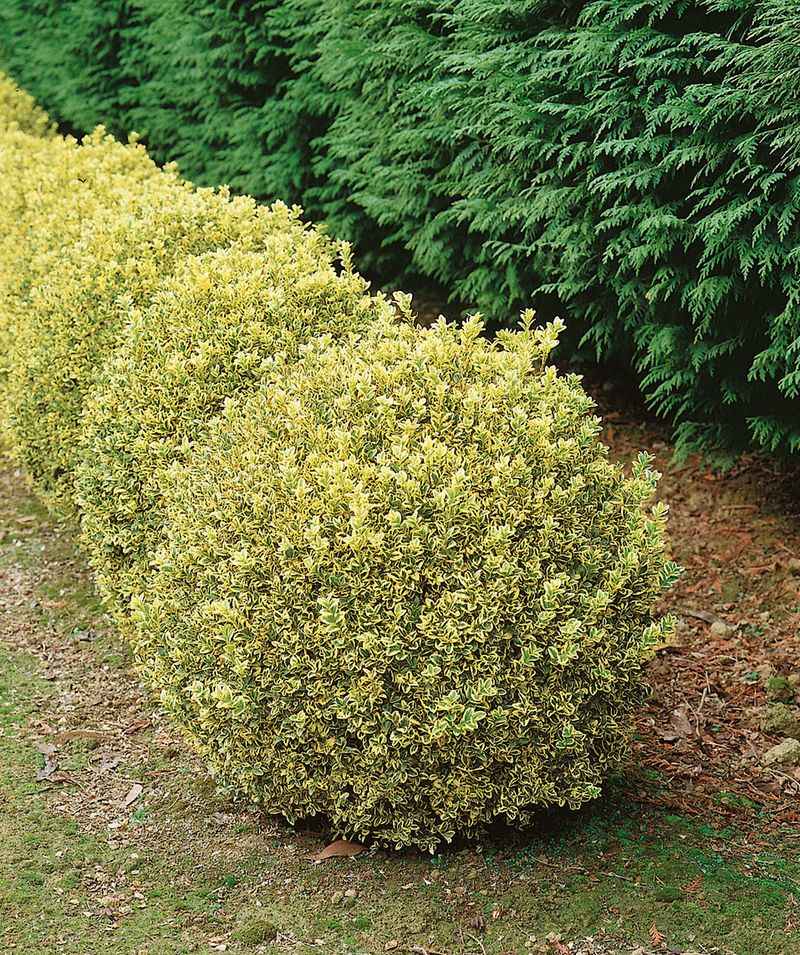
Not all boxwood varieties handle Pennsylvania winters equally well. Some types are bred for warmer climates and simply cannot tolerate the cold temperatures and harsh conditions found across the state.
Planting the wrong variety practically guarantees brown foliage every winter.
English boxwoods are beautiful plants but struggle in Pennsylvania winters. They are better suited to milder climates and often show significant browning when temperatures drop into the teens or lower.
Many Pennsylvania winters include stretches of single-digit temperatures that are too much for these tender varieties.
American boxwoods and Korean boxwoods are much tougher choices for Pennsylvania landscapes. These varieties evolved in climates with cold winters and can handle temperatures well below zero without turning brown.
They cost about the same as English boxwoods but perform far better in Pennsylvania conditions.
If you planted boxwoods years ago without paying attention to variety, you might be stuck with types that are not suited to your area. Garden centers sometimes sell whatever boxwoods they can get, not necessarily the best ones for local conditions.
This creates ongoing problems for homeowners who expected evergreen shrubs but get brown ones instead. Checking plant tags before buying new boxwoods helps you choose appropriate varieties.
Look for cold hardiness ratings that match Pennsylvania, which falls into USDA zones 5 through 7 depending on location. Plants rated for zone 5 or lower will handle winters throughout the state.
Replacing poorly suited boxwoods with better varieties might seem drastic, but it solves the browning problem permanently.
You can also try moving struggling boxwoods to more protected spots near buildings where they get some shelter from the worst winter weather Pennsylvania delivers.