Why Your Christmas Cactus Blooms Too Early (Or Too Late)
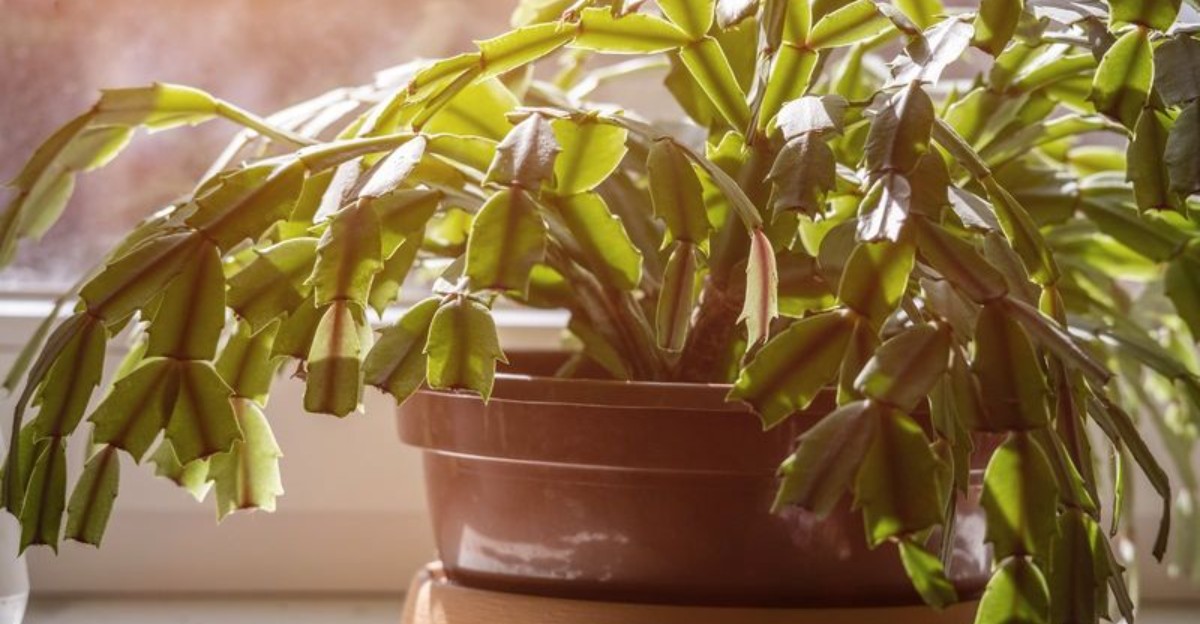
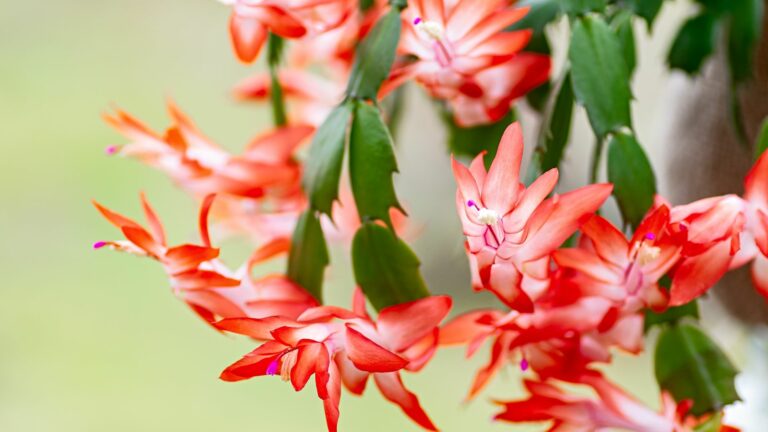
Every fall, a certain houseplant on my windowsill decides it knows the holiday calendar better than I do. One year it burst into pink flowers before Halloween, right beside the pumpkins and candy corn.
The next year it sat there green and stubborn, holding its buds like secrets until mid-January arrived. My family started joking that the plant had its own calendar, written in a language nobody could read.
Plants do not actually read calendars, of course, but they do pay close attention to subtle clues. They notice how long the nights stretch, how cool the air feels, and how much light reaches them.
Change one of those clues by accident, and the whole flower show slides earlier or later than planned. A lamp left on, a warm heater vent, or a sunny window can quietly rewrite the schedule.
Light Hours Set The Bloom Clock
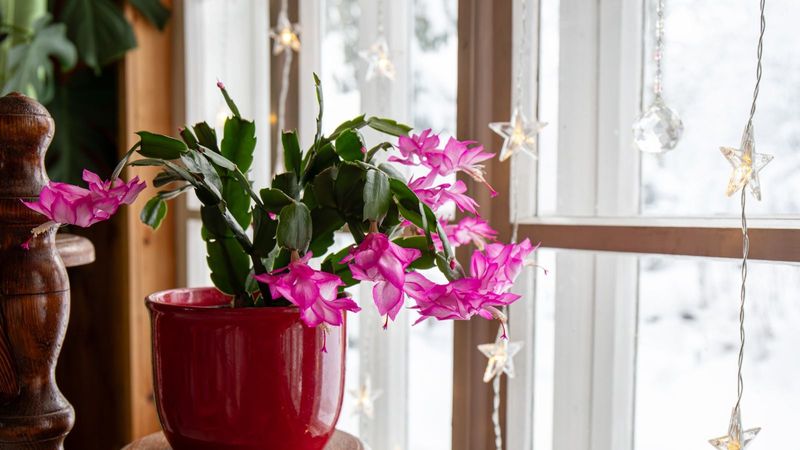
Picture a plant that checks the length of every night like a kid counting sleeps until a holiday. Christmas cactus works almost the same way, using darkness as its main signal to start making flower buds.
Scientists call this short-day behavior, meaning the plant sets buds when nights stretch to roughly thirteen hours or more. In early fall, nature handles this job for you as sunsets creep a little earlier each evening.
Trouble starts when indoor lights break up that darkness, even for a few minutes at a time. A living room lamp, a television glow, or a porch light can interrupt the dark period the plant needs.
When nights stay too short, buds form late or skip the season, leaving you with green stems. On the flip side, a plant kept in a dim spare room may start budding weeks ahead of schedule.
Early October is the perfect moment to check where your plant sits after the sun goes down. Walk past it at night and check if any lamp, screen, or streetlight shines across its leaves.
Moving the pot to a quiet bedroom or unused corner often solves the problem within a few weeks. Bright, indirect light during the day still matters, so pick a spot near a window with soft curtains.
Fun fact for your next dinner conversation: many plants sold as Christmas cactus are actually Thanksgiving cactus. Those cousins naturally bloom a few weeks sooner, so an early show might simply be their normal timing.
The Six-Week Countdown Before Buds
Think of bud formation like baking bread, because the plant needs a set amount of rising time. Most Christmas cactus plants need roughly six weeks of long nights to set buds, followed by several more weeks before the flowers open.
Count backward about ten to twelve weeks from late December, and you land somewhere between the first and third week of October. That timing explains why gardeners start paying close attention to their plants just as the leaves outside turn orange.
Start the countdown in September, and your plant may flower around Thanksgiving instead of the big holiday. Wait until November, and the blossoms might show up after the gifts are unwrapped and the tree is gone.
Each plant runs on a slightly different schedule, so treat these numbers as a rough estimate, not a rule. Older, established plants often bloom more reliably than small cuttings in tiny pots.
Grab a wall calendar or set a phone reminder the day you begin giving the plant longer nights. Writing the start date down helps you figure out what went right or wrong when blooms finally appear.
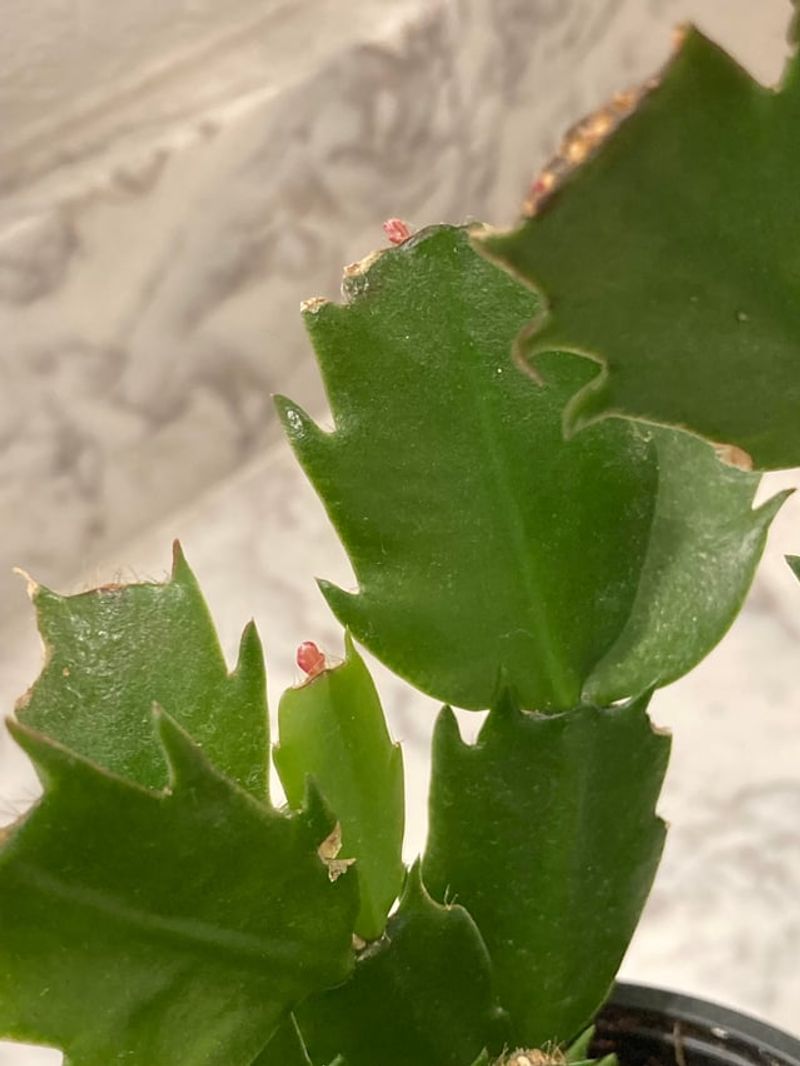
Tiny pinkish nubs at the tips of the stems mean the countdown is working just as planned. Once you spot them, the hardest part is over, and steady conditions can usually carry the plant from there.
Patience matters here, since buds often need another three or four weeks to swell into full flowers. Resist the urge to fuss over them daily, because steady, boring care keeps the schedule right on track.
Cozy Rooms That Confuse The Buds
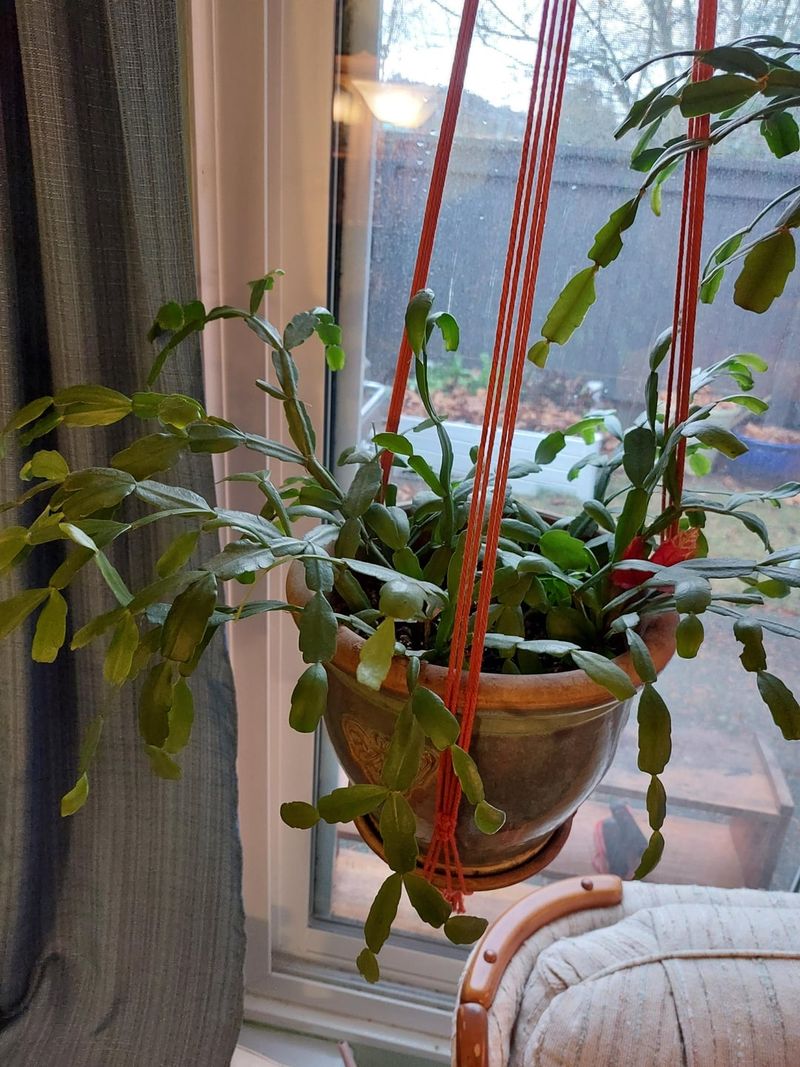
Your plant might love a cozy living room about as much as a snowman loves a hot tub. Warm air is one of the sneakiest reasons blooms arrive late or refuse to show up at all.
Christmas cactus sets buds best when nighttime temperatures drop to somewhere between fifty and sixty-five degrees Fahrenheit. Cool nights can even trigger flowering on their own, which is handy if your home has stray lights.
Once October chills arrive, many families switch on the heat and park plants right beside warm vents. That toasty air slows bud formation and dries the soil faster than most people expect it to.
Fireplaces, radiators, and sunny windows on warm afternoons can all push temperatures higher than the plant prefers. Even the top of a refrigerator can hold on to warmth that flat green stems do not appreciate.
Sudden swings are another problem, like a chilly porch at night followed by a hot kitchen at noon. Big jumps stress the plant and can scramble its timing, sending blooms early in some years and late in others.
A cheap indoor thermometer placed beside the pot tells you exactly what your plant experiences overnight. A favorite plant spot can stay above seventy degrees well into the night, which is warmer than most people guess.
Try a cooler room, a bright basement window, or a sheltered porch until frost threatens your area. Bring it inside once nights dip near forty-five degrees, because cold that sharp can damage the tender stems.
A Simple October Reset Plan
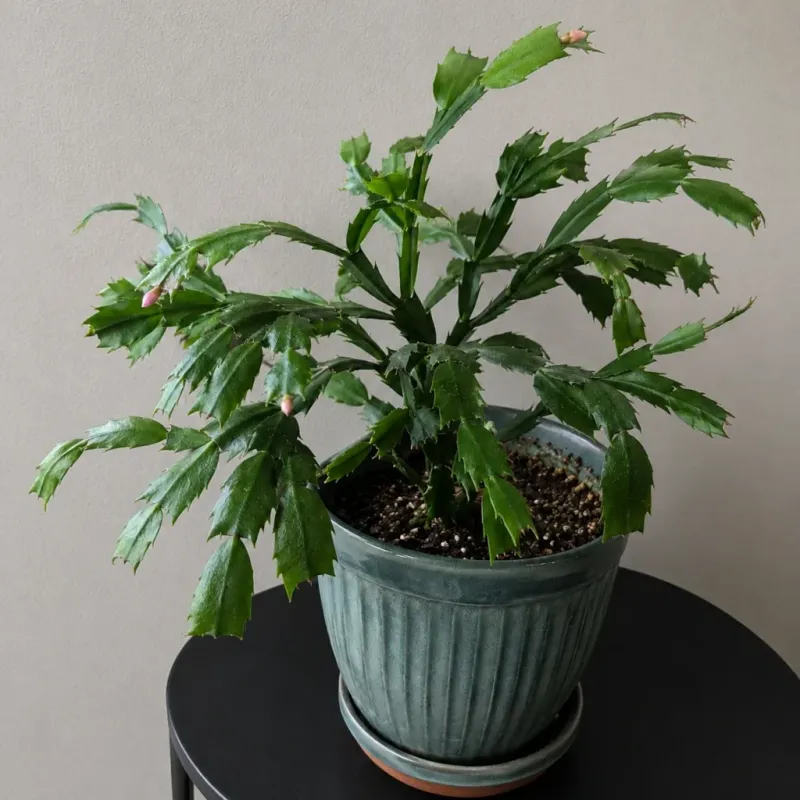
Missing the starting window happens often, so take a breath and grab your plant. Early October still leaves enough time to steer those blooms toward late December with a few simple changes.
Begin by giving the plant about fourteen hours of steady darkness every single night for six weeks. A closet works well, though a cardboard box placed over the pot each evening does the trick too.
Bring it back into bright, indirect light each morning so the leaves can keep making food. Many people pick a simple routine, like covering the pot at five and uncovering it at seven.
Next, cut back on watering a bit, letting the top inch of soil dry before giving another drink. Slightly drier soil tells the plant that a rest period has arrived and flowering should come next.
Stop feeding with fertilizer for now, since extra nutrients encourage new leafy growth instead of colorful buds. You can start feeding again lightly after the flowers fade and the plant begins growing in late winter.
Blooms showing up way too early call for the opposite approach, which means more light and warmth. Keeping a lamp on nearby in the evening can slow things down if buds appear in September.
Stick with the plan even when nothing seems to happen for the first three or four weeks. Plants work quietly behind the scenes, and those first tiny buds usually appear just when you start doubting.
Bud Drop After The Early Rush
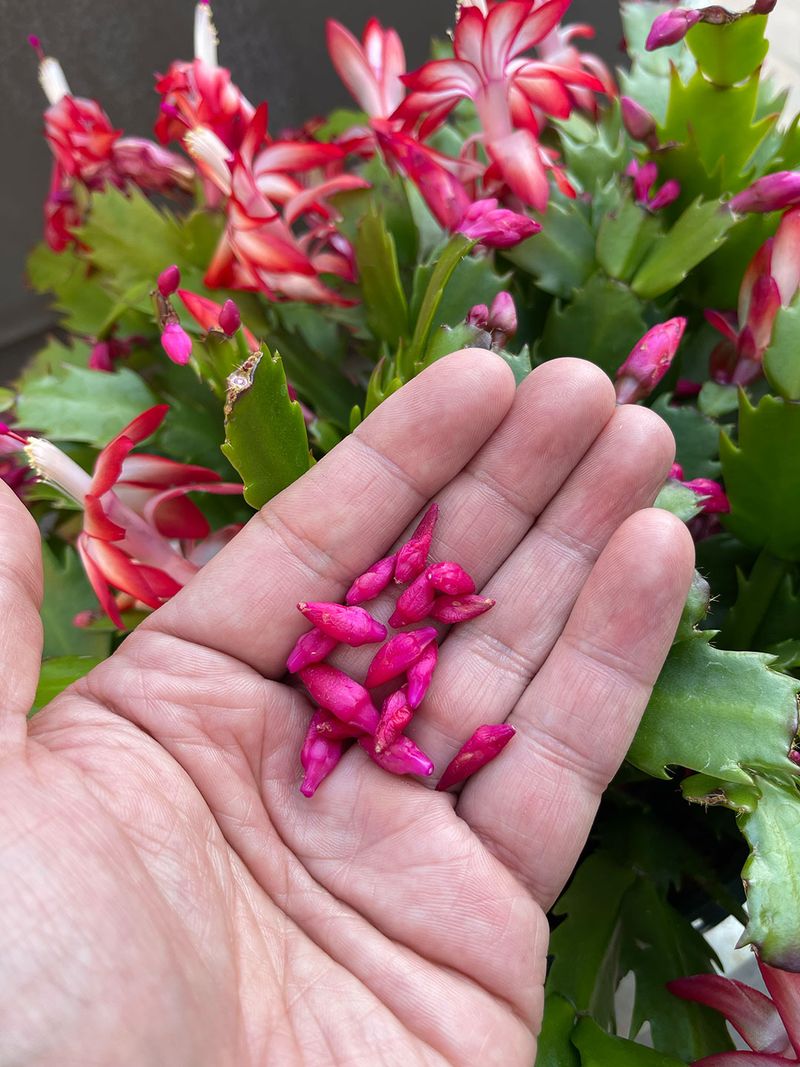
Few things sting like finding a ring of plump pink buds scattered across the windowsill one morning. Bud drop is a common outcome when the plant gets confused about timing or feels stressed by change.
Buds that form early in the fall have to get through weeks of indoor heating, which can stress them. Dry air from furnaces pulls moisture from the stems, and the plant lets go of buds to save energy.
Moving the pot is another big trigger, even if you only carry it to a different table. Once buds appear, a change in light direction or position can stress the plant and trigger bud drop.
Watering mistakes play a role as well, since both soggy soil and bone-dry soil cause similar stress. Aim for soil that feels like a wrung-out sponge, slightly moist without any puddles in the saucer.
A shallow tray of pebbles and water under the pot can raise humidity around those tender buds. Grouping a few houseplants together also helps, since they share moisture like friends sharing snacks at lunch.
Losing a handful of buds is normal, so there is no reason to panic over two or three. Heavy drops, where most of the buds fall at once, usually point to a bigger change in conditions.
The plant itself usually stays healthy, and it can try again next year with steadier care. Think of a dropped bud as a note from your plant, politely asking for a calmer and more predictable home.
A Yearly Routine For On-Time Blooms
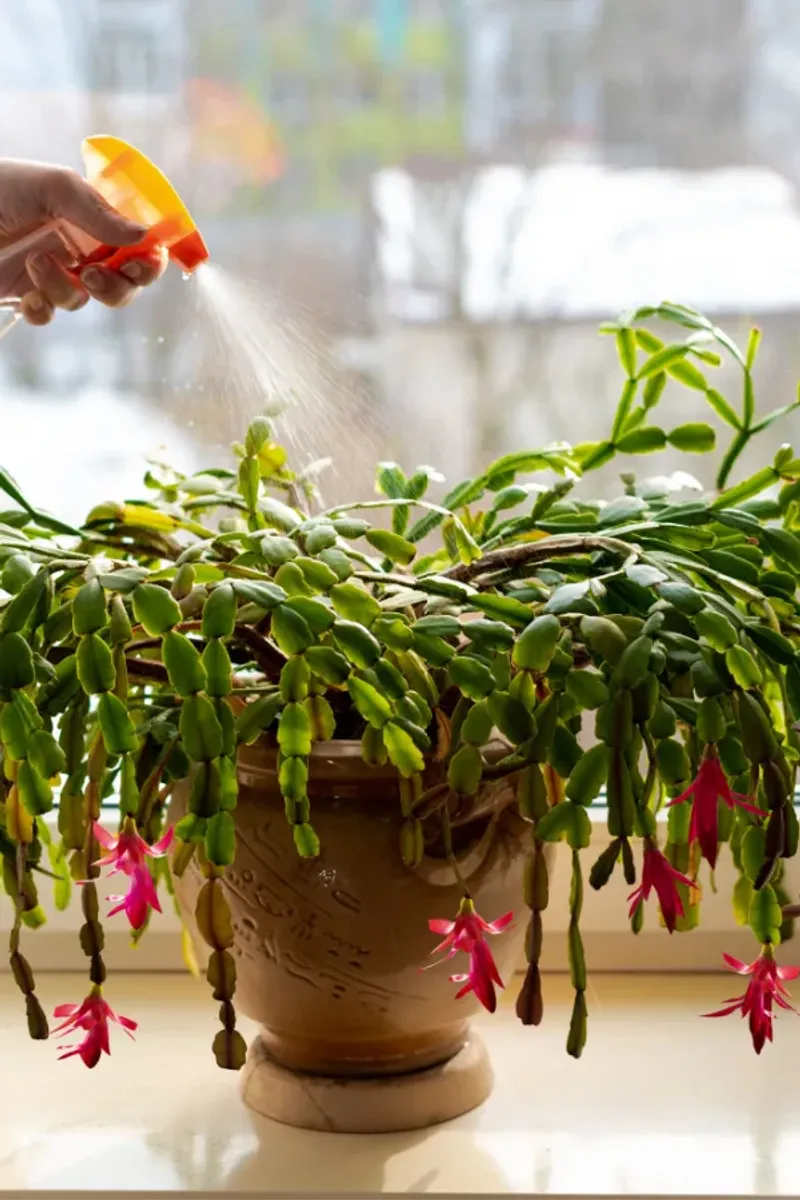
My grandmother kept the same Christmas cactus for over thirty years, and it bloomed on time most winters. Her secret was not magic at all, just a simple routine she followed through every season.
After flowering ends in winter, give the plant a short rest with less water and a cooler room. Late winter is also a great time to trim a few stem sections, which encourages bushier growth later.
During the warm months, regular water and light feeding help the plant store energy for future flowers. Many gardeners move their pots to a shady patio, where gentle outdoor light builds strong, healthy stems.
Fall is the season that matters most, with the darkness and cool-night schedule starting right around now. Pick one spot your plant can call home from October through the holidays, then leave it alone.
Repotting should wait until spring, since fresh soil and a new container can upset the bloom schedule. Christmas cactus actually likes being a little snug in its pot, which surprises many new plant owners.
A simple plant journal can turn guesswork into a reliable plan that improves a little each year. Jot down when you started long nights, when buds appeared, and when the first flower finally opened.
Healthy plants can live for decades and get passed down through families like treasured holiday ornaments. With a steady yearly rhythm, yours could be the one brightening family gatherings long after you share cuttings.