Why Your Fig Tree Drops Leaves In Fall And When You Should Worry
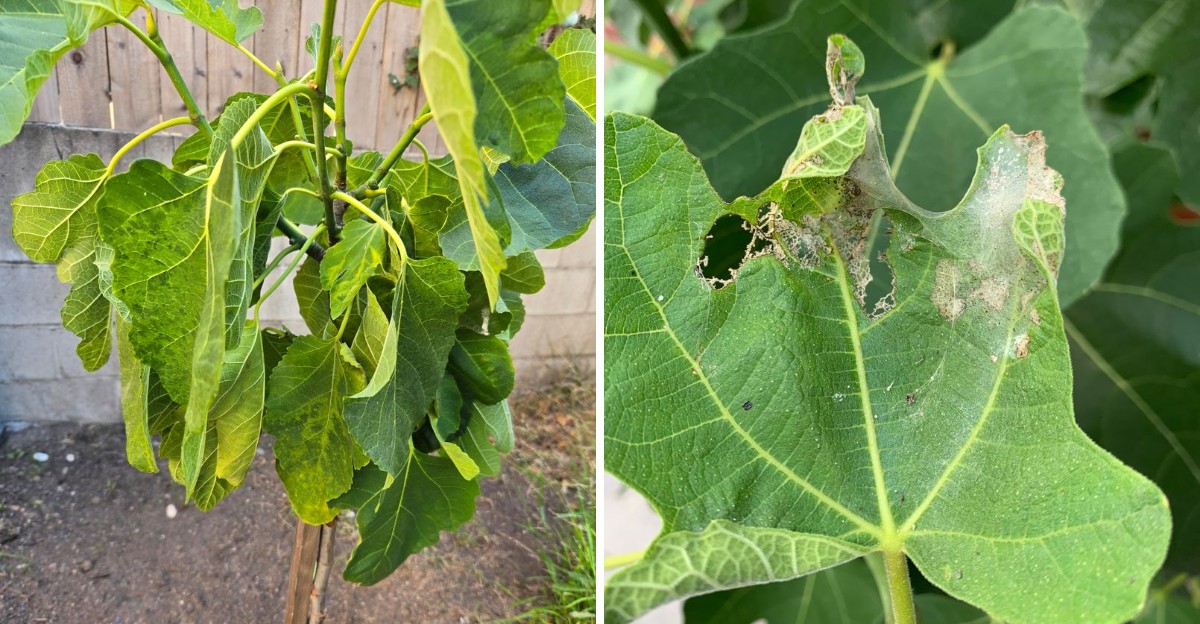
A single leaf on this tree can stretch nearly a foot across, and every autumn it lets go of each one. I didn’t expect something so bold to shed so freely. The first year, I stood in the yard holding a crunchy yellow leaf like it was evidence.
Truth is, the tree came from dry, sunny hillsides in western Asia and the Mediterranean. It learned to rest when the weather turns. Cooler nights and shorter days flip a switch inside it, and those huge leaves start to fade.
I get it, though. You’ve watered, fed, and maybe even talked to that tree all summer. Watching it go bare feels personal.
Still, not every leaf drop is the calm, seasonal kind. Some shed leaves early, some shed them green, and some carry rusty little spots underneath. So how do you know which kind is happening in your yard?
Those Yellowing Fig Leaves Are Following An Ancient Script
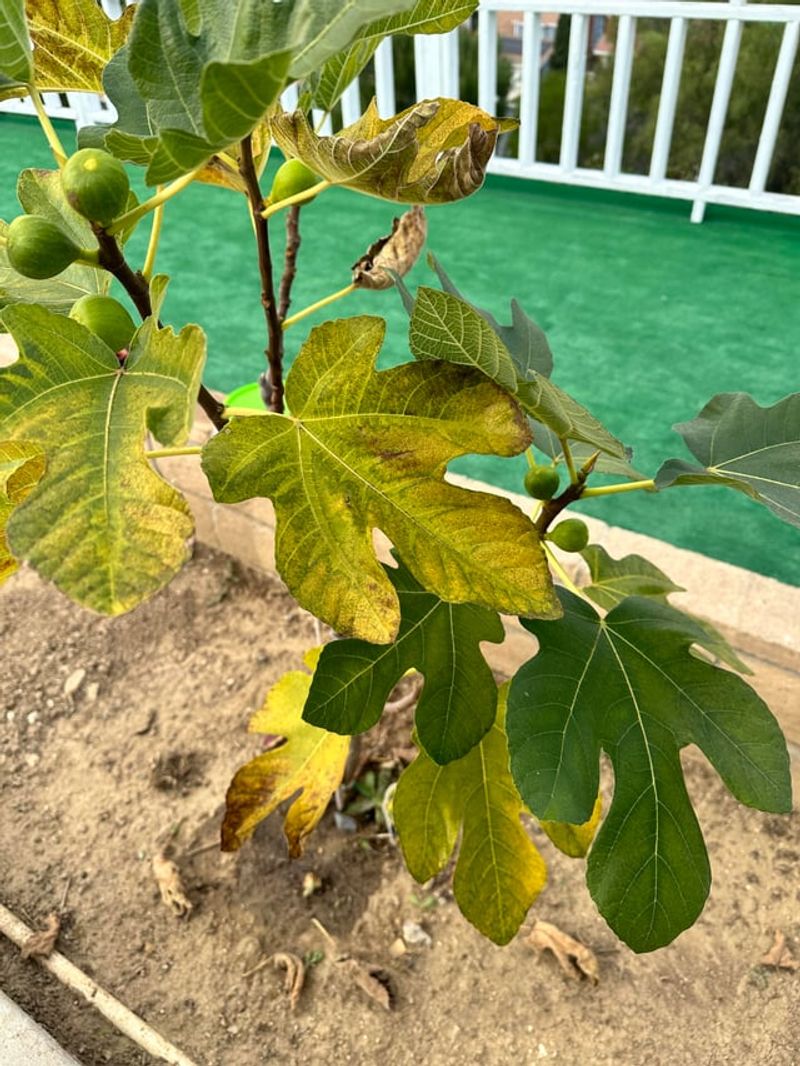
Every October, my fig starts looking like it forgot to pay its electric bill. The big leaves turn butter yellow, then drop one by one onto the lawn.
Common figs, known to botanists as Ficus carica, are deciduous. That means shedding leaves in fall is part of their normal yearly rhythm, just like maples and oaks. Shorter days and cooler nights tell the tree to stop making food in its leaves and start storing energy in its wood and roots.
Once the first light frost arrives, the process often speeds up. You might see a fig go from mostly green to mostly bare in about a week. That can look alarming, but it’s right on schedule.
Healthy seasonal drop usually has a few traits in common. The leaves yellow fairly evenly, they fall in mid to late autumn, and the branches stay firm and flexible underneath.
Fun fact? Figs have been grown by people for thousands of years, and they’ve been dropping their leaves every fall the whole time. Your tree isn’t sulking or struggling.
It’s simply clocking out for winter. Those plump buds at the branch tips are already waiting for spring.
Green Fig Leaves Falling In Summer Deserve A Closer Look
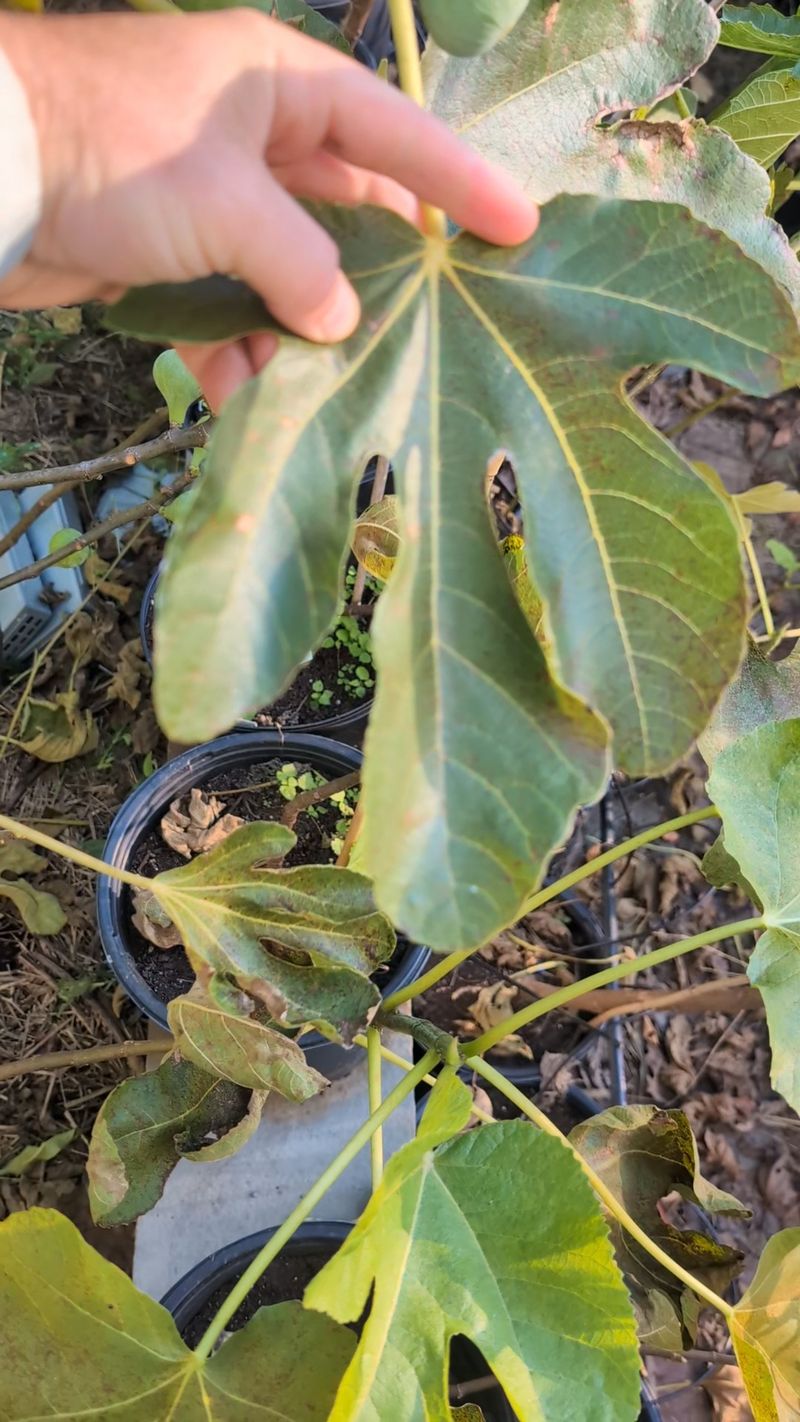
Timing is the biggest clue you have. Leaves that fall in late October after cool weather are rarely a problem. Leaves that rain down in July or August are a different story.
Watch for leaves dropping while they’re still green. That usually points to sudden stress, like a heat wave, a dry spell, a recent transplant, or a pot that got moved to a new spot. The tree panics and sheds weight fast.
Other warning signs include wilting during cool mornings, leaves that turn brown and crispy at the edges, and spots or powdery coatings on the leaf surface. Dropping that keeps happening again and again over several weeks also signals trouble.
Here’s a quick test I use. Scratch a twig gently with your thumbnail. Green, moist tissue under the bark means that branch is alive and healthy.
Brown, dry tissue that snaps easily tells you the branch is in decline. If you find a lot of brittle twigs plus early leaf loss, it’s time to dig into causes.
One bad week of leaf drop is usually survivable. A fig is a tough plant, and it often pushes new leaves once the stress eases.
Fig Rust Leaves Telltale Orange Spots Under The Leaves
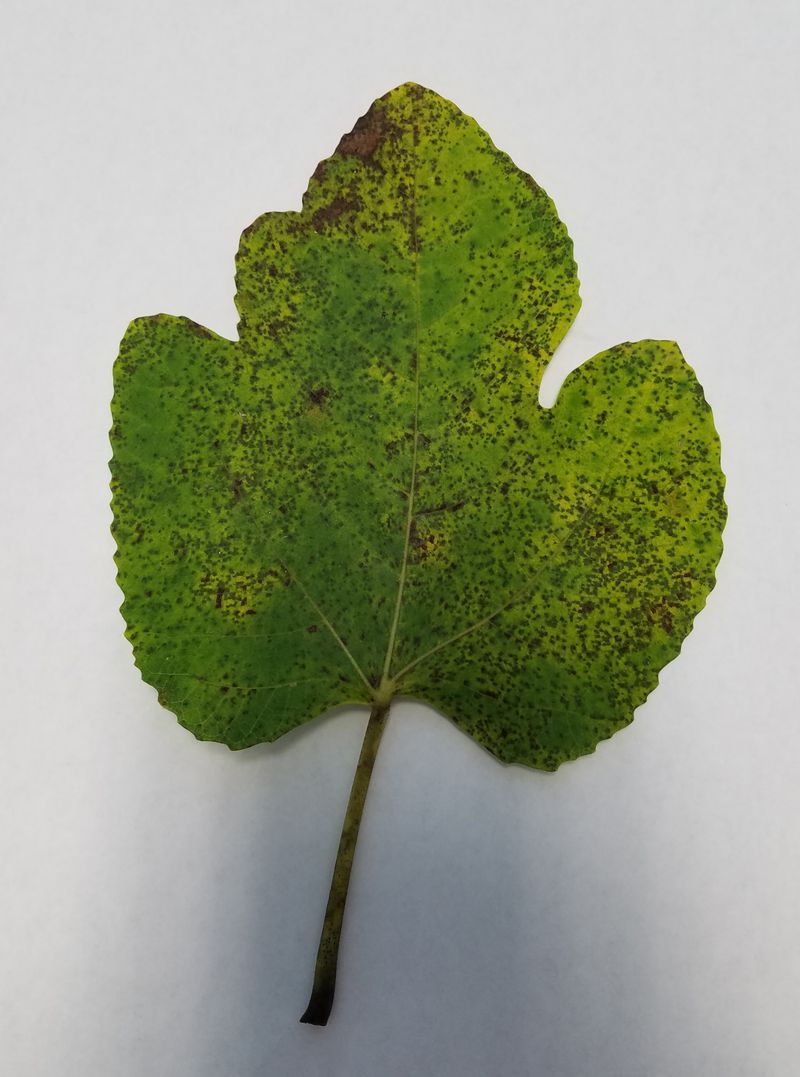
Flip a yellowing leaf over before you toss it. If you see tiny orange or rusty brown bumps on the underside, you’ve likely found fig rust.
Fig rust is a fungal disease caused by Cerotelium fici. University extension services in Georgia, North Carolina, and other humid Southern states list it as one of the most common fig leaf problems. It thrives in warm, wet, sticky weather, and it often shows up in late summer.
Infected leaves turn yellow-brown and drop early, sometimes weeks ahead of normal fall drop. A heavy case can leave a tree bare in September. The fruit usually stays safe, but early leaf loss can weaken the tree and sometimes trigger tender new growth right before cold weather.
Not going to lie, I used to leave fallen leaves where they landed. Big mistake. The fungus can hang around in that debris and return next season.
Rake up and bag infected leaves instead of composting them. Prune crowded branches so air moves freely, and water at the soil rather than over the leaves.
Morning watering helps leaves dry quickly too. Those small habits often reduce rust a great deal by the following year.
The Watering Can Might Be Behind That Leaf Pile
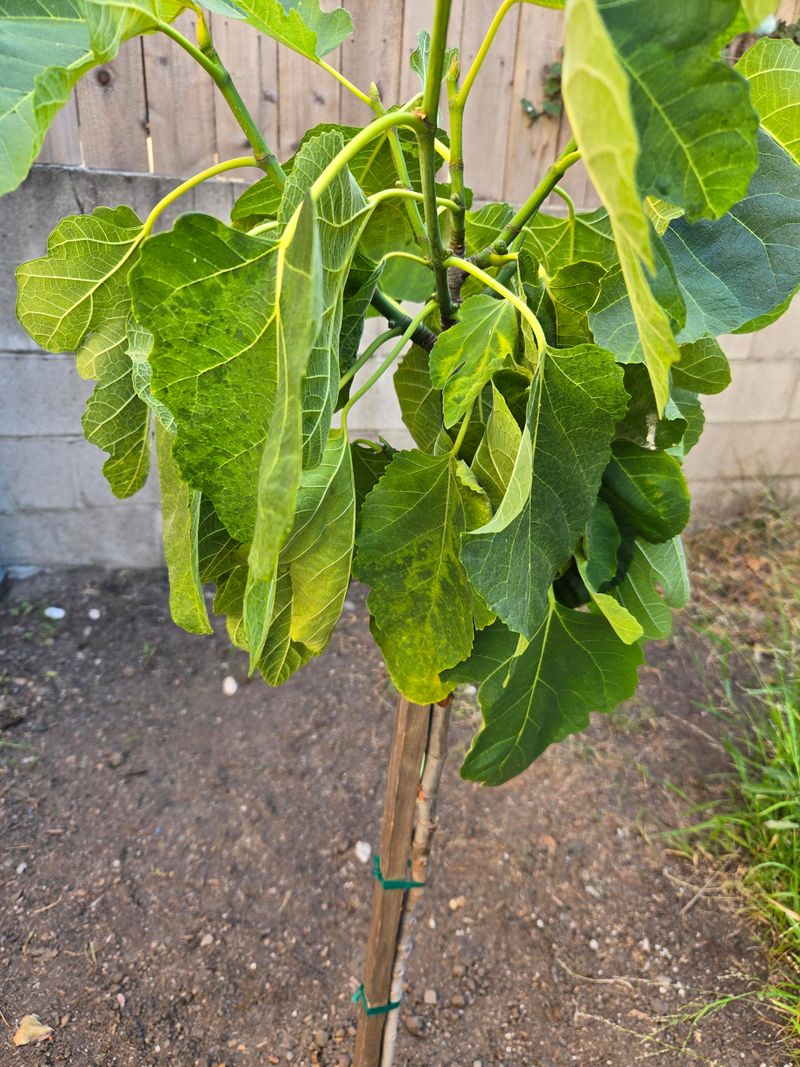
Guilty as charged. My first potted fig lost half its leaves because I loved it with way too much water.
Fig roots need moisture, but they also need air. Soggy soil squeezes out oxygen, and roots start to rot. On the flip side, figs in pots can dry out shockingly fast during hot spells, especially in dark containers.
Leaves can help you tell the difference. Overwatered leaves often feel soft, limp, and evenly yellow. Underwatered leaves turn dry and papery, and they tend to drop from the lower branches upward.
Skip the calendar and use your finger instead. Poke it about an inch or two into the soil. If it feels dry, water deeply until it runs out of the drainage holes, then empty any saucer underneath.
In-ground figs usually do well with a deep soak about once a week during dry summer weather. A layer of mulch a few inches thick helps hold steady moisture and keeps roots cooler.
As fall arrives, ease off. A tree heading toward dormancy uses far less water, and wet, cold soil is just asking for root trouble.
Moving A Potted Fig Can Send It Into A Leafy Sulk
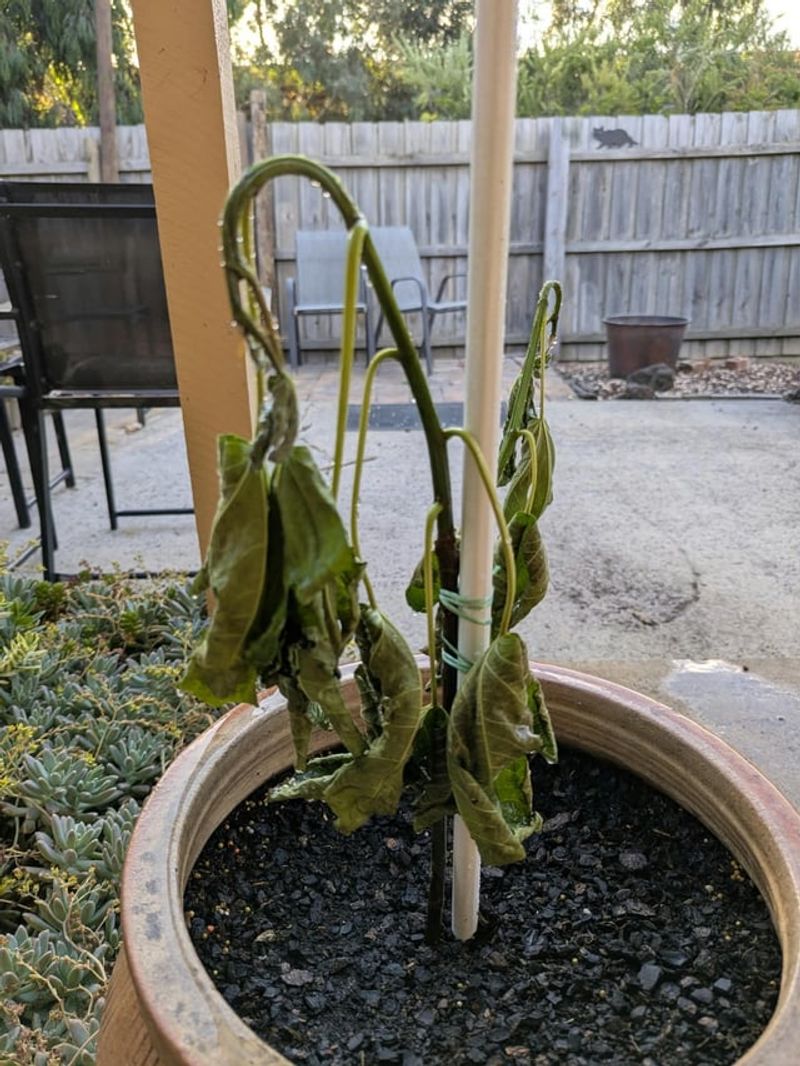
Figs are creatures of habit. Shift one from a bright patio to a dim corner, and it may drop leaves within days as if it’s filing a complaint.
Sudden changes in light, temperature, or location can shock the tree. Transplanting is another big one, since roots get disturbed and need time to settle in. A cold snap after a warm stretch can do the same thing.
I learned the hard way that slow and steady wins. If a potted fig needs to come indoors or into shade, move it in stages over about one to two weeks. Start with a few hours in the new spot, then gradually lengthen the time.
Planting a fig in the ground? Early spring or fall, when temperatures are mild, gives roots the gentlest start. Water well after planting and skip heavy fertilizer while it adjusts.
Some leaf loss after a move is normal and temporary. As long as the stems stay flexible and green inside, new leaves usually follow.
Patience pays off here. Fussing too much, like repotting again or moving it repeatedly, often makes the sulking last longer.
Tiny Spider Mites And Scale Bugs Can Strip A Fig Bare
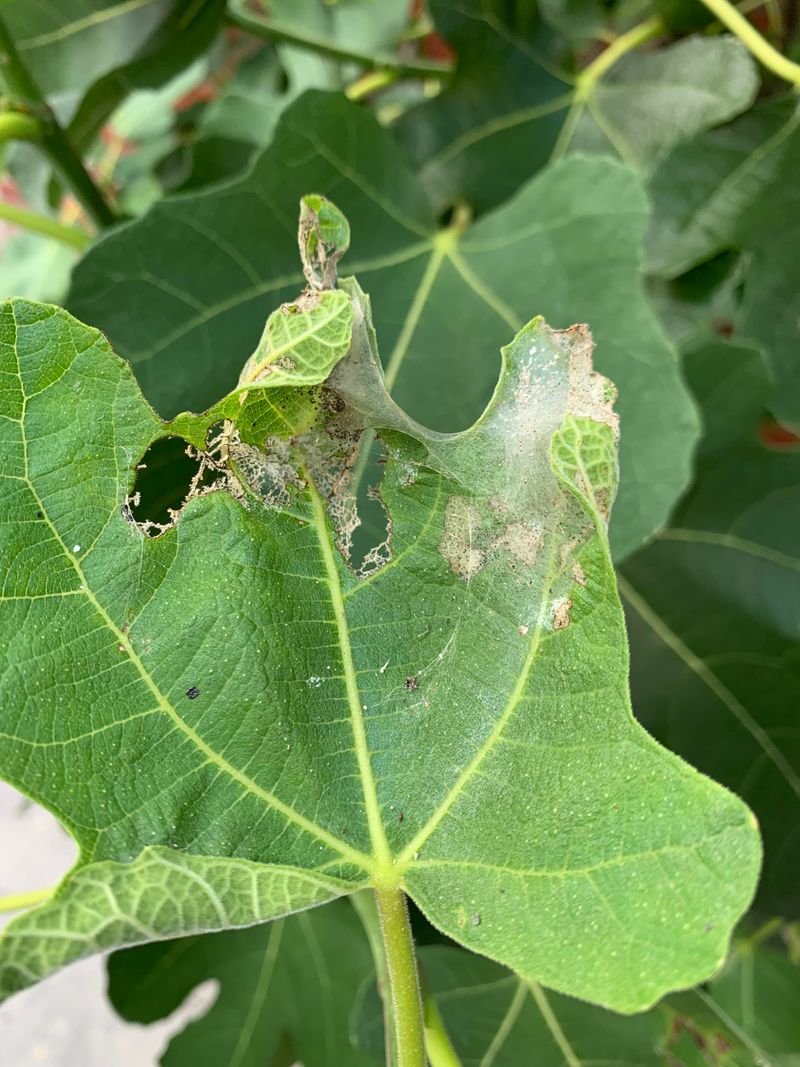
Sometimes the culprit is small enough to hide on the back of a leaf. Spider mites and scale insects both feed on figs, and heavy numbers can cause leaves to yellow and fall early.
Spider mites love hot, dry weather. Look for pale freckles across the leaves and super fine webbing near stems. Tap a leaf over white paper, and tiny moving specks give them away.
Scale insects look like little bumps glued onto stems and leaf veins. They don’t move much once settled, so many gardeners mistake them for part of the bark. Sticky residue on leaves is another clue.
For mites, a strong spray of water on leaf undersides knocks many of them off. Repeat every few days. Insecticidal soap or horticultural oil can help with stubborn cases, following label directions carefully.
Scrape off small scale populations with a fingernail or soft brush. Dormant oil sprays during winter are a common extension recommendation for larger infestations.
Keep an eye on indoor figs too. Dry indoor air in winter makes mites especially happy, so check leaves regularly.
Help Your Bare Fig Tree Rest Easy Through Winter

Every fall, I treat my bare fig a bit like a hibernating bear. It doesn’t need much, just a safe, quiet place to rest.
Common figs are generally hardy in USDA zones 7 through 10, and some varieties like Chicago Hardy or Celeste handle colder spots with protection. Once leaves fall, stop fertilizing and cut back on water.
Potted figs can move into an unheated garage or basement after leaf drop. Aim for a spot that stays cool but mostly above about 20°F. Water lightly about once a month so the soil doesn’t dry out.
Outdoor figs in chillier areas benefit from a thick layer of mulch around the base. In zone 6 or colder, many gardeners wrap branches with burlap or breathable fabric. Skip plastic, since it traps moisture.
Save heavy pruning for late winter, after the worst cold passes. That way you can see which branches came through healthy.
Trust me on this one. A fig that naps well in winter usually rewards you with strong leaves and sweet fruit next summer. Bare branches now mean a busy tree later.