Why Your Fig Tree In Pennsylvania Is Not Producing Fruit
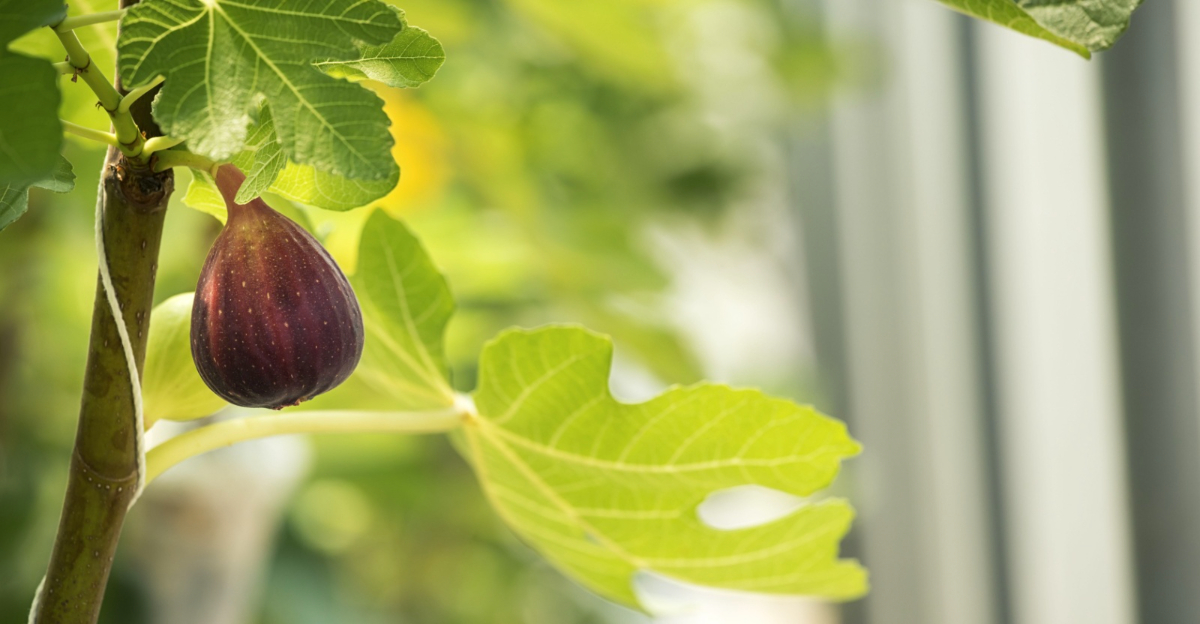
Your Pennsylvania fig tree is putting on a show with lush, green leaves, but where are the actual figs?
It is the classic midsummer mystery: you’ve nurtured your tree through the long, chilly spring, only to be left staring at tiny, rock-hard fruit that refuses to ripen before the autumn frost rolls in.
Don’t panic – this isn’t necessarily a “black thumb” situation.
The culprits are usually hiding in plain sight, ranging from variety selection and winter dormancy habits to the simple math of sunlight and pruning.
By identifying exactly which of these factors is hitting the brakes on your harvest, you can stop the cycle of disappointment.
With a few targeted adjustments to your care routine, you can finally turn that ornamental tree into the productive centerpiece your patio deserves.
1. Pennsylvania Winter Cold Can Set Back Fruiting Wood
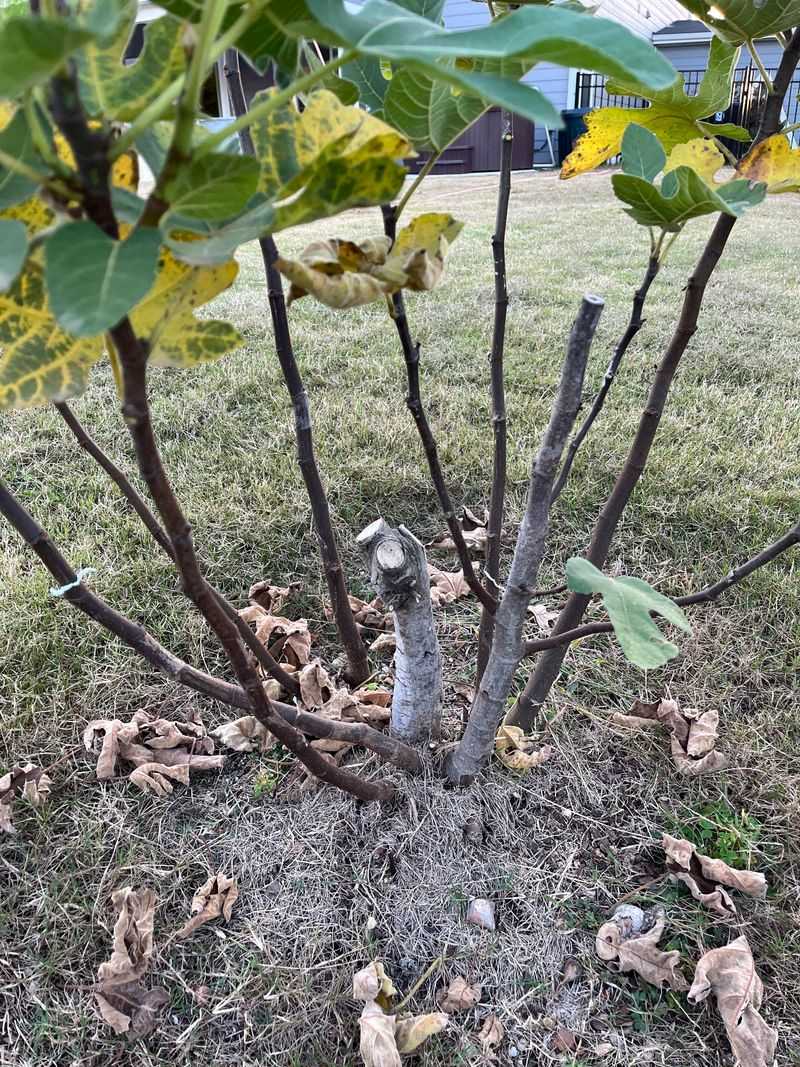
After a rough Pennsylvania winter, many gardeners walk out in April and find their fig tree looking like a bundle of dead sticks. That is not just cosmetic damage – it often means the fruiting wood from last season has been lost.
Many figs ripen their main crop on new growth made during the current season, and some varieties may also produce an earlier breba crop on last year’s wood, so winter cold that injures branches can delay fruiting or shorten the season’s harvest.
In colder Pennsylvania counties like Northumberland or Potter, this kind of dieback happens more often than gardeners expect.
Even in warmer spots like Philadelphia or Lancaster, an unusually cold snap in January or February can strip away a full season of potential fruit.
The tree may rebound with fresh growth, but regrowth that starts late can push fruiting later, and in Pennsylvania some figs may not have enough warm time left to ripen before fall cool-down.
To reduce this risk, wrap in-ground figs after leaf drop in late fall or early winter, before prolonged hard freezes settle in, and remove protection gradually as spring warms.
Once the tree is dormant after leaf drop, move container figs to a cool, protected spot like an unheated garage or similar space that stays roughly 30–50°F.
Check wrapped trees in late March by scratching a small section of bark – green underneath means the wood survived and fruit is still possible that season.
2. A Late Ripening Variety Can Struggle In Pennsylvania
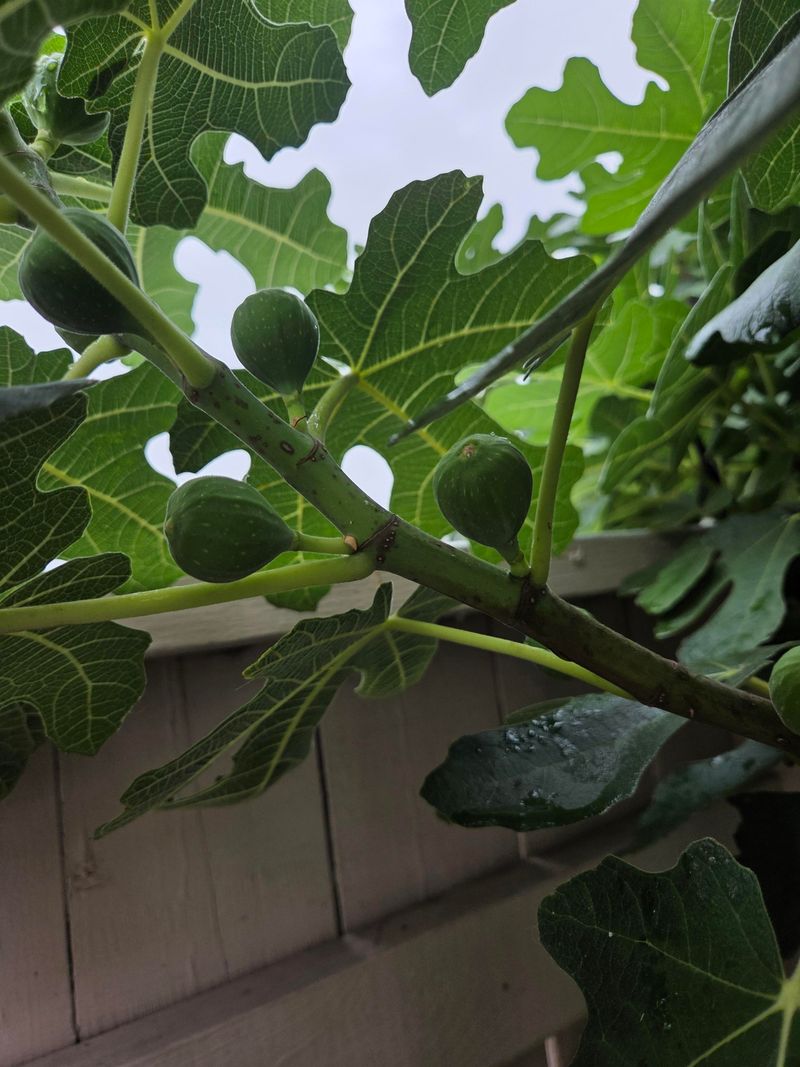
Not every fig variety was bred with a Pennsylvania summer in mind. Some varieties ripen later in the season, and when fruit sets late, Pennsylvania may not provide enough warm weeks for figs to finish before fall temperatures drop.
When gardeners pick a variety based on catalog photos rather than ripening timeline, they often end up with small green figs still clinging to branches when the first hard frost arrives.
Varieties like Brown Turkey, Chicago Hardy, and Celeste tend to ripen earlier and perform more reliably across Pennsylvania’s shorter warm season.
Some varieties may produce a breba crop on last year’s wood, but the main crop usually develops on current-season growth and can be cut short when cool fall weather arrives.
Gardeners in the southern counties near Philadelphia may get away with slightly longer-season varieties, but those in central or northern Pennsylvania should stick with early-ripening selections.
When shopping for a fig, look for descriptions that mention ripening in 60 to 90 days from fruit set rather than varieties described as fall producers.
Growing a container fig also helps since you can extend the season by keeping it in the warmest sun pocket you have, then moving it under cover when early frost threatens.
3. Young Fig Trees Often Focus On Roots Before Fruit
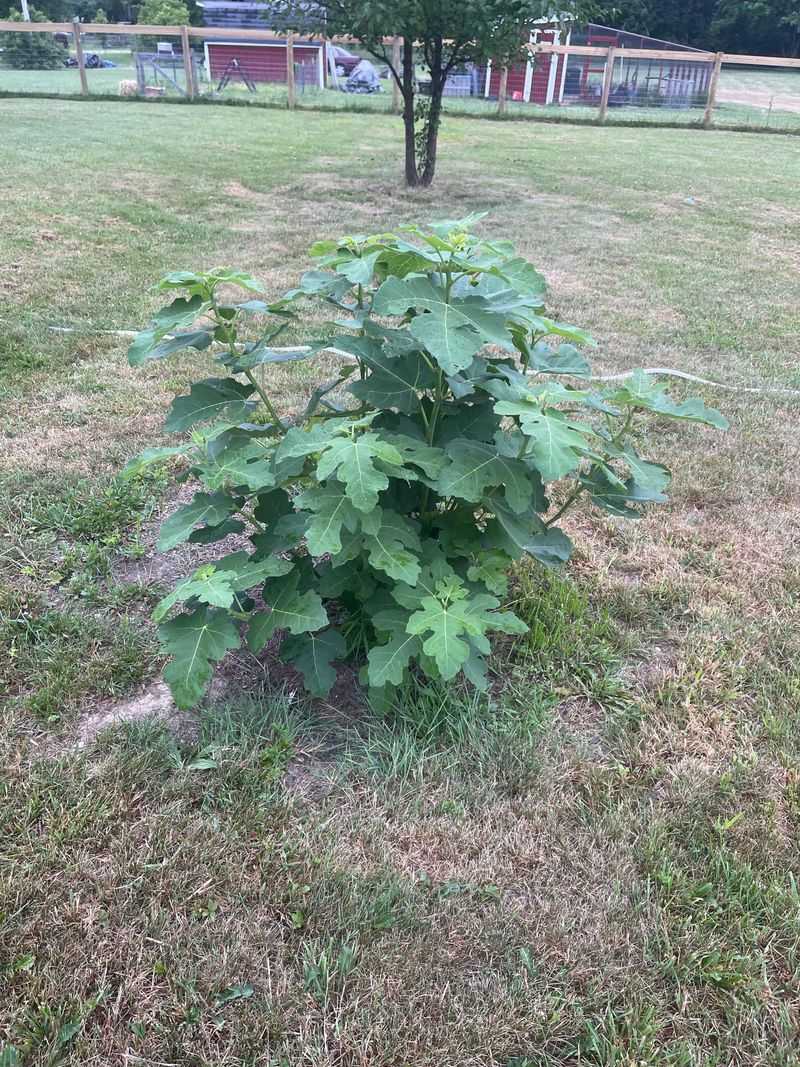
Planting a fig tree and expecting fruit the following summer is one of the most common disappointments in Pennsylvania home gardens.
Young fig trees – typically those under three years old – are busy establishing a root system strong enough to support the plant through cold winters and dry summers.
Fruit production is simply not the priority during those early years, and that is completely normal behavior for the tree.
Most fig trees begin producing meaningful crops somewhere between their second and fifth year, depending on how well they were cared for and how harsh the winters were.
A young tree that experiences a tough first winter in Pennsylvania may essentially reset its clock, pushing energy back into root and stem recovery rather than fruit development.
Patience during this phase pays off more than forcing the issue with heavy fertilizer or aggressive pruning.
The best approach for a young fig is to focus on strong establishment.
Water consistently during dry spells, mulch the root zone with a few inches of wood chips to retain moisture and moderate soil temperature, and avoid heavy nitrogen fertilizer.
Once the tree reaches a mature size and shows vigorous annual growth of 12 to 18 inches or more, fruiting tends to follow naturally in subsequent seasons.
4. Too Much Shade Can Mean Plenty Of Leaves And Few Figs
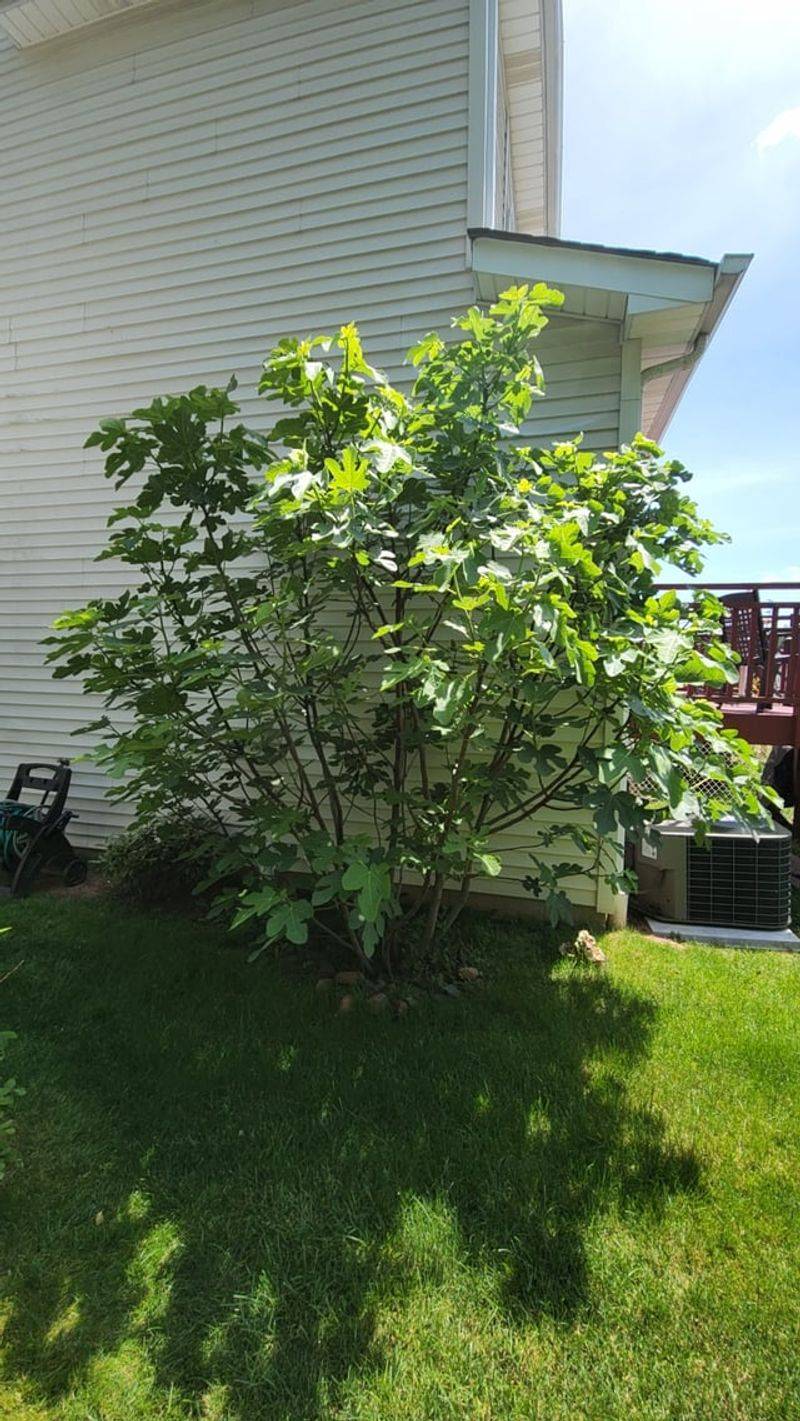
A fig tree tucked under a mature oak or beside a tall fence might look healthy all summer long, but shade is quietly working against fruit production.
Figs are sun-hungry plants that need a solid six to eight hours of direct sunlight each day to produce and ripen fruit reliably.
When light is limited, the tree channels its energy into growing more leaves to capture whatever sun it can, and fruit set drops off significantly.
Pennsylvania backyards can be surprisingly shady, especially in older neighborhoods with large established trees. What looks like a sunny spot in early spring can become heavily shaded by June once surrounding trees leaf out fully.
Gardeners sometimes plant a fig in what seems like a bright location, only to realize by midsummer that the canopy overhead is blocking the afternoon sun the fig desperately needs.
If your fig is in the ground and shading is the problem, selectively trimming nearby branches or relocating the tree to a south or southwest-facing spot can make a measurable difference.
Container figs have a clear advantage here – you can move them to wherever the best sun falls during the growing season.
Even shifting a container fig a few feet toward an open lawn area can add two or three more hours of direct sunlight each day.
5. Extra Nitrogen Can Push Growth Instead Of Fruit
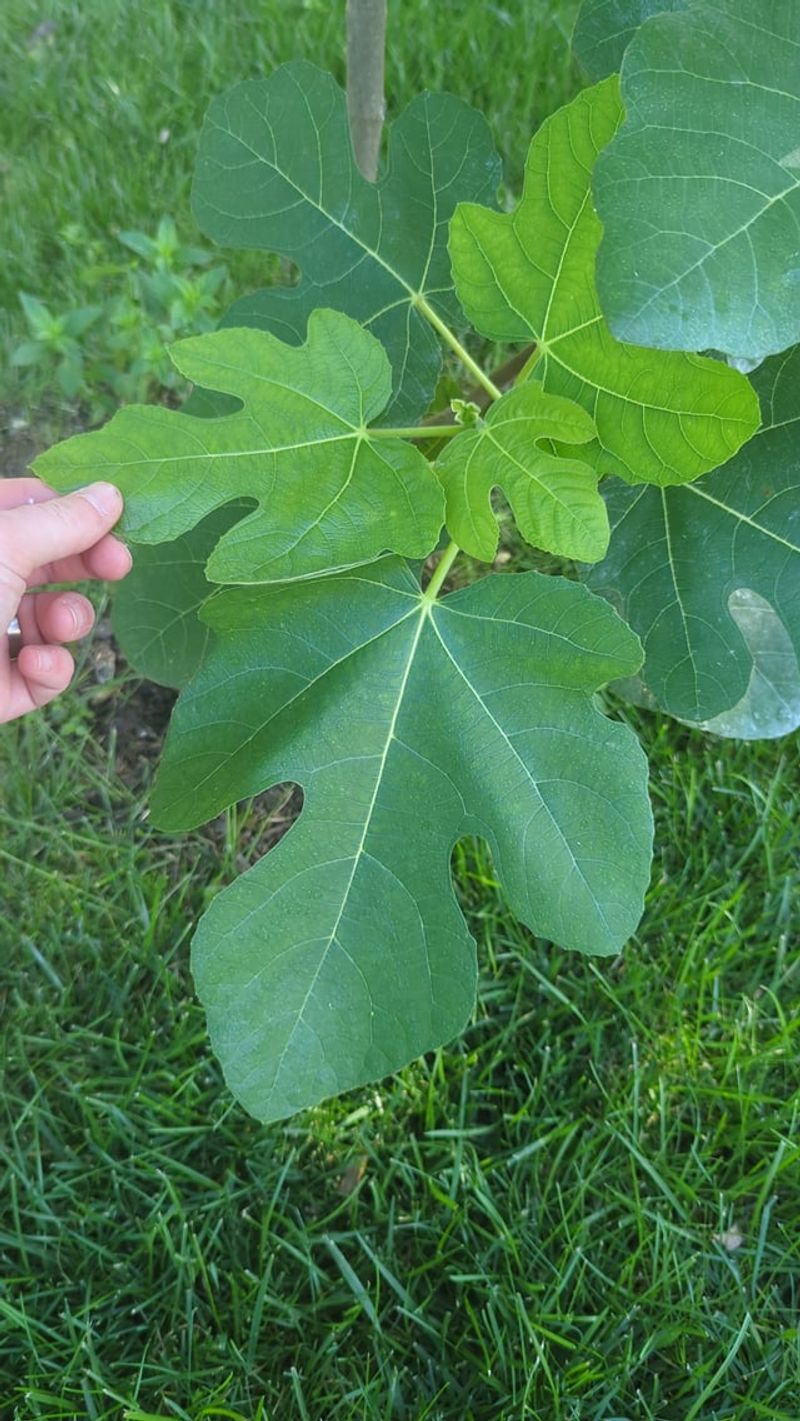
Walk through many Pennsylvania neighborhoods in late summer and you might spot a fig tree with giant, deep-green leaves and absolutely no fruit in sight.
Lush, oversized foliage is often a sign that the tree has been getting too much nitrogen, whether from lawn fertilizer that drifts into the root zone or from well-meaning applications of high-nitrogen plant food.
Nitrogen encourages rapid vegetative growth, and when there is plenty of it available, the tree puts its energy into stems and leaves rather than setting fruit.
This issue is especially common when fig trees are planted near regularly fertilized lawns. Slow-release lawn fertilizers can leach nitrogen into surrounding soil over months, quietly pushing fig trees into a vegetative mode all season long.
Even one heavy application of a balanced garden fertilizer in spring can tip the balance toward growth over fruiting if the tree is already in good health.
Switching to a low-nitrogen fertilizer or a product labeled for fruiting trees and shrubs can help redirect the tree’s energy.
Potassium and phosphorus support root development and fruit set better than nitrogen does for mature figs.
If you suspect excess nitrogen, skip fertilizing entirely for one full season and observe whether fruit set improves – many Pennsylvania gardeners are surprised at how quickly the tree responds to this simple change.
6. Hard Pruning Can Delay Fig Set In Shorter Seasons
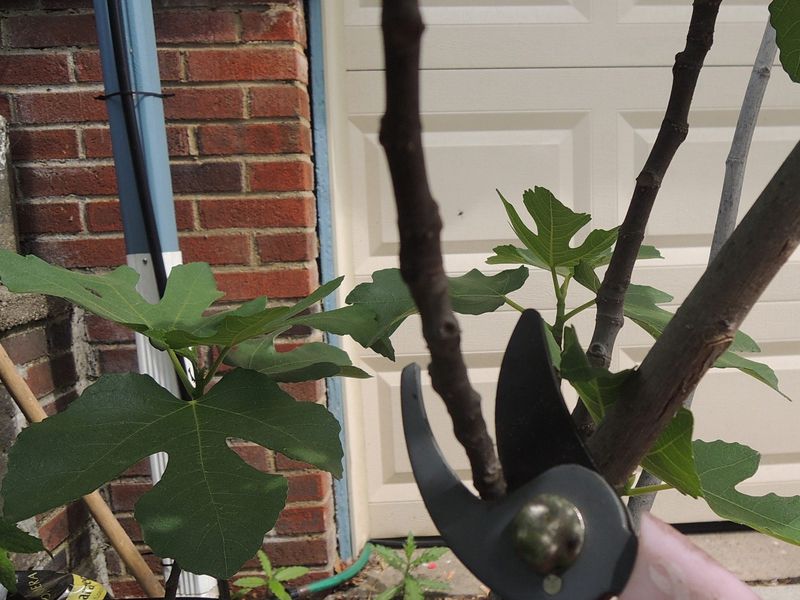
Grabbing the pruning shears and cutting a fig tree back hard in early spring feels productive, but in Pennsylvania’s shorter growing season it can cost you a full year of fruit.
Some varieties produce a breba crop on last year’s shoots, and the main crop forms on the current season’s growth.
When you remove large amounts of established wood in spring, both of those fruiting opportunities shrink considerably.
Heavy pruning triggers a strong flush of new vegetative growth as the tree works to replace what was removed.
That new growth is healthy and vigorous, but in a Pennsylvania summer – which runs roughly from late May through September – there may not be enough warm days left for that new wood to mature enough to set and ripen fruit before cold weather arrives.
The tree essentially spends the whole season growing back rather than fruiting.
Light, targeted pruning is a smarter approach in this climate. Remove crossing branches, dead wood, and any stems that show clear winter damage, but leave as much healthy wood from the previous season as possible.
If you want to shape or reduce the size of the tree, do it gradually over two or three seasons rather than all at once.
Timing matters too – pruning just before bud break in late March or early April is better than pruning in late winter when cold snaps can still damage fresh cuts.
7. A Late Spring Start Can Leave Figs Without Enough Time
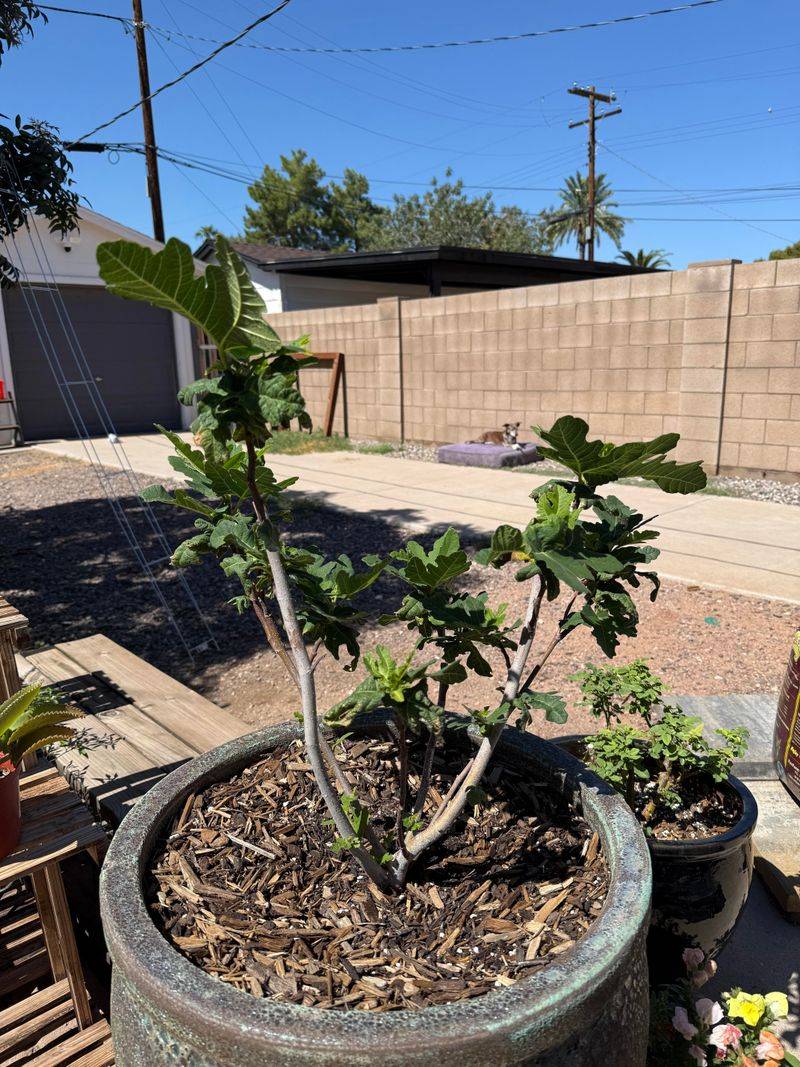
Pennsylvania springs have a habit of teasing gardeners. A warm week in March can make it feel like summer is just around the corner, and then April delivers a hard frost that sends everyone scrambling to cover their plants.
For fig trees, this stop-and-start spring pattern can delay the moment when the tree really wakes up and begins setting fruit, cutting into the already limited warm-weather window available in most of the state.
Cold spring weather can slow fig growth and delay fruit set, and a late start can leave less warm time for figs to size up and ripen before fall.
When the tree starts late, the fruit that eventually sets has fewer warm weeks ahead of it to size up, sweeten, and ripen before fall temperatures arrive.
Small figs that appear in July or August in a cold-start year may still be green and hard when October frosts hit.
Warming the soil around an in-ground fig by spreading dark-colored mulch or even black landscape fabric in early spring can help the root zone reach productive temperatures a week or two earlier.
Container figs can be moved to a sheltered south-facing wall or into a cold frame on warm days and brought back inside on cold nights, giving them a running start on the season that in-ground trees simply cannot match.
8. Dry Spells During Heat Can Slow Fruit Filling And Ripening
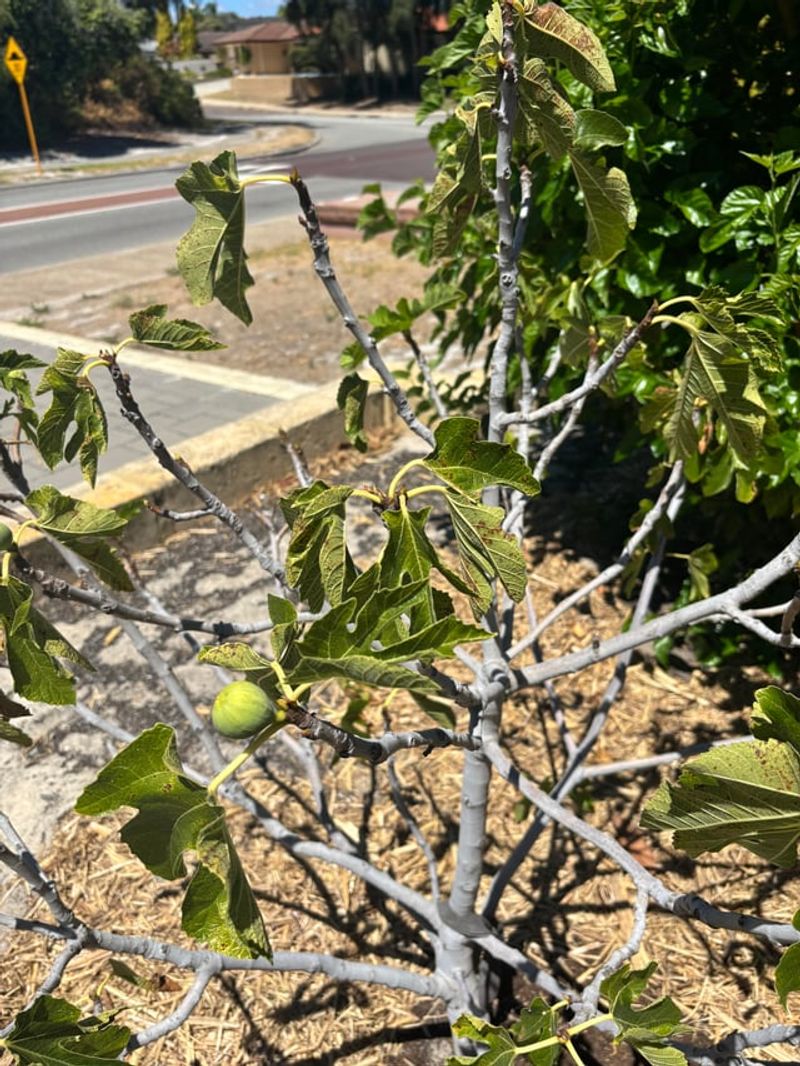
Mid-July in Pennsylvania can bring stretches of heat and low rainfall that stress fig trees right when developing fruit needs moisture most.
Figs are relatively drought-tolerant once established, but that tolerance has limits – especially when small fruits are actively swelling and filling with sugars.
A dry spell during this critical window often causes figs to stall in size, turn leathery, or drop from the tree before they ever ripen properly.
Container fig trees face this challenge more acutely than in-ground trees because pots dry out far faster than garden soil.
A container fig on a sunny patio in August may need watering every day or even twice a day during a heat wave to keep the root zone consistently moist.
Inconsistent watering – soaking the pot one day and letting it go bone dry for three days – can cause fruit to crack or drop prematurely.
Deep, consistent watering is the answer for both in-ground and container figs during dry summer stretches. For in-ground trees, a soaker hose or drip line set to run two to three times per week works well.
A two-inch layer of organic mulch over the root zone helps retain soil moisture between waterings. Keep the mulch a few inches away from the trunk to avoid trapping excess moisture directly against the bark during wet spells.
9. Crowded Branches Can Block Light Where Figs Need It
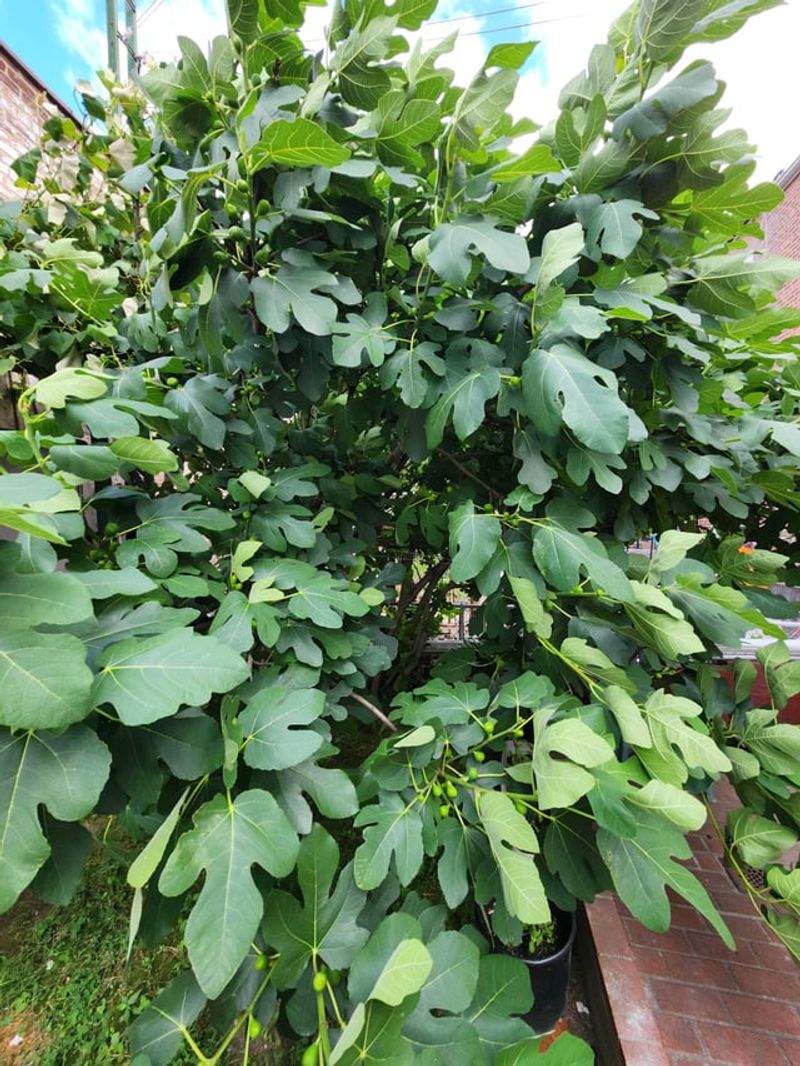
A fig tree that has gone unpruned for several seasons can develop a tangled interior so thick that sunlight barely reaches the branches where fruit is trying to develop.
Figs ripen best when they receive direct sun exposure – not just light filtered through layers of leaves and stems.
When the canopy becomes too crowded, the fruit that does set often stays small, takes longer to ripen, and may drop before sweetening because the energy and light it needs cannot reach it effectively.
This is a surprisingly common situation in Pennsylvania gardens where gardeners are hesitant to prune after reading about the risks of over-pruning.
The two concerns are not actually in conflict – the goal is selective thinning rather than hard cutting.
Removing branches that cross through the center of the tree and opening up the canopy to let air and light penetrate makes a significant difference in fruit quality and ripening speed.
Aim for an open vase or bowl shape when managing a fig tree’s structure over time. This allows sunlight to reach the inner fruiting wood from multiple angles throughout the day.
In Pennsylvania, where the warm season is already compressed, maximizing the light that reaches developing fruit can mean the difference between figs that ripen in September and figs that are still green when the first frost arrives in October.
10. Pollination Type Can Matter More Than Many Gardeners Realize
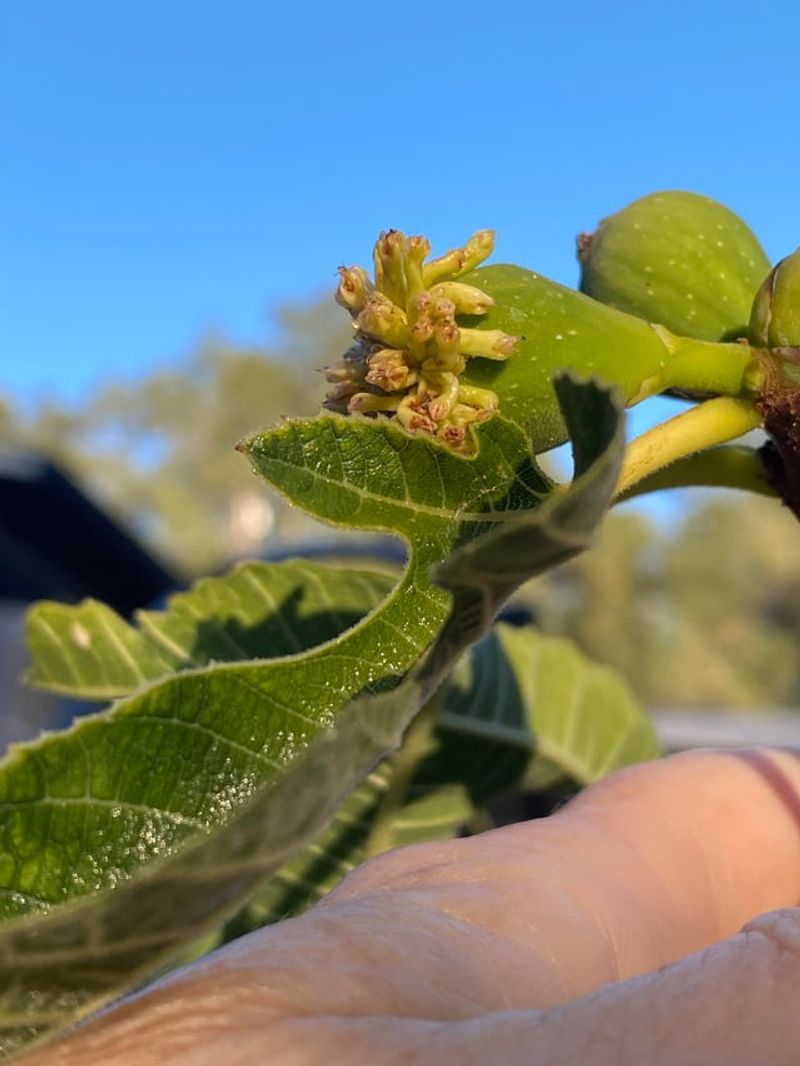
Most of the fig varieties sold at Pennsylvania garden centers and nurseries are what horticulturalists call common figs – varieties that set fruit without any outside pollination help.
Brown Turkey, Chicago Hardy, and Celeste all fall into this category, which is great news for Pennsylvania gardeners since the fig wasp required to pollinate certain other fig types does not live in Pennsylvania’s climate.
But even among common figs, a few things can interfere with fruit set in ways that look like a pollination problem.
Some gardeners purchase caprifig types or Smyrna-type figs by mistake, attracted by large fruit descriptions in catalogs.
These types genuinely require fig wasp pollination to produce fruit, and without those specific wasps present, the tree will flower internally and drop its fruit before it ever develops.
If you have never seen your tree produce a single fig despite healthy growth year after year, variety identification is worth investigating.
For most Pennsylvania gardeners using common fig varieties, the fix is not about pollination at all – it is about the other nine factors on this list.
But if you are unsure of your variety, check the tag, contact the nursery where you purchased it, or compare photos and descriptions from university extension resources.
Confirming you have a self-fertile common fig type eliminates one variable and helps you focus your troubleshooting where it will actually make a difference.