Why Your Hostas Are Full Of Holes And What’s Actually Eating Them
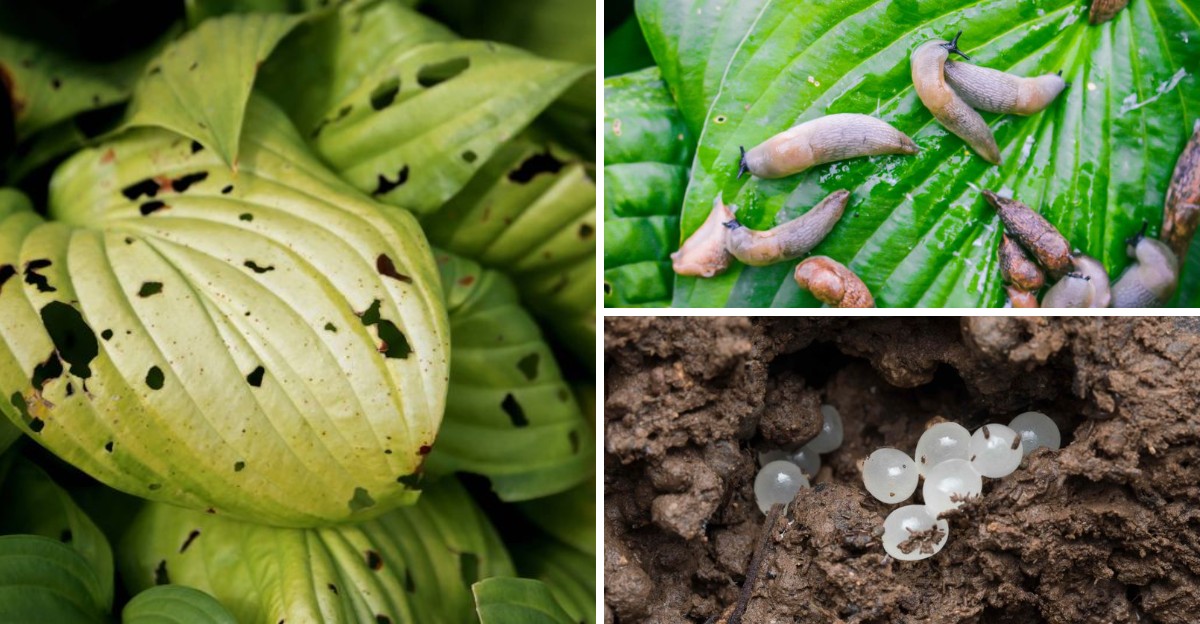
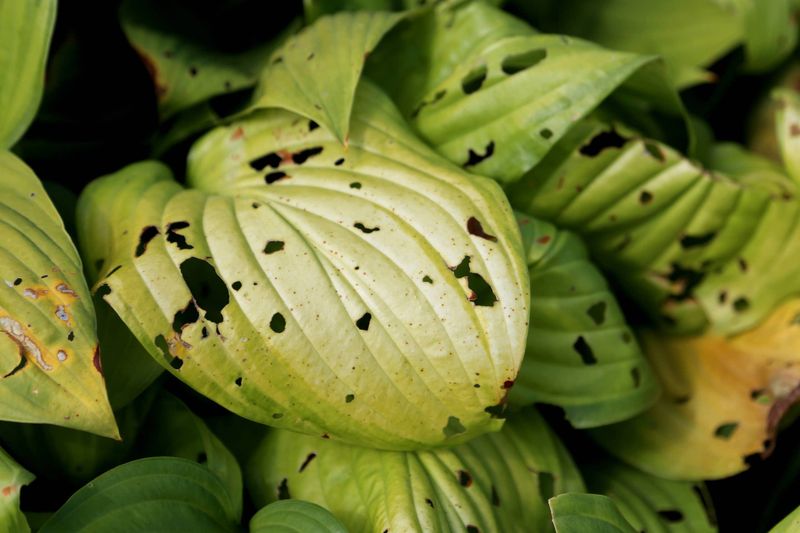
Irregular holes pepper the broad leaves of your priciest plant. You find no fur, no feathers, and no shoe prints.
Instead, you spot a shiny streak glittering across the path like dried craft glue. Wet soil scents the air as you crouch for a closer look.
Your suspect works nights and crawls slower than a parked car. Gourmet taste guides this culprit straight to the plant you paid extra for.
Suspect slugs and snails, because they eat tender foliage while you sleep. Grab a flashlight and prepare for squishy surprises after dark.
Wait for darkness, then sweep the beam across your leaves. Glistening bodies cling to stems and leaf undersides, right where you overlook them.
Pluck them with gloved fingers and drop them into soapy water. Then you can shield your investment with copper tape and shallow beer traps tonight.
1. The Telltale Silver Slime Trails
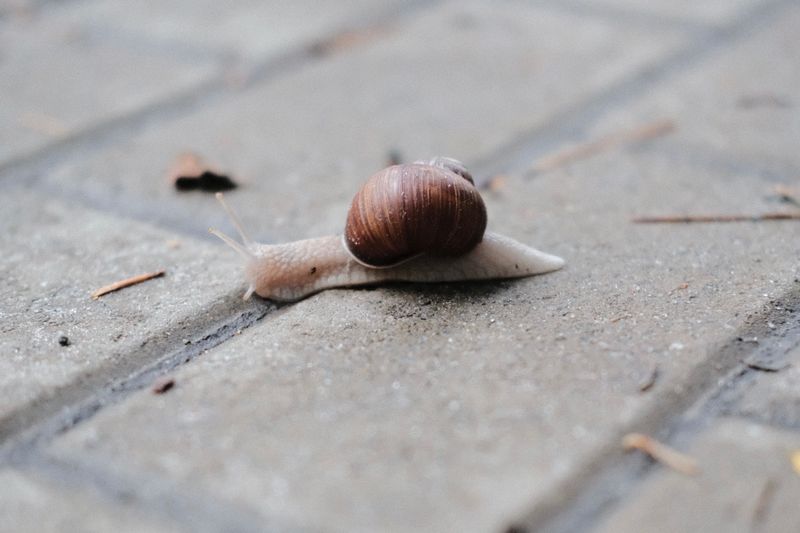
Picture a snail as a tiny truck that paves its own road as it goes. That road is made of mucus, and it dries into shiny silver streaks by morning.
Slugs and snails both make this slime to glide over rough ground without scraping their soft bodies. The slime also keeps them from drying out, which matters a lot for creatures made mostly of water.
Look closely at the soil, the mulch, and the hosta leaves themselves after a damp night. Glittery lines winding around the plant base are a strong hint about who visited.
Sometimes the trails even lead right up the stem and across the holes in the leaf. That is about as close to a signed confession as you will get in the garden.
Morning sunlight makes the trails easiest to spot, so check early before they fade. Tilt your head and look at the ground from a low angle for the best view.
If you find trails on sidewalks or garden pots too, the pests are traveling farther than you think. They often hide under nearby boards, rocks, or containers during the day.
One handy trick is to follow a trail backward like a detective tracing footprints. It may lead you straight to a damp hiding spot full of sleeping slugs.
Wear gloves if you plan to touch the slime, because it is sticky and hard to wash off. A little dry soil rubbed between your hands can help loosen it before washing.
2. The Irregular Holes In The Middle
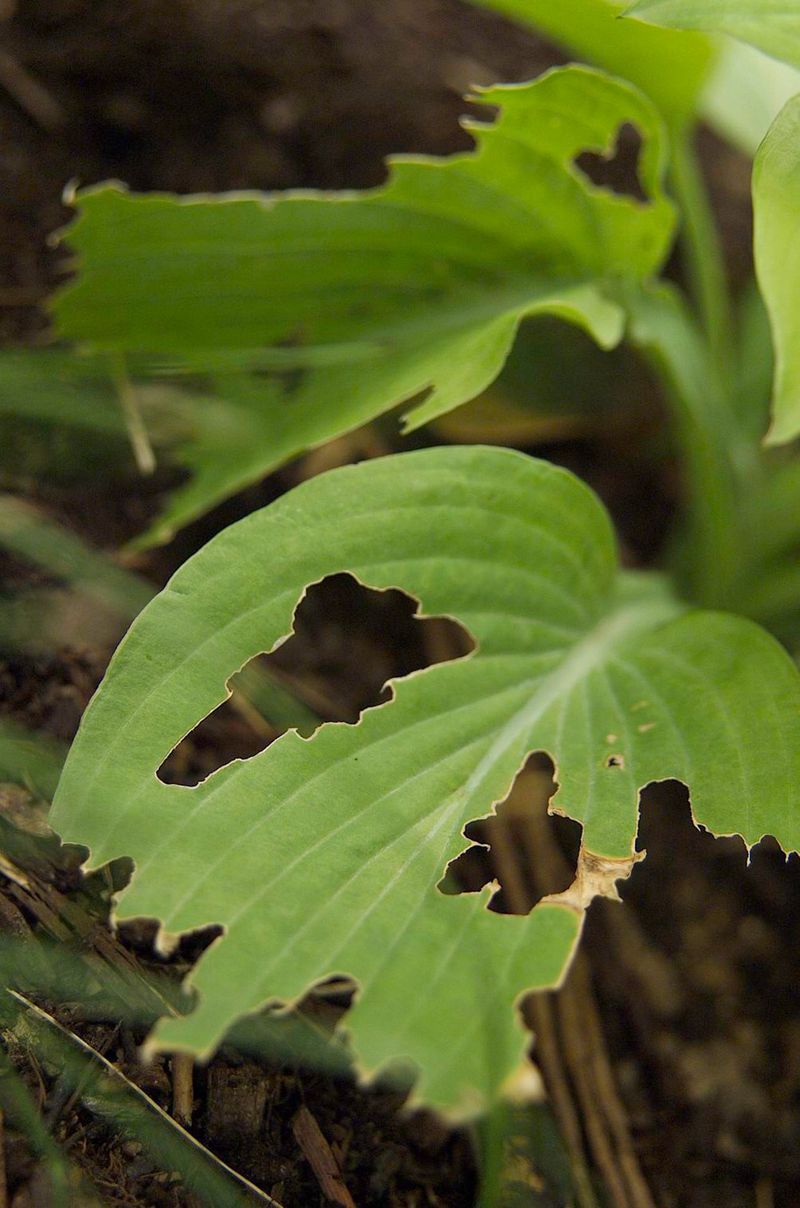
Not every hole in a hosta leaf comes from the same cause. The shape and spot of the damage can tell you a lot about the guest.
Slugs and snails use a tongue-like ribbon called a radula, which is covered in thousands of tiny teeth. It works like a little cheese grater, scraping away soft leaf tissue bit by bit.
Because of this, their holes look irregular, with silvery slime trails often nearby. The holes often appear in the middle of the leaf, not just along the sides.
Caterpillars and beetles usually chew from the edges and leave droppings behind. Hail damage looks more like torn, shredded strips across the whole plant at once.
Slug damage tends to show up first on the lowest leaves closest to the ground. That makes sense, since these pests crawl up from the soil each night.
Thin-leaved hosta types are affected the most because their leaves are easier to grind. Thick-leaved varieties like Sum and Substance and blue types like Halcyon resist better.
If you are buying new hostas, look for words like heavy texture or slug resistant on the tag. Those plants still get nibbled, but the holes are usually smaller and fewer.
Snap a photo of damaged leaves each week to track how fast the holes spread. That simple record helps you see if your control methods are actually working.
Older holes turn brown around the edges, while fresh ones look green and moist. Fresh damage means the hungry crew is still active nearby.
3. The Midnight Feeding Schedule
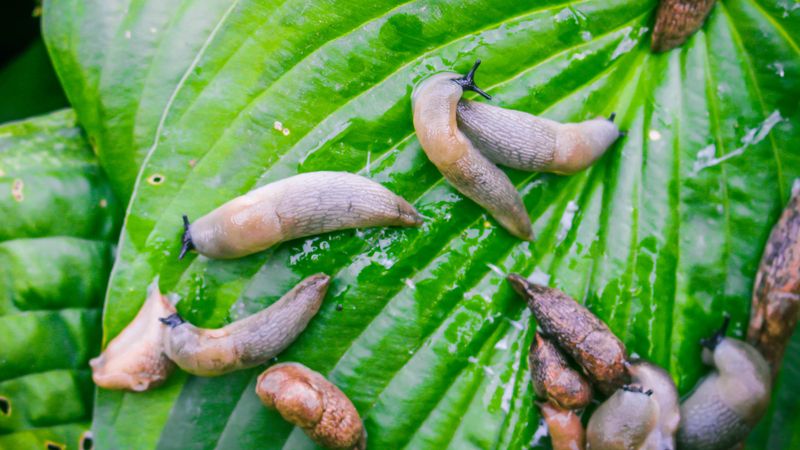
While you sleep, a quiet buffet is open in your garden. Slugs and snails do most of their eating between sunset and sunrise.
Darkness protects them from the sun, which can dry out their moist bodies fast. Cool night air also keeps the ground damp, making travel easier for them.
That is why many gardeners find fresh holes each morning but no visible culprit. By the time you wake up, the eaters have crawled back into hiding.
Rainy or cloudy days can change the schedule a bit. On wet, gray afternoons, you might spot them feeding in broad daylight.
A single garden slug can eat a surprising amount of fresh leaf tissue in one night. Imagine putting away a mountain of salad before breakfast, then happily asking for seconds.
Watering your garden in the evening gives them an even better party. Damp leaves and wet soil at night are like rolling out a red carpet.
Try watering in the early morning instead, so the surface dries by sunset. Your hostas still get a good drink, but the nighttime feeders lose their damp path.
Mild spring and fall nights are prime feeding times in most areas. Keep an eye out during those seasons, when damage can jump almost overnight.
Summer heat waves slow them down, since they burrow deeper to stay cool. Once the weather breaks, though, they come back with big appetites.
Mark your calendar for checks after every warm rain shower. Those humid nights bring out the largest numbers of feeding slugs.
4. The Damp Shady Hiding Spots
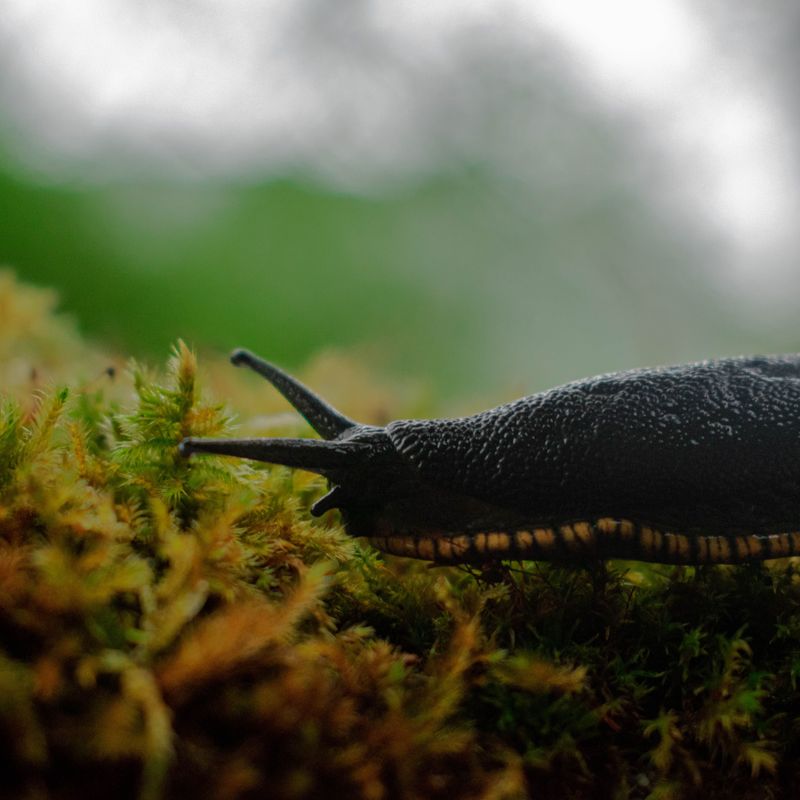
If slugs wrote real estate ads, a shady hosta bed would be listed as a dream home. It is cool, moist, and packed with tasty leaves right outside the front door.
Hostas love shade, and sadly, so do the pests that munch them. Both enjoy damp soil that stays out of strong afternoon sun.
During the day, slugs and snails tuck themselves under anything that holds moisture. Thick mulch, fallen leaves, boards, rocks, and flowerpots all make perfect daytime bedrooms.
Overgrown plants and tall weeds add even more hiding spaces close to their food. Crowded beds trap humidity, keeping things comfy for them.
You can make your garden less welcoming without giving up the shade. Start by pulling mulch back a few inches from the base of each hosta.
Keep mulch layers thin, around two inches, so the top can dry out. Rake up old leaves and clear away boards or junk lying near the bed.
Spacing plants a little farther apart lets air flow between them. Better airflow means drier soil, and drier soil means fewer slug visitors.
Flip over stones and pots now and then to see who is living underneath. Many gardeners are shocked at how many slugs pile up in one cool spot.
You can even use this habit to your advantage on purpose. Lay a flat board on the soil overnight, then lift it in the morning and collect the crowd.
It works like a trap with no bait required. Just scrape the sleepy slugs into soapy water and set the board back down.
5. The Usual Suspects In Your Yard
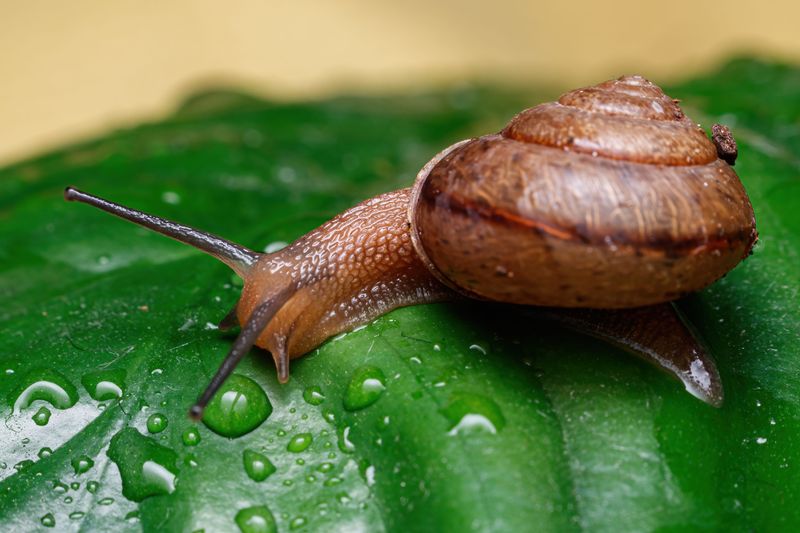
Meet the lineup of common suspects most likely visiting your hosta bed. Each one looks a little different, but they all share a serious leaf habit.
The gray field slug is small, about an inch long, and pale gray or tan. It is one of the most common garden pests across North America and Europe.
Leopard slugs are much bigger, sometimes reaching six inches, with dark spots like a big cat. They do eat some plants, but they also hunt other slugs, which is oddly helpful.
Banana slugs live mostly in the Pacific Northwest and can be bright yellow. They prefer rotting plants and mushrooms, so they are less of a hosta threat.
Brown garden snails carry a swirled shell and love damp, mild climates. They were brought to California in the 1850s, likely as a food for escargot.
Snails and slugs are actually close cousins in a group called gastropods. That name means stomach foot, since they seem to walk on their bellies.
Snails need calcium to build their shells, so they often hang around limestone or concrete. Slugs skip the shell, which lets them squeeze into tiny cracks and gaps.
Knowing which suspect you have helps you pick the right plan. A few big snails are easy to grab, while hundreds of tiny slugs need traps.
Go out at night with a flashlight and take a quick count. Snap pictures and compare them online or with a local garden center expert.
6. The Hidden Egg Clusters In Soil
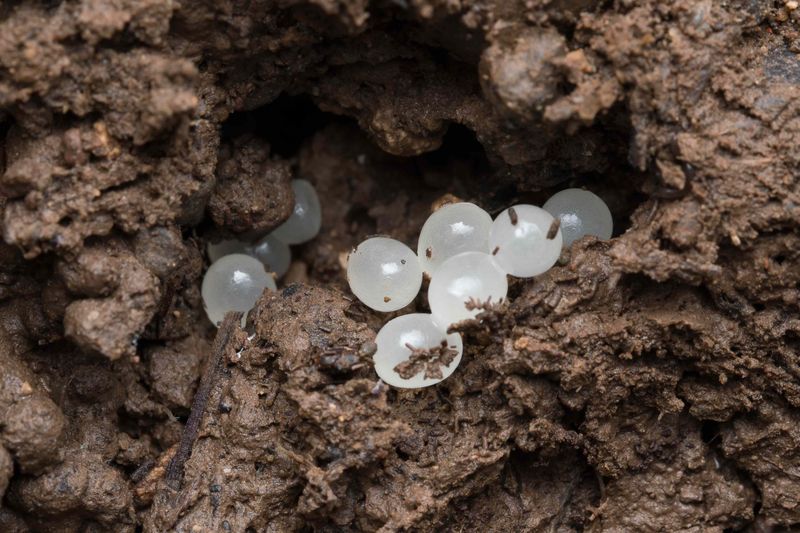
Tiny clear pearls hiding under a clump of soil might look pretty at first. Yet those little beads are slug eggs waiting to become next month’s hungry crowd.
Slugs and snails have both male and female parts, so every adult can lay eggs. A single gray field slug can lay hundreds of eggs in one year.
The eggs are round, jelly-like, and usually white or see-through. Cluster size varies by species, reaching dozens of eggs, tucked into moist soil or under debris.
Most egg laying happens in spring and fall, when the ground stays cool and wet. Some eggs even survive winter and hatch once the soil warms up again.
Baby slugs look like tiny versions of adults and start eating right away. Within a few months, they are big enough to lay eggs of their own.
That fast cycle explains why a small problem can multiply by midsummer. Stopping eggs early is a highly effective move that any gardener can make.
When you weed or plant, keep an eye out for those shiny clusters. Scoop them up and drop them in the trash, or leave them out for birds.
Turning the top layer of soil in early spring exposes eggs to sun and hungry critters. Lightly raking the bed in fall does the same job before winter.
Cleaning up leaf piles and old plant stems also removes favorite nesting sites. Fewer cozy nurseries mean fewer babies chewing your hostas next season. Think of it as spring cleaning with a big payoff. Your future leaves will thank you.
7. The Flashlight Hunt After Dark
Grab a flashlight, a bucket, and your bravest pair of gloves for tonight’s adventure. Hand picking slugs and snails sounds gross, but it can work well.
Head outside a little while after dark, when feeding is in full swing. Shine your light under leaves, along stems, and across the soil around each hosta.
Pick off every slug or snail you see and drop it into soapy water. The soapy water traps and drowns them, so they cannot crawl back out.
Feeling squeamish about touching them? Wear gloves and wash your hands afterward, since slugs can carry parasites. Chopsticks, tongs, or a plastic spoon make the job much less icky.
Beer traps are another popular trick that many gardeners swear by. Bury a shallow dish, rim an inch above soil to spare beetles, then fill it with beer.
Slugs follow the yeasty smell, crawl in, and usually cannot climb out. Empty and refill the traps every few days, especially after rain.
A mix of water, sugar, and yeast works too if you skip the beer. Kids often love helping with this part, since it feels like a science project.
Repeat your night hunts several times a week for the first month. Each slug you remove means fewer eggs and fewer holes down the road.
Keep a simple tally on your phone or a notepad by the door. Watching the numbers drop is oddly satisfying and shows your work is paying off.
Some gardeners even turn it into a friendly contest with neighbors. Whoever collects the most slugs by Friday earns bragging rights and maybe a cookie.
8. The Barriers And Garden Helpers
Sometimes the best defense is a good fence, even for creatures shorter than your thumb. Barriers and natural helpers can protect hostas without filling your yard with synthetic chemicals.
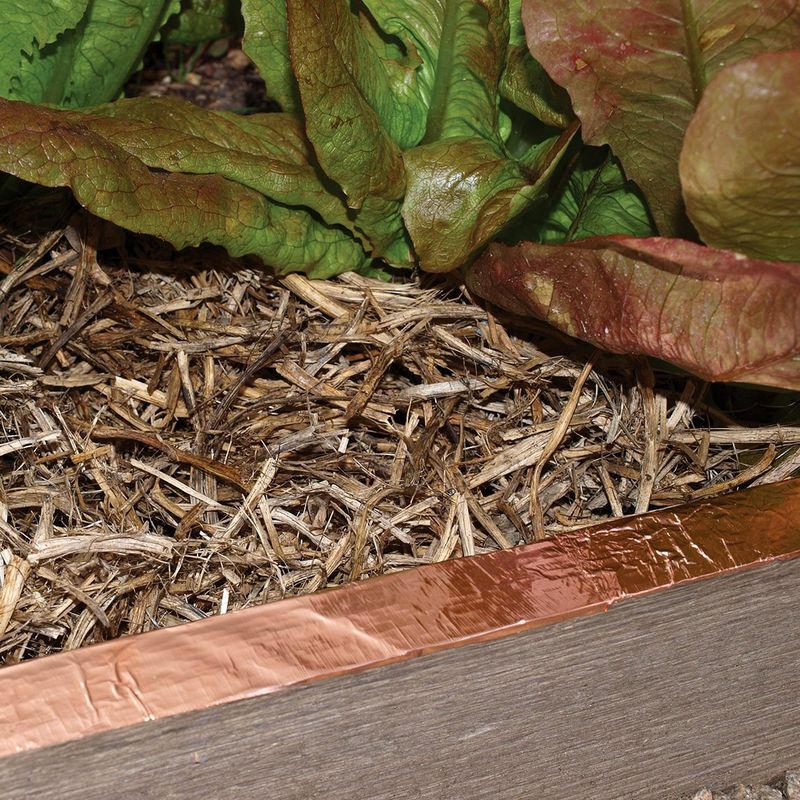
Copper tape wrapped around pots or raised beds may irritate slugs, though it tarnishes. Slime may react with the metal, so some turn around instead of crossing.
Crushed eggshells and coarse sand create a scratchy path meant to deter slugs. Trials show little effect, and rain washes them away, so expect minimal help.
Diatomaceous earth is a fine powder of fossilized, microscopic algae called diatoms. Its abrasive edges irritate slugs, but wet weather weakens it and beetles are affected.
Iron phosphate baits are a safer pick than older slug pellets. They are approved for organic gardens and break down into plant food.
Nature also sends a cleanup crew if you make your yard welcoming. Toads, birds, ground beetles, garter snakes, and firefly larvae happily snack on slugs.
Add a shallow water dish or a small rock pile to invite toads and beetles. Skip strong bug sprays, since they can harm these helpful hunters too.
Some gardeners keep a few backyard ducks or chickens for slug patrol. Ducks in particular eat slugs quite readily, though they may nibble plants too.
Mixing a few methods usually works better than relying on just one. Try a barrier, a trap, and some wildlife-friendly spots all in the same season.
With steady effort, your hostas can grow big, smooth leaves again. Those pests may still visit, but they will find a much tougher crowd waiting.