Why Your Houseplants Look Sad After A Snowstorm In North Carolina
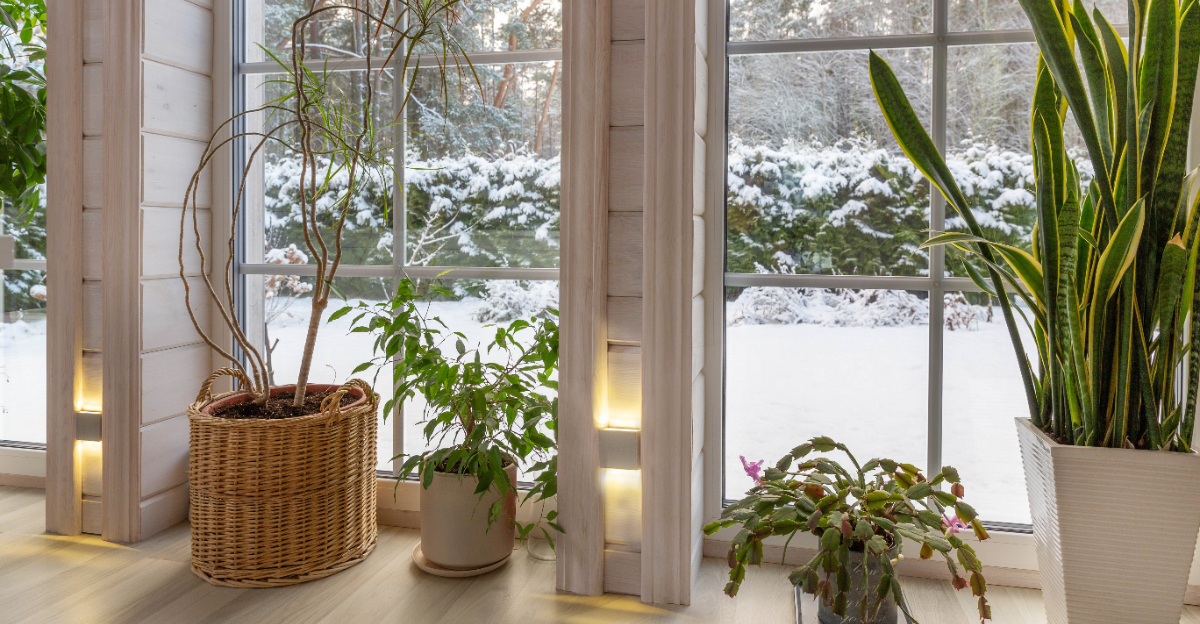
A sudden snowstorm can change the feel of your entire home, and your houseplants often react before you even notice the shift.
In North Carolina, winter storms bring cold drafts, lower light levels, and drier indoor air that can quickly leave once vibrant plants looking tired and stressed.
Even when safely indoors, houseplants sense these environmental changes through drops in temperature, reduced humidity, and shorter daylight hours. Leaves may droop, color can fade, and growth often slows as plants adjust to the temporary conditions.
Understanding why this happens makes it much easier to respond effectively and restore healthy growth. Small adjustments such as improving light, maintaining steady warmth, and adding gentle moisture to the air can make a noticeable difference.
With the right care, your plants can recover quickly and regain their strength. Knowing how North Carolina winter weather affects indoor plants helps you keep your greenery healthy, balanced, and full of life even during snowy days.
1. Sudden Temperature Drops Near Windows Stress Indoor Plants
Picture your favorite tropical plant sitting right next to a frosted window during a North Carolina snowstorm. That window might look cozy from your couch, but for your plant, it is basically sitting next to a mini freezer.
Glass conducts cold extremely well, which means the air and surface right next to it can be several degrees cooler than the rest of your room.
Most popular houseplants, like pothos, peace lilies, and fiddle leaf figs, originally come from warm tropical climates. Their leaves and roots are not built to handle sudden cold snaps, even brief ones.
When the temperature near a window dips below 55 degrees Fahrenheit, many of these plants begin to show stress signs like wilting, yellowing, or leaf drop.
The fix is surprisingly simple. Move your plants at least two to three feet away from exterior windows during cold weather.
If you love the look of plants on your windowsill, try placing a thick curtain between the glass and the plant at night. Even a folded towel or a piece of cardboard can act as a buffer against the cold radiating off the glass.
Checking the temperature near your windows with a small thermometer is a smart habit during any North Carolina cold snap, giving your plants a real fighting chance.
2. Reduced Winter Light Weakens Plant Energy
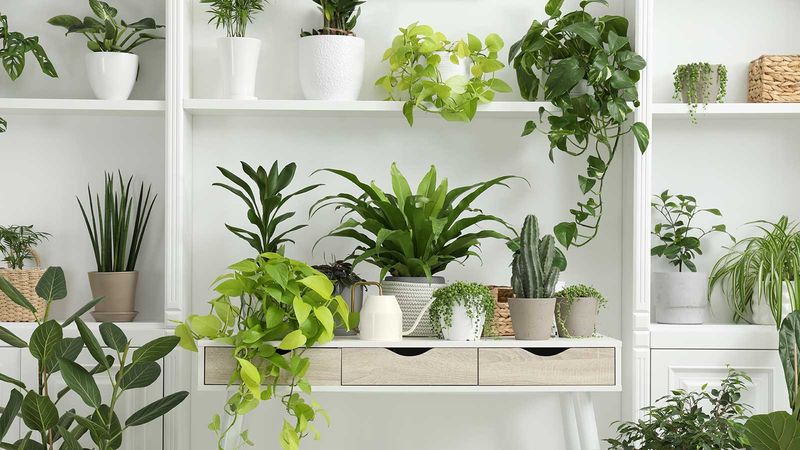
Snowstorms in North Carolina do not just bring cold, they bring thick gray clouds that block sunlight for days at a time. Your houseplants depend on light the same way you depend on food, and when that supply suddenly drops, their whole system slows down.
Photosynthesis, the process plants use to make energy from light, becomes sluggish when light levels fall too low.
You might notice your plants starting to droop, lean toward the nearest light source, or develop pale, washed-out leaves. These are all signs that your plant is running low on energy and struggling to keep up with normal functions.
Even plants that usually do well in lower light, like snake plants or ZZ plants, can feel the pinch during an extended cloudy stretch.
One of the best things you can do is supplement natural light with a grow light during and after a storm. Full-spectrum LED grow lights are affordable, energy-efficient, and can make a huge difference for light-starved plants.
Even placing a simple desk lamp with a daylight bulb nearby can help. Rotating your plants every few days also ensures all sides get equal exposure to whatever light is available.
Just a few extra hours of supplemental light each day can help your plants maintain their energy and avoid that sad, droopy look that follows a long North Carolina snowstorm.
3. Dry Indoor Air From Heating Systems Causes Stress
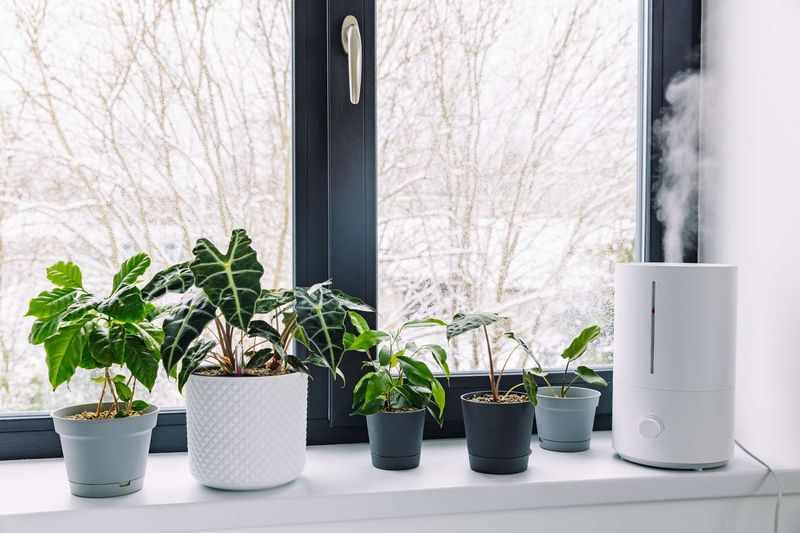
Here is something most people do not think about when a snowstorm rolls through: cranking up the heat inside your home actually makes the air drier.
Furnaces and heat pumps push warm air through your home, and that warm air holds less moisture than the cool outdoor air your plants prefer.
For tropical houseplants like ferns, orchids, and calatheas, this drop in humidity can feel genuinely miserable.
Most tropical houseplants thrive in humidity levels between 40 and 60 percent. During a North Carolina winter with the heat running full blast, indoor humidity can drop well below 30 percent.
That dry air pulls moisture right out of plant leaves through a process called transpiration, and the plant struggles to replace that moisture fast enough through its roots.
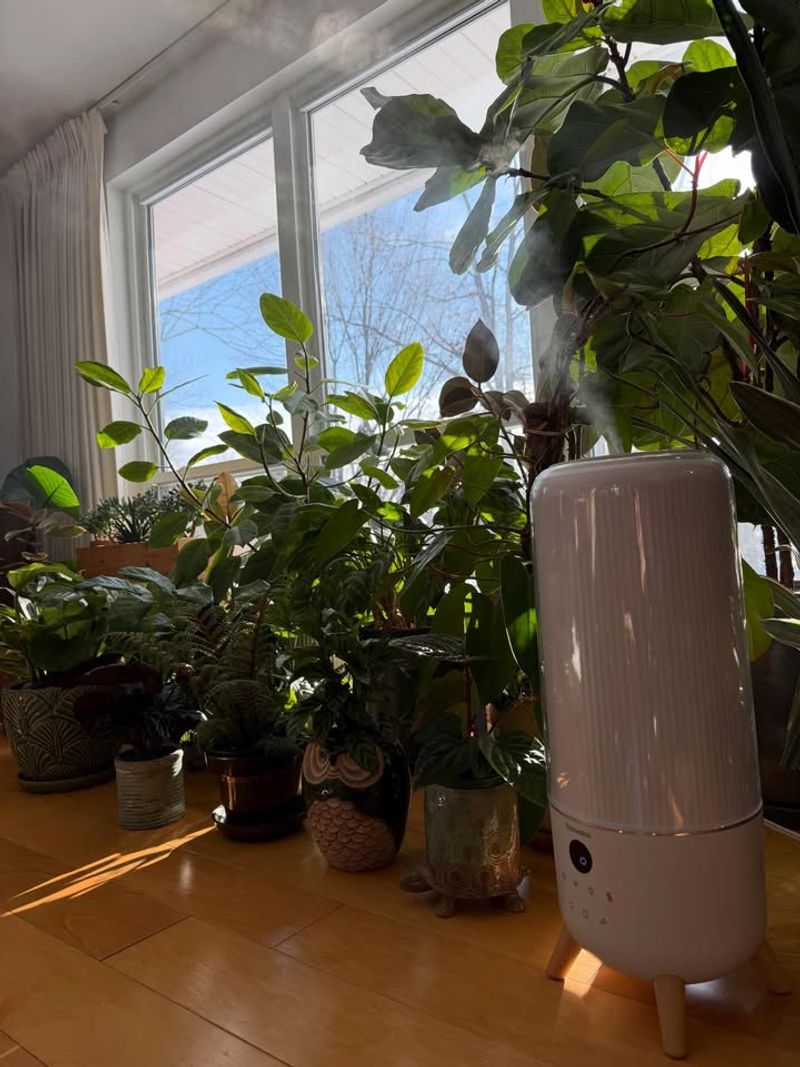
The result is often brown leaf tips, curling edges, or an overall wilted look even when the soil is perfectly moist. A small humidifier placed near your plant collection works wonders during these dry spells.
Grouping plants together also helps because they release moisture into the air around each other. Misting your plants lightly in the morning is another option, though it works best as a short-term fix.
Placing a shallow tray filled with pebbles and water under your pots can also gently raise the humidity right around the plants without overwatering them. Small changes add up fast.
4. Overwatering Is More Likely During Cold Dark Periods
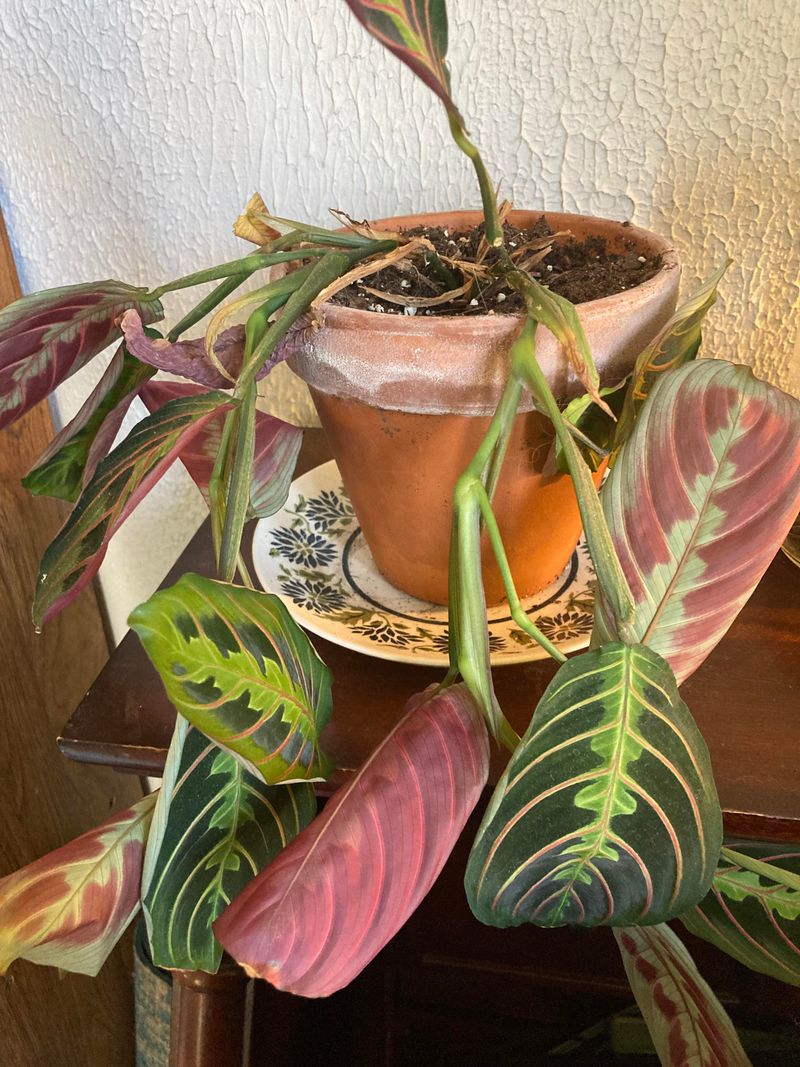
Cold, cloudy days have a sneaky way of making plant owners reach for the watering can more often than they should.
It feels like the right thing to do when your plant looks sad, but during a snowstorm or extended cold stretch, overwatering is one of the most common mistakes you can make.
Plants simply do not need as much water in winter as they do in the warmer, brighter months.
During cold and dark periods, plant metabolism slows way down. They are not growing much, not photosynthesizing at full speed, and not using water at their normal rate.
When you water on your regular warm-weather schedule, the soil stays wet for much longer than usual. Roots sitting in soggy soil can develop root rot, a condition where the roots break down from lack of oxygen and excess moisture.
The best way to avoid this is to check the soil before every watering, not just water on a set schedule. Stick your finger about an inch into the soil, and if it still feels moist, wait a few more days.
Most houseplants in winter only need watering every ten to fourteen days, sometimes even less. Using pots with good drainage holes and well-draining potting mix also helps excess water escape before it causes problems.
Less water during a storm stretch is almost always the smarter move.
5. Cold Window Glass Can Chill Leaves Overnight
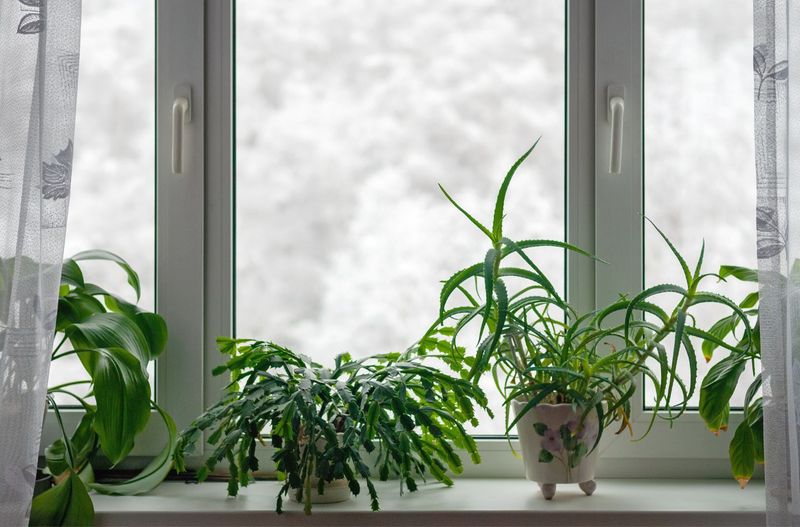
There is a quiet problem that happens after the sun goes down during a North Carolina snowstorm, and most plant owners sleep right through it.
When a plant leaf touches cold window glass overnight, that leaf can lose heat rapidly and experience what plant scientists call chilling injury.
The glass can drop to temperatures close to freezing, even while the rest of your room stays warm and comfortable.
Chilling injury does not always show up right away, which makes it tricky to catch. You might wake up the next morning and notice soft, water-soaked patches on the leaves, or areas that turn dark and mushy over the next day or two.
Thin-leaved plants like begonias, impatiens, and African violets are especially vulnerable because their tissue cannot handle cold exposure as well as thicker-leaved plants can.
Preventing this kind of damage is all about awareness and positioning. Make it a habit to check whether any leaves are resting against the window glass before you go to bed, especially during cold snaps.
Gently repositioning the plant or tucking a folded piece of fabric between the glass and the plant can prevent overnight chilling. If you notice any damaged leaves after a cold night, remove them promptly to help the plant focus its energy on healthy new growth.
A little attention at bedtime goes a long way.
6. Sudden Temperature Swings From Heating Systems Cause Shock
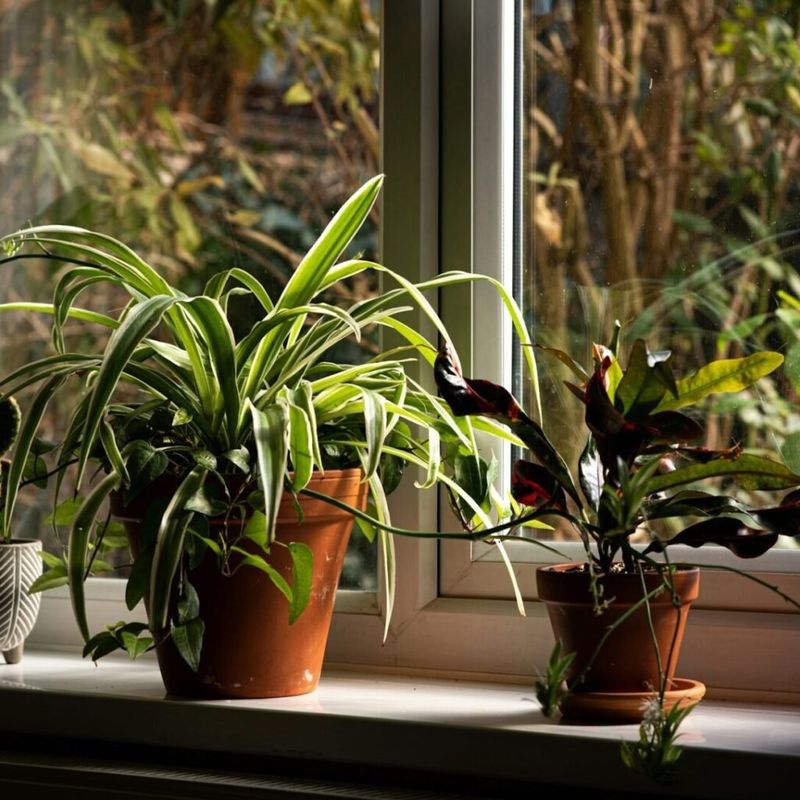
Your heating system works hard during a North Carolina snowstorm, cycling on and off throughout the day and night to keep your home at a steady temperature.
But for a houseplant sitting nearby, those repeated blasts of hot dry air followed by cooler periods can feel like riding a temperature rollercoaster.
Plants prefer stable conditions, and frequent swings can trigger a stress response that shows up as wilting, leaf drop, or browning.
When a plant experiences rapid temperature changes, it struggles to regulate moisture loss through its leaves. Hot air from a heating vent speeds up transpiration dramatically, causing the plant to lose water faster than its roots can absorb it.
Then, when the heat cycles off and the air cools again, the plant has to readjust all over again. This repeated back-and-forth wears on even hardy houseplants over time.
Keeping plants at least three to four feet away from heating vents, radiators, and wood stoves is one of the easiest ways to protect them. If you have limited space and cannot move a plant far from a vent, try redirecting the airflow with a vent deflector.
You can find these inexpensively at most hardware stores. Also, placing a thermometer near your plant collection helps you spot problem areas in your home where temperature swings are most extreme.
A stable spot away from direct heat is worth finding for your plant’s long-term happiness.
7. Compacted Or Cold Soil Slows Root Activity
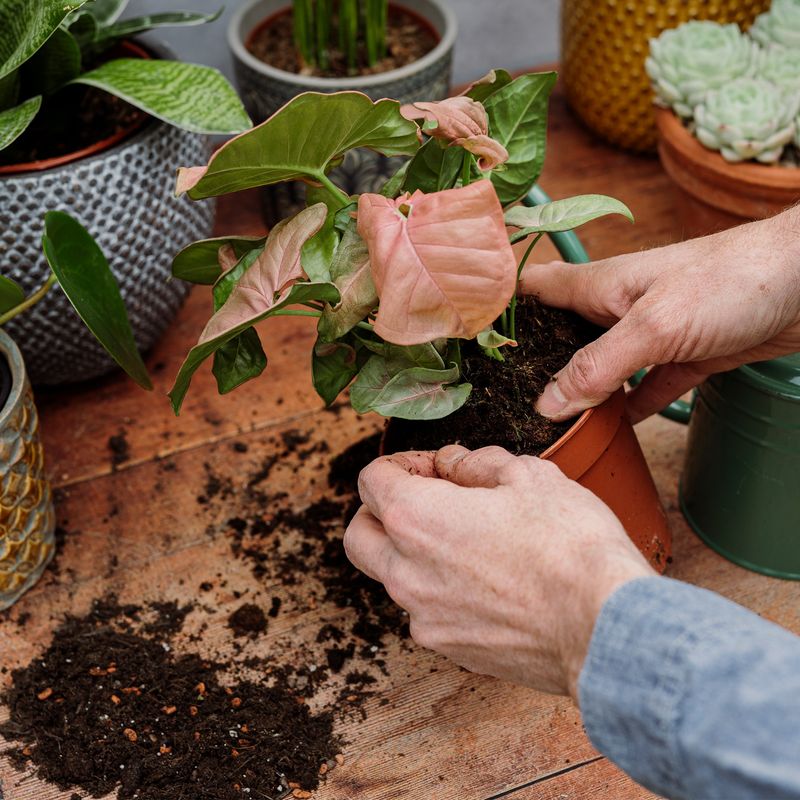
Roots are the engine of every houseplant, pulling in water and nutrients to keep the whole plant running smoothly. But when soil gets cold or compacted, that engine starts to stall.
During a North Carolina snowstorm, floors and surfaces near exterior walls get noticeably colder, and pots sitting on those surfaces can have soil temperatures several degrees lower than the air around them.
Cold soil slows the biological activity of roots significantly. Nutrient uptake drops, water absorption becomes sluggish, and the plant above the soil starts to show signs of stress even when you are doing everything else right.
Compacted soil makes things worse by reducing the air pockets that roots need to breathe. Over time, roots in dense, cold soil can become less effective and more prone to problems.
One easy fix is to lift your pots off cold floors using a plant stand, a wooden trivet, or even a folded towel. This simple buffer can make a meaningful difference in soil temperature.
If your potting mix has been in the same pot for more than a year or two, it may be compacted and ready for refreshing. Mixing in some perlite or coarse sand when you repot helps keep soil loose and well-aerated.
Warming up the soil environment, even slightly, helps roots stay active and keeps your plant looking its best through the coldest winter days.
8. Low Humidity Can Cause Leaf Curling And Browning
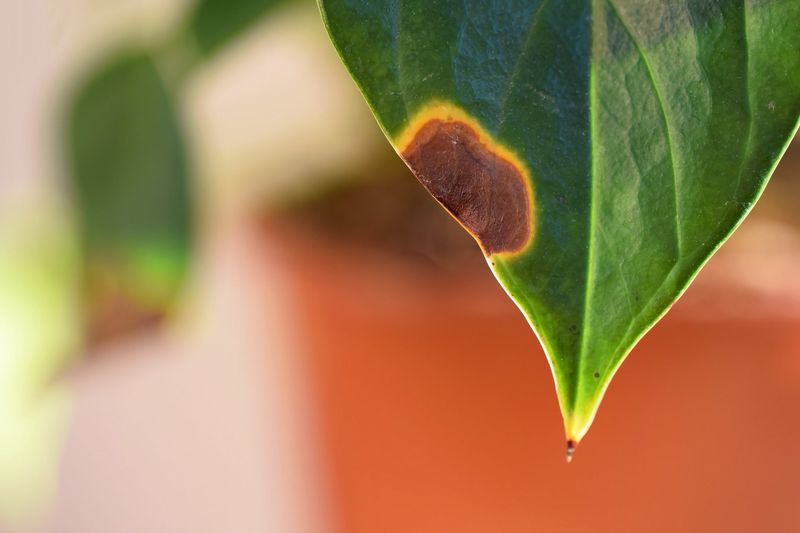
Brown, crispy leaf tips are one of the most common complaints plant owners bring up after a winter storm, and low humidity is almost always the culprit. When the air inside your home becomes very dry, plant leaves start losing moisture faster than the roots can replace it.
The edges and tips of leaves are the first to show the damage because they are farthest from the plant’s main water supply.
Calatheas, ferns, spider plants, and peace lilies are particularly sensitive to dry air. Even plants that are usually considered easy to care for can develop curling, browning, or crispy edges when indoor humidity drops below 30 percent.
The frustrating part is that this damage looks similar to underwatering, so many plant owners respond by watering more, which can actually make the overall situation worse.
Boosting humidity around your plants does not have to be complicated or expensive. A small ultrasonic humidifier running a few hours each day near your plant collection can bring humidity up to a comfortable range quickly.
You can also create a pebble tray by filling a shallow dish with small stones and water, then setting your pot on top, making sure the pot itself is not sitting in the water directly. Clustering plants together creates a shared microclimate with slightly higher humidity.
Even moving plants to a naturally more humid room like a bathroom with a window can make a surprising difference during dry winter stretches.
9. Drafts From Doors And Windows Increase Stress
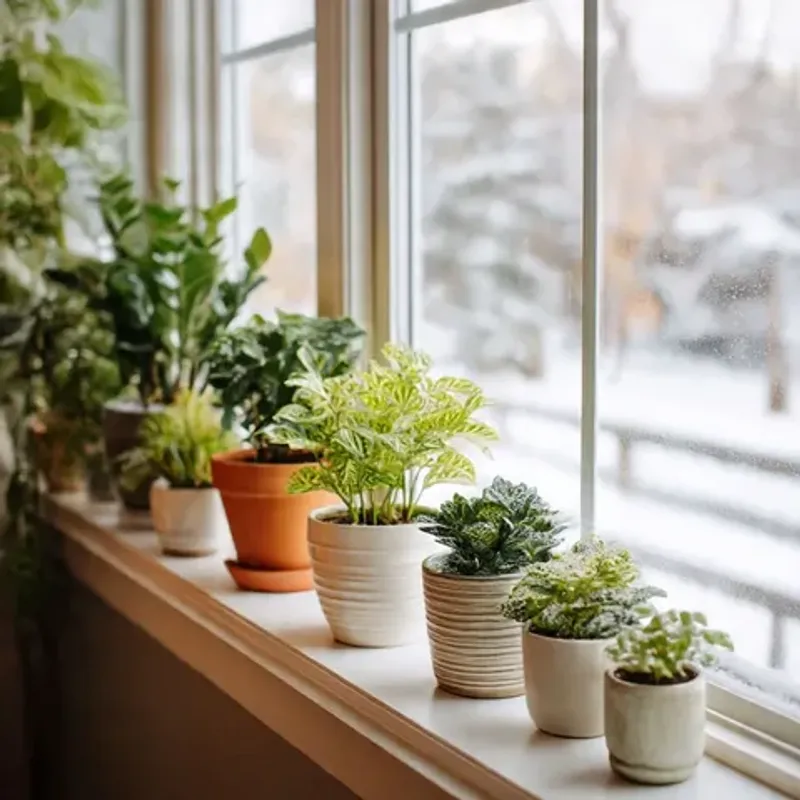
Cold drafts are sneaky. You might not even notice the chill near a poorly sealed door or window, but your houseplant absolutely will.
During a North Carolina snowstorm, cold air can seep through gaps around window frames, under exterior doors, and through older window seals. That moving cold air hits plant leaves repeatedly, causing rapid moisture loss and temperature stress that adds up quickly.
Tropical plants like monsteras, dracaenas, and anthuriums are especially vulnerable to drafts because they evolved in still, humid environments with very little air movement.
Repeated exposure to cold moving air causes their stomata, the tiny pores on leaves that manage gas and moisture exchange, to close up in defense.
When stomata stay closed for extended periods, the plant cannot photosynthesize effectively, and energy production drops.
Walk around your home during the next cold snap and hold your hand near windows and doors to feel for drafts. You might be surprised how much cold air sneaks in.
Moving plants away from drafty spots is the most effective solution. Weather stripping and draft stoppers placed at the base of exterior doors are inexpensive and easy to install, helping both your plants and your heating bill.
Heavy curtains over drafty windows also reduce cold air movement considerably. Giving your plants a sheltered, draft-free spot during winter storms keeps them calmer, healthier, and far less likely to drop leaves in protest.
10. Plants Often Recover Once Light And Temperatures Improve
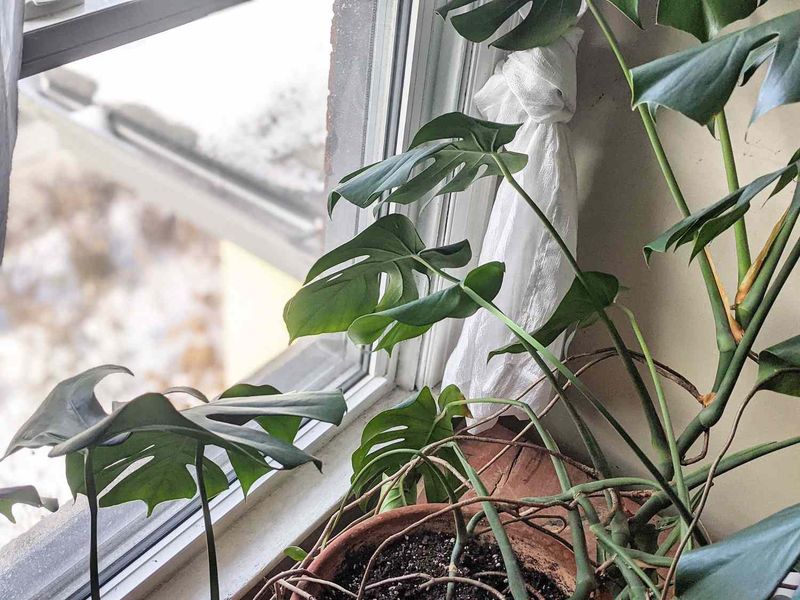
Good news: most houseplants are tougher than they look. Once a North Carolina snowstorm passes and sunlight starts filtering back through your windows, you will likely notice your plants beginning to perk up on their own.
The combination of better light and more stable temperatures gives them exactly what they need to start recovering and pushing out healthy new growth.
Recovery time varies depending on the plant and how long the stressful conditions lasted. A plant that experienced a few days of low light and dry air might bounce back within a week or two of improved conditions.
A plant that suffered cold damage from touching a window may take a bit longer, especially if you need to remove damaged leaves first.
Removing those damaged leaves actually helps the plant redirect its energy toward new, healthy growth rather than trying to repair tissue that cannot be saved.
Supporting your plant through recovery is all about getting back to basics. Resume a proper watering schedule based on soil moisture rather than the calendar.
Move plants back to their brightest spots now that the storm has passed. Give them a light feeding with a balanced liquid fertilizer once they show signs of active new growth, but hold off on fertilizing while they are still stressed.
Be patient and consistent, and most plants will reward you with fresh, vibrant leaves before you know it. Winter setbacks are temporary, and spring is always on the way.