Why Your Hydrangeas Keep Failing In Pennsylvania (And How To Make Them Thrive)
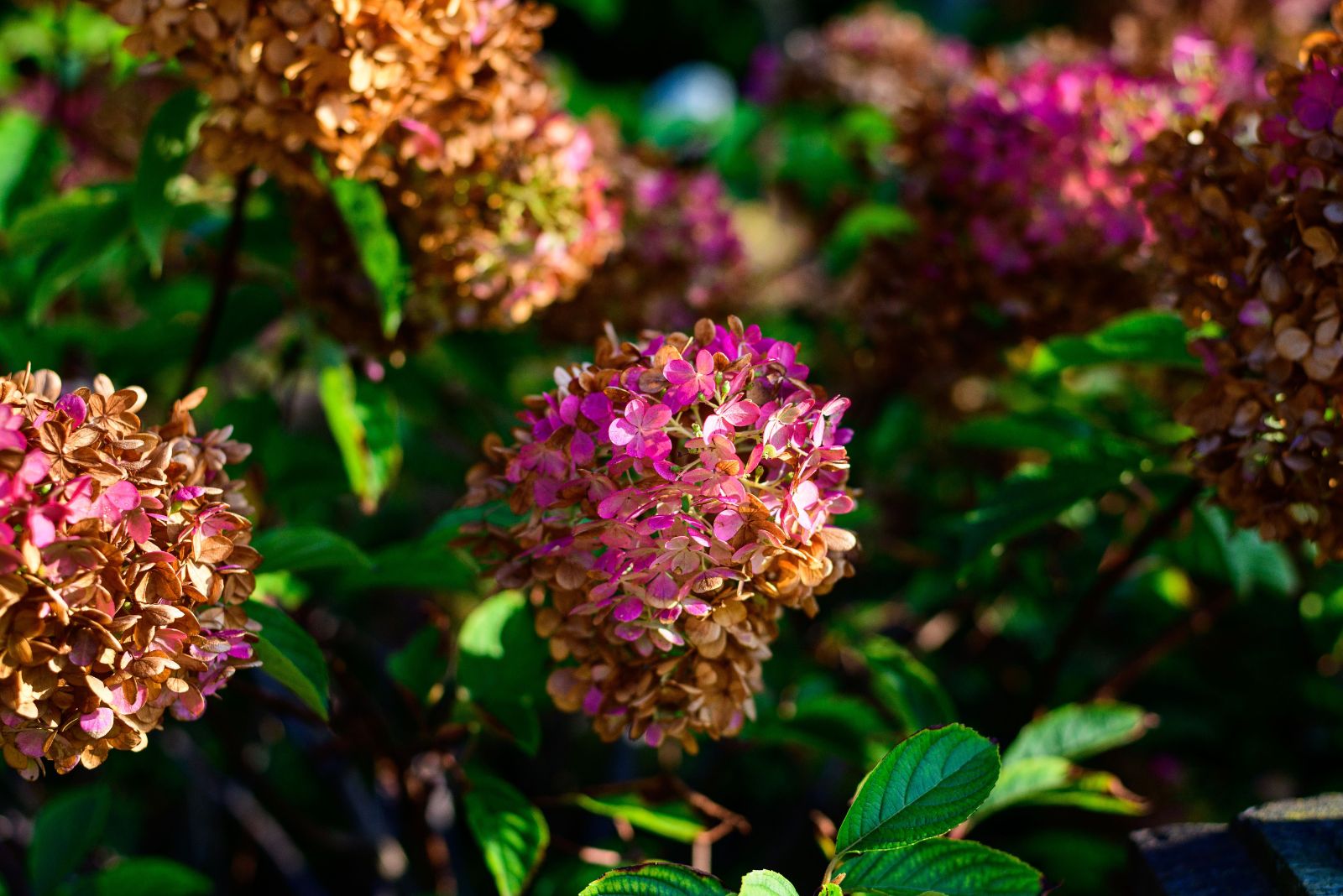
Have you ever planted hydrangeas in Pennsylvania expecting huge, beautiful blooms, only to end up with weak growth, droopy leaves, or hardly any flowers at all? It happens more often than you might think.
Hydrangeas may look like easy garden favorites, but they can be surprisingly particular about where they grow and how they are cared for. When something is off, they do not stay quiet about it for long.
A lot of common problems can hold them back. Too much sun can scorch them, while too much shade can leave them leafy but bloomless.
Poor soil, inconsistent watering, harsh winter damage, and pruning at the wrong time can also keep hydrangeas from performing the way gardeners hope. In Pennsylvania, where weather can shift quickly and winters can be rough, those little mistakes add up fast.
The good news is that struggling hydrangeas are often fixable. Once you understand what is going wrong, it becomes much easier to turn things around.
With the right light, soil, and care routine, your hydrangeas can stop limping along and start becoming the full, colorful showstoppers they were meant to be.
The Frustration Of Hydrangeas That Won’t Perform
You planted them with high hopes, watered them faithfully, and waited. But when summer arrived, your hydrangeas gave you nothing but green leaves and maybe a few sad, droopy stems.
Sound familiar? You are not alone. Gardeners all across Pennsylvania deal with this exact frustration every single year.
The most common complaints include zero blooms, plants that wilt in the afternoon heat, and shrubs that seem to shrink back after every winter.
Some gardeners even notice their hydrangeas leafing out beautifully in spring only to produce no flowers at all by midsummer. It can feel like no matter what you do, these plants just will not cooperate.
Here is the reassuring truth: hydrangeas are not impossible to grow in Pennsylvania. They actually have the potential to be some of the most breathtaking plants in your yard.
The state’s climate, with its cold winters and warm, humid summers, is actually workable for several hydrangea varieties.
Most failures come down to a few specific and very correctable mistakes. Things like choosing the wrong variety, placing plants in the wrong spot, or pruning at the wrong time can all lead to disappointing results. The fix is usually simpler than you think.
Once you understand what your hydrangeas actually need, you can stop guessing and start seeing real results.
Pennsylvania gardeners who get these basics right are rewarded with massive, colorful blooms that last from midsummer all the way into fall. Keep reading, because the answers you need are right here.
Choosing The Wrong Hydrangea Variety For Pennsylvania
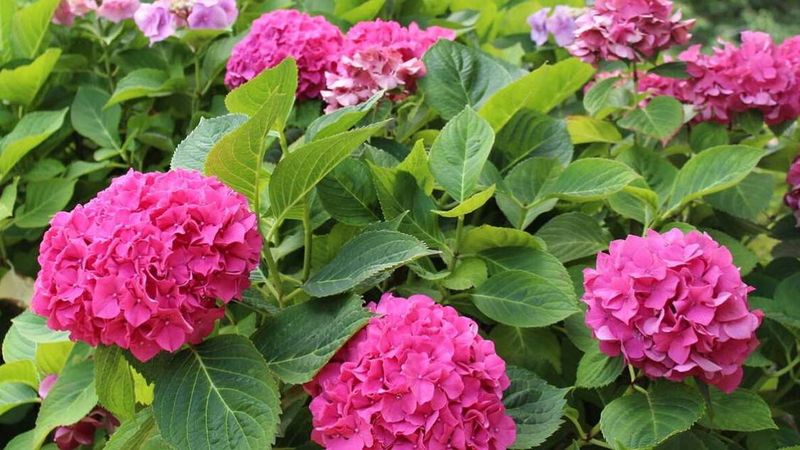
Not every hydrangea you see at the garden center is built for Pennsylvania winters. That beautiful bigleaf hydrangea with the big blue mophead flowers might look irresistible, but it can really struggle in zones 5 and 6, which cover much of the state.
Choosing the wrong variety is one of the top reasons Pennsylvania gardeners end up with empty shrubs each summer.
Bigleaf hydrangeas bloom on old wood, meaning the flower buds form in the fall and must survive winter to bloom the following year. In Pennsylvania, those buds often get wiped out by hard freezes, late frosts, or fluctuating winter temperatures.
The plant comes back, but with no blooms. The most reliable choices for Pennsylvania are panicle hydrangeas and smooth hydrangeas. Panicle hydrangeas, like the popular Limelight variety, bloom on new wood grown each season.
That means even after a rough winter, they will still put on a spectacular show. They are also incredibly tough and can handle full sun better than most.
Smooth hydrangeas, like Annabelle and Incrediball, are native to the eastern United States and are naturally adapted to Pennsylvania’s climate. They bloom on new wood as well, making them very dependable performers year after year.
If you love the look of bigleaf hydrangeas, look for reblooming varieties like Endless Summer or Incrediball Blush, which are bred to produce buds on both old and new wood.
This gives them a much better shot at blooming even after a tough Pennsylvania winter. Picking the right variety truly makes all the difference.
Poor Sunlight Placement And Exposure
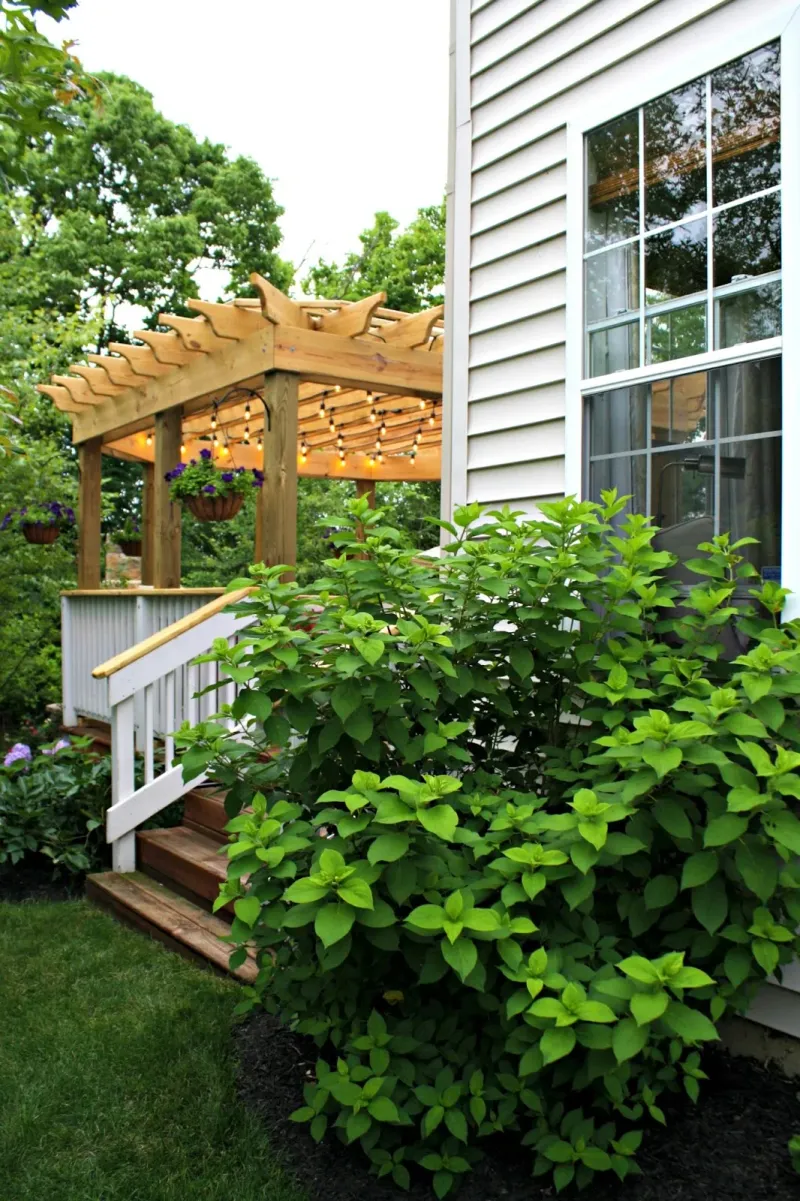
Sunlight is one of those things that seems simple but can make or break your hydrangeas. Plant them in the wrong spot and you will spend years wondering why they never quite perform the way you hoped.
Getting the light balance right is one of the most important steps in growing hydrangeas successfully in Pennsylvania.
Most hydrangeas prefer morning sun and afternoon shade. Morning light encourages strong, healthy growth and helps produce more blooms.
Afternoon shade, especially during Pennsylvania’s hot and humid summer months, protects the leaves and flowers from heat stress. Without that afternoon break from the sun, plants can wilt badly and flowers can fade or crisp up at the edges.
On the flip side, too much shade is also a real problem. Many gardeners tuck hydrangeas under dense trees or along shaded fences thinking they are doing the plants a favor.
But when hydrangeas do not get enough light, they produce lots of lush green leaves and very few flowers. A minimum of four to six hours of direct light per day is usually necessary for good blooming.
In Pennsylvania, the sun angle and intensity shift quite a bit between spring and summer. A spot that looks perfect in April might become too shaded or too exposed by July. Before planting, spend a day watching how light moves across your yard at different times.
If your hydrangeas are already planted in a less than ideal location, moving them in early fall or early spring is absolutely possible. Transplanting takes some care, but a better spot will quickly pay off with improved growth and far more blooms throughout the season.
Incorrect Pruning At The Wrong Time
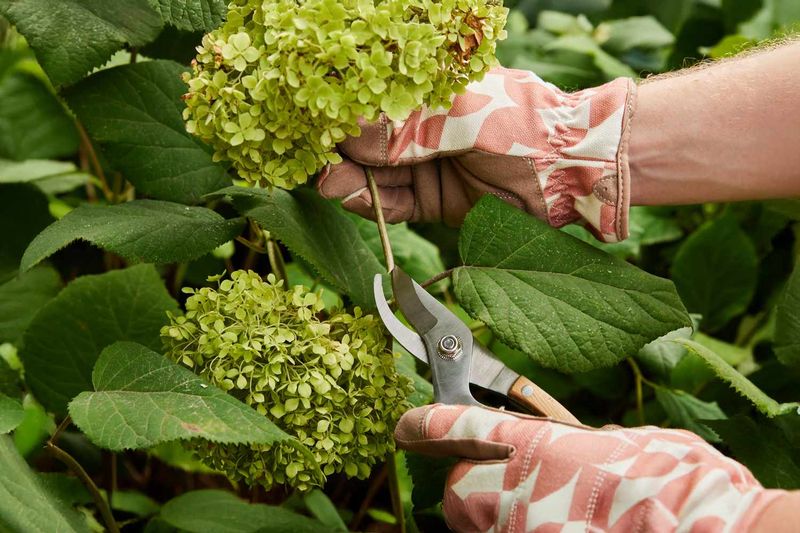
Pruning hydrangeas at the wrong time is probably the single most common reason Pennsylvania gardeners lose an entire season of blooms. It happens every year, and it is completely understandable.
Bare winter shrubs look messy, and the urge to clean them up in late fall or early spring is strong. But cutting at the wrong moment can remove all the flower buds for the coming year.
The key is understanding whether your hydrangea blooms on old wood or new wood. Old wood bloomers, like bigleaf and oakleaf hydrangeas, set their buds in late summer and fall.
Those buds sit on the stems through winter and open in spring. If you prune in fall, winter, or early spring, you are removing the very buds that would have bloomed for you.
New wood bloomers, including panicle and smooth hydrangeas, grow fresh stems each season and set buds on that new growth. These types can be pruned in late winter or very early spring without any risk to blooms.
In fact, cutting them back actually encourages stronger new growth and bigger flower heads.
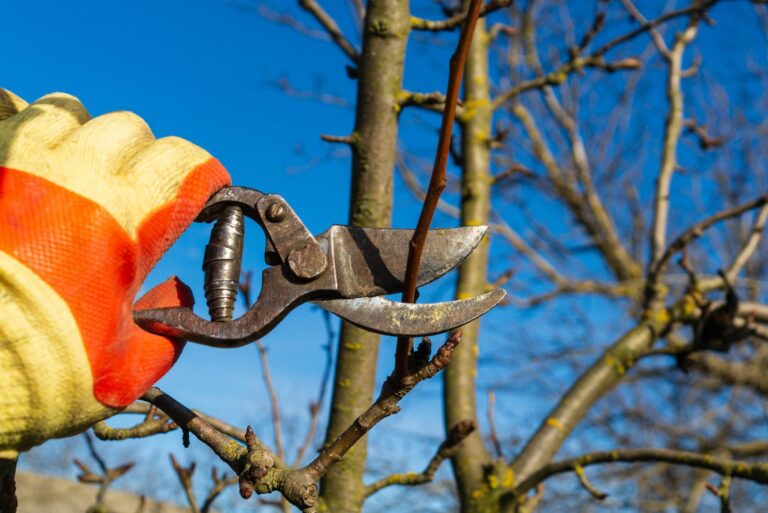
A simple trick to remember: if you are not sure what type you have, wait. Let the plant leaf out fully before touching it with pruners.
Once you see where new growth is emerging, you will have a much clearer picture of what is alive and what can be removed.
In Pennsylvania, the safest general rule is to prune old wood bloomers right after they finish flowering in summer. That gives new buds the whole fall season to form and set before winter arrives, protecting next year’s blooms completely.
Soil Problems And Improper Watering
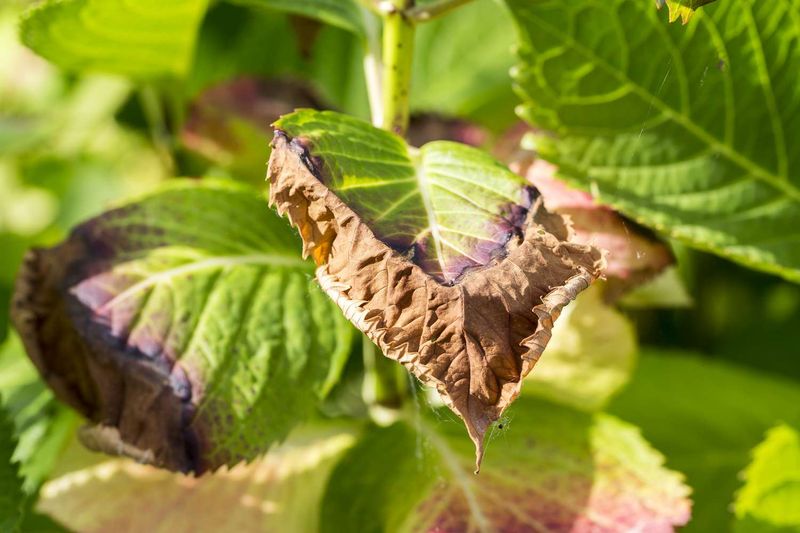
Healthy hydrangeas start from the ground up. Literally. The soil your plants are growing in has a huge impact on how well they perform, and many Pennsylvania gardeners overlook this completely.
Rocky, compacted, or poorly draining soil can stress roots and lead to weak, struggling plants even when everything else seems fine.
Hydrangeas do best in loamy, well-draining soil that is rich in organic matter. Before planting, work in compost or aged manure to improve both drainage and nutrient content.
Pennsylvania soils vary widely across the state, from the clay-heavy ground near Pittsburgh to the sandy soils found in some eastern regions. A simple soil test, available through Penn State Extension, can tell you exactly what your soil needs.
Soil pH also matters more than most people realize. Hydrangeas prefer a slightly acidic to neutral pH, roughly between 5.5 and 7.0.
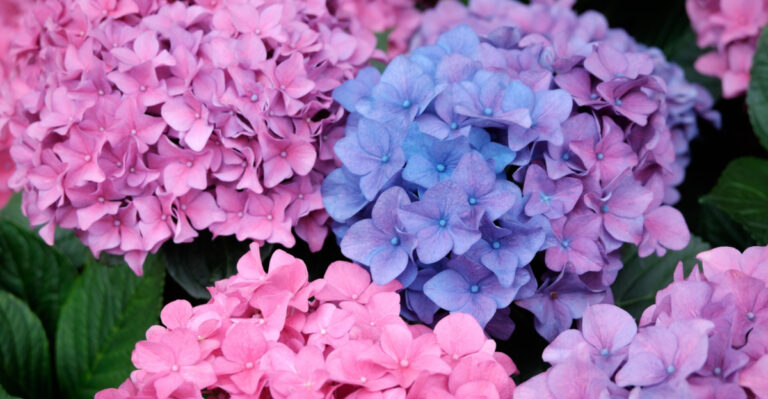
Interestingly, for bigleaf hydrangeas, pH directly affects flower color. Lower pH produces blue blooms, while higher pH pushes flowers toward pink.
Adjusting pH with sulfur or garden lime lets you fine-tune both health and color. Watering is just as critical as soil quality. Hydrangeas need about one inch of water per week.
During dry Pennsylvania summers, that often means watering deeply once or twice a week rather than giving light sprinkles daily. Deep watering encourages roots to grow downward, making plants more drought-tolerant over time.
Soggy conditions are equally harmful. Roots sitting in waterlogged soil can develop rot, which leads to yellowing leaves and poor growth.
Always make sure your planting area drains well after heavy rain. Raised beds or amended soil can solve drainage issues quickly and effectively.
Early Spring Mistakes That Can Ruin This Year’s Blooms
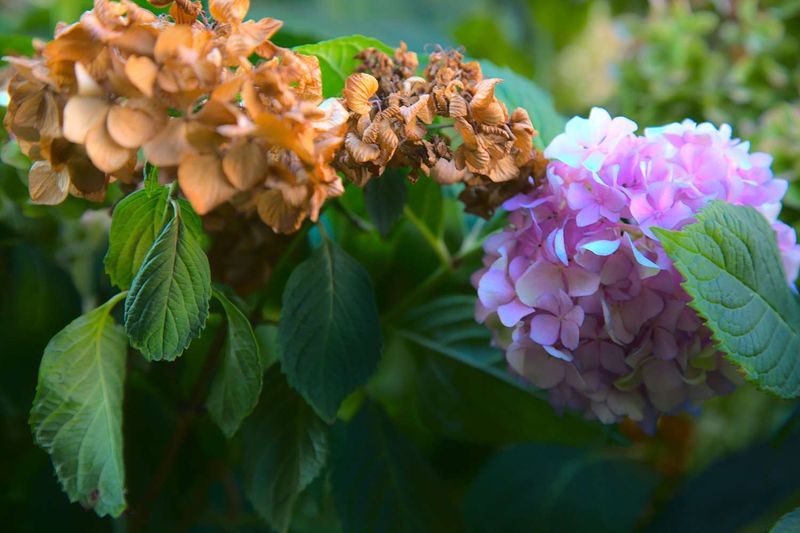
Early spring is an exciting time in Pennsylvania gardens. Everything is waking up, the days are getting longer, and the urge to get out there and start working is almost impossible to resist.
But for hydrangeas, this is also one of the most dangerous times of year if you move too fast or make the wrong moves.
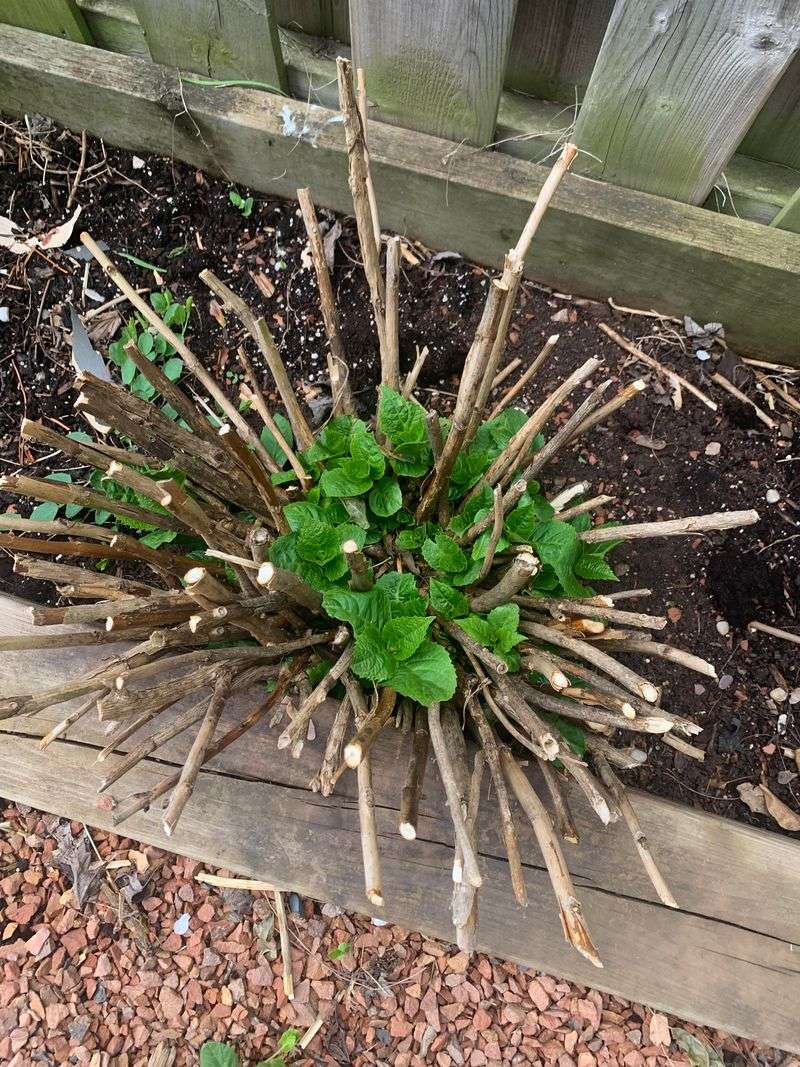
One of the biggest early spring mistakes is pruning before you can tell what is actually alive. After a Pennsylvania winter, hydrangea stems can look completely brown and dry from top to bottom.
Many gardeners assume the worst and cut everything back hard. But those stems might still have living buds hiding just beneath the surface, ready to burst open in a few weeks.
To check for live wood, scratch the surface of a stem gently with your fingernail or a knife. If you see green or white tissue underneath, that stem is alive and worth keeping.
Only remove stems that are completely brown and dry all the way through. This one simple check can save an entire season of blooms.
Late frosts are another early spring hazard in Pennsylvania. The state is known for unpredictable weather in March and April, and a sudden cold snap after warm days can damage freshly emerging buds.
Keep frost cloth or burlap nearby so you can cover plants quickly when a late freeze is in the forecast.
Patience is truly your best tool in early spring. Wait until you see consistent new growth before making any major pruning decisions.
Rushing this process is one of the most common ways Pennsylvania gardeners accidentally set their hydrangeas back by a full growing season.