Why Your Irises Are Not Blooming In North Carolina And Exactly How To Fix It
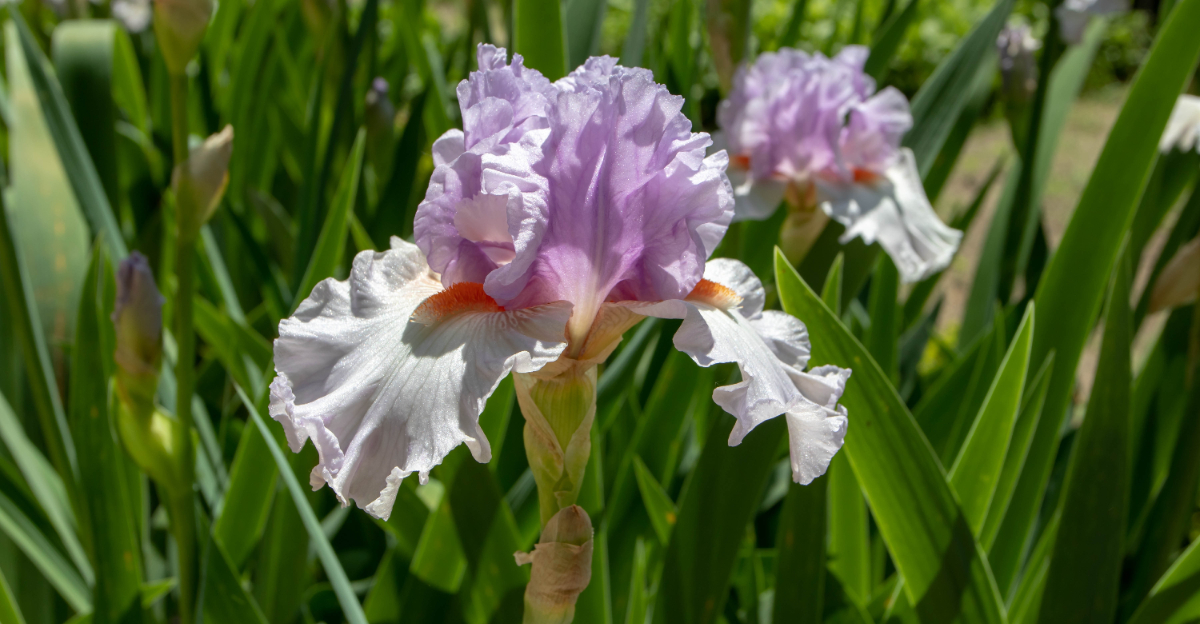
Few things are more frustrating than a garden full of iris foliage with no blooms to show for it. The plants look healthy, they come back every year, and yet the flowers never appear or show up so sparingly that it barely counts.
This is one of the most common complaints among North Carolina iris growers, and the reasons behind it are almost always fixable once you know what to look for.
Irises are specific about what they need to bloom reliably, and North Carolina’s climate adds a few wrinkles that gardeners in other regions do not have to think about as carefully.
Planting depth, sun exposure, overcrowding, and fertilizer choices all play a role, and getting even one of them wrong is enough to shut down flowering for an entire season.
The good news is that most non blooming iris problems have a clear cause and a straightforward solution that can turn a disappointing bed into something worth showing off by next spring.
1. Planted Too Deep And Missing Out On Blooms
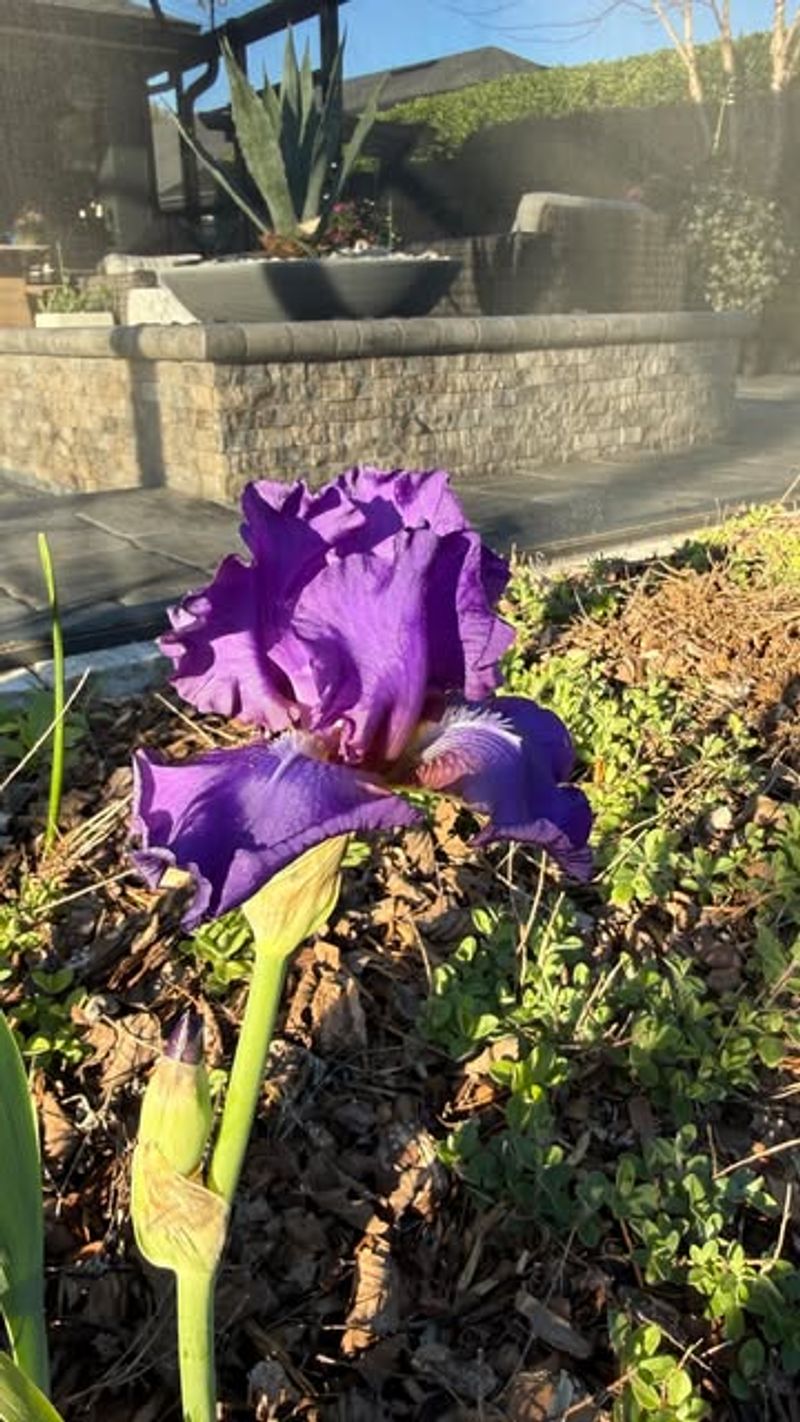
Here is something that surprises a lot of North Carolina gardeners: bearded irises actually want to be planted shallow. Unlike most plants that thrive when their roots are tucked deep into the ground, iris rhizomes need to sit right at or just slightly above the soil surface.
When they get buried too deep, they stay too moist and too cool, and that stops flowering almost completely.
In North Carolina’s warm, humid climate, a buried rhizome has an even harder time drying out between rain events. The plant puts all its energy into growing big, healthy leaves instead of pushing out those gorgeous flower stalks you were hoping for.
It can look perfectly fine on the surface while quietly struggling underneath.
The fix is straightforward and very satisfying once you do it. Carefully dig up your rhizomes and take a good look at how they were positioned.
Replant them so the top of the rhizome is exposed and facing the sun directly. The rhizome should look like a little log sitting on top of the soil, not hidden under it.
Give them a full season after replanting, and you should start seeing blooms return right on schedule next spring.
2. Too Much Shade Is Stopping The Show
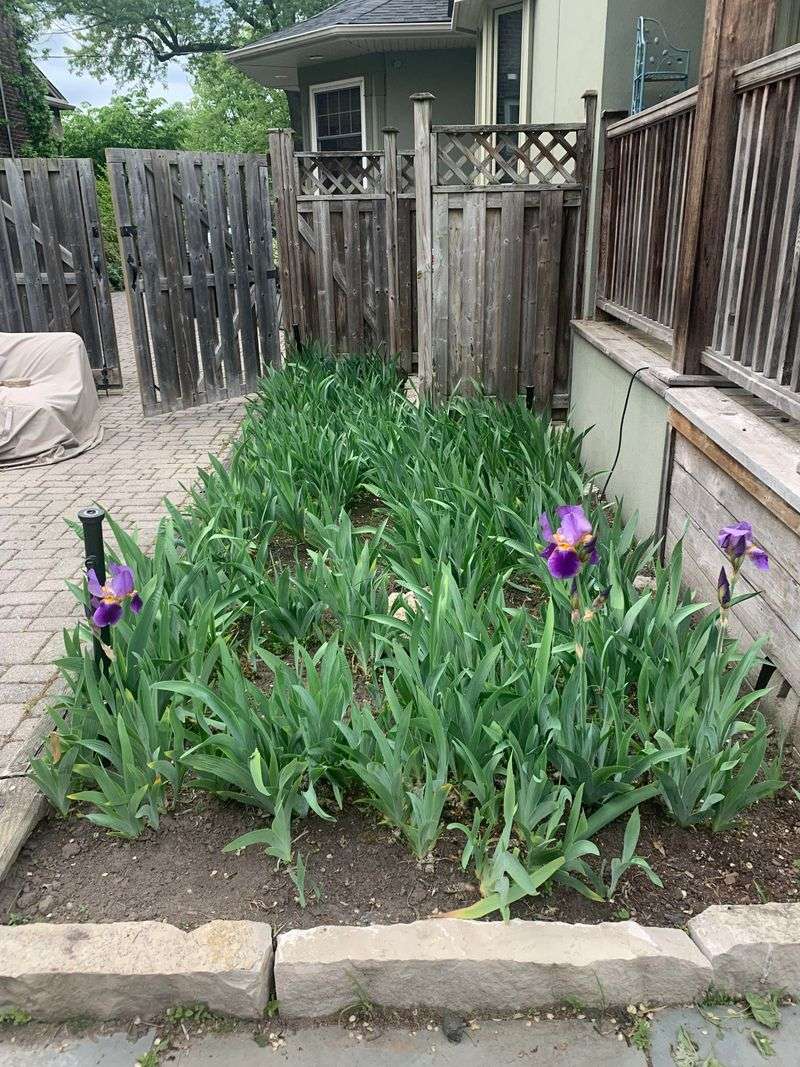
Irises are total sun lovers, and they are not shy about showing their disappointment when they do not get enough of it. For strong, reliable blooming, your irises need a minimum of six hours of direct sunlight every single day.
Anything less than that, and you will keep getting gorgeous green foliage with absolutely nothing to show for it come spring.
North Carolina’s lush landscape is beautiful, but it also means trees, shrubs, and neighboring plants can creep in and steal the light your irises depend on.
What was once a sunny bed a few years ago can slowly turn into a shaded one as surrounding plants mature and fill in. That gradual shift is easy to miss until your blooms suddenly disappear.
Your North Carolina Garden Changes Every Week. Your Plan Should Too.
Gardening in North Carolina changes quickly throughout the season. Every Friday you’ll receive a simple weekly plan showing exactly what to plant, prune, fertilize, harvest, and protect so you never miss the right timing.
Walk around your garden on a sunny day and actually watch how light moves across your iris bed throughout the morning and afternoon. If a tree or large shrub is casting shadow over the area, it may be time to trim it back or thin it out significantly.
Moving irises to a sunnier location is also a solid option in North Carolina’s long growing season. Irises transplanted in late summer have plenty of time to settle in and reward you with a full flush of color the following spring.
3. Overcrowded Rhizomes Fighting For Space
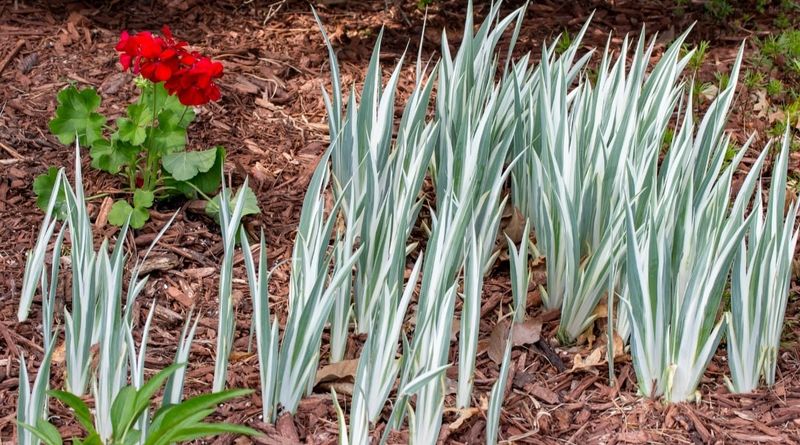
Picture a group of people all trying to eat from one small plate at the same time. That is essentially what happens when iris rhizomes get too crowded.
Over time, a single iris plant multiplies and spreads, filling in every inch of available space until the clump becomes so packed that individual plants can barely breathe, let alone bloom.
This is one of the most common reasons North Carolina gardeners see foliage without flowers. When rhizomes compete for nutrients, water, and root space, flowering becomes a low priority.
The plants focus on survival rather than reproduction, and blooms get pushed to the back burner. A clump that was gorgeous three years ago can turn into a tangled, flowerless mess if left unattended.
The solution is dividing your irises every three to five years, and late summer is the perfect time to do it in North Carolina. After flowering wraps up, dig up the entire clump and pull the rhizomes apart by hand or with a clean garden knife.
Keep the firm, healthy outer sections and compost the older woody centers. Replant the divisions with proper spacing, about twelve to twenty-four inches apart, so each rhizome has room to grow strong and bloom freely.
You will be amazed at how quickly they bounce back with just a little extra space.
4. Too Much Nitrogen Fertilizer Feeding The Leaves, Not The Flowers
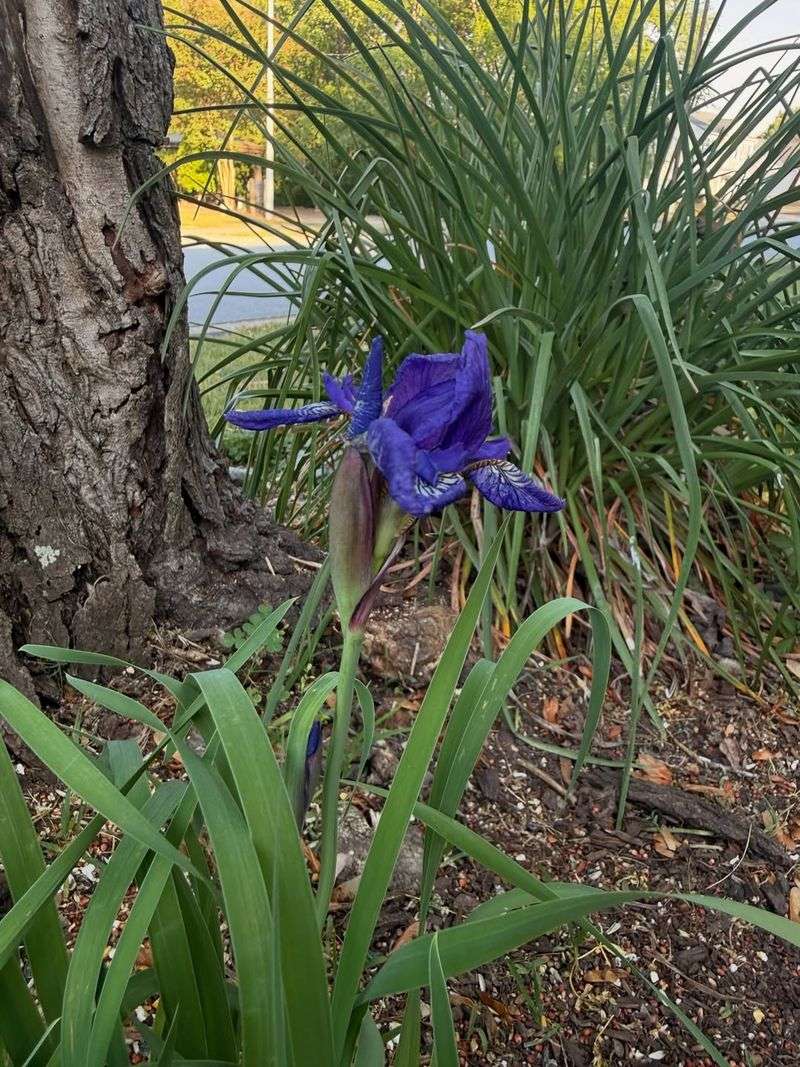
Nitrogen is fantastic for growing lush, green lawns, but it is not exactly a friend to flowering plants like irises. When irises get too much nitrogen, they channel all their energy into producing big, beautiful leaves and completely ignore blooming.
It is like giving a kid so much candy they skip dinner entirely. The results look impressive on the surface but miss the whole point.
This problem shows up a lot in North Carolina when irises are planted near lawns that get regular fertilizing treatments. Lawn fertilizers are typically high in nitrogen, and if they wash into your iris beds during rain or irrigation, the plants soak it right up.
Heavily amended vegetable beds nearby can cause the same issue, quietly pushing your irises toward foliage production season after season.
The best approach is to skip the fertilizer unless your soil is genuinely lacking in nutrients. If you do want to feed your irises, choose a low-nitrogen or balanced fertilizer, something with a ratio like 6-10-10 or similar, and apply it lightly in early spring before blooming begins.
A soil test from your local North Carolina Cooperative Extension office is a smart move and costs very little. Knowing exactly what your soil needs takes all the guesswork out of feeding your plants correctly.
5. Poor Drainage Or Excess Moisture Stressing Your Plants
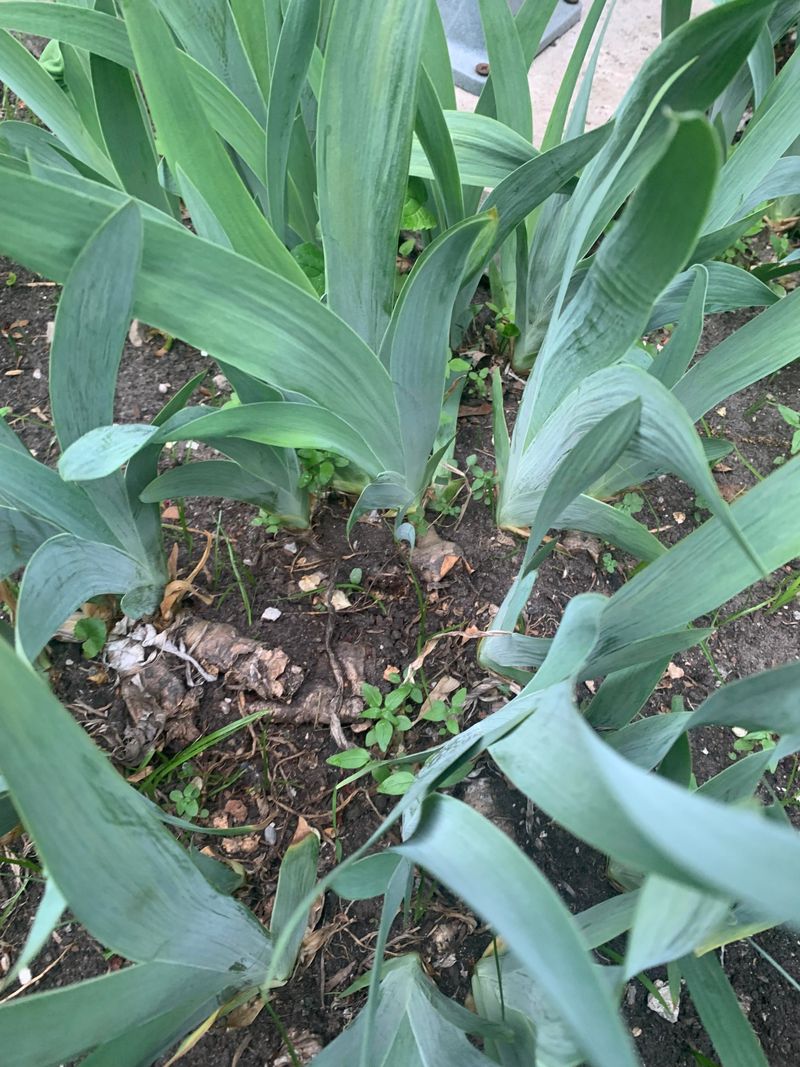
North Carolina has some of the most stubborn clay soil in the Southeast, and irises absolutely do not enjoy sitting in wet, heavy ground.
Irises are built for well-drained conditions, and when their rhizomes stay too wet for too long, they become stressed, soft, and completely focused on staying alive rather than producing flowers.
Wet rhizomes in humid North Carolina summers can also become vulnerable to rot and fungal issues that set your plants back even further.
After a heavy rain, take a look at your iris bed and see how long water lingers on the surface. If puddles are still sitting there hours later, your drainage is the problem.
Clay soil compacts easily and does not let water move through it quickly, leaving roots waterlogged between storms. This is a surprisingly common issue in piedmont and coastal plain areas of North Carolina.
Fixing drainage does not have to be a massive project. Mixing generous amounts of compost, coarse sand, or perlite into your existing soil improves drainage significantly over one or two seasons.
Raised beds are an even better solution for North Carolina gardeners dealing with persistent clay.
Raising the planting area just six to eight inches above grade gives rhizomes the air circulation and drainage they need to stay healthy, strong, and ready to bloom when the season arrives.
6. Pruning At The Wrong Time Costs You Next Year’s Blooms
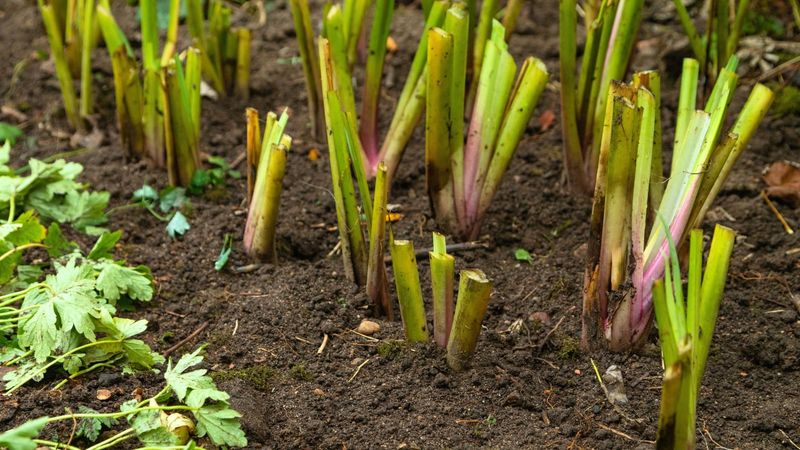
Iris leaves might look messy and tired after the blooms fade, but cutting them back too early is one of the most common mistakes gardeners in North Carolina make without even realizing it. Those long, fan-shaped leaves are working hard long after the flowers are gone.
They are busy pulling in sunlight and storing energy in the rhizome to fuel next year’s blooms. Cut them off too soon, and you essentially rob the plant of its food supply for the entire next season.
It is tempting to tidy up the garden and get rid of the floppy, browning foliage as soon as it starts to look a little rough. But patience here pays off in a big way.
The leaves need to stay in place until they naturally start to dry out and decline on their own. That process usually wraps up by late summer in most parts of North Carolina, giving the rhizome enough time to fully recharge.
When the foliage does start to brown and wither naturally, go ahead and remove it cleanly. Cutting it back to a neat fan shape a few inches above the rhizome is perfectly fine and actually helps reduce hiding spots for pests and disease in North Carolina’s humid conditions.
Resist the urge to rush, and your irises will thank you with a stunning display the following spring.
7. Too Young Or Recently Transplanted And Just Getting Settled
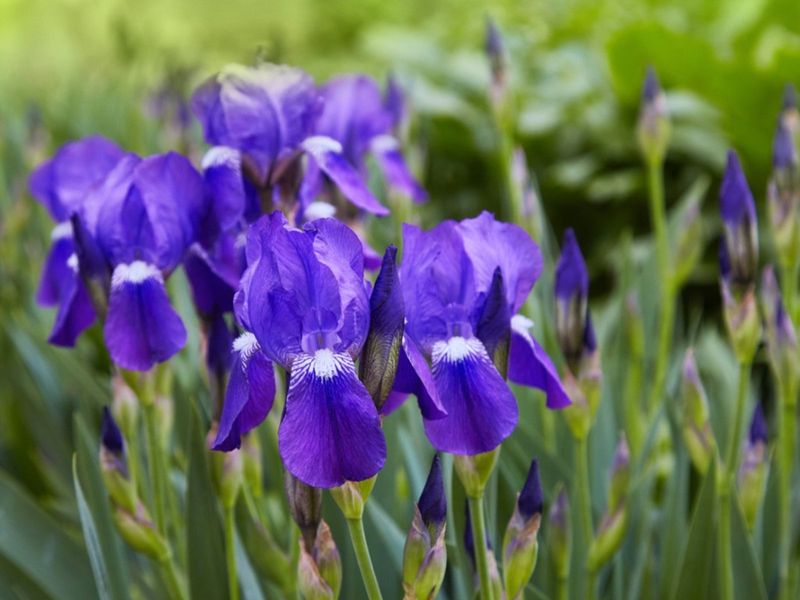
Sometimes irises skip a bloom cycle not because anything is wrong, but simply because they are new to the neighborhood.
Whether you just bought fresh rhizomes from a nursery or recently divided and moved an established clump, irises need time to settle into their new home before they feel comfortable enough to flower.
Think of it like moving to a new house and spending the first year just getting organized before throwing a big party.
This is especially common in North Carolina when gardeners divide their irises in late summer and then expect a full bloom show the very next spring. The plants are focused on growing new roots and establishing themselves in unfamiliar soil, and that takes real energy.
Blooming often returns in the second season after planting, once the rhizome has had a full growing cycle to adjust and build strength.
The best thing you can do during this waiting period is give your irises the ideal conditions to settle in quickly. Make sure they have full sun, good drainage, and proper planting depth with the rhizome exposed at the surface.
Avoid over-fertilizing during the first season, since that can push the plant toward foliage growth instead. North Carolina’s long, warm growing season actually works in your favor here, giving newly planted irises plenty of time to establish strong roots before the next bloom cycle begins.