Why Your Lilacs Keep Failing In Pennsylvania (And How To Make Them Thrive)

Have you ever looked forward to lilac season in Pennsylvania, only to find your bushes struggling with sparse blooms or weak growth?
Lilacs are known for their fragrant, showy flowers, but they can be surprisingly finicky when it comes to soil, sunlight, and care. Many gardeners unknowingly create conditions that make it hard for lilacs to thrive.
One common challenge is soil that doesn’t drain well or lacks the nutrients lilacs need. Too much shade can also stunt growth and limit flowering, while pruning at the wrong time may remove buds before they have a chance to bloom.
Even watering habits can make a difference, since lilacs prefer consistent moisture without soggy roots.
By understanding the key factors that affect lilac health, Pennsylvania gardeners can turn struggling bushes into thriving, fragrant beauties. With the right combination of sunlight, soil, and pruning, lilacs can reward you with vibrant blooms year after year.
1. Planting In Poorly Drained Soil
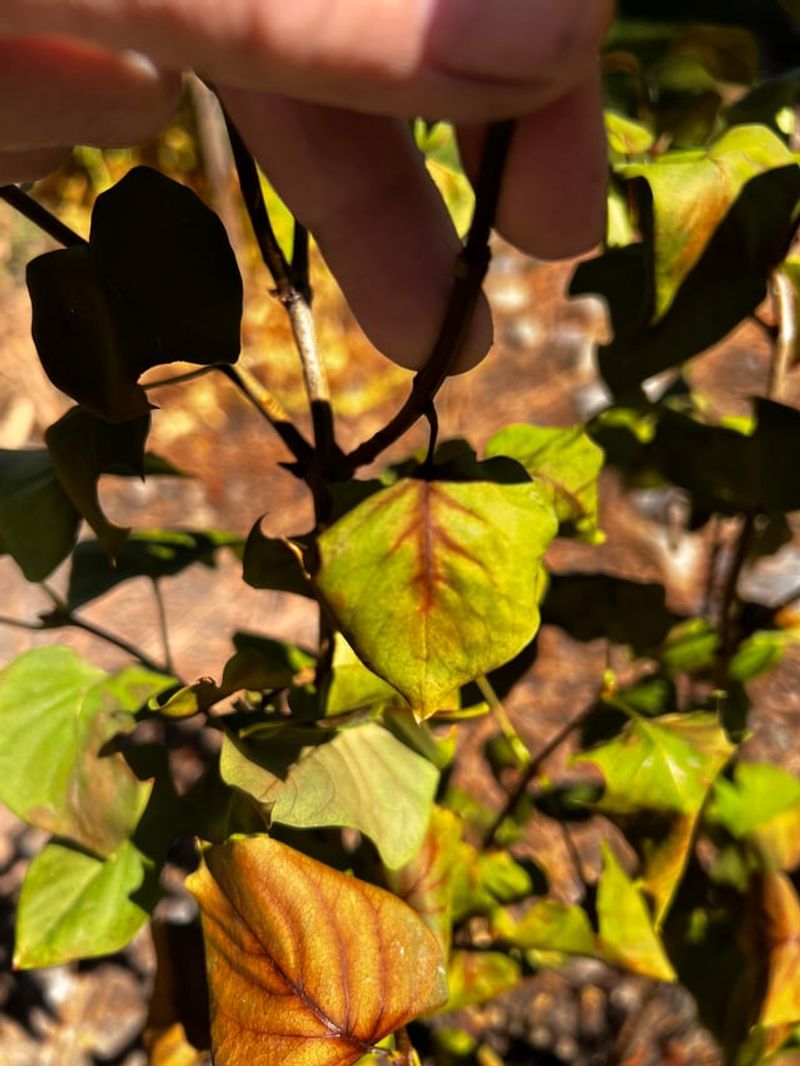
Soggy soil is one of the sneakiest enemies of lilac shrubs in Pennsylvania. Lilacs need soil that drains well because their roots cannot handle sitting in water for long. When the roots stay wet too long, they begin to rot, and the whole plant suffers.
You might notice signs of poor drainage even before you plant. After a rainstorm, check if water pools in your yard and stays for more than an hour.
If it does, that spot is not ideal for lilacs. Yellowing leaves, slow growth, and wilting even when the soil feels wet are all warning signs that drainage is the problem.
Fixing drainage does not have to be complicated. One great option is to plant your lilacs in a raised bed.
Raising the soil level by even six to eight inches can make a huge difference. You can also mix compost and coarse sand into heavy clay soil to help water move through more easily.
Pennsylvania has a lot of clay-heavy soil, especially in areas like the Piedmont region. If you are gardening in those areas, improving your soil before planting is a smart move.
Another tip is to look for naturally sloped areas in your yard where water flows away naturally. Those spots are perfect for lilacs.
Adding a layer of mulch around the base of your shrub also helps regulate moisture without trapping too much water. Keep mulch a few inches away from the stem to prevent rot.
Good drainage from the start gives your lilacs the best chance to grow strong and bloom beautifully every spring.
2. Insufficient Sunlight

Sunlight is like fuel for lilacs, and without enough of it, they simply cannot perform their best. Most gardeners in Pennsylvania are surprised to learn just how sun-hungry these shrubs really are.
Lilacs need at least six hours of direct sunlight every single day to produce those gorgeous, fragrant blooms.
When lilacs are planted in too much shade, they put most of their energy into growing tall and leggy, reaching for the light.
The result is fewer flowers, weaker stems, and a plant that looks more like a stick collection than a flowering shrub. Over time, shaded lilacs become more vulnerable to pests and diseases too.
Common mistakes include planting lilacs near tall trees, against the north side of a house, or too close to a fence or garage.
In Pennsylvania, where mature hardwood trees are everywhere, shade can creep up on you slowly as nearby trees grow larger each year. A spot that got six hours of sun five years ago might only get three hours now.
Before you plant, spend a day watching how sunlight moves across your yard. Mark the spots that stay bright from morning through early afternoon. South-facing and east-facing locations tend to work best for lilacs in Pennsylvania gardens.
If your current lilacs are already in a shady spot and struggling, consider transplanting them in early fall when the weather cools down.
Moving them to a sunnier location can bring them back to life within a season or two. More sun means more blooms, and that is always worth the effort.
3. Incorrect Pruning Practices
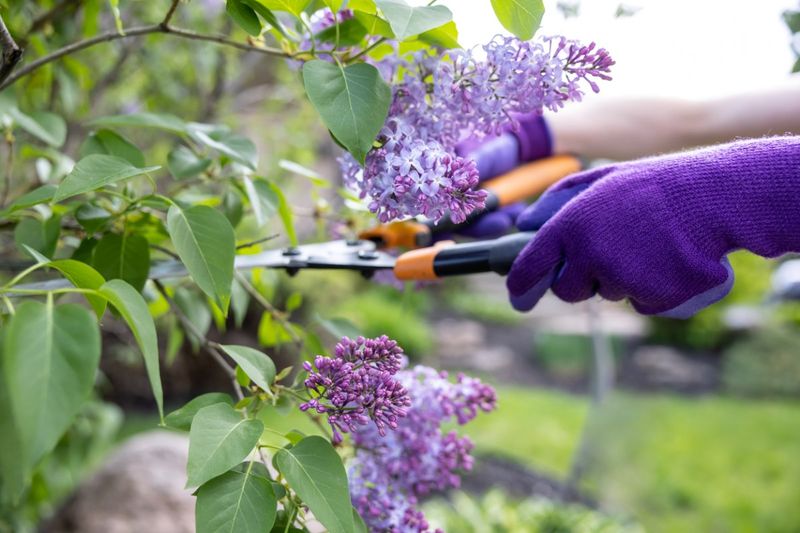
Pruning lilacs sounds simple, but getting it wrong is one of the most common reasons Pennsylvania gardeners end up with no blooms the following spring. The timing of pruning matters more than almost anything else.
Cut at the wrong time, and you are removing next year’s flower buds without even realizing it.
Lilacs set their flower buds for the next year almost immediately after they finish blooming. That means the window for safe pruning is short.
The best time to prune is right after the flowers fade in late spring or early summer. Wait too long, and you risk cutting off the very buds that would have given you a spectacular display.
Another common mistake is cutting too aggressively. Some gardeners hack their lilacs down hard every year, thinking it will encourage more growth.
Instead, it stresses the plant and reduces flowering for years. Light, selective pruning works much better.
Focus on removing dry or crossing branches, and thin out older stems to let sunlight and air reach the center of the shrub.
Deadwood removal is also important and often overlooked. Old, gray, non-productive stems take up energy without giving anything back.
Cutting them out at the base every few years keeps the shrub healthy and productive. In Pennsylvania, where spring weather can be unpredictable, well-pruned lilacs also have better airflow, which helps prevent fungal diseases.
Sharp, clean tools make a big difference too. Always use clean pruning shears to avoid spreading disease between cuts.
A little attention to pruning technique goes a long way toward keeping your lilacs gorgeous year after year.
4. Over-Fertilizing Or Wrong Fertilizer
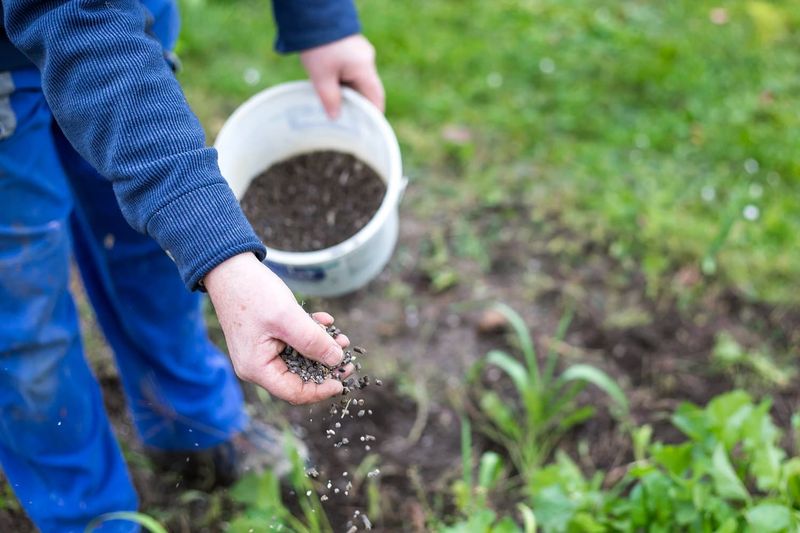
More fertilizer does not always mean better plants. With lilacs, over-fertilizing is actually one of the fastest ways to end up with a leafy, green shrub that never blooms.
Many Pennsylvania gardeners make this mistake with the best intentions, not realizing that feeding too much can backfire badly.
The main culprit is nitrogen. High-nitrogen fertilizers are great for lawns and leafy vegetables, but they are not what lilacs need.
Too much nitrogen pushes the plant to grow lots of lush green foliage instead of putting energy into producing flowers. You end up with a big, bushy shrub that looks healthy but stays frustratingly flowerless season after season.
Lilacs are not heavy feeders. In fact, they often do just fine with no fertilizer at all, especially if your Pennsylvania soil is already decent.
If you do want to give them a boost, choose a balanced, slow-release fertilizer with equal parts nitrogen, phosphorus, and potassium. Something labeled 10-10-10 works well and will not push excessive leaf growth.
Timing matters too. Early spring, just as new growth starts to appear, is the best time to fertilize.
Avoid feeding in late summer or fall, because that can stimulate tender new growth that gets damaged when Pennsylvania winters arrive.
One more tip worth knowing: a soil test can tell you exactly what your soil needs before you add anything. Penn State Extension offers affordable soil testing for Pennsylvania residents.
Testing first means you only add what is truly needed, saving you money and keeping your lilacs on track for a beautiful bloom season every year.
5. Pests And Diseases
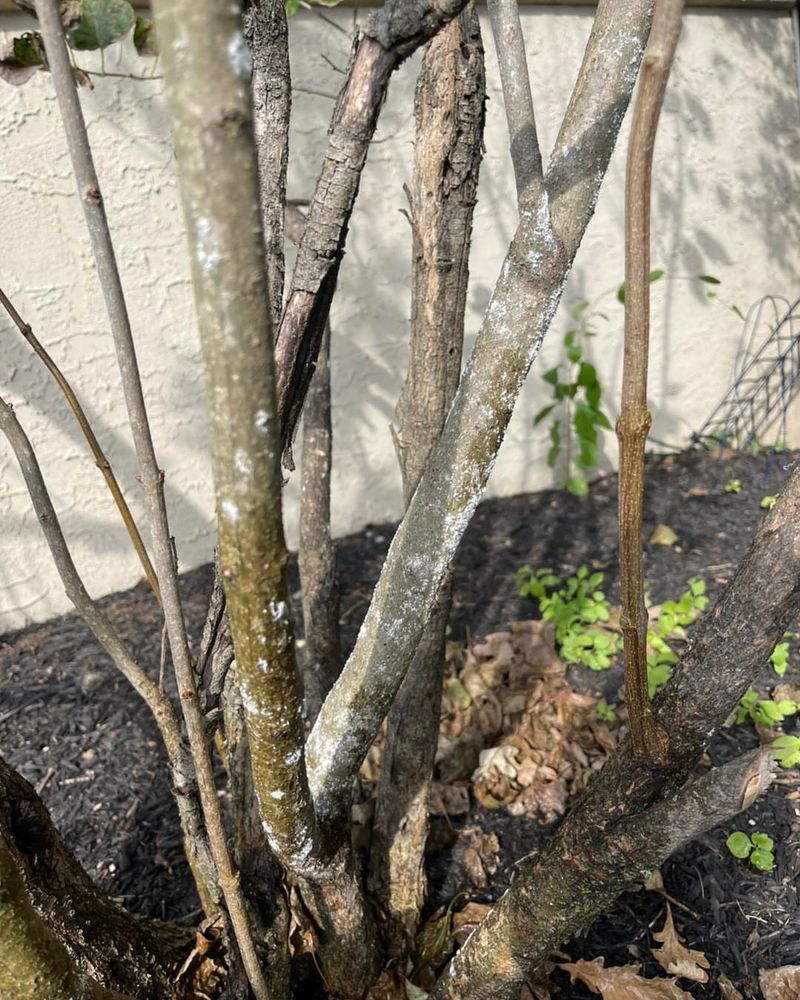
Even the toughest lilac shrubs can struggle when pests and diseases move in. Pennsylvania’s warm, humid summers create perfect conditions for a range of problems that can weaken your plants and reduce blooming.
Knowing what to look for makes it much easier to catch issues early before they get out of hand.
Powdery mildew is probably the most common disease affecting lilacs in Pennsylvania. It shows up as a white, powdery coating on the leaves, usually in late summer when humidity is high and airflow is poor.
While it rarely causes permanent damage, it does stress the plant and makes it look terrible. Improving spacing between shrubs and avoiding overhead watering helps prevent it from spreading.
Lilac borers are another serious threat. These insects tunnel into the woody stems, causing branches to wilt and break off suddenly.
If you spot small holes in the bark with sawdust-like material around them, borers are likely the cause. Removing and disposing of affected branches quickly helps stop the spread.
Aphids love lilacs too, especially the tender new growth in spring. A strong blast of water from the hose can knock them off, and insecticidal soap works well for heavier infestations. Check the undersides of leaves regularly because that is where aphids like to hide.
Keeping your Pennsylvania lilacs healthy overall is the best defense against pests and diseases. Well-spaced plants with good airflow, proper watering habits, and clean pruning practices are far less likely to attract problems.
Healthy plants have natural defenses that make them much harder for pests to damage in the first place.
6. Planting The Wrong Variety For Your Zone
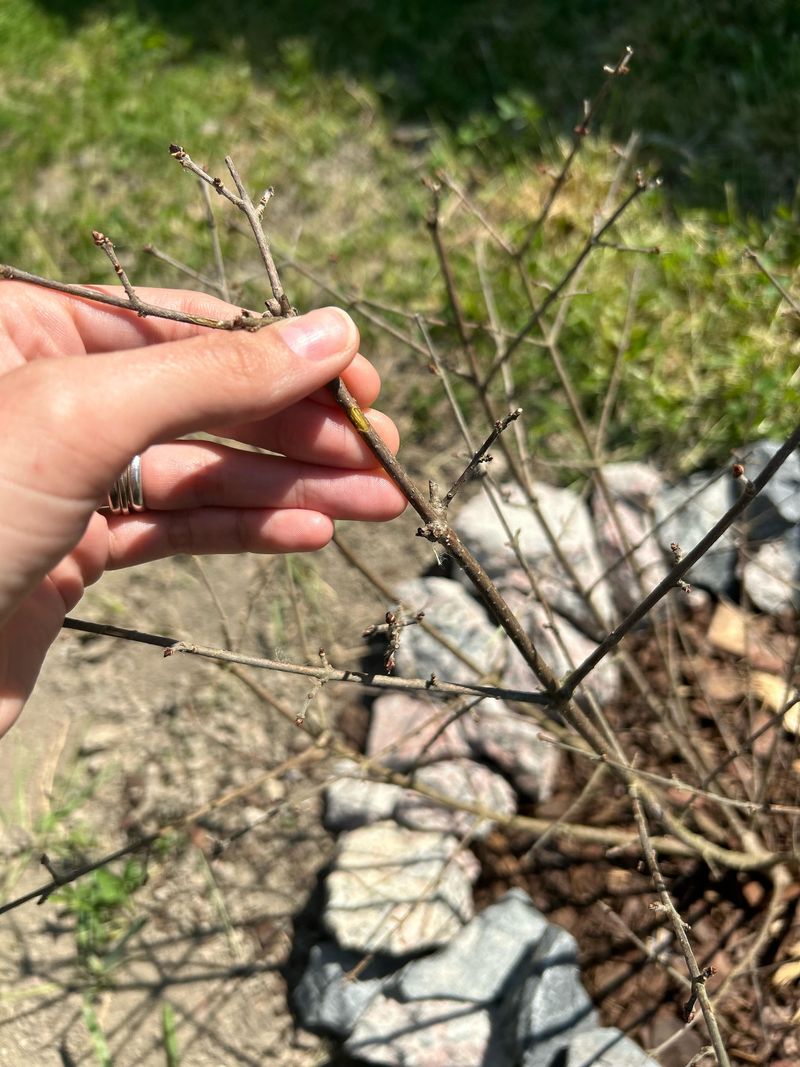
Not every lilac variety is created equal, and planting the wrong one for your location is a mistake that can haunt you for years.
Pennsylvania generally falls within USDA hardiness zones 4 through 6, and choosing a variety that matches your specific zone is absolutely essential for long-term success.
Some lilac varieties are bred for colder climates and need a hard winter chill to bloom properly. Others are more suited to milder regions and may not get enough cold in some parts of Pennsylvania to trigger good flowering.
Either way, a mismatch between variety and zone often results in a shrub that survives but never truly thrives or blooms the way it should.
The classic common lilac, Syringa vulgaris, is an excellent choice for most of Pennsylvania. It is cold-hardy, fragrant, and has been growing happily in the state for generations.
Varieties like ‘President Lincoln,’ ‘Charles Joly,’ and ‘Miss Kim’ are all well-suited to Pennsylvania gardens and reliably produce gorgeous blooms each spring.
When shopping at a local Pennsylvania garden center, always check the plant tag for the recommended hardiness zone. Do not assume that a beautiful lilac at the nursery will perform the same way in your backyard.
Ask the staff for recommendations based on your specific location within the state, since zones can vary from the mountains of the north to the warmer southeastern corner near Philadelphia.
Buying locally grown plants whenever possible is also a smart strategy. Plants that have already been grown in Pennsylvania conditions tend to adapt more easily and establish faster than those shipped from very different climates.
The right variety in the right zone is a winning combination every time.