Why Your Ohio Cherry Tree Looks Fine But Still Drops All Its Flowers
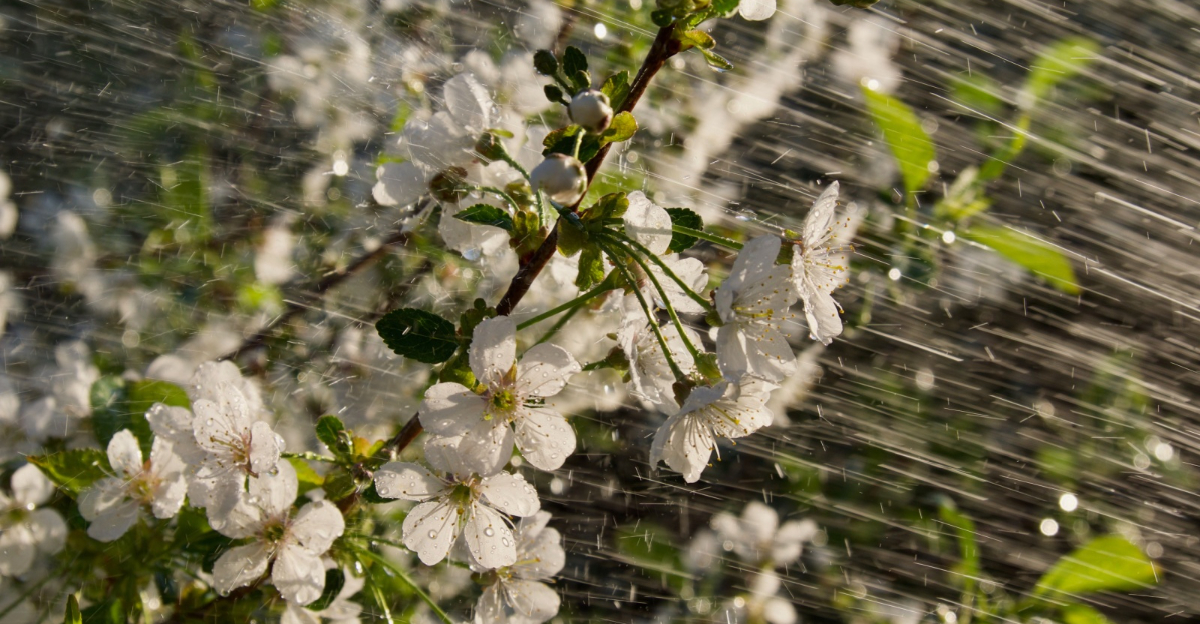
One week your cherry tree looks like a spring masterpiece. Branches overflow with delicate pink and white blossoms, bees buzz through the canopy, and it feels like a bumper crop of cherries is just weeks away.
Then almost overnight, the petals start falling. At first it looks beautiful, like a soft snowfall of flowers drifting across the lawn.
But within days the display fades, and something unsettling becomes clear. The blooms are gone, and hardly any fruit is forming behind them.
For many Ohio gardeners, this moment is confusing and frustrating. The tree looked perfectly healthy.
The blossoms were abundant. Nothing seemed wrong.
Yet the flowers disappeared before they could ever turn into cherries. The surprising truth is that a cherry tree can appear strong, full, and thriving while something invisible quietly interferes with its ability to set fruit.
Several common conditions in Ohio can trigger this sudden blossom drop, even in trees that seem perfectly fine on the surface.
1. Late Frost Damages Tender Cherry Blossoms
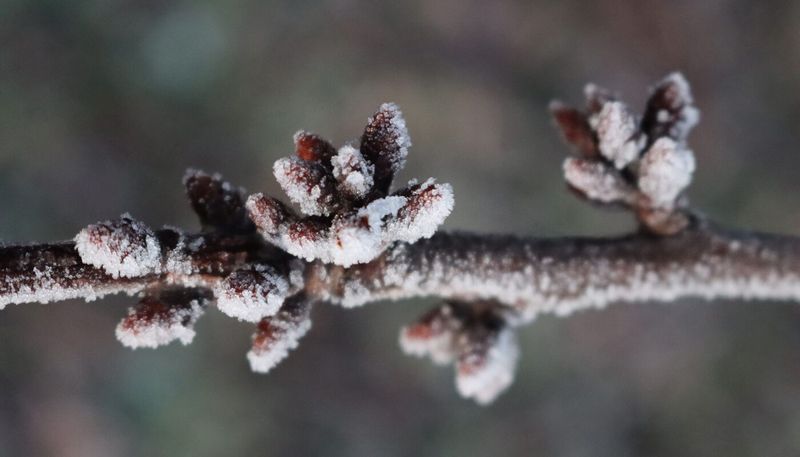
Picture this: your cherry tree is covered in gorgeous white blossoms one morning, and by the next day half of them have turned brown and fallen to the ground. Late spring frosts are one of the most common and most frustrating causes of blossom drop for Ohio cherry trees.
Ohio’s spring weather is notoriously unpredictable, and temperatures can dip well below freezing even in April and May.
Cherry blossoms are extremely sensitive to cold. Once a blossom opens, it can be damaged by temperatures as low as 28 degrees Fahrenheit, according to Ohio State University Extension.
The tender reproductive parts inside the flower are especially vulnerable, and even a brief freeze can prevent fruit from forming while the outer petals still look fine.
Homeowners in Ohio can watch local frost forecasts closely and cover small trees with frost cloth or old bedsheets when freezing temps are expected overnight. Planting cherry trees in a slightly elevated spot in the yard also helps, since cold air settles in low areas.
Choosing cold-hardy cherry varieties suited to Ohio’s USDA hardiness zones 5 and 6 gives your tree a much better chance of surviving those sneaky late frosts every spring.
2. Cold Spring Winds Knock Off Fragile Flowers
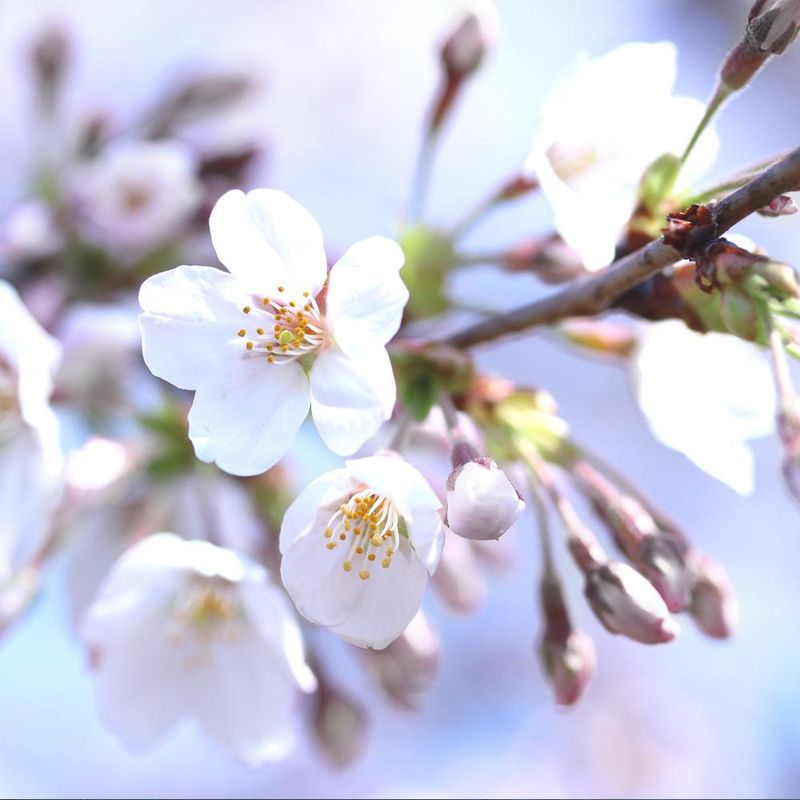
Walk outside on a blustery Ohio spring afternoon and you might actually watch cherry petals swirling through the air like confetti. While that might look pretty, it is a sign that your tree is losing blossoms before pollination even has a chance to happen.
Strong spring winds are a real problem for cherry trees, especially during the short window when flowers are fully open.
Cherry blossoms are physically fragile. The stems that hold them to the branch are thin and delicate, and gusty winds can snap them off before bees ever visit.
Even if the petals stay on, heavy winds can scatter pollen in all the wrong directions, reducing the chances of successful fertilization. University horticulture programs note that wind damage during bloom time is a frequently overlooked cause of poor fruit set.
Planting cherry trees near a windbreak, such as a fence, hedge, or garden wall, can reduce the impact of spring winds significantly. If your yard is especially exposed, consider staking young trees to keep branches from whipping around during storms.
Timing your planting on the sheltered side of your property can make a noticeable difference in how many blossoms survive long enough to be pollinated each spring in Ohio.
3. Poor Pollination Prevents Fruit From Forming
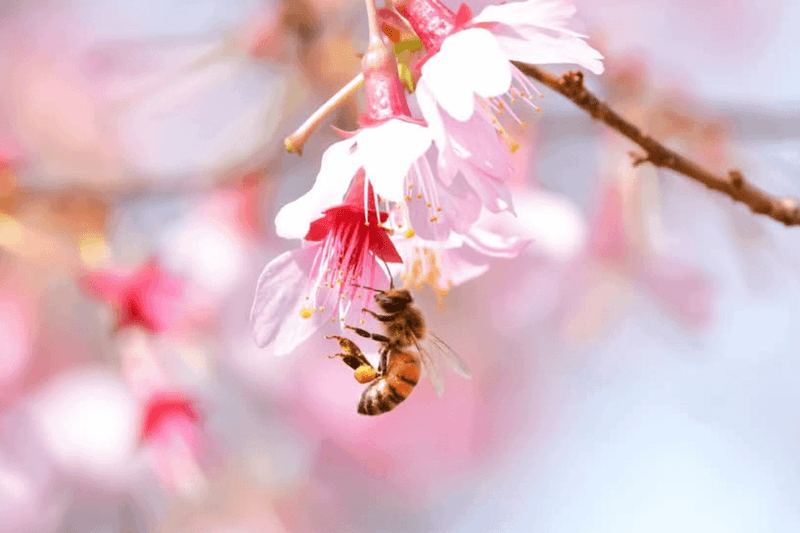
A cherry tree covered in blossoms is a promising sight, but blossoms alone do not guarantee fruit. Pollination is the missing link, and without it, every single flower will drop off without producing a single cherry.
Many gardeners are surprised to learn that most sweet cherry varieties are self-unfruitful, meaning they need pollen from a different but compatible cherry variety nearby to set fruit.
Ohio gardens that have only one cherry tree often struggle with this exact problem. If there is no compatible pollinator tree within about 100 feet, bees and other insects simply cannot transfer the right pollen to fertilize the flowers.
Gardeningknowhow.com and other reliable horticulture sources confirm that cross-pollination is essential for most sweet cherry varieties to produce fruit reliably.
Sour cherries like Montmorency are self-fertile and do better on their own, making them a popular choice for Ohio home gardeners who have limited space. For sweet cherries, planting two compatible varieties close together is the most effective solution.
Encouraging pollinators by planting bee-friendly flowers nearby and avoiding pesticide use during bloom time also helps. Ohio State University Extension recommends checking variety compatibility charts before purchasing new cherry trees to make sure your pairing will actually work.
4. Sudden Temperature Swings Stress Blossoms
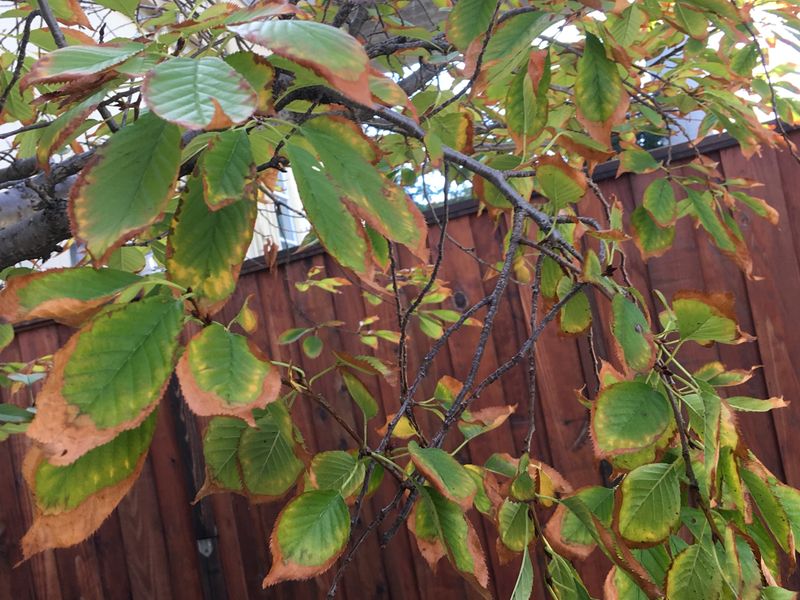
Ohio is famous for having all four seasons in a single week, and that kind of weather whiplash is especially hard on cherry trees during bloom time. A warm stretch in early spring can coax flowers open ahead of schedule, and then a sudden cold snap rolls through and catches those open blossoms completely off guard.
The stress from these rapid temperature swings can cause blossoms to drop even when the tree itself looks completely healthy.
When temperatures fluctuate dramatically, the tree’s internal chemistry gets disrupted. The cells inside the flower tissue can be damaged by cold after being activated by warmth, interrupting the fertilization process.
Purdue University Extension and other Midwest horticulture programs have noted that temperature instability during the bloom window is a leading cause of unreliable fruit crops in Ohio and neighboring states.
Homeowners can help by mulching around the base of the tree to stabilize soil temperature and retain moisture during unpredictable spring weeks. Watering deeply before a cold snap is also a helpful trick, as moist soil holds heat better than dry soil.
Selecting cherry varieties with later bloom times can sometimes help avoid the worst of Ohio’s early spring temperature rollercoaster and give blossoms a better chance of surviving to produce fruit.
5. Heavy Spring Rain Washes Away Pollen
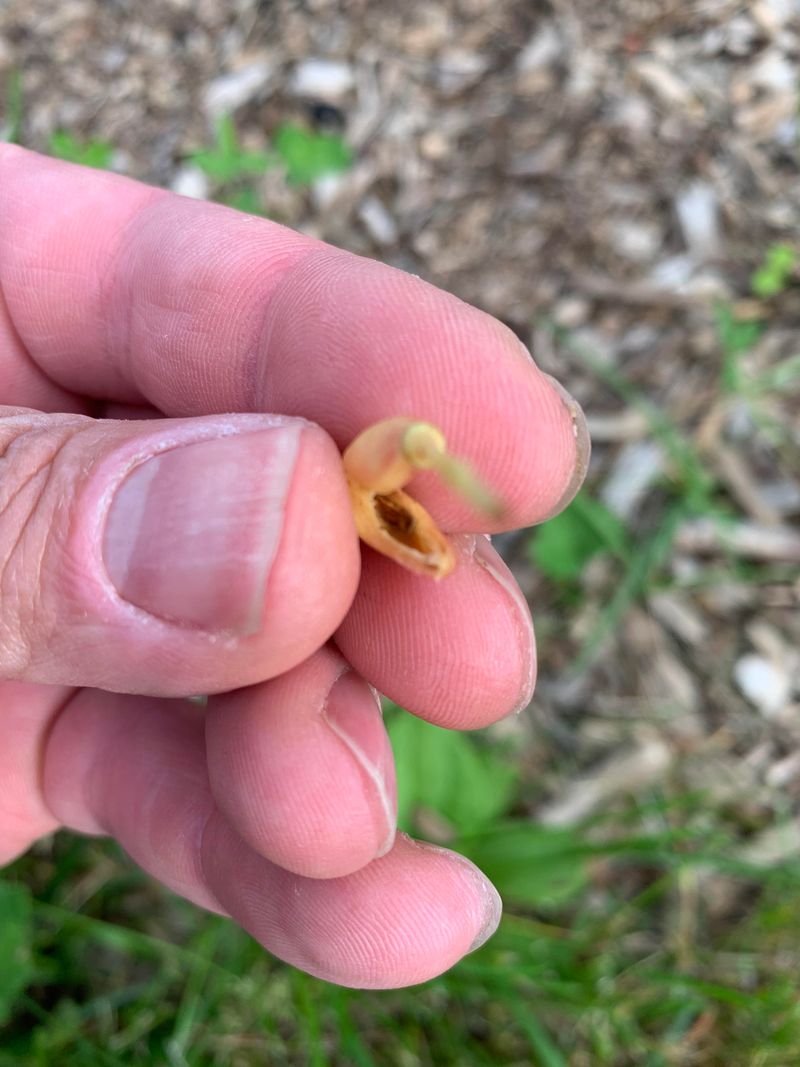
Spring rain is usually welcome in an Ohio garden, but too much of it during cherry bloom time can seriously interfere with pollination. Pollen is a dry, powdery substance that needs to travel from one flower to another, either by wind or by bees.
When it rains heavily for several days in a row, that pollen gets washed away or becomes too wet and clumped to transfer properly.
Bees and other pollinators also stay home during rainy weather, which means the blossoms open and close without ever receiving a visit. If the rain lasts long enough, the flowers simply drop without being fertilized at all.
Michigan State University Extension notes that prolonged wet weather during bloom is one of the top reasons fruit trees fail to produce a good crop in the Great Lakes region, which includes much of Ohio.
There is not much a homeowner can do to stop the rain, but planting cherry trees in well-drained spots helps prevent waterlogged roots from compounding the stress on blossoms. Choosing a planting site that gets good air circulation also helps flowers dry out faster between rain showers.
Keeping a garden journal to track bloom timing versus rainfall over several years can help you identify patterns and plan better for future seasons in your Ohio yard.
6. Young Trees Often Drop Their First Flowers
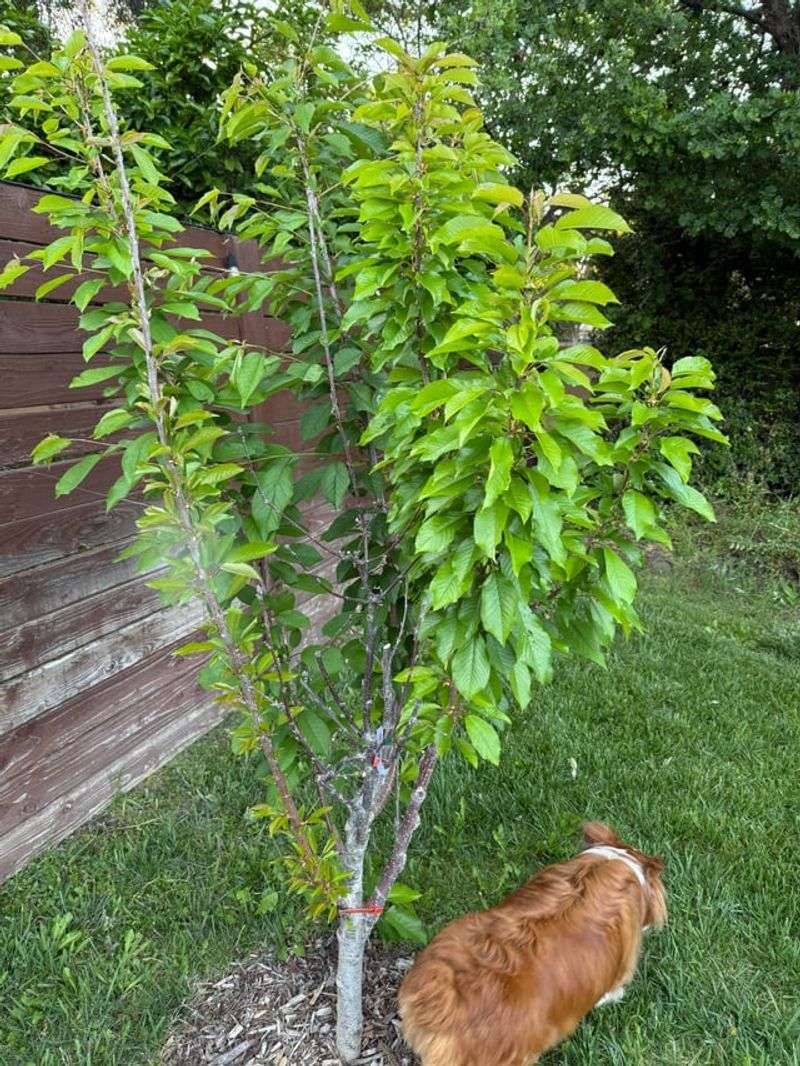
Getting excited when a brand-new cherry tree blooms in its first or second spring is totally understandable. Those blossoms are a sign of life and promise.
But here is something many new gardeners do not realize: young cherry trees very commonly drop all their flowers, and that is actually completely normal. A newly planted tree is still putting most of its energy into establishing its root system, not into producing fruit.
Ohio State University Extension explains that fruit trees generally need several years to mature before they can reliably hold blossoms through to fruit development.
During the establishment period, the tree simply does not have enough stored energy to support both root growth and fruit production at the same time.
Blossom drop in young trees is the tree’s way of prioritizing survival over reproduction.
The best thing you can do for a young cherry tree in Ohio is to be patient and focus on good care. Water it consistently, especially during dry spells, and avoid heavy fertilization in the first year, which can push leafy growth at the expense of root development.
Remove any fruit that does begin to form in the first two years so the tree can focus its resources on getting established. Most cherry trees begin holding blossoms reliably by their third to fifth year with proper care.
7. Nutrient Imbalances Affect Flower Retention
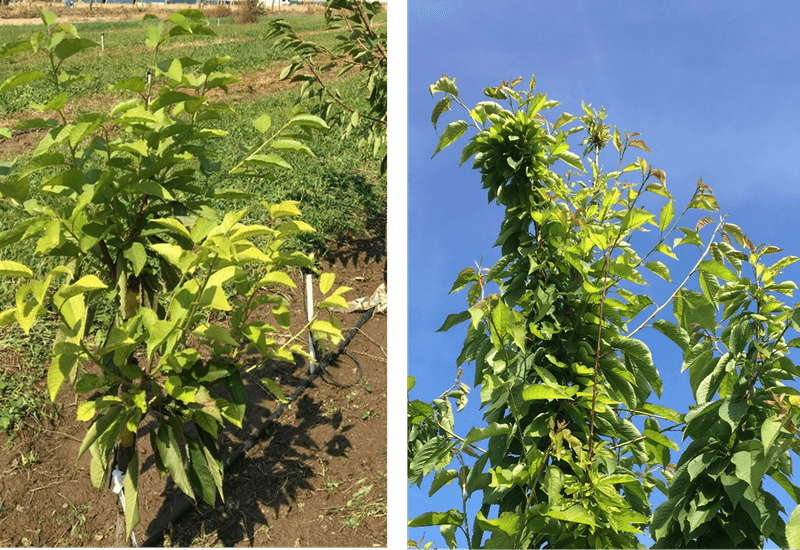
Soil health plays a bigger role in cherry blossom retention than most backyard gardeners ever think about. A tree that looks outwardly fine might still be quietly struggling because the soil beneath it is missing key nutrients.
Nitrogen, phosphorus, potassium, and calcium all play important roles in flower development, and a shortage or imbalance of any one of them can cause blossoms to drop before fruit forms.
Too much nitrogen is actually just as problematic as too little. Excess nitrogen pushes the tree to produce lots of leafy green growth, but it can reduce flower bud formation and cause existing blossoms to drop early.
Ohio soils vary widely in their nutrient content, and without a soil test, it is nearly impossible to know exactly what your tree needs. Ohio State University Extension strongly recommends soil testing every two to three years for fruit trees.
Getting a soil test through your local Ohio State University Extension office is affordable and straightforward. The results will tell you exactly what nutrients are present and what amendments your soil needs.
Based on the results, you might add compost, adjust pH with lime, or apply a balanced fertilizer in early spring. Correcting nutrient imbalances does not always show results in the same season, but it sets your cherry tree up for much stronger flowering and fruiting in the years ahead.
8. Tree Stress Causes Early Blossom Drop
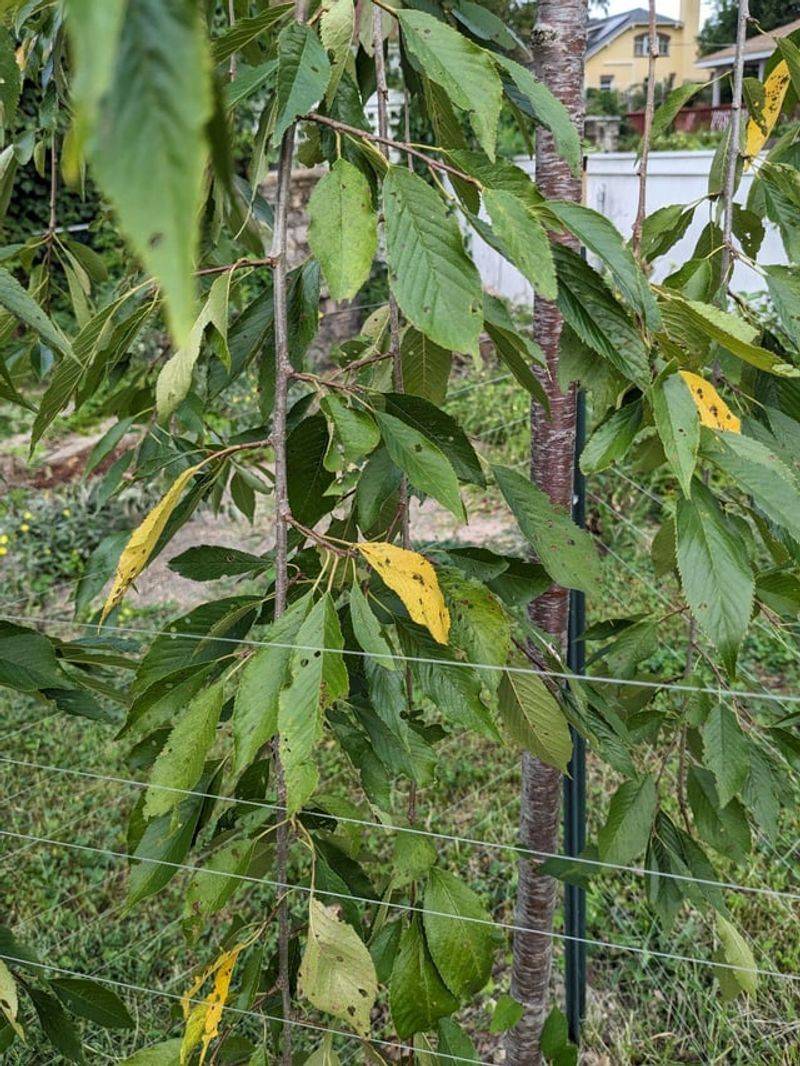
Sometimes a cherry tree drops its blossoms not because of one dramatic event, but because it has been quietly stressed for weeks or even months before bloom time.
Root disturbance from nearby construction, compacted soil, drought from the previous summer, or a poorly chosen planting site can all build up into a level of stress that causes the tree to shed its flowers as a survival response in spring.
When a tree is under significant stress, it shifts its priorities. Producing fruit takes a lot of energy, and a stressed tree will often abort that process early by dropping blossoms.
Branchthetree.com and several university horticulture sources note that environmental stress is one of the most underdiagnosed causes of blossom drop because the symptoms do not always appear on the leaves or bark in an obvious way.
Ohio gardeners can reduce tree stress by mulching a wide area around the base of the cherry tree, keeping at least three to four inches of organic mulch away from the trunk.
Deep, infrequent watering is better than shallow daily watering because it encourages roots to grow deeper into stable soil.
Avoid digging or tilling close to the root zone, and if the tree was recently transplanted, give it at least one full growing season to settle in before expecting reliable blooms.