Why Your Oregon Garden Fills With Slugs After Rain And What To Do About It
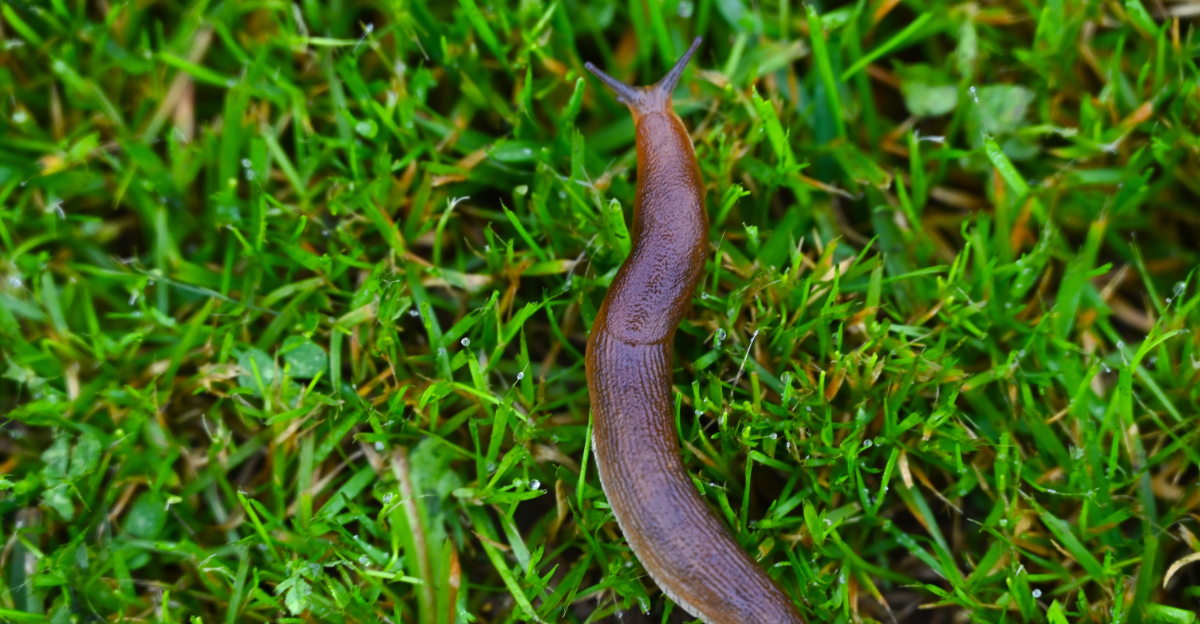
Rain is a blessing for Oregon gardens, but it also signals a feast for one of the most common garden pests: slugs.
When soil becomes damp and the air cools, these mostly nocturnal creatures emerge to feed on tender leaves, seedlings, and other soft, green growth.
You might notice ragged holes, silvery trails, and plants that look like they’ve been nibbled overnight. While frustrating, this activity is fairly typical for the Pacific Northwest climate.
Moisture, shade, and nutrient-rich soil create favorable conditions, which is why slugs often seem to appear suddenly after rainy periods. The good news is that gardeners are not powerless.
With a few thoughtful strategies and simple garden habits, it’s possible to protect plants and reduce slug damage significantly. Ready to reclaim your garden and stop the slimy invasion before it spreads?
1. Why Slugs Appear After Rain
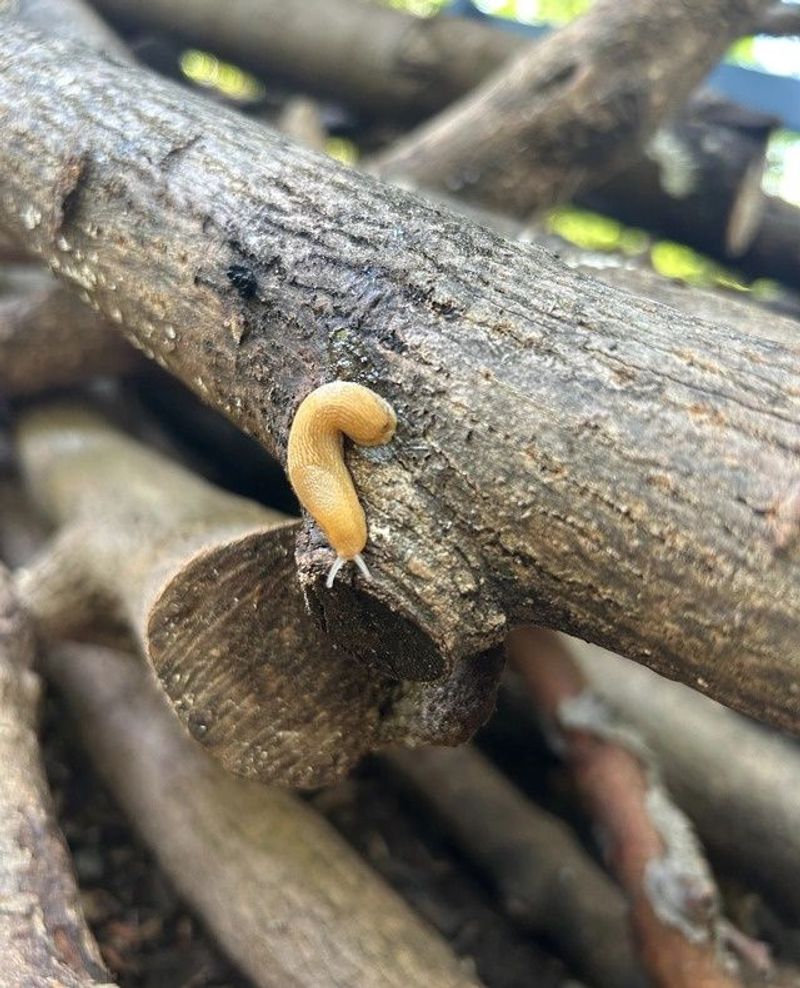
You step outside after an overnight drizzle and notice your garden dotted with slugs. They haven’t appeared out of nowhere, they’ve been hiding under leaves, boards, and mulch all along.
Rain encourages their activity because slugs breathe through their skin, and moisture keeps it from drying out. Oregon’s frequent rainfall provides favorable conditions for slugs to move, feed, and reproduce.
During drier periods, they shelter in cool, damp spots and wait. Once wet weather returns, they often emerge at night or on overcast mornings to graze on tender foliage.
Slugs tend to be most active when temperatures are mild and humidity is high, conditions that Oregon often provides from fall through spring.
They typically avoid hot, sunny afternoons, which can dehydrate them, explaining why trails are more noticeable after rainy spells rather than during summer days.
Understanding this seasonal and moisture-driven cycle helps you anticipate slug activity and time garden checks or interventions, allowing you to adjust your garden habits proactively rather than being surprised when wet conditions bring them out.
2. Where Slugs Hide In Your Garden
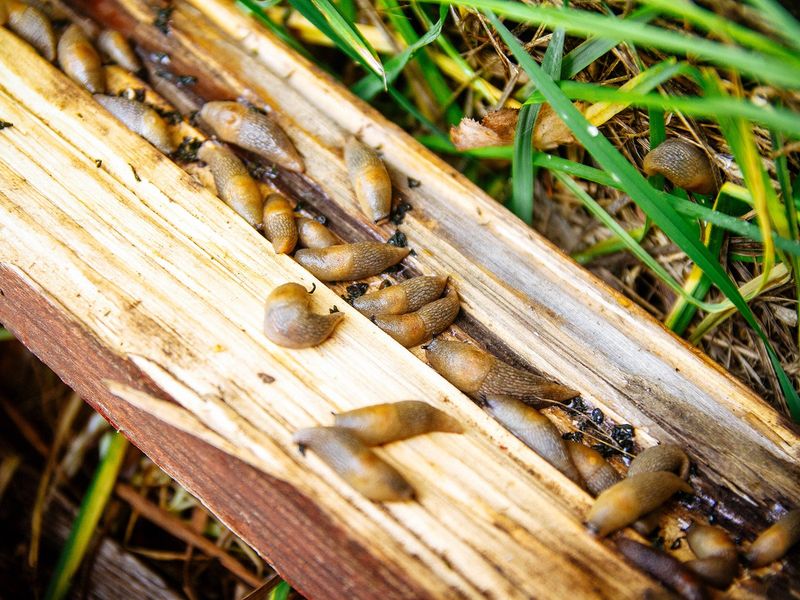
Slugs tend to follow a fairly predictable routine. During the day, they retreat to cool, dark, and moist areas.
Look under boards, stepping stones, or stacks of pots, and you may find clusters of slugs resting until evening. Mulch piles, dense groundcovers, and spaces beneath low-hanging branches also provide daytime shelter.
Garden debris such as fallen leaves, grass clippings, or untrimmed plant edges can create additional moist hiding spots. Even a damp towel left on the lawn may serve as a temporary refuge.
Shady corners where water collects after rain are often attractive as well. Slugs are commonly found near downspouts, along fence lines, and in beds with thick plantings or limited air circulation.
They may also take cover in compost bins, under decking, or around water features. Knowing where slugs are likely to hide allows you to focus control efforts on high-activity zones rather than treating the entire yard.
Removing or thinning shelters, lifting boards, and improving drainage in shady areas can reduce hiding places, making the garden less appealing to slugs without relying on harsh chemicals or excessive labor.
3. The Damage Slugs Commonly Cause
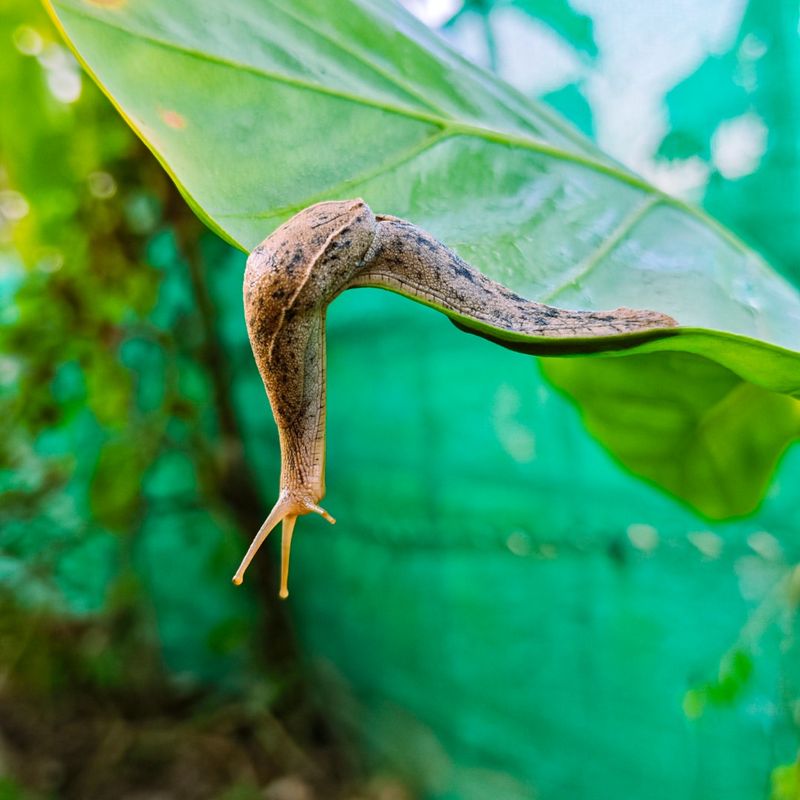
Walk through your garden on a dewy morning and the signs of slugs are often visible: irregular holes in hosta leaves, seedlings partially eaten, and silvery trails marking their paths.
Unlike many insects that leave clean cuts, slugs rasp away plant tissue, producing ragged edges and uneven damage that can be fairly easy to identify.
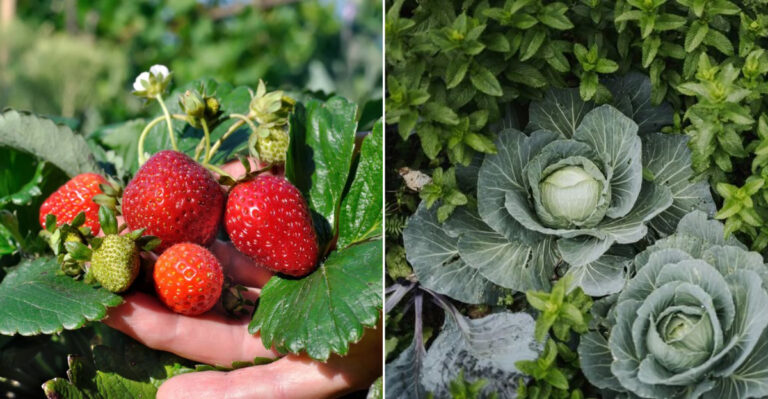
Young plants and tender seedlings are generally the most affected. Slugs may consume a noticeable portion of lettuce starts, and they often prefer soft-leaved vegetables, strawberries, and ornamental flowers.
Established plants usually survive feeding, though repeated damage can weaken them and make foliage look less attractive.
Slugs may also feed on ripening fruit that touches the ground, such as strawberries and tomatoes, leaving slime and shallow gouges that can encourage rot or attract secondary pests.
Damage tends to vary with the season: spring and fall often bring higher slug activity, putting new transplants at greater risk. Summer heat can reduce feeding, but activity typically increases again with fall rains.
Recognizing this pattern helps gardeners protect vulnerable plants at key times, using barriers, timing, and plant choices to limit losses without constant intervention.
4. Simple Ways Gardeners Reduce Slug Activity
Oregon gardeners have found that managing slugs doesn’t always require harsh chemicals or constant attention. Simple, consistent habits can make a noticeable difference.
Many people begin by hand-picking slugs during evening or early morning checks and placing them in soapy water. It may not be glamorous, but regular effort can reduce visible populations.
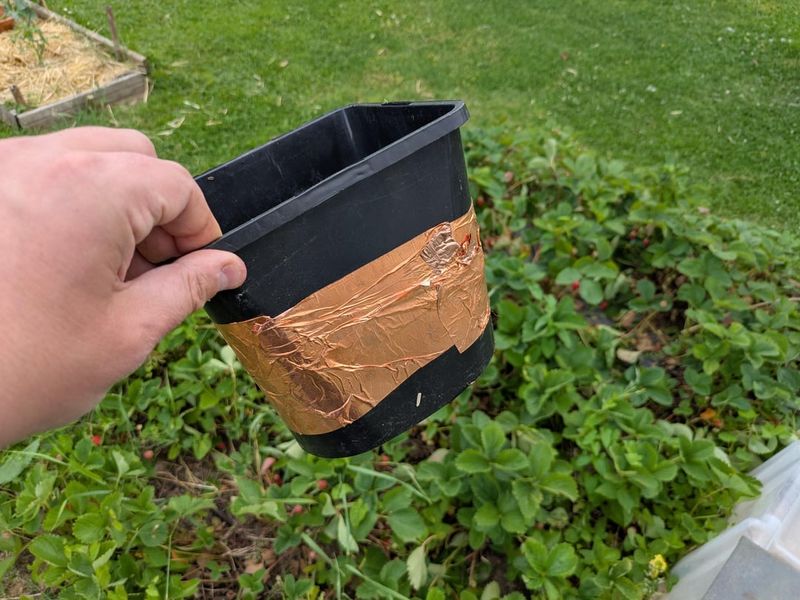
Physical barriers can also help. Copper tape around pots and raised beds gives slugs a mild deterrent they tend to avoid.
Crushed eggshells, diatomaceous earth, and coarse sand create surfaces that are harder for slugs to cross, though these need replenishing after rain.
Some gardeners use beer traps, shallow dishes partially filled with beer attract slugs, which then drown; this primarily targets adults and does not affect eggs or young slugs.
Adjusting watering schedules can make a difference as well. Watering in the morning allows soil surfaces to dry by evening, which may discourage nighttime slug activity.
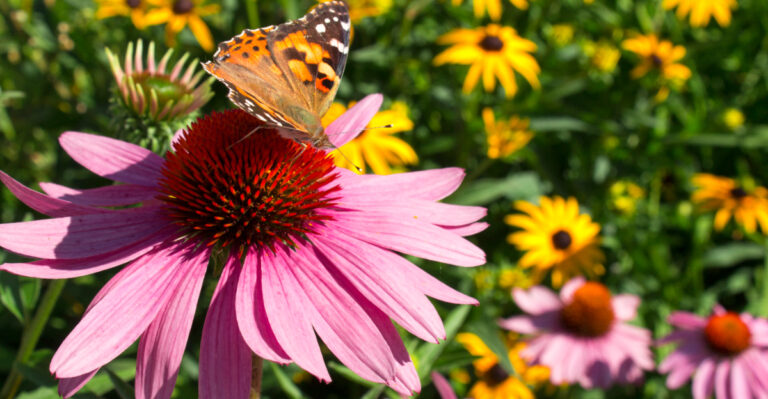
Encouraging natural predators such as ground beetles, toads, and birds provides an additional layer of control. Providing small brush piles or logs creates habitat for these helpful species.
While no single method gives instant results, combining these strategies over time can reduce slug activity and help protect plants without disturbing the overall garden ecosystem.
5. Garden Conditions That Attract Slugs
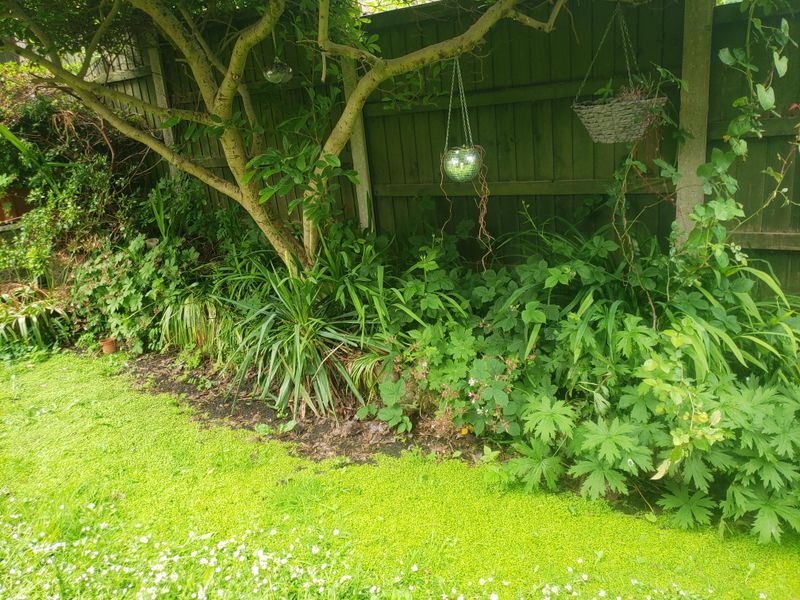
Some gardens seem to have more slugs than others, often due to how the space is arranged. Slugs tend to thrive where moisture lingers, shade dominates, and organic matter accumulates.
Beds that stay damp for long periods can be particularly attractive to them. Thick mulch layers retain moisture for plants, but they can also create suitable shelter for slugs.
Straw, wood chips, and compost provide cool, damp hideouts. Consistent shelter can encourage slug activity, so gardens with heavier mulching may see higher numbers.
That doesn’t mean mulch should be avoided, it benefits soil and plants, but lighter layers and occasional turning can reduce slug-friendly conditions. Dense plantings with limited air circulation can trap humidity and create shaded microclimates where slugs congregate.
Overgrown ground covers, untrimmed shrubs, and closely spaced vegetable rows can contribute, as can areas near water sources like leaky hoses, bird baths, or low spots with poor drainage.
Observing these conditions allows gardeners to adjust management strategies.
Thinning plantings, improving drainage, and clearing debris can reduce slug habitat without eliminating shade or foregoing mulch entirely. Small adjustments often make the garden less inviting to slugs while preserving the features you enjoy.
6. Environmentally Responsible Control Options
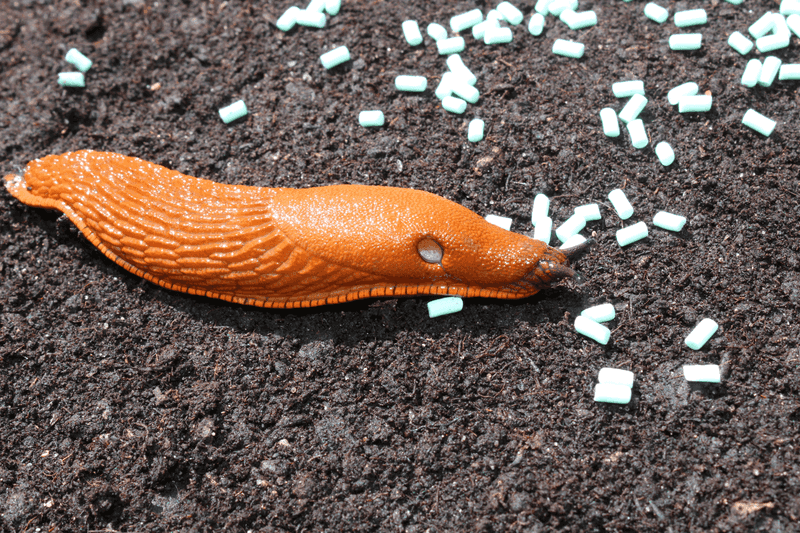
Many Oregon gardeners prefer slug control methods that protect beneficial insects, pets, and soil health. Iron phosphate-based baits are one option.
These products break down into soil nutrients and primarily affect slugs, causing them to stop feeding and retreat into the soil. They are generally considered safer than older metaldehyde baits, which can pose risks to pets and wildlife.
Beneficial nematodes offer another biological approach. These microscopic organisms can parasitize slugs and reduce populations over time.
They perform best in moist soil and require careful application, but they do not harm plants, earthworms, or other garden life. Results develop gradually rather than instantly.
Some gardeners also use barriers such as wool pellets, which absorb moisture and can deter slugs, or abrasive mulches that slugs tend to avoid. These methods are most effective around individual plants or small beds and may need replenishing after heavy rain.
Copper mesh and tape remain popular because they are reusable and provide ongoing protection once installed. Whatever approach you choose, it’s important to have realistic expectations.
No single method completely eliminates slugs, and Oregon’s climate often favors their return. The goal is to reduce damage to manageable levels while keeping a healthy, balanced garden.
Combining barriers, habitat management, and occasional bait use generally works better than relying on one method alone.
7. Keeping Plants Healthy Despite Slugs
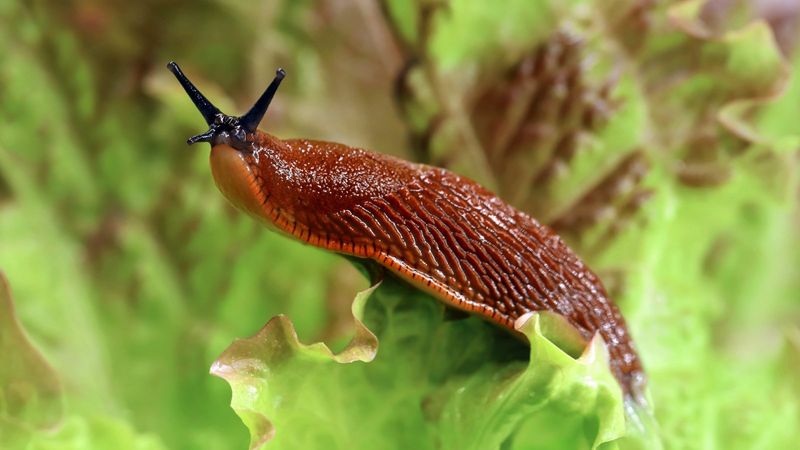
Living with slugs doesn’t mean your garden has to suffer. Healthy plants can tolerate some feeding, and careful planning can reduce damage considerably.
Choosing more slug-resistant varieties helps, plants with tough, hairy, or aromatic leaves often experience less feeding.
Lavender, rosemary, ferns, and ornamental grasses typically escape heavy damage, while hostas, lettuce, and young seedlings may need extra protection.
Timing can make a difference as well. Transplanting seedlings when they are larger and sturdier gives them a better chance against slug feeding.
Starting seeds indoors and moving them outside once they have several true leaves reduces vulnerability. Planting in late spring, when slug activity is lower, can also help.
Raised beds and containers elevate plants above typical slug pathways and improve drainage, creating a less favorable environment.
Adding gravel or coarse mulch around bed edges forms a partial barrier, while proper spacing improves air circulation and reduces the damp microclimates slugs prefer.
Regular garden upkeep, removing debris, thinning dense plantings, and monitoring for early feeding, keeps problems manageable.
By protecting the most vulnerable plants and accepting that some minor damage may occur, gardeners can maintain healthy, thriving gardens in Oregon’s slug-prone climate without constant worry.