Why Your Rhododendrons Keep Turning Brown In Pennsylvania (And What It Means)
Have you ever looked at your rhododendrons and wondered why those rich green leaves suddenly started turning brown? In Pennsylvania, that kind of change can be especially frustrating because these shrubs are supposed to be some of the stars of the landscape.
When they are healthy, they look full, glossy, and covered in beautiful blooms. When they start browning, though, they can make the whole yard feel tired and a little alarming.
The tricky part is that brown leaves do not point to just one problem. In some cases, winter burn is to blame.
In others, the issue could be too much sun, dry soil, root stress, poor drainage, or even disease. Pennsylvania weather does rhododendrons no favors either.
Cold winds, sudden temperature swings, and wet or compacted soil can all leave these shrubs looking rough by the time the season changes.
The good news is that browning leaves usually tell a story if you know what to look for. Once you understand what the color change means, it becomes much easier to figure out what your rhododendrons need and how to help them recover.
When Healthy Green Leaves Turn Brown
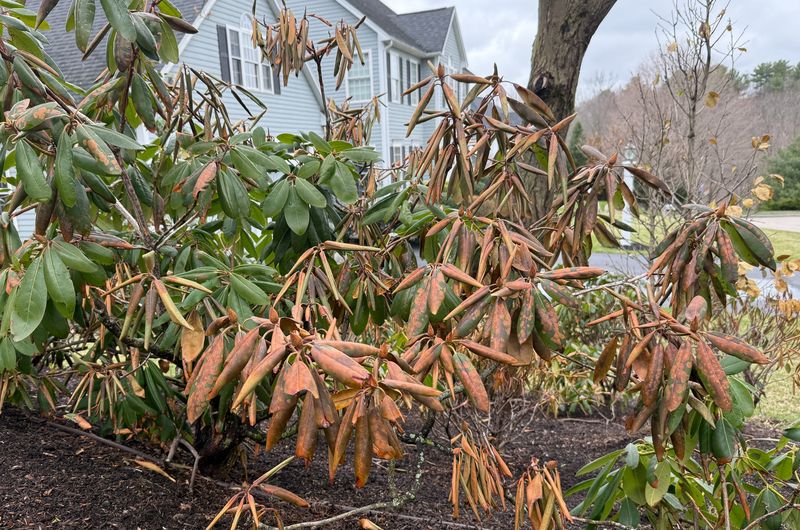
Picture this: you walk outside one morning in Pennsylvania and notice your once-gorgeous rhododendron has leaves that look brown, crispy, or just plain sad. It can feel like something went seriously wrong overnight.
But most of the time, the browning did not happen suddenly. It built up slowly over time due to one or more stress factors.
Rhododendrons are actually pretty sensitive plants. They need just the right balance of water, sunlight, soil conditions, and temperature to stay healthy.
When even one of those things is off, the leaves start showing signs of stress. Brown leaves are basically the plant’s way of waving a red flag and asking for help.
In Pennsylvania, this is an incredibly common problem. The state experiences cold winters, hot summers, and everything in between.
Those seasonal shifts put a lot of pressure on rhododendrons. Gardeners across the state often notice browning after winter ends or during a dry summer stretch.
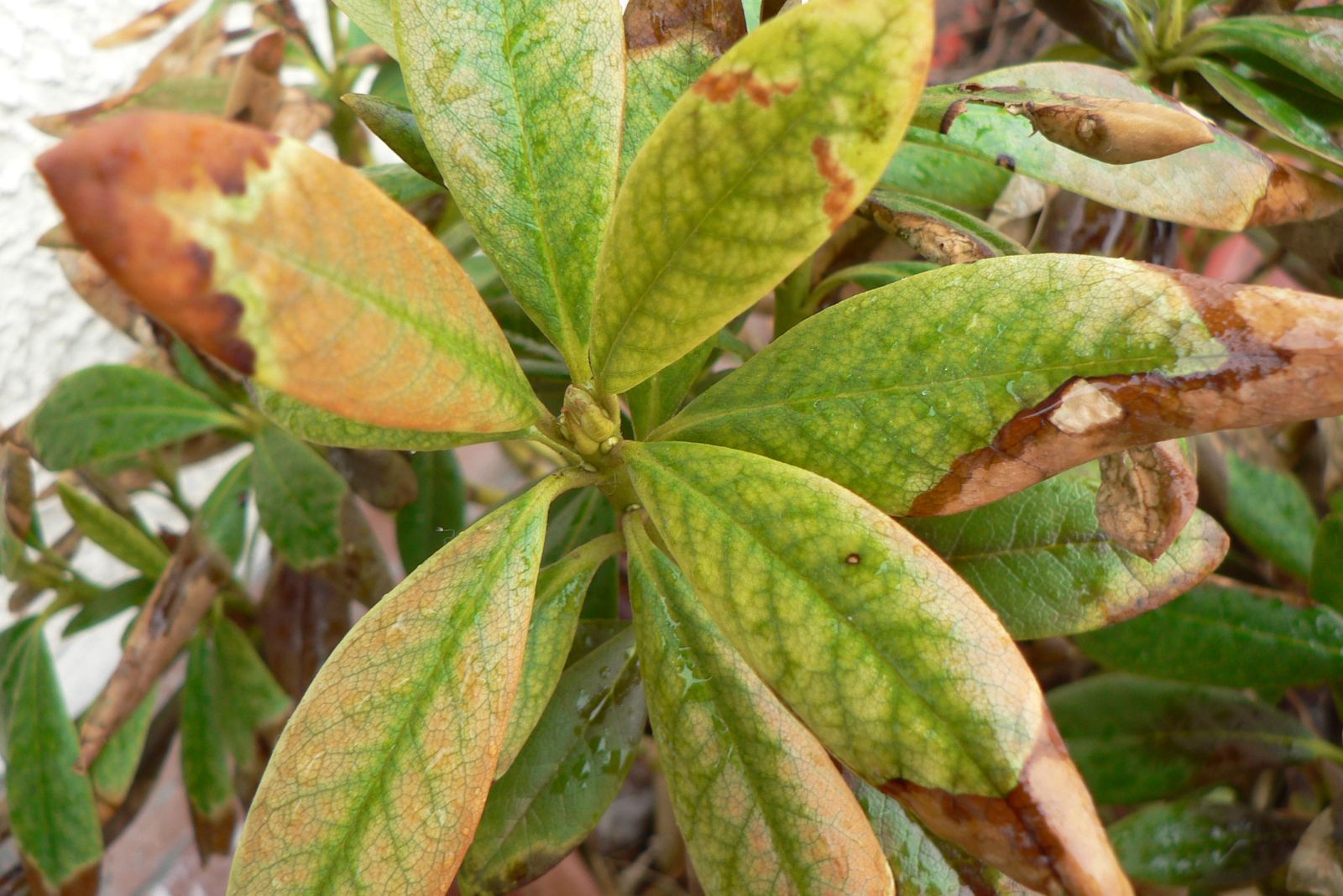
The browning can appear in different ways depending on the cause. Sometimes the tips of the leaves turn brown first.
Other times, the whole leaf goes brown and curls inward. Some leaves develop brown spots in the middle, while others fade to a yellowish-brown all over.
Paying attention to where and how the browning appears can give you big clues about what is causing it. Is it on the outer edges?
That often points to wind or cold damage. Are the spots scattered? That could mean a pest or fungal issue. Looking closely at your plant is always the right first move.
Winter Burn And Cold Damage
Pennsylvania winters can be brutal, and rhododendrons feel every bit of that cold. One of the most common reasons these plants get brown leaves is something called winter burn.
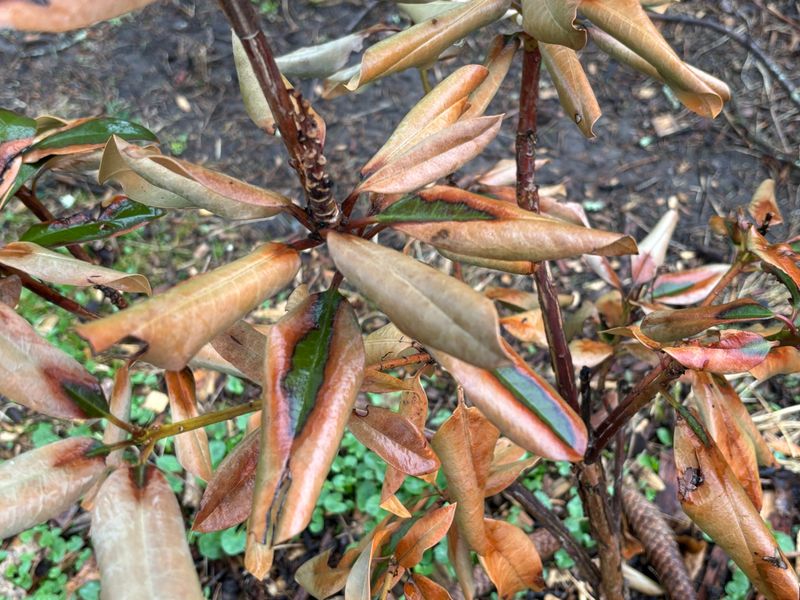
It happens when freezing temperatures, cold winds, and bright winter sun all team up to dry out the leaves faster than the roots can replace that moisture.
Here is the tricky part: the roots are often frozen in the ground during winter. That means even if there is water in the soil, the plant cannot pull it up.
The leaves keep losing moisture through a process called transpiration, but nothing is coming back in. The result is dry, brown, and sometimes curled leaves by the time spring arrives.
This issue is especially common in Pennsylvania because the winters here bring a mix of hard freezes and occasional warm spells that confuse plants. A warm January day followed by a sharp freeze can stress rhododendrons even more than a consistently cold winter would.
South-facing and west-facing plants tend to suffer the most because they get more sun and wind exposure. If your rhododendron is planted near a road or open field where wind really picks up, the risk of winter burn goes up even more.
The good news is that winter burn usually looks worse than it actually is. Many plants that appear completely brown in March will push out new growth by May.
To prevent it next year, consider wrapping plants in burlap, adding a thick layer of mulch around the base, and making sure the plant gets a deep watering before the ground freezes in late fall.
Improper Watering And Drought Stress
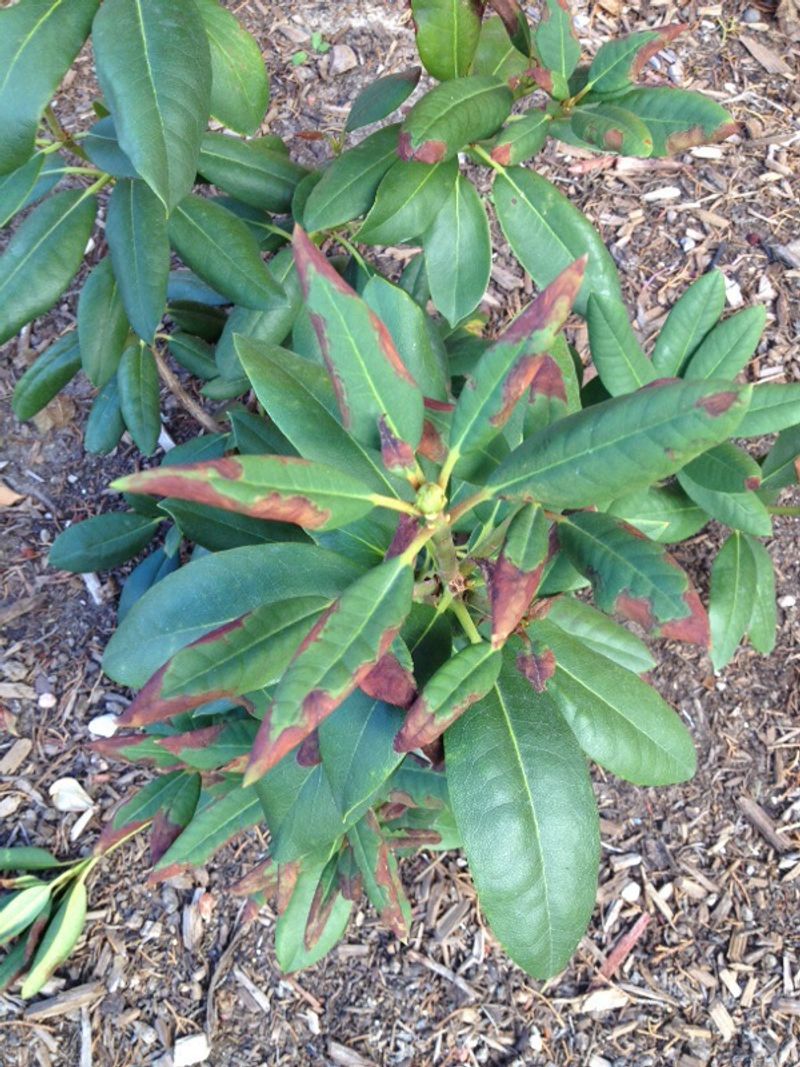
Water is everything when it comes to rhododendron health, and getting it wrong in either direction can turn those leaves brown fast. Both too much water and too little water are real problems.
A lot of Pennsylvania gardeners are surprised to learn that overwatering can be just as damaging as drought.
When a rhododendron gets too much water, the roots can start to rot. Rotting roots cannot absorb nutrients or moisture properly, so the leaves begin to wilt and turn brown even though the soil is wet.
This is a sneaky problem because it can look like the plant needs more water when it actually needs less.
On the other side, underwatering causes the leaf edges to dry out and turn crispy brown. Rhododendrons have shallow root systems, which means they dry out faster than deeper-rooted plants.
During hot, dry Pennsylvania summers, these plants can show drought stress surprisingly quickly.
One of the most important things you can do is give your rhododendron a really deep watering before the ground freezes in late fall. This helps the plant store enough moisture to survive the winter without the roots drying out.
Skipping this step is one of the top reasons Pennsylvania gardeners see brown leaves in spring.
During the growing season, aim to keep the soil consistently moist but never soggy. Sticking your finger about two inches into the soil is a simple way to check.
If it feels dry at that depth, it is time to water. A layer of mulch around the base of the plant also helps hold moisture in the soil longer between waterings.
Poor Soil Conditions And Drainage Issues
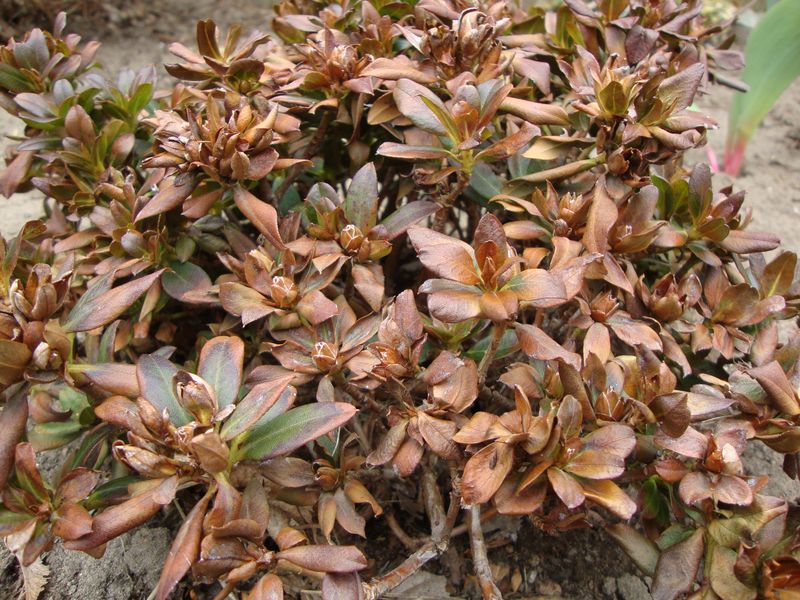
Soil might not be the most exciting topic, but for rhododendrons, it is absolutely critical. These plants are very particular about where they grow. They need acidic soil with a pH between 4.5 and 6.0. They also need soil that drains well.
In Pennsylvania, many yards have heavy clay soil that holds too much water and does not drain properly.
When soil pH is too high, meaning it is too alkaline, rhododendrons cannot absorb certain nutrients even if those nutrients are present in the soil. Iron is a big one.
Without enough iron, the leaves start to turn yellow and then brown. This condition is called chlorosis, and it is more common than most people realize in parts of Pennsylvania where the soil leans toward neutral or alkaline.
Compacted soil is another serious issue. When soil is packed too tightly, roots cannot spread out and breathe.
Rhododendrons have fine, shallow roots that need loose, airy soil to function well. Compacted or waterlogged soil basically suffocates those roots over time, leading to stress and browning leaves.
If you suspect soil is the problem, a simple soil test can confirm it. Many Pennsylvania garden centers and cooperative extension offices offer affordable soil testing kits.
Once you know your pH, you can add sulfur or an acidifying fertilizer to bring it down to the right range.
Improving drainage is also worth the effort. Mixing compost or pine bark into the planting area helps loosen heavy soil and improve its structure.
Planting on a slight slope or raised bed can also prevent water from pooling around the roots during Pennsylvania’s rainy seasons.
Sun Exposure And Environmental Stress
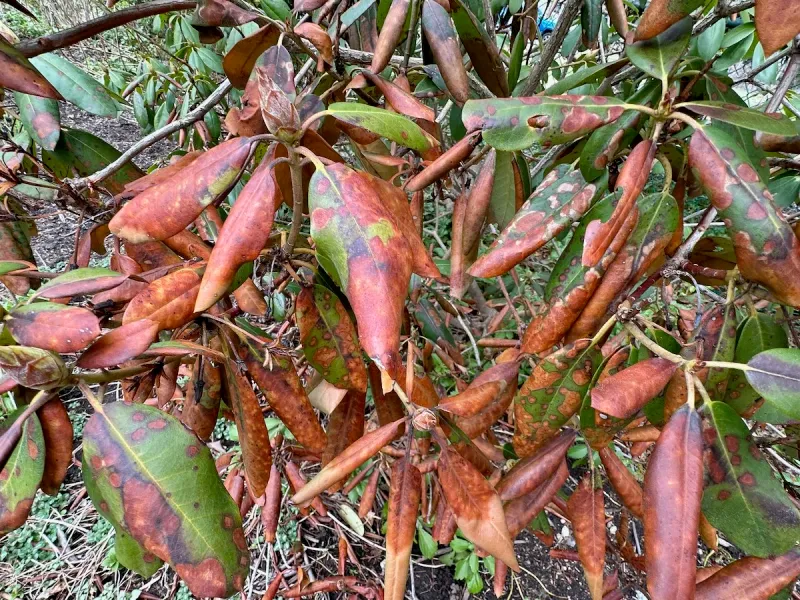
Most people think more sun means healthier plants, but rhododendrons are the exception to that rule. These shrubs actually prefer partial shade.
Too much direct sunlight, especially during winter and early spring in Pennsylvania, can scorch their leaves and cause significant browning.
Winter sun is particularly harsh on rhododendrons. When the sun reflects off snow and hits the leaves on a cold day, the leaves warm up and start losing moisture.
But since the ground is frozen, the roots cannot supply replacement water. The result is sun scorch, which looks a lot like winter burn and often happens alongside it.
In summer, intense afternoon sun in Pennsylvania can also be too much for rhododendrons. Leaves that get too much direct heat start to look bleached or develop dry, brown patches, especially along the edges and tips.
Plants on the south or west sides of a house are most at risk during the hottest months.
The ideal spot for a rhododendron in Pennsylvania is under the dappled shade of tall trees or on the north or east side of a building. This gives the plant bright light in the morning without exposing it to the harsh afternoon sun.
Many successful Pennsylvania gardeners plant rhododendrons under oak or pine trees, which also help keep the soil naturally acidic.
If your plant is already in a too-sunny spot, you do not necessarily need to move it. Adding a burlap windscreen or shade cloth during the hottest and coldest months can make a real difference.
Over time, nearby trees or shrubs may also grow to provide more natural shade for your rhododendron.
How To Fix The Problem And Restore Healthy Growth
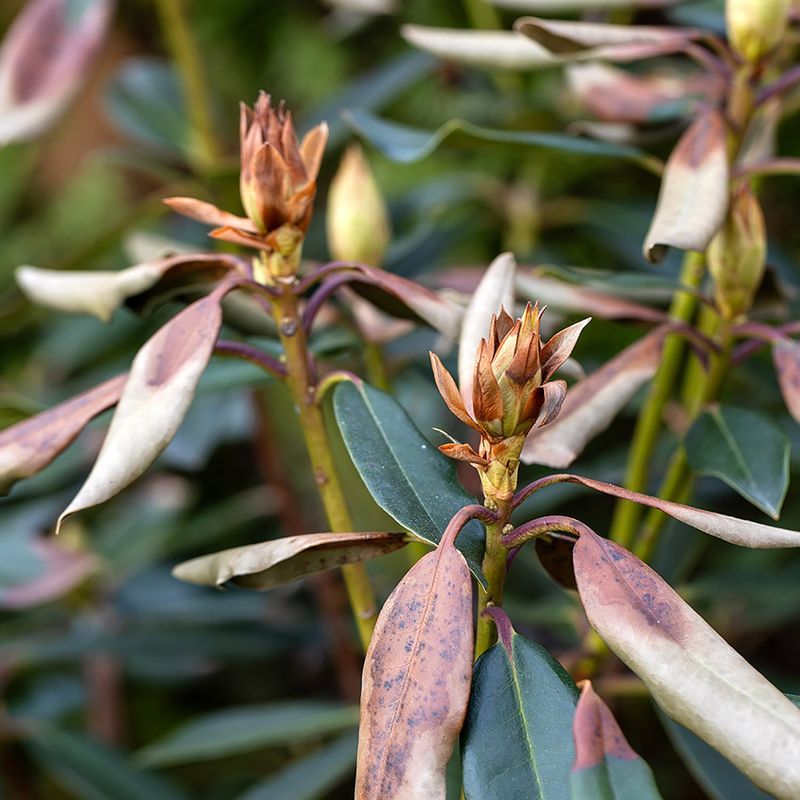
Seeing brown leaves on your rhododendron does not mean all hope is gone. Most plants in Pennsylvania can bounce back with the right care and a little patience.
The key is figuring out the root cause first, then taking targeted steps to fix it rather than guessing and hoping for the best. Start by checking the soil. Get a pH test and find out if your soil needs to be more acidic.
If it does, add sulfur or an acidifying fertilizer made for acid-loving plants. Work it into the top few inches of soil around the plant.
Do not fertilize too heavily though, as too much fertilizer can burn roots and make browning worse.
Next, look at your watering habits. Make sure you are watering deeply and consistently, especially during dry spells and before the ground freezes in fall.
Adding a two to three inch layer of organic mulch, like shredded bark or pine needles, around the base of the plant helps keep moisture in and regulates soil temperature through Pennsylvania’s tough winters.
If winter burn or sun scorch is the culprit, consider moving the plant to a shadier location or adding a burlap wrap in late fall to block wind and harsh sun.
Doing this before the first hard freeze in Pennsylvania gives the plant the best chance of staying healthy through the cold months.
After winter, wait until late spring before pruning off brown branches. New growth often emerges from stems that look completely brown.
Snip a small piece of a branch and look for green inside before deciding it is truly gone. With steady care, your rhododendron can and will recover.