Why Your Seeds Get A Stronger Start With Pre-Sprouting In Minnesota
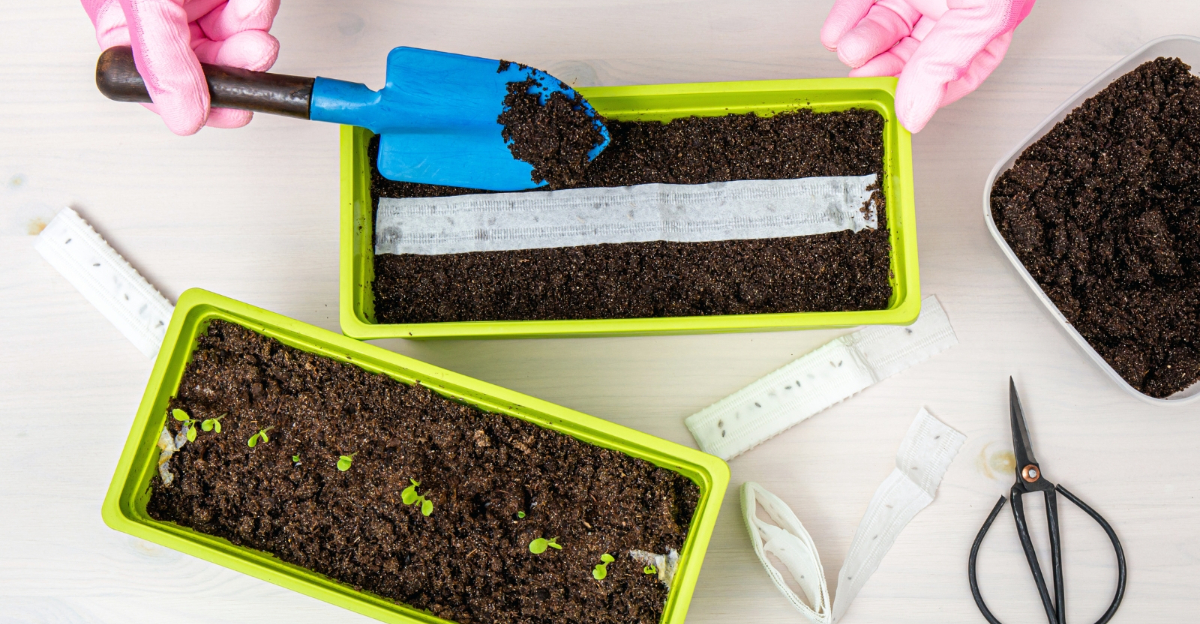
Cold soil and a long wait for sprouts can make the start of a Minnesota growing season feel slower than it should.
You plant carefully, water faithfully, and still find yourself checking the soil day after day, wondering what’s happening underneath.
In Minnesota, that early window matters, because spring temperatures don’t always cooperate with seed schedules.
Not every slow start is a problem, and many seeds simply need time to respond to their environment.
When germination keeps lagging or comes up uneven, though, it usually points to how seeds handled those first critical days.
Pre-sprouting shifts that process forward before seeds ever reach the ground. It gives you a head start that soil alone sometimes can’t provide.
That small change can mean stronger roots, faster emergence, and more consistent growth once planting begins.
Understanding why pre-sprouting works can help your Minnesota garden get moving with far more confidence right from the start.
1. Seeds Germinate Faster In Cool Spring Conditions
Cold soil is one of the biggest obstacles you face when planting early in Minnesota. Many seeds simply refuse to sprout when temperatures hover in the low fifties or below.
Pre-sprouting bypasses this problem entirely by giving your seeds the warm, controlled environment they need indoors.
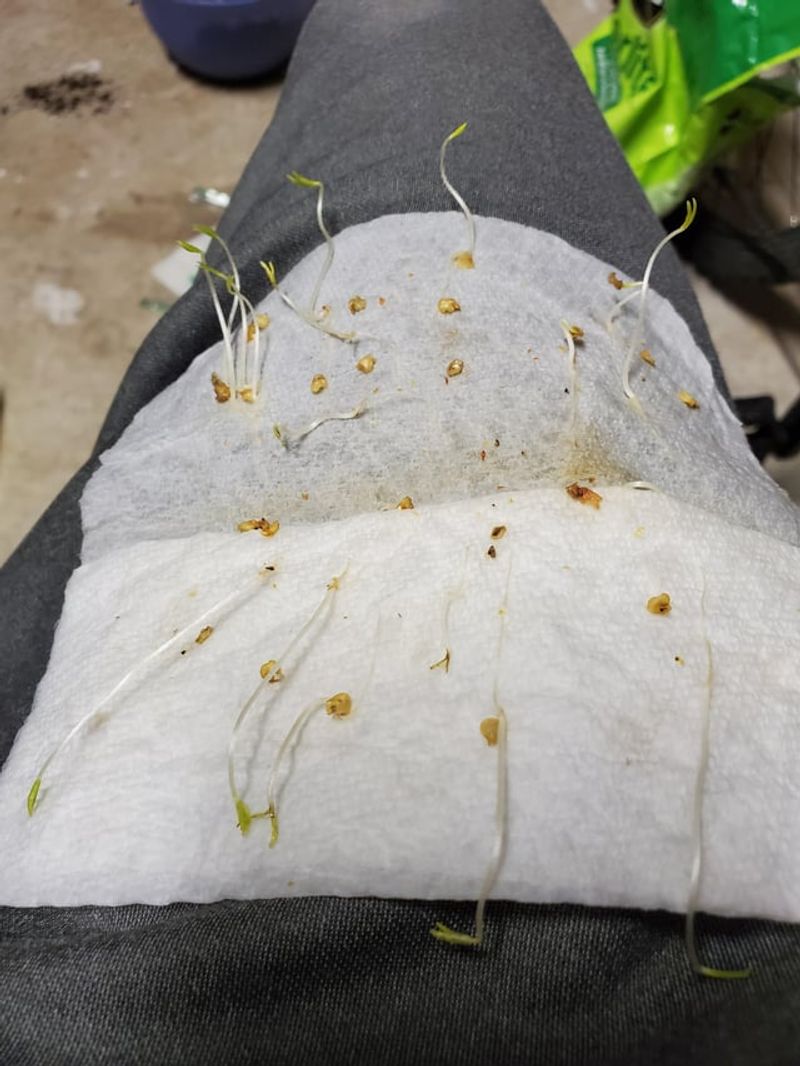
When you soak seeds in a damp paper towel or shallow tray, they absorb moisture quickly and begin the germination process within days. This happens at room temperature, which is much warmer than what your garden soil offers in April or early May.
Your seeds respond by sending out roots and tiny shoots, preparing them for transplant.
Once those roots emerge, you can move the sprouted seeds into your garden beds with confidence. Even if the soil is still cool, the plants have already begun growing and are much more resilient.
Minnesota gardeners who pre-sprout often see seedlings emerge a full week or more ahead of direct-sown seeds.
Timing matters when your frost-free window is narrow. Getting plants established earlier means they have more time to mature before fall temperatures drop again.
Pre-sprouting gives you that extra cushion without waiting for perfect weather.
You also reduce the risk of seeds rotting in cold, wet soil. Minnesota springs can be damp, and unsprouted seeds left in soggy ground often fail to germinate.
Pre-sprouting ensures each seed has already started its journey before facing outdoor conditions.
This method works especially well for warm-season crops like beans, squash, and cucumbers. These plants prefer warmer soil but can be started indoors through pre-sprouting and transplanted once conditions improve.
Your garden gets a faster start, and you maximize every day of the growing season.
Pre-sprouting also lets you control moisture levels precisely. Too much or too little water can halt germination, but indoors you can monitor and adjust as needed.
This level of control is hard to achieve outdoors in unpredictable spring weather.
Minnesota gardeners who adopt this technique often report stronger, more vigorous plants. The head start translates into better yields and healthier crops.
You invest a little extra time upfront but gain weeks of growth advantage.
2. You Can Spot Viable Seeds Before Planting
Not every seed in a packet will sprout, especially if the seeds are a year or two old. Pre-sprouting lets you test which ones are still good before you waste garden space on duds.
This simple step saves you frustration and ensures every spot in your bed gets a strong plant.
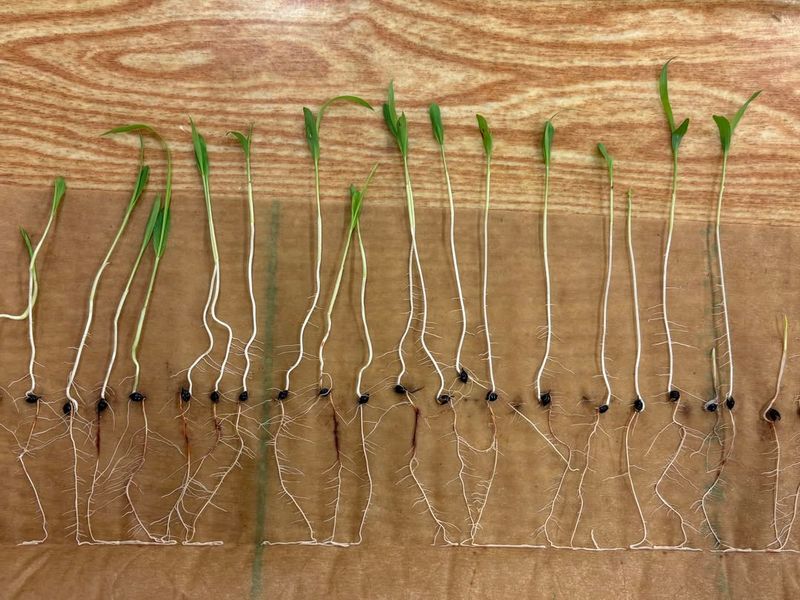
When you lay seeds out on a moist surface indoors, the viable ones will begin to show roots within a few days. Those that do not respond are likely no longer capable of germinating.
You can discard them immediately and focus only on the seeds that prove themselves.
Minnesota gardeners often deal with leftover seed packets from previous seasons. Pre-sprouting is an easy way to check if those seeds are still worth planting.
You avoid the disappointment of waiting weeks for seedlings that never appear.
This process also helps you plan your garden layout more accurately. Knowing exactly how many plants you have ready means you can space them properly and avoid gaps.
Your rows or beds look more uniform, and you make better use of every square foot.
Testing seeds this way is especially useful for expensive or specialty varieties. If you invested in heirloom tomatoes or rare peppers, you want to be sure they will grow.
Pre-sprouting gives you that assurance before you commit them to the ground.
You also reduce waste by planting only what you know will succeed. There is no need to oversow and thin later, which can be time-consuming and wasteful.
Each sprouted seed gets its own spot, and you move forward with confidence.
In Minnesota, where the growing season is limited, every plant counts. You cannot afford to lose weeks waiting for seeds that were never going to sprout.
Pre-sprouting eliminates that gamble and keeps your garden on track.
This method also helps you identify weak or slow-germinating seeds. Even if a seed eventually sprouts, a sluggish start can mean a weaker plant.
By pre-sprouting, you can choose only the fastest, healthiest seeds for transplant.
3. Early Root Growth Starts Before Cold Soil Slows Things Down
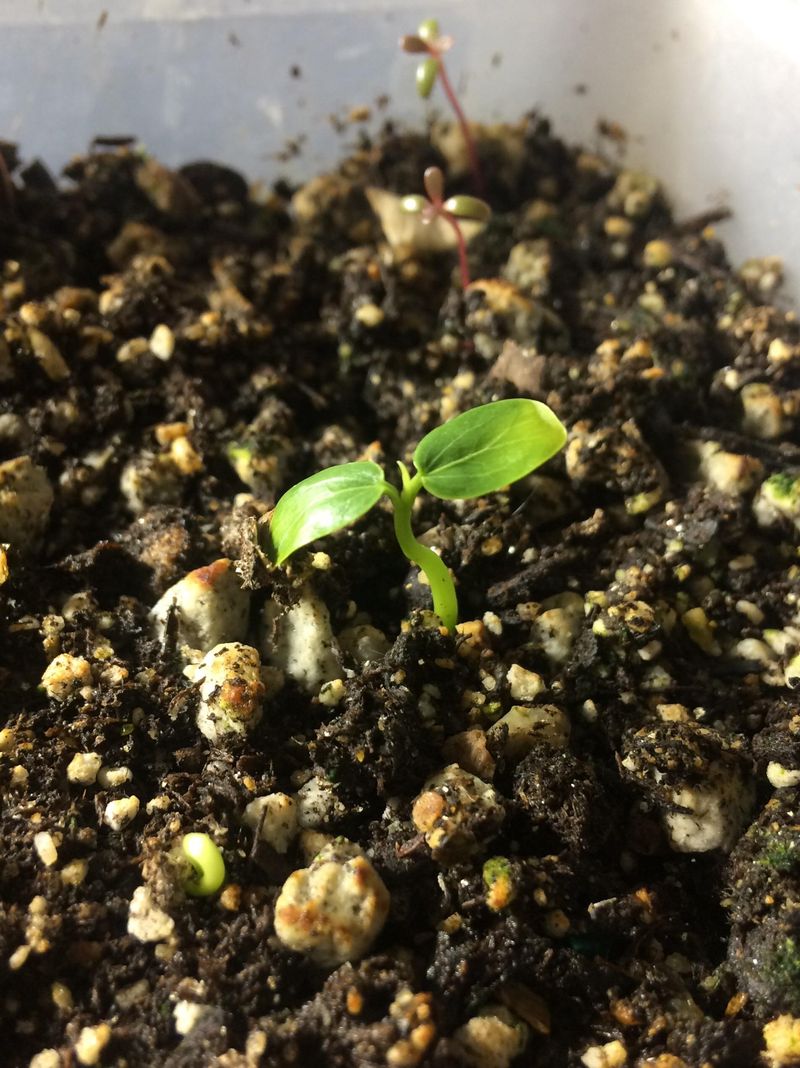
Root development is critical for strong plants, but cold soil in Minnesota can delay this process for weeks. Pre-sprouting allows roots to begin forming indoors, where temperatures are warm and stable.
By the time you transplant, your seedlings already have a foundation to work with.
When seeds sprout indoors, they send out a primary root called a radicle. This root is the first part of the plant to emerge and is essential for anchoring and absorbing water.
Starting this process early gives your plants a significant advantage once they are in the ground.
Cold soil slows down all biological processes, including root growth. Even if seeds eventually germinate outdoors, their roots may take much longer to establish.
Pre-sprouted seeds skip this slow phase and hit the ground running.
Minnesota gardens often face soil that stays cool well into May, especially in northern regions. Pre-sprouting lets you work around this limitation without sacrificing plant health.
Your seedlings are already rooted before they ever touch cold soil.
Stronger root systems lead to stronger plants overall. Roots are responsible for nutrient uptake, water absorption, and anchoring the plant against wind and rain.
Starting them early means your plants are better equipped to handle whatever conditions they face.
You also reduce transplant shock by giving seedlings a head start. Plants with established roots recover faster after being moved and begin growing again almost immediately.
This is especially important in Minnesota, where every day of growth matters.
Pre-sprouting works well for crops that need deep root systems, like tomatoes and peppers. These plants benefit from early root development because it supports larger, more productive plants later in the season.
Your harvest improves as a direct result of this early investment.
Root growth also helps plants access moisture more effectively. Minnesota springs can be dry in some years, and plants with shallow roots struggle to find water.
Pre-sprouted seedlings develop deeper roots faster, making them more drought-tolerant.
4. Seedlings Establish More Evenly In Short Growing Seasons
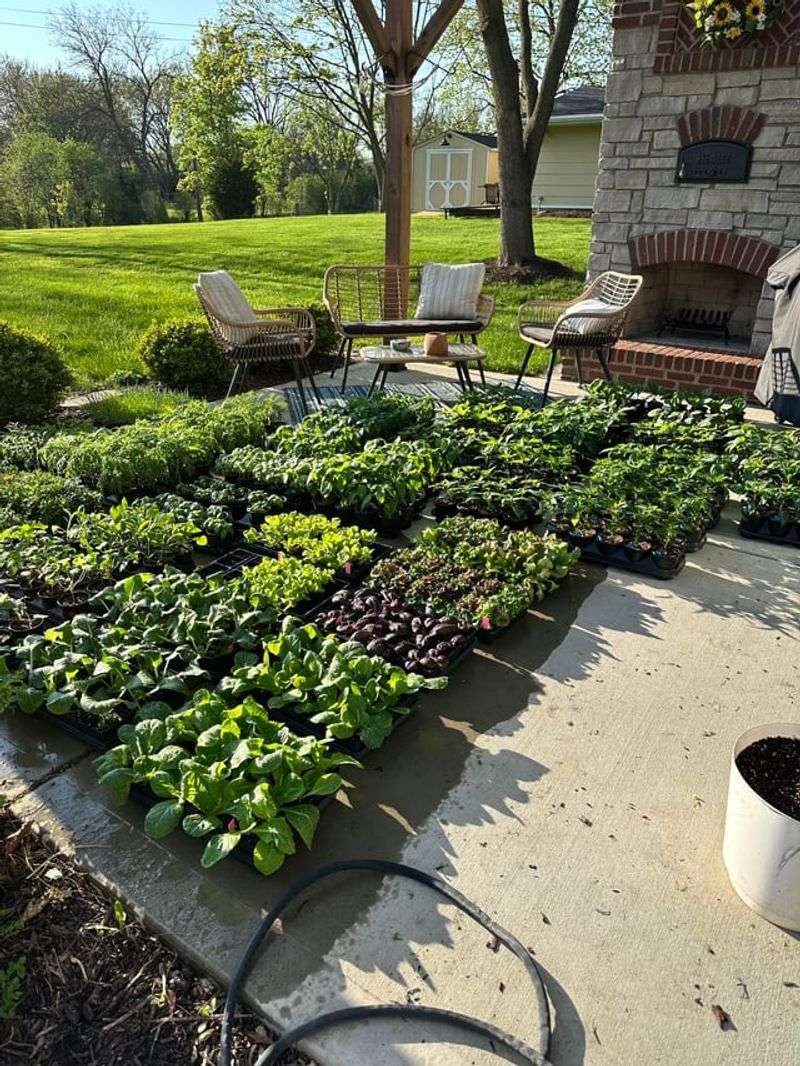
Uneven germination is a common frustration for gardeners everywhere, but it is especially problematic in Minnesota. When some seeds sprout quickly and others lag behind, your plants mature at different rates.
Pre-sprouting eliminates this issue by ensuring all your seedlings start at the same stage.
When you pre-sprout a batch of seeds together, you can transplant them all at once. This means your entire row or bed matures on a similar schedule.
Harvesting becomes easier, and you avoid the problem of some plants shading out slower neighbors.
Minnesota gardeners benefit from this uniformity because it allows for more efficient garden management. You can plan your watering, fertilizing, and pest control around a consistent growth timeline.
Your garden feels more organized and productive.
Even establishment also means you can predict harvest dates more accurately. If you are growing vegetables for canning or preserving, having everything ripen at the same time is a huge advantage.
Pre-sprouting makes this level of coordination possible.
In short growing seasons, every plant needs to reach maturity before the first fall frost. Stragglers that germinate late may not have enough time to produce.
Pre-sprouting ensures every plant gets the full growing season to develop and fruit.
You also avoid the problem of weak seedlings competing with stronger ones. When germination is uneven, some plants dominate while others struggle.
Pre-sprouting levels the playing field, giving each plant an equal chance to thrive.
This method works particularly well for succession planting. If you want to stagger harvests, you can pre-sprout batches of seeds a week or two apart.
Each group establishes evenly, and you get a steady supply of fresh produce throughout the season.
Minnesota gardeners who use this technique often report fewer gaps in their beds. Direct-sown seeds sometimes fail to germinate, leaving empty spots that reduce overall yield.
Pre-sprouting ensures every planned space gets a healthy plant.
5. Soil Time Is Used More Efficiently In Early Spring
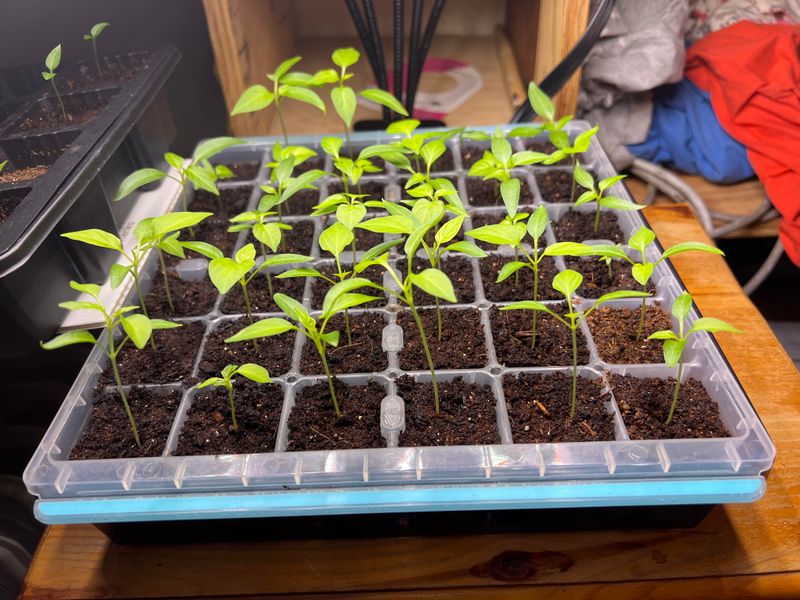
Garden beds in Minnesota are often ready to plant before seeds are ready to germinate outdoors. Pre-sprouting lets you take advantage of every available planting day without waiting for soil temperatures to climb.
Your beds become productive sooner, and you make the most of limited growing time.
When you transplant pre-sprouted seeds, they begin growing immediately rather than sitting dormant in cold soil. This means your garden is actively producing from the moment you plant.
Every day counts in a short season, and pre-sprouting helps you capture them all.
Minnesota gardeners often face a narrow window between the last frost and the first signs of summer heat. Pre-sprouting allows you to plant as soon as the ground is workable, even if it is still cool.
Your plants get established while conditions are ideal for root development.
This technique also reduces the amount of time your soil sits empty. Bare soil is prone to erosion, weed growth, and nutrient loss.
By planting pre-sprouted seedlings earlier, you cover the ground faster and protect your soil health.
Efficient use of soil time also means you can fit more crops into a single season. After harvesting early-season vegetables, you can start another batch of pre-sprouted seeds for a fall crop.
Minnesota gardeners who master this technique often get two or even three harvests from the same bed.
You also avoid the problem of seeds sitting in the ground for weeks before germinating. During that time, they are vulnerable to pests, disease, and weather damage.
Pre-sprouting shortens the vulnerable period and gets plants established faster.
This method works especially well for cool-season crops like lettuce, spinach, and peas. These plants prefer cooler temperatures but still need time to grow before summer heat arrives.
Pre-sprouting gives them a head start without waiting for perfect conditions.
Your garden becomes more productive overall when you maximize soil time. Each bed produces more food per square foot, and you get better value from your gardening efforts.
Pre-sprouting is a simple way to boost efficiency without expanding your garden size.
6. Plants Face Less Stress During Temperature Swings
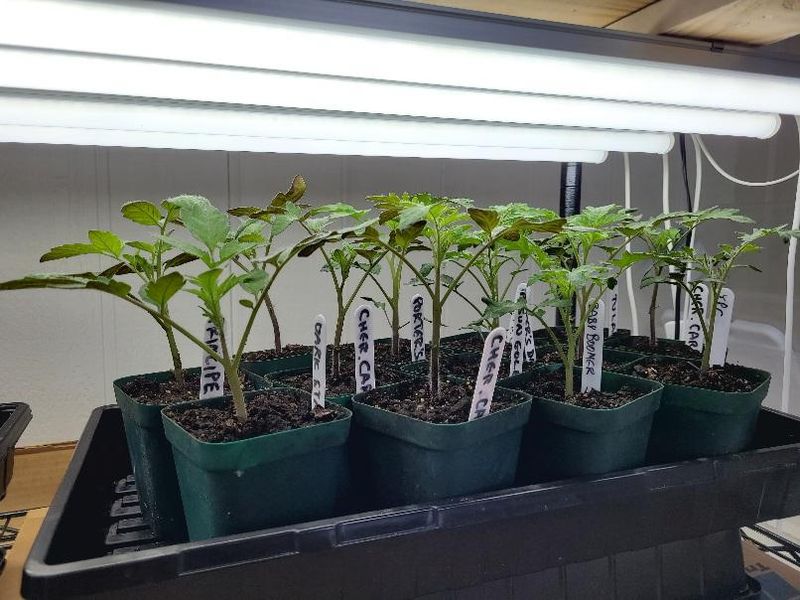
Minnesota weather is notoriously unpredictable, especially in spring. One day might be warm and sunny, while the next brings frost or cold rain.
Pre-sprouting helps your plants handle these swings by giving them a stronger start before they face outdoor conditions.
When seeds germinate indoors, they do so under stable conditions. There are no sudden temperature drops or unexpected frosts to interrupt growth.
By the time you transplant them, they are already past the most vulnerable stage and better able to cope with stress.
Cold snaps can set back or even damage newly germinated seedlings. Pre-sprouted plants have a head start on root and shoot development, making them more resilient.
They can tolerate brief cold spells without suffering long-term harm.
Minnesota gardeners often deal with late spring frosts that threaten young plants. Pre-sprouting allows you to wait until the risk passes before transplanting.
Your seedlings stay safe indoors until conditions are truly favorable.
Temperature swings also affect soil moisture levels. Warm days can dry out the soil quickly, while cool nights slow evaporation.
Pre-sprouted seedlings with established roots can access moisture more effectively, reducing stress during these fluctuations.
This technique also helps plants adjust to outdoor conditions more gradually. You can harden off pre-sprouted seedlings by exposing them to outdoor temperatures for a few hours each day.
This acclimation process reduces transplant shock and prepares plants for variable weather.
Pre-sprouting is especially valuable for tender crops that are sensitive to cold. Tomatoes, peppers, and cucumbers all struggle when exposed to temperatures below fifty degrees.
Starting them indoors ensures they never face those conditions until they are strong enough to handle them.
Your plants also recover faster from stress when they have a strong foundation. Pre-sprouted seedlings bounce back from wind, rain, or brief cold snaps more quickly than those struggling to germinate outdoors.
This resilience translates into healthier, more productive plants.
7. Weak Or Non-Starters Are Eliminated Early
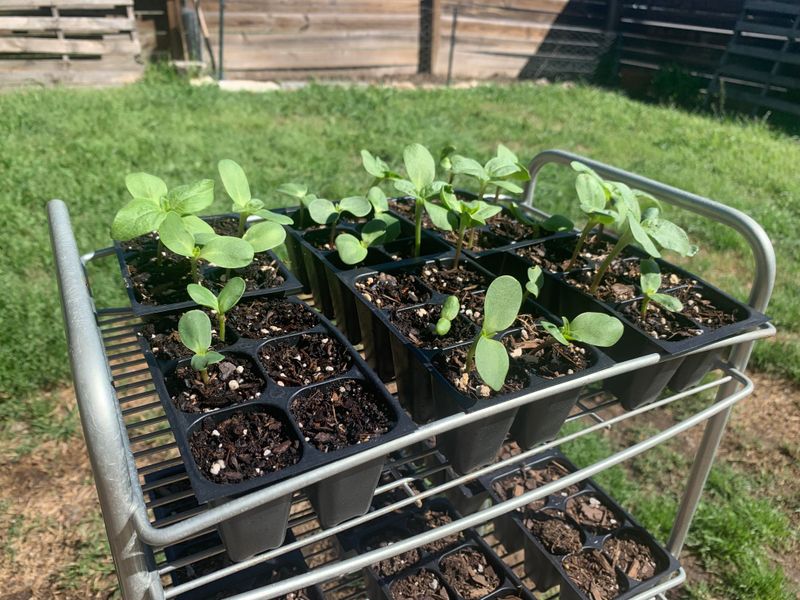
Every seed packet contains some seeds that will not perform well, even if they technically sprout. Pre-sprouting reveals these weak performers before you waste garden space on them.
You can focus your efforts on the strongest, healthiest plants from the start.
When seeds germinate indoors, you can observe their progress closely. Some will sprout quickly with strong, white roots, while others lag behind or produce thin, weak shoots.
This early assessment lets you cull the weak ones and transplant only the best.
Minnesota gardeners benefit from this selection process because it maximizes the productivity of limited garden space. Every plant you put in the ground should have the potential to thrive.
Pre-sprouting ensures you are not wasting time and resources on plants that will struggle.
Weak seedlings often become targets for pests and disease. They grow slowly, produce less, and require extra care.
By eliminating them early, you reduce the overall maintenance burden and keep your garden healthier.
This technique also helps you avoid overcrowding. When you direct-sow seeds, you often plant more than you need and thin later.
Pre-sprouting eliminates the need for thinning because you transplant only the exact number of strong seedlings you want.
You also save money by making the most of every seed. Instead of planting extras to compensate for poor germination, you know exactly which seeds will succeed.
Your seed packets last longer, and you get better value from each purchase.
Pre-sprouting is particularly useful for expensive or rare seeds. If you have limited quantities of a special variety, you want to ensure every seed has the best chance to succeed.
This method lets you identify and prioritize the strongest candidates.
Minnesota gardeners who use this approach often find their gardens are more uniform and productive. There are no weak spots or struggling plants dragging down the overall performance.
Every plant contributes to a successful harvest.