Why Your Western Oregon Garden Isn’t Blooming Yet (And How To Fix It Before Spring)
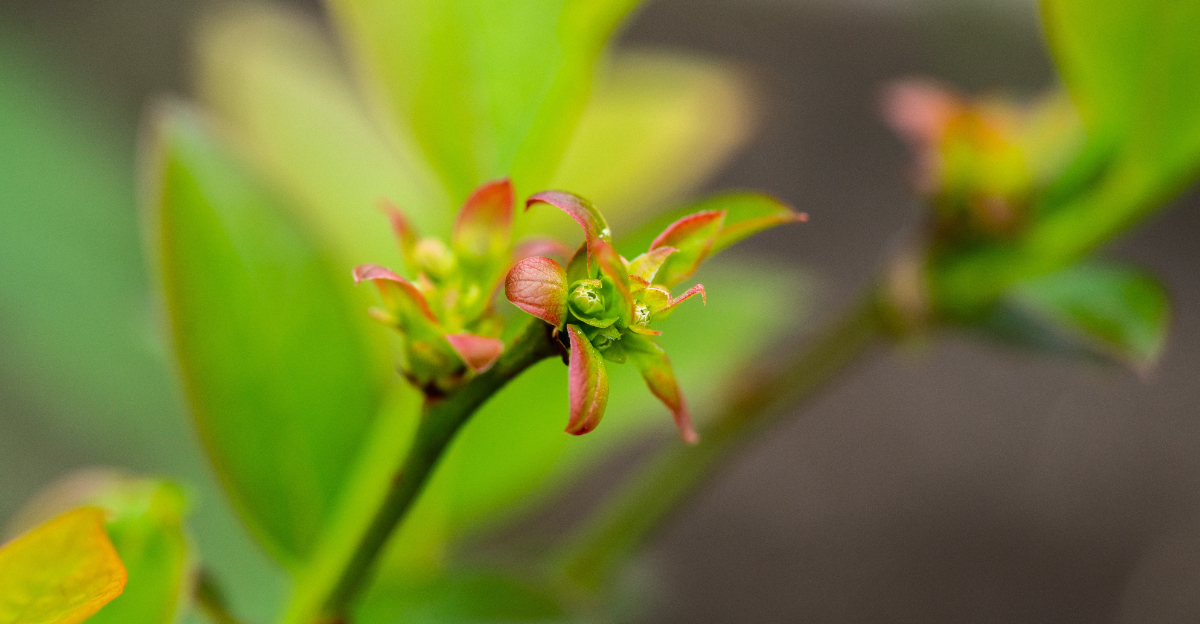
Your western Oregon garden might look stuck in pause mode right now, and it can feel frustrating. Neighbors start seeing buds while your beds stay quiet and green.
This usually isn’t bad luck. It’s often tied to cool soil, low light, pruning timing, or nutrients that never made it into the ground.
Wet winters can also slow root activity and delay growth. The good news is there’s still time to turn things around before spring hits full speed.
A few targeted fixes can wake up sleepy plants and push them into bloom mode. Small changes in care, spacing, and feeding can make a noticeable difference fast.
Make sure to know what’s holding your garden back, as it’s the first step toward seeing flowers instead of empty stems when spring finally arrives.
1. Check Your Soil Drainage
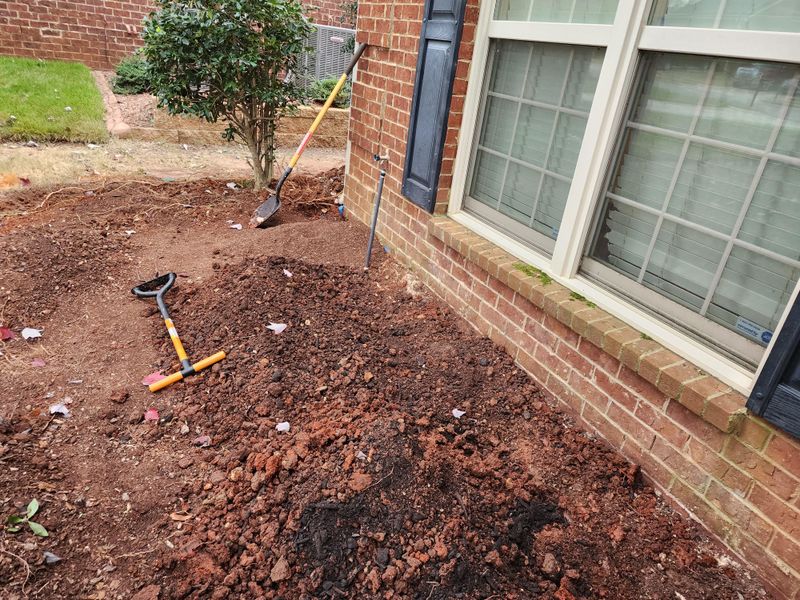
Clay soils dominate much of Western Oregon, and while they hold nutrients well, they also trap water during our rainy winters. When roots sit in saturated soil for weeks, they can rot before they ever get a chance to produce buds.
Many gardeners don’t realize their drainage issues until plants fail to thrive year after year. Start by digging a test hole about 12 inches deep and filling it with water.
If it takes more than four hours to drain, you’ve got a problem. The fix involves working in organic matter like compost, aged bark, or coconut coir to break up the dense clay structure.
Raised beds offer another solution for problem areas where drainage can’t be easily improved. Elevating your planting zone by even six to eight inches allows excess water to drain away from root zones.
Consider creating berms or mounded beds for plants that need drier conditions. Timing matters when amending soil in Western Oregon.
Late winter or early spring, when the ground isn’t completely waterlogged, gives you the best working conditions. Add a two to three inch layer of compost and work it into the top six to eight inches of soil.
2. Prune At The Right Time
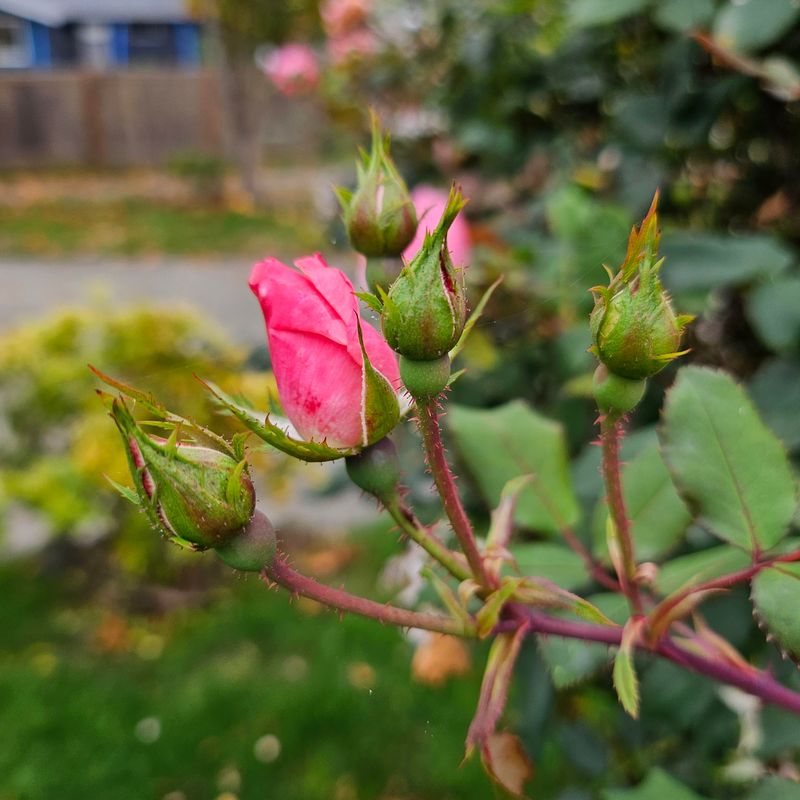
Pruning at the wrong time ranks among the most common reasons Western Oregon gardens fail to bloom. Spring-flowering shrubs like rhododendrons, azaleas, and camellias set their buds in late summer and fall.
If you prune them in late winter or early spring, you’re cutting off this year’s flower show. Summer-blooming plants follow different rules.
Roses, hydrangeas, and many perennials bloom on new growth, so late winter pruning actually encourages more flowers. Learning which category your plants fall into saves disappointment when spring arrives.
Western Oregon’s mild winters can confuse gardeners about timing. Just because you can prune in January doesn’t mean you should.
Wait until after spring bloomers finish flowering, then shape them if needed. For summer bloomers, prune during dormancy before new growth emerges in March or April.
Dead, damaged, or diseased wood can come off anytime without affecting bloom production. Focus on removing crossed branches or wood that rubs together.
Light shaping maintains plant health without sacrificing flowers, while heavy pruning should wait for the appropriate season based on bloom timing.
3. Adjust Sunlight Exposure
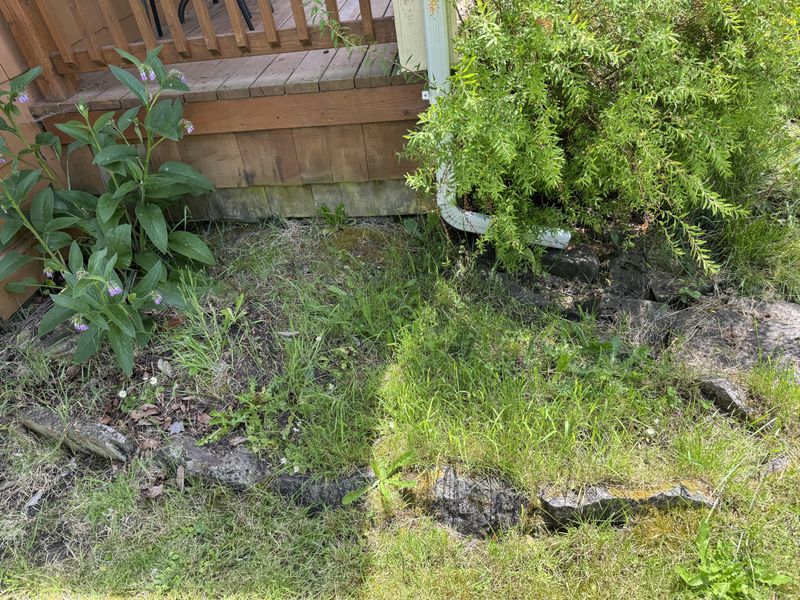
Western Oregon’s cloudy winters and spring don’t provide the intense sunlight many flowering plants need to set buds. What worked in summer might not give plants enough light energy during shorter, grayer days.
Even sun-loving plants can struggle when cloud cover persists for weeks. Evaluate your garden’s light patterns during winter months, not just summer.
Deciduous trees that provided dappled shade in July stand bare in February, completely changing the light dynamics. Some spots that seemed shady in summer might actually get decent winter sun, while areas blocked by evergreens or buildings stay dim year-round.
Moving plants before spring gives them time to adjust and set buds in their new location. Container plants offer the easiest solution since you can shift them to sunnier spots without major digging.
For in-ground plants, late winter transplanting works well in Western Oregon’s mild climate. Thinning overgrown shrubs or selectively removing lower tree branches increases light penetration without removing entire plants.
Sometimes just pruning back one overgrown shrub opens up enough light for an entire bed. Strategic thinning improves air circulation too, reducing disease pressure during our damp springs.
4. Fertilize For Early Spring Growth
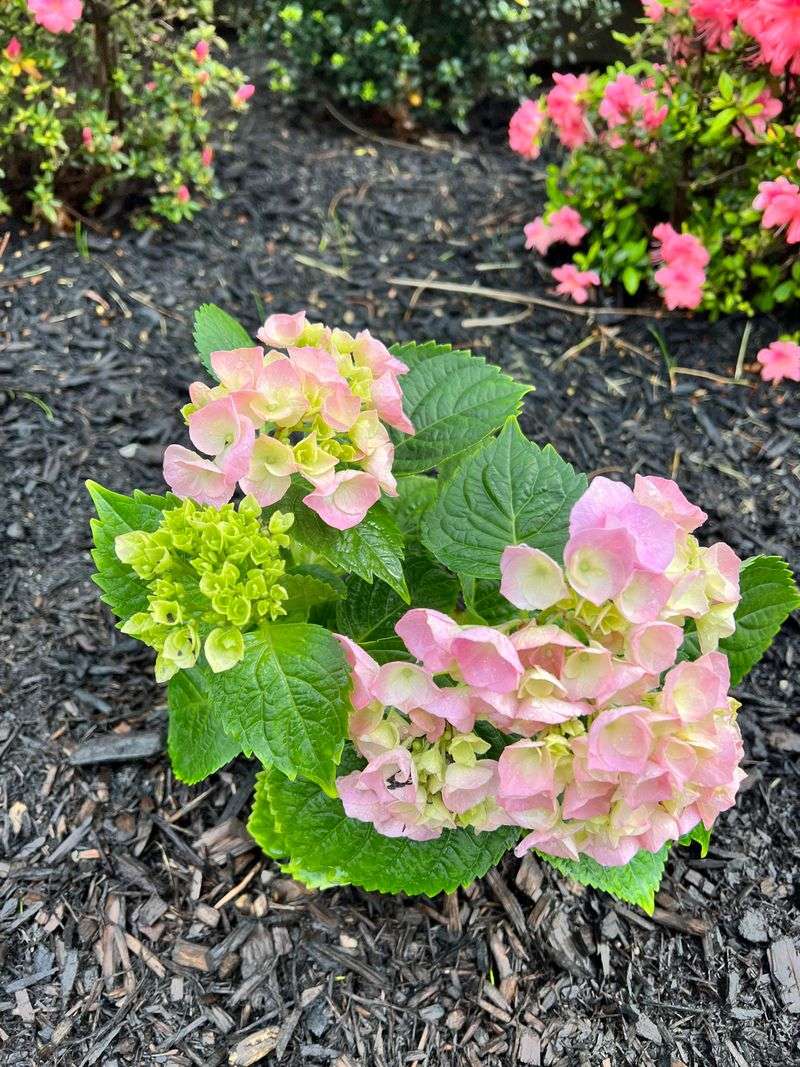
Western Oregon’s abundant rainfall leaches nutrients from soil faster than in drier climates. Nitrogen, which plants need for leafy growth and bud formation, washes through our sandy loams and clay soils during winter storms.
Without adequate nutrition, plants lack the energy to produce abundant blooms. Late winter fertilizing gives plants a nutritional boost right when they need it most.
Choose a balanced fertilizer or one formulated for flowering plants, with higher phosphorus content to encourage bud development. Slow-release formulas work particularly well in our rainy climate since nutrients don’t wash away in the first storm.
Avoid heavy nitrogen applications in late fall or early winter. Too much nitrogen encourages soft, tender growth that frost can damage.
Instead, wait until late February or early March when plants begin actively growing. This timing synchronizes nutrient availability with the plant’s natural growth cycle.
Organic options like compost, aged manure, or fish emulsion release nutrients gradually and improve soil structure simultaneously. Work them into the top few inches of soil around plants, keeping fertilizer away from stems to prevent burning.
Container plants need more frequent feeding since frequent watering flushes nutrients through the potting mix faster.
5. Protect Buds From Frost
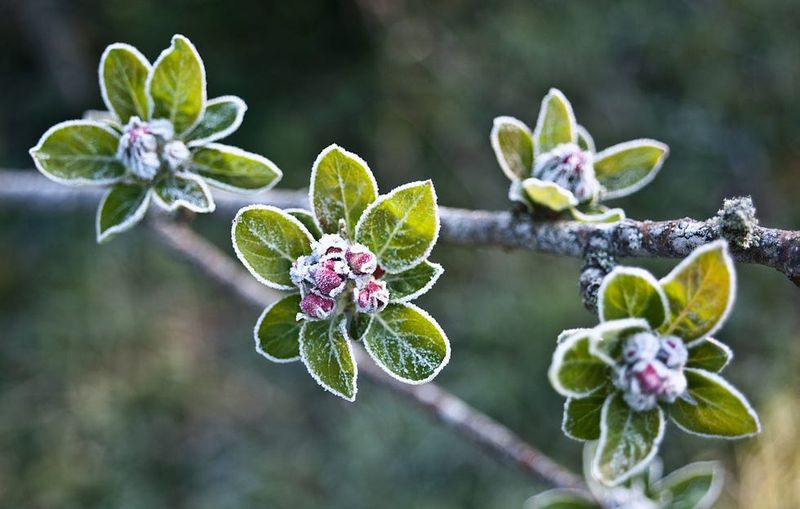
Late frosts catch many Western Oregon gardeners off guard. We get lulled into thinking winter is over when February brings a warm spell, then a surprise freeze in March or April damages tender buds just as they begin to swell.
One cold night can wipe out weeks of careful preparation. Monitor weather forecasts closely from February through April.
When temperatures threaten to drop below freezing, cover vulnerable plants with frost cloth, old sheets, or burlap. Remove coverings during the day to prevent overheating and moisture buildup.
Plastic sheeting can trap condensation and actually cause more damage than leaving plants uncovered. Excess rain poses another threat to emerging buds.
Heavy downpours can knock off developing flowers or encourage fungal diseases that rot buds before they open. While you can’t control rainfall, you can improve air circulation by spacing plants appropriately and removing dead foliage that holds moisture.
Coastal gardens face salt spray damage during winter storms, which can desiccate buds and foliage. Inland areas deal with occasional ice storms that snap branches.
Understanding your specific microclimate helps you anticipate and prepare for the weather challenges most likely to affect your garden’s bloom potential.
6. Mulch Correctly
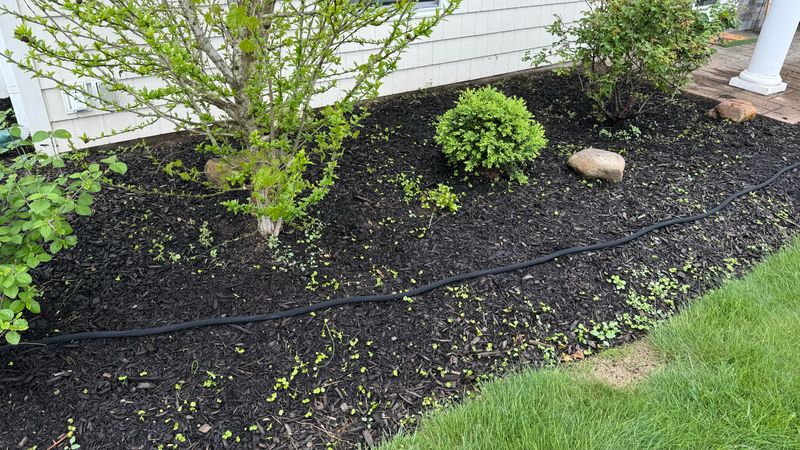
Weeds don’t take winter off in Western Oregon’s mild climate. Chickweed, bittercress, and other cool-season weeds grow vigorously during our wet winters, stealing water, nutrients, and light from your flowering plants.
A garden choked with weeds simply can’t produce the abundant blooms you’re hoping for. Hand-pulling weeds during winter and early spring prevents them from setting seed and creating bigger problems later.
Work when soil is moist but not saturated, so roots come out easily. Getting weeds before they flower saves hours of work later and gives your desired plants room to spread and bloom.
Mulch helps suppress weeds, but too much creates problems. A layer more than three inches deep can smother plant crowns and prevent spring bulbs from emerging.
Keep mulch pulled back an inch or two from plant stems to prevent rot and allow air circulation around the base. Choose mulch materials that break down slowly in our wet climate.
Bark chips, aged wood chips, or compost work well, while fresh grass clippings or leaves can mat down and block water penetration. Refresh mulch in late winter before weeds explode with spring growth, maintaining that ideal two to three inch depth throughout the growing season.
7. Ensure Proper Watering
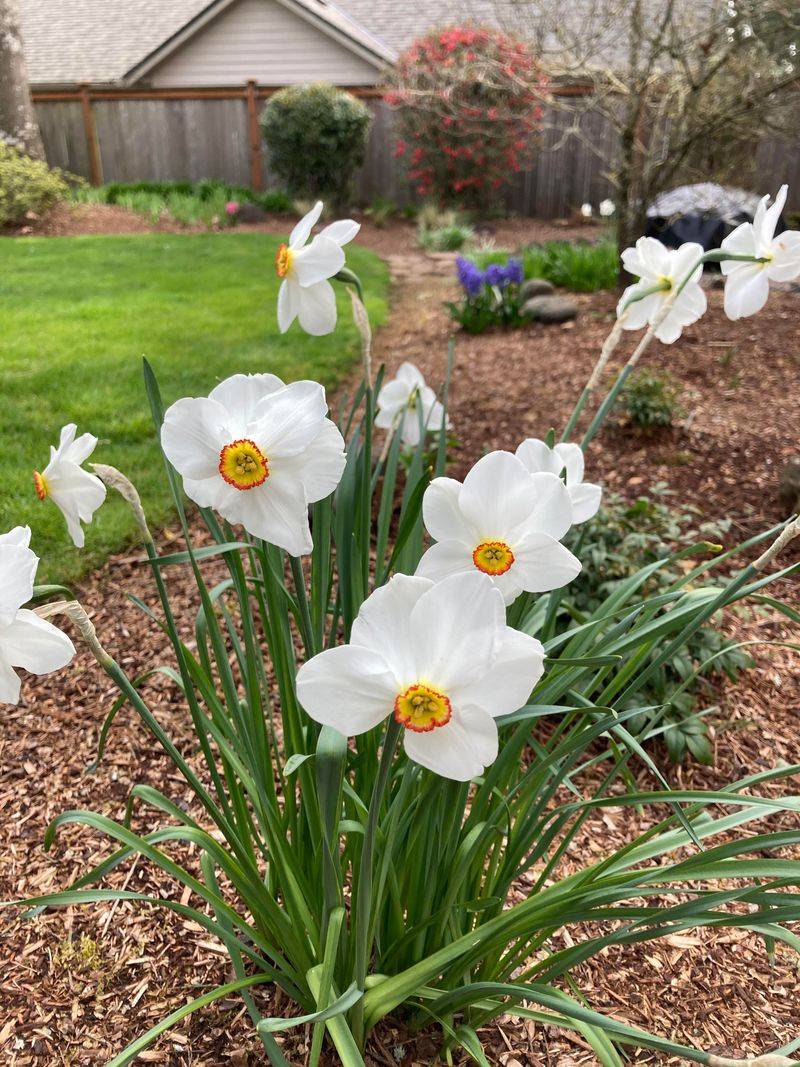
Western Oregon’s winter rainfall averages 30 to 50 inches depending on location, leading many gardeners to assume plants need no supplemental water. However, container plants, raised beds, and gardens under eaves often dry out even during rainy months.
Plants need consistent moisture to develop healthy buds that will open into flowers. Check soil moisture regularly, especially for container plants and anything growing under roof overhangs.
Stick your finger two inches into the soil; if it feels dry, water deeply until it drains from the bottom. Clay soils can feel wet on the surface but be dry just a few inches down, so check deeper than you think necessary.
Overwatering causes as many problems as underwatering in our climate. Roots need oxygen as well as water, and saturated soil drives out air pockets that roots depend on.
If water stands on the soil surface for hours after rain, you’ve got drainage issues that need addressing before plants will thrive. Raised beds and containers dry faster than in-ground plantings, sometimes needing water even when rain falls regularly.
During dry spells in late winter or early spring, water deeply once a week rather than lightly every day. Deep watering encourages roots to grow down where moisture stays more consistent, creating stronger plants that bloom more reliably.