9 Wildflowers You Can Grow From Seed In January In California
California’s mild winter climate makes January a great time to start wildflower seeds. Planting early allows flowers to establish strong roots and bloom beautifully in spring, adding color, texture, and wildlife habitat to your garden.
Start seeds now and enjoy a vibrant, blooming garden in a few months. These wildflowers are hardy, easy to grow, and well-suited to California soils and temperatures.
From bright poppies to colorful California bluebells, they attract pollinators like bees and butterflies while enhancing your landscape. Proper soil preparation, spacing, and watering help seedlings thrive and produce strong, lasting blooms.
Wildflowers bring natural beauty and support local ecosystems. California gardeners who sow these seeds in January can enjoy a stunning, colorful display and a healthier garden ecosystem come spring.
Plant now for a flourishing wildflower garden that delights all season.
1. California Poppy (Eschscholzia Californica)
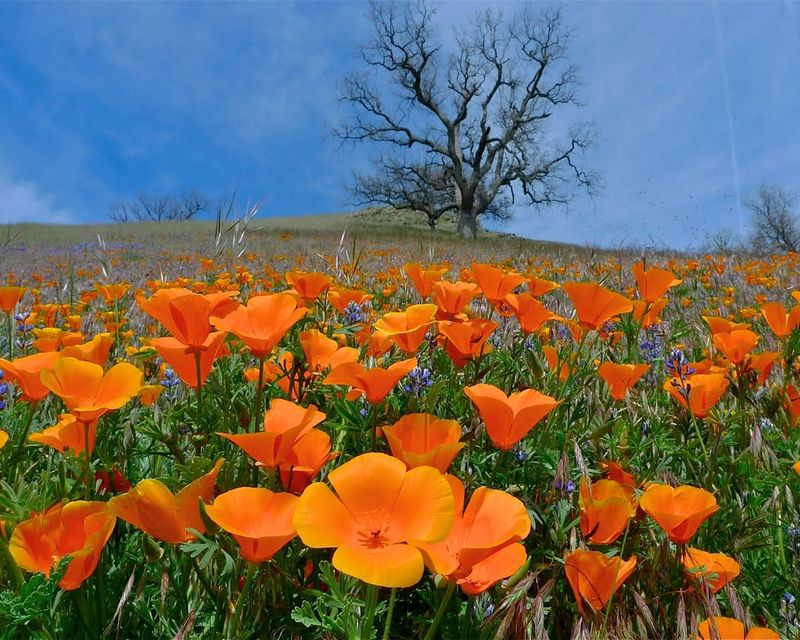
Bright orange petals unfurling under California sunshine make the California poppy an iconic symbol of the Golden State, and January is absolutely perfect for getting these beauties started.
Cool winter soil temperatures actually trigger better germination rates than warm spring conditions, giving your poppies a head start before the heat arrives.
When you direct-sow these seeds onto prepared soil and lightly press them down without burying them too deeply, you’re working with nature’s own timing.
California poppies are remarkably drought-tolerant once established, making them ideal for water-wise gardens throughout both coastal and inland Mediterranean climates.
Their deep taproots develop during the cool season, allowing them to access moisture far below the surface when summer arrives. You’ll notice the first blooms appearing in early spring, creating waves of golden-orange color that last for months.
These cheerful flowers reseed themselves readily, returning year after year without any effort on your part. Both foggy coastal gardens and hot inland valleys provide excellent growing conditions, as long as the soil drains well.
Scatter seeds where you want a naturalized look, rake them in gently, and let winter rains do most of the work for you while you wait for spring’s spectacular show.
2. Baby Blue Eyes (Nemophila Menziesii)
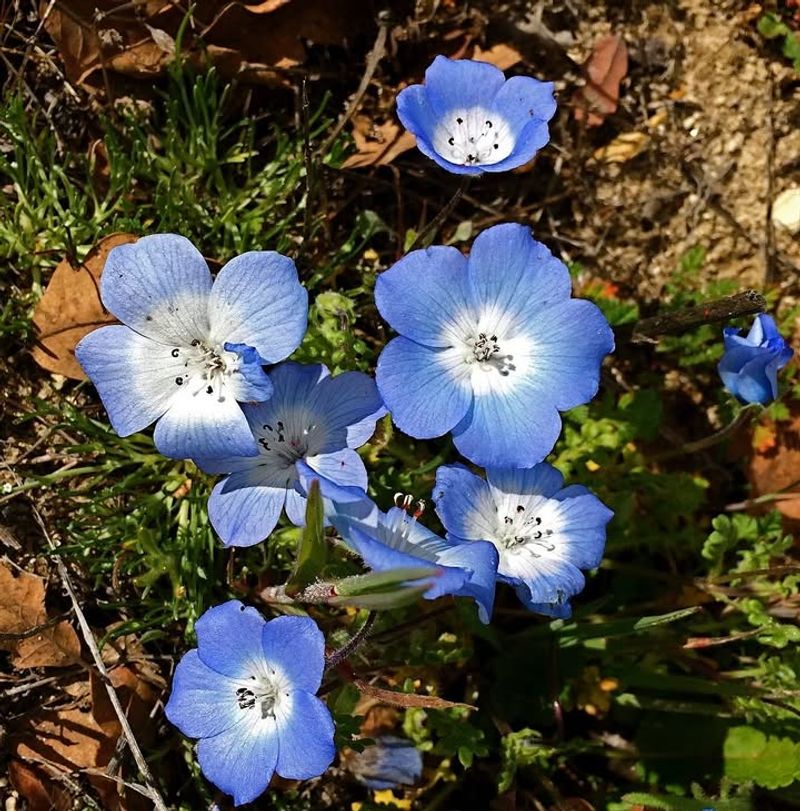
Delicate sky-blue flowers with white centers make Baby Blue Eyes one of California’s most charming native wildflowers, perfectly suited for cool-season planting in January.
This low-growing annual thrives when temperatures are mild, sending out trailing stems covered in cheerful blooms that seem to mirror the color of spring skies.
Unlike many wildflowers that demand full sun, Baby Blue Eyes actually appreciates some afternoon shade, especially in warmer inland areas.
Moisture is particularly important during the germination period, so January planting takes advantage of natural rainfall to keep seeds consistently damp.
Scatter seeds in areas where you want ground-covering color, then water gently if winter rains are sparse in your region. The plants develop quickly once temperatures begin warming in late winter, creating carpets of blue that pollinators absolutely adore.
Spring brings an abundance of bees, butterflies, and other beneficial insects to these nectar-rich flowers, making them valuable additions to any pollinator garden.
Baby Blue Eyes work beautifully along pathway edges, under taller plants, or in woodland garden settings where dappled light creates the perfect growing environment.
Their blooming period extends from early spring through late May, providing weeks of enchanting color before summer heat arrives.
3. Clarkia (Clarkia Amoena And Related Species)
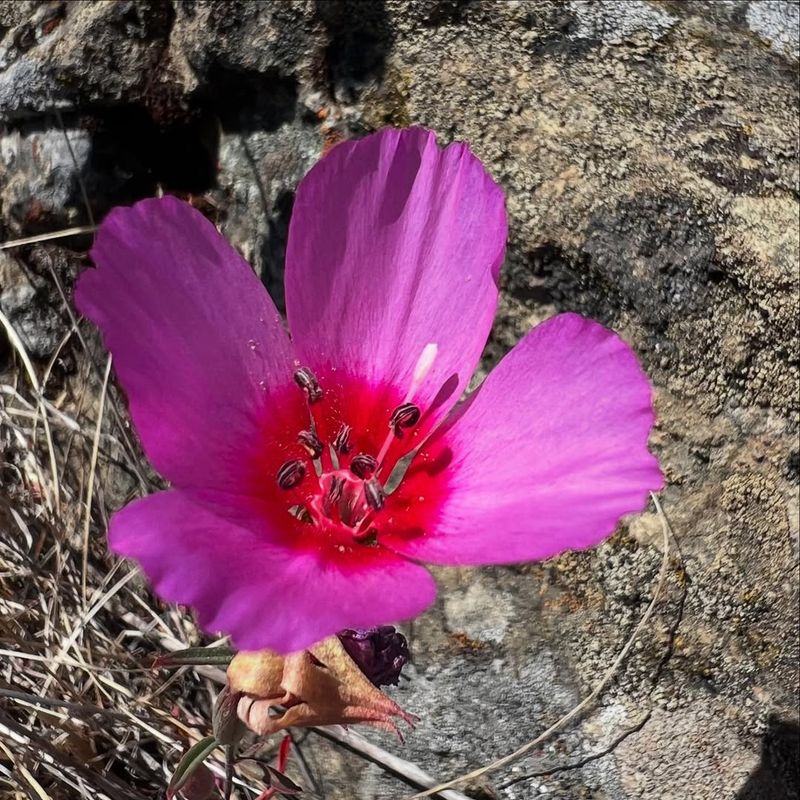
Ruffled petals in shades of pink, salmon, and magenta create stunning displays when Clarkia blooms in California gardens, and winter seeding during the rainy season gives these natives exactly what they need.
January planting aligns perfectly with California’s natural precipitation patterns, allowing seeds to germinate slowly as soil moisture levels remain consistent.
Clarkia species are perfectly adapted to Mediterranean climates, where wet winters and dry summers define the growing cycle. Direct sowing works best because Clarkia develops a taproot that doesn’t transplant well once established.
Prepare your garden bed by loosening the top few inches of soil, scatter seeds evenly across the surface, and barely cover them with a light dusting of soil.
These plants prefer lean soil without heavy fertilization, mimicking the conditions they experience in their natural habitats throughout California’s hills and valleys.
Blooms appear in mid to late spring, creating eye-catching vertical accents that range from one to three feet tall depending on the species.
Clarkia flowers make excellent cutting garden additions, bringing their vibrant colors indoors for bouquets that last surprisingly well in vases.
The timing of January seeding ensures strong root development during cool months, resulting in robust plants that burst into bloom just as spring reaches its peak across California’s diverse landscapes.
4. Lupine (Lupinus Nanus And Lupinus Bicolor)
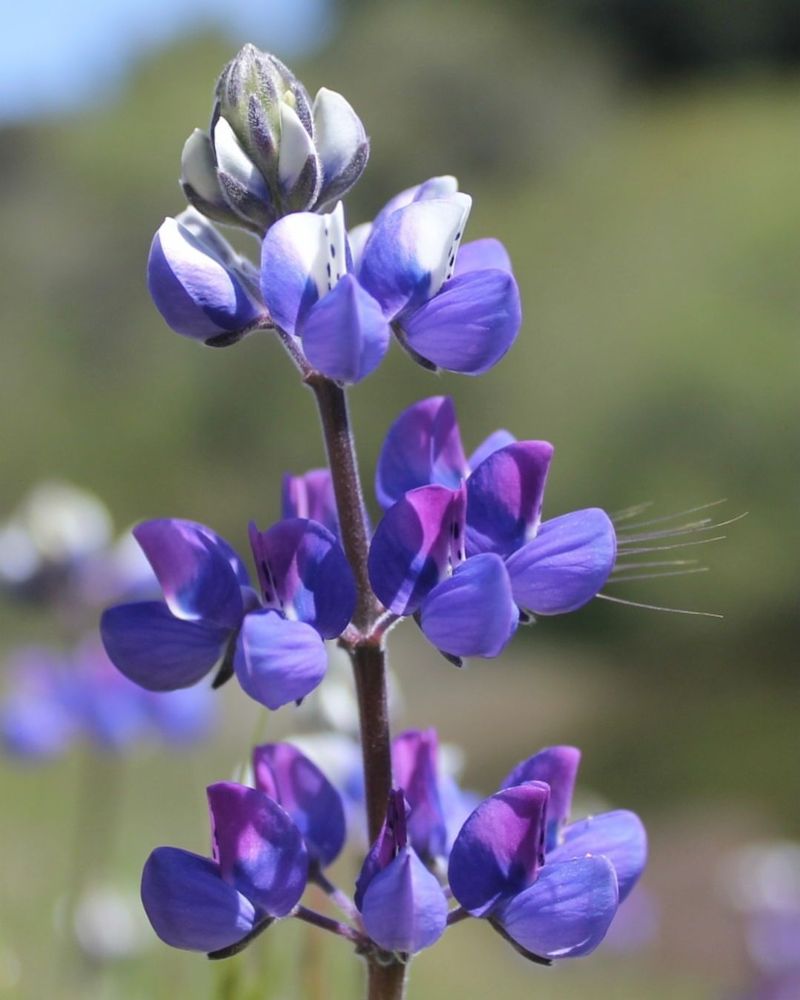
Spikes of blue, purple, and bicolored flowers rising above palm-shaped leaves make lupines showstoppers in any California wildflower garden, and these nitrogen-fixing plants actually improve your soil while they grow.
Cool-season germination in January allows lupine seeds to benefit from natural winter moisture while developing the strong root systems they need for spring flowering.
Their ability to convert atmospheric nitrogen into soil-available forms enriches the earth around them, benefiting neighboring plants for seasons to come.
Lupine seeds have hard outer coats that benefit from scarification before planting, a process you can accomplish by gently rubbing seeds between sheets of sandpaper or soaking them overnight in room-temperature water.
This treatment helps moisture penetrate the seed coat, speeding up germination rates significantly. Plant seeds in well-draining soil because lupines absolutely cannot tolerate waterlogged conditions, even during California’s wettest winter months.
These spectacular natives work beautifully in wildflower meadows and native garden designs, creating vertical interest among lower-growing companions.
Lupinus nanus and Lupinus bicolor are particularly well-suited to California conditions, flowering prolifically from March through May in most regions.
Their blooms attract numerous pollinators while their foliage provides habitat for beneficial insects, making them ecological powerhouses that combine beauty with environmental benefits throughout your garden space.
5. Phacelia (Phacelia Tanacetifolia)
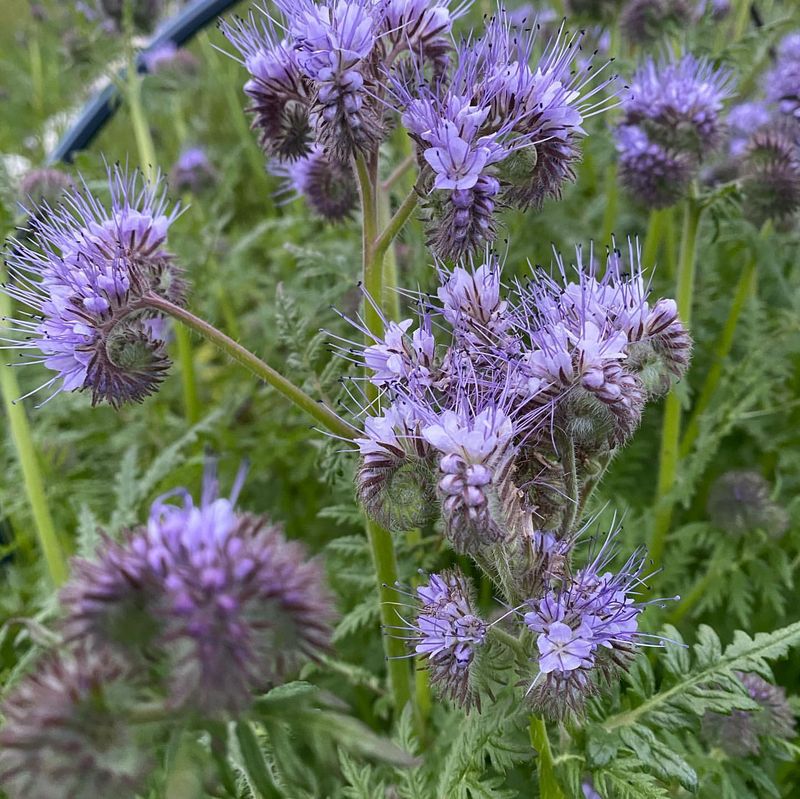
Coiled purple flower clusters that unfurl like fiddleheads make Phacelia one of the most architecturally interesting wildflowers you can grow, and pollinators consider it an absolute feast.
Winter seeding in January sets up these fast-growing annuals for spectacular spring flowering that begins surprisingly early in the season.
Phacelia grows vigorously once temperatures start rising, quickly developing fernlike foliage topped with those distinctive spiral flower heads that bees find irresistible.
This adaptable wildflower tolerates California’s variable soil types remarkably well, from sandy coastal soils to heavier clay found in valley regions.
Seeds germinate readily when scattered on prepared ground and lightly raked in, requiring minimal fuss or special treatment. The plants develop rapidly during late winter and early spring, often reaching two to three feet in height before blooming begins.
Gardeners who keep bees or want to support native pollinators should definitely include Phacelia in their January planting plans because the nectar and pollen production is truly exceptional.
The flowers bloom in succession along each coiled spike, providing weeks of continuous food sources for beneficial insects.
Phacelia also works wonderfully as a cover crop that you can turn into the soil after flowering, adding organic matter and nutrients while suppressing weeds throughout your garden beds during the growing season.
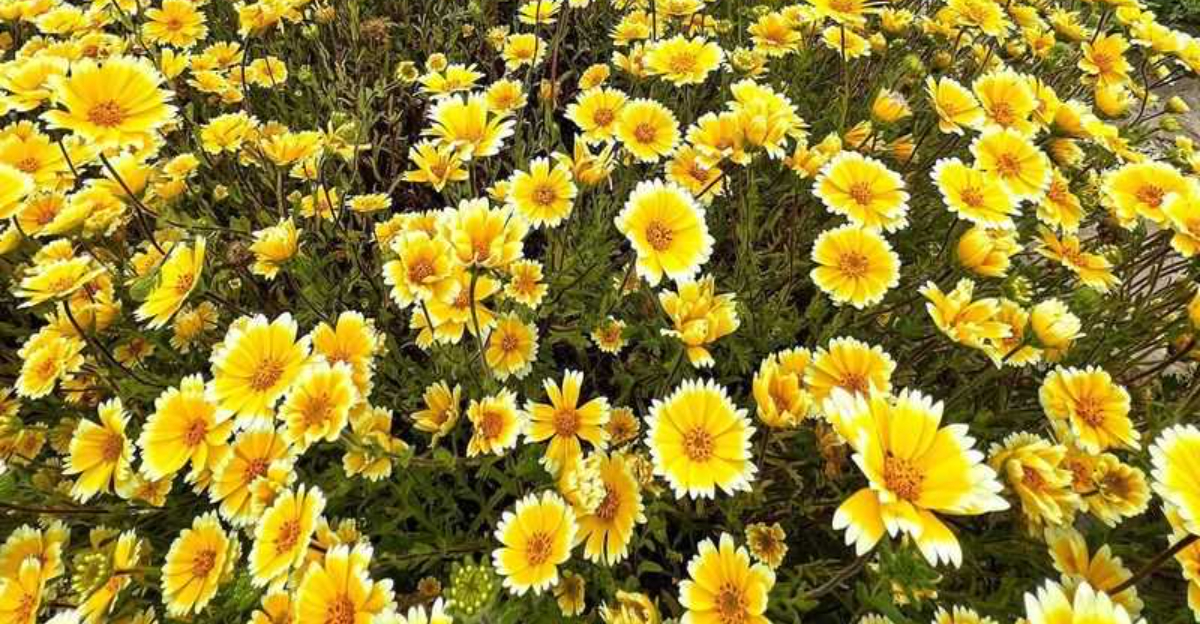
6. Tidy Tips (Layia Platyglossa)
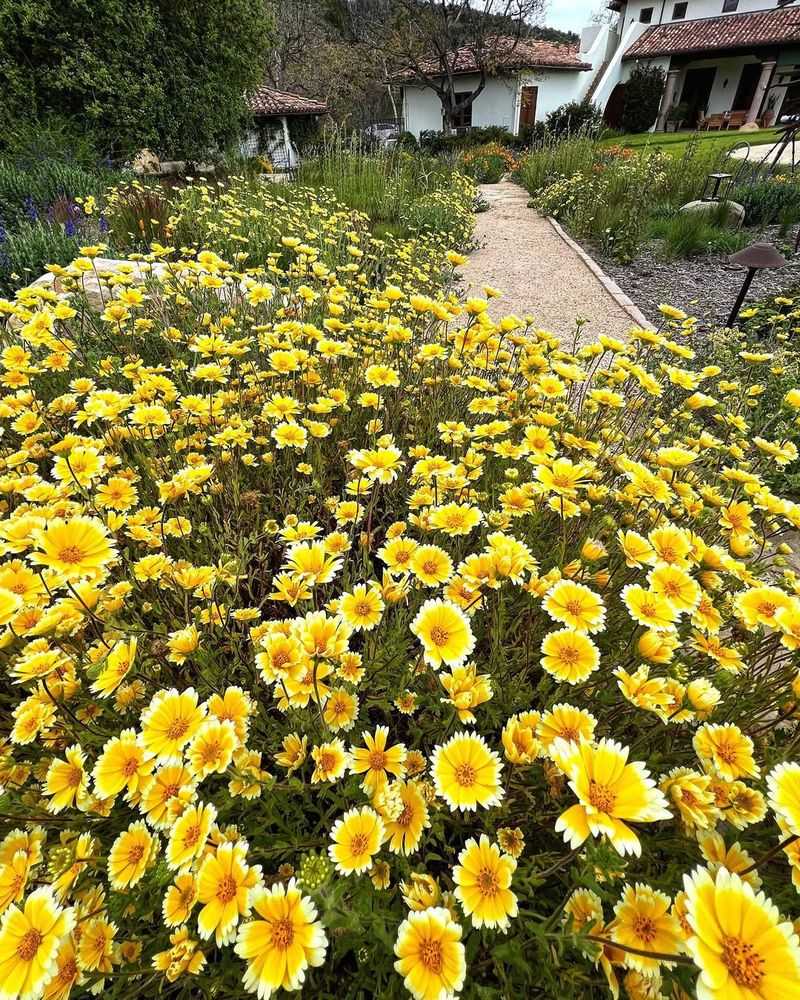
Cheerful yellow daisies with white-tipped petals bring sunshine to California gardens, and Tidy Tips live up to their name with neat, compact growth that never looks messy or overgrown.
Winter sowing in January gives these charming natives the cool-season start they prefer, allowing them to establish deep roots before warmer weather arrives.
Direct seeding works perfectly because these plants develop quickly and don’t require transplanting or special handling.
Scatter seeds across prepared garden beds, rake them in lightly, and let January rains provide the moisture needed for germination.
Tidy Tips are remarkably drought-tolerant once established, making them ideal for low-water gardens and areas where summer irrigation is limited.
The plants typically grow eight to twelve inches tall, creating tidy mounds of bright blooms rather than sprawling, unruly masses.
Flowering begins in early spring and continues for weeks, providing reliable color when many other plants are just beginning to wake up from winter dormancy.
The yellow and white color combination brightens shady spots and complements other wildflowers beautifully in mixed plantings.
Tidy Tips reseed themselves reliably in favorable conditions, returning year after year to create naturalized drifts of color that require virtually no maintenance once established in your California garden landscape.
7. Chinese Houses (Collinsia Heterophylla)
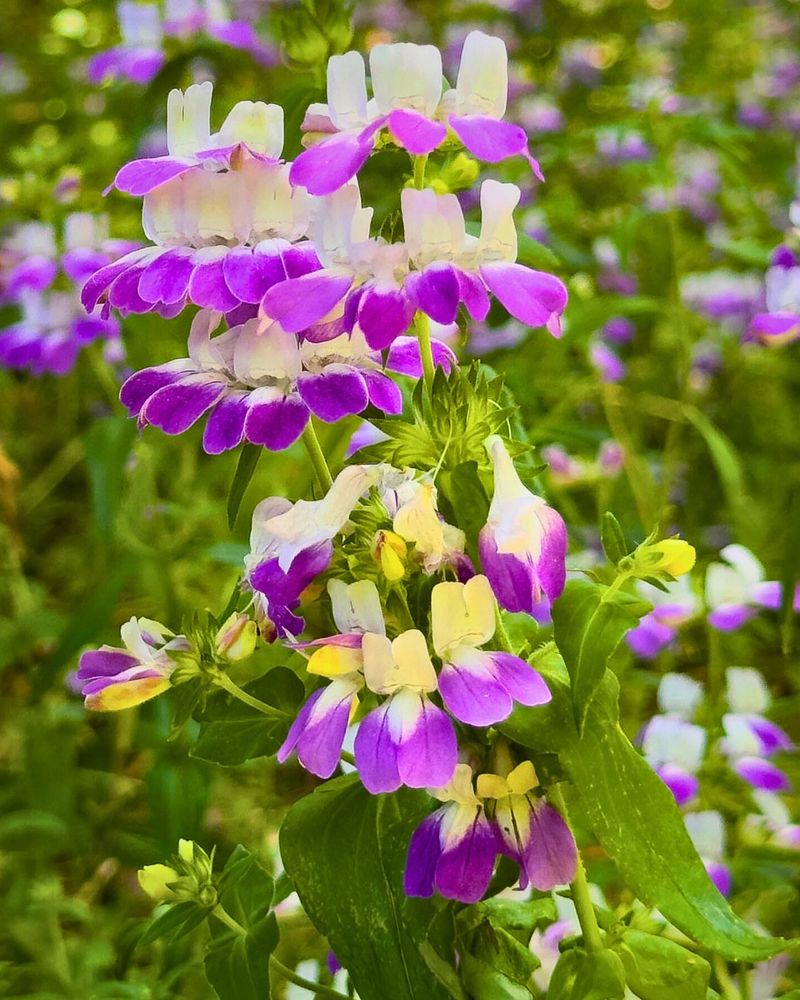
Pagoda-like tiers of purple and white flowers stacked along upright stems give Chinese Houses their distinctive architectural appearance, and cool-season germination in January brings out the best in these California natives.
This annual wildflower benefits tremendously from winter planting because it needs consistent moisture during its early growth stages, something January’s natural rainfall patterns provide perfectly.
The unique flower structure resembles miniature Chinese pagodas, creating vertical interest that draws the eye upward through garden spaces.
Chinese Houses appreciates partial shade, making it an excellent choice for woodland-edge gardens or areas beneath deciduous trees that allow winter sun but provide summer shade.
Plant seeds in locations where they’ll receive morning sun and afternoon protection, then water gently if rainfall is insufficient during the germination period.
The plants develop quickly as temperatures warm, sending up stems that eventually reach twelve to eighteen inches tall.
Blooming typically occurs from April through June, extending the wildflower season beautifully and providing nectar sources when many spring bloomers have finished flowering.
The purple and white bicolored flowers attract hummingbirds along with various bee species, adding movement and life to shaded garden areas.
Chinese Houses combines wonderfully with ferns, native grasses, and other shade-tolerant plants in naturalistic garden designs that celebrate California’s diverse native plant communities.
8. Farewell-To-Spring (Clarkia Rubicunda)
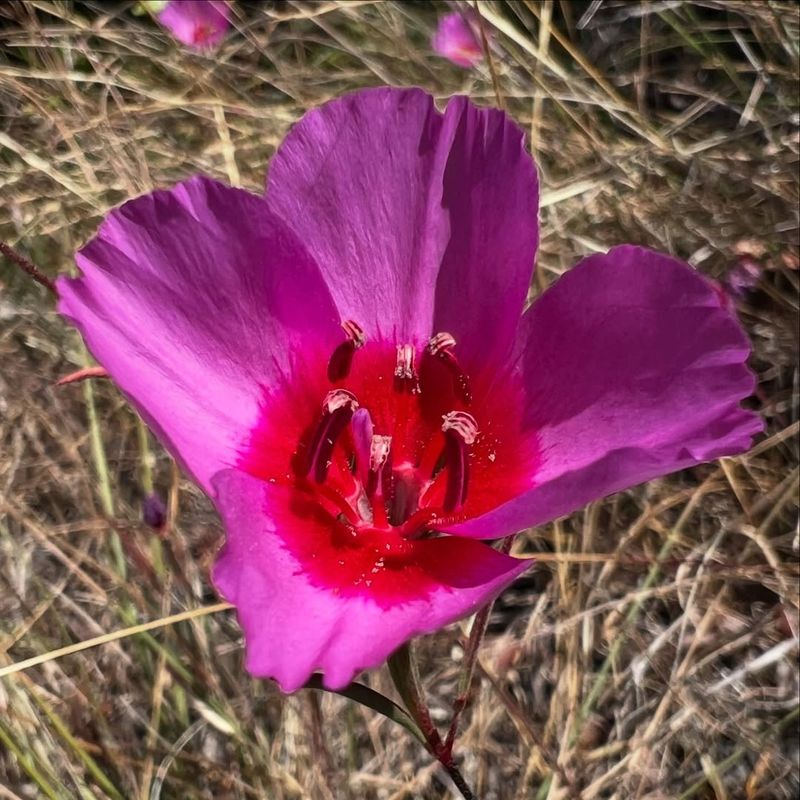
Satiny pink to lavender blooms appear just as other wildflowers are finishing their show, earning this lovely native its poetic common name that perfectly captures its late-season timing.
Winter planting in January sets the stage for this extended bloom period, allowing plants to develop strong root systems during cool months before flowering begins.
Farewell-to-Spring literally extends your wildflower season into late spring and early summer, providing color when many gardens start looking tired.
Full sun locations work best for these beauties, though they’ll tolerate some light afternoon shade in particularly hot inland areas.
Scatter seeds directly where you want them to grow because the taproot system makes transplanting difficult once plants are established.
The flowers open in succession along branching stems, creating a prolonged display that can last from May well into July in favorable conditions.
This Clarkia species works wonderfully in meadow plantings where its later bloom time complements earlier-flowering companions like poppies and lupines. The satiny petals catch sunlight beautifully, almost seeming to glow in late afternoon light.
Farewell-to-Spring reseeds reliably in gardens where conditions suit it, gradually naturalizing to create drifts of color that mark the transition from spring into summer across California’s varied landscapes and garden settings.
9. Desert Bluebells (Phacelia Campanularia)
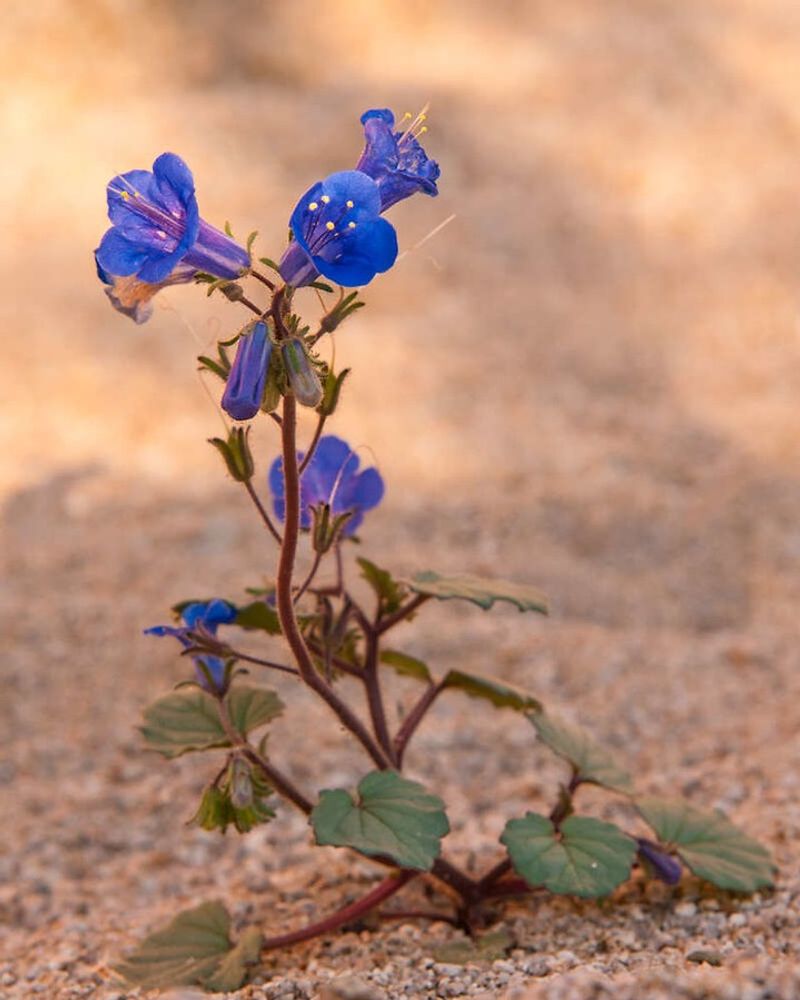
Intensely blue bell-shaped flowers create stunning displays in Southern California desert and inland gardens, and Desert Bluebells rank among the most vividly colored wildflowers you can grow from seed.
Cool-season sowing in January takes advantage of winter moisture patterns in desert regions, giving seeds the consistent dampness they need for successful germination.
The resulting plants develop quickly as spring approaches, producing masses of cobalt-blue blooms that seem almost impossibly bright against sandy soil backgrounds.
Sandy, well-draining soil is absolutely essential for Desert Bluebells because they evolved in arid environments where water drains quickly after occasional rains.
Plant seeds in full sun locations where soil warms quickly during the day, scattering them across prepared beds and raking them in lightly. Winter rains typically provide adequate moisture, but supplemental watering may be necessary in exceptionally dry years.
Spring bloom performance is truly spectacular when conditions align properly, with plants covered in brilliant blue flowers that attract numerous native bees and other pollinators.
The flowering period typically peaks in March and April, transforming desert gardens into seas of blue that rival any cultivated flower border.
Desert Bluebells work beautifully in rock gardens, desert-themed landscapes, and water-wise garden designs throughout Southern California’s warmest regions where their heat tolerance and drought adaptation make them reliable performers.