8 Wildflowers You Can Start From Seed In March In Georgia
March is when Georgia gardens start to shift, and it is one of the best times to get wildflower seeds in the ground before the season really takes off.
The soil is warming up, rain is still fairly reliable, and seeds have a chance to settle in before the heat of summer arrives.
Starting from seed now gives wildflowers a strong head start, which often leads to better growth, fuller plants, and more blooms later on. It is a simple step that can completely change how a garden looks by early summer.
The key is choosing varieties that actually handle Georgia’s conditions, from spring moisture to summer heat. With the right picks, you can go from bare patches to a natural, colorful look without needing much maintenance once they get going.
1. Sunflower Establishes Easily From Direct Sowing Outdoors
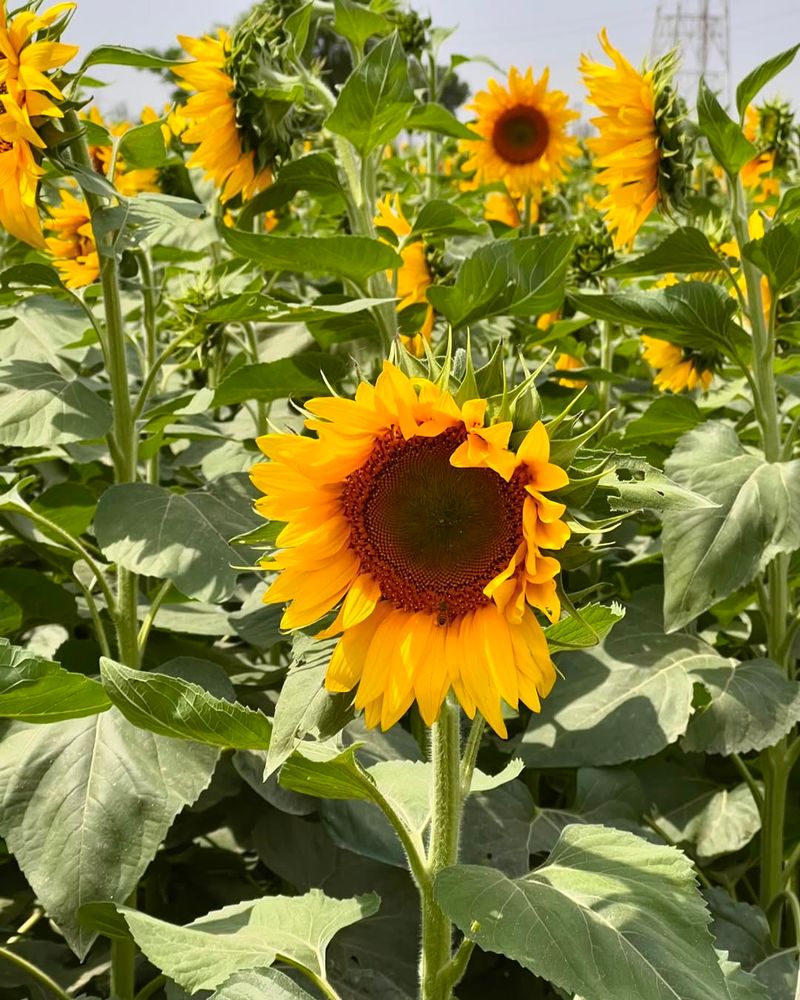
Sunflowers are almost foolproof when you sow them directly into Georgia soil in March. Skip the seed trays entirely.
These plants build stronger root systems when they sprout right where they will spend the season, and transplanting them often sets them back anyway.
Push seeds about an inch deep into a sunny spot with well-drained soil. South-facing beds warm up faster in early spring, which gives seeds a slight head start.
Water the area after sowing and keep an eye on moisture levels for the first couple of weeks until sprouts appear.
Spacing depends on the variety. Dwarf types can go about a foot apart, while the big branching varieties need two feet or more.
Crowding sunflowers leads to weak stems and smaller blooms, which is worth avoiding if you want strong plants through Georgia’s hot summers.
One practical tip: plant a second round of seeds three weeks after the first. Staggered sowings stretch your bloom window from early summer well into September.
Birds love the seed heads in fall, so leaving a few plants standing after they finish blooming is genuinely useful for local wildlife. Sunflowers are also a great way to introduce kids to vegetable and flower gardening in Georgia because results come fast and the plants are hard to mess up.
Taller varieties may need support in exposed areas, since strong summer storms can bend or snap stems once the flower heads get heavy.
2. Cosmos Germinates Quickly In Warming Georgia Soil
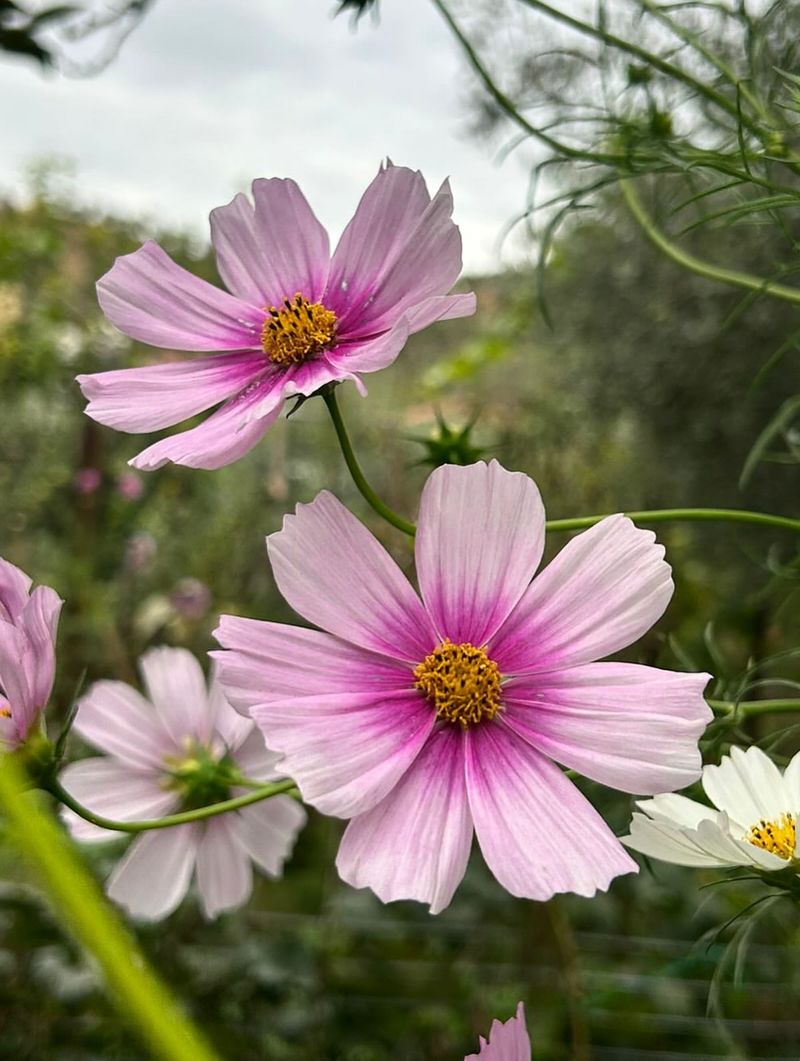
Few seeds reward impatient gardeners faster than cosmos. Drop them in loose, warm soil in March across Georgia and you can expect to see sprouts within a week or two, sometimes even faster when afternoon temperatures push into the mid-60s.
Cosmos does not need rich soil. Sandy or average dirt with decent drainage works just fine, and adding too much fertilizer actually pushes leafy growth over flowers.
Scatter seeds thinly, press them lightly into the soil surface, and let rain do most of the watering.
Spacing matters more than people think. Crowded plants tend to flop over by midsummer, especially during Georgia’s humid stretches.
Aim for about a foot between plants once seedlings are a few inches tall, thinning them out rather than transplanting.
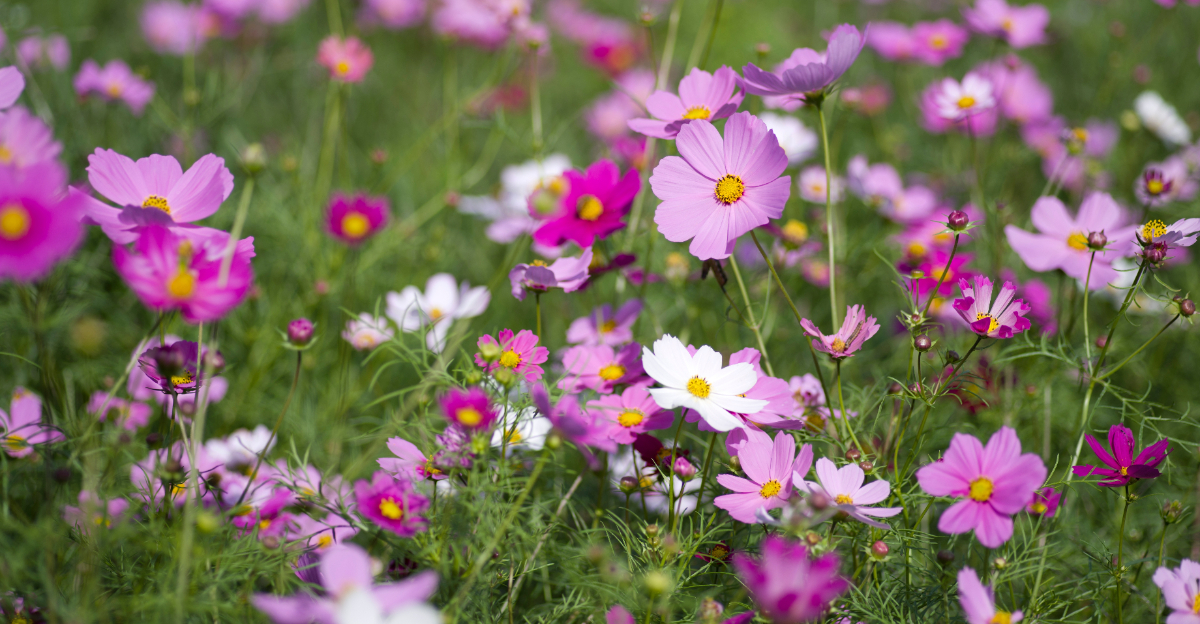
By June or July, you will have tall, feathery plants covered in blooms that butterflies absolutely flock to. Cosmos keeps flowering until hard frost arrives in fall, giving you months of color from one simple March sowing.
Deadheading spent blooms encourages more flowers, but even if you skip that step, plants will self-sow and return the following year in many Georgia gardens. It is one of the most forgiving wildflowers a beginner can start with.
Tall stems can benefit from light staking in windy spots, especially once plants are loaded with blooms in midsummer.
Leaving a few flowers to go to seed helps ensure new plants pop up the following season with almost no effort.
3. Larkspur Prefers Cooler Soil And Early Season Sowing
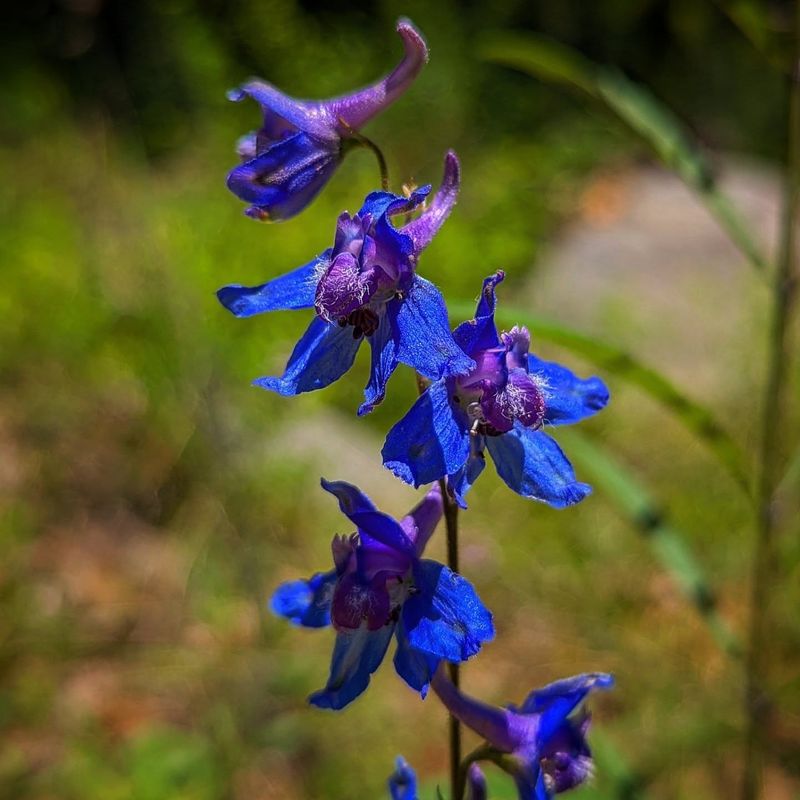
Larkspur is one of those flowers that actually prefers cool conditions, which makes March in Georgia just about perfect for getting seeds in the ground. Soil that is still carrying a bit of late-winter chill helps break seed dormancy and triggers better, more even germination.
Direct sowing works best. Larkspur does not like having its roots disturbed, so starting it in trays and transplanting later usually leads to disappointment.
Broadcast seeds over a prepared bed, rake them in lightly, and water gently.
Rake them in lightly and cover them with a thin layer of soil, since larkspur seeds germinate better when lightly covered rather than left exposed.
Choose a spot with morning sun and some afternoon shade if possible. Georgia’s heat ramps up quickly by May, and larkspur fades when temperatures climb into the upper 80s.
Planting in a slightly sheltered spot can extend blooming by a couple of weeks.
Colors range from soft lavender to deep violet to white, and the tall flower spikes look striking in informal cottage-style beds. Larkspur also self-sows reliably, meaning seeds that drop in late spring will come back next year with almost no effort on your part.
Across north Georgia especially, larkspur can naturalize in a garden bed and return season after season without replanting. Just let some seed heads mature and shatter before you clean up the bed in summer.
4. California Poppy Handles Light Frost And Poor Soil Well
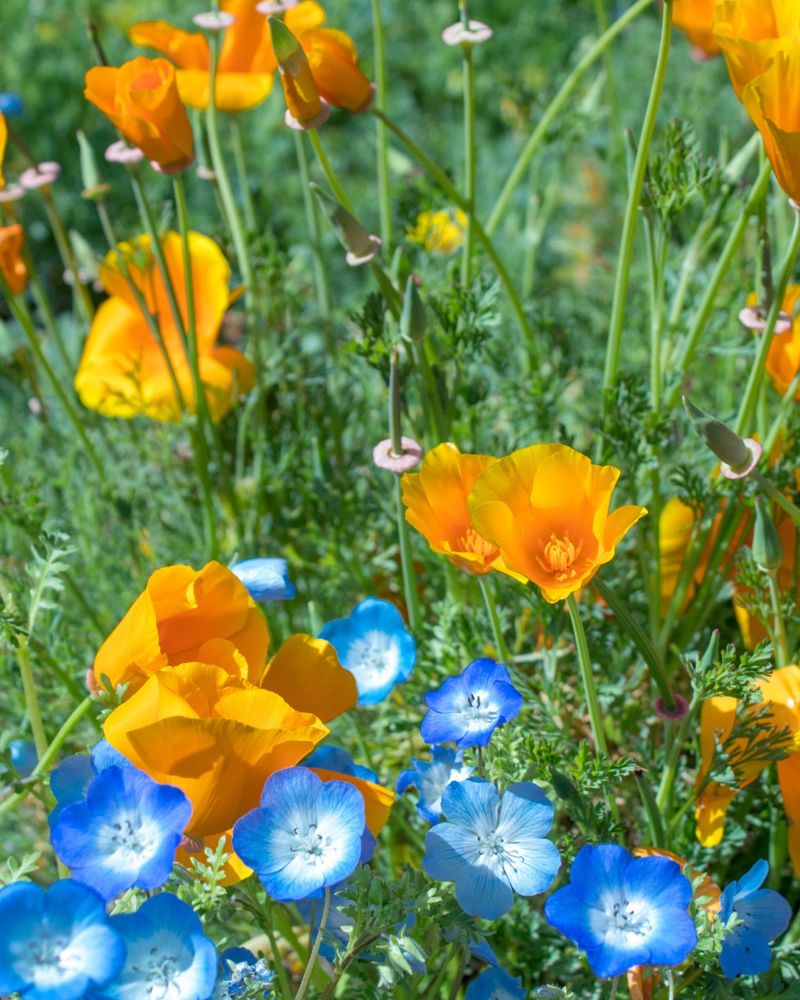
California poppies are tougher than their delicate, papery petals suggest. Sow them in March across Georgia and they will handle a late-season frost without flinching, which makes them a reliable choice when spring weather is still unpredictable in the northern part of the state.
Poor, rocky, or sandy soil is actually where these plants perform best. Add compost or fertilizer and you will get bushy foliage with fewer flowers.
Neglect them a little and they reward you generously. Scatter seeds over a dry, sunny spot and press them into the surface without covering them, since light helps germination.
Germination takes about two weeks under typical March conditions in Georgia. Once seedlings emerge, thin them to about six inches apart.
Overcrowding weakens plants and reduces flowering, especially once summer heat sets in and competition for moisture increases.
Blooms arrive in shades of orange, yellow, cream, and red depending on the variety, and each flower opens in sunlight and closes at night or on cloudy days, which is a fun quirk to watch.
California poppies self-sow aggressively in loose soil, so a single planting can keep regenerating year after year with no replanting needed.
In central and south Georgia where winters stay mild, seeds may even germinate in fall and overwinter as small rosettes before blooming hard in early spring.
5. Clarkia Grows Best When Sown Before Temperatures Rise Too Much
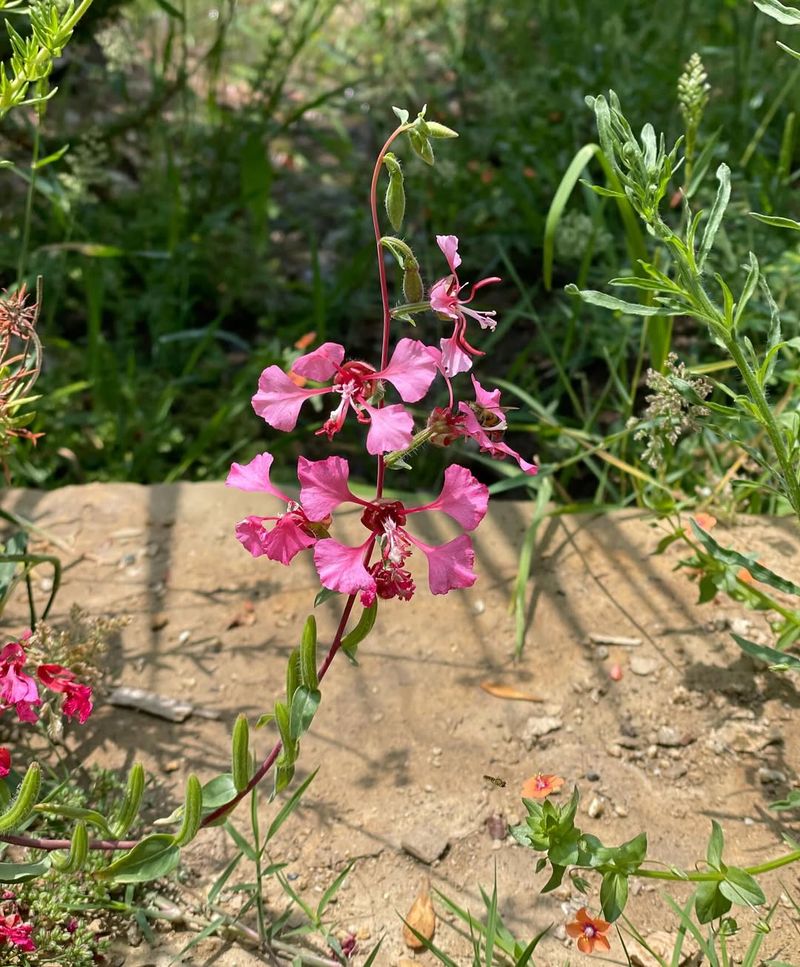
Clarkia has a narrow planting window in Georgia, and March is right in the middle of it. Wait too long and rising temperatures cut the blooming period short before plants have a chance to really show off.
Getting seeds in the ground early gives them time to establish during the cooler part of spring.
Prepare a sunny or lightly shaded bed with loose, well-drained soil. Clarkia does not need much in the way of nutrients, and like several other wildflowers on this list, too much nitrogen pushes foliage at the expense of blooms.
Scatter seeds and rake them in just barely, then water with a gentle spray to avoid washing seeds into clumps.
Expect germination in about ten days to two weeks. Thin seedlings to around eight inches apart once they reach a couple of inches tall.
Plants left too crowded tend to stretch and flop, especially in shadier spots where they reach for light.
Clarkia flowers come in shades of pink, lavender, red, and white, often with interesting ruffled or spotted petals depending on the variety. Blooms appear in late spring to early summer across Georgia, and the cut flowers last well in a vase.
Self-sowing is common in undisturbed beds, and seeds that drop in late spring will often germinate the following March on their own, building a self-sustaining wildflower patch over time.
6. Plains Coreopsis Blooms Quickly From Direct Sowing
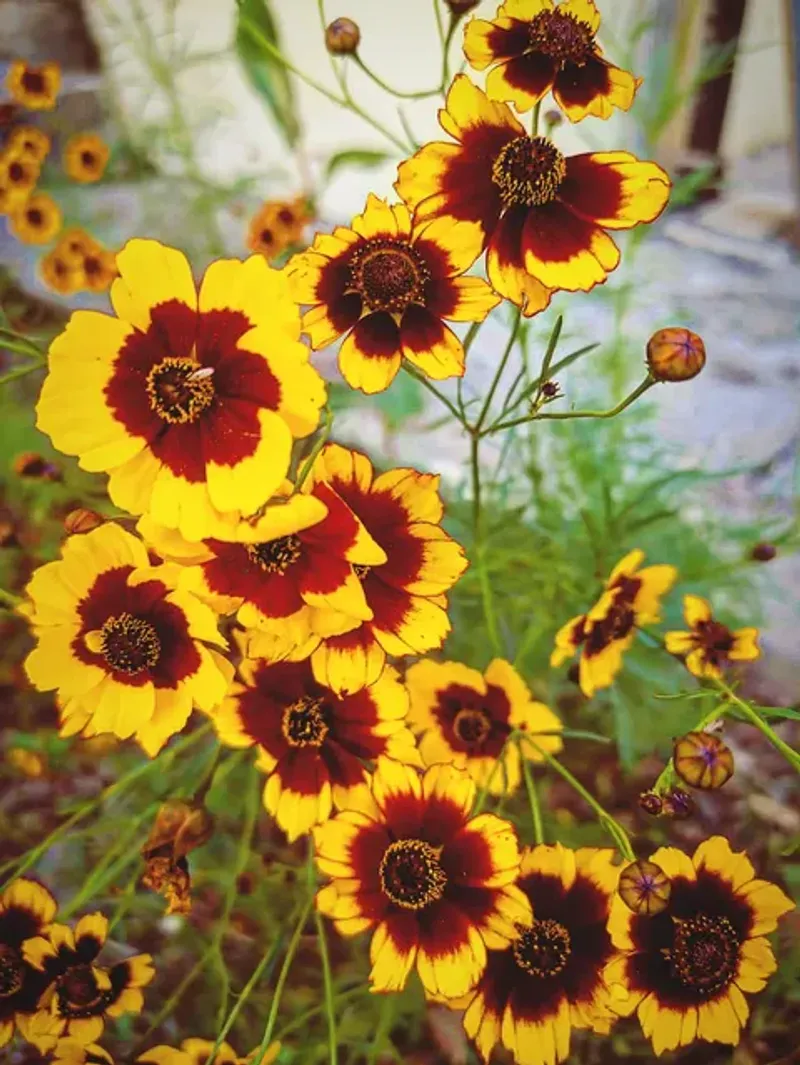
Plains coreopsis might be the fastest wildflower from seed to bloom in the entire list.
Under good conditions in Georgia, plants can go from germination to first flowers in as little as six to eight weeks, which means a March sowing can have you looking at blooms by late May.
Direct sowing in a sunny spot is the way to go. Scratch up the soil surface lightly, scatter seeds, and press them in with your hand or the back of a rake.
No need for deep tilling. Coreopsis actually prefers lean, undisturbed soil and will outperform expectations in spots where other flowers struggle.
Water consistently for the first few weeks after sowing. Once plants are a few inches tall, they handle dry spells pretty well, which is helpful during Georgia’s unpredictable spring weather patterns.
Thin to about six inches between plants for best air circulation and flowering.
Flowers are cheerful yellow with dark red centers on some varieties, and they attract bees and small butterflies throughout the season. Plants bloom heavily through summer and continue into fall if you deadhead regularly.
Plains coreopsis self-sows freely in Georgia gardens, especially in open, sunny beds with minimal ground cover competing for space.
Over a couple of seasons, a small patch can spread into a dense, colorful stand that fills in bare areas and requires almost no attention to maintain year after year.
7. Black Eyed Susan Establishes Well From Early Spring Sowing
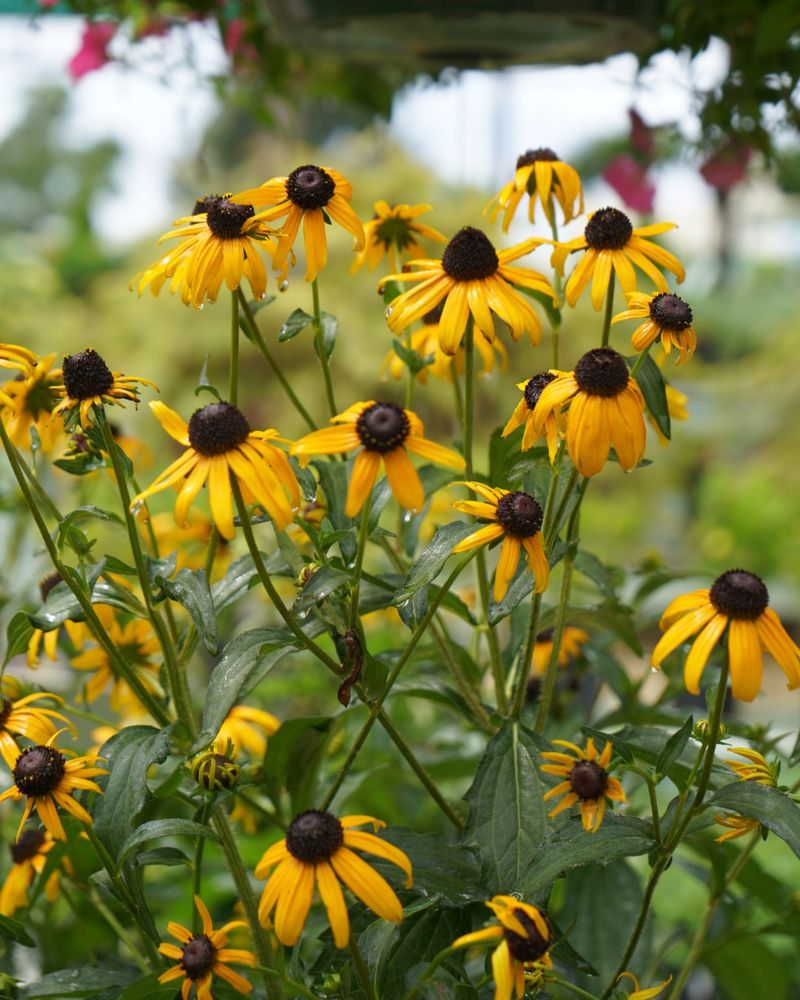
Black-eyed Susans are a Georgia garden staple for good reason. Sow seeds in March and they will spend the rest of spring quietly building root systems before sending up strong stems and vivid yellow flowers in early summer.
Patience pays off with this one.
Seeds need light to germinate, so avoid burying them. Press them firmly against the soil surface in a sunny, well-drained area and keep the ground consistently moist until sprouts appear.
Germination can take two to three weeks, sometimes longer in cooler pockets of north Georgia where soil warms more slowly.
Black-eyed Susans are biennials or short-lived perennials, meaning some plants flower in their first year and others wait until year two. A March sowing gives first-year plants the longest possible growing season, improving the odds of seeing blooms before fall arrives.
Pollinators are genuinely drawn to these flowers. Bumblebees, native bees, and several butterfly species visit regularly throughout the bloom period, which stretches from midsummer into early fall across most of Georgia.
Seed heads left standing through winter feed goldfinches and other small birds, so there is real wildlife value in not cutting plants back too aggressively.
Self-sowing is reliable in open beds, and established plants will spread slowly into wider clumps over several seasons without becoming invasive or difficult to manage.
8. Purple Coneflower Germinates As Soil Begins To Warm
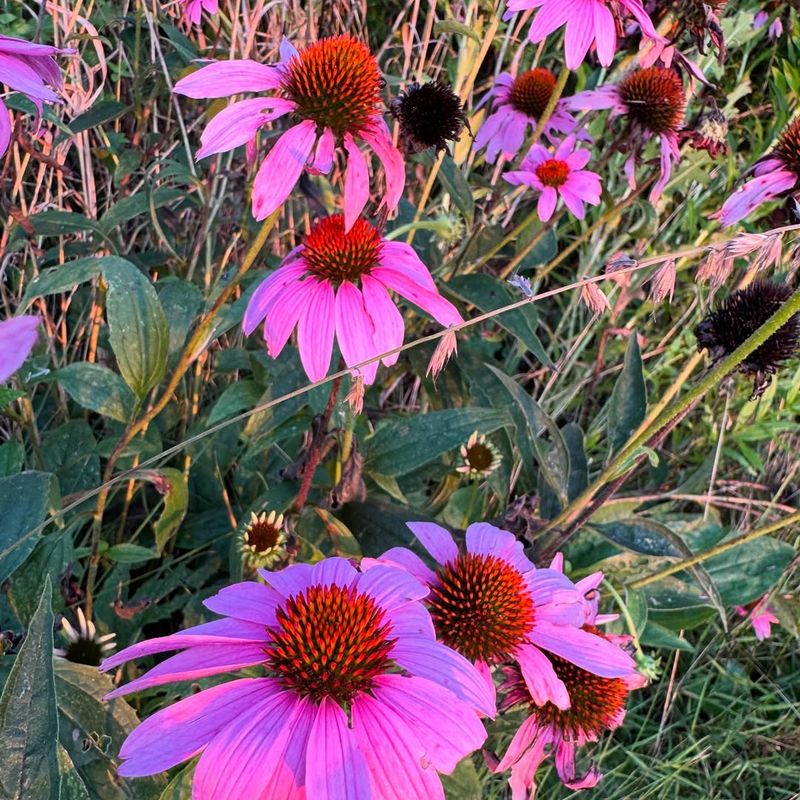
Purple coneflower is worth every bit of patience it demands. Seeds sown in March across Georgia germinate slowly as soil temperatures inch upward, but once plants take hold, they tend to stick around for years and put on a reliable show every summer.
Surface sow in a sunny, well-drained bed. Seeds need light and some temperature fluctuation to break dormancy, which is why early spring sowing in Georgia works better than starting them indoors under steady artificial heat.
Keep the seedbed moist but not waterlogged, and expect germination anywhere from two to four weeks after sowing.
First-year plants often focus on root development rather than producing many flowers, so do not be discouraged if blooms are sparse in year one. By the second season, established plants typically send up multiple flowering stems and become real focal points in the garden.
Pollinators swarm purple coneflower once it blooms. Bumblebees, honeybees, and monarch butterflies are all regular visitors in Georgia gardens from midsummer onward.
Leaving seed heads standing after blooms fade attracts goldfinches, which cling to the dried cones and pick out seeds through fall and winter.
Purple coneflower spreads gradually by self-sowing and by slowly expanding its root clumps, filling in a garden bed naturally over time without ever becoming aggressive or hard to control.