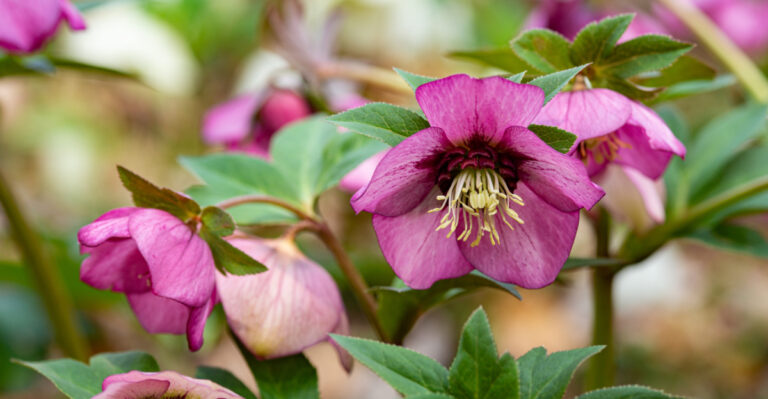
9 Winter-Blooming Plants Adding Color To Oregon Gardens Right Now
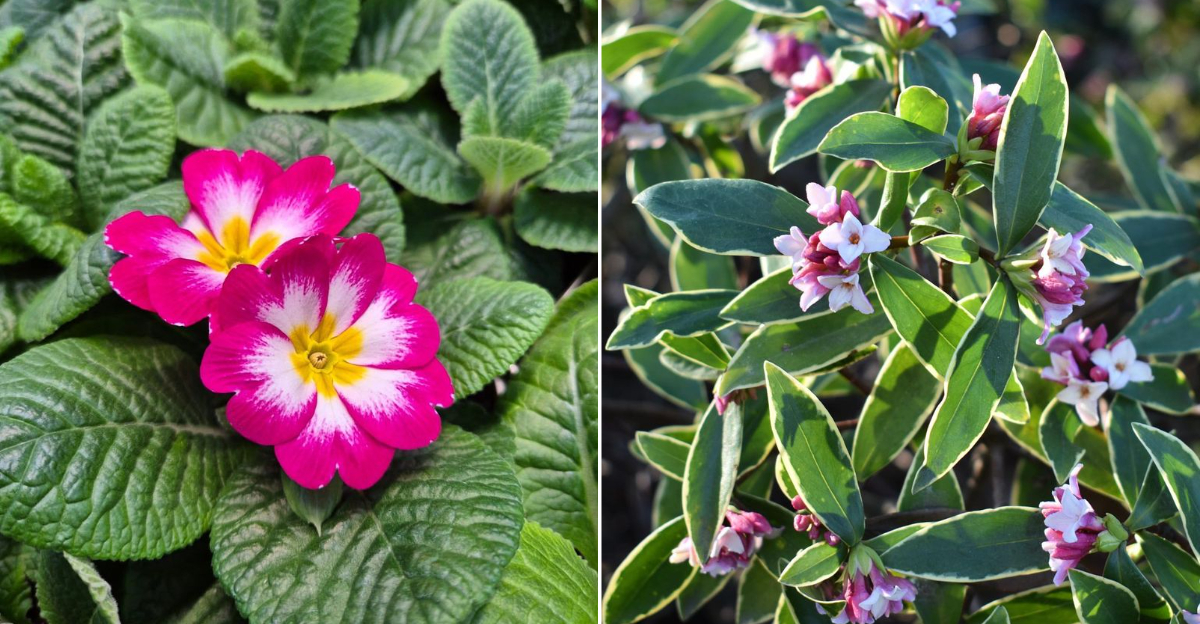
Winter in Oregon can make gardens feel a little gray and sleepy, and I know the feeling of looking out the window wishing for a splash of color.
You might think nothing blooms now, but that’s not the whole story.
There are actually several hardy plants that brighten up gardens even in the coldest months, and seeing them pop up feels like a small, unexpected gift.
From cheerful perennials to surprising flowering shrubs, winter-blooming plants can bring texture, scent, and color to corners of your garden that usually get overlooked.
Adding just a few can make a big difference and lift your spirits during the grayest weeks of the year.
Winter doesn’t have to be all gray, these plants bring color and life to Oregon gardens, even in the cold months.
1. Winter Jasmine Brightens Even The Grayest Days
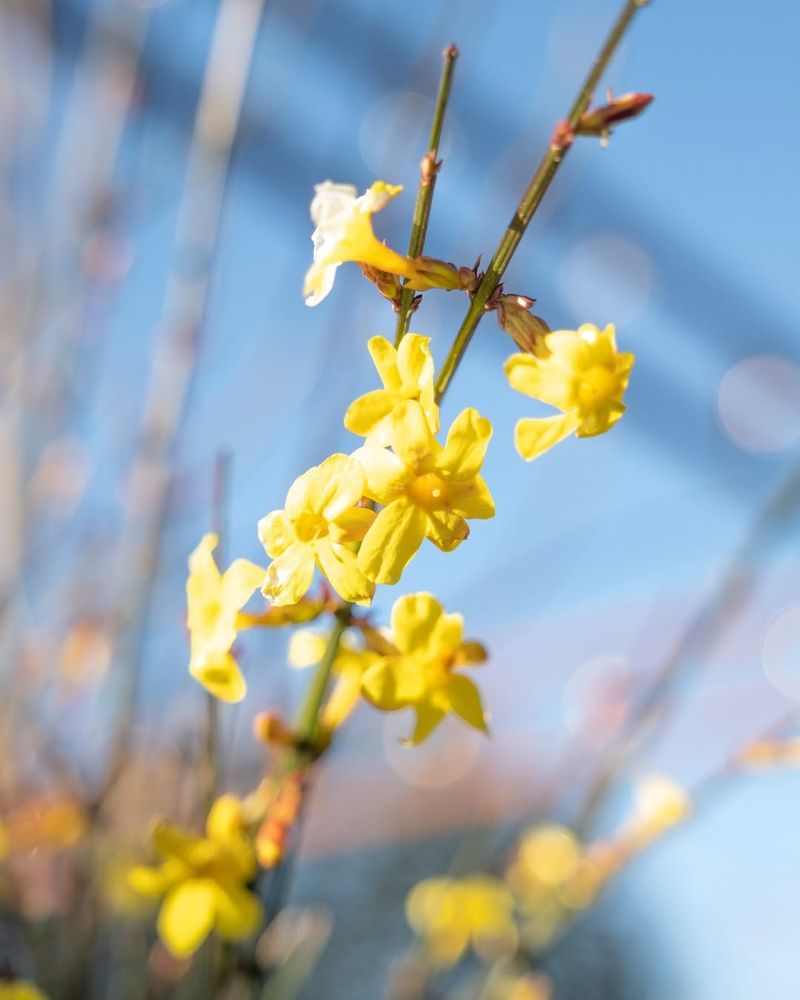
Imagine stepping outside on a cold January morning and spotting cheerful yellow flowers dancing on arching stems.
Winter jasmine delivers exactly that kind of surprise.
This tough plant does not mind Oregon’s wet winters one bit.
The bright yellow blooms appear on bare green stems, creating a stunning contrast against winter’s muted backdrop.
You can train winter jasmine to climb a fence or trellis, or simply allow it to cascade over a wall or slope.
It grows fast and spreads easily, making it perfect for filling empty spots in your garden.
Plant it somewhere visible from your kitchen window so you can enjoy those sunny blooms while sipping your morning coffee.
Winter jasmine blooms from December through March, giving you months of color.
It needs very little care once established and handles our rainy weather beautifully.
The flowers do not have a strong scent, but their vibrant color more than makes up for it.
Pair winter jasmine with evergreen shrubs for a lovely textural contrast.
Your neighbors will definitely ask what that gorgeous yellow plant is.
2. Hellebores Offer Elegant Winter Blooms
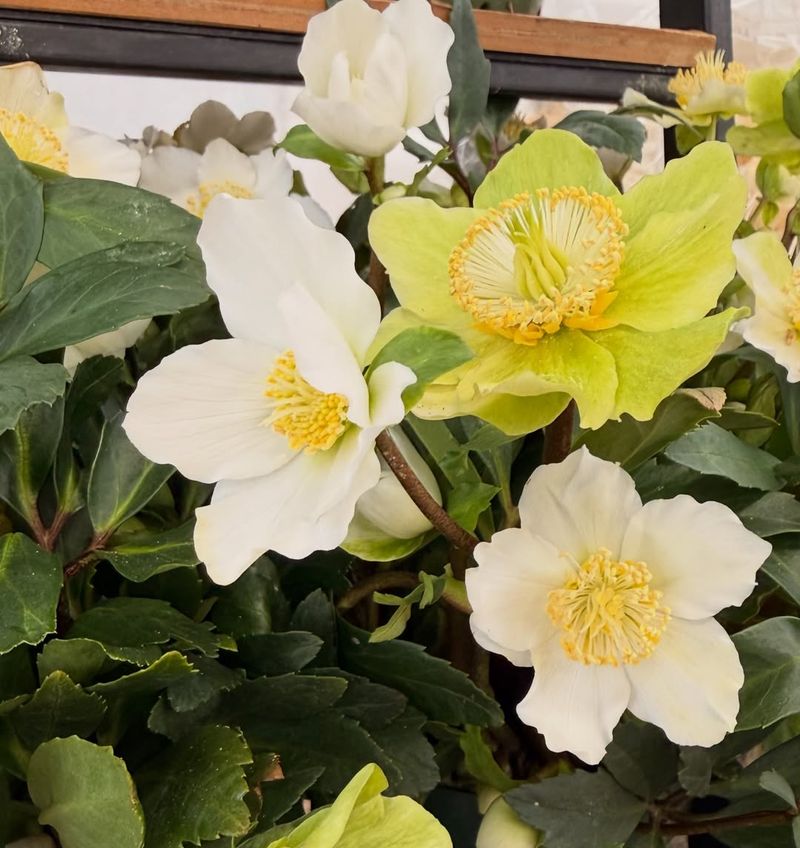
Hellebores have earned the nickname Christmas rose for good reason.
They start blooming in late December and continue well into spring.
These elegant plants produce nodding flowers in shades of white, pink, purple, and even deep maroon.
Hellebores love the shade, making them perfect for those tricky spots under trees or along the north side of your house.
They handle Oregon’s winter rain like champions and actually prefer our cool, moist conditions.
The leathery evergreen leaves look attractive all year, even when the plant is not blooming.
Once you plant hellebores, they will return year after year, slowly forming larger clumps.
They also self-seed, so you might find baby hellebores popping up in unexpected places.
Deer usually leave hellebores alone, which is a bonus if you live near wooded areas.
The flowers last for weeks, sometimes even months, gradually fading to soft green tones.
Cut a few stems to bring indoors for a lovely winter arrangement.
Hellebores pair beautifully with ferns and hostas in a shade garden.
3. Camellias Provide Bold Winter Color
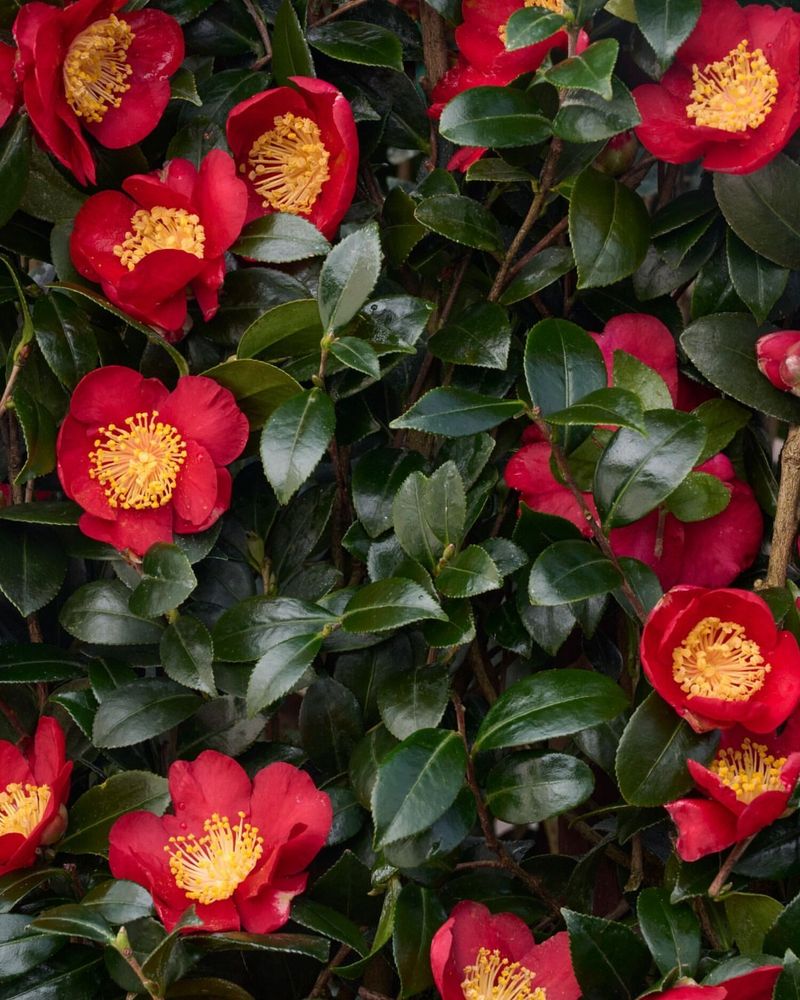
Nothing quite matches the drama of camellias blooming in the middle of winter.
These evergreen shrubs produce large, showy flowers that look almost too perfect to be real.
Camellias bloom in shades of pink, red, white, and even variegated combinations.
Oregon’s mild winters suit camellias perfectly, especially in the Willamette Valley and coastal areas.
The glossy dark green leaves provide year-round beauty, while the flowers steal the show from November through March.
Camellias prefer acidic soil, which most Oregon gardens naturally have.
Plant them in a spot with morning sun and afternoon shade for the best blooms.
Some varieties grow quite large, while others stay compact enough for small gardens or containers.
The flowers do not have a fragrance, but their visual impact more than compensates.
Fallen camellia blooms create a beautiful carpet beneath the plant, like nature’s own artwork.
Camellias make excellent privacy screens or foundation plantings.
They need little pruning and very little fertilizer once established.
Your winter garden will feel like a secret southern paradise with camellias in bloom.
4. Witch Hazel Brings Spidery Blooms And Sweet Fragrance
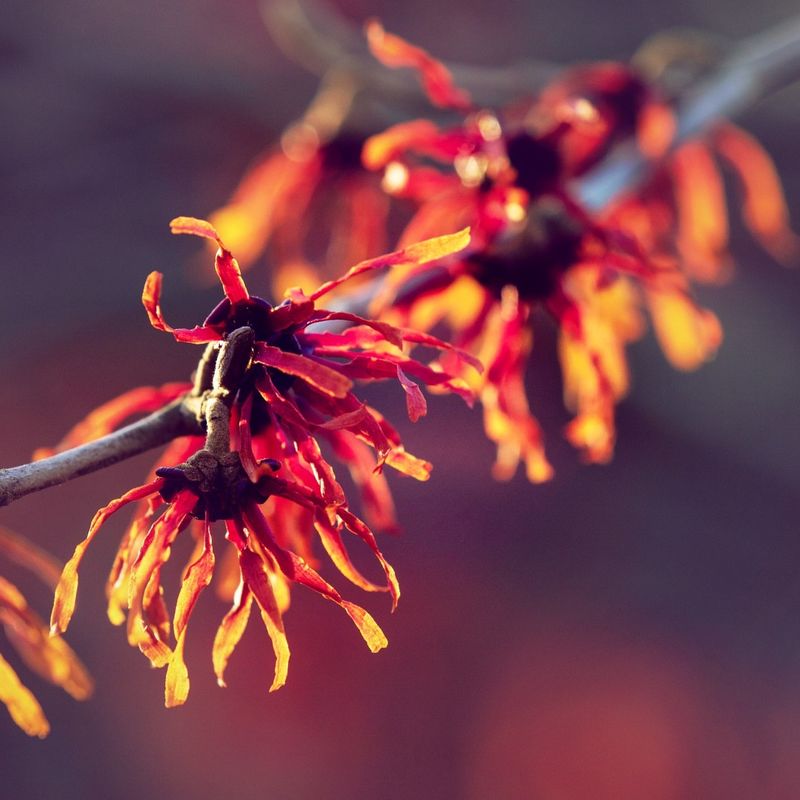
Witch hazel might have an unusual name, but its winter blooms are absolutely enchanting.
The flowers look like tiny ribbons or spidery fireworks in shades of yellow, orange, or red.
Even better, many varieties fill the air with a sweet, spicy fragrance on mild winter days.
Witch hazel blooms appear on bare branches, making them easy to spot from across the garden.
The flowers can handle frost and cold temperatures without damage, which is remarkable.
If temperatures drop too low, the petals simply curl up, then unfurl again when it warms.
Witch hazel grows as a large shrub or small tree, reaching about ten to fifteen feet tall.
It works well as a focal point in the garden or planted near a pathway where you can enjoy the fragrance.
The plant also offers beautiful fall color, with leaves turning yellow, orange, and red before dropping.
Witch hazel prefers slightly acidic soil and partial shade, though it tolerates full sun in cooler areas.
It needs little maintenance once established and rarely suffers from pests or diseases.
Plant witch hazel where you will walk past it often during winter.
5. Cyclamen Add Jewel-Like Touches To Shady Spots
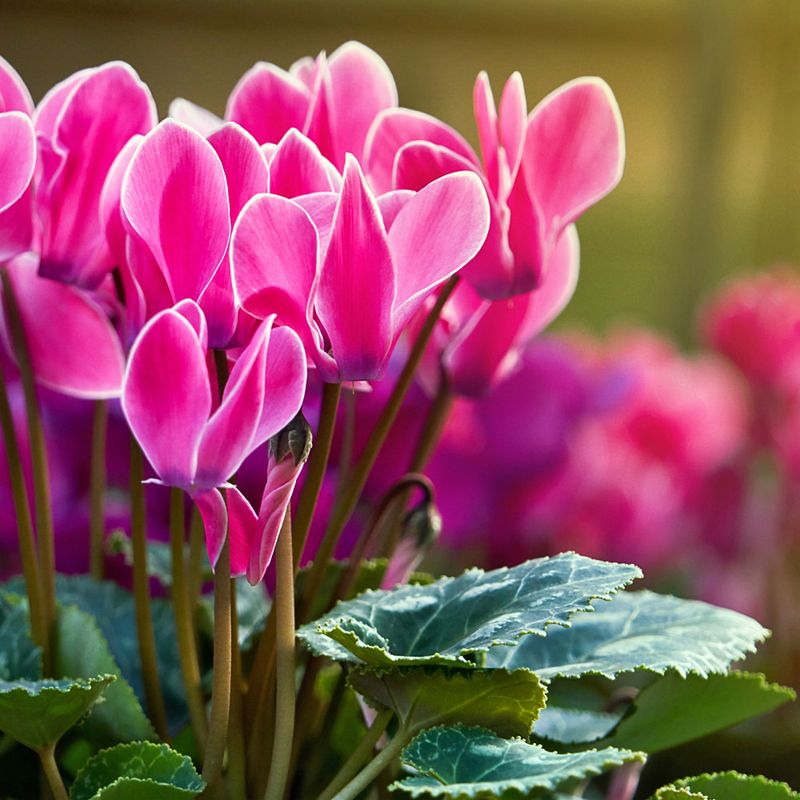
Cyclamen might be small, but they pack a serious punch of color.
The swept-back petals look like tiny butterflies hovering above marbled leaves.
Hardy cyclamen bloom from fall through early spring, thriving in Oregon’s cool, damp winters.
They naturalize beautifully under trees and shrubs, slowly spreading to form carpets of color.
The flowers come in shades of pink, white, magenta, and purple.
Even when not blooming, the decorative leaves with their silver patterns provide visual interest.
Cyclamen grow from tubers and prefer well-drained soil with plenty of organic matter.
They go dormant in summer, so plant them with hostas or ferns that will fill in the space later.
Once established, cyclamen require almost no care and will return year after year.
They self-seed readily, so you might discover new plants popping up in unexpected places.
Deer and rabbits usually avoid cyclamen, making them great for woodland gardens.
Plant cyclamen in drifts for the most impact, rather than scattering single plants.
They look especially charming combined with hellebores and snowdrops in a winter shade garden.
6. Mahonia Displays Bright Yellow Flower Clusters
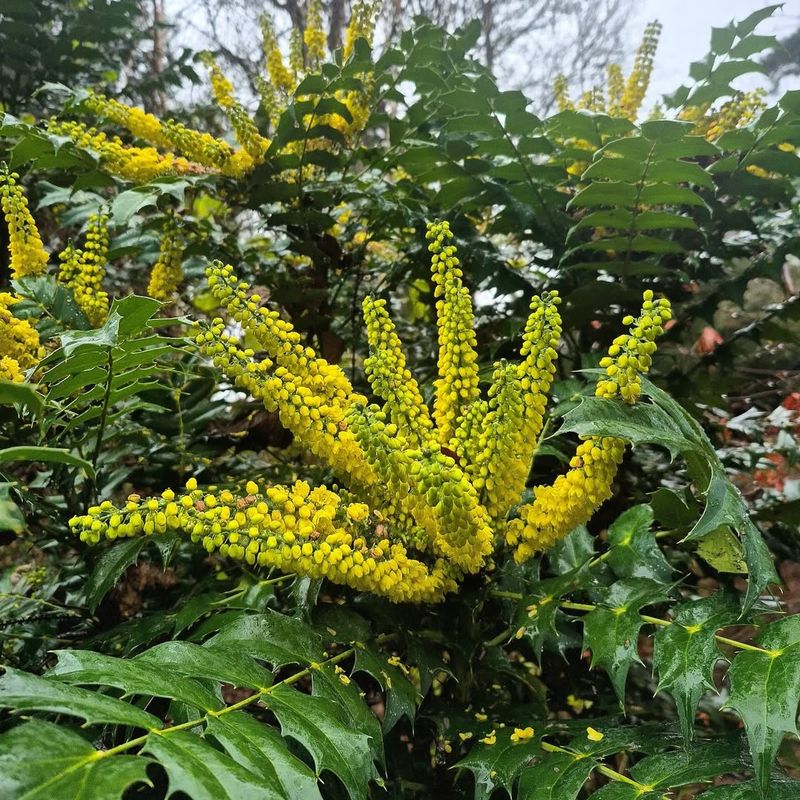
Mahonia is one tough customer that laughs at Oregon winters.
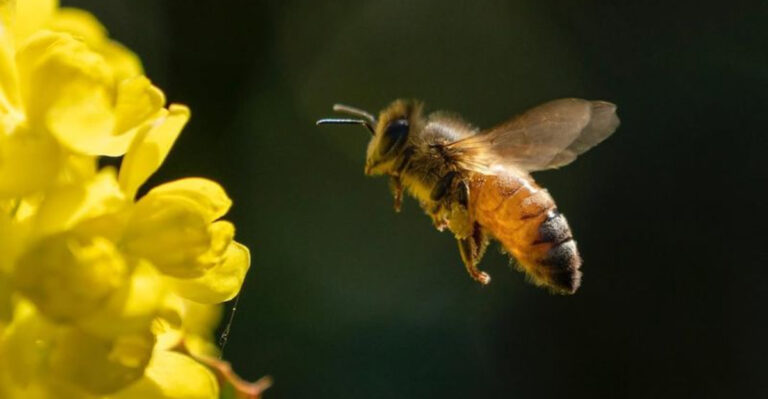
This evergreen shrub produces clusters of bright yellow flowers that seem to glow on cloudy days.
The blooms appear from late fall through early spring, depending on the variety.
Mahonia’s holly-like leaves with their spiny edges provide year-round structure in the garden.
After the flowers fade, blue-black berries appear, attracting birds to your yard.
The flowers have a light, sweet fragrance that you can catch on mild days.
Mahonia tolerates deep shade better than almost any other flowering shrub.
It also handles dry shade, which makes it perfect for those difficult spots under evergreen trees.
The plant grows slowly but steadily, eventually reaching four to six feet tall.
Mahonia works well as a foundation plant or in mixed borders with other shade lovers.
The spiny leaves make it a good choice for planting under windows as a natural burglar deterrent.
It needs no pruning or special care once established.
Mahonia is native to the Pacific Northwest, so it feels right at home in Oregon gardens.
7. Snowdrops Signal Winter’s Turning Point
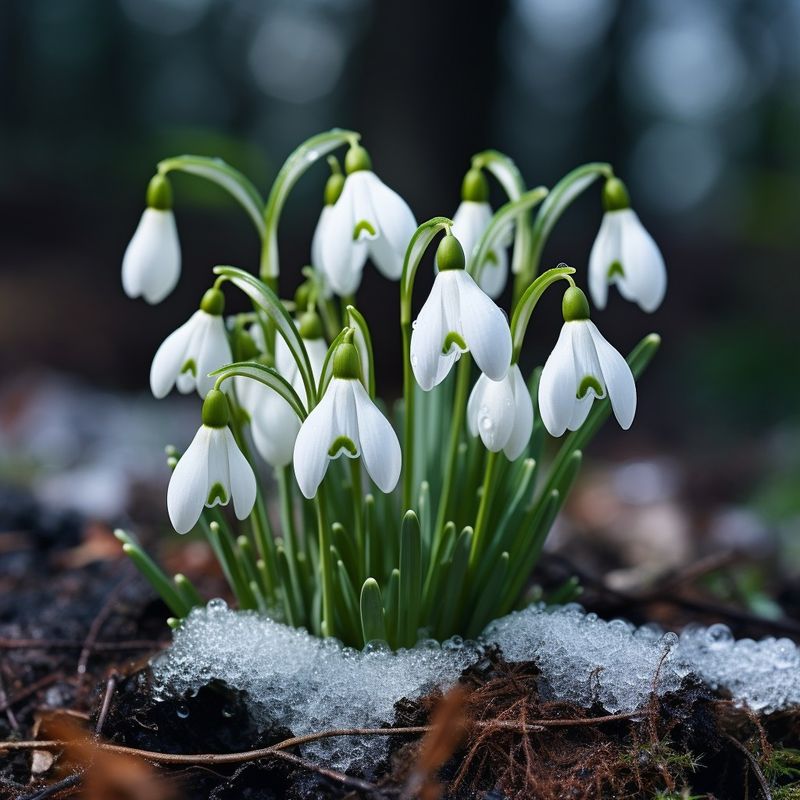
Few sights bring more hope than snowdrops pushing through cold soil in late winter.
These tiny bulbs produce delicate white flowers that nod gracefully above grass-like leaves.
Snowdrops often bloom as early as January in milder parts of Oregon.
Each flower resembles a tiny white bell with green markings on the inner petals.
They naturalize easily, forming larger clumps each year and spreading slowly through the garden.
Snowdrops prefer partial shade and moist, well-drained soil rich in organic matter.
Plant them under deciduous trees where they can bloom before the leaves emerge.
The bulbs are best planted in fall, but you can also buy them in bloom and transplant immediately.
Snowdrops combine beautifully with winter aconites, which bloom at the same time with yellow flowers.
They go dormant by late spring, so interplant them with hostas or ferns for summer interest.
Squirrels and other critters usually leave snowdrop bulbs alone.
Once established, snowdrops need no care whatsoever and will return faithfully each year.
Plant them in drifts near pathways where you will notice them during your winter walks.
8. Daphne Perfumes The Winter Garden
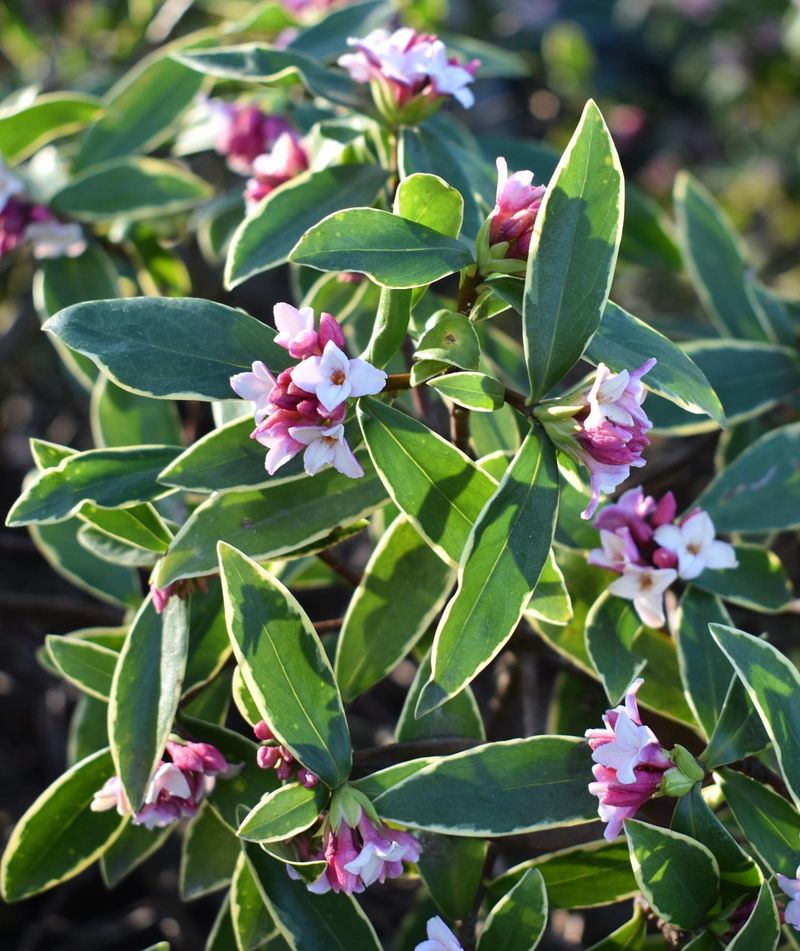
Daphne is worth growing for its incredible fragrance alone.
The sweet, spicy scent from just a few flowers can perfume your entire garden on a calm winter day.
Winter daphne produces clusters of pink or white flowers from December through March.
The small evergreen shrub stays compact, usually reaching about three to four feet tall.
Daphne has a reputation for being finicky, but it thrives in Oregon’s climate with proper care.
Plant it in well-drained soil with some afternoon shade, and do not disturb the roots once established.
The glossy evergreen leaves look attractive all year, providing structure even when not blooming.
Place daphne near an entrance, patio, or pathway where you can enjoy the fragrance regularly.
The flowers attract early bees and other pollinators on warm winter days.
After blooming, small red berries sometimes appear, though they are toxic to humans.
Daphne needs little pruning and actually prefers to be left alone.
It grows slowly, making it perfect for small gardens or containers.
Once you smell daphne blooming in winter, you will wonder how you ever gardened without it.
9. Primroses Carpet The Ground With Cheerful Blooms
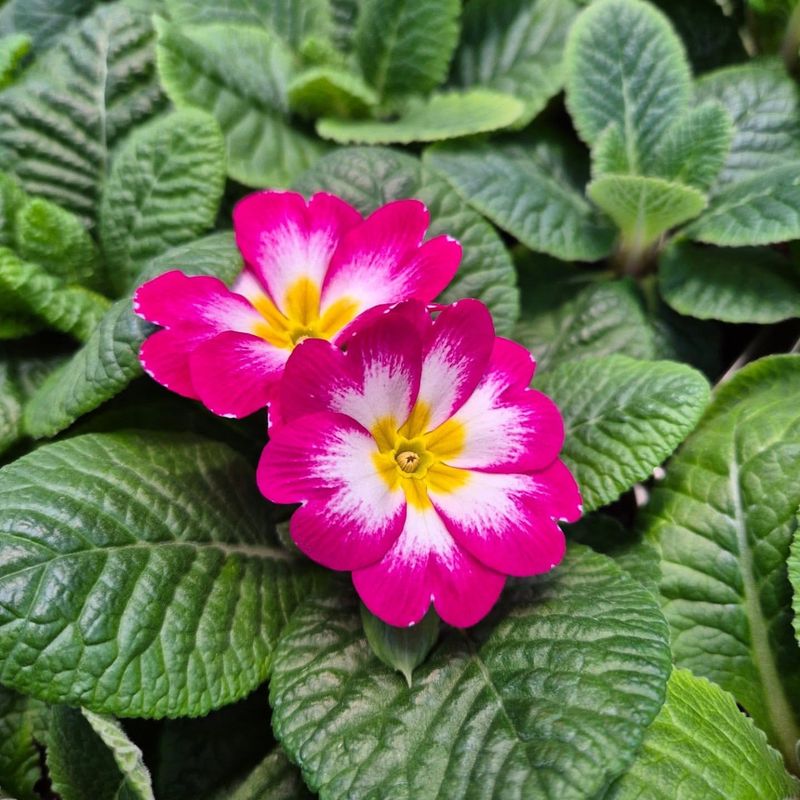
Primroses start appearing in garden centers in late winter, and for good reason.
These cheerful little plants bloom reliably through Oregon’s coolest months.
You can find primroses in nearly every color imaginable, from soft pastels to vibrant jewel tones.
They work beautifully in containers, borders, or naturalized in woodland settings.
English primroses bloom from late winter through spring, tolerating our rain and cold without complaint.
The rosettes of crinkled leaves stay evergreen in mild winters.
Plant primroses in partial shade with rich, moist soil for the best performance.
They combine beautifully with ferns, hellebores, and other shade lovers.
Primroses self-seed generously, so you might find volunteers popping up in unexpected spots.
They also divide easily, allowing you to spread them throughout your garden.
Deadheading spent flowers encourages more blooms and keeps plants looking tidy.
Primroses attract early butterflies and bees, providing important nectar when little else blooms.
Mass plantings create stunning carpets of color that brighten even the dreariest winter days.