13 Winter Flowers Blooming Right Now In January In North Carolina Gardens
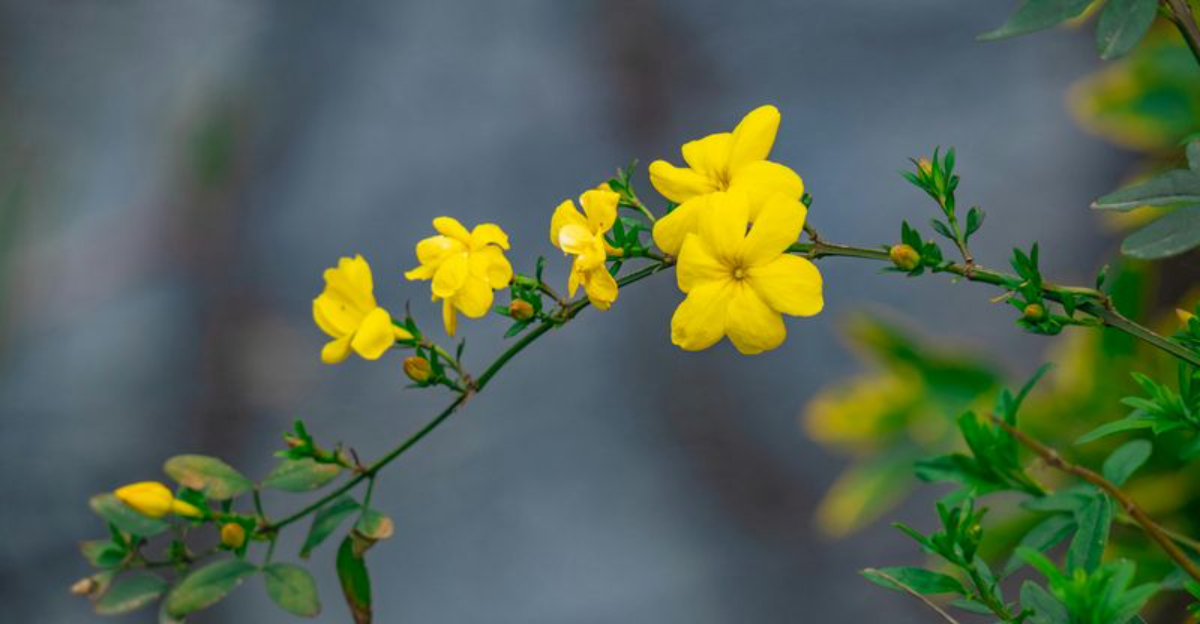
North Carolina winters bring surprising color and life to gardens when most people expect everything to look brown and bare inside.
Many beautiful flowers actually thrive during January, offering gardeners stunning blooms that brighten up cold, gray days with vibrant petals and textures.
Growing winter flowers helps pollinators find food when resources are scarce, making your garden an important haven for local wildlife populations everywhere.
Discovering which flowers bloom in January transforms your outdoor space into a colorful wonderland that neighbors will admire throughout the chilly season ahead.
1. Winter Jasmine
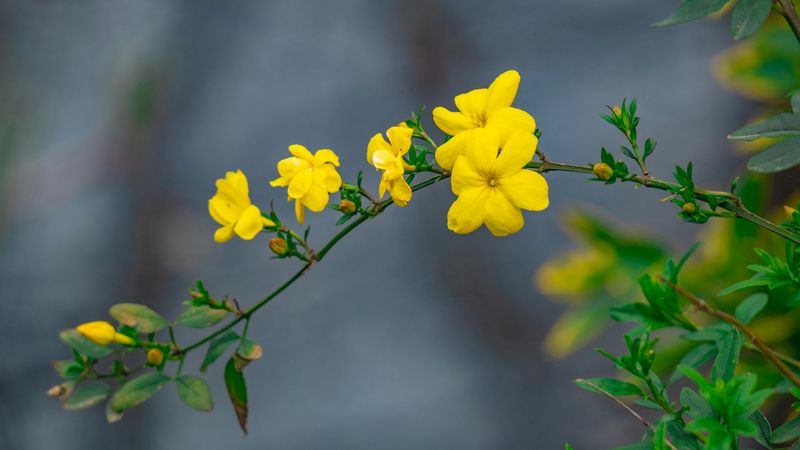
Bright yellow blossoms appear on bare green stems before any leaves show up, creating a cheerful sight against winter’s dull backdrop throughout gardens.
Winter jasmine grows well in North Carolina because it tolerates cold temperatures and still produces flowers even when frost covers the ground each morning.
The plant spreads easily along fences or walls, making it perfect for covering unsightly areas while adding pops of sunny color everywhere.
Gardeners love how low-maintenance this plant is since it requires minimal watering and rarely suffers from pests or diseases during growing seasons.
The arching stems can reach several feet long, creating cascading displays that look stunning when planted on slopes or hanging over retaining walls.
North Carolina’s mild winter climate allows winter jasmine to bloom from late December through February, providing continuous color when other plants stay dormant.
Plant it in full sun or partial shade for best results, and watch as the cheerful blooms attract early pollinators searching for nectar.
2. Hellebores
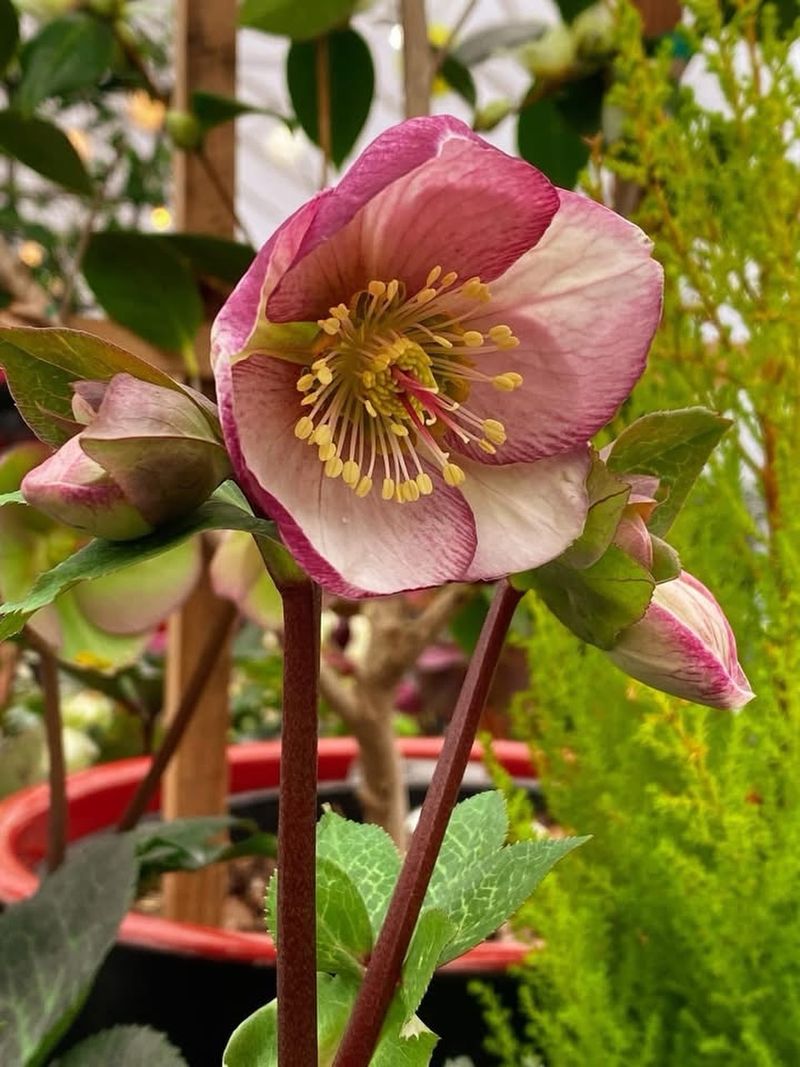
Often called Christmas roses or Lenten roses, hellebores produce elegant cup-shaped flowers in shades of white, pink, purple, and even speckled patterns indoors.
These perennials thrive in shaded garden spots where other flowers struggle, making them ideal for planting under trees or along north-facing walls nearby.
Hellebores start blooming in January and continue through early spring, offering months of beauty when most gardens look bare and lifeless.
North Carolina gardeners appreciate how deer-resistant these plants are, since hungry wildlife often leave them completely alone throughout the coldest winter months.
The thick, leathery leaves stay green year-round, providing attractive foliage even when flowers aren’t present in the landscape design.
Once established, hellebores require very little care and multiply slowly over time, creating larger clumps that produce more blooms each year.
Their nodding flowers have a delicate appearance but are surprisingly tough, withstanding freezing temperatures and even snow without any damage whatsoever.
3. Pansies
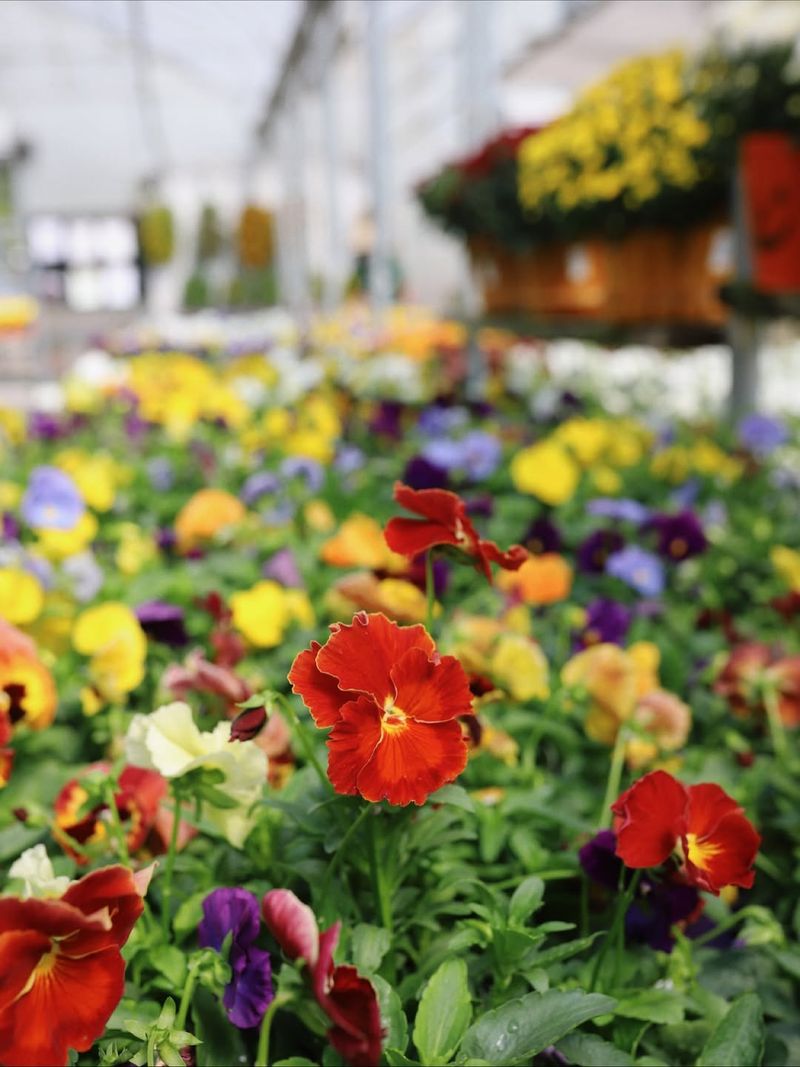
Pansies bring cheerful faces to winter gardens with their distinctive petal patterns that look like tiny smiling expressions in vibrant color combinations.
Available in nearly every color imaginable, pansies handle North Carolina’s January temperatures beautifully, continuing to bloom even when light frosts occur overnight regularly.
Plant them in containers near doorways or along garden borders where their bright colors can be easily admired from windows inside homes.
Gardeners should deadhead spent blooms regularly to encourage continuous flowering throughout the entire winter season, keeping plants looking fresh and vibrant always.
Pansies prefer full sun but tolerate partial shade, making them versatile choices for various garden locations with different light exposure levels.
These annuals are inexpensive and widely available at nurseries, allowing gardeners to fill large areas with color without spending too much money overall.
North Carolina’s moderate winter weather lets pansies thrive from fall through spring, providing almost six months of reliable blooms for outdoor spaces.
4. Camellias
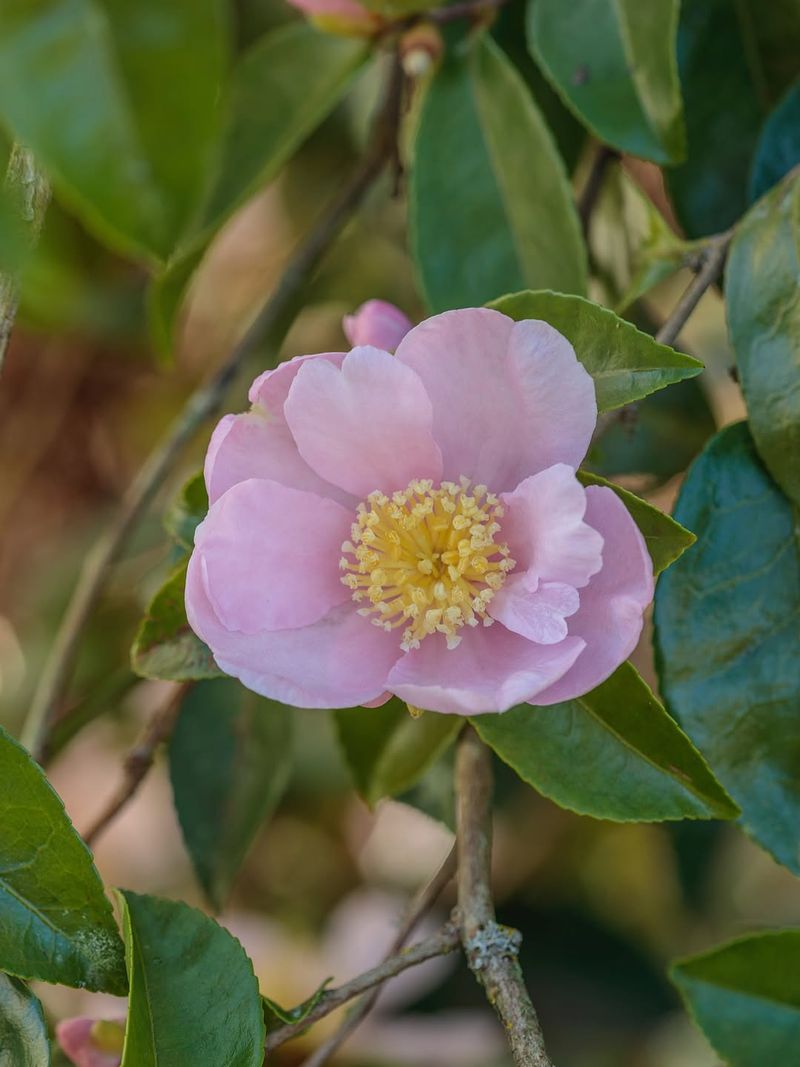
Camellias produce spectacular rose-like blooms in shades of pink, red, white, and even bicolored combinations that look almost too perfect to be real.
These evergreen shrubs are beloved throughout North Carolina because they bloom during the coldest months when most other flowering plants remain completely dormant.
The glossy, dark green leaves provide year-round beauty, while the large flowers add dramatic focal points to shaded garden areas everywhere.
North Carolina’s climate is ideal for camellias since they prefer mild winters and protection from harsh afternoon sun that can scorch delicate petals.
Plant them in acidic, well-draining soil enriched with organic matter, and mulch around the base to keep roots cool and moist always.
Camellias come in hundreds of varieties, offering gardeners endless choices in flower form, color, and blooming time throughout the winter season ahead.
Some varieties bloom early in fall while others wait until late winter, allowing you to select plants for continuous color rotation.
5. Witch Hazel
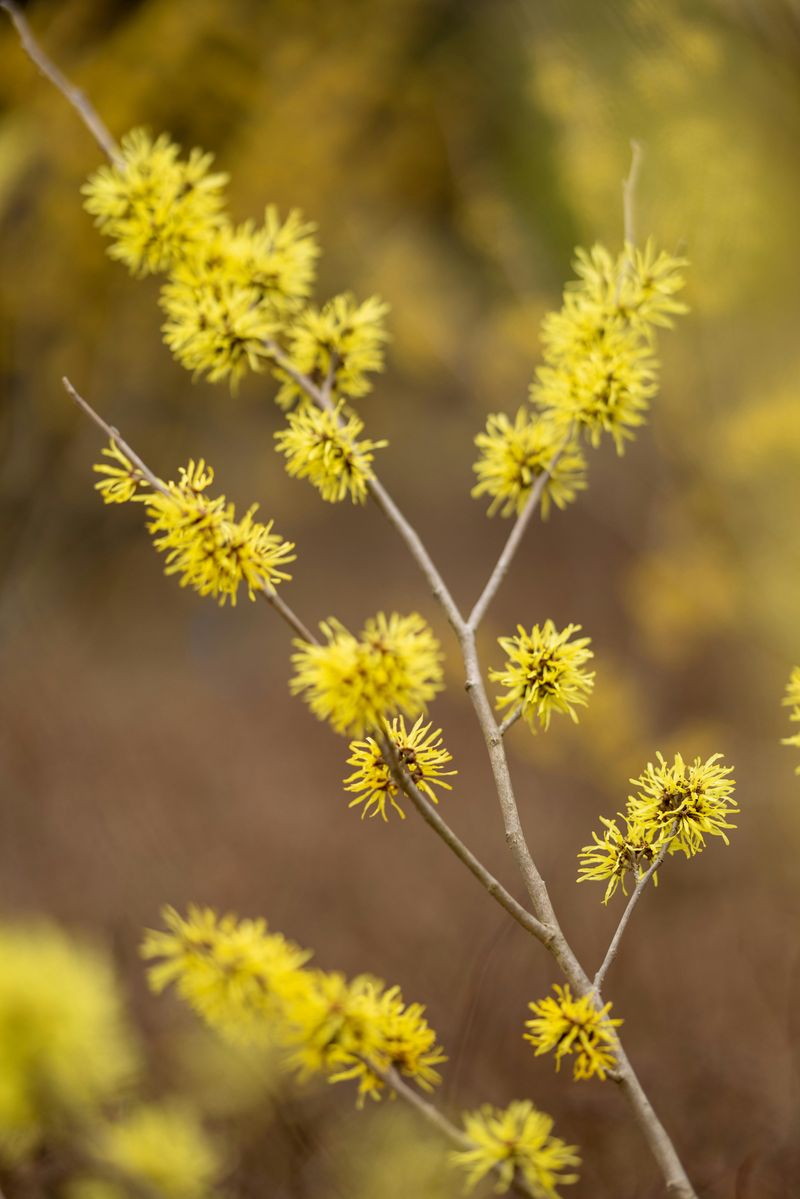
Witch hazel produces unusual spidery flowers with ribbon-like petals in shades of yellow, orange, and red that look completely different from typical blooms.
The fragrant flowers appear on bare branches during January, creating an enchanting sight that surprises visitors who don’t expect blooms in winter weather.
North Carolina gardeners treasure witch hazel for its unique appearance and sweet scent that carries on the breeze during mild winter afternoons.
This native shrub tolerates various soil types and grows well in both sun and partial shade, making it adaptable to many landscape situations.
The flowers are incredibly cold-hardy and won’t be damaged by freezing temperatures, continuing to bloom even after snowfall covers the ground.
Witch hazel also provides brilliant fall foliage in shades of yellow and orange, giving gardeners two seasons of outstanding ornamental interest yearly.
Plant it as a specimen shrub where its winter blooms can be appreciated up close, or use it in mixed borders for textural contrast.
6. Snowdrops
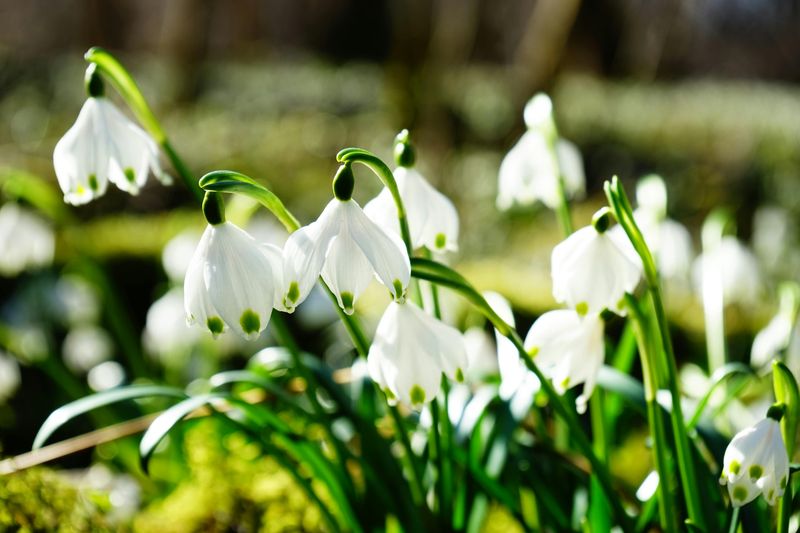
Snowdrops are among the earliest spring bulbs, often pushing through frozen ground in late January with their delicate white bell-shaped flowers hanging gracefully.
These small but mighty bulbs naturalize easily in North Carolina gardens, spreading slowly to form charming carpets of white blooms under trees yearly.
The nodding flowers have a simple elegance that brings hope and joy to gardeners weary of winter’s cold, dreary days outside.
Plant snowdrops in fall for January blooms, choosing locations with partial shade and moist, well-draining soil that doesn’t stay waterlogged during rainfall.
The foliage withers away after flowering, allowing other plants to fill in the space and hide the yellowing leaves naturally.
North Carolina’s climate allows snowdrops to thrive without special care, and they often self-seed to create larger colonies over many growing seasons.
Pair them with other early bloomers like crocuses and winter aconite for a colorful display that signals spring’s approach despite cold temperatures.
7. Winter Daphne
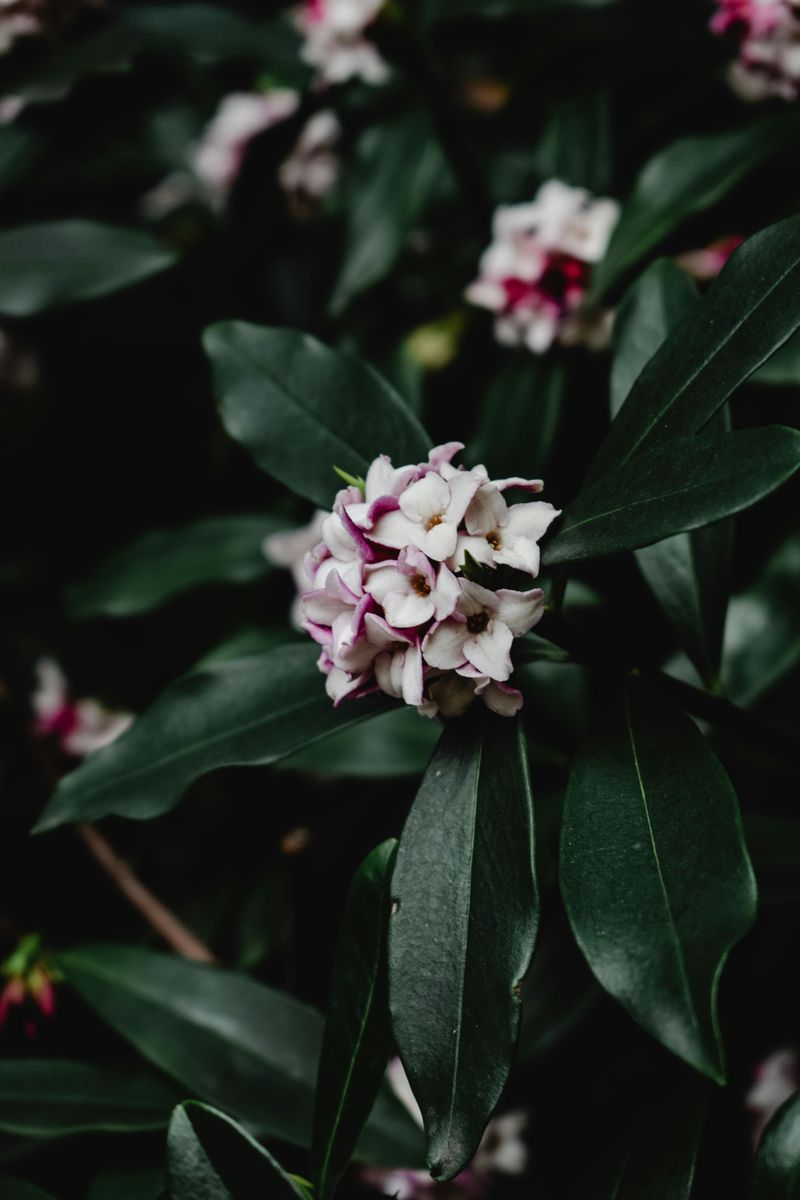
Winter daphne produces intensely fragrant pink flowers that perfume the entire garden with a sweet scent that can be detected from yards away.
This evergreen shrub begins blooming in late winter, with North Carolina gardens often seeing flowers appear in January during mild weather patterns.
The clusters of tubular pink blooms contrast beautifully against the glossy dark green foliage, creating an attractive display throughout the flowering period.
Gardeners should plant winter daphne near walkways or patios where the incredible fragrance can be fully appreciated during outdoor activities in winter.
The plant prefers well-draining soil and partial shade, though it tolerates full sun in cooler regions without suffering from heat stress.
Winter daphne grows slowly and stays relatively compact, making it suitable for small gardens or foundation plantings near home entrances everywhere.
North Carolina’s moderate winters provide ideal conditions for this shrub, which may struggle in areas with extreme temperature fluctuations or harsh conditions.
8. Winter Honeysuckle

Winter honeysuckle surprises gardeners with creamy white flowers that appear on bare branches before leaves emerge, filling the air with sweet fragrance.
This deciduous shrub blooms from December through February in North Carolina, providing nectar for early pollinators when few other food sources exist.
The small but abundant flowers may not be showy from a distance, but their powerful fragrance makes them impossible to ignore nearby.
Plant winter honeysuckle in full sun to partial shade, giving it plenty of room to spread since mature plants can reach impressive sizes.
The shrub has an open, arching growth habit that works well in informal garden settings or naturalized areas along property borders.
North Carolina gardeners value winter honeysuckle for its reliability and ease of care, as it requires minimal maintenance once established in landscapes.
After flowering, the plant produces red berries that attract birds, adding another season of interest to this versatile winter-blooming shrub everywhere.
9. Flowering Quince
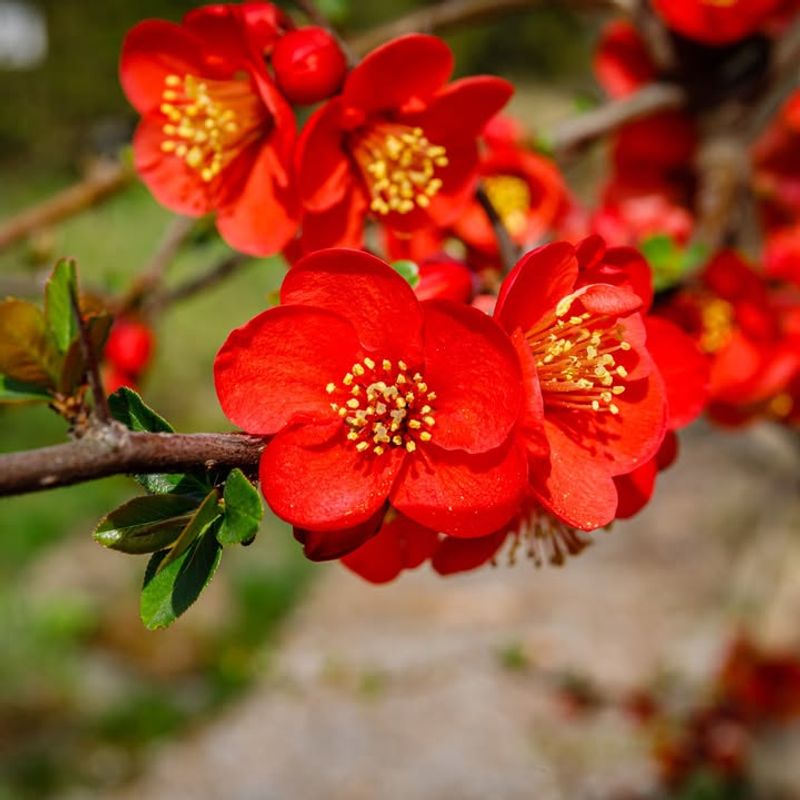
Flowering quince produces brilliant red, coral, pink, or white blooms that cover bare branches in late winter, creating a stunning display visible everywhere.
North Carolina’s January weather often triggers early blooming in this hardy shrub, which tolerates cold temperatures without any damage to flower buds.
The flowers appear before leaves, making the colorful display even more dramatic against the bare branches and winter landscape behind them.
This tough shrub grows in various soil types and handles both full sun and partial shade, though flowering is most abundant in sunnier locations.
Flowering quince also produces small, fragrant fruits in fall that can be used for making jellies and preserves at home.
The thorny branches make flowering quince useful as a barrier hedge while also providing beautiful flowers that brighten dreary winter days.
Plant it where the early blooms can be enjoyed from windows, or use it as a colorful focal point in mixed borders.
10. Edgeworthia
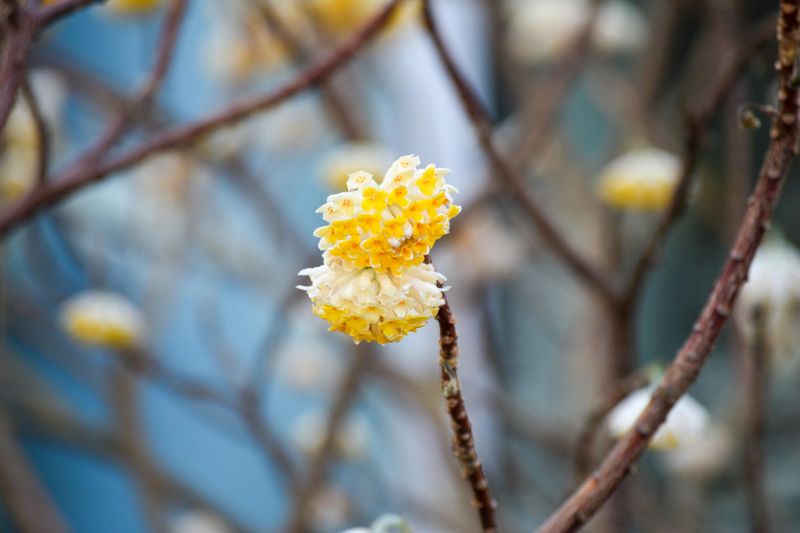
Edgeworthia, also called paperbush, produces unique clusters of tubular yellow flowers that have a sweet fragrance and unusual appearance unlike typical blooms.
The flower buds form in fall and open in late winter, with North Carolina gardens often seeing blooms in January during warmer spells.
Each flower cluster contains dozens of small tubular blooms arranged in a rounded pompom shape that looks almost artificial in its perfection.
This deciduous shrub has interesting bark and branching structure that adds winter interest even before flowers appear on the bare stems.
North Carolina’s climate suits edgeworthia perfectly, as it needs protection from extreme cold but thrives in areas with mild winter temperatures.
Plant edgeworthia in partial shade with well-draining, slightly acidic soil amended with organic matter for best growth and flowering results.
The shrub stays relatively small and compact, making it ideal for smaller gardens or containers placed near outdoor seating areas everywhere.
11. Winter Heath
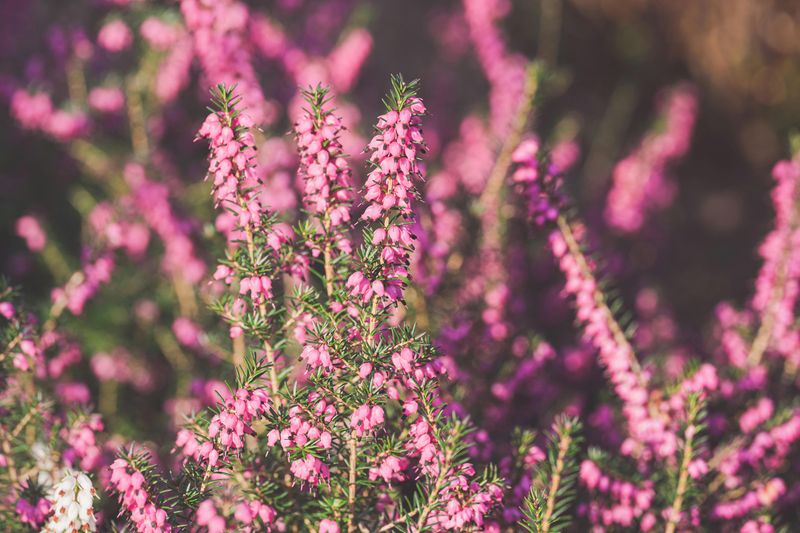
Winter heath produces masses of tiny bell-shaped flowers in shades of pink, white, and purple that cover the low-growing evergreen foliage completely.
This ground cover blooms from late fall through early spring, providing continuous color during North Carolina’s winter months when most gardens look bare.
The needle-like foliage stays attractive year-round, creating a textured carpet that works beautifully in rock gardens or as edging plants.
Winter heath prefers acidic soil and full sun, making it an excellent companion for azaleas, rhododendrons, and other acid-loving plants in landscapes.
The flowers attract early bees and other pollinators, providing crucial nectar sources when few other plants are blooming in gardens.
North Carolina gardeners should plant winter heath in well-draining soil, as the plants don’t tolerate wet, waterlogged conditions during rainy winter periods.
The low-growing habit makes it perfect for planting on slopes where erosion control is needed while also providing beautiful winter blooms.
12. Cyclamen

Hardy cyclamen produces delicate flowers with reflexed petals that look like tiny butterflies hovering above attractive marbled foliage in shaded garden areas.
These tuberous perennials bloom during winter in North Carolina, with flowers appearing in shades of pink, white, and magenta throughout January and February.
The heart-shaped leaves feature beautiful silver marbling patterns that add ornamental interest even when flowers aren’t present on the plants.
Plant cyclamen in shaded areas under trees or shrubs where the soil stays moist but well-draining throughout the growing season ahead.
North Carolina’s mild winters allow hardy cyclamen to naturalize and spread slowly, creating charming drifts of color in woodland garden settings.
Cyclamen prefer slightly alkaline soil amended with compost, and they benefit from a layer of leaf mulch that mimics their natural habitat.
The flowers are surprisingly cold-tolerant, continuing to bloom even when temperatures drop below freezing during particularly cold January nights outside.
13. Mahonia
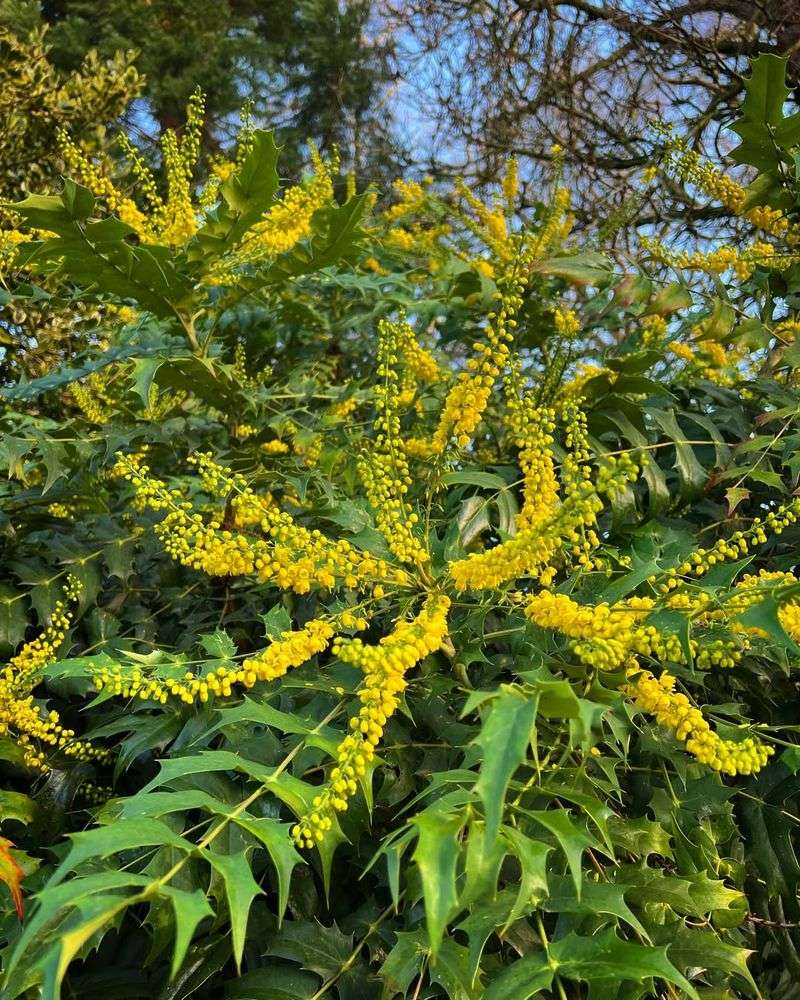
Mahonia produces bright yellow flowers in upright clusters that stand out dramatically against the plant’s spiky, holly-like evergreen foliage during winter months.
This tough shrub blooms from late fall through winter in North Carolina, with peak flowering often occurring in January when gardens need color.
The fragrant flowers attract early pollinators, and later in spring, the plant produces blue-purple berries that birds absolutely love eating.
North Carolina gardeners appreciate mahonia’s deer resistance and ability to grow in shaded areas where many other flowering shrubs struggle to thrive.
The architectural foliage provides year-round structure in the landscape, while the winter blooms add a welcome burst of sunny yellow color.
Plant mahonia in partial to full shade with well-draining soil, and give it room to spread since mature plants can become quite large.
The spiky leaves make it useful as a barrier planting, and it requires minimal maintenance once established in appropriate garden locations.