14 Winter Flowers That Handle Oregon Winters With Ease
Oregon winters bring chilly rains and occasional frosts that make gardening seem impossible, but colorful blooms can still brighten your landscape during these darker months.
Hardy winter flowers thrive despite cold temperatures and short days, offering cheerful petals when most plants have gone dormant for the season ahead.
Choosing the right varieties means enjoying vivid colors and fresh scents from November through March without worrying about frost damage or replanting efforts.
These resilient beauties add life to gardens and containers, proving that Oregon winters don’t have to mean dull, flowerless yards for patient gardeners.
1. Winter Jasmine
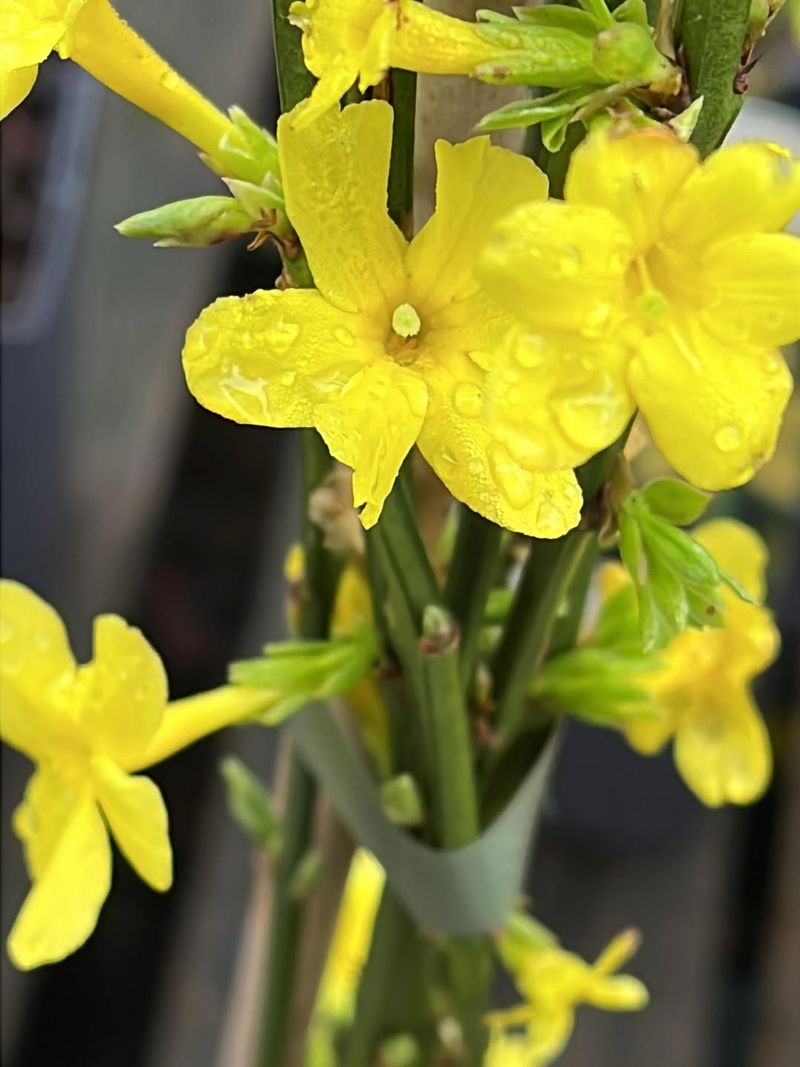
Bright yellow blooms appear on bare green stems from December through March, creating stunning cascades of color when everything else looks drab and lifeless.
Winter jasmine doesn’t mind Oregon’s frequent rain showers, and it actually thrives in the mild, moist conditions that define Pacific Northwest winters beautifully.
This vigorous grower works wonderfully as ground cover on slopes or trained along fences, providing flexible landscaping options for various garden styles and spaces.
Its arching branches can spread several feet wide, making it perfect for filling empty spots where other plants struggle during cold months ahead.
Minimal care keeps this plant happy year after year, requiring only occasional pruning to maintain shape and encourage better flowering for next season’s display.
You won’t need to fuss with fertilizers or complicated watering schedules, making winter jasmine ideal for beginners who want reliable color without endless maintenance tasks.
Oregon gardeners appreciate how this cheerful bloomer brings sunshine to cloudy days, brightening pathways and borders when spirits need lifting most during long winters.
2. Hellebores
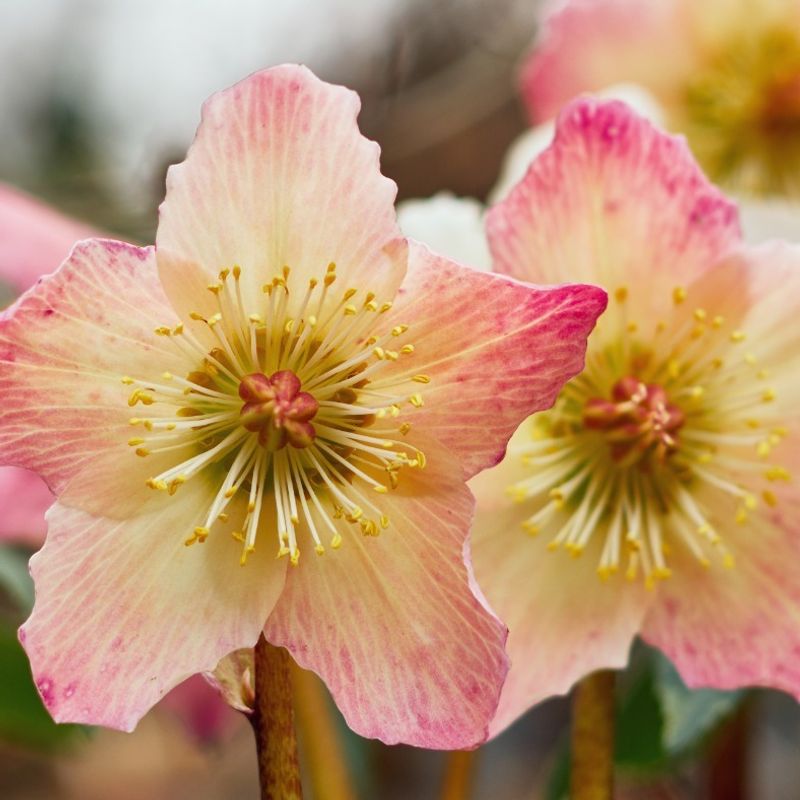
Often called Christmas roses or Lenten roses, hellebores produce elegant blooms in shades of white, pink, burgundy, and green from late winter into spring months.
Their nodding flowers have a delicate appearance that belies their tough nature, standing strong against freezing temperatures and heavy rains that would flatten less hardy varieties.
Evergreen foliage stays attractive throughout the year, providing structure and visual interest even when flowers aren’t present on the plants during warmer seasons ahead.
Hellebores prefer shady spots under trees or along north-facing walls, making them perfect for those challenging areas where sun-loving plants simply refuse to cooperate.
Once established, these perennials return faithfully each year with minimal intervention, slowly forming larger clumps that produce more blooms as time passes by.
Deer and rabbits generally avoid hellebores, which is a major bonus for Oregon gardeners dealing with persistent wildlife visitors who munch on other precious plantings.
Their long-lasting flowers can stay beautiful for weeks, giving you extended enjoyment from a single plant that keeps performing reliably through unpredictable weather patterns.
3. Snowdrops
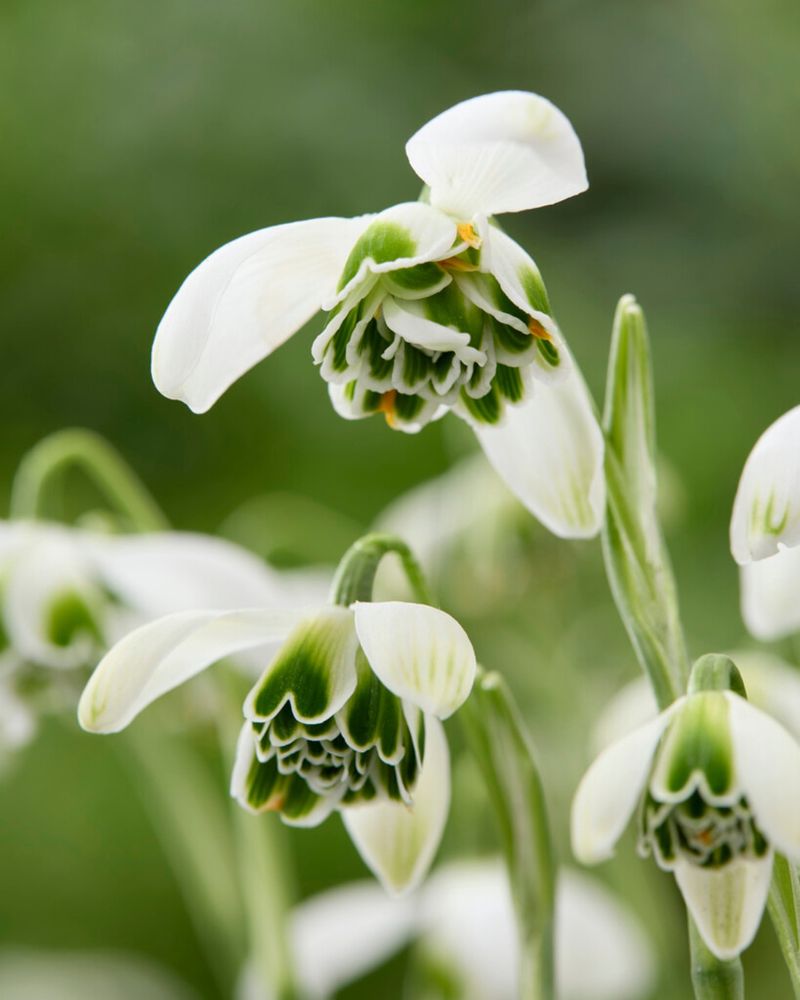
Tiny white bells with distinctive green markings push through cold soil as early as January, signaling that spring is approaching despite lingering winter chill.
Snowdrops are among the first bulbs to bloom each year, bringing hope and beauty when gardens still look dormant and lifeless from months of cold.
Their small stature makes them perfect for planting in drifts under deciduous trees or along pathways where you’ll notice their early arrival most clearly.
These little charmers naturalize easily, meaning they’ll spread and multiply over time without any help from you, creating ever-larger displays each passing season.
Oregon’s moist winter conditions suit snowdrops perfectly, as they prefer cool temperatures and adequate moisture during their active growing period before summer dormancy begins.
Plant bulbs in fall for winter blooms, spacing them close together for maximum impact when their delicate flowers emerge from dark earth below.
Snowdrops pair beautifully with other early bloomers like crocuses and winter aconites, creating layered interest that extends the flowering season in your garden beds.
Their cheerful presence reminds us that nature’s cycles continue regardless of weather, offering encouragement to gardeners waiting patiently for warmer days ahead soon.
4. Witch Hazel
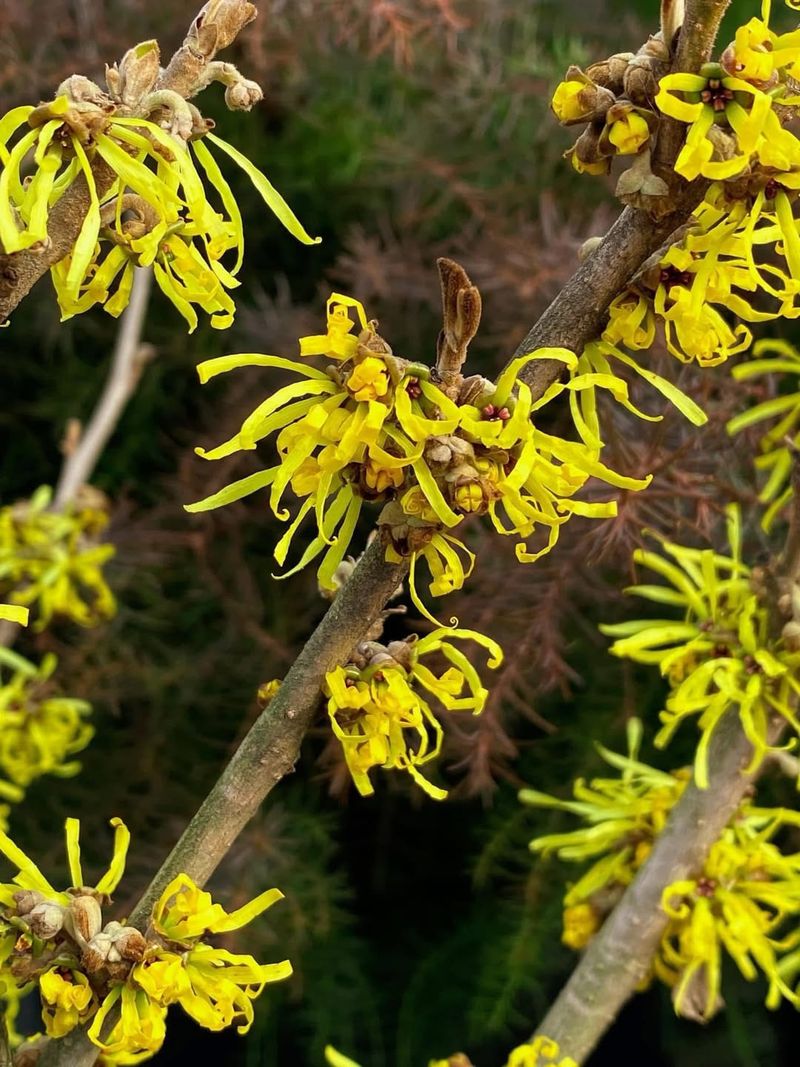
Fragrant, spidery blooms in shades of yellow, orange, or red appear on bare branches from January through March, creating an unexpected spectacle during dreary months.
Witch hazel’s unusual flowers have ribbon-like petals that seem to explode from woody stems, giving the plant an almost magical appearance that captivates garden visitors.
The sweet scent carries on cool air, making this shrub a sensory delight that appeals to more than just your eyes during winter walks.
This deciduous shrub tolerates Oregon’s variable winter weather beautifully, with flowers that can withstand frost and even snow without sustaining serious damage to blooms.
Witch hazel grows slowly but steadily, eventually reaching heights of ten to fifteen feet, making it suitable for use as a specimen plant or privacy screen.
Fall foliage provides bonus interest with brilliant yellow, orange, or red leaves before they drop, giving you two seasons of outstanding color from one plant.
Different varieties bloom at different times, so you can extend the flowering period by planting multiple types throughout your landscape for continuous winter interest.
Oregon gardeners love witch hazel for its low-maintenance nature and reliable performance year after year without demanding special attention or complicated care routines whatsoever.
5. Winter Pansies
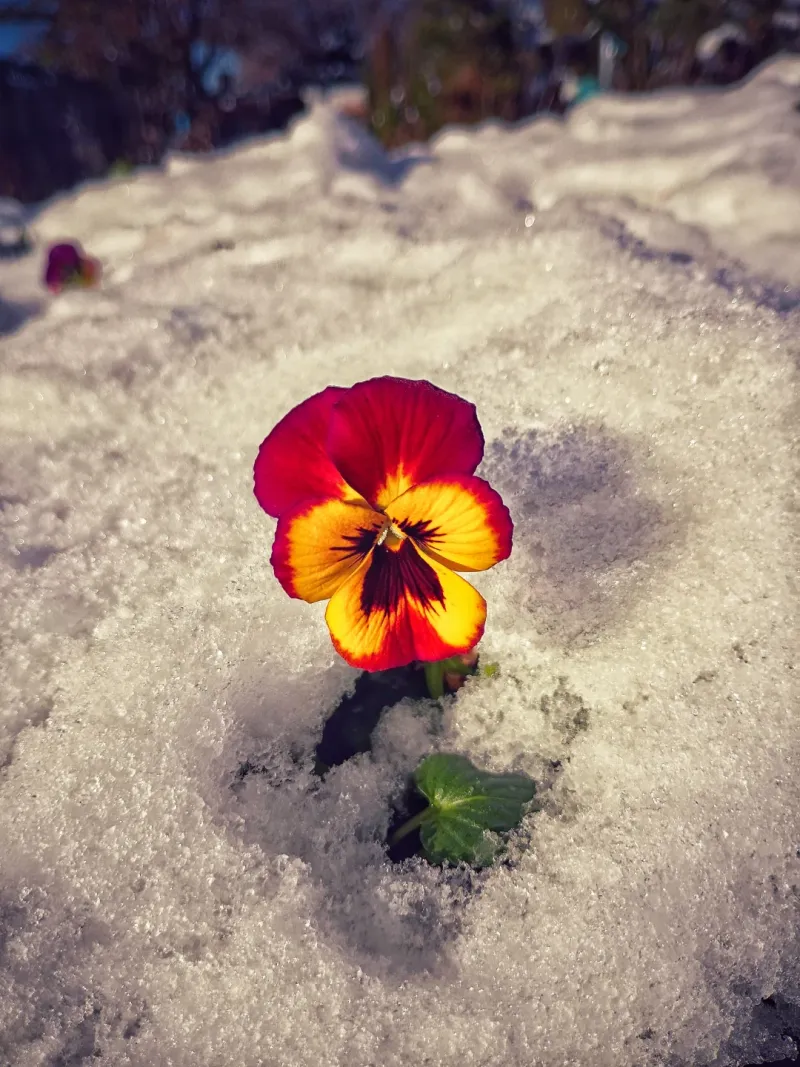
Cheerful faces in purple, yellow, white, and orange brighten containers and beds throughout winter, providing constant color when most annuals have long since faded away.
Unlike their summer cousins, winter pansies are specially bred to tolerate cold temperatures and keep blooming through frosts that would damage more tender flowering plants.
Their compact size makes them perfect for pots near doorways, where you’ll see their happy blooms every time you come and go daily.
Oregon’s mild winters are ideal for these hardy annuals, which actually prefer cool weather over hot summer heat that causes them to decline quickly.
Deadheading spent flowers encourages continuous blooming, though even without this maintenance, winter pansies will keep producing new buds throughout the cold season ahead.
They pair wonderfully with evergreen foliage plants in mixed containers, creating arrangements that stay attractive from fall planting through early spring without needing replacements.
Regular watering during dry spells keeps pansies looking their best, though Oregon’s typical winter rain usually provides adequate moisture without additional help from gardeners.
These versatile bloomers work equally well in formal bedding schemes or casual cottage garden settings, adapting to whatever style suits your landscape preferences perfectly.
6. Camellias
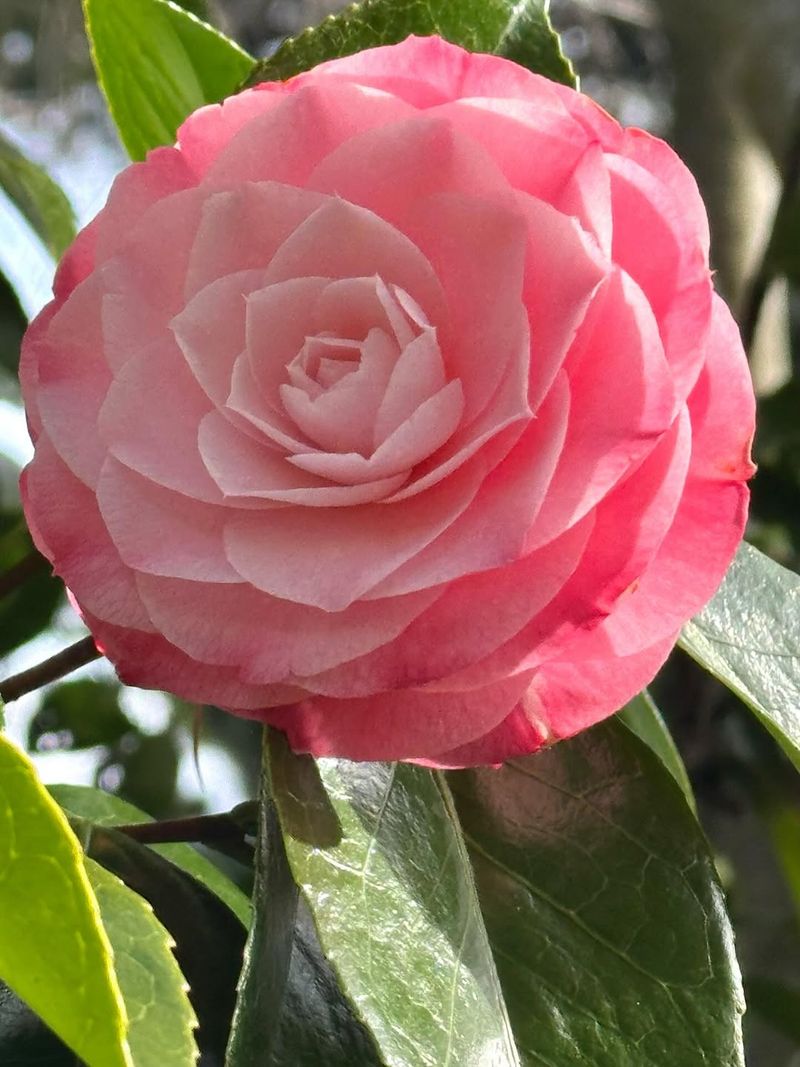
Glossy evergreen leaves provide year-round structure, while stunning blooms in pink, red, or white appear from November through March depending on the variety chosen.
Camellias are classic Pacific Northwest plants that thrive in Oregon’s mild, moist winters, producing rose-like flowers that seem almost too perfect to be real.
Their formal beauty adds elegance to any garden, making them favorites for foundation plantings and shady borders where other flowering shrubs might struggle.
These acid-loving shrubs prefer the same conditions as rhododendrons and azaleas, making them natural companions in woodland garden settings throughout the region.
Mulching around the base helps retain moisture and keeps roots cool, which camellias appreciate during both summer heat and winter cold snaps.
Different varieties offer single, semi-double, or fully double flowers, giving you options to match your aesthetic preferences and garden design goals perfectly.
Camellias grow slowly but can eventually reach significant size, so give them adequate space when planting to avoid crowding issues years down the road.
Oregon gardeners treasure these shrubs for their reliable winter blooms that appear when little else is flowering, bringing sophisticated beauty to dreary months ahead consistently.
7. Winter Heather
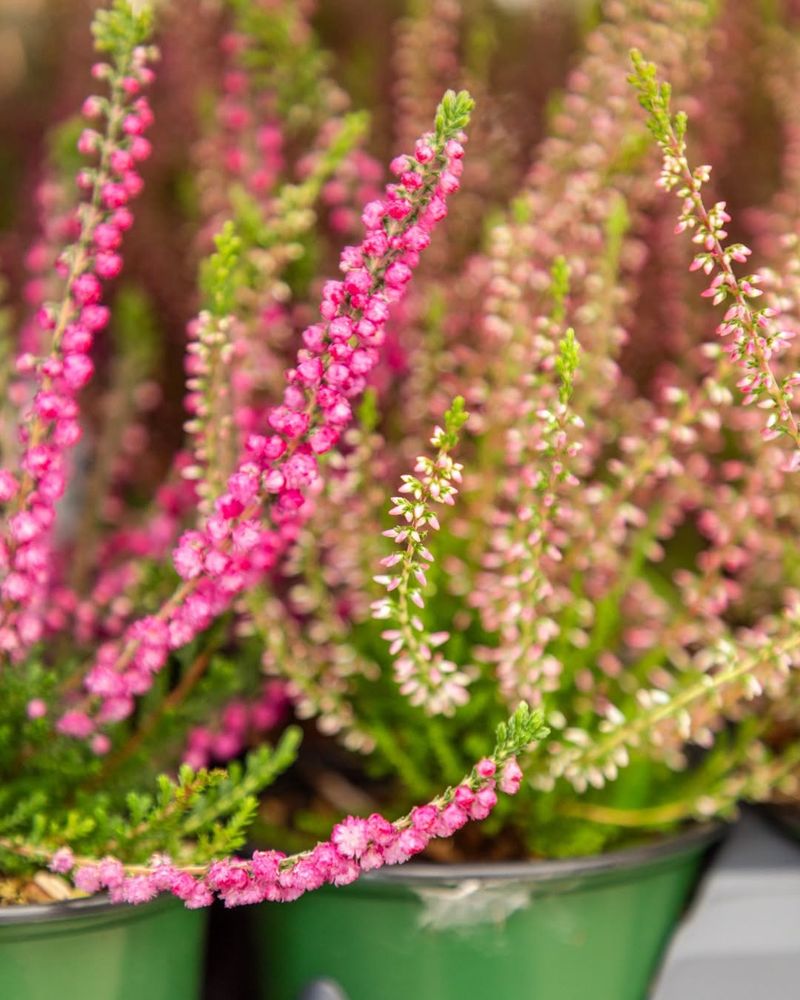
Low mounds of evergreen foliage become covered with tiny pink, purple, or white flowers from December through April, creating carpets of color in winter gardens.
Winter heather tolerates Oregon’s wet conditions better than many ground covers, making it an excellent choice for slopes and areas with drainage challenges.
Its fine-textured foliage provides visual interest even when flowers aren’t present, with some varieties offering colorful foliage that changes with the seasons beautifully.
Bees and other pollinators appreciate heather’s winter blooms, which provide crucial nectar sources when few other flowers are available for hungry insects.
This tough little plant handles exposed locations and windy conditions without complaint, making it suitable for difficult sites where more delicate plants would struggle.
Heather prefers acidic soil and good drainage, though it adapts to various conditions once established in the garden bed or landscape area.
Combining different heather varieties extends the blooming season and creates tapestries of color that change throughout winter and into spring months ahead gradually.
Regular trimming after flowering keeps plants compact and encourages bushier growth, though heather remains attractive even without meticulous pruning efforts.
Oregon landscapes benefit from heather’s evergreen presence and winter flowers that brighten cold months when cheerful color is most needed and appreciated greatly.
8. Cyclamen
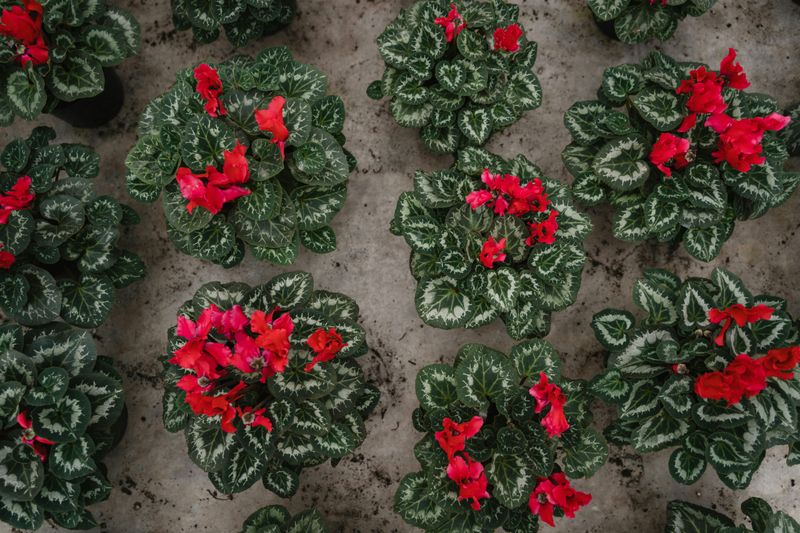
Swept-back petals in shades of pink, magenta, or white hover above marbled foliage like tiny butterflies resting in the garden during cold months.
Hardy cyclamen species bloom from fall through winter, bringing delicate beauty to shaded areas under trees and shrubs where few other plants flower reliably.
Their distinctive flowers and patterned leaves create two-season interest, making cyclamen valuable for adding detail to woodland gardens and shady borders.
These tuberous perennials prefer well-drained soil rich in organic matter, conditions easily achieved in Oregon gardens with a bit of compost mixed in.
Cyclamen naturalize over time, forming larger colonies that produce more flowers each season without requiring division or special intervention.
The tubers sit near the soil surface, so avoid planting too deeply or covering them with heavy mulch that could cause rot issues.
Oregon’s cool, moist winters suit hardy cyclamen perfectly, allowing them to thrive where their tender florist cousins would struggle outside.
Pairing cyclamen with ferns and other shade-lovers creates attractive combinations that look intentional rather than accidental, elevating garden design effortlessly.
9. Winter Aconite
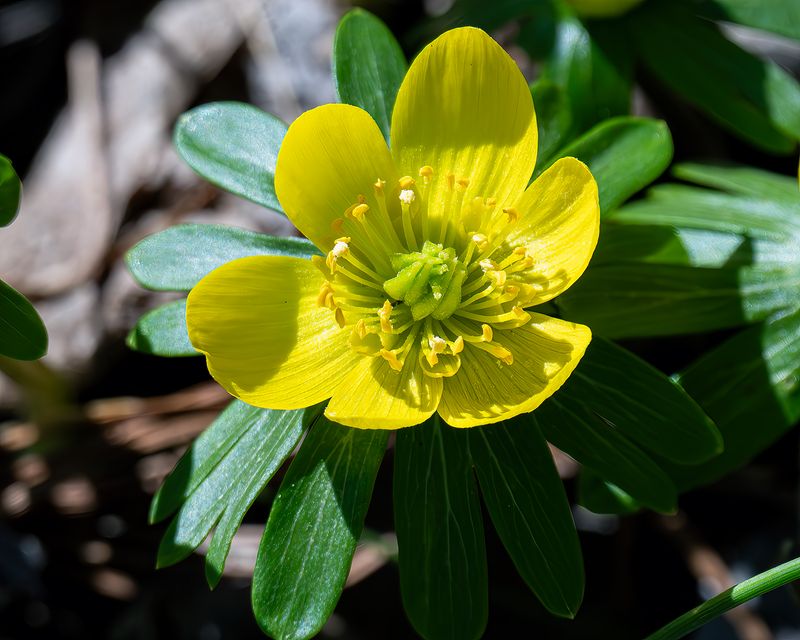
Brilliant golden flowers with ruffled green collars emerge as early as February, often pushing through late snow or frost to announce winter’s approaching end.
Winter aconite’s cheerful yellow blooms carpet the ground beneath deciduous trees, creating sunny patches that lift spirits after months of gray weather.
These small bulbs naturalize readily, spreading into larger drifts that become more impressive with each passing year without any help.
Plant tubers in fall after soaking them overnight to improve germination rates, as dried tubers can be stubborn about sprouting.
Winter aconite prefers moist soil during its growing season but tolerates summer dryness after foliage withers away.
The flowers open during sunny days and close at night or during rainy weather, protecting their pollen from moisture damage efficiently.
Combining winter aconite with snowdrops creates a beautiful early bulb display that extends the flowering period and visual interest.
These tiny treasures deserve spots near pathways or windows where you’ll notice their early arrival and cheerful contribution.
Oregon gardeners value winter aconite for its reliability and ability to brighten even the coldest, grayest days.
10. Primroses
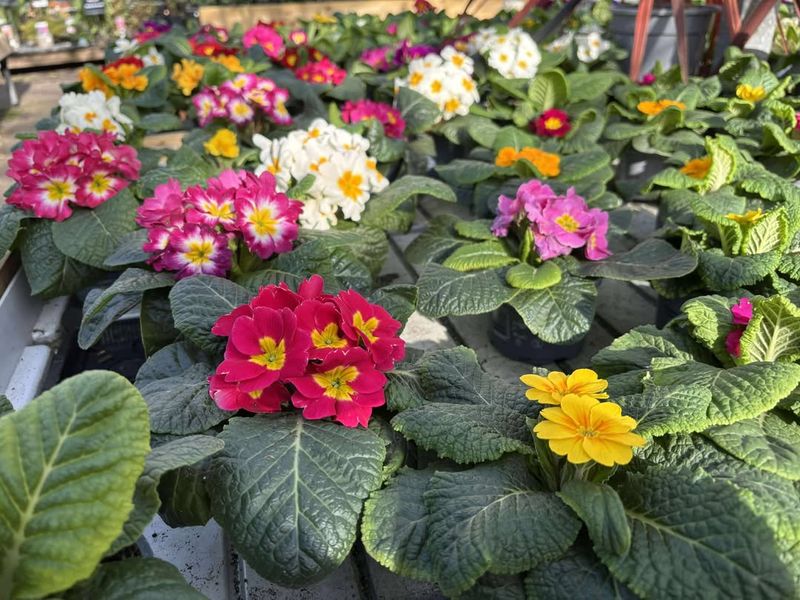
Clusters of vibrant blooms in nearly every color imaginable appear from late winter through spring, bringing rainbow brightness to borders and containers.
Primroses thrive in Oregon’s cool, moist conditions, producing abundant flowers that keep coming for weeks when cared for properly.
Their low-growing habit makes them perfect for edging paths or filling front-of-border spaces where taller plants would block views.
These charming perennials prefer partial shade and consistent moisture, conditions common in many Oregon gardens during winter and spring.
Dividing clumps every few years keeps primroses vigorous and flowering abundantly, though they perform well even without frequent maintenance.
Primroses pair beautifully with spring bulbs and other early bloomers, creating layered displays that evolve as the season progresses.
Slugs and snails can be problematic in wet gardens, so consider organic barriers or baits to protect blooms.
Despite this minor challenge, primroses remain beloved for their cheerful colors and reliable winter performance.
Oregon gardeners return to primroses year after year for their dependable beauty and adaptability.
11. Violas
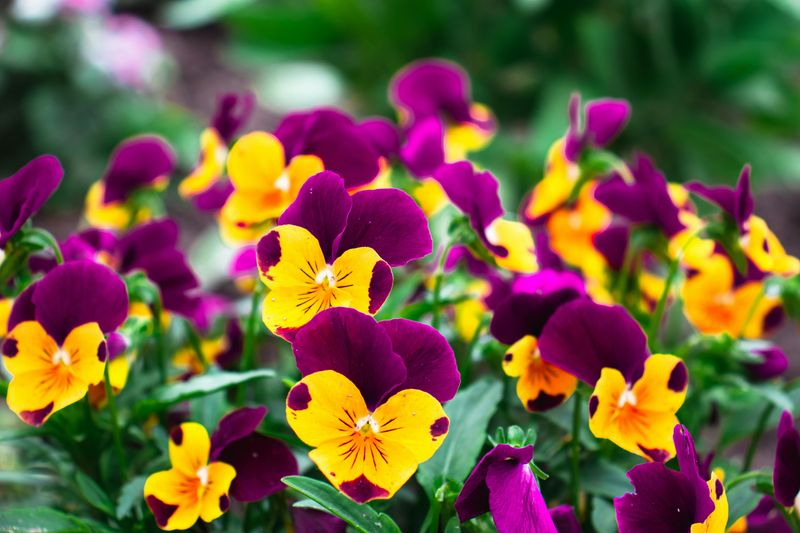
Smaller cousins of pansies, violas produce abundant tiny flowers that cover plants in waves of color throughout winter and into spring months reliably.
Their compact size and prolific blooming make violas perfect for containers, window boxes, and tight spaces where larger plants would overwhelm the available area.
Violas handle Oregon’s wet winters beautifully, bouncing back from heavy rains that might flatten more delicate annuals without any permanent damage whatsoever.
These hardy little bloomers come in solid colors and bicolors, offering endless possibilities for creating color schemes that match your personal preferences perfectly.
Violas actually prefer cool weather over summer heat, making them ideal for Oregon’s climate where winters are mild and summers are moderate.
They self-seed readily if allowed, creating charming surprises in unexpected garden spots the following year without any deliberate planting efforts from you.
Regular deadheading encourages continuous blooming, though violas will keep producing flowers even without this attention from busy gardeners with limited time available.
Combining violas with spring bulbs creates beautiful partnerships where flowers emerge at different heights, adding depth and dimension to seasonal displays throughout beds.
Oregon gardeners appreciate violas for their cheerful nature and ability to provide color during months when most plants are resting quietly underground.
12. Mahonia
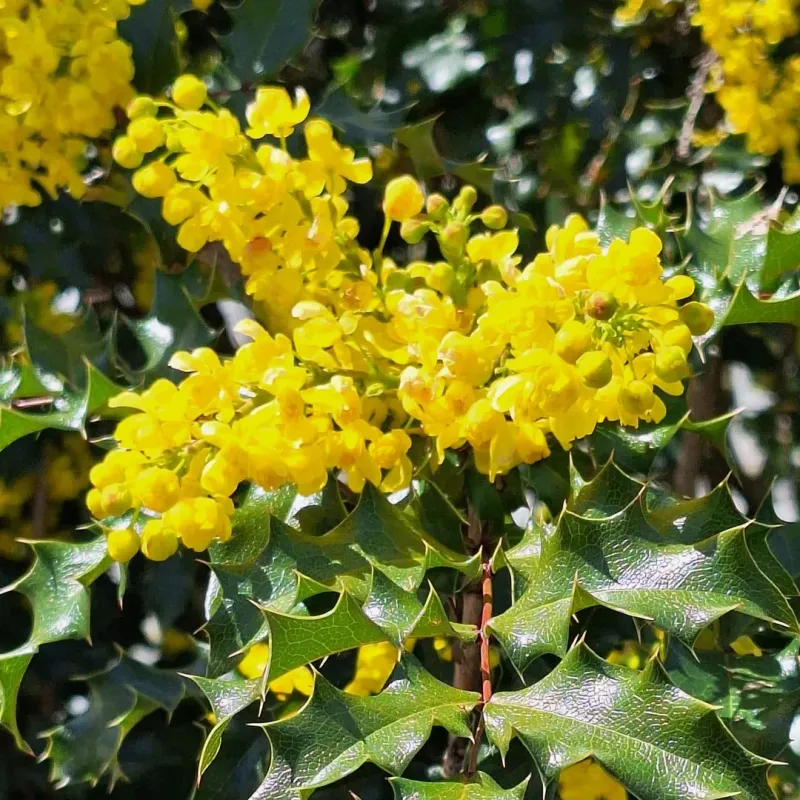
Spiky evergreen foliage provides year-round interest, while fragrant yellow flower clusters appear in winter, followed by blue berries that birds adore in spring.
Mahonia’s architectural form makes it valuable as a specimen plant or hedge, offering structure and texture that enhances garden design beyond just seasonal blooms.
The holly-like leaves deter browsing animals, making mahonia an excellent choice for gardens where deer and rabbits pose persistent problems for other plantings.
This Pacific Northwest native thrives in Oregon’s climate, requiring minimal care once established in the landscape or garden bed successfully and permanently.
Mahonia tolerates shade better than many flowering shrubs, making it useful for those challenging spots under trees where little else will bloom reliably.
The bright yellow flowers emit a sweet fragrance that carries on winter air, providing sensory pleasure that extends beyond the visual beauty alone.
Different species bloom at different times from late fall through early spring, so you can select varieties that fit your desired flowering schedule.
Mahonia’s blue berries attract wildlife, adding ecological value to your garden while providing food for birds during lean winter months ahead.
Oregon gardeners treasure mahonia for its tough nature and ability to thrive with neglect, making it perfect for low-maintenance landscapes that still offer interest.
13. Daphne
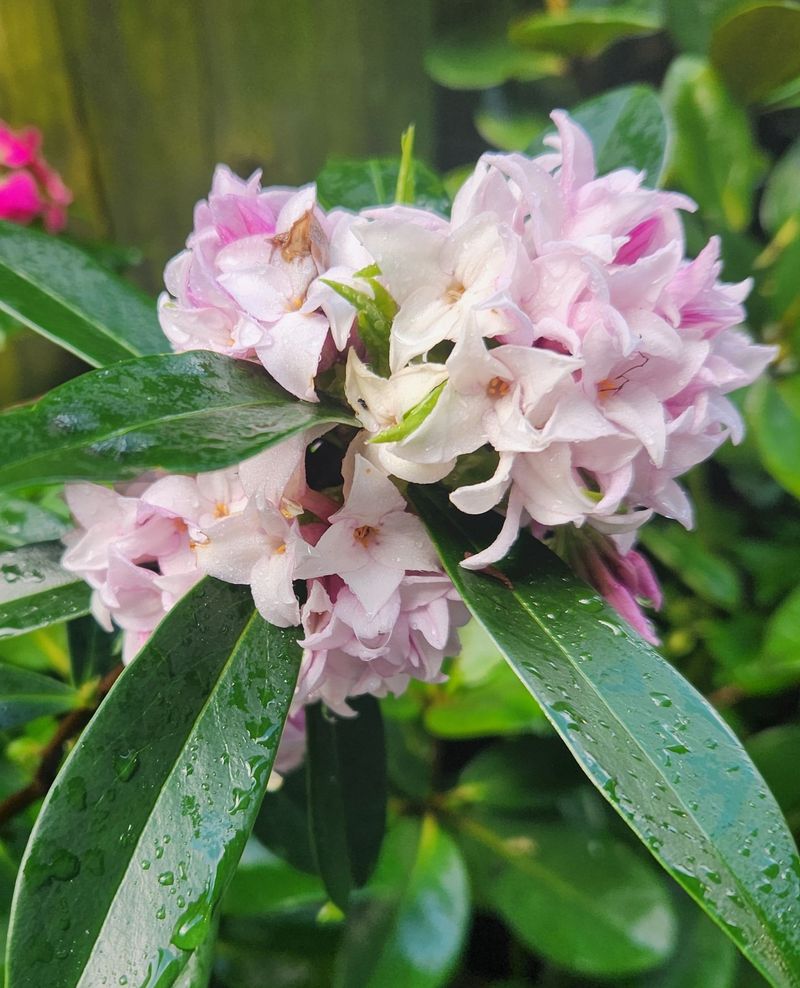
Intensely fragrant flowers in pink or white appear on evergreen shrubs from late winter into spring, perfuming entire gardens with their sweet scent.
Daphne’s compact size makes it suitable for small gardens and foundation plantings where space is limited but impact is desired greatly.
The glossy foliage stays attractive year-round, providing structure and greenery even when flowers aren’t present on the plant during other seasons.
Oregon’s mild winters suit daphne perfectly, allowing it to bloom reliably without suffering frost damage that would ruin flowers in harsher climates elsewhere.
These shrubs prefer well-drained soil and don’t tolerate soggy conditions, so plant them in raised beds or amended soil if drainage is questionable.
Daphne has a reputation for being finicky, but once established in the right location, it thrives with minimal intervention from gardeners.
Position daphne near pathways or outdoor living areas where you’ll enjoy its incredible fragrance regularly throughout the blooming period in late winter.
The flowers may be small, but their perfume is mighty, capable of scenting large areas and drawing admirers from across the garden.
Oregon gardeners who successfully grow daphne treasure it for its winter blooms and intoxicating scent that signals spring is approaching despite lingering cold weather patterns.
14. Crocus
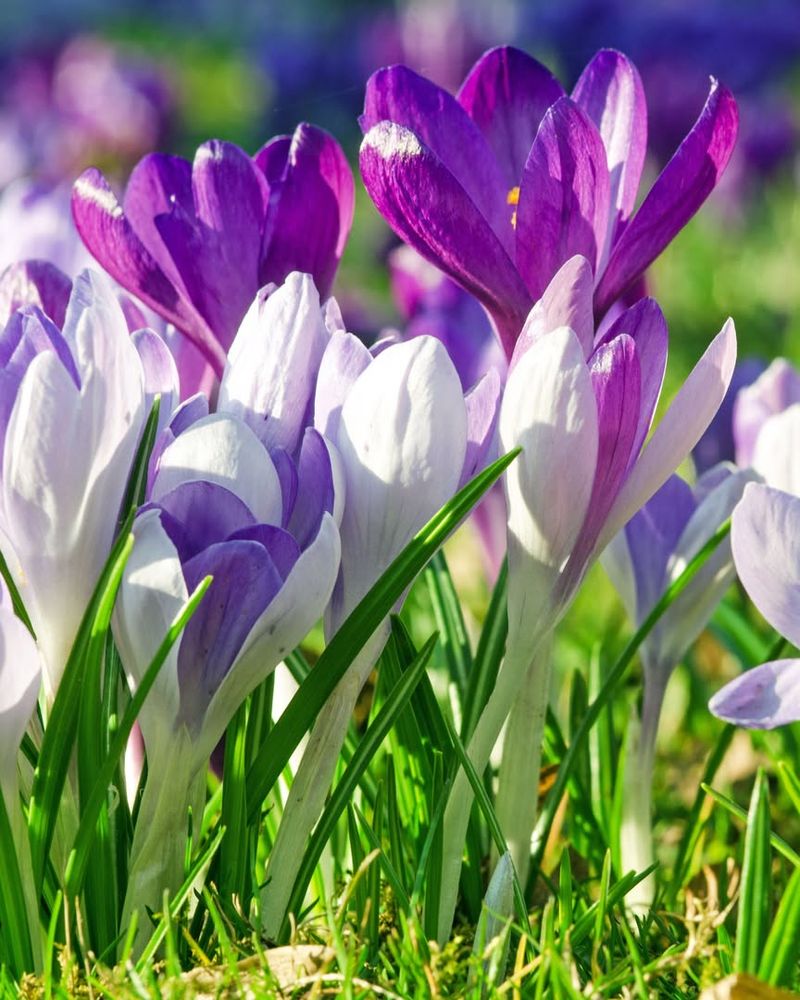
Cup-shaped blooms in purple, yellow, white, or striped patterns push through lawns and garden beds from late winter into early spring months reliably.
Crocus bulbs are among the earliest to flower, bringing cheerful color when gardens are just beginning to wake from winter dormancy and slumber.
Their small size allows them to be planted in large drifts for maximum impact, creating carpets of color that announce spring’s arrival clearly.
These hardy little bulbs naturalize easily, multiplying over time to create ever-larger displays that improve with each passing year without additional planting required.
Oregon’s cool spring temperatures allow crocus flowers to last longer than they would in warmer climates, extending your enjoyment of their bright blooms.
Crocuses work beautifully planted in lawns, where they’ll bloom and finish before grass needs its first mowing of the season ahead.
Squirrels sometimes dig up newly planted crocus bulbs, so consider using wire mesh or planting them extra deep to discourage this frustrating behavior.
Early-blooming crocuses provide crucial food sources for bees emerging from winter dormancy, making them valuable for supporting pollinator populations in gardens.
Oregon gardeners love crocuses for their reliability and ability to bring spring color weeks before most other plants begin their growing season.