Winter Flowers That Stay Bright When Most California Gardens Go Quiet
Even when cooler weather arrives, California gardeners aren’t limited to bare beds and dormant plants.
A wide range of winter flowers thrive in the state’s mild seasonal climate, offering color when the rest of the garden slows down.
These blooms brighten walkways, patios, borders, and containers with vibrant yellows, purples, pinks, and whites that last from late fall through early spring.
Winter flowers in California are tough, cheerful, and reliable—many handle rain, shade, or cool nights with ease.
Gardeners who plant them enjoy months of steady color long after summer annuals fade.
Winter doesn’t have to mean a dull landscape; with the right plants, it can become one of the most colorful seasons of the year.
Violas (Viola Cornuta)
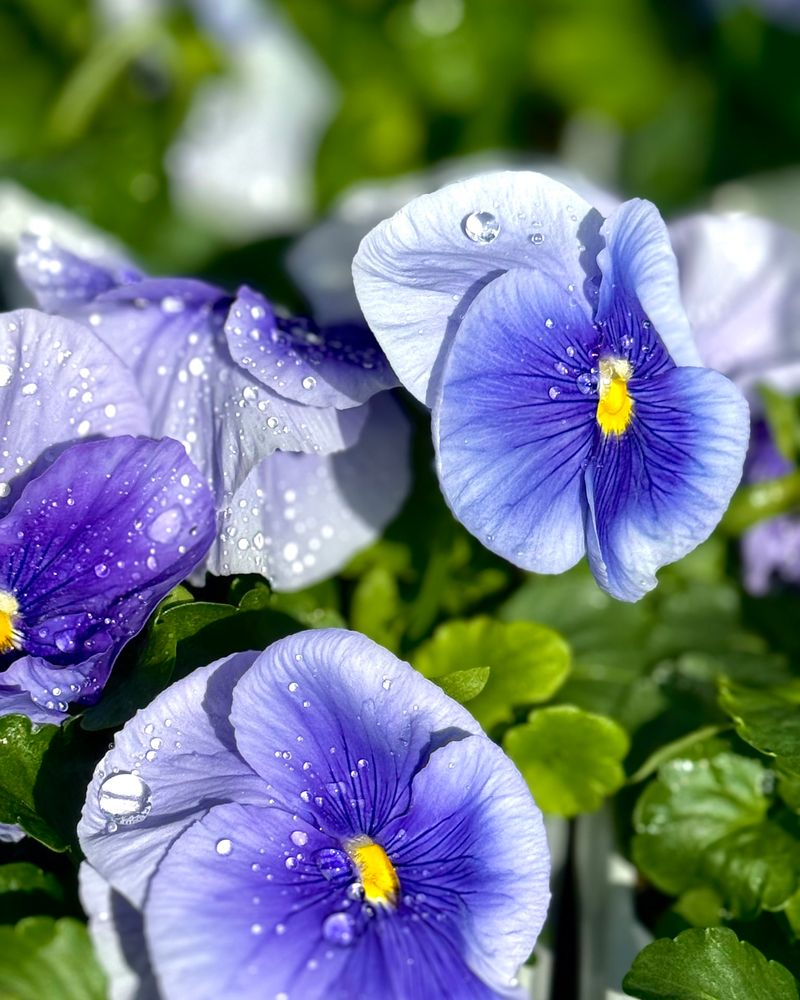
Nothing says cheerful quite like a patch of violas nodding in the winter breeze.
Their small, delicate faces come in every color you can imagine, from deep purples to sunny yellows and soft pastels.
Violas are incredibly tough for such dainty-looking flowers, handling frost and cool rain without missing a beat.
Plant them in fall, and they’ll reward you with nonstop blooms straight through winter and into early spring.
They prefer full sun to partial shade and aren’t picky about soil as long as it drains well.
Watering needs are moderate, so check the soil and water when the top inch feels dry.
Violas work beautifully in containers, window boxes, or tucked along garden edges where you can admire them up close.
Deadheading spent blooms encourages even more flowers, though they’ll keep going even if you forget.
Their compact size makes them perfect for layering with taller plants or filling gaps in your winter landscape.
If you’re looking for reliable color that doesn’t demand much fuss, violas are hard to beat.
They’re also edible, so toss a few blooms into salads for a fun, colorful surprise.
Pansies (Viola × Wittrockiana)
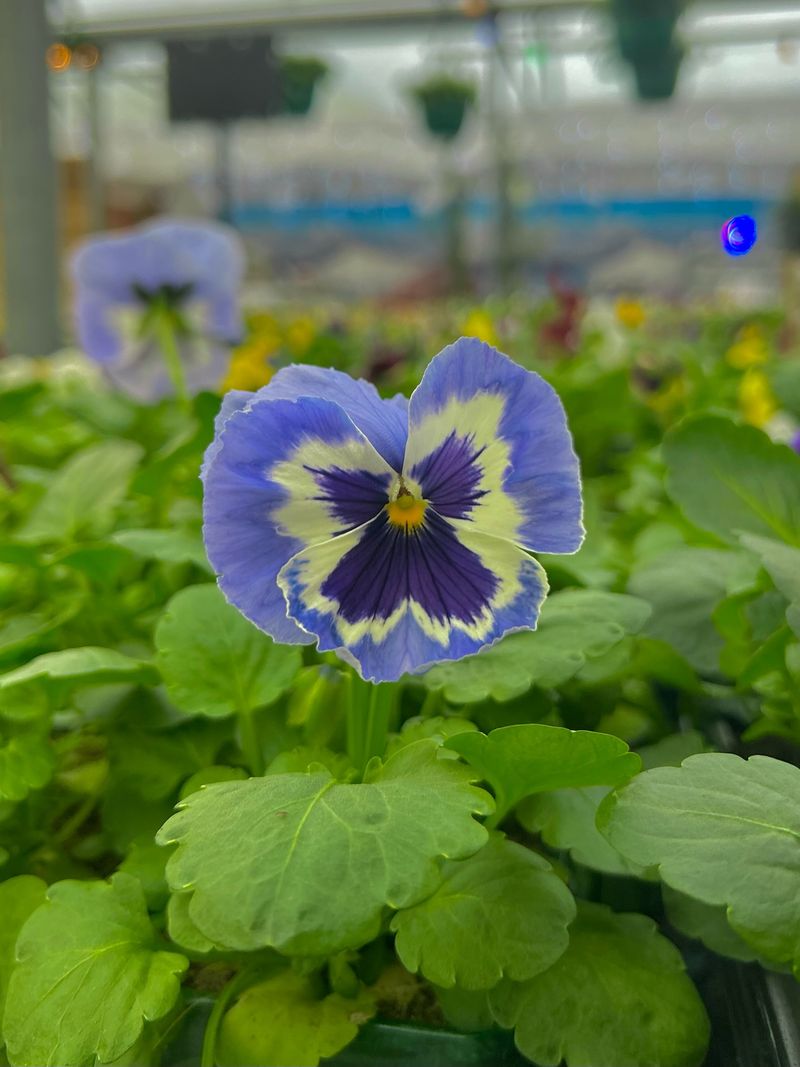
Pansies have been garden favorites for generations, and one look at their bold, happy faces explains why.
Each bloom seems to have its own personality, with markings that look almost hand-painted.
Cold weather brings out the best in pansies, making their colors deeper and more vibrant than summer could ever manage.
They’re surprisingly hardy, shrugging off chilly nights and even light frosts that would flatten less resilient flowers.
Full sun is ideal, but they’ll tolerate some afternoon shade, especially in warmer inland areas.
Keep the soil moist but not soggy, and feed them lightly every few weeks to keep blooms coming strong.
Pansies look stunning massed together in beds, where their variety of colors creates a living quilt.
They also shine in pots and hanging baskets, spilling over edges with cheerful abandon.
Remove faded flowers regularly to encourage fresh buds and prevent the plant from putting energy into seed production.
Their bloom period stretches from late fall through early spring, giving you months of dependable color.
Whether you choose single colors or mix them up, pansies never fail to lift spirits on gray winter days.
Cyclamen (Cyclamen Persicum)
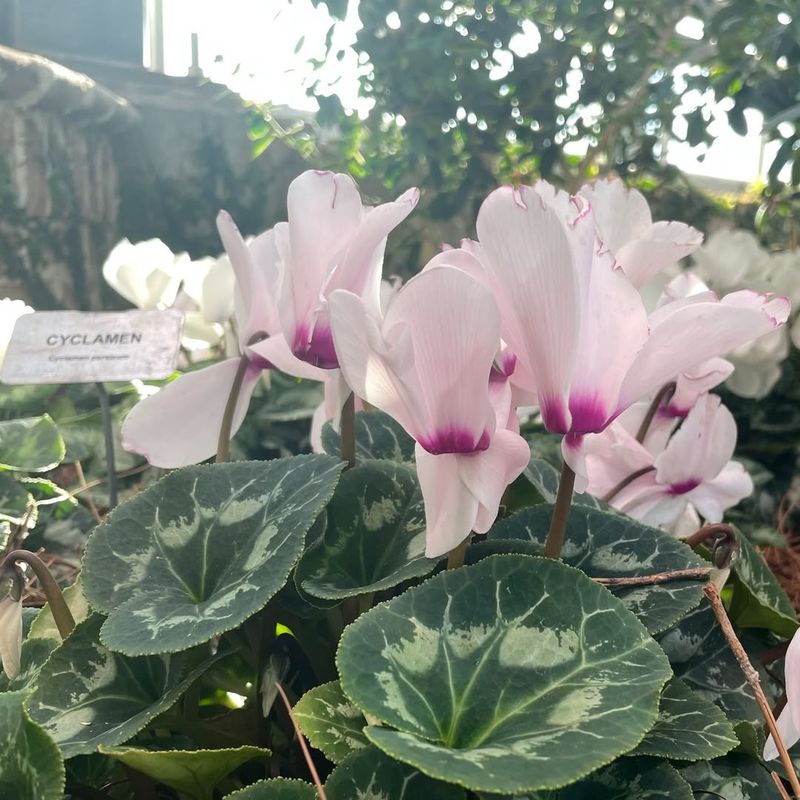
Cyclamen brings an almost magical quality to shaded winter gardens with its butterfly-like blooms that seem to hover above marbled foliage.
The flowers come in shades of pink, red, white, and purple, each petal swept upward in an elegant curve.
These plants actually prefer California’s mild winters and will bloom continuously when conditions suit them.
Shade to partial shade works best, making cyclamen perfect for spots under trees or along north-facing walls.
They’re particular about watering—aim for consistently moist soil, but never let them sit in standing water.
Water at the base of the plant rather than from above to keep the crown dry and prevent rot.
The patterned leaves are decorative even when flowers take a brief rest, adding interest throughout the season.
Cyclamen works beautifully in containers where you can control soil conditions and move them if needed.
They also naturalize nicely in woodland-style gardens, creating drifts of color beneath larger plants.
Temperatures between 40 and 65 degrees Fahrenheit are ideal, which describes California winters perfectly.
With their refined appearance and reliable performance, cyclamen adds sophistication to any winter planting scheme.
Calendula (Calendula Officinalis)
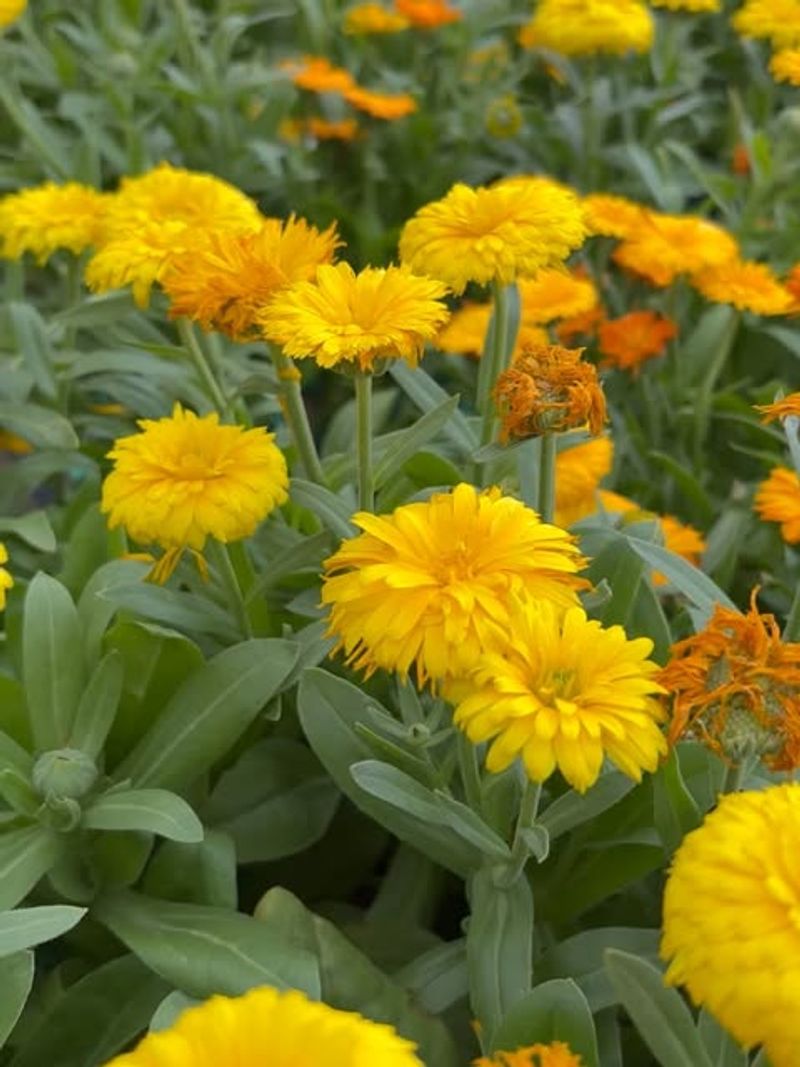
Calendula might just be the hardest-working flower in your winter garden, blooming abundantly while asking for almost nothing in return.
Its cheerful daisy-like flowers in shades of orange, gold, and yellow seem to glow even on overcast days.
Both coastal and inland California gardeners can count on calendula to perform beautifully throughout the cool season.
Plant seeds directly in the garden in fall, and you’ll have blooms within weeks that continue for months.
Full sun brings out the best flowering, though they’ll manage in partial shade with slightly fewer blooms.
Calendula tolerates a wide range of soils and doesn’t need much fertilizer, making it perfect for low-maintenance gardens.
The flowers are edible with a slightly peppery taste, adding color to winter salads and soups.
They also make excellent cut flowers, lasting well in vases and brightening indoor spaces.
Deadheading encourages more blooms, but even without it, calendula keeps producing.
They self-sow readily, so you may find volunteers popping up in future years—a welcome surprise.
Calendula also attracts beneficial insects and pollinators, supporting your garden’s ecosystem during the quieter months.
Snapdragons (Antirrhinum Majus)
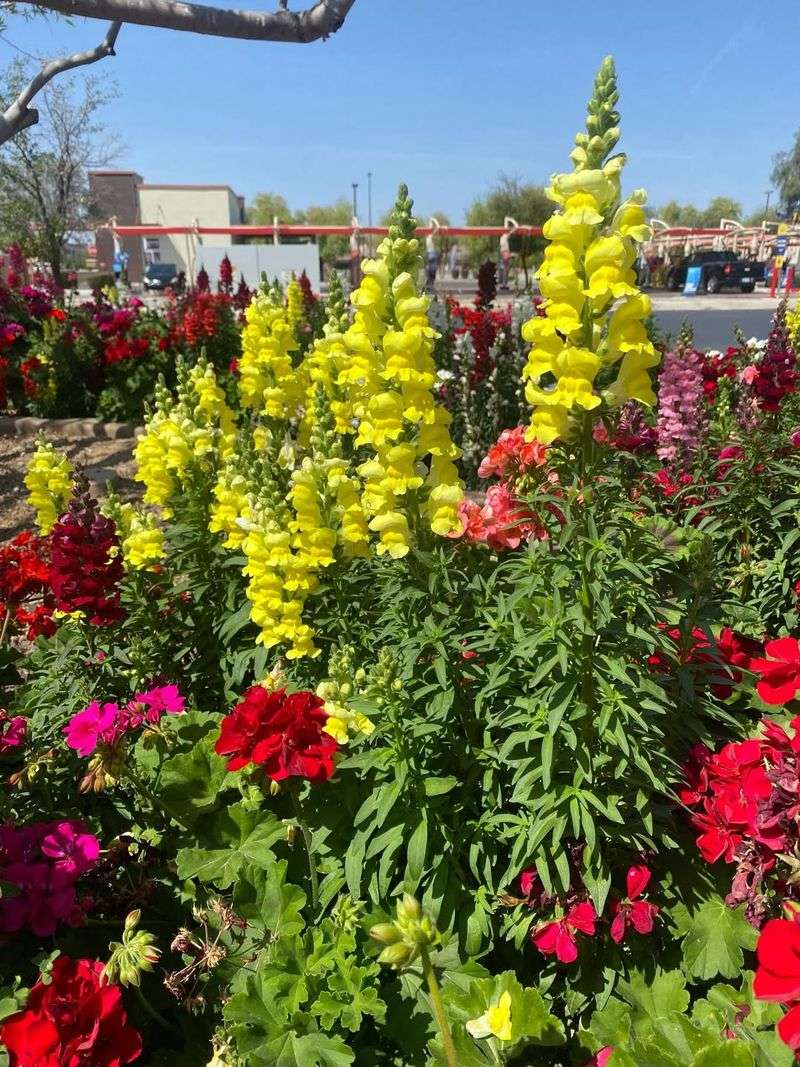
Snapdragons stand tall and proud when winter arrives, offering vertical interest that many other cool-season flowers can’t match.
Their unique dragon-mouth blooms stack up along sturdy stems in almost every color imaginable.
Kids love squeezing the sides of the flowers to make the dragon’s mouth open and close—a charming interactive feature.
Cool weather is when snapdragons truly shine, producing their strongest stems and most vibrant colors before summer heat arrives.
They prefer full sun and well-draining soil enriched with a bit of compost at planting time.
Taller varieties may need staking in windy areas, but dwarf types stay compact and sturdy on their own.
Regular watering keeps them blooming, though they’ll tolerate brief dry spells once established.
Snip off spent flower spikes to encourage side shoots and extend the blooming period well into spring.
Snapdragons make spectacular cut flowers, lasting up to two weeks in arrangements.
Plant them in groups for maximum impact, or use taller varieties as backdrop plants in mixed borders.
Their old-fashioned charm and reliable performance make snapdragons a winter garden essential that never goes out of style.
Primroses (Primula Spp.)
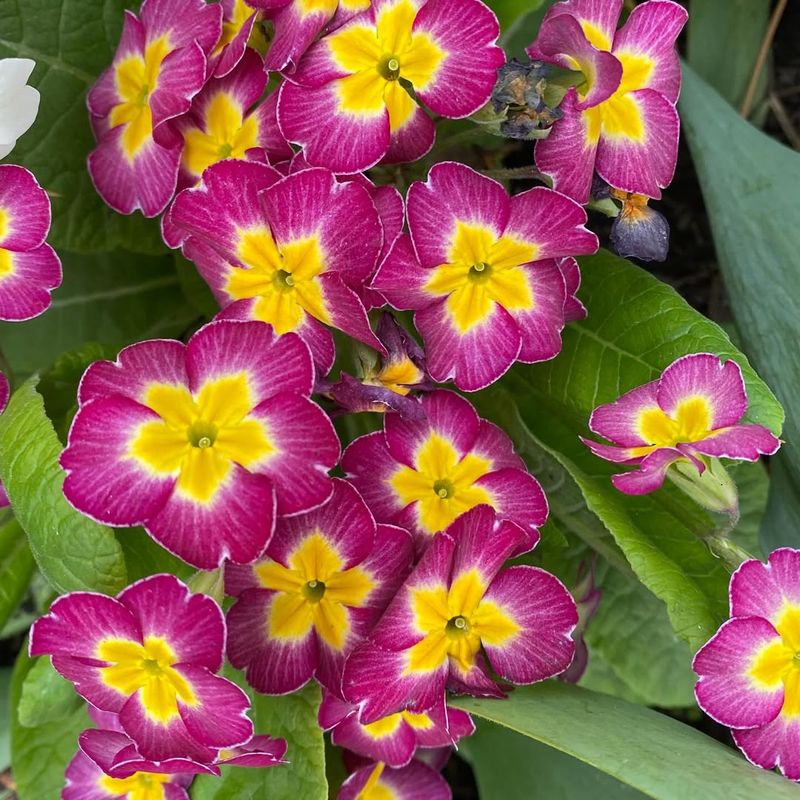
Primroses light up shady spots with clusters of jewel-toned blooms that seem almost too vibrant to be real.
Their rosettes of crinkled leaves stay low to the ground while flower stems rise above, creating perfect little bouquets.
Shade-loving plants that bloom in winter are precious, and primroses fill that niche beautifully in California gardens.
They thrive in damp, cool conditions that would make many other flowers sulk and refuse to perform.
Plant them under deciduous trees, along shaded pathways, or in containers on north-facing patios.
Consistent moisture is key—primroses dislike drying out, so check them regularly during dry spells.
Enrich the soil with organic matter to help retain moisture and provide the nutrients they prefer.
Their compact size makes them ideal for edging beds or tucking into small spaces where you need a pop of color.
Primroses come in an astounding range of colors, from soft pastels to deep, saturated hues.
Some varieties even have a light, sweet fragrance that adds another sensory dimension to winter gardens.
They pair beautifully with ferns, hostas, and other shade lovers, creating layered plantings with different textures and heights.
Sweet Alyssum (Lobularia Maritima)
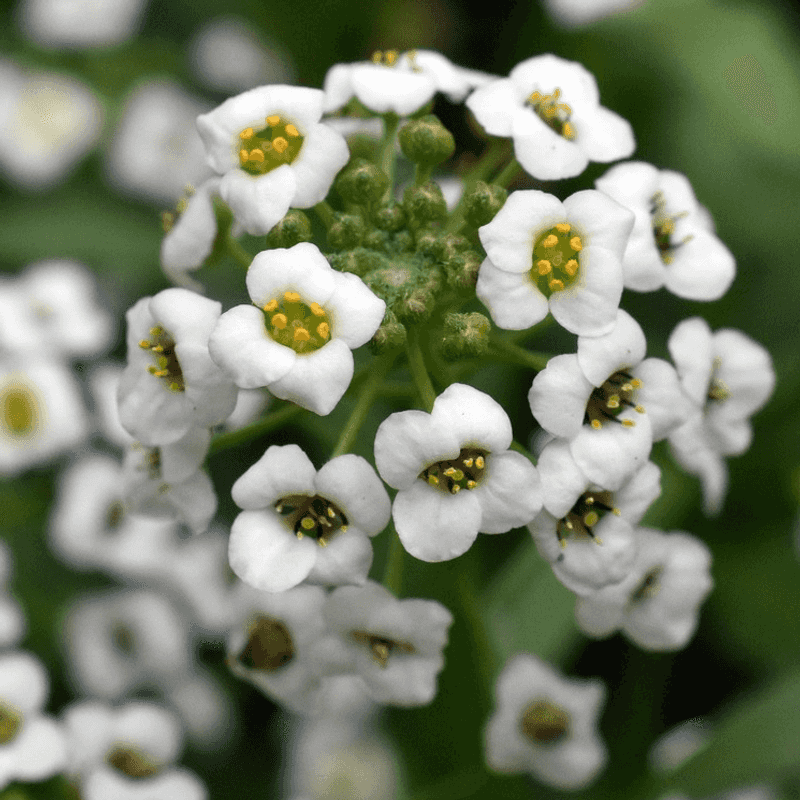
Sweet alyssum might be small in stature, but its impact on winter gardens is anything but modest.
Tiny flowers cluster so densely they look like colorful clouds hovering just above the ground.
The honey-sweet fragrance is one of winter’s unexpected pleasures, strongest on warm afternoons when the sun coaxes out the scent.
Coastal and mild inland areas of California provide perfect conditions for alyssum to bloom continuously through winter.
It thrives in full sun to partial shade and isn’t fussy about soil as long as drainage is decent.
Alyssum self-sows enthusiastically, filling cracks in pathways and softening hard edges with its billowy growth.
Use it as a living mulch under taller plants, where it suppresses weeds while adding beauty.
It spills gracefully over container edges, making it perfect for mixed plantings with more upright flowers.
White is the classic color, but purple, pink, and apricot varieties offer different looks.
Alyssum tolerates light frosts and bounces back quickly even after cold snaps.
It attracts beneficial insects and pollinators, including tiny native bees that appreciate its accessible nectar.
For effortless beauty and delightful fragrance, few winter flowers match sweet alyssum’s charm.
Hellebores (Helleborus Spp.)
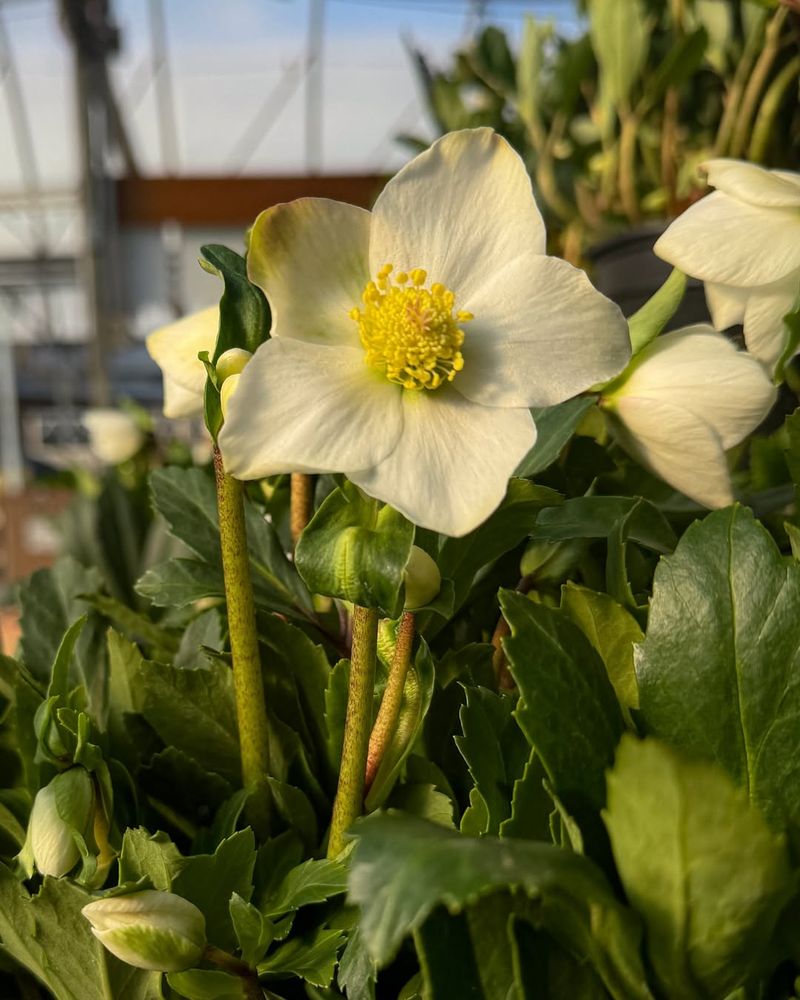
Hellebores earn their reputation as winter garden royalty with elegant, long-lasting blooms that appear when most plants are still sleeping.
Sometimes called Lenten rose, these perennials produce flowers that nod gracefully on sturdy stems above evergreen foliage.
Colors range from pure white through pink, purple, green, and nearly black, often with intricate spotting or picotee edges.
Shaded California gardens provide ideal conditions for hellebores, which dislike hot afternoon sun.
Once established, they’re remarkably drought-tolerant, though they bloom better with occasional deep watering.
The flowers last for months, gradually fading but remaining attractive even as they age and set seed.
Hellebores are deer-resistant and ignored by most pests, making them valuable in gardens where wildlife browsing is an issue.
Their evergreen leaves provide year-round structure, with blooms as a seasonal bonus.
Plant them where you can view them from above or at eye level, since the flowers naturally face downward.
They spread slowly into impressive clumps over time, becoming more beautiful with age.
Pair hellebores with ferns, cyclamen, and primroses for a sophisticated shade garden that peaks in winter.
Their refined beauty and minimal care requirements make them investment plants worth adding to any garden.
Winter Jasmine (Jasminum Nudiflorum)
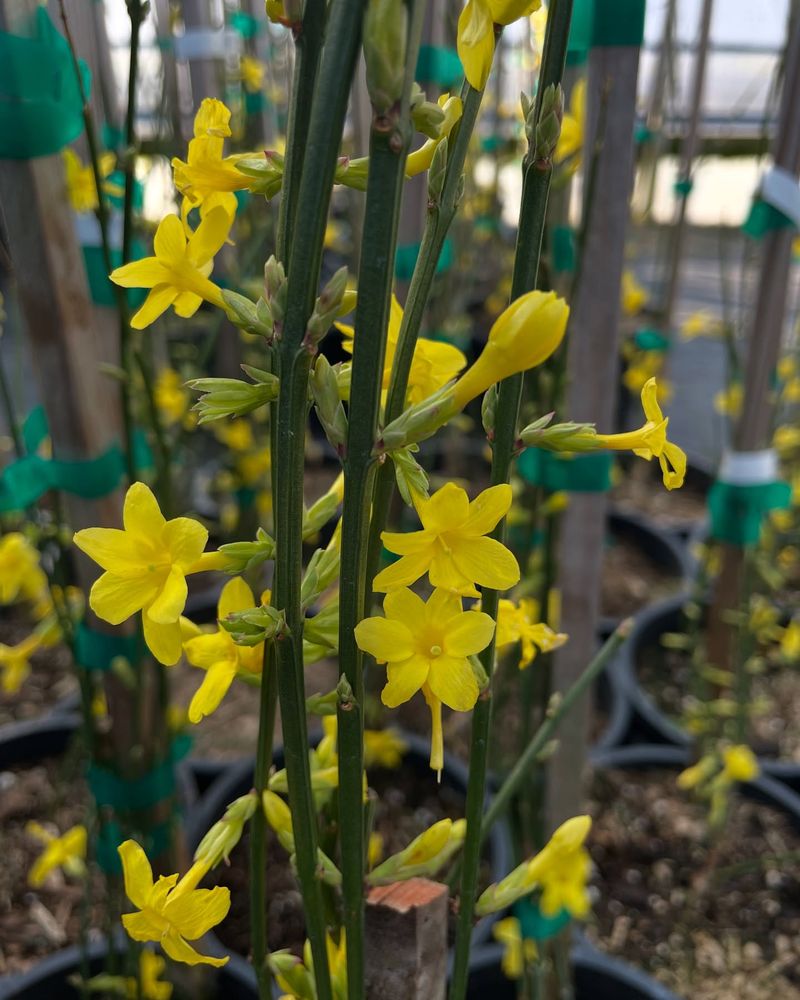
Winter jasmine defies the season with an explosion of sunny yellow flowers on arching green stems that need no leaves to steal the show.
The bare branches become completely covered in bright blooms, creating a fountain of color that’s visible from across the garden.
Despite its name, this jasmine doesn’t have fragrance, but its cheerful appearance more than compensates.
Cold weather actually triggers blooming, so the chillier it gets, the better this plant performs.
It grows as a sprawling shrub or can be trained on supports to cascade over walls and fences.
Full sun to partial shade works well, with more sun generally producing more abundant flowering.
Winter jasmine isn’t picky about soil and tolerates drought once established, though occasional watering improves bloom quality.
The flexible stems root where they touch the ground, making it easy to propagate or fill in larger areas.
Prune after flowering finishes to control size and shape without sacrificing next year’s blooms.
This plant works beautifully on slopes where its cascading habit prevents erosion while adding beauty.
Pair it with evergreen shrubs that provide contrasting foliage texture while the jasmine steals the spotlight in winter.
For low-maintenance color that arrives precisely when you need it most, winter jasmine delivers reliably year after year.
Camellias (Camellia Japonica And Camellia Sasanqua)
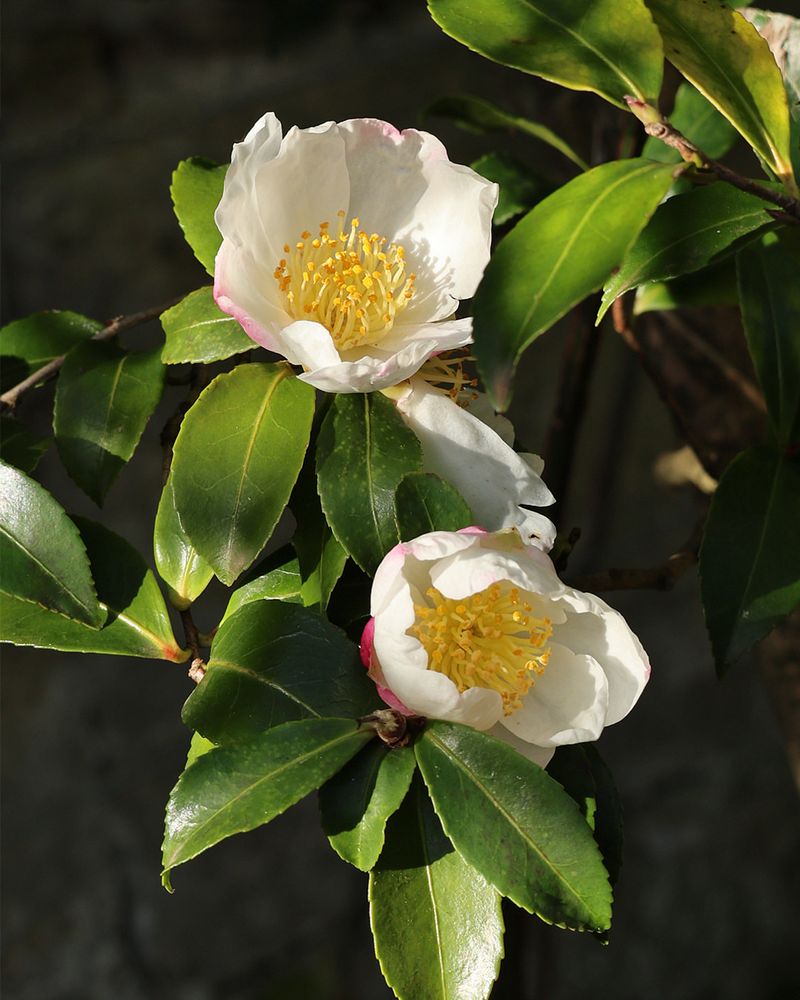
Camellias are the undisputed queens of California winter gardens, producing extravagant blooms that rival roses in beauty and form.
Their glossy evergreen foliage provides year-round structure, but winter is when they truly command attention.
Sasanqua camellias typically bloom earlier in fall and winter, while japonicas peak from winter into early spring.
Flowers range from simple singles to elaborate doubles in shades of white, pink, red, and variegated combinations.
Partial shade protects blooms from weather damage and prevents the glossy leaves from scorching in strong sun.
Camellias prefer acidic soil, so amend with peat moss or sulfur if your soil tends toward alkaline.
Regular watering during bloom time keeps flowers looking their best and prevents bud drop.
Mulch around the base to maintain soil moisture and moderate temperature fluctuations that might stress the plant.
They make excellent specimen plants, hedges, or container subjects for patios and entryways.
Some varieties grow quite large over time, so choose your planting location with mature size in mind.
Camellias have been cultivated for centuries, and California’s climate suits them perfectly.
Their long bloom period, stunning flowers, and elegant presence make camellias essential anchors in any winter garden design.