8 Winter Garden Tasks That Make A Big Difference By Spring In Georgia
Georgia gardens don’t fully rest in winter, even when growth slows and beds look quiet on the surface.
What happens during these cooler months often shapes how quickly plants wake up and perform once spring arrives.
A few well-timed winter tasks can quietly set the stage for healthier growth and stronger results when warm weather returns.
1. Prune Dormant Trees and Shrubs
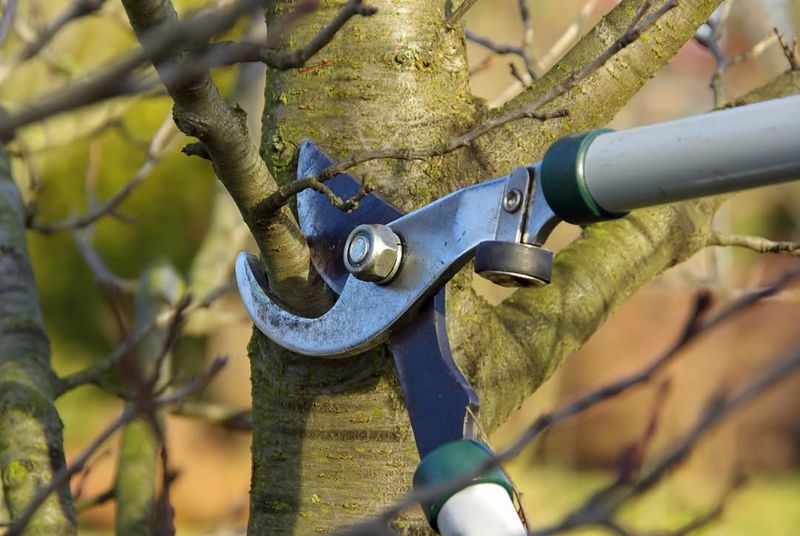
Cold months provide the perfect window for trimming back trees and shrubs that have entered their dormant phase across Georgia landscapes.
Without leaves blocking your view, you can easily spot dead branches, crossed limbs, and areas needing attention for better structure and health.
Pruning during dormancy reduces stress on plants because they are not actively growing or producing flowers at this time of year.
Fruit trees especially benefit from winter pruning, which encourages stronger spring growth and improves air circulation throughout the canopy for healthier harvests.
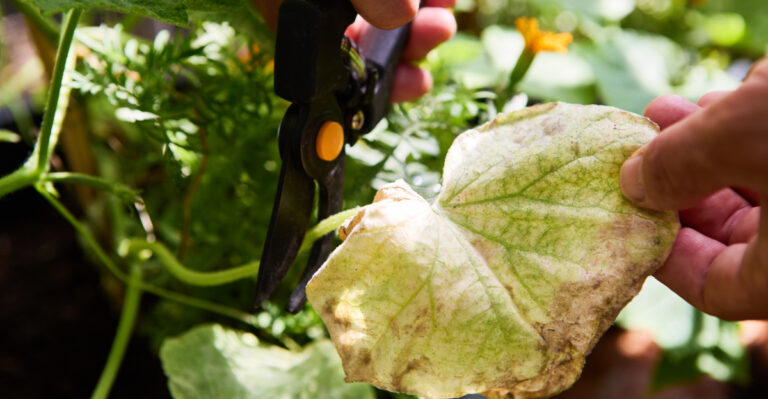
Sharp, clean tools make all the difference when cutting branches, so sanitize your pruners between cuts to prevent spreading diseases among plants.
Remove any branches rubbing against each other or growing inward toward the center, as these create wounds and limit sunlight penetration deep inside.
Georgia gardeners should complete most pruning by late February before buds begin swelling and new growth starts emerging from warming temperatures statewide.
This simple winter task transforms overgrown, messy plants into well-shaped specimens that burst with vigorous blooms and foliage when spring arrives.
2. Amend Garden Soil with Compost
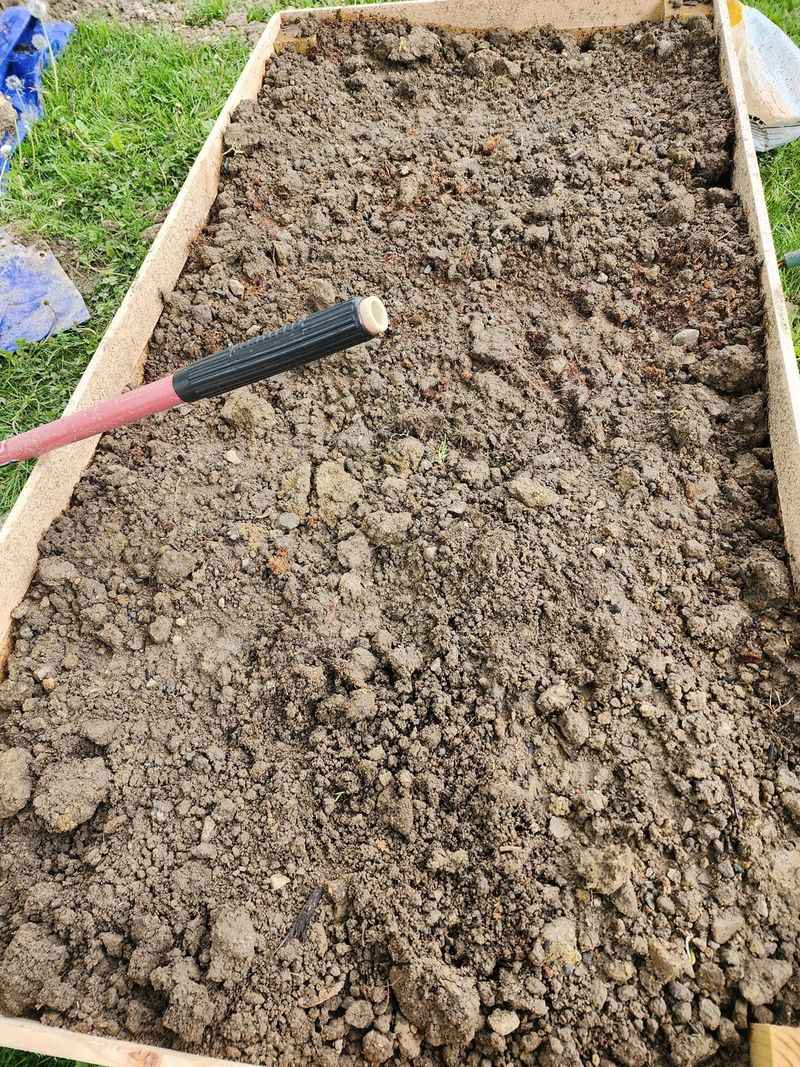
Enriching your garden beds with organic compost during winter gives soil time to absorb nutrients before spring planting begins in Georgia gardens.
Spread a generous layer of finished compost or aged manure over vegetable beds, flower borders, and around perennials for maximum benefit and improvement.
Winter rains and freezing-thawing cycles help break down organic matter, integrating nutrients deep into the soil structure where plant roots access them.
Healthy soil means healthier plants with stronger root systems, better drought tolerance, and increased resistance to pests and diseases throughout the growing season.
Georgia clay soil especially benefits from compost additions, which improve drainage, aeration, and the overall texture that many plants struggle with in heavy ground.
Mix compost into the top few inches of soil or simply layer it on top as mulch, allowing earthworms and microorganisms to work.
Testing your soil pH during winter also helps determine if you need to add lime or sulfur alongside compost for optimal conditions.
By spring, your amended beds will be loose, dark, and crumbly—ready to support vigorous vegetable and flower growth across your Georgia property.
3. Plant Cold-Hardy Vegetables
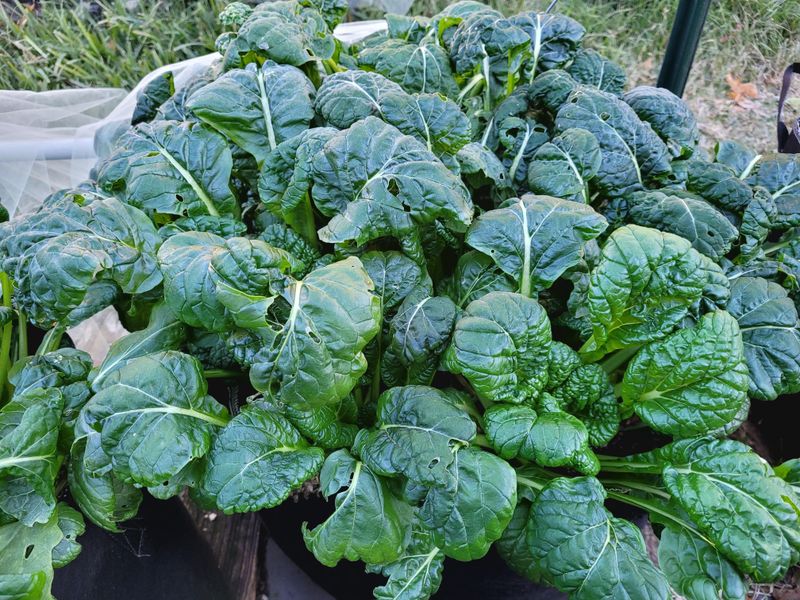
Georgia winters stay mild enough to grow delicious cool-season crops that thrive in chilly temperatures and provide fresh harvests before springtime heat.
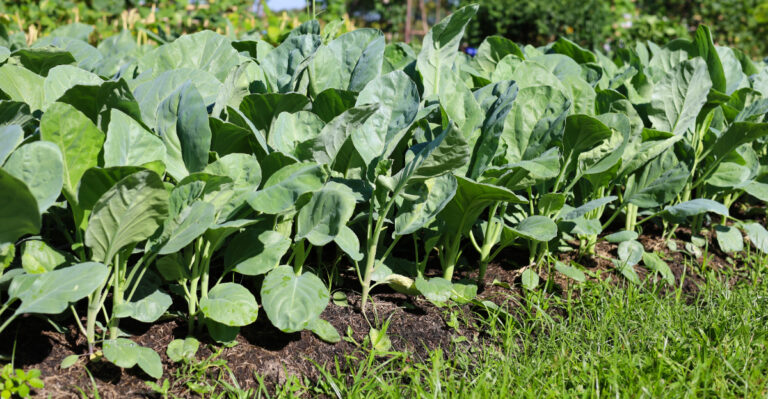
Leafy greens like kale, collards, lettuce, and spinach tolerate frost beautifully and often taste sweeter after experiencing a few cold snaps outdoors.
Root vegetables including carrots, beets, turnips, and radishes also flourish when planted during late fall and early winter months across the state.
Starting these crops now means you will enjoy homegrown salads and side dishes while neighbors wait for traditional spring gardens to mature later.
Prepare planting areas by loosening soil, adding compost, and creating rows or raised beds that drain well during Georgia’s winter rain showers.
Cover young seedlings with row covers or frost blankets during extreme cold snaps to protect tender leaves from occasional hard freezes statewide.
Many winter vegetables require less watering and fewer pest controls than summer crops, making them easier and more rewarding for busy gardeners.
Harvesting fresh produce in February and March feels incredibly satisfying and keeps your Georgia garden productive year-round instead of sitting empty.
4. Mulch Perennial Beds and Borders
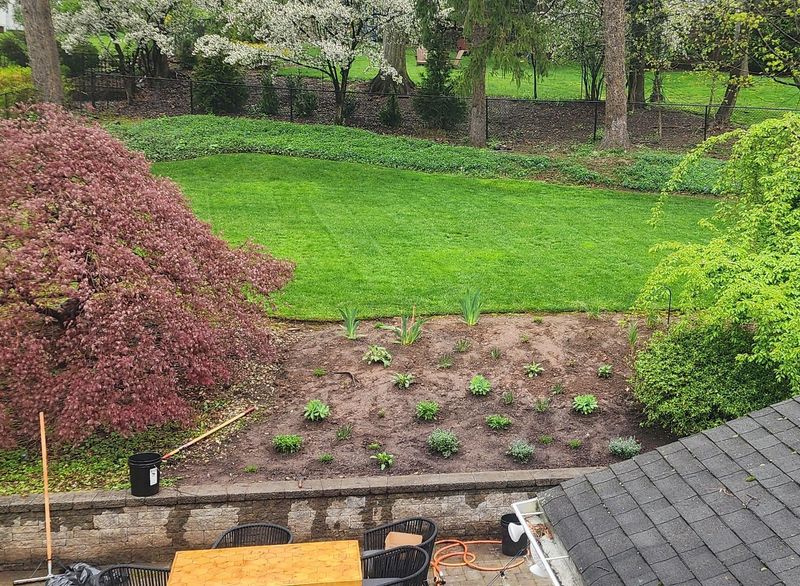
Applying fresh mulch around perennials during winter protects plant roots from temperature fluctuations that can heave them out of Georgia’s freezing ground.
A thick layer of shredded leaves, pine straw, or wood chips insulates soil, keeps moisture consistent, and prevents erosion from heavy rains.
Mulch also suppresses early weed seeds that try to germinate during warm winter days, saving you hours of tedious pulling come springtime.
Wait until after the first hard freeze to apply winter mulch so plants properly enter dormancy without encouraging late-season soft growth.
Spread mulch about three to four inches deep around plants, but keep it pulled back from stems and crowns to prevent rot.
Organic mulches break down slowly over winter, adding valuable nutrients to the soil while protecting roots from harsh temperature swings in Georgia.
Pine straw works particularly well across the state since it’s readily available, affordable, and breaks down at a moderate pace throughout seasons.
Come spring, your mulched perennials will emerge healthier and stronger, with fewer weeds competing for water, nutrients, and sunlight in beds.
5. Control Weeds Before Spring Growth
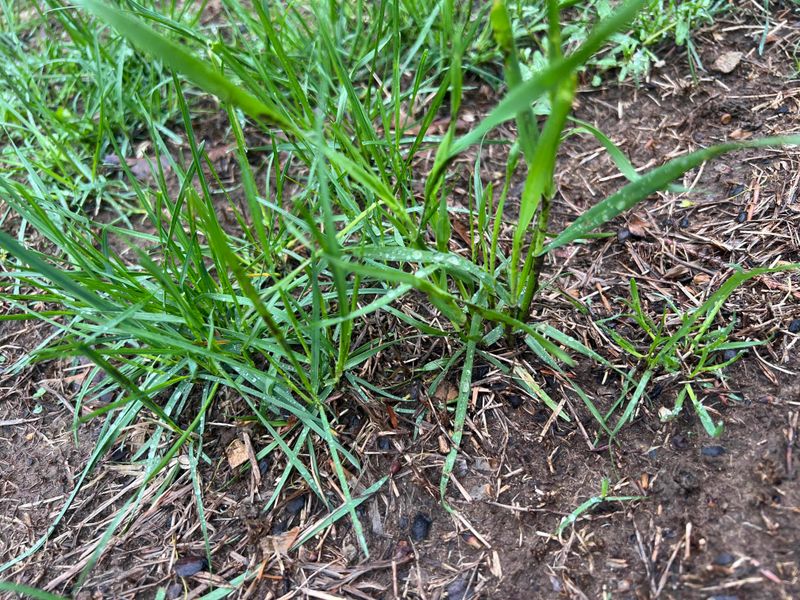
Tackling weeds during winter prevents them from establishing deep roots and producing thousands of seeds that plague your Georgia garden all season.
Cool-season weeds like chickweed, henbit, and deadnettle thrive in winter and spread rapidly if left unchecked across lawns and garden areas.
Hand-pulling weeds is easiest when soil stays moist from winter rains, allowing you to extract entire root systems without excessive effort or tools.
Applying pre-emergent herbicides in late winter stops weed seeds from germinating once temperatures warm up in early spring across the state.
Natural methods like corn gluten meal work well as organic pre-emergents, though they require precise timing and consistent application for best results.
Removing weeds before they flower and set seed dramatically reduces future weed pressure, giving your desirable plants less competition for resources later.
Georgia gardeners who stay on top of winter weeding enjoy cleaner beds, healthier plants, and more time for enjoyable tasks once busy spring arrives.
Even spending just thirty minutes each week pulling visible weeds makes an enormous difference in overall garden appearance and plant health by March.
6. Service and Sharpen Garden Tools

Winter offers gardeners downtime to clean, sharpen, and repair tools so everything works perfectly when the busy spring planting season arrives in Georgia.
Remove dried soil and plant debris from shovels, hoes, rakes, and trowels, then scrub metal surfaces with a wire brush and soapy water.
Sharpen cutting tools like pruners, loppers, and shears using a file or sharpening stone, which makes cleaner cuts that heal faster on plants.
Apply a light coat of oil to metal surfaces after cleaning to prevent rust from forming during storage in humid Georgia conditions throughout winter.
Inspect wooden handles for splinters or cracks, then sand rough spots smooth and treat wood with linseed oil to prevent further deterioration over time.
Replace worn parts like pruner springs or blade bolts now rather than discovering broken equipment mid-task when you desperately need it functioning properly.
Organized, well-maintained tools make gardening more efficient and enjoyable, plus quality equipment lasts decades when properly cared for each year.
Georgia gardeners who invest winter time in tool maintenance start spring ready to work effectively without frustrating delays or equipment failures slowing progress.
7. Plan and Order Spring Seeds
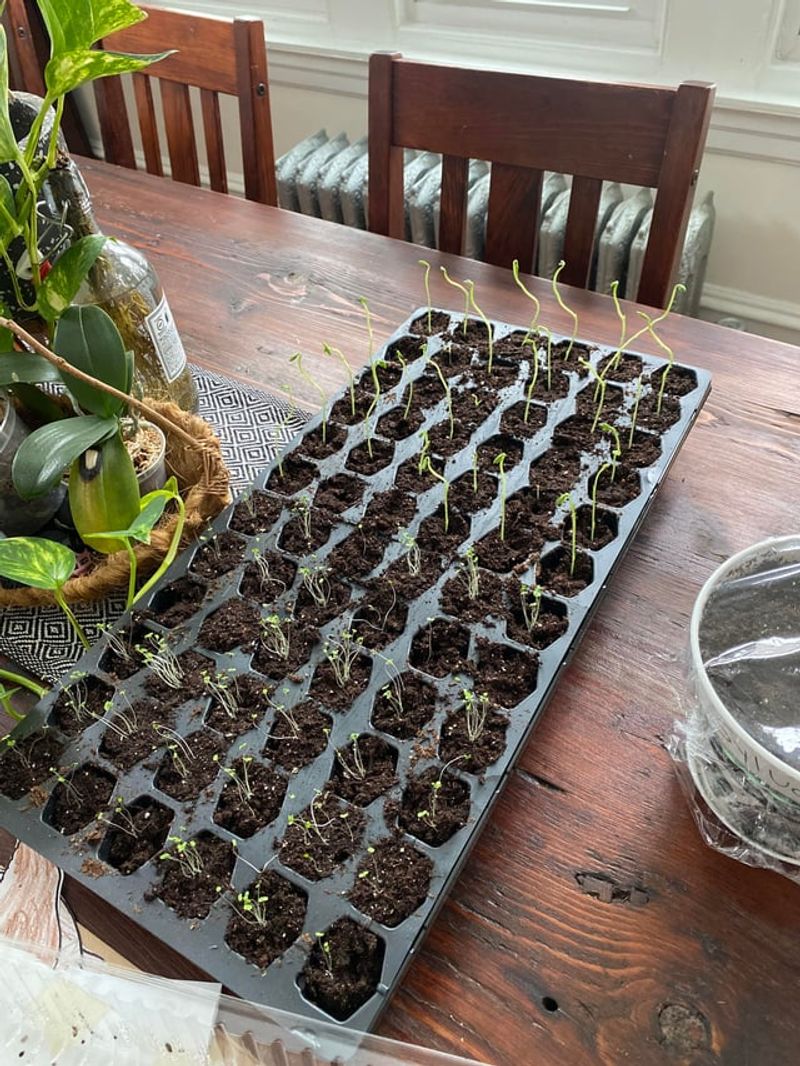
Cold winter evenings provide the perfect opportunity to browse seed catalogs and plan exactly what you want growing in your Georgia garden.
Ordering seeds early ensures you get the varieties you want before popular selections sell out from suppliers during the spring rush nationwide.
Consider trying new vegetables, flowers, or herbs alongside your reliable favorites to keep your garden interesting and expand your growing skills gradually.
Map out your garden beds on paper, noting which plants need full sun, partial shade, and how much space each variety requires at maturity.
Crop rotation plans help prevent soil depletion and reduce pest problems by moving plant families to different beds each year in Georgia gardens.
Check seed packet instructions for recommended planting dates specific to your zone, as Georgia spans multiple growing zones with different spring timing schedules.
Starting seeds indoors during late winter gives you a head start on warm-season crops like tomatoes, peppers, and eggplants before outdoor conditions permit.
Thoughtful planning now prevents impulse purchases later and ensures your spring garden includes everything needed for a productive, beautiful, and organized growing season.
8. Protect Tender Plants from Freezes
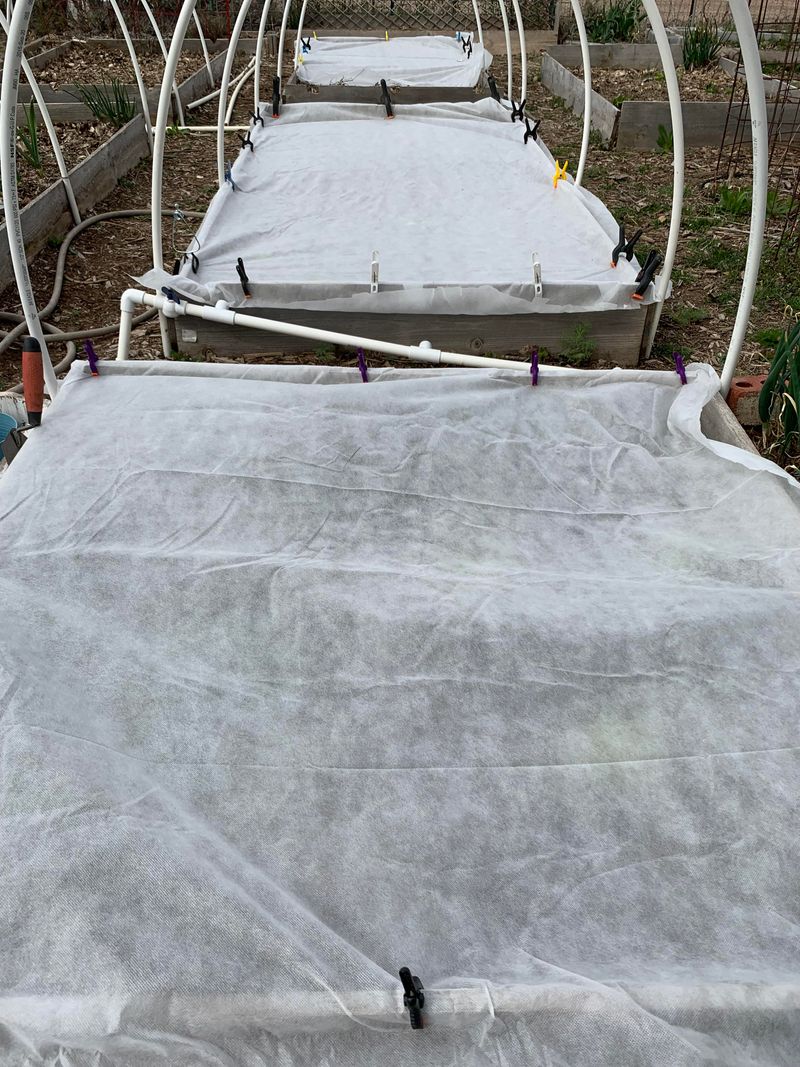
Georgia’s unpredictable winter weather brings occasional hard freezes that can damage or harm borderline-hardy plants growing in your landscape and garden areas.
Covering vulnerable plants with frost blankets, old sheets, or burlap during freeze warnings traps heat radiating from the ground and protects foliage overnight.
Remove covers once temperatures rise above freezing the next day to prevent overheating and allow sunlight to reach leaves for photosynthesis to continue.
Potted plants can be moved into garages, sheds, or covered porches temporarily during extreme cold snaps to shield them from damaging temperatures outside.
Mulching heavily around the base of marginally hardy plants insulates roots, which often survive even if top growth suffers frost damage temporarily.
Watering plants thoroughly before a freeze helps because moist soil retains heat better than dry ground, offering extra protection to root systems below.
String outdoor lights around shrubs and small trees to generate slight warmth that sometimes makes the difference between survival and freeze damage in Georgia.
These protective measures ensure your favorite plants make it through winter intact and ready to resume vigorous growth when spring warmth returns statewide.