9 Winter Home-Exterior Mistakes To Avoid This Year In Wisconsin
Wisconsin winters don’t tiptoe in, they kick the door down.
Snow piles up, ice clings to every edge, and freezing temps find weak spots fast.
When it comes to home exteriors, small oversights can turn into big problems before the season is halfway through.
What looks harmless in fall can crack, leak, or break once winter tightens its grip.
Many homeowners get caught flat-footed, trusting that last year’s setup will hold up again.
Gutters clog, siding takes a beating, and moisture sneaks into places it doesn’t belong.
By the time warning signs show up, repairs can hit the wallet hard and add stress when it’s least welcome.
Wisconsin weather has no mercy for shortcuts.
Ice dams form, snow load adds weight, and repeated freeze and thaw cycles push materials to their limit.
Ignoring basic prep or repeating common mistakes can leave homes exposed all season long.
Avoiding winter exterior mistakes starts with awareness.
Knowing what trips people up helps protect roofs, walls, and foundations when conditions get rough.
A little foresight can keep a home standing strong through winter’s worst and prevent damage that lingers well into spring.
1. Forgetting To Inspect And Repair Roof Damage
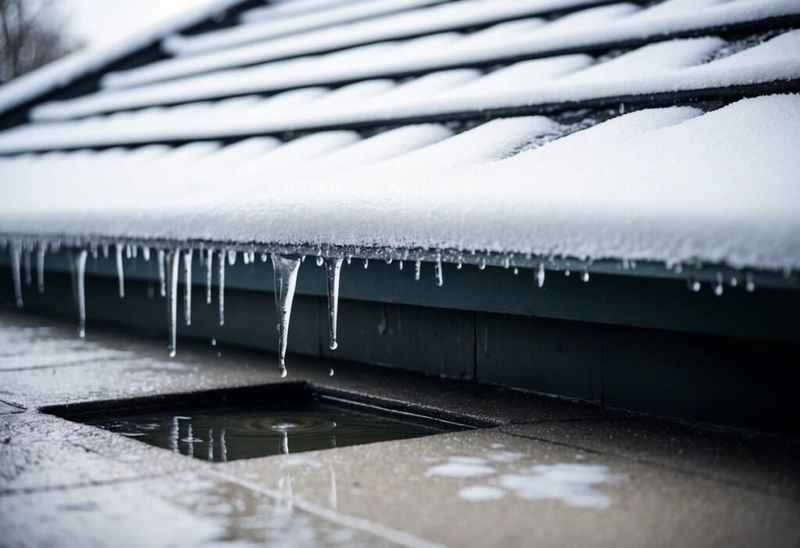
Your roof takes a beating during Wisconsin winters, and existing damage only worsens under heavy snow loads and ice accumulation.
Missing shingles, cracked flashing, and small leaks that seemed minor in summer become major problems when temperatures drop below freezing.
Snow melt seeps through compromised areas, refreezes overnight, and expands the damage with each freeze-thaw cycle common in Wisconsin’s unpredictable winter climate.
Waiting until spring to address roof issues means months of potential water infiltration, insulation damage, and mold growth in your attic space.
The weight of accumulated snow on a weakened roof structure poses serious safety risks, especially after heavy storms that dump several feet of snow across the state.
Insurance claims for winter roof damage often face scrutiny if pre-existing conditions weren’t addressed, potentially leaving you responsible for thousands in repairs.
Schedule a professional roof inspection in early fall, giving contractors time to complete repairs before their busy winter season begins.
Look for curled shingles, damaged flashing around chimneys and vents, and signs of wear in valleys where water naturally channels.
Addressing these issues proactively protects your home’s interior and extends your roof’s lifespan through many more Wisconsin winters ahead.
2. Skipping Exterior Caulking And Weatherstripping Checks
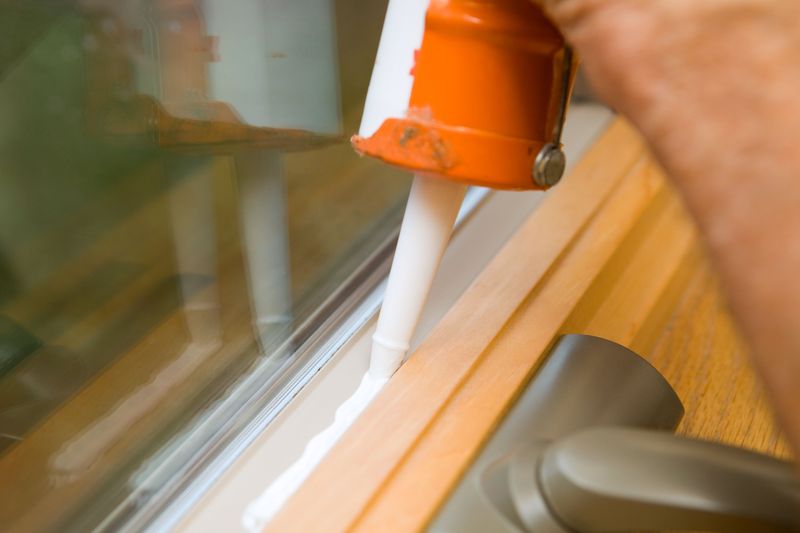
Gaps around windows, doors, and exterior penetrations let cold Wisconsin air pour into your home, driving up heating costs dramatically throughout winter.
Old caulk cracks and shrinks over time, creating openings that seem small but collectively waste significant energy.
Weatherstripping around doors deteriorates from constant use, leaving spaces where frigid air enters and warm air escapes, making your furnace work overtime to maintain comfortable temperatures.
Beyond energy waste, these gaps allow moisture infiltration that damages window frames, sills, and interior walls.
Condensation forms where warm indoor air meets cold surfaces near these openings, creating perfect conditions for mold growth and wood rot.
Many Wisconsin homeowners notice frost forming on interior walls near poorly sealed areas during the coldest nights, indicating serious air leakage problems that need immediate attention.
Walk around your home’s exterior on a windy fall day, feeling for drafts around all openings and checking caulk lines for cracks or separation.
Replace worn weatherstripping on doors and apply fresh caulk where needed, focusing on areas where different materials meet.
This simple maintenance task pays for itself within the first winter through reduced heating bills, while protecting your home’s structure from moisture damage that compounds over time in Wisconsin’s harsh climate.
3. Neglecting Gutter Cleaning Before The First Snowfall
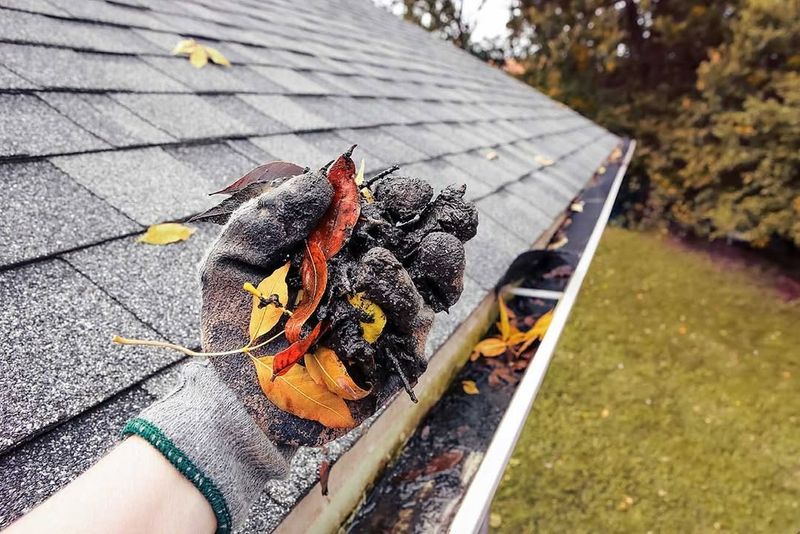
Clogged gutters rank among the most dangerous oversights homeowners make before Wisconsin’s winter weather sets in.
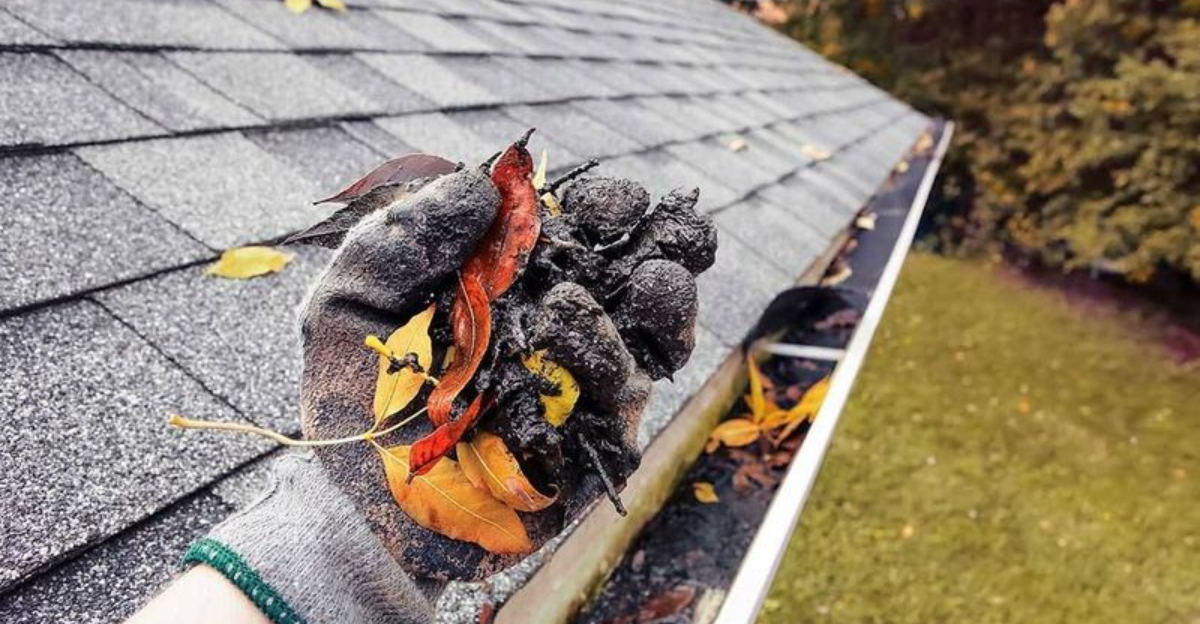
Leaves, twigs, and debris pile up throughout fall, creating blockages that prevent proper water drainage.
When snow melts and refreezes in these blocked channels, ice dams form along your roofline, pushing water under shingles and into your home’s interior walls.
The weight of ice-filled gutters can pull away from your fascia boards, causing structural damage that’s expensive to repair.
Water overflow from blocked gutters also pools around your foundation, seeping into basement walls and creating cracks when it freezes and expands.
Many Wisconsin homeowners discover these problems only after significant damage has occurred, making prevention absolutely essential.
Professional gutter cleaning before the first snowfall protects your investment and prevents emergency repairs during freezing temperatures.
Schedule this task in late October or early November, giving yourself time before winter storms arrive.
Installing gutter guards offers long-term protection, reducing the frequency of cleaning while keeping debris out year-round.
Your roof, siding, and foundation will thank you when spring arrives and your home remains dry and damage-free throughout Wisconsin’s toughest season.
4. Leaving Garden Hoses Connected To Outdoor Faucets
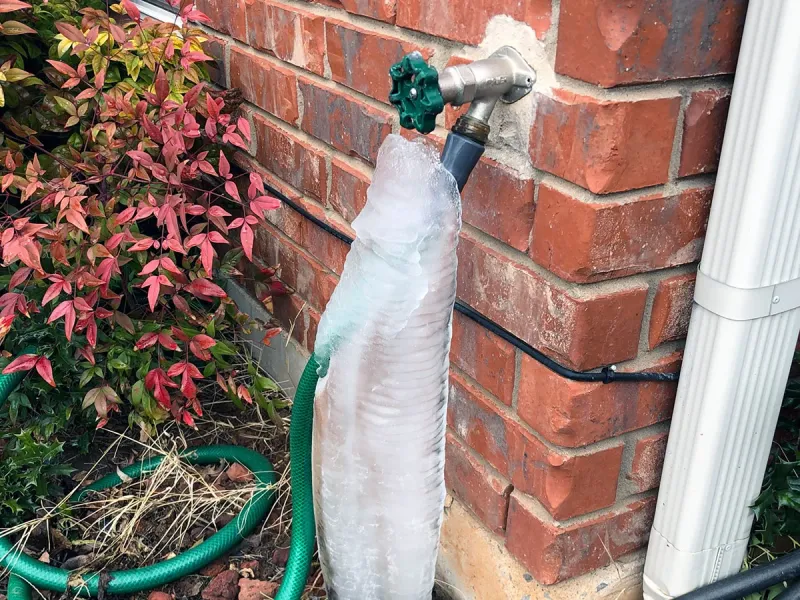
Something as simple as forgetting to disconnect your garden hose can lead to burst pipes and expensive plumbing emergencies during Wisconsin winters.
Water trapped in connected hoses freezes and expands backward into your home’s plumbing system, creating pressure that cracks pipes inside your walls.
When temperatures rise and the ice thaws, water floods into your home’s interior, causing damage that requires extensive repairs and remediation.
Outdoor faucets without proper winterization face similar risks even without hoses attached, but the hose connection makes freezing almost guaranteed.
The rubber washer inside the faucet prevents complete drainage when a hose remains connected, trapping water in the vulnerable exterior section of pipe.
Wisconsin’s temperature swings between day and night create repeated freeze-thaw cycles that worsen the damage, eventually causing failures that flood your basement or crawl space.
Disconnect all hoses before the first hard freeze, draining them completely and storing them in your garage or shed.
Turn off interior shut-off valves for outdoor faucets if your home has them, then open the exterior faucet to drain remaining water.
Consider installing frost-proof faucets during warmer months, which drain automatically when shut off and provide reliable protection throughout Wisconsin’s coldest weather without requiring seasonal maintenance.
5. Ignoring Foundation Drainage And Grading Issues
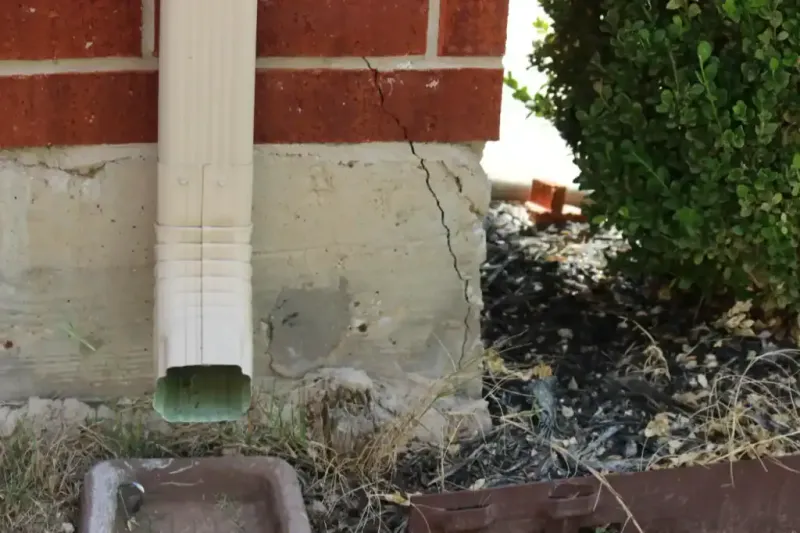
Poor drainage around your foundation becomes a serious threat when Wisconsin’s snow melts and refreezes repeatedly throughout winter.
Ground that slopes toward your home instead of away directs water straight to your foundation walls, where it pools and seeps into cracks.
When this water freezes, it expands with tremendous force, widening existing cracks and creating new ones that compromise your foundation’s structural integrity over time.
Basement flooding during winter thaws catches many homeowners off guard, especially when snow piles against the house melt rapidly during warm spells.
The frozen ground beneath prevents water from soaking in naturally, forcing it to flow along the surface directly into your basement through foundation cracks and window wells.
This water carries salt and chemicals from roads and sidewalks, accelerating concrete deterioration and creating persistent moisture problems that encourage mold growth.
Check your home’s grading in fall, ensuring the ground slopes away from your foundation at least six inches over the first ten feet.
Clear snow away from your foundation during winter, especially after heavy storms, preventing massive melt events from overwhelming your drainage system.
Installing or repairing foundation drains before winter provides crucial protection, channeling water away from your home automatically even when you can’t monitor conditions daily throughout Wisconsin’s unpredictable winter season.
6. Failing To Trim Overhanging Tree Branches
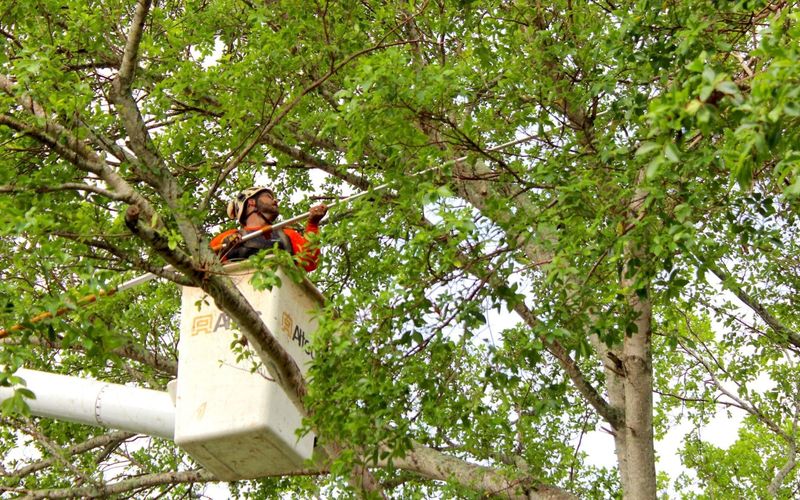
Heavy snow and ice accumulation on tree branches creates dangerous situations that threaten your home’s exterior throughout Wisconsin winters.
Branches that seem sturdy in summer become weighted down with snow and ice, bending low over your roof and potentially snapping during storms.
When these branches break, they crash onto your roof with enough force to damage shingles, puncture through to the attic, or destroy gutters and siding in their path.
Trees near power lines pose additional risks during winter storms, with ice-laden branches pulling down electrical wires and creating hazardous conditions.
The combination of heavy snow loads and strong winds during Wisconsin blizzards multiplies the danger, turning overhanging branches into projectiles that cause thousands in damage within seconds.
Dry or diseased branches are especially vulnerable, lacking the flexibility and strength of healthy wood to bend under winter’s weight.
Hire a professional arborist in fall to trim branches hanging within ten feet of your roof, removing dry wood and thinning dense canopies that collect excessive snow.
Check trees regularly after major storms, looking for cracked or partially broken branches that could fall unexpectedly.
This preventive maintenance protects your home while promoting tree health, ensuring your landscape enhances rather than endangers your property throughout every season Wisconsin throws your way.
7. Using Rock Salt Directly On Concrete Surfaces
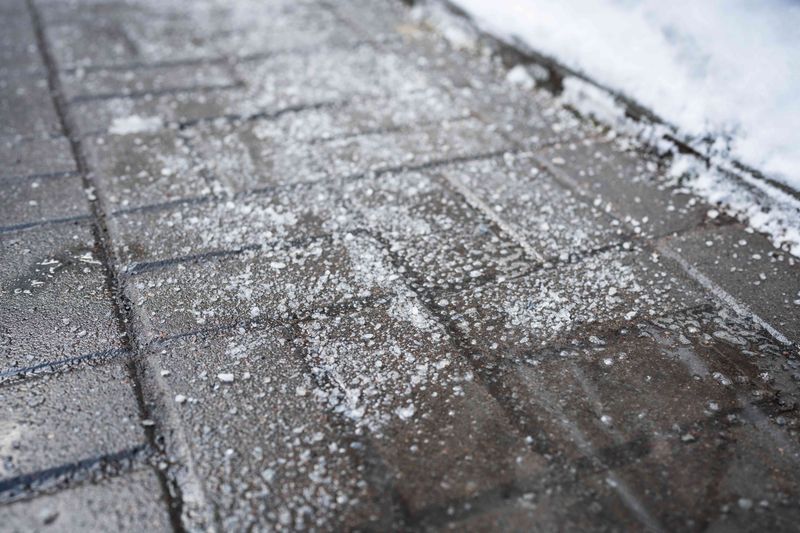
Rock salt seems like the obvious choice for melting ice on Wisconsin driveways and walkways, but it actually destroys concrete surfaces through a process called spalling.
The salt draws moisture into concrete’s porous surface, where it freezes and expands during temperature drops, popping off chunks of the surface layer.
After just a few winters of heavy salt use, your once-smooth concrete becomes pitted, cracked, and crumbling, requiring expensive resurfacing or replacement.
Salt also accelerates corrosion of metal fixtures, stains brick and stone, and damages nearby landscaping when spring melt carries it into planting beds.
The white residue it leaves behind tracks into your home, leaving marks on floors and carpets that require constant cleaning throughout winter.
Many Wisconsin municipalities have reduced salt use on public roads due to environmental concerns, yet homeowners continue overusing it on their properties without realizing the long-term consequences.
Choose calcium magnesium acetate or sand mixed with small amounts of safer de-icing compounds instead of pure rock salt.
Apply de-icers sparingly only where needed rather than broadcasting them across entire surfaces.
Shovel snow promptly before it compacts into ice, reducing your need for chemical de-icers altogether while protecting your concrete investment and keeping your Wisconsin home’s exterior looking great for many winters to come.
8. Overlooking Proper Attic Ventilation And Insulation
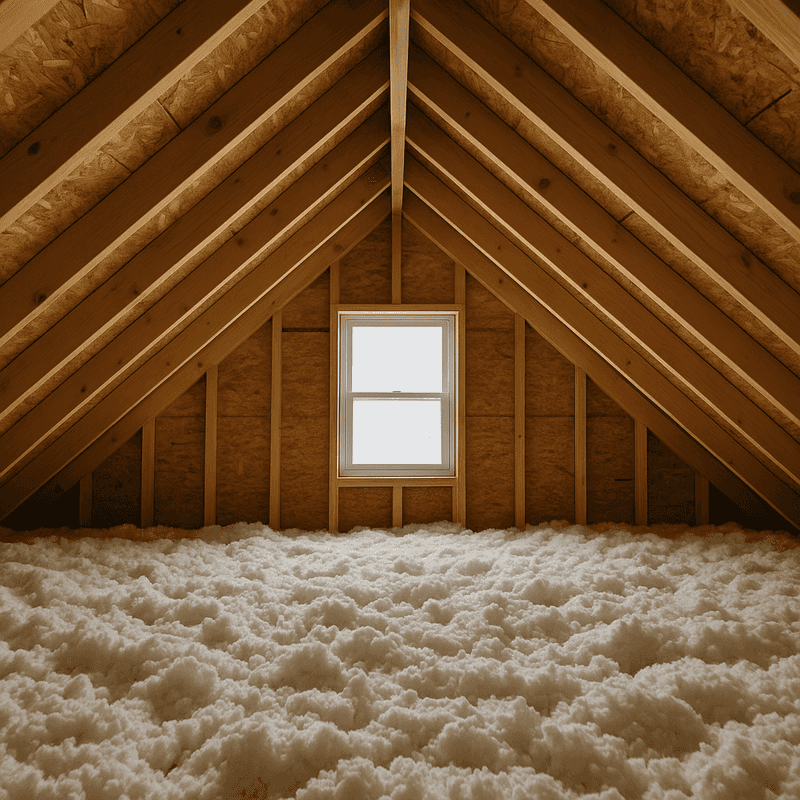
Inadequate attic insulation and ventilation create the perfect conditions for ice dams along Wisconsin rooflines during winter months.
Heat escaping through your ceiling warms the roof deck, melting snow from underneath even when outdoor temperatures stay below freezing.
This meltwater runs down to the cold eaves where it refreezes, building up thick ice dams that trap water behind them, forcing it under shingles and into your home’s interior.
Poor ventilation also causes moisture buildup in your attic space, leading to condensation that soaks insulation and promotes mold growth on wood framing.
The reduced effectiveness of wet insulation means higher heating bills and uneven temperatures throughout your home, with some rooms staying cold while others overheat.
Frost accumulation on attic rafters and nail points indicates serious ventilation problems that will worsen as Wisconsin winter progresses, potentially causing significant structural damage.
Inspect your attic before winter arrives, checking for adequate insulation depth and proper soffit and ridge ventilation.
Add insulation if existing levels fall below recommended R-values for Wisconsin’s climate zone, and ensure vents aren’t blocked by insulation or debris.
Installing baffles maintains air channels between insulation and roof decking, allowing proper airflow that keeps your roof cold and prevents ice dams from forming regardless of how much snow accumulates on your Wisconsin home.
9. Postponing Exterior Paint And Siding Repairs
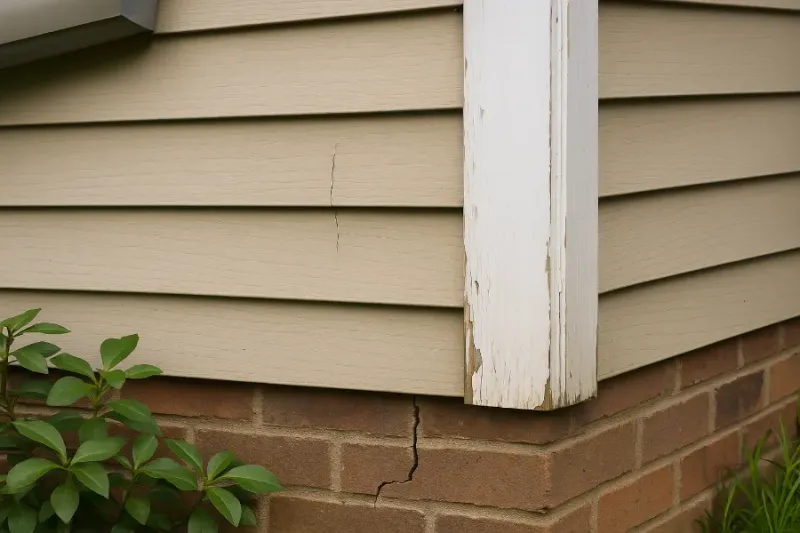
Peeling paint and damaged siding might seem like cosmetic issues that can wait until spring, but Wisconsin winters turn these minor problems into major structural concerns.
Water infiltrates through cracks in paint and gaps in siding, soaking into the wood sheathing and framing beneath.
When temperatures drop, this trapped moisture freezes and expands, pushing siding away from the house and causing wood rot that spreads quickly through your home’s exterior envelope.
Exposed wood also provides entry points for moisture, insects, and small animals seeking shelter from Wisconsin’s brutal winter cold.
What starts as a small section of peeling paint can expand dramatically over one winter season, requiring extensive repairs that cost far more than addressing the original issue would have.
The freeze-thaw cycles common in Wisconsin accelerate deterioration, with each temperature swing driving more moisture deeper into your home’s structure.
Complete exterior painting and siding repairs during late summer or early fall when temperatures stay consistently above fifty degrees for proper curing.
Replace damaged sections of siding rather than patching them temporarily, ensuring proper moisture barriers behind new materials.
Priming bare wood immediately after repairs prevents moisture absorption while you wait for ideal painting conditions, giving your Wisconsin home the protection it needs to withstand winter’s assault on every exterior surface.