12 Winter Houseplant Care Tips That Actually Work In Minnesota Homes
Minnesota winters don’t mess around, and houseplants feel every degree drop.
Between frozen windows, blasting heaters, and limited daylight, indoor plants face a gauntlet of stress factors that can quickly add up.
Generic plant advice often falls short in extreme climates.
What works elsewhere may backfire in Minnesota homes, where humidity plummets and temperatures swing wildly.
Successful winter care means understanding those realities and adjusting accordingly.
These twelve tips are practical, tested, and designed for real Minnesota living spaces—not idealized conditions.
They focus on keeping plants stable, hydrated, and healthy until brighter days return.
With the right approach, winter doesn’t have to be a season of survival.
It can be a season of quiet resilience, where plants hold their ground and emerge stronger when spring finally knocks.
1. Water Less, But Check Soil More Often
Winter changes everything about how your houseplants use water, and understanding this shift is crucial for their survival.
Most tropical and subtropical plants naturally slow their growth when daylight hours shrink and temperatures drop, which means they absorb water much more slowly than during their active growing season.
Minnesota homes face a unique challenge because while plants need less water, the forced-air heating systems run constantly, creating confusingly dry conditions.
Your soil surface might look parched and crusty within days, tempting you to water frequently, but just beneath that dry top layer, the roots might still be sitting in moisture they cannot absorb quickly enough.
Overwatering during winter dormancy is one of the most common mistakes that leads to root problems and plant stress.
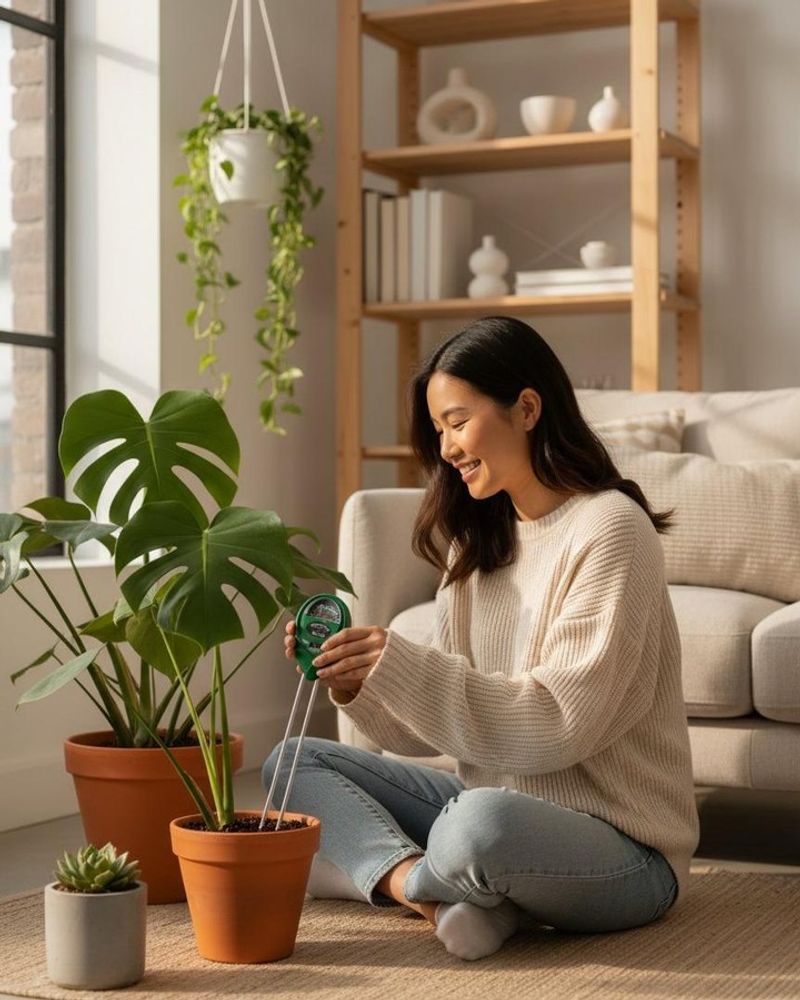
Instead of following a rigid watering schedule, check your soil moisture by sticking your finger about two inches deep into the potting mix before reaching for the watering can.
If the soil feels moist or cool to the touch at that depth, wait a few more days and check again.
Different plant types have different needs, so research your specific varieties to understand their winter watering preferences.
Succulents and cacti might go weeks between waterings, while ferns may still need consistent moisture.
2. Move Plants Closer To Light Without Freezing Them
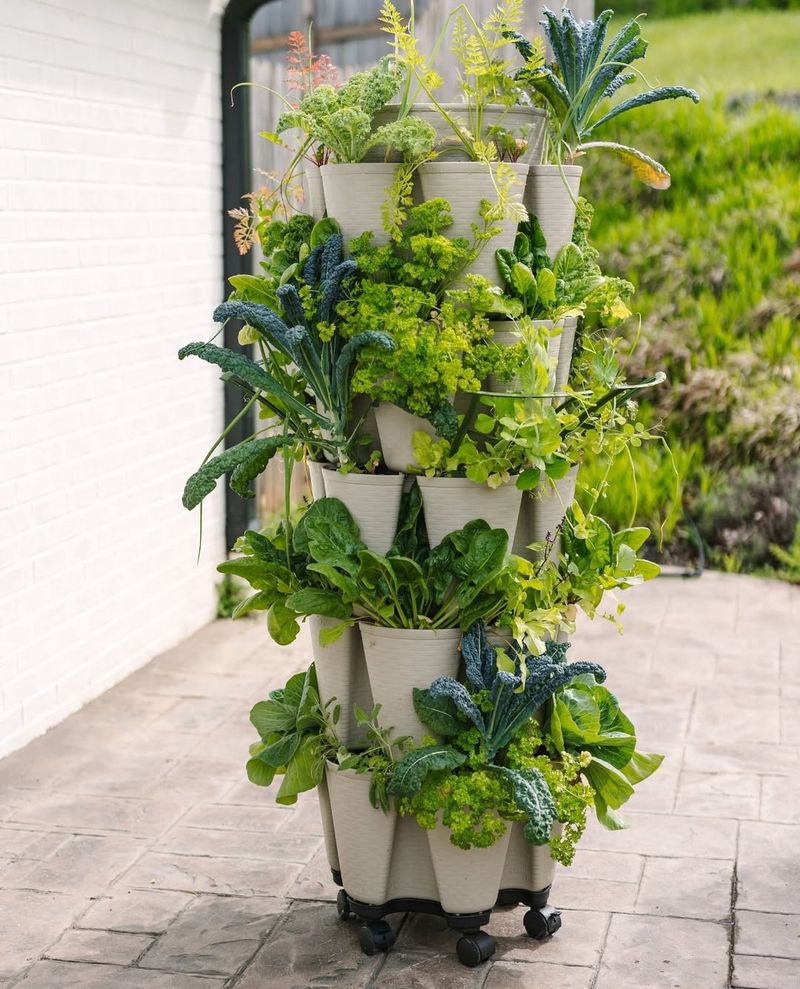
Sunlight becomes precious during Minnesota winters when the sun hangs low in the sky and daylight hours shrink dramatically.
Your houseplants desperately need every ray they can get, which means relocating them closer to south-facing windows where light is strongest.
However, those same windows that provide life-giving light can also expose plants to dangerous cold drafts and chilling temperatures, especially during subzero nights.
The glass itself radiates cold inward, creating a zone of frigid air that can damage tender leaves even if they never actually touch the window surface.
Find the sweet spot by placing plants within three to five feet of bright windows where they receive maximum light without experiencing temperature extremes.
Sheer curtains can help diffuse harsh winter sun while providing a slight insulation barrier against cold glass.
On particularly brutal nights when temperatures plunge well below zero, consider moving plants a few feet back from windows or placing a barrier like a folded towel between the plant and the glass.
East and west windows offer gentler light that works well for plants that prefer indirect brightness.
North-facing windows provide the weakest light and should be reserved only for extremely low-light tolerant species.
Observe your plants carefully for signs of cold stress like leaf curling or color changes.
3. Protect Plants From Cold Drafts And Window Chill
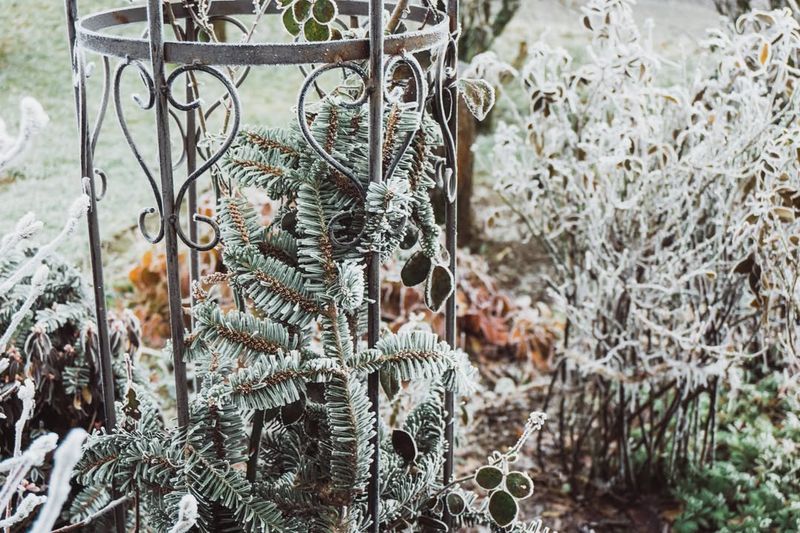
Minnesota winters bring extreme temperature swings that can shock and stress your houseplants in ways you might not immediately recognize.
Cold drafts sneak in through poorly sealed windows, doors, and even electrical outlets, creating invisible rivers of frigid air that flow across your floors and windowsills.
Tropical houseplants evolved in stable, warm environments and simply cannot handle these sudden temperature drops, which can happen multiple times daily as doors open and furnaces cycle.
Watch for telltale signs of cold stress including leaves that curl downward or inward, foliage that develops brown edges or spots, and overall wilting even when soil moisture is adequate.
Some plants drop leaves suddenly when exposed to cold drafts, which looks alarming but is actually their survival mechanism for reducing water loss.
Test for drafts by holding a lit candle near windows and doors on a windy day and watching for flame movement, or use your hand to feel for cold air currents.
Simple weatherstripping around windows and doors makes a tremendous difference for both your heating bills and your plants.
Avoid placing plants directly on cold floors, especially above unheated basements or garages where temperatures drop significantly.
Elevating pots on plant stands or shelves keeps them in warmer air layers that naturally rise toward ceilings.
4. Keep Plants Away From Forced-Air Heat Sources
Furnaces work overtime during Minnesota winters, blasting hot, dry air through vents throughout your home in an effort to combat the bitter cold outside.
While this heated air keeps you comfortable, it creates a hostile environment for houseplants that prefer stable temperatures and moderate humidity levels.
Direct exposure to forced-air heat rapidly desiccates plant tissues, causing leaves to brown at the edges, curl up, and eventually become crispy despite regular watering.
The constant blast of hot air also dries out potting soil unevenly, creating crusty surfaces while leaving deeper layers waterlogged, which confuses your watering routine.
Radiators and baseboard heaters present similar challenges, radiating intense heat that can literally cook nearby foliage.
Map out the airflow patterns in your home by holding a tissue near vents and registers to see where the strongest currents blow.
Position your plants at least three to four feet away from any direct heat sources to avoid the worst effects.
If your home layout makes this difficult, consider using decorative screens or furniture to deflect airflow away from sensitive plants.
Bathrooms and kitchens often maintain higher humidity levels naturally and may have fewer heating vents, making them surprisingly good winter locations for moisture-loving species.
Monitor your plants closely and relocate them if you notice rapid soil drying or crispy leaf edges developing.
5. Increase Humidity In Dry Winter Air
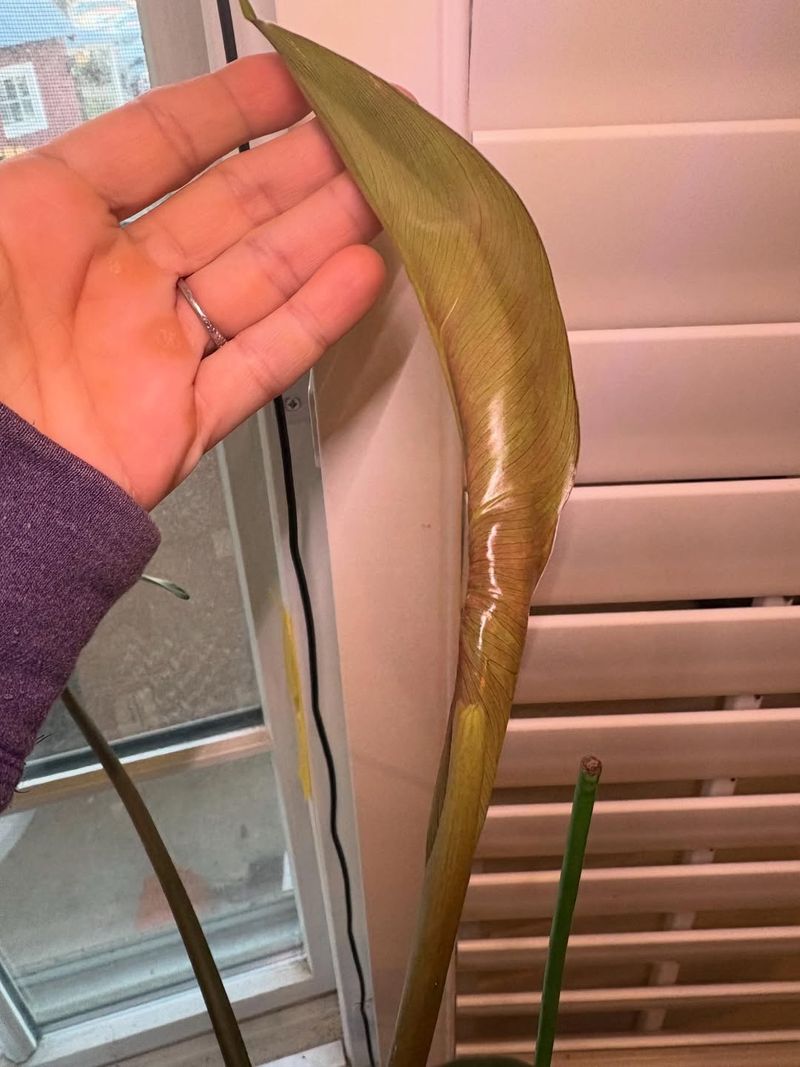
Minnesota winters transform your home into something resembling a desert, with indoor humidity levels often plummeting below twenty percent when furnaces run constantly.
For comparison, most tropical houseplants evolved in environments with humidity levels between fifty and seventy percent, making your winter home a serious challenge for their survival.
Low humidity causes leaves to develop brown, crispy edges, and plants may drop older foliage as they struggle to retain moisture.
Spider plants, ferns, calatheas, and other humidity-loving species suffer most dramatically, while succulents and cacti barely notice the dry conditions.
Grouping plants together creates a microclimate where their collective transpiration raises humidity levels slightly in the immediate area.
Pebble trays work surprisingly well—simply fill shallow trays with stones, add water until it reaches just below the top of the pebbles, then set your pots on top so they sit above the water line.
As water evaporates, it increases humidity around the foliage without waterlogging the roots.
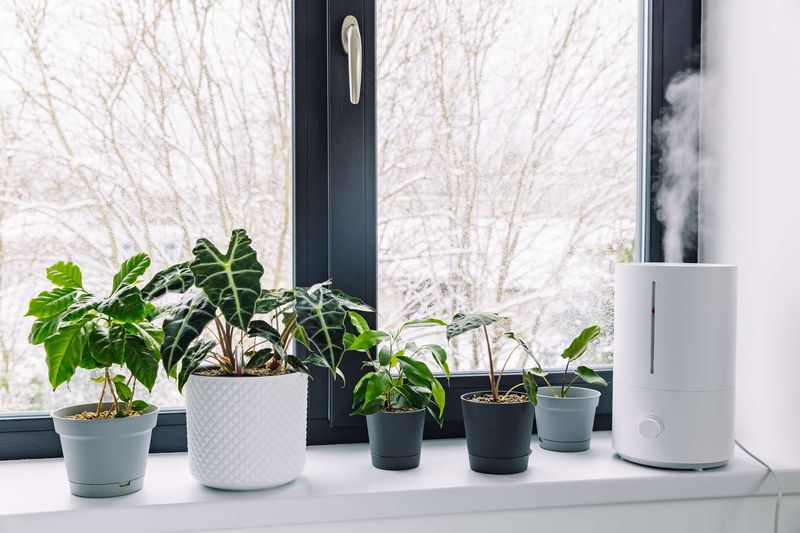
Small room humidifiers provide the most effective solution, especially when placed near plant groupings in rooms where you spend the most time.
Misting offers temporary relief but needs to be done multiple times daily to make any real difference.
Avoid placing plants directly above radiators hoping the rising warm air will help—it only makes the drying problem worse.
6. Pause Fertilizing Until Spring
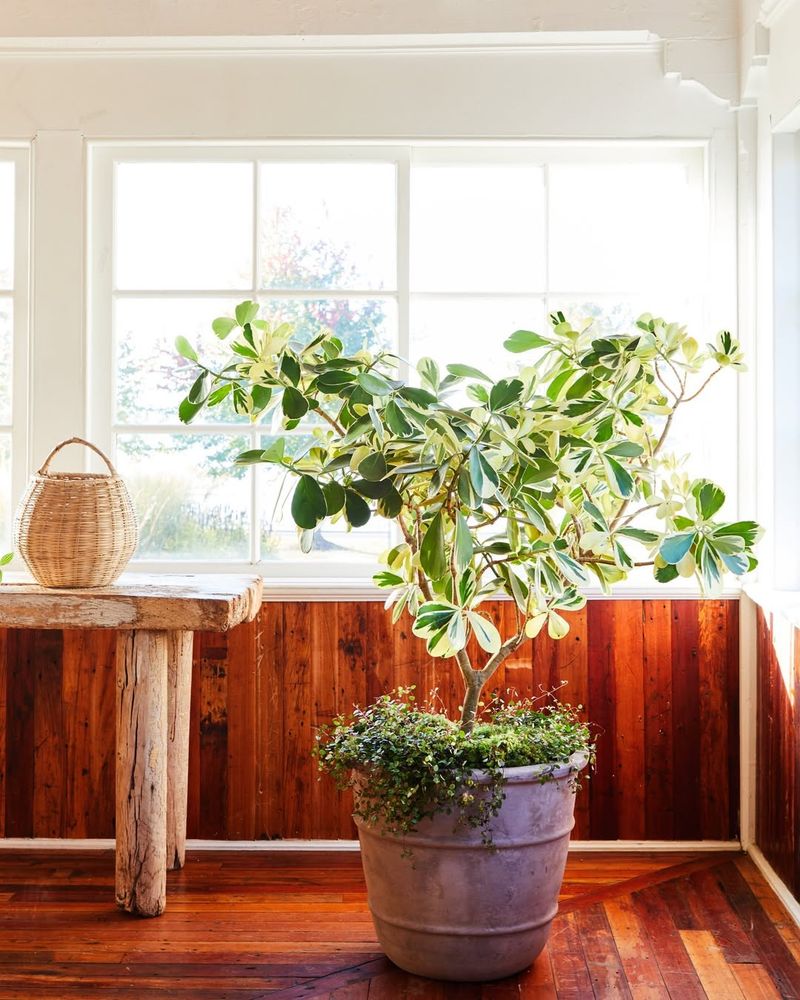
Your houseplants essentially take a long winter nap, dramatically slowing their growth and metabolic processes as light levels drop and temperatures cool.
During this dormant period, they simply cannot absorb or utilize nutrients the way they do during active spring and summer growth.
Fertilizing dormant plants forces them to deal with excess salts and minerals in their soil, which can actually damage sensitive root systems and burn foliage.
Think of it like trying to digest a huge meal while sleeping—your body just cannot process it properly.
Most houseplants should receive no fertilizer at all from November through February in Minnesota, though there are always exceptions to consider.
Plants that actively bloom during winter months, like Christmas cacti or African violets, may benefit from very diluted fertilizer applications since they are expending energy on flower production.
Watch your plants carefully as late February and March approach, looking for signs that active growth is resuming.
New leaf growth, brightening foliage color, and increased water uptake all signal that plants are waking from dormancy and can handle gentle feeding again.
Start with half-strength fertilizer applications and gradually increase to normal levels as spring truly arrives and growth accelerates.
Always water plants thoroughly before fertilizing to prevent root burn, and never fertilize stressed or struggling plants regardless of the season.
7. Rotate Plants To Prevent Lopsided Growth
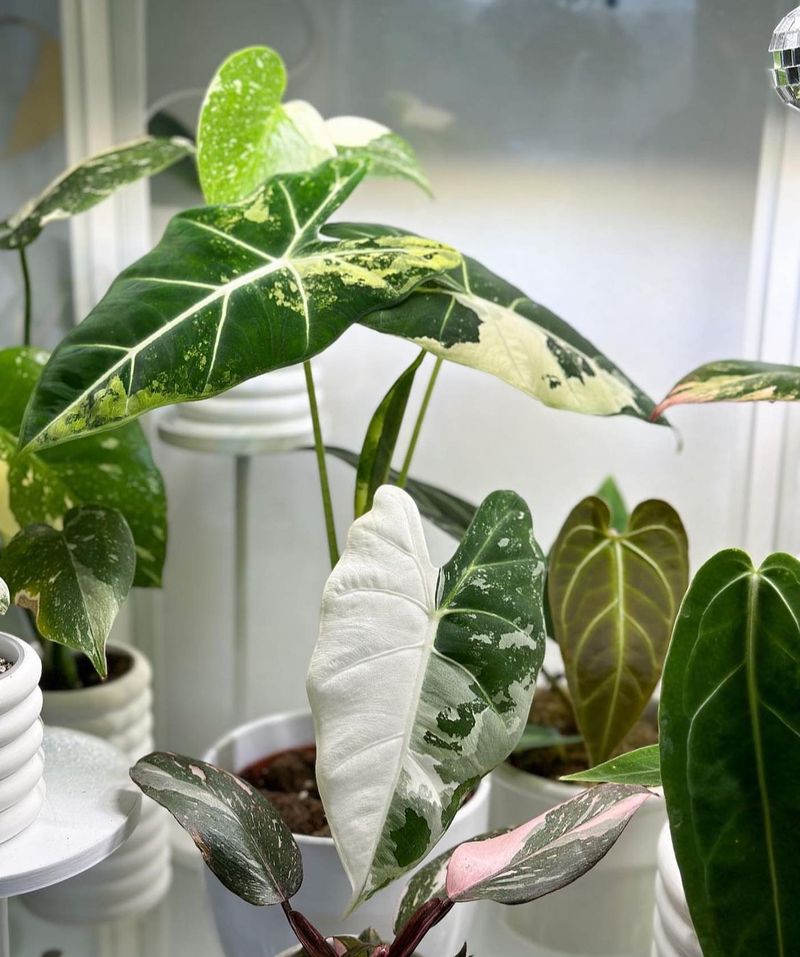
Winter sunlight in Minnesota arrives at a much lower angle than summer sun, creating dramatic shadows and uneven light distribution across your windowsills.
Plants naturally grow toward their light source through a process called phototropism, which becomes exaggerated during winter when every photon counts.
Without regular rotation, your houseplants will develop distinctly lopsided shapes, with all their fullest growth on the window-facing side and sparse, stretched growth on the interior side.
This uneven development is not just an aesthetic issue—it also creates structural weakness as plants become top-heavy and prone to tipping over.
Make rotation part of your regular plant care routine by turning each pot a quarter turn every week or two.
Some gardeners rotate clockwise one week and counterclockwise the next to ensure even coverage, while others simply turn plants whenever they water.
Consistent rotation encourages balanced, symmetrical growth and prevents stems from permanently bending toward light sources.
Flowering plants should not be rotated once buds begin forming, as changing their orientation can cause bud drop.
Very large, heavy plants in floor pots can be difficult to rotate, so consider placing them on wheeled plant caddies that make turning them much easier.
Mark the pot with a small piece of tape to help you remember which direction faces the window and ensure you are rotating consistently.
8. Clean Dusty Leaves To Maximize Light Absorption
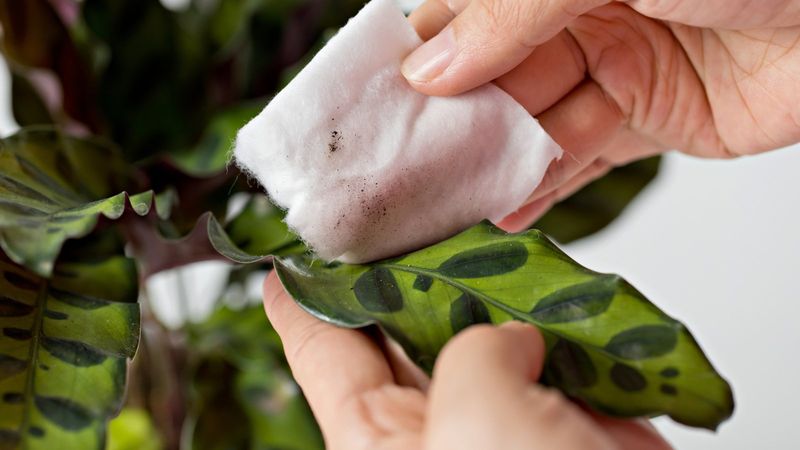
Dust accumulates surprisingly quickly on houseplant leaves during winter when windows stay closed and forced-air heating systems circulate particles throughout your home.
This layer of dust and grime is not just unsightly—it actually blocks precious light from reaching the leaf surface where photosynthesis occurs.
During winter when light is already limited, every bit of leaf surface needs to function at maximum efficiency to keep your plants healthy and growing.
Dusty leaves also clog the tiny pores called stomata that plants use for gas exchange, making it harder for them to breathe properly.
Large-leaved plants like fiddle leaf figs, rubber plants, and monstera show dust buildup most obviously and benefit tremendously from regular cleaning.
Use a soft, damp cloth to gently wipe both the top and bottom surfaces of each leaf, supporting the leaf from beneath to avoid damaging it.
Plain water works perfectly fine, though some gardeners add a tiny drop of mild dish soap for extra cleaning power.
Avoid commercial leaf shine products, which can clog stomata and create an unnatural, waxy buildup.
Plants with small leaves or fuzzy foliage can be cleaned by placing them in the shower and using lukewarm water at gentle pressure to rinse away dust.
Make leaf cleaning a monthly winter task, and your plants will reward you with brighter, healthier foliage and improved overall vigor.
9. Watch For Winter Pests Like Spider Mites

Winter’s dry indoor conditions create a paradise for certain houseplant pests, particularly spider mites that thrive in low-humidity environments.
These microscopic arachnids reproduce rapidly when humidity drops below forty percent, which happens in virtually every Minnesota home during heating season.
Spider mites pierce plant cells and suck out the contents, leaving behind stippled, yellowing leaves that eventually develop a bronze cast and may become covered in fine webbing.
Check your plants regularly by examining the undersides of leaves where these pests congregate, using a magnifying glass if needed to spot the tiny moving dots.
Holding white paper beneath a leaf and tapping it sharply will dislodge mites onto the paper where they are easier to see.
Fungus gnats also proliferate during winter, especially when overwatering keeps soil surfaces constantly moist.
These small flying insects are more annoying than harmful, but their larvae can damage roots in severe infestations.
Scale insects and mealybugs may also appear, looking like small bumps or white cottony masses on stems and leaf joints.
Catching pest problems early makes treatment much easier and more successful.
Isolate affected plants immediately to prevent pests from spreading to your entire collection.
Raising humidity levels helps prevent spider mites naturally, while allowing soil to dry between waterings discourages fungus gnats.
Insecticidal soap or neem oil applications work well for most common pests when applied thoroughly and repeatedly.
10. Avoid Repotting Unless Absolutely Necessary
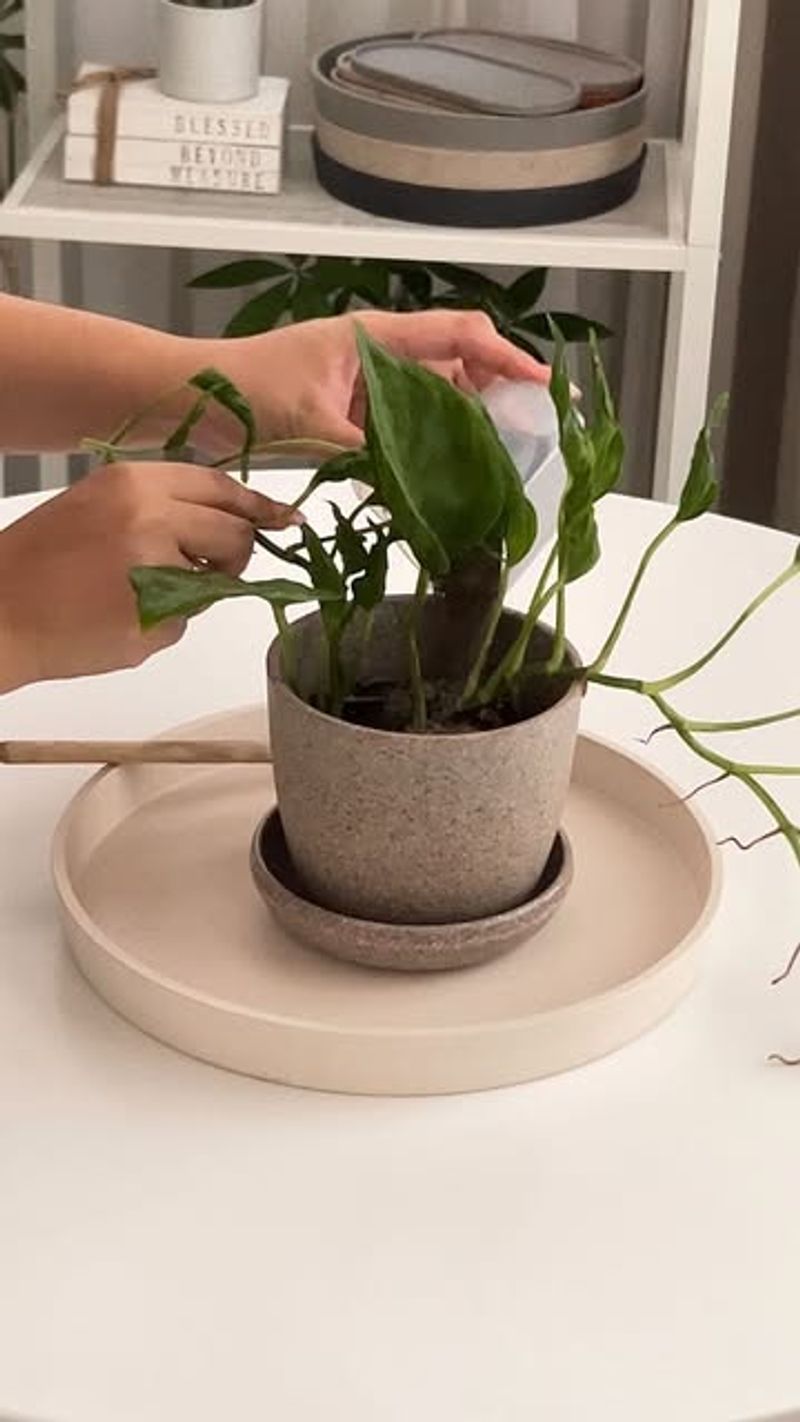
Winter represents the worst possible time to repot houseplants because they are already stressed by low light, dry air, and dormancy.
Repotting disrupts root systems and requires plants to expend energy adapting to new soil and containers when they have minimal resources available.
Plants that undergo winter repotting often struggle to recover, showing stunted growth, leaf drop, or prolonged periods of decline.
The combination of root disturbance and winter growing conditions creates a perfect storm of stress that many plants cannot overcome easily.
Whenever possible, wait until early spring when increasing light levels and warming temperatures signal the beginning of active growth.
Plants can then channel their renewed energy into establishing roots in fresh soil and recovering from the repotting process.
However, some situations cannot wait until spring and require immediate action despite the season.
Plants with roots growing extensively through drainage holes or circling densely around the pot exterior are severely root-bound and may benefit from repotting even in winter.
Similarly, soil that has completely broken down into a dense, water-repellent mass needs replacement regardless of timing.
Root concerns, severe pest infestations in the soil, or accidental pot breakage also justify emergency winter repotting.
If you must repot during winter, minimize root disturbance, use room-temperature water and soil, and provide extra care during the recovery period.
11. Choose Cold-Resilient Houseplants For Minnesota Homes
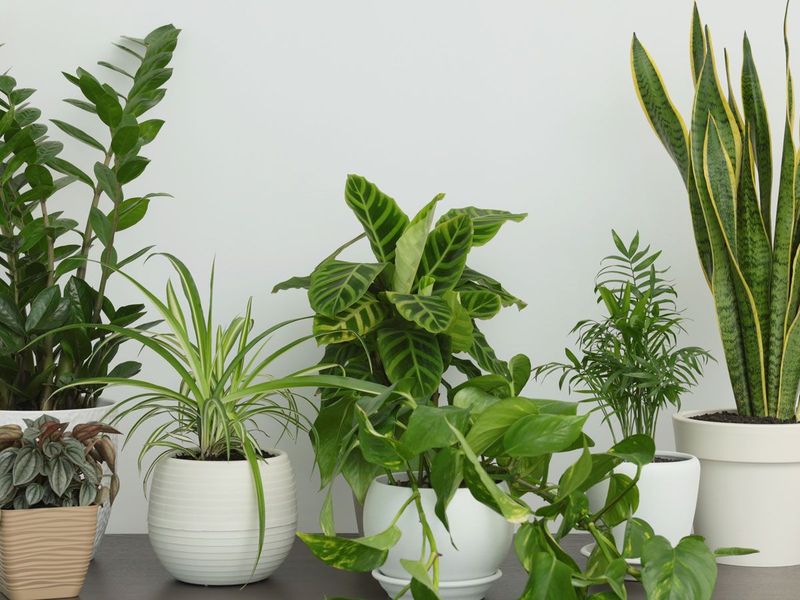
Not all houseplants struggle equally with Minnesota’s challenging winter conditions, and selecting naturally resilient species makes your life much easier.
Snake plants tolerate low light, dry air, and temperature fluctuations with remarkable grace, making them nearly indestructible for beginners.
Pothos vines adapt to almost any indoor environment and continue growing steadily even during winter months when most plants go dormant.
ZZ plants store water in their thick rhizomes and can survive extended periods of neglect, bouncing back quickly even after suffering from underwatering or low light.
Spider plants handle dry air better than many tropicals and produce baby plantlets even during winter if they receive adequate light.
Cast iron plants earned their name by tolerating conditions that would devastate more sensitive species, including drafts, low light, and irregular watering.
Chinese evergreen varieties offer beautiful foliage patterns while adapting well to the reduced light and humidity of Minnesota winters.
Jade plants and other succulents naturally prefer dry conditions and cool temperatures, making them perfect for winter windowsills.
Dracaena species come in many varieties and tolerate lower light levels while maintaining their attractive appearance through the coldest months.
Peace lilies signal their watering needs by drooping dramatically but recover quickly once watered, making them forgiving plants for busy households.
Starting with these resilient varieties builds your confidence and ensures success even during the challenging winter season.
12. Create A Winter Survival Zone For Your Houseplants

Instead of scattering plants throughout your home, consider creating a dedicated winter care zone where you can control conditions more effectively.
Grouping plants together in one location makes daily care easier, allows them to benefit from collective humidity, and helps you monitor their condition more consistently.
Choose a spot near your brightest window, typically south-facing, where plants can receive maximum winter sunlight.
Ensure the area is away from heating vents but still maintains comfortable room temperature without cold drafts.
Place a small humidifier nearby to maintain moisture levels between forty and fifty percent, which benefits both plants and humans during dry winter months.
Use plant stands or shelving to create different height levels so smaller plants do not get shaded by larger specimens.
Keep watering cans, spray bottles, and care tools in the same area so everything you need is conveniently located.
A waterproof tray or mat underneath your plant zone protects flooring from water damage and makes cleanup easier.
This concentrated approach allows you to fine-tune conditions for optimal plant health rather than trying to accommodate plants in less-than-ideal locations throughout your house.
As spring approaches and conditions improve, you can gradually redistribute plants to other rooms, but having a winter sanctuary helps them survive the most challenging months.
Your plants will respond with healthier growth, better color, and fewer stress-related problems when their needs are met consistently in one well-designed space.