Winter Is The Best Time To Remove These Invasive Plants In Tennessee
Tennessee winters may slow the garden down, but they open the door to a golden opportunity.
While most plants lie low and take a breather, invasive species lose their upper hand.
Cold weather strips away thick growth, exposes tangled roots, and makes problem plants easier to spot.
What felt like an uphill battle in summer suddenly becomes a fair fight.
Invasive plants spread fast and crowd out native growth, stealing space, light, and nutrients.
During warmer months, they grow like wildfire and push back hard when removed.
Winter flips the script.
Frozen or firm soil helps limit regrowth, and fewer leaves make it clear where trouble starts and ends.
Every pull and cut goes further this time of year.
For Tennessee homeowners and land managers, winter work sets the tone for spring.
Clearing invasives now stops them from bouncing back stronger when temperatures rise.
It saves time, reduces frustration, and gives native plants room to breathe.
Taking action in winter is a smart move that pays dividends, turning next growing season into a cleaner, healthier start from the ground up.
1. Bush Honeysuckle
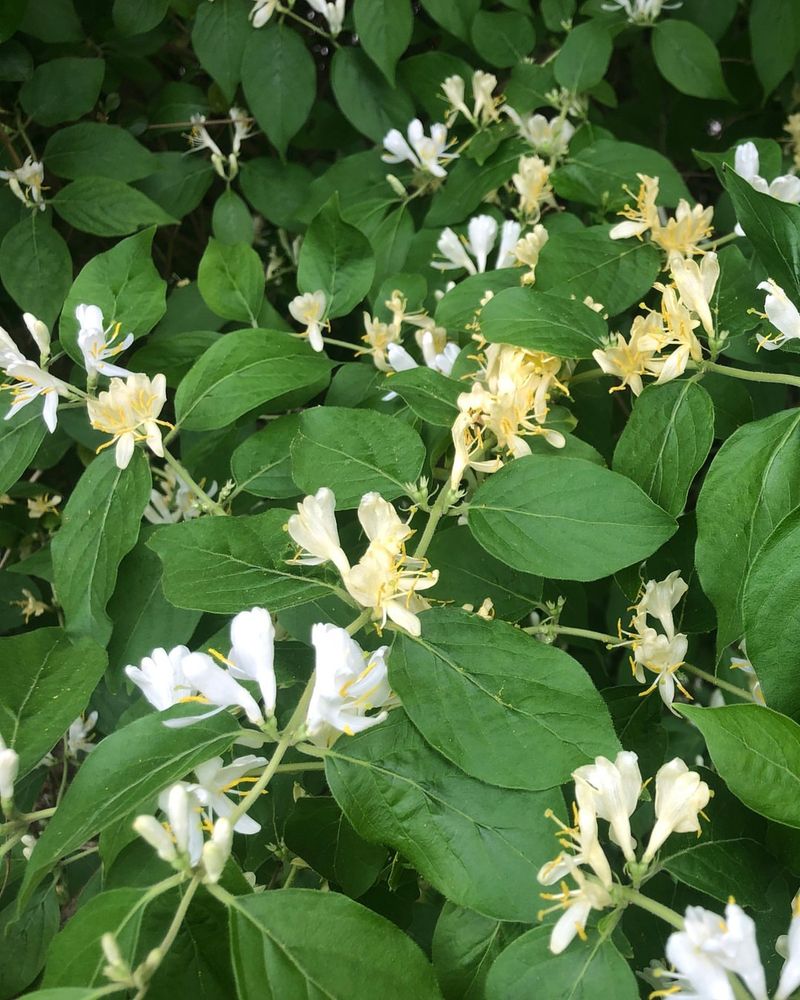
Bush honeysuckle stands out during Tennessee winters because it keeps its leaves longer than most native shrubs.
This sneaky characteristic helps you identify it when everything else has dropped foliage for the season.
Originally brought from Asia as an ornamental plant, this shrub now dominates forests, parks, and yards across the state, creating dense thickets that block sunlight from reaching the forest floor.
The plant grows incredibly fast and produces thousands of red berries that birds love to eat and spread everywhere.
While those berries might look pretty, they’re actually less nutritious than native alternatives, giving wildlife empty calories instead of real nourishment.
Bush honeysuckle also leafs out earlier than native plants in spring and holds onto leaves later in fall, giving it an unfair competitive advantage throughout the growing season.
Winter removal works brilliantly because you can see the plant’s structure clearly without summer foliage blocking your view.
Cut the stems as close to the ground as possible, then immediately apply herbicide to the fresh stumps to prevent regrowth.
For smaller plants in your Tennessee yard, you can pull them out by the roots if the ground is soft from winter moisture.
Removing bush honeysuckle now means native wildflowers, shrubs, and tree seedlings will have room to flourish come spring.
Many Tennessee nature preserves and state parks organize volunteer removal days during winter months.
Joining these efforts helps protect larger natural areas while learning proper removal techniques from experienced land managers.
The work you do now creates lasting benefits for local ecosystems throughout Middle and East Tennessee.
2. Privet
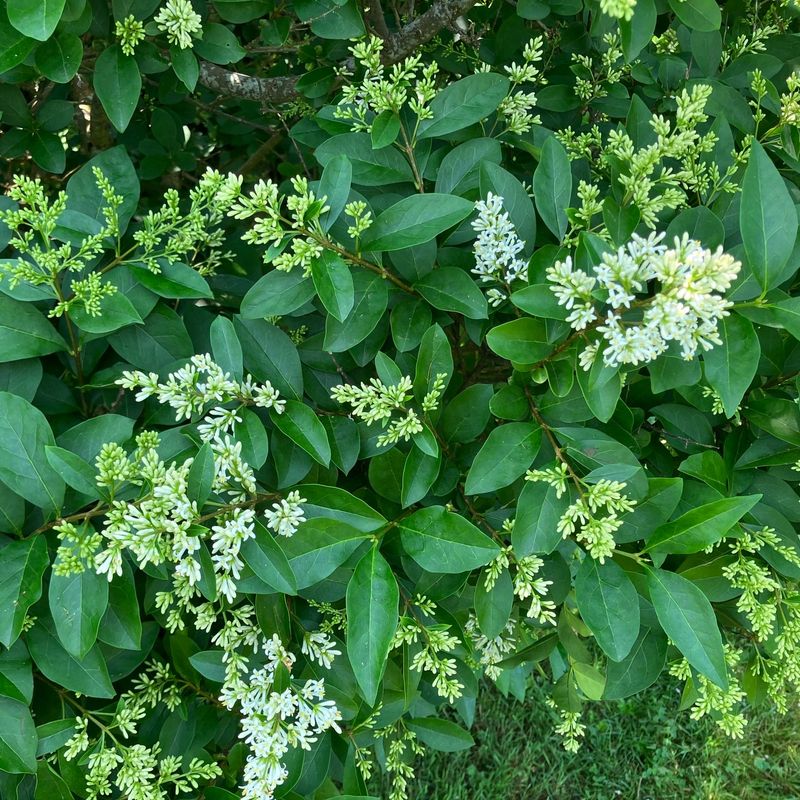
Privet transforms Tennessee forests into dark, lifeless tunnels where nothing else can grow underneath its dense canopy.
Chinese privet and European privet both plague the state, forming impenetrable walls along streams, forest edges, and disturbed areas.
These aggressive shrubs spread through both seeds and root sprouts, making them particularly challenging to control once they establish themselves.
What makes privet especially problematic is how it changes soil chemistry and light availability.
The thick growth blocks up to 95 percent of sunlight from reaching the ground, preventing native plants from photosynthesizing and surviving.
Birds eat the small purple-black berries and deposit seeds far and wide, spreading the invasion to new areas across Tennessee.
Cold months offer the best opportunity to tackle privet infestations effectively.
The plant stays semi-evergreen during mild Tennessee winters, making identification straightforward even when deciduous natives are bare.
You’ll want to cut larger stems and treat the stumps with herbicide, while smaller plants can sometimes be pulled if you catch them early and the soil is moist.
One interesting fact about privet: despite being marketed as a hedge plant for decades, it now costs Tennessee landowners and conservation groups millions of dollars in removal efforts.
Property values can actually decrease when privet takes over, and the plant provides poor habitat for native Tennessee wildlife.
Working on removal during winter protects you from the plant’s spring flowers, which can trigger allergies in sensitive individuals.
Many counties in Tennessee offer disposal programs for removed invasive plants during winter months.
Check with your local extension office about proper disposal methods to prevent accidentally spreading privet to new locations.
3. Autumn Olive
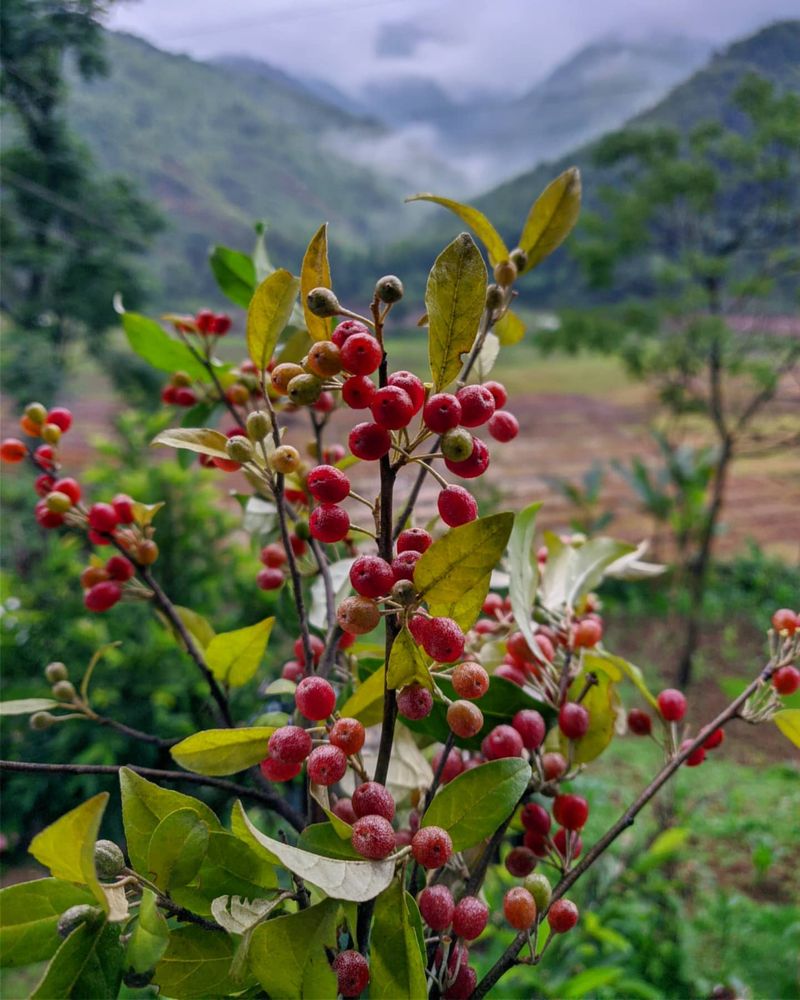
Autumn olive was intentionally planted across Tennessee for decades as a wildlife food source and erosion control measure.
Government agencies even promoted it, not realizing they were unleashing an ecological nightmare that would dominate old fields, roadsides, and forest edges throughout the state.
The shrub’s silvery leaves and abundant red berries might look attractive, but they represent a serious threat to Tennessee’s native plant communities.
Each mature autumn olive produces thousands of fruits annually, and birds eagerly consume and spread these seeds across the landscape.
The plant also fixes nitrogen in the soil, fundamentally altering soil chemistry in ways that favor invasive species over natives.
This gives autumn olive and its invasive companions an advantage while putting native Tennessee plants at a disadvantage in their own home territory.
Winter presents an ideal removal window because the plants are dormant and easier to handle safely.
The distinctive silvery undersides of the leaves help identify autumn olive even when other vegetation is brown.
For small plants, you can pull them when the ground is soft, but larger shrubs require cutting and stump treatment with appropriate herbicide.
Tennessee landowners often underestimate how quickly autumn olive spreads once established.
A single plant can turn into a dense thicket within just a few years, completely transforming open meadows into impenetrable scrubland.
The good news is that consistent winter removal efforts show excellent results over time, especially when combined with follow-up monitoring each season.
Rural areas across Tennessee face particularly severe autumn olive invasions, with some farms losing productive pasture land to these aggressive shrubs.
Removing them during winter months allows you to reclaim that space for native grasses, wildflowers, or whatever land use you prefer.
4. Japanese Honeysuckle
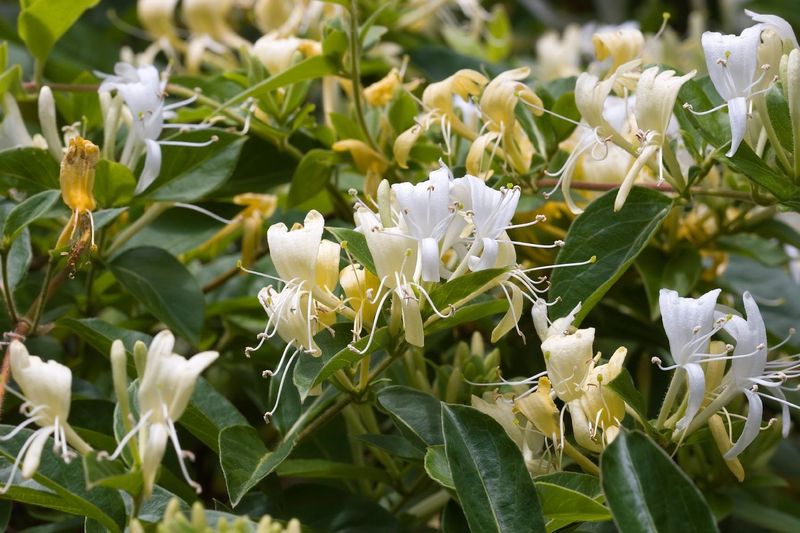
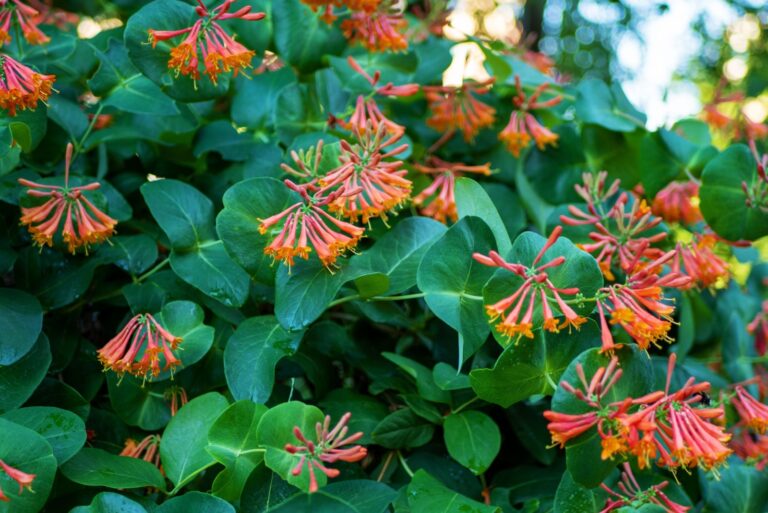
Japanese honeysuckle vines create beautiful fragrant flowers in summer, but don’t let that sweet smell fool you.
This aggressive climber smothers everything in its path, pulling down trees, covering shrubs, and forming dense mats that exclude all other plants.
Tennessee forests, fencerows, and abandoned areas often disappear under blankets of this persistent vine, which can grow up to 30 feet in a single growing season.
The vine spreads through seeds, runners, and fragments that root wherever they touch soil.
Even tiny pieces left behind can sprout into new plants, making thorough removal essential.
Japanese honeysuckle stays semi-evergreen during mild Tennessee winters, keeping its leaves while native plants go dormant and creating year-round competition for resources.
Tackling this vine during winter months gives you several advantages over warm-season removal efforts.
You can see exactly where the vines are rooted without being distracted by lush foliage, and the plants are less vigorous when temperatures drop.
Pull the vines down from trees carefully to avoid damaging bark, then trace them back to their roots and remove as much of the root system as possible.
For established infestations covering large areas in Tennessee, you might need to use a combination of mechanical removal and herbicide treatment.
Cut the vines at ground level, then treat the stumps immediately to prevent regrowth.
Monitor the area throughout the following year because Japanese honeysuckle is remarkably persistent and often requires multiple treatment sessions.
Many Tennessee homeowners appreciate Japanese honeysuckle’s flowers without understanding the ecological damage happening behind the scenes.
Educating neighbors about the problem helps create community-wide removal efforts that are far more effective than isolated attempts on individual properties.
5. Multiflora Rose
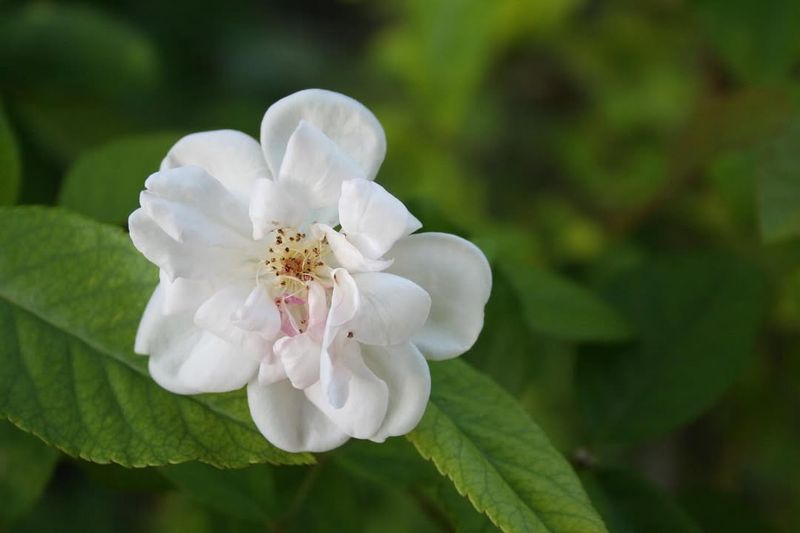
Multiflora rose turns Tennessee pastures and forest edges into painful obstacle courses with its viciously thorny stems.
Originally promoted for living fences and erosion control, this Asian import now infests millions of acres across the state, forming impenetrable thickets that provide poor habitat for native wildlife.
The arching stems can grow 15 feet long, and when they touch the ground, they root and create new plants, allowing the rose to spread rapidly across the landscape.
Each plant produces hundreds of small red rose hips that persist through winter, providing a feast for birds that then spread seeds throughout Tennessee.
The thorns make removal challenging and painful, but winter offers the safest time to tackle this aggressive invader.
You’ll want heavy gloves, long sleeves, and eye protection when working around multiflora rose regardless of the season.
Winter removal allows you to see the plant’s structure clearly and plan your approach before getting tangled in thorny stems.
Cut the canes as close to the ground as possible, then treat the stumps with herbicide to prevent regrowth.
For smaller plants, you might be able to dig out the root crown if the Tennessee soil is soft from winter moisture, but this requires significant effort and determination.
Some Tennessee farmers report that multiflora rose infestations have rendered portions of their land completely unusable for grazing or crop production.
The plant spreads so aggressively that it can take over an entire field within a decade if left unchecked.
Consistent winter removal efforts over several years can reclaim these areas, but you’ll need patience and persistence.
Interestingly, multiflora rose was once planted along highways throughout Tennessee as a supposed safety measure to prevent cars from leaving the roadway.
This misguided practice created roadside infestations that still plague the state decades later.
6. Tree Of Heaven
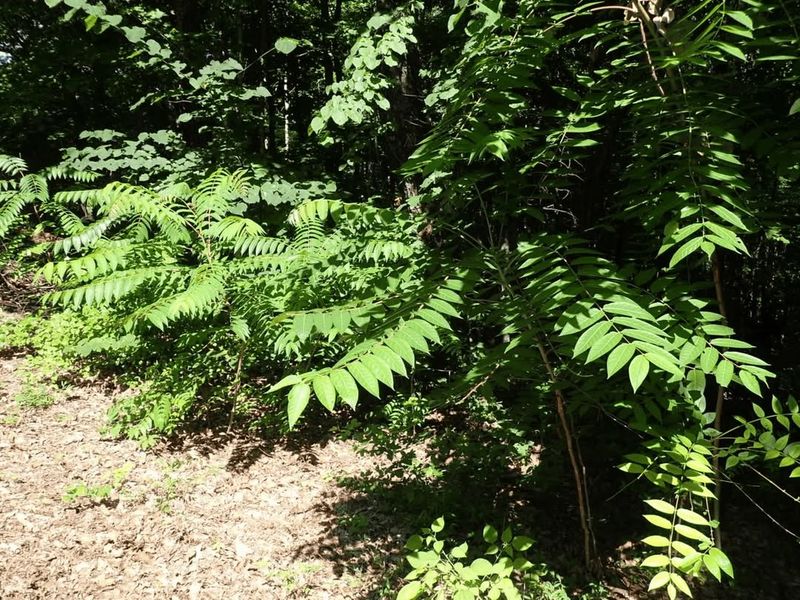
Tree of heaven earned its lofty name from its ability to grow almost anywhere, but Tennessee would be better off without this aggressive invader.
The fast-growing tree spreads through prolific seeds and aggressive root sprouts, forming dense colonies that crowd out native trees and shrubs.
A single mature tree can produce over 300,000 seeds annually, and the root system sends up new shoots that can appear dozens of feet away from the parent tree.
The tree releases chemicals into the soil that inhibit other plants from growing nearby, a strategy called allelopathy that gives it an unfair advantage in Tennessee ecosystems.
It also serves as the preferred host for spotted lanternfly, an invasive insect pest that threatens agriculture and ornamental plants throughout the region.
Removing tree of heaven helps control both invasive species simultaneously.
Winter provides the optimal removal window because the tree is dormant and less likely to produce root sprouts in response to cutting.
The compound leaves are gone, but you can identify tree of heaven by its smooth gray bark with light-colored streaks and by the persistent seed clusters that hang on through winter.
Simply cutting the tree down actually makes the problem worse because it triggers massive root sprouting.
Proper removal requires cutting the tree and immediately treating the stump with herbicide, or using a hack-and-squirt method where you make cuts around the trunk and apply herbicide directly into the wounds.
Tennessee homeowners often mistake tree of heaven for native sumacs or black walnut trees, so correct identification is essential before removal.
Urban and suburban areas across Tennessee face particularly severe tree of heaven invasions because the tree thrives in disturbed soils and poor growing conditions.
Empty lots, alleyways, and fence lines often become colonized by dense groves of this problematic tree.
7. English Ivy
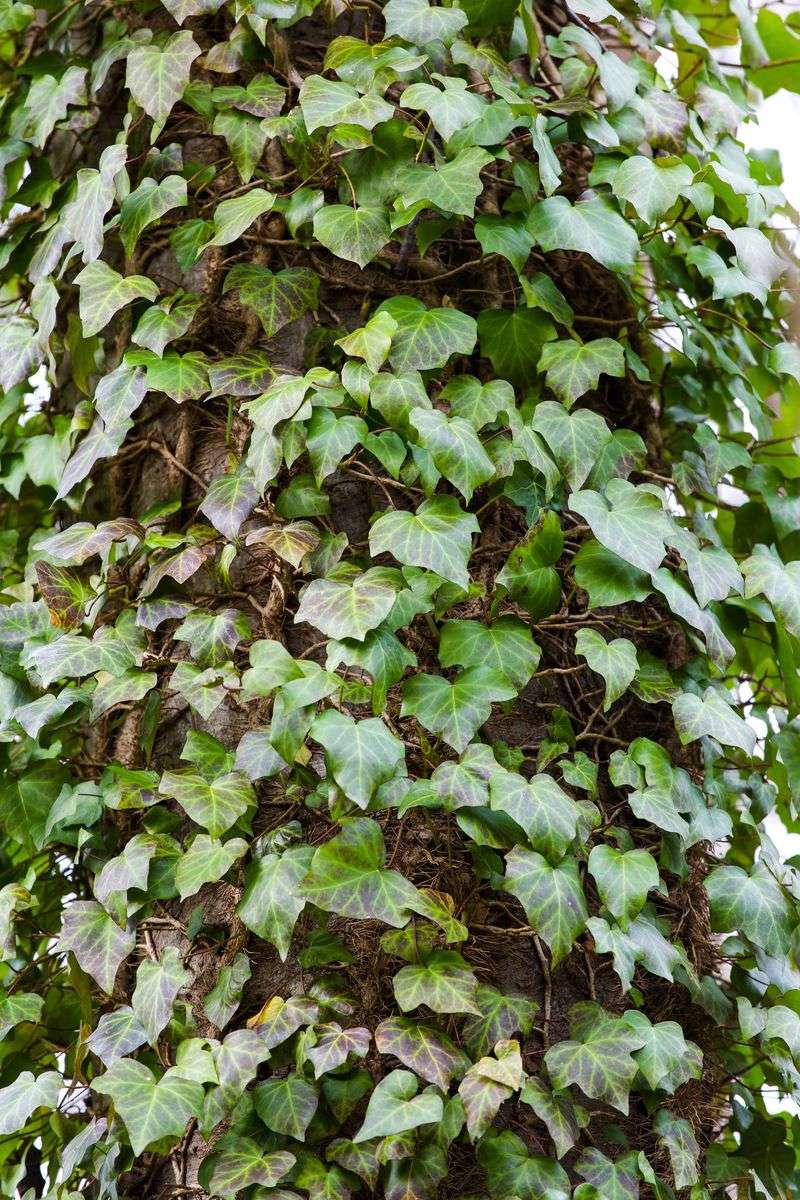
English ivy creates those charming green walls on old buildings, but when it escapes into Tennessee’s natural areas, it becomes an ecological disaster.
The evergreen vine climbs trees, smothers ground vegetation, and forms dense mats that prevent native plants from establishing.
What many people don’t realize is that the weight of ivy covering a tree can make it more likely to topple during storms, and the vine blocks sunlight from reaching the bark, weakening the tree over time.
The plant spreads through seeds produced on mature climbing vines and through vegetative growth along the ground.
Even small fragments can root and establish new colonies, making thorough removal important.
English ivy stays green and active throughout Tennessee winters, continuing to grow and spread even when native plants are dormant.
Winter removal protects you from the skin irritation that ivy sap can cause, which tends to be less severe in cold weather when plant fluids are less active.
Start by cutting all ivy vines climbing up trees at ground level and again at eye level, leaving a gap so you can monitor for regrowth.
Pull the bottom section away from the tree trunk carefully, but leave the upper section to wither and fall off naturally rather than damaging tree bark.
For ground coverage, you’ll need to remove the ivy mat completely, which often requires significant physical effort in Tennessee’s clay soils.
The roots form dense networks that hold soil together, making them challenging to extract.
Working during winter when the ground is softer from rainfall makes this task somewhat easier.
Many Tennessee neighborhoods have English ivy growing as intentional groundcover in yards, but few residents realize how readily it escapes into nearby natural areas.
A single planting can eventually colonize entire forest sections, fundamentally changing the habitat structure that native wildlife depends upon for survival.