Winter Prep And Maintenance Tips That Keep Georgia Gardens Going
Georgia gardeners know that winter doesn’t mean the growing season has to come to a complete halt.
With the right preparation and ongoing care, your garden can stay productive and healthy even during the cooler months.
From protecting tender plants to choosing the right crops for the season, a little effort now pays off with fresh vegetables, vibrant flowers, and a garden ready to thrive come spring.
Understanding Georgia’s unique winter climate is key to successful cold-weather gardening.
Temperatures can swing from mild days to sudden freezes, making it essential to stay flexible with your maintenance routine.
Whether you’re a seasoned gardener or just starting out, these practical tips will help you navigate the challenges and opportunities that winter brings to Georgia gardens.
Getting your garden ready for winter isn’t complicated, but it does require some planning and attention to detail.
Simple tasks like mulching, watering correctly, and selecting the right plants can make all the difference.
By following these straightforward strategies, you’ll keep your garden looking great and producing food throughout the colder months, setting yourself up for an even better growing season when warmer weather returns.
1. Mulch Your Garden Beds Generously
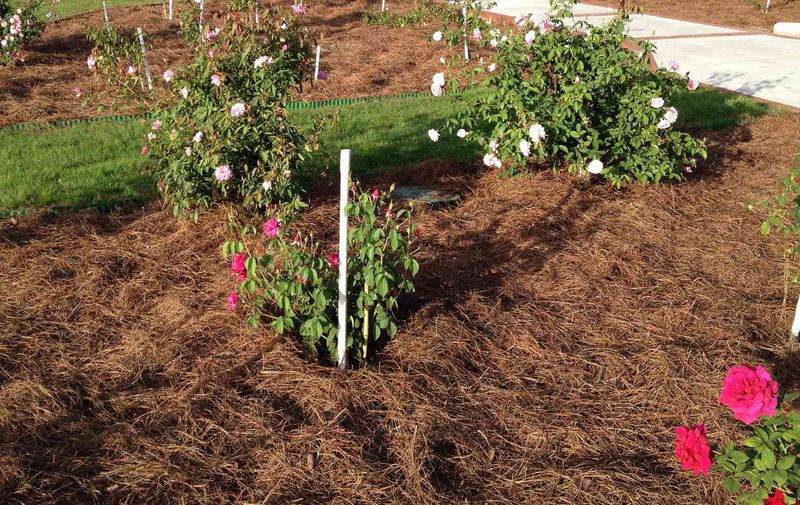
Adding a thick layer of mulch to your garden beds ranks among the smartest moves you can make before winter settles in across Georgia.
Organic materials like straw, shredded leaves, or pine needles create an insulating blanket that protects plant roots from temperature swings.
Mulch does more than just keep roots warm during cold snaps.
It helps the soil retain moisture, which remains important even in winter when plants still need water.
A good mulch layer also prevents weeds from sprouting up and competing with your winter crops for nutrients and space.
Aim for about three to four inches of mulch around your plants, but keep it pulled back slightly from stems to prevent rot.
In Georgia, where winter temperatures can drop suddenly, this protective layer gives your garden a fighting chance against unexpected freezes.
Mulch breaks down over time, adding valuable organic matter to your soil and improving its structure for future planting seasons.
Many Georgia gardeners find that fall leaves make excellent free mulch material.
Simply shred them with a mower and spread them around your garden beds.
Pine straw works particularly well in Georgia since it’s readily available and breaks down slowly, providing long-lasting protection throughout the winter months.
Remember to refresh your mulch layer if it gets thin or compacted from rain.
Well-mulched beds require less watering, stay warmer on cold nights, and give your winter vegetables the stable environment they need to keep growing strong until spring arrives in Georgia gardens.
2. Plant Cold-Hardy Vegetables For Continuous Harvest
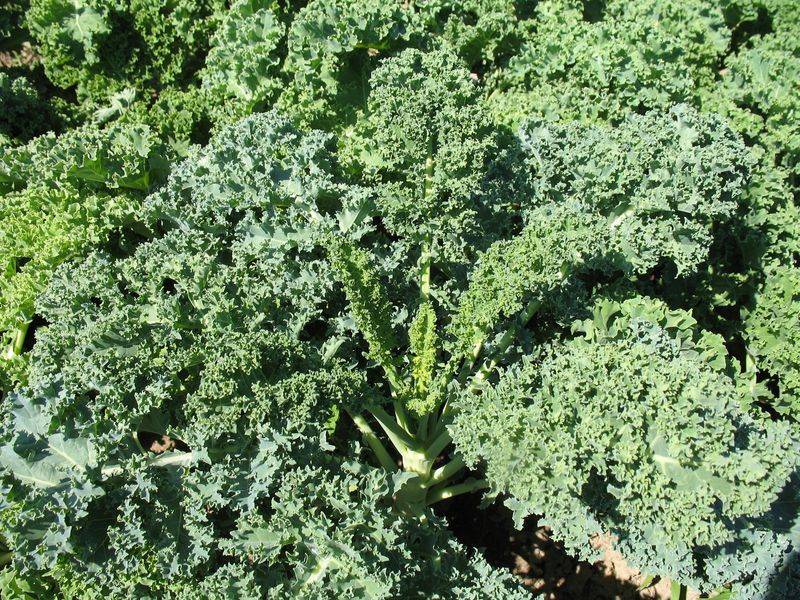
Winter gardening in Georgia opens up exciting possibilities for growing fresh vegetables when most people think nothing will grow.
Cool-season crops actually prefer the milder temperatures that Georgia winters provide, and many taste even sweeter after a light frost.
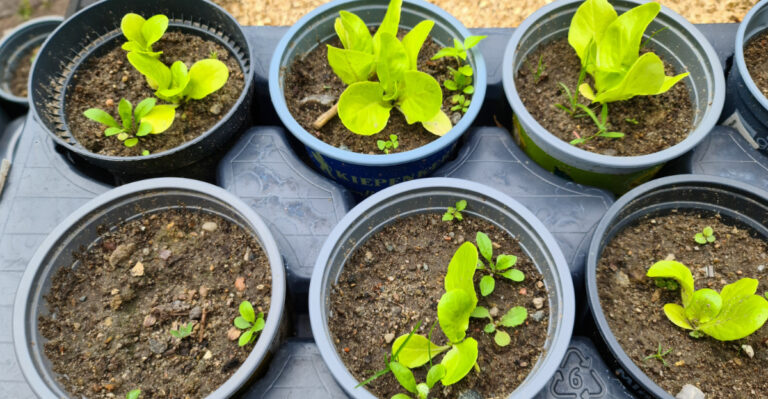
Kale, collards, lettuce, spinach, and Swiss chard all thrive when temperatures dip, giving you a steady supply of nutritious greens throughout the colder months.
Timing matters when planting winter vegetables in Georgia.
Get your seeds or transplants in the ground during late summer or early fall, giving them time to establish strong roots before temperatures drop significantly.
Most cool-season vegetables need about six to eight weeks of growing time before the first hard freeze arrives.
Root vegetables like carrots, turnips, and radishes also perform wonderfully in Georgia winter gardens.
These hardy crops can tolerate frost and actually develop better flavor when grown in cool weather.
Broccoli and cauliflower are other excellent choices that handle Georgia’s winter conditions with ease, providing substantial harvests well into the new year.
Consider succession planting to extend your harvest period.
Plant small amounts of quick-growing crops like lettuce every two weeks for a continuous supply of fresh salad greens.
Many Georgia gardeners find that winter vegetables require less pest management than summer crops, making them easier to grow organically.
Don’t forget about herbs either.
Parsley, cilantro, and chives all grow beautifully through Georgia winters, adding fresh flavors to your meals when you need them most.
3. Protect Tender Plants From Unexpected Freezes
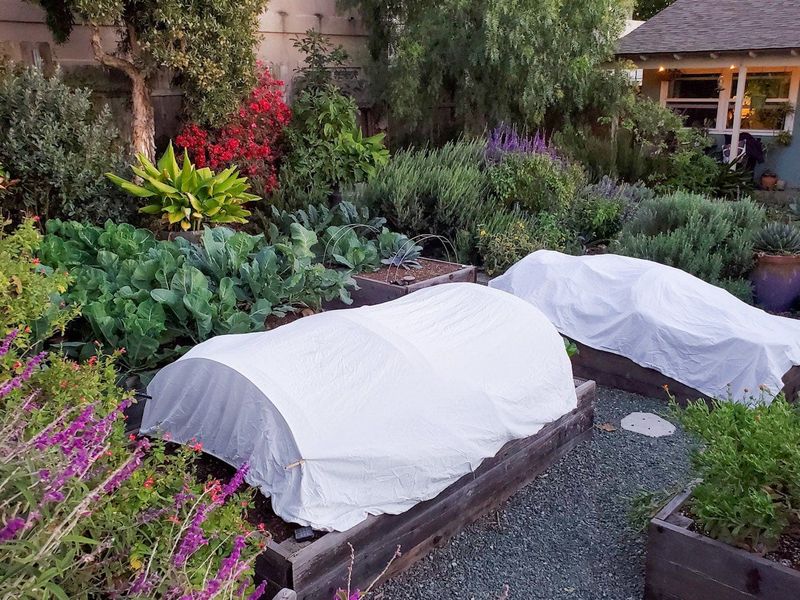
Georgia’s unpredictable winter weather keeps gardeners on their toes, with temperatures sometimes plunging unexpectedly after days of mild conditions.
Having a protection plan ready helps you respond quickly when frost warnings appear in the forecast.
Row covers, frost blankets, and even old sheets can save tender plants from freeze damage when deployed in time.
Lightweight floating row covers work wonderfully for protecting low-growing vegetables and flowers.
These breathable fabrics trap heat rising from the soil while allowing light and moisture to reach your plants.
You can leave them in place for extended periods during cold stretches, removing them when temperatures warm up again.
For larger plants or shrubs, consider wrapping them with burlap or specialized plant blankets when severe cold threatens.
Create a simple frame around the plant using stakes or tomato cages, then drape the protective material over it.
This method prevents the cover from crushing delicate branches while still providing insulation.
Water your garden thoroughly before a predicted freeze.
Moist soil retains heat better than dry soil, offering extra protection to plant roots.
Some Georgia gardeners also use strings of old-fashioned incandescent Christmas lights under row covers to provide gentle warmth during the coldest nights.
Keep emergency supplies like extra row covers, stakes, and clips organized and ready to grab at a moment’s notice.
Georgia weather can change rapidly, and being prepared means the difference between losing plants and keeping your garden productive throughout winter.
Remember to remove covers during warm days to prevent overheating and allow pollinators to visit your plants.
4. Water Wisely During Dry Winter Periods
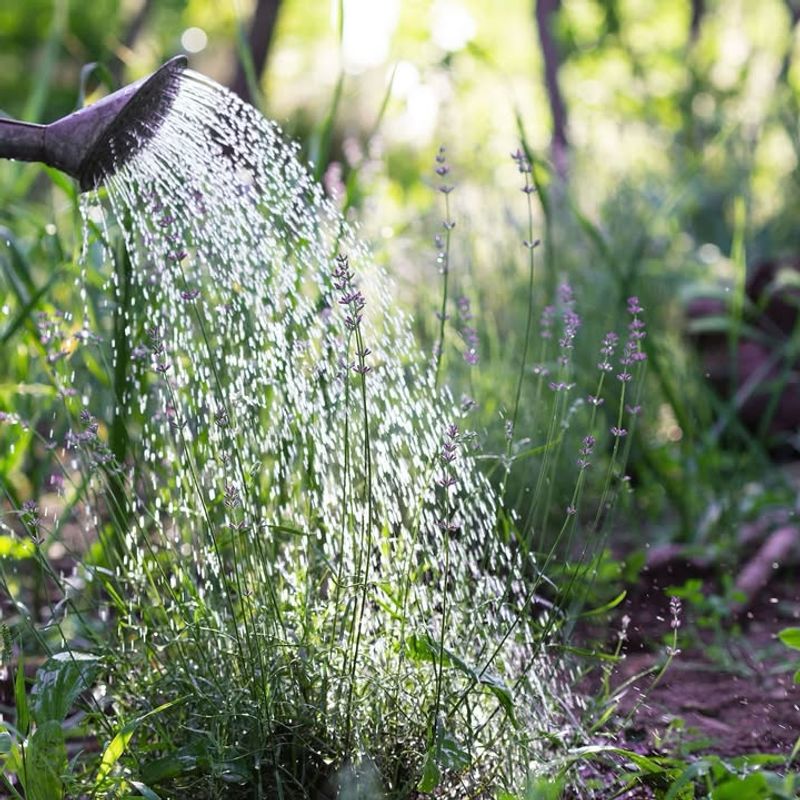
Many gardeners mistakenly believe plants don’t need water during winter, but this couldn’t be further from the truth in Georgia.
Winter crops still require consistent moisture to grow properly, and dry spells can stress plants just as much in January as in July.
The key difference lies in how much and how often you water during the cooler months.
Plants use less water in winter because cooler temperatures slow their growth and reduce evaporation rates.
Check soil moisture regularly by sticking your finger about two inches deep into the ground.
If it feels dry at that depth, your plants need water.
Sandy Georgia soils drain quickly and may require more frequent watering than heavier clay soils.
Water early in the day when temperatures are rising, giving plants time to absorb moisture before nighttime cold arrives.
Wet foliage at night increases the risk of fungal diseases, which can spread easily in cool, damp conditions.
Drip irrigation or soaker hoses deliver water directly to plant roots, making them ideal for winter watering in Georgia gardens.
Winter rain in Georgia can be unpredictable, with some weeks bringing plenty of moisture and others staying completely dry.
Don’t assume rainfall is adequate without checking soil moisture levels yourself.
Container plants and vegetables growing under roof overhangs may receive no natural rainfall at all and need regular attention.
Established perennials, shrubs, and trees also benefit from occasional deep watering during dry winter stretches.
These plants continue developing roots even when their tops look dormant, and adequate moisture helps them emerge stronger when spring arrives in Georgia.
5. Prune And Maintain Garden Structures
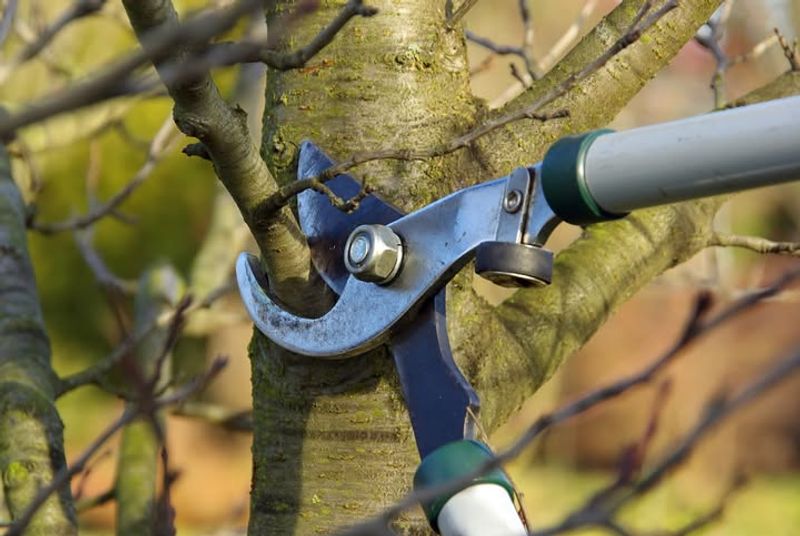
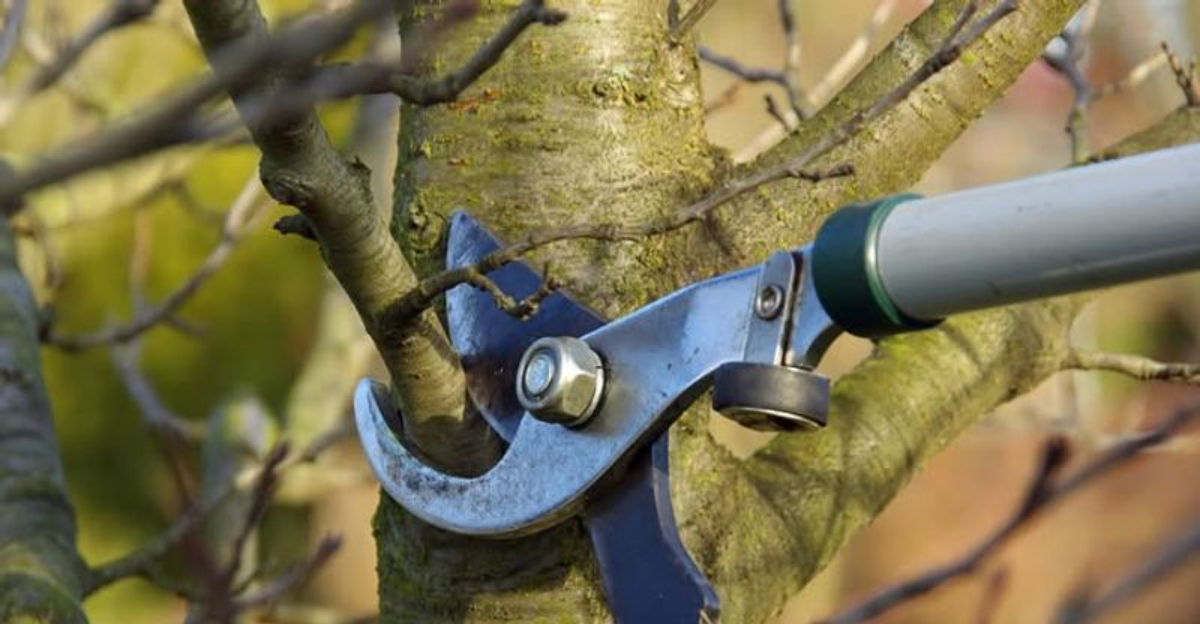
Winter provides the perfect opportunity to tackle pruning tasks and garden maintenance that’s difficult to manage during busy growing seasons.
Deciduous trees and shrubs enter dormancy during Georgia winters, making it an ideal time to shape them without causing stress.
You can easily see the branch structure when leaves are gone, helping you make better pruning decisions.
Remove dry, damaged, or diseased branches first, cutting them back to healthy wood.
Crossing branches that rub against each other should also be removed to prevent wounds that invite pests and diseases.
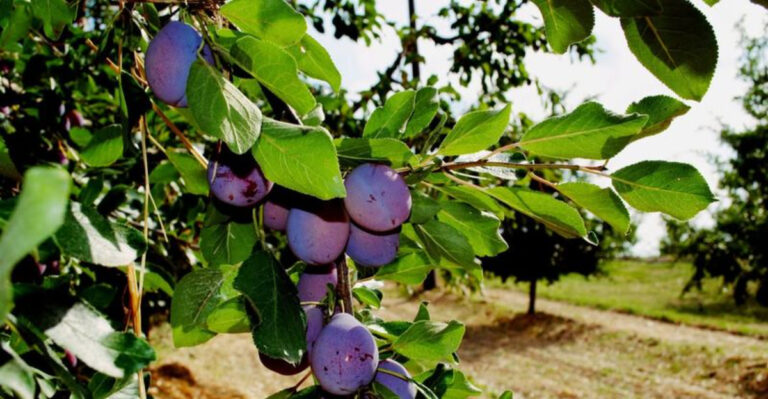
Most fruit trees benefit from winter pruning in Georgia, with late winter being the best time before buds begin to swell.
While you’re pruning, take time to inspect and repair garden structures like trellises, raised beds, and fences.
Winter weather and summer growth can loosen screws, break supports, and cause general wear and tear.
Fixing these issues now prevents problems when plants start growing vigorously in spring and need sturdy support systems.
Clean and sharpen your pruning tools between cuts, especially when working with diseased wood.
A solution of one part bleach to nine parts water disinfects tools effectively, preventing the spread of plant diseases throughout your Georgia garden.
Well-maintained, sharp tools make cleaner cuts that heal faster.
Consider applying fresh paint or sealant to wooden raised beds and garden structures during dry winter days.
This maintenance extends their lifespan and keeps your garden looking neat.
Georgia’s winter weather typically includes enough dry days to complete outdoor projects comfortably, making it a productive time for garden improvements and repairs.
6. Feed Your Soil With Compost And Amendments
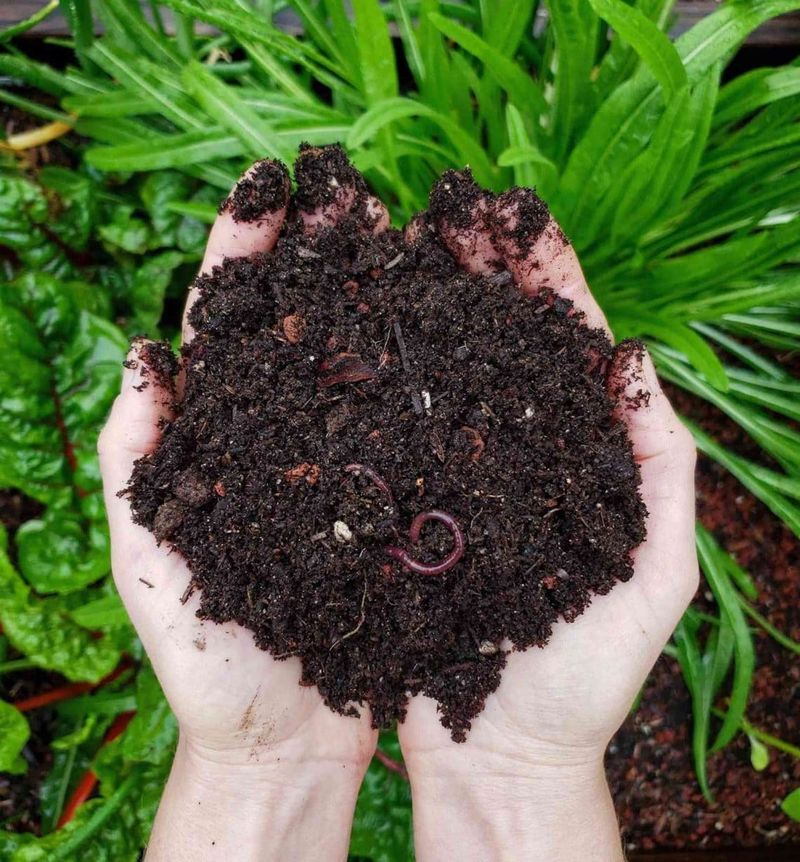
Healthy soil forms the foundation of any successful garden, and winter offers an excellent chance to improve soil quality in Georgia gardens.
Adding compost, aged manure, and other organic amendments during the dormant season gives these materials time to break down and integrate before spring planting begins.
Your soil will be rich, crumbly, and ready to support vigorous plant growth when warm weather returns.
Spread a two to three-inch layer of finished compost over empty garden beds and gently work it into the top few inches of soil.
This organic matter improves soil structure, increases water retention in sandy Georgia soils, and enhances drainage in heavier clay soils.
Beneficial microorganisms and earthworms break down the compost throughout winter, releasing nutrients gradually.
Consider getting a soil test through your local Georgia extension office to identify specific nutrient deficiencies or pH imbalances.
Winter gives you plenty of time to address these issues before planting season arrives.
Lime raises pH in acidic soils, while sulfur lowers pH when needed, but both amendments work slowly and benefit from winter application.
Cover crops like winter rye, crimson clover, or Austrian winter peas also build soil health when planted in fall across Georgia.
These living mulches protect bare soil from erosion, suppress weeds, and add nitrogen and organic matter when turned under in early spring.
Many Georgia gardeners swear by cover crops for maintaining productive, healthy garden soil year after year.
Don’t forget to keep building your compost pile throughout winter.
Kitchen scraps, fallen leaves, and garden debris continue decomposing even in cooler weather, creating valuable soil amendment for future use in your Georgia garden.
7. Monitor For Pests And Diseases Year-Round
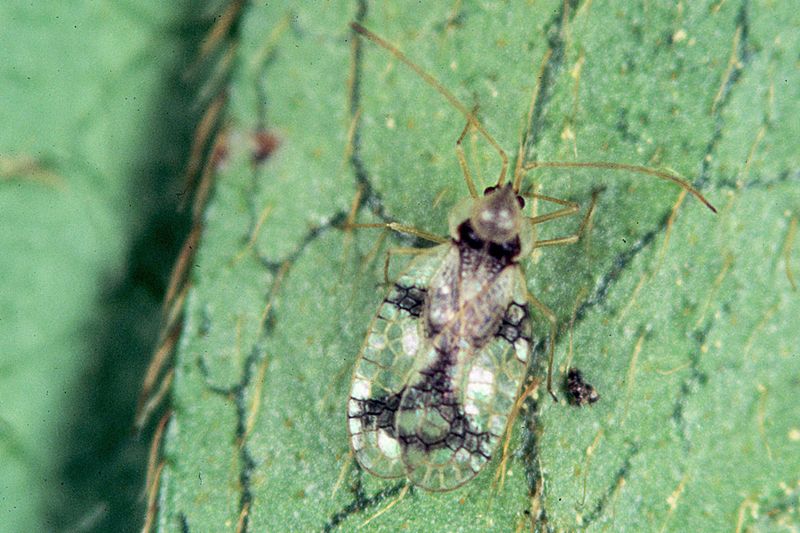
Pests and diseases don’t take complete vacations during Georgia winters, though their activity certainly slows down compared to summer months.
Staying vigilant about potential problems helps you catch issues early when they’re easier to manage.
Regular garden inspections become even more important during winter because problems can escalate quickly in the cool, damp conditions that sometimes occur.
Aphids, cabbage worms, and slugs remain active during mild Georgia winters, particularly on cool-season vegetables like kale, broccoli, and lettuce.
Check the undersides of leaves weekly for clusters of aphids or small green caterpillars.
Hand-picking pests works well when populations are small, and it’s the safest method for edible crops you’ll be harvesting soon.
Fungal diseases like powdery mildew and downy mildew can appear on winter crops, especially when humidity is high and air circulation is poor.
Space plants properly to allow air movement between them, and avoid overhead watering that leaves foliage wet for extended periods.
Remove affected leaves promptly to prevent disease spread throughout your Georgia garden.
Winter also provides a good opportunity to eliminate pest hiding places around your garden.
Clean up fallen fruit, remove old plant debris, and turn compost piles regularly.
These simple housekeeping tasks reduce populations of overwintering pests and diseases that would otherwise emerge to attack your spring garden.
Keep beneficial insects in mind when managing pests.
Ladybugs, lacewings, and parasitic wasps remain somewhat active during Georgia’s mild winters and help control pest populations naturally.
Avoid using harsh pesticides that harm these helpful garden allies along with the pests you’re trying to control.