10 Winter Root Rot Mistakes Massachusetts Plant Owners Keep Making Indoors And How To Prevent Them
When winter settles over Massachusetts, most homeowners turn their attention indoors—unfortunately, so do their plant problems.
Root rot creeps in quietly, like a thief in the night, striking when low light, cool rooms, and well-intended watering collide.
Before long, leaves droop, stems soften, and that once-thriving houseplant starts looking like it’s waving a white flag.
And here’s the kicker: most of the damage begins long before anyone notices something is amiss.
The truth is, winter indoor conditions are practically tailor-made for root rot, especially in New England homes where heaters blast dry air while windows leak cold drafts.
It’s a recipe for soil that stays wetter longer, roots that can’t “breathe,” and fungi that thrive on the chaos.
The good news? Every bit of this is preventable once you know the traps to avoid.
This guide shines a light on the most common mistakes Massachusetts plant owners make and offers straightforward ways to keep roots healthy all season.
Think of it as your winter survival manual for houseplants—clear, practical, and designed to stop rot before it ever takes hold.
1. Overwatering Habits That Encourage Rot
Summer watering schedules become dangerous when carried into winter without adjustment.
Plants slow their growth dramatically during Massachusetts winters, using far less water than during sunny months.
The combination of reduced light, cooler temperatures, and lower metabolic activity means roots simply cannot absorb moisture at their usual pace.
When you continue watering on autopilot, soil stays soggy for extended periods, suffocating roots and creating perfect conditions for fungal growth.
The top inch of soil becomes your best guide for watering decisions.
Press your finger into the potting mix before reaching for the watering can.
If moisture clings to your skin, wait several more days before watering again.
Different plants have varying needs, but most tropical houseplants prefer to dry out slightly between waterings during winter.
Consider marking your calendar when you water each plant, then gradually extend the time between waterings as you observe how quickly soil dries.
Some plants that needed weekly watering in July might only require moisture every two or three weeks by January.
Adjust your routine based on actual soil conditions rather than calendar dates, and your plants will reward you with healthy root systems that stay strong through the entire cold season.
2. Cold Soil Conditions That Damage Roots
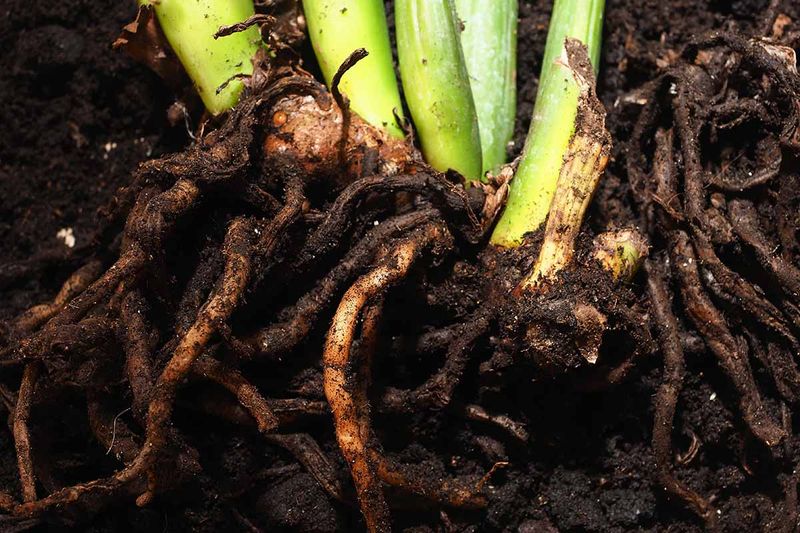
Windowsills seem like ideal spots for maximizing limited winter sunlight, but they often become temperature danger zones.
Glass conducts cold efficiently, and even double-pane windows allow chill to radiate inward during Massachusetts winter nights.
When soil temperature drops below 55 degrees Fahrenheit, root function slows dramatically, preventing plants from absorbing water properly.
This creates a vicious cycle where cold, wet soil sits stagnant around struggling roots, inviting rot-causing organisms to multiply.
Unheated rooms, drafty entryways, and spots near exterior doors compound this problem.
Move sensitive tropical plants at least six inches away from windows during the coldest months.
Place a thermometer near your plant collection to monitor actual temperatures at plant level, which often differ significantly from your thermostat reading.
Consider using insulating pot covers or setting containers on cork mats or wooden stands to create a buffer between cold surfaces and root zones.
Grouping plants together also helps maintain slightly warmer microclimates.
During extreme cold snaps, temporarily relocate plants away from windows entirely, even if this means sacrificing some light for a few days.
Healthy roots in warm soil will recover from brief dimness far better than cold-damaged roots ever will from prolonged exposure to chilling temperatures that compromise their basic functions.
3. Poor Drainage Choices In Decorative Pots
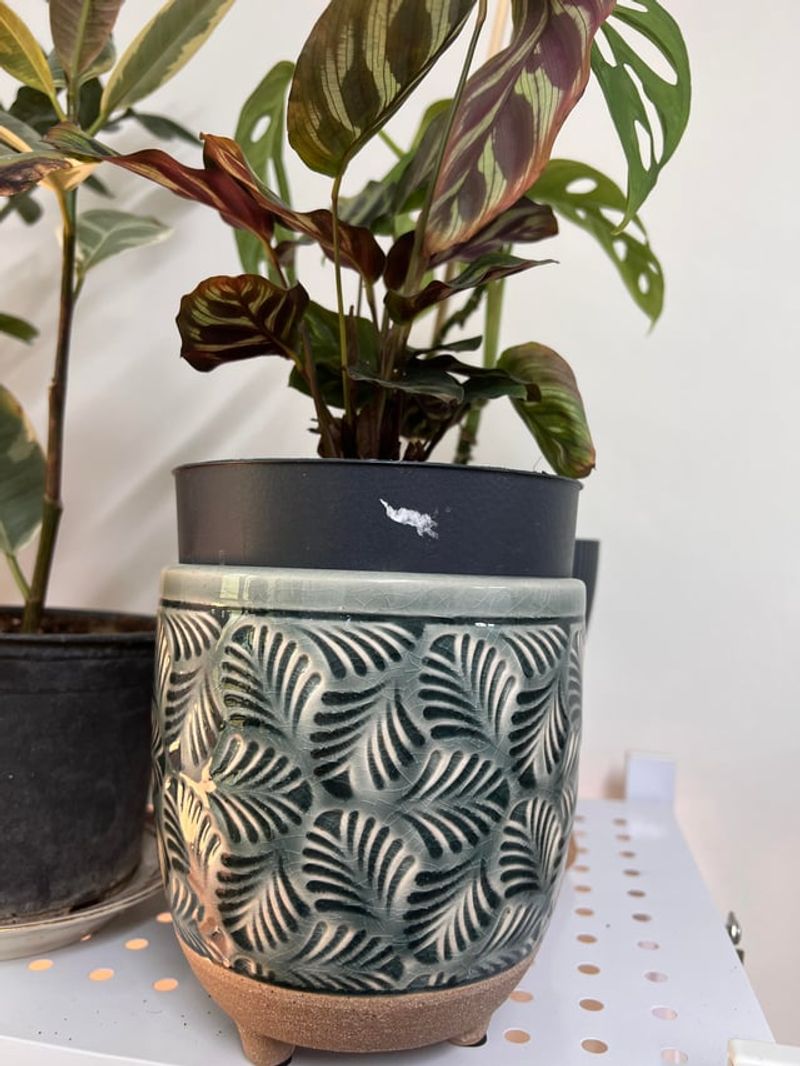
Beautiful cachepots and decorative containers add style to indoor spaces, but they often lack the drainage holes essential for plant health.
When water cannot escape, it accumulates at the bottom of containers, creating hidden reservoirs that keep lower soil layers perpetually saturated.
Roots naturally grow downward seeking moisture and nutrients, which means they eventually reach this waterlogged zone and begin to rot from the bottom up.
By the time symptoms appear in leaves, extensive root damage has already occurred below the soil surface.
The double-pot method solves this problem elegantly and protects your investment in attractive planters.
Keep plants in their original nursery pots with drainage holes, then place these functional containers inside your decorative pots.
After watering, allow excess moisture to drain completely before returning the nursery pot to its decorative cover.
Alternatively, lift the plant out periodically to check for water accumulation in the outer pot and empty it immediately.
Some gardeners place a layer of pebbles or pot feet at the bottom of decorative containers to elevate nursery pots above any drainage water.
If you absolutely must plant directly into a container without holes, use extreme caution with watering and consider adding a thick drainage layer of lava rock or horticultural charcoal at the bottom, though this remains a less reliable solution than proper drainage holes.
4. Heavy Soil Mixes That Stay Wet Too Long
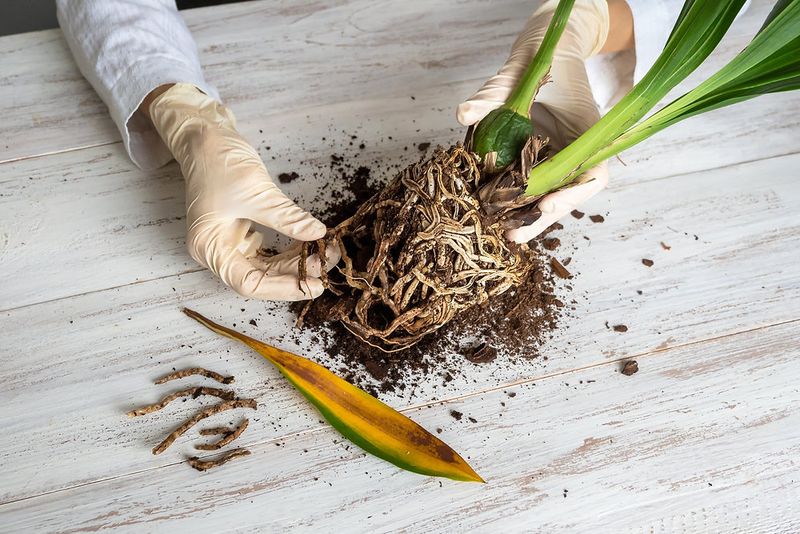
Garden soil and dense potting mixes work beautifully outdoors where sun and wind promote evaporation, but indoors they become waterlogged traps.
Massachusetts winters offer minimal natural light, and plants transpire much less moisture through their leaves during this dormant period.
Heavy soils with high clay or peat content hold water tenaciously, keeping roots surrounded by moisture for weeks at a time.
Roots need both water and oxygen to function properly, and compacted, soggy soil provides neither in adequate amounts.
Transitioning to lighter, faster-draining mixes before winter arrives gives plants a significant advantage.
Quality houseplant mixes contain amendments like perlite, pumice, orchid bark, or coarse sand that create air pockets throughout the soil structure.
These materials prevent compaction and allow excess water to drain freely while still retaining enough moisture for plant needs.
Mix your own blend by combining standard potting soil with one-third perlite or pumice for most tropical houseplants.
Succulents and cacti benefit from even grittier mixes with fifty percent or more inorganic material.
When repotting, examine the root ball carefully and gently remove heavy, compacted soil before settling plants into their improved growing medium.
The investment in proper soil pays dividends throughout winter as roots remain healthy and active rather than struggling in oxygen-poor, waterlogged conditions that promote rot.
5. Trapped Moisture From Plastic Saucers
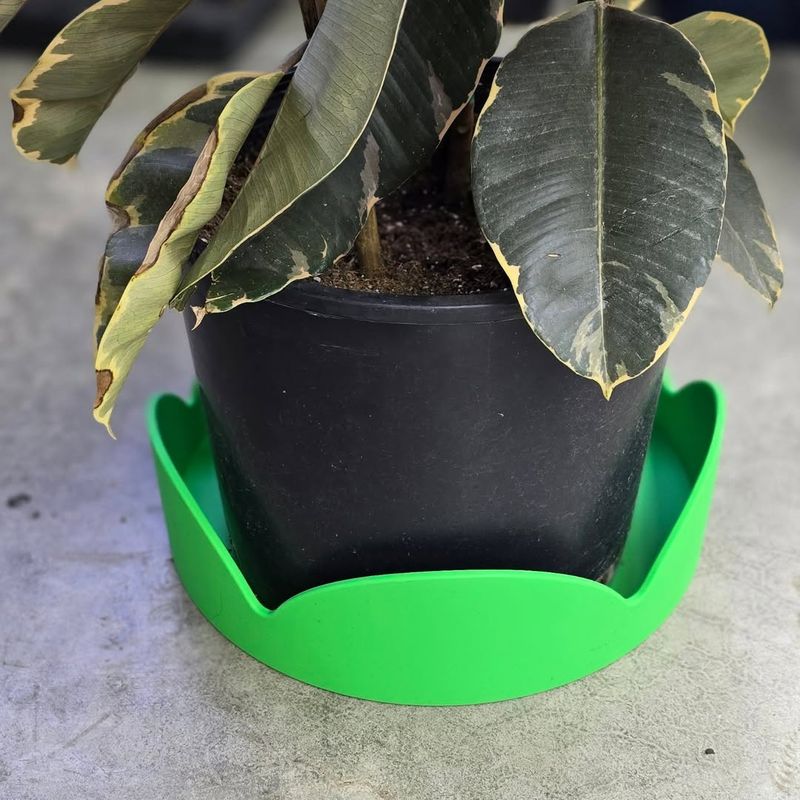
Saucers protect furniture and floors from water damage, making them essential accessories for indoor gardening.
However, they become problematic when water sits in them for hours or days after watering sessions.
Plant roots grow throughout the entire pot, including near drainage holes at the bottom, and these lower roots make direct contact with standing water in saucers.
This constant moisture exposure creates ideal conditions for root rot fungi, even when the upper soil layers appear appropriately dry.
Massachusetts winters already challenge plants with reduced light and cooler temperatures that slow water uptake.
Adding the stress of perpetually wet lower roots often tips the balance toward rot rather than healthy growth.
Develop a strict habit of emptying saucers within fifteen to thirty minutes after watering each plant.
Use a turkey baster, small cup, or absorbent cloth to remove accumulated water quickly and completely.
For plants in difficult-to-reach locations, consider eliminating saucers entirely and moving plants to sinks or bathtubs for watering, allowing them to drain thoroughly before returning them to their display spots.
Some gardeners place pebbles or pot feet in saucers to elevate containers above any residual water, though this works only if you remain vigilant about preventing water levels from rising high enough to touch pot bottoms.
This simple practice of emptying saucers prevents one of the most common and easily avoided causes of winter root rot.
6. Low Light Levels That Reduce Water Use
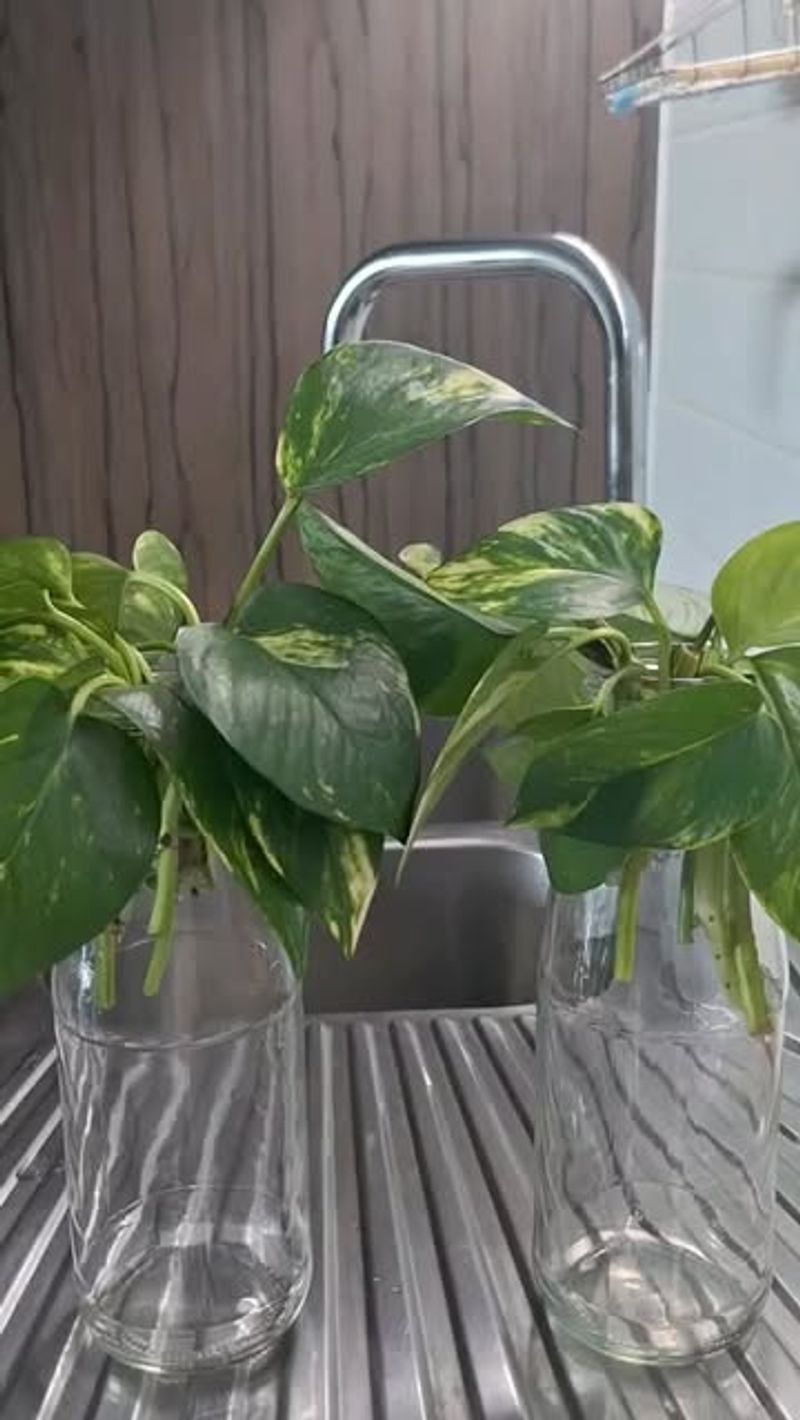
Photosynthesis drives plant growth, and photosynthesis requires adequate light to function efficiently.
Massachusetts winter days are notoriously short and often overcast, dramatically reducing the light available to indoor plants compared to summer conditions.
Plants respond to this light reduction by slowing their metabolic processes, including water uptake through roots.
When plants use less water but continue receiving the same amount, soil remains wet far longer than it should, setting the stage for root rot.
Strategic placement near your brightest windows helps maintain plant activity during darker months.
South-facing windows provide the most intense light in winter, followed by west and east exposures.
Clean window glass regularly, as dust and grime block surprising amounts of light during seasons when every photon counts.
Consider supplementing natural light with full-spectrum grow lights placed six to twelve inches above plant foliage.
Modern LED grow lights use minimal electricity and generate little heat, making them practical for home use.
Even a few hours of supplemental lighting each day can significantly increase plant metabolism and water usage, keeping soil from staying soggy.
Rotate plants weekly so all sides receive equal light exposure, promoting balanced growth and even water distribution throughout root systems.
Better lighting does not just prevent root rot; it helps plants maintain vigor and color throughout winter rather than merely surviving until spring returns with its abundant sunshine.
7. Humidity Boosting Gone Too Far
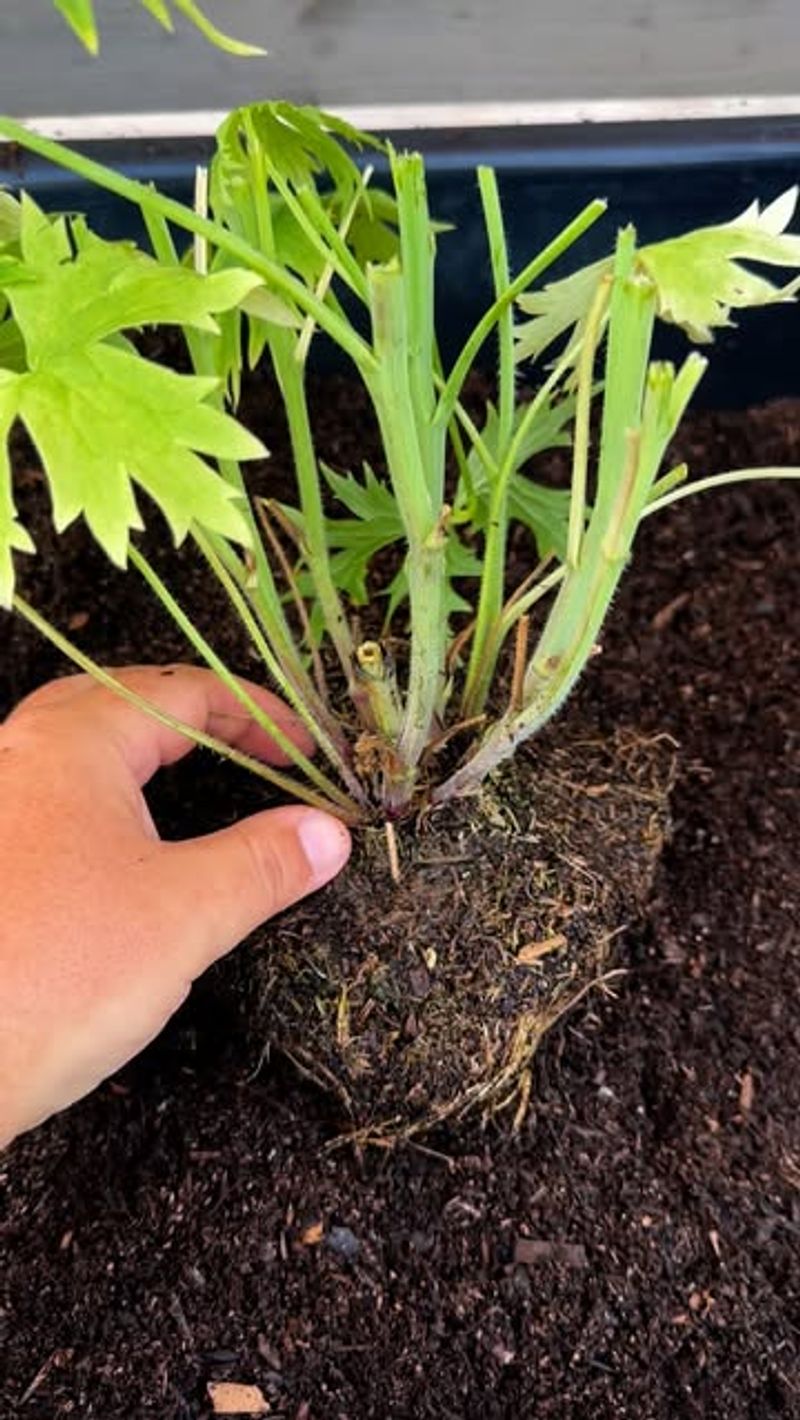
Heating systems dry indoor air dramatically during Massachusetts winters, prompting plant lovers to add humidity through various methods.
Tropical plants certainly appreciate higher humidity levels, but excessive moisture in stagnant air creates surprisingly dangerous conditions.
When humidity stays high without adequate air circulation, soil surfaces remain damp constantly, and this persistent moisture extends deep into the root zone.
Fungal spores thrive in these humid, still environments, multiplying rapidly and attacking stressed roots that already struggle with low light and cool temperatures.
Humidifiers help plants, but placement and settings matter enormously.
Position humidifiers several feet away from plant collections rather than directly beside them, allowing moisture to disperse throughout the room rather than concentrating around pots.
Run humidifiers intermittently rather than continuously, giving soil surfaces time to dry between moisture bursts.
Pebble trays filled with water and placed beneath pots provide localized humidity without saturating soil, as long as pots sit above water level on the pebbles rather than in the water itself.
Grouping plants together creates natural humidity through collective transpiration without requiring mechanical devices.
Most importantly, ensure good air circulation around humid plant areas by running ceiling fans on low settings or placing small oscillating fans nearby.
Moving air prevents moisture from settling and stagnating, helping soil dry at healthy rates while still providing the humidity benefits tropical plants need to maintain lush foliage during dry winter months.
8. Oversized Pots That Hold Excess Moisture
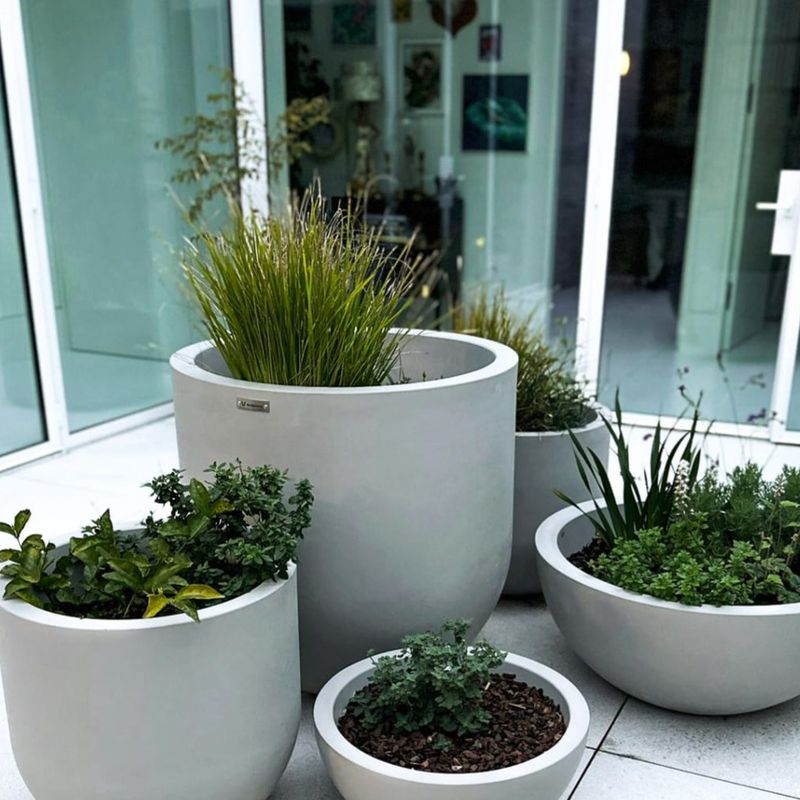
Repotting into larger containers seems like a thoughtful way to give plants room to grow, but timing and size increases matter greatly.
When a small root system sits surrounded by large volumes of soil, roots cannot absorb water quickly enough to dry the entire pot efficiently.
The outer soil areas remain wet for extended periods, creating pockets of stagnant moisture that invite root rot fungi.
This problem intensifies dramatically during winter when plant growth slows and water uptake decreases naturally.
Professional growers typically increase pot size by only one or two inches in diameter during repotting, ensuring root systems can reasonably access and dry the available soil.
Before repotting, check whether plants actually need larger containers by examining roots.
Gently remove plants from their pots and look for roots circling densely around the outside of the root ball or growing through drainage holes.
These signs indicate true root-bound conditions that justify repotting.
If roots remain primarily in the center with visible soil around the edges, plants do not need larger containers yet.
Winter is generally not ideal for repotting anyway, as spring’s increasing light and warmth help plants recover from transplant stress more effectively.
If you discover a plant in an oversized pot during winter, consider carefully removing it and downsizing to a more appropriate container with fresh, well-draining soil.
The temporary disruption causes less harm than allowing roots to sit in perpetually soggy soil throughout the remaining cold months.
9. Ignoring Early Warning Signs Of Trouble
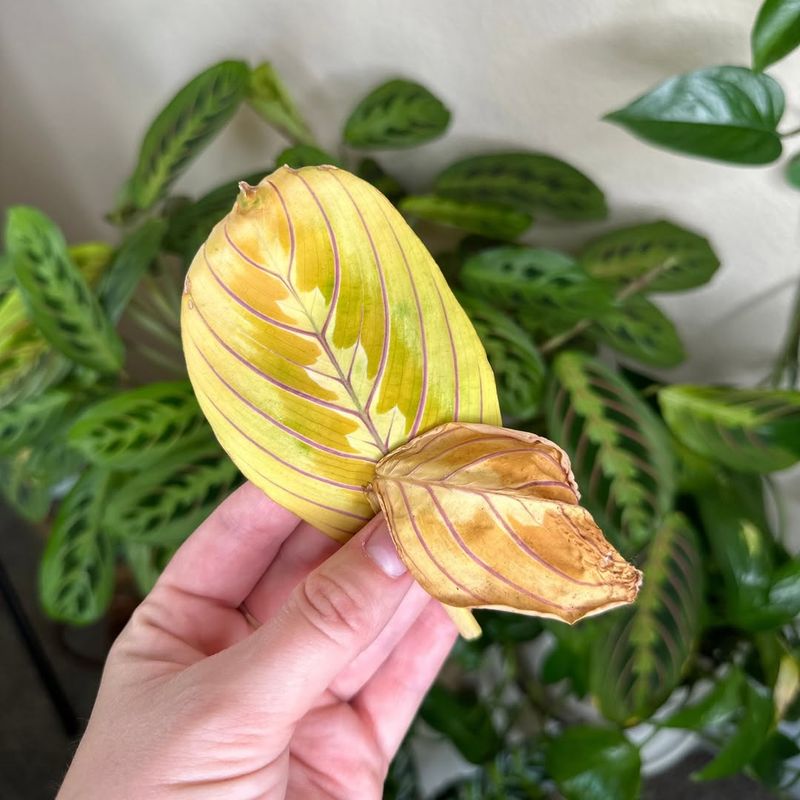
Root rot progresses gradually, and plants signal distress well before the situation becomes critical.
Learning to recognize these early warnings allows intervention before extensive root damage occurs.
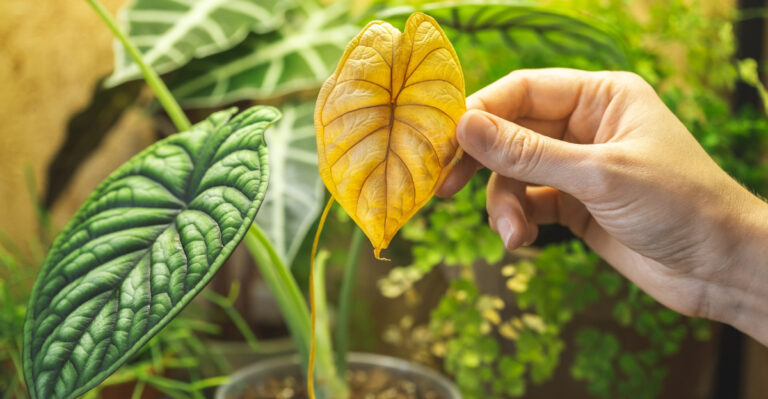
Yellowing leaves, particularly lower or older leaves, often indicate that roots cannot supply adequate nutrients and water to the entire plant.
While some yellow leaves are normal, sudden increases in yellowing during winter should prompt investigation.
Musty or sour odors rising from soil suggest fungal or bacterial activity breaking down organic matter, including potentially compromised roots.
Healthy soil smells earthy and fresh, never unpleasant or moldy.
Stems that feel soft or mushy near the soil line indicate rot spreading upward from damaged roots.
Wilting despite moist soil seems contradictory but actually signals that roots can no longer function properly to move water upward.
When you notice these signs, carefully remove the plant from its pot and examine roots directly.
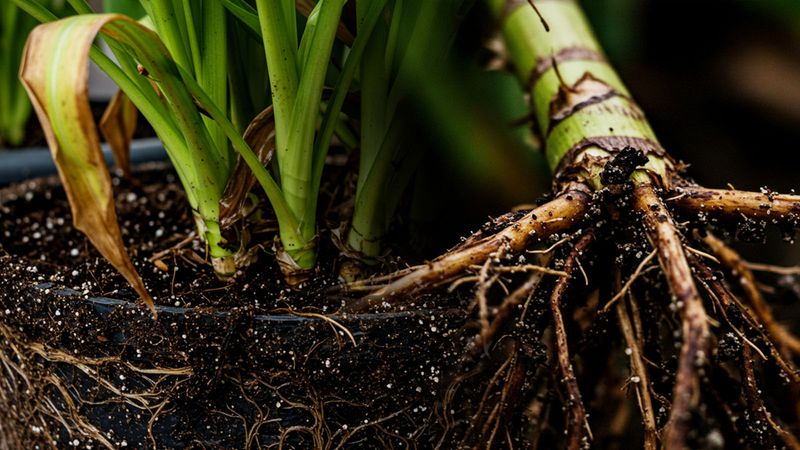
Healthy roots appear firm and white or light tan, while rotting roots look brown, black, or gray and feel slimy or mushy.
Catching problems early allows you to trim away affected roots, repot in fresh soil, and adjust care practices before losing the entire plant.
Check plants weekly during winter, looking specifically for these subtle changes rather than waiting for dramatic collapse.
Early detection and response make the difference between minor setbacks and major losses in your indoor garden throughout the challenging winter season.
10. Misdiagnosing Dry Soil Surfaces
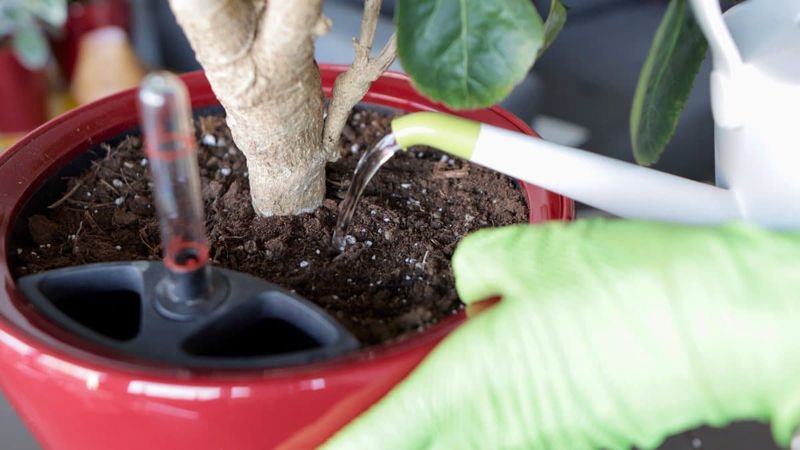
Massachusetts homes run forced-air heating systems throughout winter, and these systems constantly circulate dry air across every surface, including potted plant soil.
This moving air quickly evaporates moisture from the top layer of soil, creating a deceptively dry appearance and texture.
Many plant owners see or feel this dry surface and immediately water, not realizing that several inches below, the root zone remains thoroughly saturated.
This misdiagnosis leads directly to overwatering and root rot, as plants receive moisture repeatedly while their roots still struggle with excess water from previous applications.
Accurate moisture assessment requires checking deeper than surface appearances suggest.
Insert your finger into the soil up to the second knuckle, feeling for moisture at the depth where most roots actively grow.
For deeper pots, use a wooden chopstick or bamboo skewer inserted to the bottom, then removed and examined for clinging soil particles and moisture.
Moisture meters provide another option, though quality varies widely and some models prove unreliable in certain soil types.
Weight provides excellent feedback once you learn what your pots feel like when properly watered versus when they need moisture.
Lift pots regularly to develop a sense of their weight at different moisture levels.
Dry pots feel surprisingly light compared to freshly watered ones.
Combining multiple assessment methods gives the most reliable picture of actual soil conditions, preventing the common mistake of watering based solely on dry top layers while root zones remain dangerously wet throughout the winter season.