9 Winter Surprises Caused by Not Cutting Back Perennials in New York
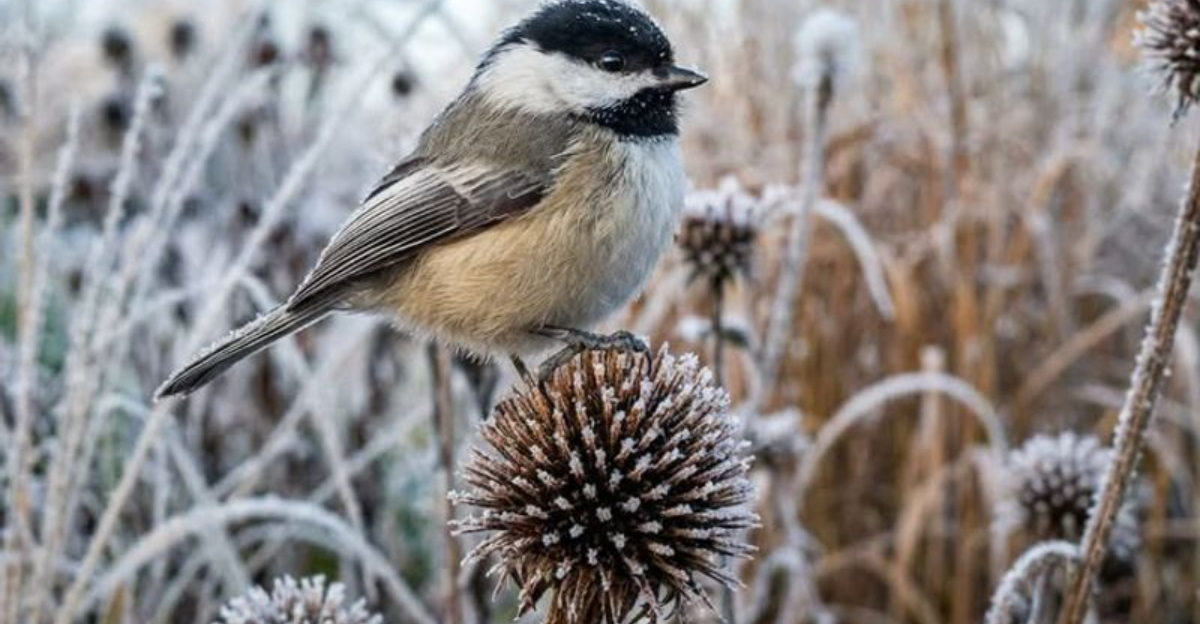
Winter gardens in New York rarely look as quiet as people expect when perennials are left standing through the cold months.
What seems like neglect in fall often turns into unexpected activity once snow and frost arrive.
Tall stems, seed heads, and dried foliage start interacting with winter weather in ways many homeowners never anticipate. These changes can reshape how a garden looks and behaves until spring.
Snow settles differently when perennials remain upright, creating pockets of insulation around crowns and roots.
At the same time, frozen plants can trap moisture and protect soil from harsh winter winds sweeping through New York yards.
Wildlife also responds quickly when perennials stay uncut. Birds, insects, and small animals use the leftover structure for food and shelter.
Some surprises feel beneficial, while others catch gardeners off guard once thaw cycles begin.
Leaving plants standing can influence soil conditions long before spring cleanup starts.
Understanding what happens during winter helps New York gardeners decide whether cutting back or waiting makes more sense for the season ahead.
1. Unexpected Wildlife Visitors Show Up Daily
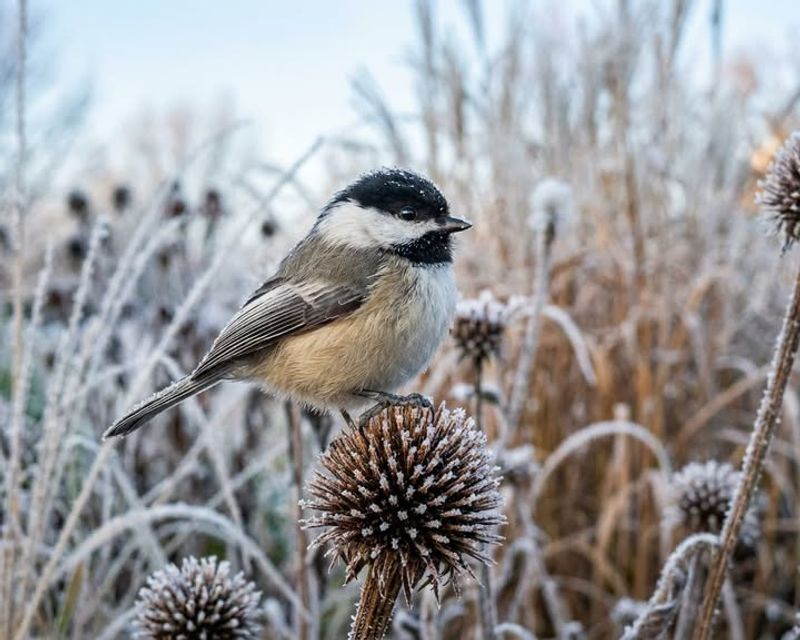
Birds start flocking to your garden in ways you never imagined possible. Goldfinches, chickadees, and sparrows treat those standing seed heads like an all-you-can-eat buffet throughout the coldest months.
Your coneflowers and black-eyed Susans become nature’s version of a drive-through restaurant.
Across New York yards, these dried stalks provide essential food when snow covers everything else. Small mammals like chipmunks also appreciate the shelter and snacks your forgotten plants offer.
Watching cardinals perch on swaying stems makes mornings feel magical.
The ecosystem benefits extend beyond just feeding birds and critters. Beneficial insects find winter homes in hollow stems, emerging in spring to pollinate your garden.
Ladybugs and native bees nestle inside, surviving harsh conditions you thought would be impossible. Your messy garden becomes a miniature wildlife sanctuary without any extra effort on your part.
Local nature enthusiasts often notice more activity in gardens with standing perennials. Children love spotting different species visiting throughout winter.
Your neighbors might even start asking why your yard attracts so many feathered friends compared to their neatly trimmed spaces.
Over time, these daily visits turn your garden into a place you instinctively look toward every quiet winter morning.
Even during the coldest stretches, the constant movement makes the landscape feel active, connected, and surprisingly full of life.
2. Garden Architecture Creates Stunning Frost Displays
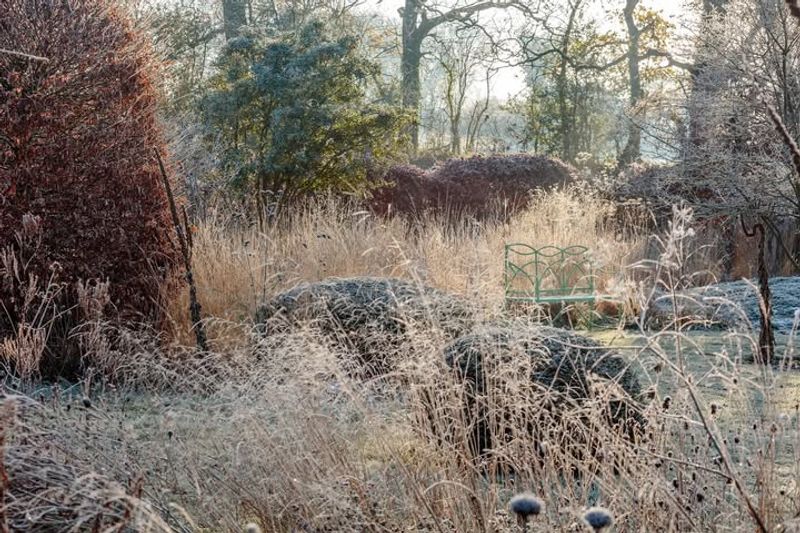
Mornings transform your garden into something resembling an outdoor art gallery. Frost clings to every dried petal, seed pod, and stem, creating intricate crystalline patterns that change with the light.
What looked like brown, forgotten plants suddenly become sculptures worthy of a photography contest.
Ornamental grasses particularly shine during New York winters when ice coats their graceful blades. Each blade catches sunlight differently, creating a shimmering effect that rivals expensive holiday decorations.
Sedum flower heads hold snow like tiny platforms, building miniature landscapes on top of themselves.
The vertical structure adds dimension to an otherwise flat, snow-covered landscape. Tall stalks of Russian sage or catmint poke through white blankets, providing visual interest when everything else disappears.
Your garden maintains personality even during the bleakest months.
Professional landscapers often intentionally leave perennials standing for this exact reason. The practice has become so popular that garden tours now happen in winter to showcase frost-covered plants.
Your accidental decision to skip fall cleanup puts you ahead of current design trends without spending extra money or time.
Each frosty morning feels completely different as light, ice, and shadow rearrange the same plants into new shapes.
Winter stops feeling empty when the garden keeps offering small visual moments that change from day to day.
3. Spring Cleanup Becomes Much More Difficult
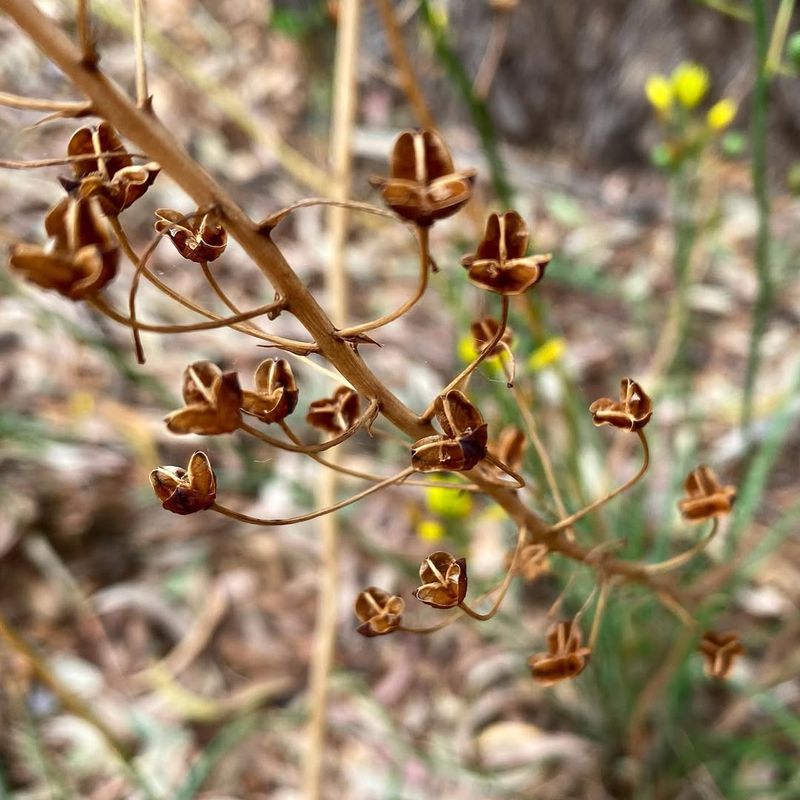
Come March or April, you face a tangled mess that requires serious elbow grease to clear. Those dried stalks have spent months getting beaten down by snow, freezing solid, and matting together into stubborn clumps.
What should take an hour might consume your entire Saturday morning.
Many New York gardeners underestimate how much harder spring removal becomes compared to fall cutting. Wet, decomposing plant material sticks to gloves and clogs tools in frustrating ways.
Stems that were crisp in October turn into soggy, slippery obstacles that resist clean cuts.
Your pruning shears work overtime trying to get through weather-damaged stalks near ground level. Some plants develop woody bases that require loppers or even small saws to remove properly.
The physical effort increases significantly, especially if you have a large perennial border to tackle.
Timing becomes tricky because you need to wait for new growth to appear before cutting. Cut too early and you might damage emerging shoots hidden beneath old foliage.
Wait too long and you risk snapping off tender new stems while wrestling with last year’s growth, setting back your plants by weeks.
What feels like harmless procrastination in autumn often turns into real frustration once spring finally arrives and the garden demands immediate attention.
The extra effort required to clear months of collapsed growth has a way of draining motivation before the growing season even properly begins.
4. Hidden Pest Problems Multiply Under Cover
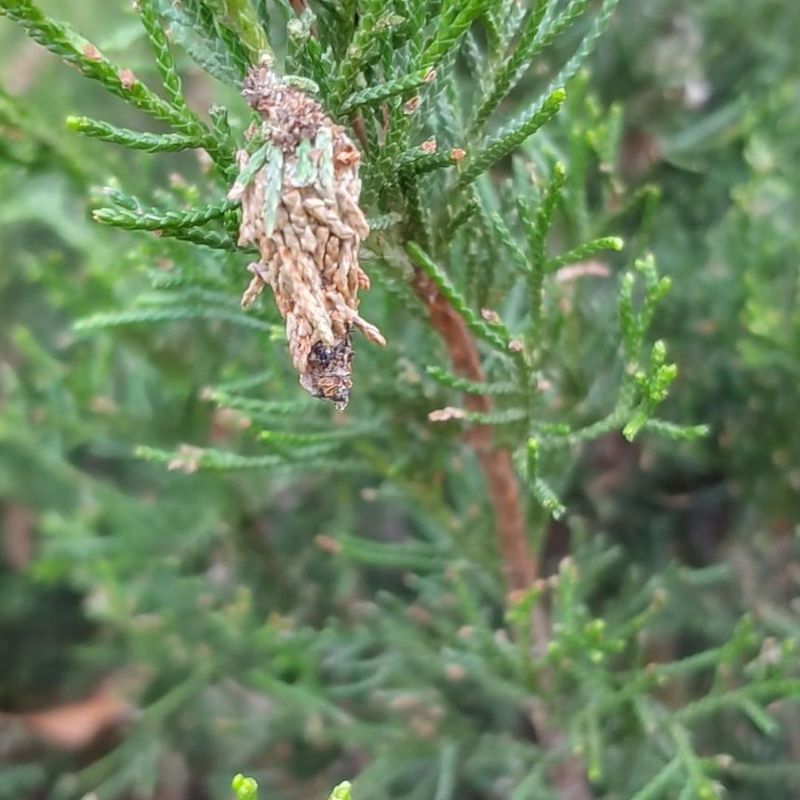
Aphid eggs and spider mite colonies find perfect winter homes in plant debris you left behind. Those cozy hiding spots protect pest populations from harsh weather that would otherwise reduce their numbers naturally.
Spring arrives with an instant infestation already established and ready to spread.
Slugs and snails appreciate the damp shelter created by decomposing foliage against the soil. Throughout New York gardens, these moisture-loving pests survive winters they normally would not, emerging hungry and numerous when temperatures warm.
Your hostas and daylilies become immediate targets the moment they sprout.
Fungal spores overwinter on infected plant material, waiting patiently for spring rains to activate. Diseases like powdery mildew and leaf spot spread more easily when old infected leaves remain in contact with new growth.
Prevention becomes much harder when you start the season with problems already present.
Some insects actually benefit gardens, but others cause significant damage to emerging plants. Distinguishing between helpful and harmful species becomes challenging when populations explode.
Your decision to leave everything standing creates a gamble where you won’t know the outcome until growing season begins and problems potentially spiral out of control.
By the time damage becomes obvious, pest populations are often already well established and difficult to control without significant intervention.
Starting the season with existing problems makes every other garden task feel heavier, more reactive, and far less enjoyable than expected.
5. Snow Load Breaks Plant Crowns Permanently
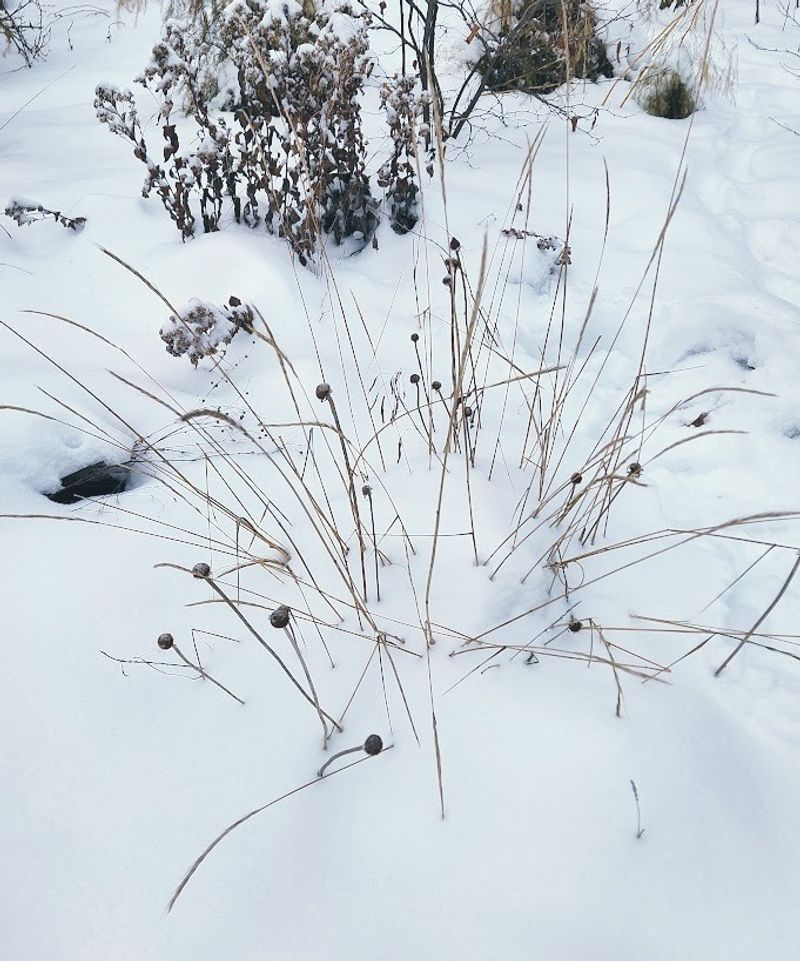
Heavy, wet snow accumulates on standing foliage, creating weight that crushes the crown where stems meet roots. This central growing point determines whether your perennial returns vigorously or struggles to produce new shoots.
Damage here affects plant performance for years, not just one season.
Particularly vulnerable species include daylilies, hostas, and peonies that form dense clumps. New York winters often bring surprise storms with heavy, slushy snow that packs down and freezes solid.
The pressure literally compresses plant crowns, damaging the buds that would become next season’s stems and flowers.
Ice forming between old stems and new crown tissue causes additional problems through freeze-thaw cycles. Water expands when frozen, pushing plant parts apart in ways that create wounds and weak points.
Rot enters through these damaged areas, compromising overall plant health even if stems appear fine above ground.
Gardeners often blame other factors when plants perform poorly after winter, not realizing snow damage caused the issue. Reduced flower counts, smaller blooms, and weak stems all trace back to crown compression.
Recovery takes multiple seasons, and some plants never return to their former glory despite your best care efforts.
Once that central growing point is compromised, plants rarely regain their original strength, structure, or flowering potential in future seasons.
What appears to be simple winter survival can quietly lead to years of disappointing growth and reduced performance.
6. Self-Seeding Creates Unexpected Garden Changes
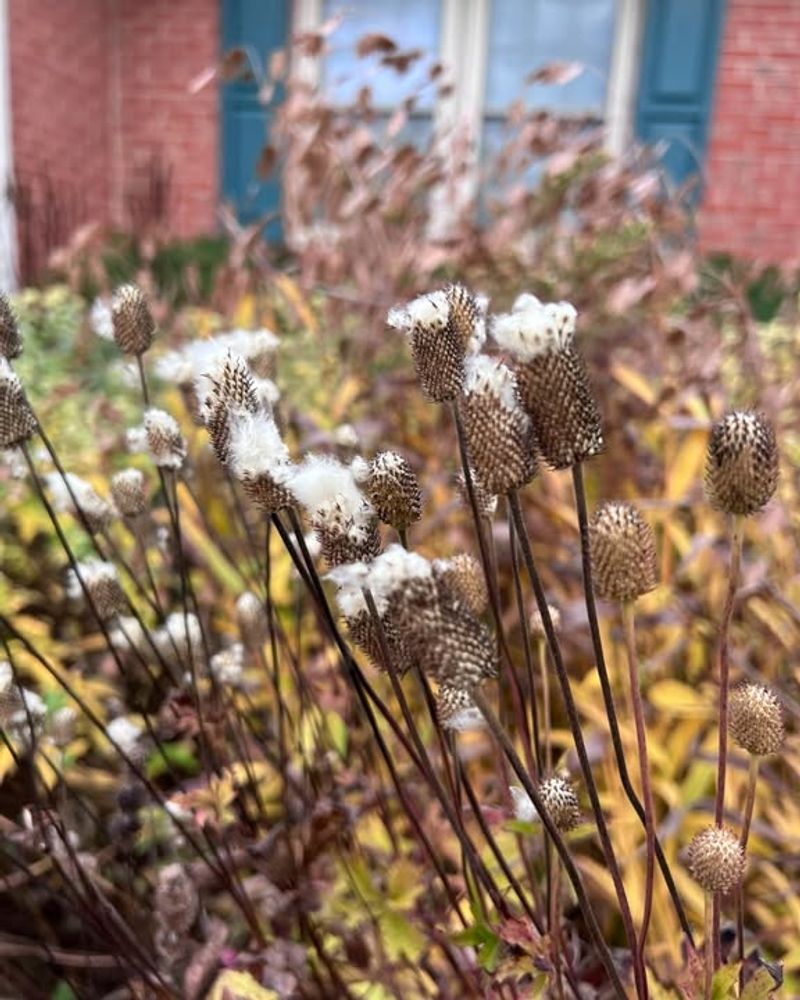
Seeds scatter throughout winter, landing in spots you never planned for plants to grow. Wind shakes dried seed heads, snow melts and carries seeds downhill, and birds drop them randomly while feeding.
Spring reveals surprise seedlings in pathways, between pavers, and crowding other plants you carefully positioned.
Certain perennials like columbine, coneflower, and foxglove produce abundant offspring when allowed to self-sow naturally. Across New York landscapes, gardeners find dozens of volunteer plants appearing in both convenient and inconvenient locations.
Your original design plan gradually disappears under waves of enthusiastic babies.
Some seedlings prove welcome, filling gaps and creating fuller borders without additional plant purchases. Others become weedy nuisances that require constant removal to maintain your intended garden layout.
The randomness means you lose control over color schemes and plant placement you spent time planning.
Hybrid varieties rarely produce offspring identical to parents, leading to unexpected color variations and flower forms. That expensive purple coneflower might spawn pale pink babies that clash with your design.
Managing the volunteer population becomes an ongoing task that consumes time you could spend on other garden projects throughout the growing season.
Some gardeners enjoy the surprise at first, until the sheer volume of new plants begins to overwhelm carefully planned spaces.
The constant need to thin, relocate, or remove seedlings slowly replaces the sense of ease that self-seeding once promised.
7. Rodent Damage Increases Around Plant Bases
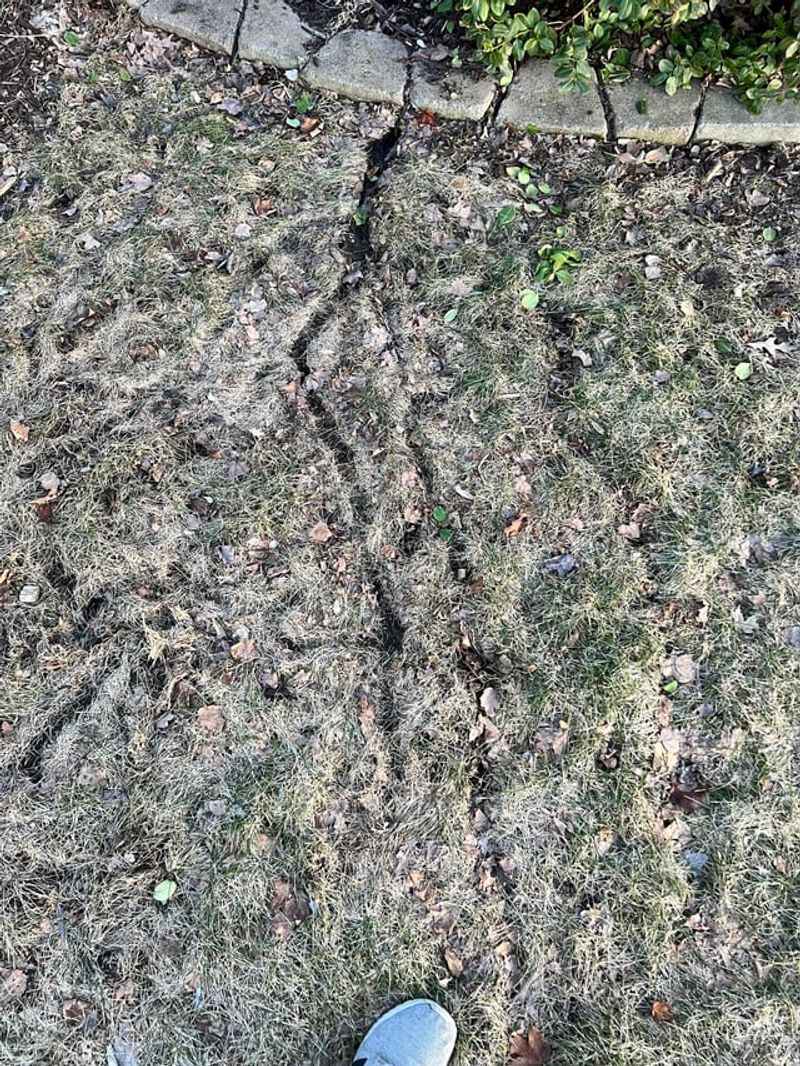
Voles and mice build extensive tunnel systems beneath the protective cover of standing plant material. The dried foliage creates a roof that shields them from predators like hawks and owls that normally keep populations in check.
Your perennial border becomes prime real estate for rodent families looking for safe winter housing.
These small mammals feed on plant roots and crowns throughout cold months when other food sources disappear. New York gardens with heavy mulch and standing plants provide ideal conditions for rodent activity to go unnoticed until significant damage occurs.
You might not realize anything is wrong until spring reveals plants that fail to emerge or grow weakly.
Gnawed roots cannot transport water and nutrients effectively, leaving plants stressed and vulnerable to other problems. Entire sections of hostas, daylilies, or ornamental grasses might simply vanish, consumed from below while you assumed they were safely dormant.
The losses can be both emotionally and financially frustrating after years of nurturing mature specimens.
Prevention becomes nearly impossible once rodents establish territories in your garden. Trapping and other control methods work poorly in densely planted areas where animals have multiple hiding spots.
The cycle continues each winter, with populations growing and damage spreading to previously unaffected areas of your landscape.
Damage often stays hidden until spring, when missing plants suddenly reveal how active rodents were throughout winter.
Rebuilding lost sections of a garden takes time, money, and patience that many gardeners never planned to spend.
8. Evergreen Perennials Suffer From Smothering
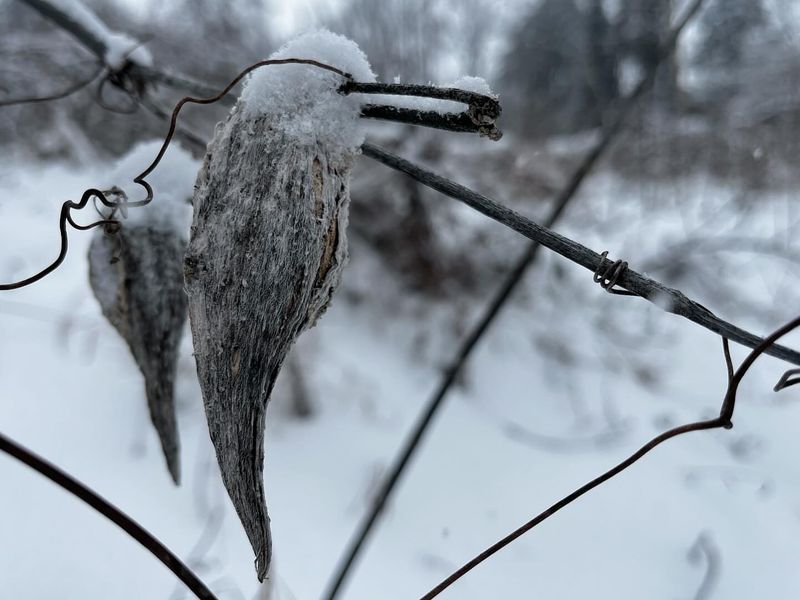
Plants that maintain green foliage year-round face serious challenges when taller neighbors remain uncut. Fallen stalks from surrounding plants collapse onto low-growing evergreen species, blocking light and trapping moisture.
Hellebores, bergenia, and evergreen ferns struggle beneath this unexpected blanket of debris.
Photosynthesis continues at reduced rates during mild New York winter days, but only if leaves receive adequate sunlight. Covered foliage cannot produce the energy plants need to maintain healthy tissue through cold stress.
Leaves turn yellow, develop brown patches, or become susceptible to fungal infections from constant dampness.
Snow adds extra weight to the pile of collapsed plant material, compressing everything together into a solid mat. Airflow stops completely, creating conditions perfect for rot and mold development.
By spring, what should be attractive evergreen foliage looks tattered, diseased, and far less appealing than it would with proper fall maintenance.
Recovery takes considerable time and effort, with damaged leaves requiring removal and plants needing extra care to regain vigor. Some evergreen perennials never fully bounce back from severe smothering, leaving permanent gaps in your winter garden display.
The irony is that these plants provide winter interest you lose by neglecting to cut back their deciduous companions.
By the time snow melts, the damage beneath collapsed debris has already been done and cannot be reversed.
The plants meant to provide winter beauty often require the most recovery once warm weather finally returns.
9. Neighborhood Complaints About Messy Appearance
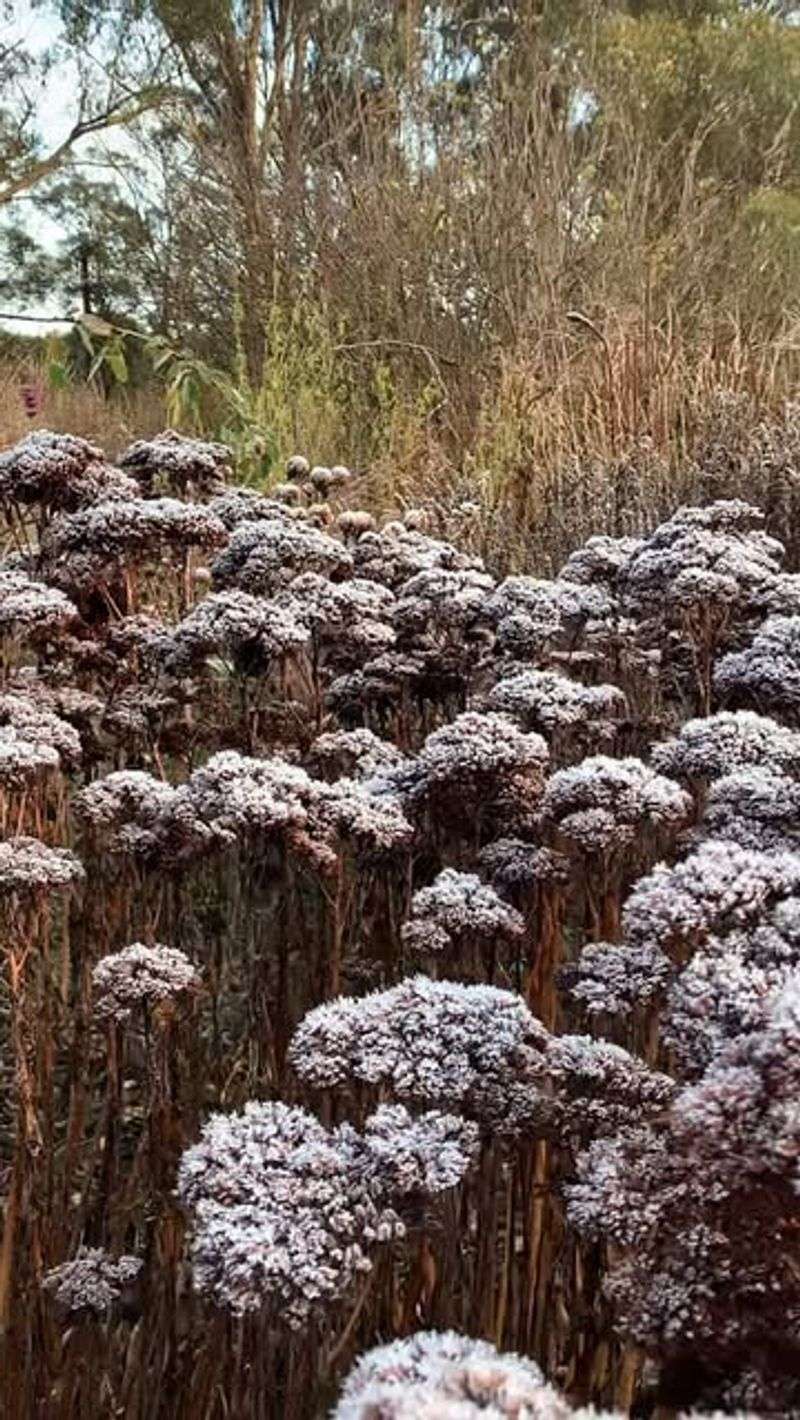
Not everyone appreciates the natural, wildlife-friendly look of standing perennials through winter months. Neighbors accustomed to tidy landscapes might view your garden as neglected or poorly maintained.
Comments at community gatherings or even formal complaints to homeowner associations can create uncomfortable social situations you never anticipated.
Cultural attitudes toward garden care vary widely across New York neighborhoods, with some areas favoring manicured appearances year-round. Your intentional decision to support wildlife might be misinterpreted as laziness or lack of pride in property maintenance.
Explaining the ecological benefits rarely changes opinions of those who value neatness above all else.
Property values become a concern for some neighbors who worry that messy yards affect the entire street’s appeal. Real estate agents sometimes suggest that unkempt gardens lower perceived home values, though research on this remains mixed.
The pressure to conform can feel intense, especially if you live in a community with strict aesthetic standards.
Finding middle ground becomes necessary in some situations, perhaps cutting back front yard perennials while leaving backyard plants standing. Educational signage explaining your wildlife garden can help shift perceptions and even inspire others to try similar approaches.
Building community support takes time but creates lasting change in how neighborhoods view winter gardens and their important ecological role.
Social pressure can quietly build over months, turning a personal gardening choice into an ongoing source of stress.
Balancing ecological goals with neighborhood expectations becomes an emotional challenge as much as a practical one.