Winter Tips For Protecting Pollinators In Minnesota
Minnesota winters do not pull any punches, and when the cold settles in, pollinators face an uphill battle.
Bees, butterflies, and other helpful insects may disappear from sight, but they are far from gone.
They are tucked away in stems, leaf piles, soil, and old wood, riding out the season in survival mode.
What happens in winter can make or break their chances come spring.
Many yards get cleaned up too neatly once frost hits, and that can spell trouble.
Fallen leaves, dried plants, and undisturbed corners act like natural blankets, offering protection from wind, snow, and deep freezes.
Removing everything may look tidy, but it pulls the rug out from under overwintering pollinators.
A few thoughtful choices can tip the scales in their favor.
Leaving seed heads standing, skipping heavy mulching in some spots, or holding off on pruning until warmer days arrive can go a long way.
These small steps add up, creating safe shelter when it matters most.
In a state known for long, hard winters, lending a hand to pollinators is like putting money in the bank.
Come spring, their return will pay dividends across gardens, farms, and wild spaces alike.
1. Leave Plant Stems Standing Through Winter
Many native bees in Minnesota spend winter as adults tucked inside hollow plant stems, making these seemingly dry stalks incredibly important for pollinator survival.
Female bees lay their eggs in these natural tubes during summer, and the young bees develop inside, waiting out the cold months in a state of rest.
When you cut down all your perennials in fall, you might accidentally remove dozens of future pollinators before they ever get a chance to emerge.
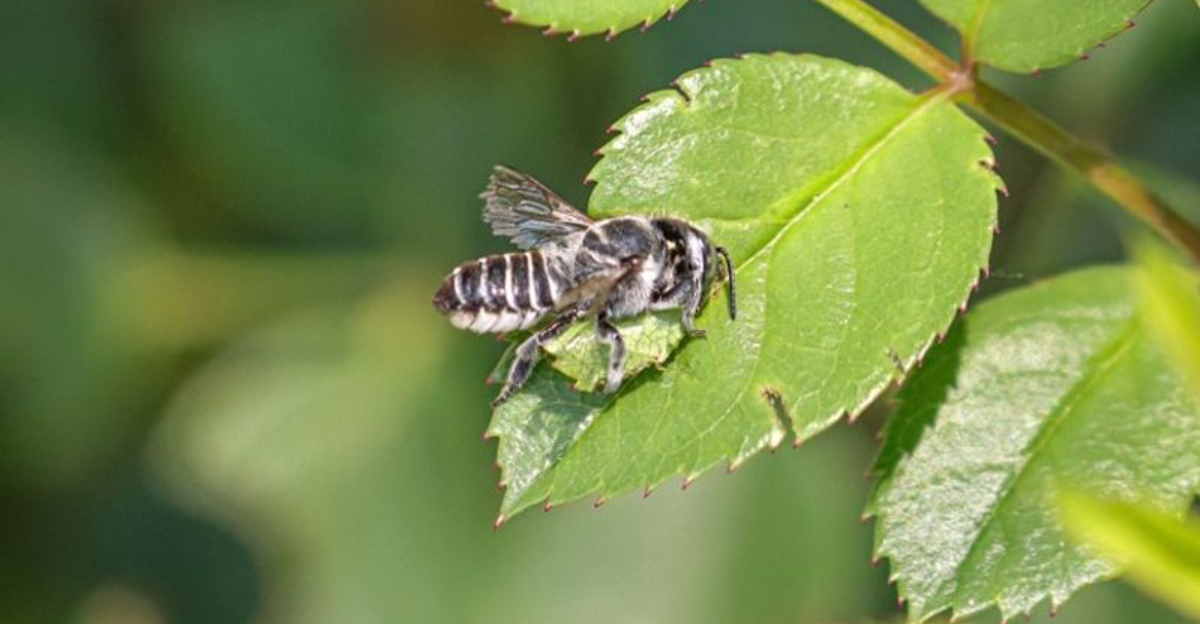
Mason bees, leafcutter bees, and small carpenter bees all rely on standing stems for winter shelter.
These bees don’t live in hives like honeybees, so they need individual hiding spots scattered throughout gardens and natural areas.
Stem-nesting bees are some of the most efficient pollinators for fruit trees and vegetable gardens, making them valuable neighbors worth protecting.
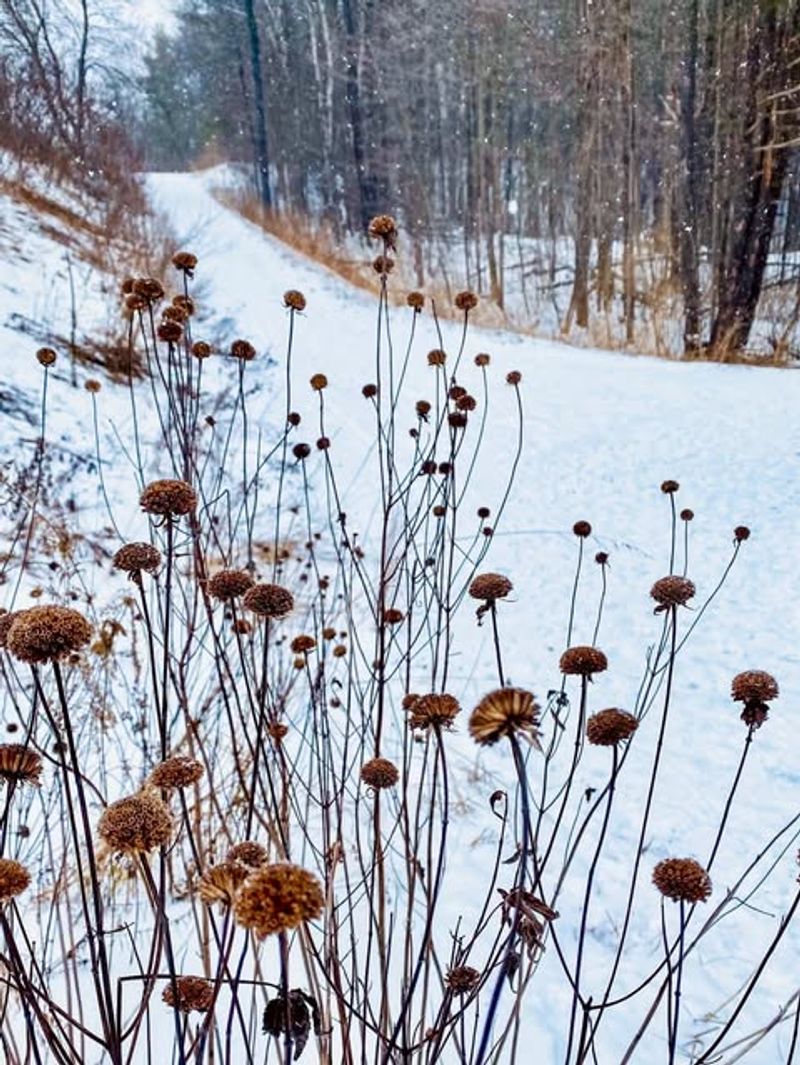
Instead of tidying up your garden completely in autumn, consider leaving plant stems standing until late spring when temperatures consistently stay above 50 degrees.
Flowers like coneflowers, bee balm, black-eyed Susans, and Joe-Pye weed provide excellent hollow stems for overwintering bees.
If you must cut some plants for aesthetic reasons, bundle the cut stems and place them in a quiet corner of your yard where they won’t be disturbed.
This simple change in garden maintenance can dramatically increase the number of native bees that successfully emerge in spring.
Minnesota gardeners who adopt this practice often notice more pollinators visiting their flowers the following growing season.
Think of those standing stems as tiny apartment buildings housing your future garden helpers through the harsh winter.
2. Create Brush Piles For Overwintering Insects
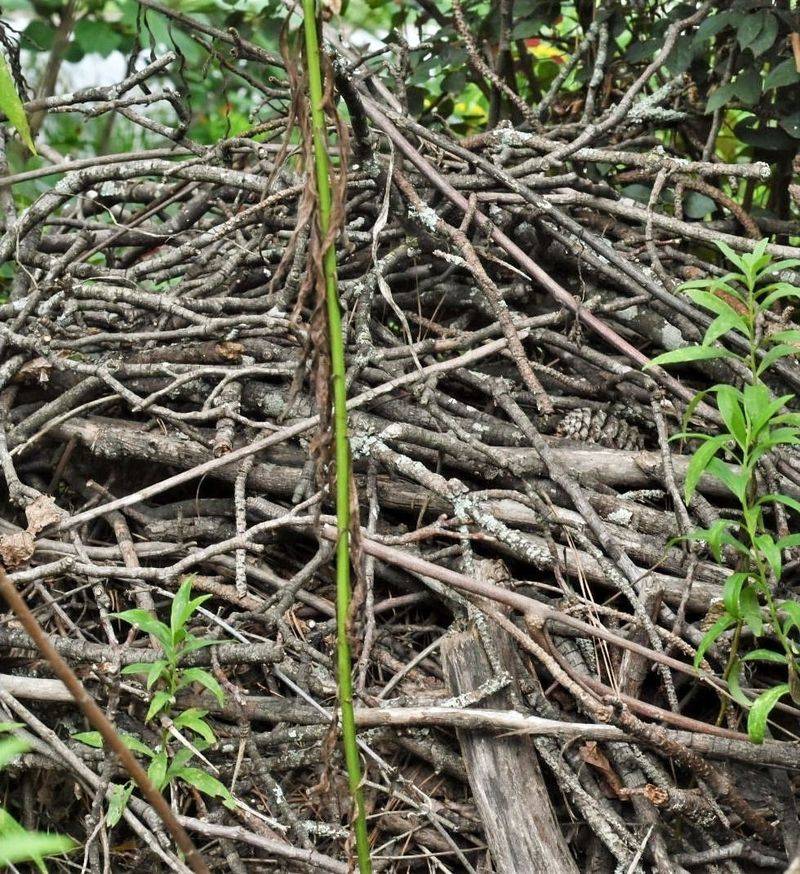
Brush piles might look messy to some people, but they serve as critical winter hotels for numerous pollinating insects across Minnesota.
Bumble bee queens, the only members of their colonies to survive winter, often burrow into loose soil near brush piles or nestle into leaf litter caught within the branches.
Butterflies like mourning cloaks and question marks also seek out these protected spaces to wait out the coldest months.
Building a brush pile is remarkably easy and costs absolutely nothing.
Simply gather fallen branches, twigs, and larger limbs from your property and stack them in a somewhat loose pile in a corner of your yard.
The irregular spaces between branches create perfect hiding spots that offer protection from wind, predators, and extreme temperature swings that can harm overwintering insects.
Location matters when creating these pollinator shelters.
Choose a spot that gets some morning sun but remains relatively undisturbed throughout winter.
Avoid placing brush piles directly against your house or garage, as you want to give wildlife their own space while keeping your home’s foundation clear.
You can make your brush pile more attractive to pollinators by adding some dried leaves or pine needles into the structure.
These materials provide extra insulation and create additional nooks where small insects can tuck themselves away.
Minnesota winters are tough, but a well-placed brush pile gives pollinators a fighting chance to survive until spring flowers appear.
Many homeowners associations now recognize the ecological value of brush piles and allow them as long as they’re placed thoughtfully.
If you have concerns about appearance, you can partially screen your brush pile with evergreen branches or position it behind a shed or garage where it’s less visible from the street.
3. Protect Leaf Litter In Garden Beds
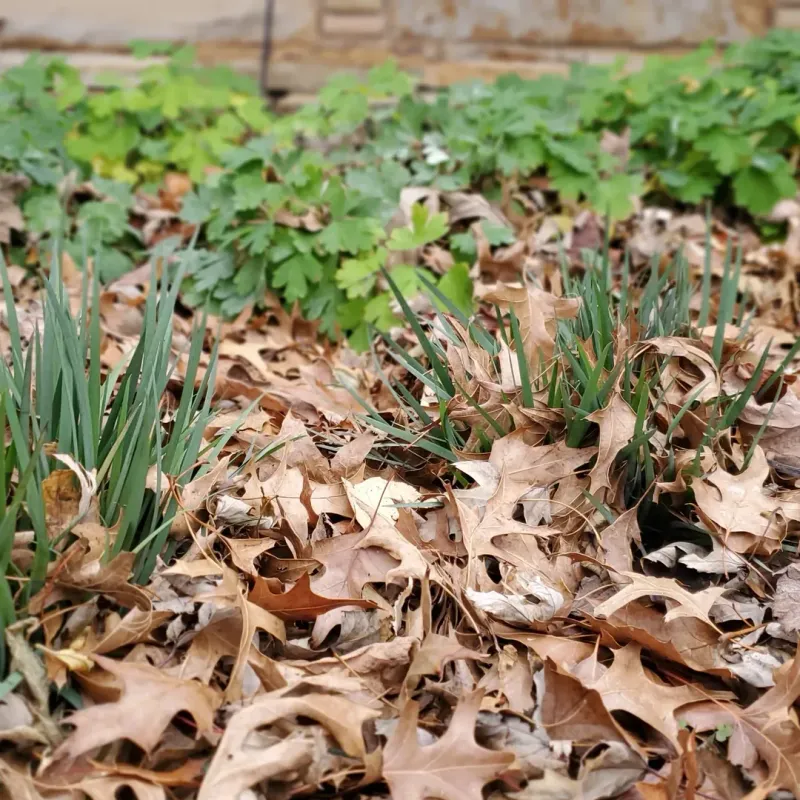
Fallen leaves often get bagged up and hauled away, but this common practice removes vital winter habitat that many pollinators desperately need.
Numerous butterfly species spend winter as chrysalises attached to dry leaves or hidden beneath leaf litter on the ground.
Swallowtails, fritillaries, and other beautiful butterflies depend on these natural blankets to shield them from Minnesota’s harsh winter conditions.
Leaving leaves in your garden beds provides multiple benefits beyond pollinator protection.
The decomposing leaves add nutrients to your soil, suppress weeds, and help retain moisture when spring arrives.
This natural mulch costs nothing and actually improves your garden’s health while supporting the insects that will pollinate your plants next season.
You don’t need to leave every single leaf exactly where it falls.
Rake leaves off your lawn if you prefer a tidy appearance, but move them into garden beds, around trees, or into designated natural areas instead of sending them to the landfill.
A layer of leaves three to four inches deep provides excellent insulation for overwintering insects without smothering your perennial plants.
Some native bees also burrow into the ground beneath leaf litter to spend winter in underground chambers.
These ground-nesting bees make up about 70 percent of Minnesota’s native bee species, so protecting their winter homes is incredibly important.
When you preserve leaf litter, you’re essentially tucking these beneficial insects into bed for the winter.
If neighbors or homeowners associations object to visible leaf piles, try placing them behind shrubs or in back garden areas where they’re less noticeable.
Minnesota is increasingly recognizing the ecological value of leaving leaves, and many communities now encourage this practice as part of pollinator-friendly landscaping.
4. Avoid Disturbing Soil During Winter Months
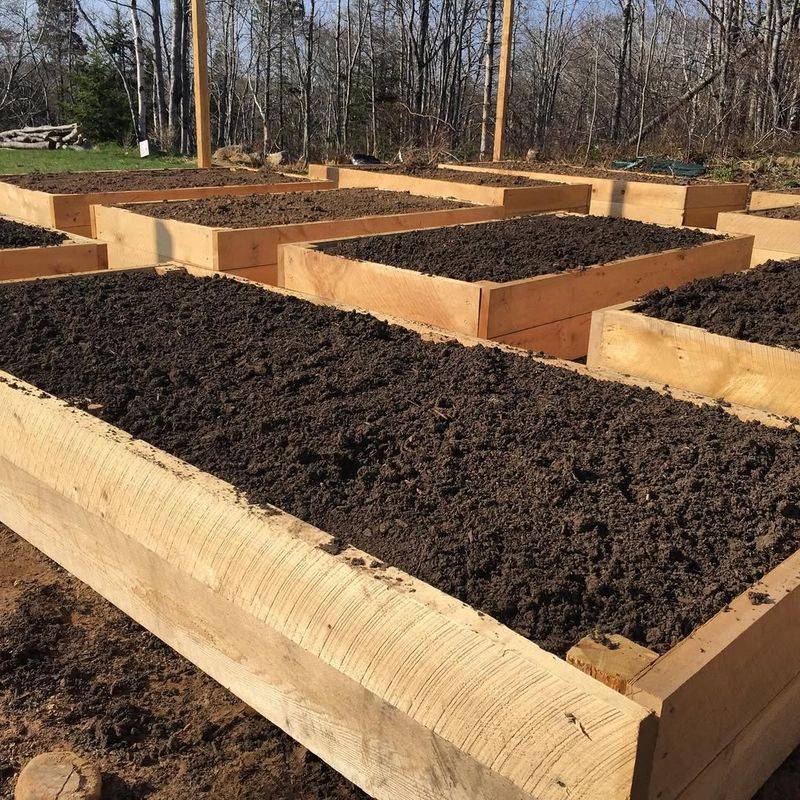
Ground-nesting bees make up the majority of Minnesota’s native bee population, and most of them spend winter underground in chambers they dug the previous season.
These solitary bees create individual nests where they lay eggs surrounded by pollen provisions, and the developing bees remain in these underground nurseries throughout the cold months.
Disturbing the soil during winter can destroy these hidden nests and prevent next year’s generation from emerging.
Mining bees, sweat bees, and digger bees all nest in the ground, often choosing bare or sparsely vegetated soil with good drainage.
They might dig their tunnels in your lawn, garden paths, or the edges of garden beds where soil is exposed.
These bees are gentle and rarely sting, making them wonderful neighbors that deserve protection.
Resist the urge to do major soil work during winter or very early spring in Minnesota.
Wait until late May or early June before tilling, digging new beds, or doing significant landscaping projects that involve moving earth.
By this time, most ground-nesting bees will have emerged and started their summer activities, so you’re less likely to harm overwintering populations.
If you notice small holes in bare soil areas during summer, mark these spots mentally as bee nesting sites.
These areas deserve extra care during winter and early spring to ensure the developing bees inside remain undisturbed.
Some people even place small markers or decorative stones near known nesting sites as reminders to avoid disturbing those spots.
Minnesota’s native ground-nesting bees are incredible pollinators for gardens, orchards, and wild plants.
Protecting their winter homes by leaving soil undisturbed is one of the easiest and most effective ways to support pollinator populations in your area.
5. Maintain Pollinator-Friendly Plants In Your Landscape
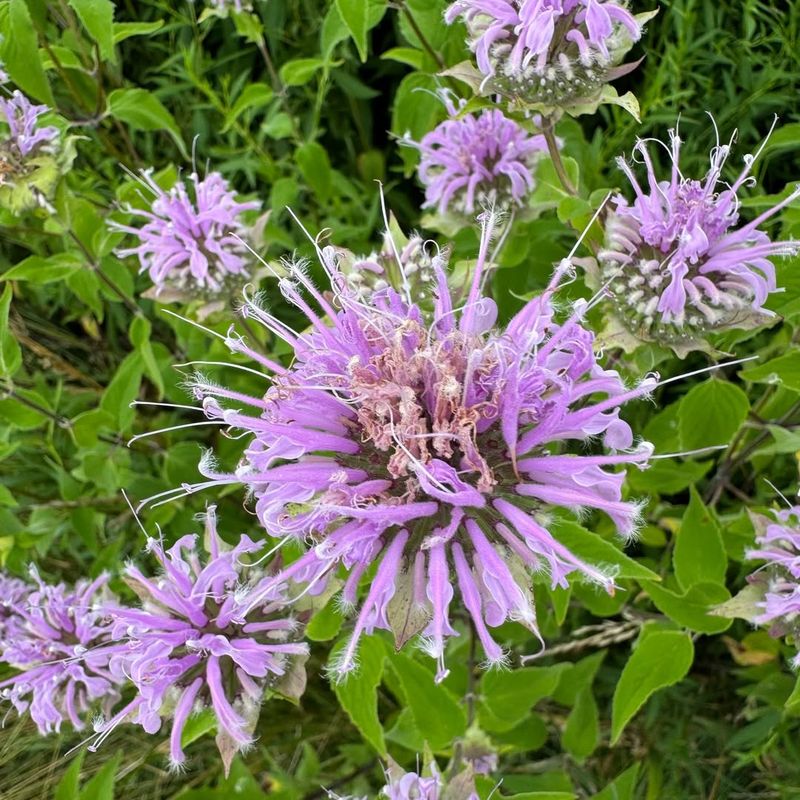
Planning for winter pollinator protection actually begins during the growing season when you choose which plants to include in your Minnesota landscape.
Native plants adapted to local conditions provide the best habitat for native pollinators because they evolved together over thousands of years.
These plants offer not just summer flowers but also winter shelter in their stems, seed heads, and root systems.
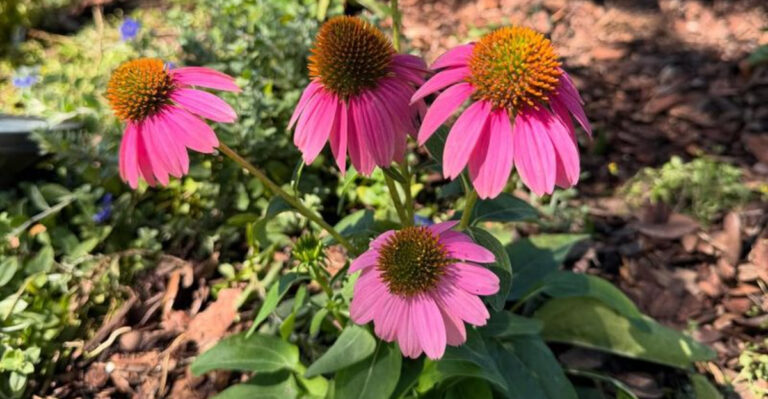
Purple coneflower, wild bergamot, goldenrod, and asters are excellent choices for Minnesota gardens that support pollinators year-round.
These native perennials produce abundant flowers during summer and provide seeds for birds in fall, while their hollow stems and sturdy structure offer winter housing for beneficial insects.
Planting a diverse mix of native species ensures that different types of pollinators find the specific shelter they need.
Avoid removing seed heads from your perennial flowers in autumn.
While some gardeners prefer the clean look of cut-back plants, those seed heads and dried stalks serve important purposes throughout winter.
They provide food for birds, shelter for insects, and interesting visual texture to an otherwise barren winter landscape.
Ornamental grasses like little bluestem and prairie dropseed also offer excellent winter habitat for overwintering insects.
Their dense clumps provide protection from wind and predators, while their hollow stems house various beneficial insects.
These grasses look beautiful in winter, especially when covered with frost or light snow, adding both aesthetic value and ecological function to Minnesota yards.
When planning your landscape, think beyond just summer blooms and consider what your plants offer during all four seasons.
A truly pollinator-friendly garden in Minnesota works hard year-round, providing nectar and pollen during warm months and critical shelter during the cold season when pollinators are most vulnerable.
6. Provide Winter Water Sources When Possible
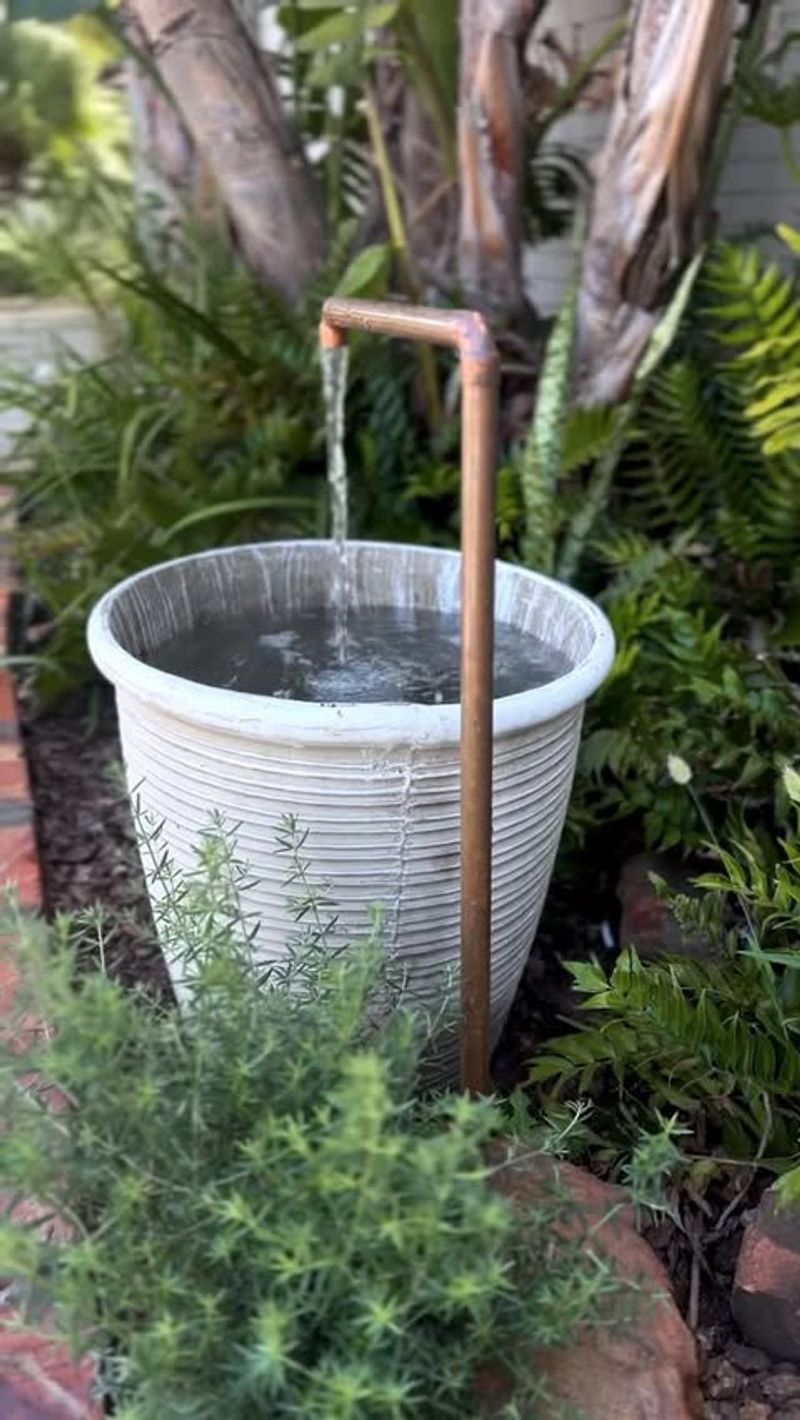
Most people don’t think about providing water during winter, but pollinators that remain active during warm winter days in Minnesota need access to moisture.
Honeybees from managed hives sometimes venture out on sunny winter days when temperatures rise above freezing, and they need water sources to bring back to their colonies.
Some native insects also become active during unusual warm spells and benefit from available water.
You don’t need elaborate heated birdbaths or expensive equipment to help pollinators access winter water.
On sunny days when temperatures climb above freezing, simply place a shallow dish with stones or marbles in a protected, sunny spot in your yard.
The stones give insects a safe landing platform so they can drink without drowning, and the shallow depth means the water will freeze solid at night without breaking the container.
Position your winter water source in a spot that gets maximum sun exposure and is protected from harsh winds.
South-facing locations near walls or fences work well because they warm up quickly and stay warmer longer during sunny winter days.
You’re not trying to keep water available constantly during Minnesota winters, just making it accessible during those brief warm periods when insects might be active.
Change the water regularly if it doesn’t freeze completely to prevent algae growth and mosquito larvae in late winter.
Even though mosquitoes aren’t typically a winter problem, being mindful about standing water is always good practice.
Fresh, clean water is more attractive to pollinators and other beneficial wildlife.
This simple gesture might seem small, but access to water during unexpected warm spells can make a real difference for honeybee colonies trying to survive until spring flowers bloom.
Minnesota’s winter weather is unpredictable, and those occasional warm days give pollinators a chance to restock supplies if water is available nearby.
7. Skip Fall And Winter Pesticide Applications
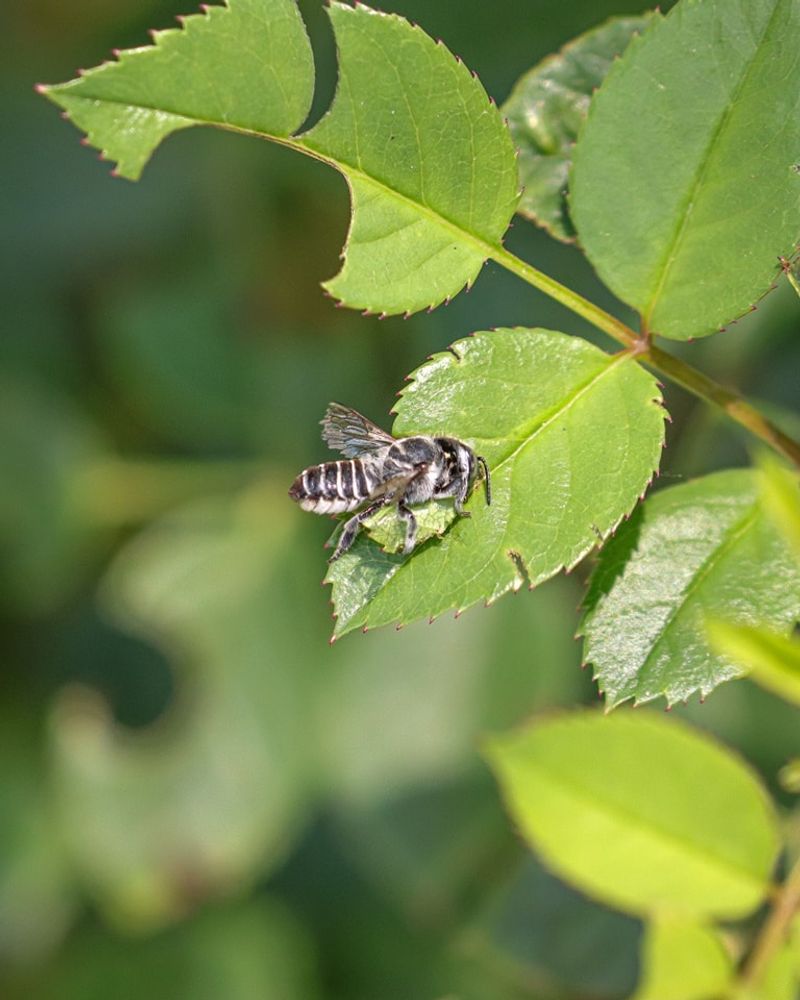
Pesticides applied during fall or winter in Minnesota can harm overwintering pollinators hiding in your yard, even though you might not see any active insects.
Many chemical treatments persist in the environment for weeks or months, remaining toxic long after application.
Pollinators tucked into plant stems, leaf litter, or underground chambers can be exposed to these chemicals even while they’re in their resting state.
Some lawn care companies offer fall fertilizer treatments that include pesticides or herbicides to control weeds and insects.
While these might seem beneficial for your lawn, they can seriously harm the beneficial insects sheltering in your yard for winter.
Bumble bee queens resting just below the soil surface are particularly vulnerable to soil-applied pesticides.
If you must address a serious pest problem during the colder months, research least-toxic options and spot-treat only the affected areas.
Blanket applications of broad-spectrum pesticides harm beneficial insects along with the pests you’re targeting.
Most pest problems can wait until spring when you can use more targeted approaches that minimize harm to pollinators and other helpful creatures.
Minnesota’s native pollinators already face numerous challenges including habitat loss, climate change, and diseases.
Avoiding unnecessary pesticide use during their vulnerable winter period gives them a better chance of surviving until spring.
Many insects that seem like pests are actually important parts of the ecosystem that provide food for birds and other wildlife.
Consider adopting an integrated pest management approach that relies on prevention, monitoring, and targeted treatments only when absolutely necessary.
Healthy, diverse landscapes with plenty of native plants naturally resist serious pest problems because they support balanced ecosystems where beneficial insects help control pest populations.
Protecting pollinators during winter is part of creating this healthier, more resilient landscape.
8. Install Or Maintain Bee Houses For Spring Emergence
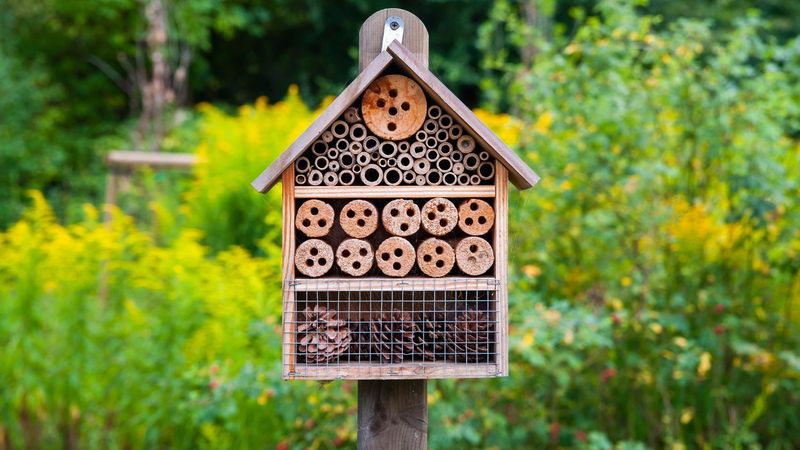
Artificial bee houses provide nesting sites for cavity-nesting bees and can also serve as winter shelters if installed properly.
Mason bees and leafcutter bees readily use these structures, which consist of hollow tubes or drilled wooden blocks where bees lay eggs during summer.
The developing bees remain inside these tubes throughout winter, emerging in spring when temperatures warm and flowers begin blooming across Minnesota.
If you already have a bee house installed, winter is actually an important time for maintenance and monitoring.
Check that your bee house remains securely mounted and hasn’t been damaged by weather or animals.
Make sure it’s still facing southeast to catch morning sun, as this orientation helps warm the tubes on cool spring mornings, triggering emergence at the right time.
For those considering installing a new bee house, late winter is a good time to get one in place before spring arrives.
Position your bee house in a location that gets morning sun but has some afternoon shade to prevent overheating.
Mount it firmly on a post, wall, or fence about three to five feet off the ground, and make sure it’s protected from strong winds and driving rain.
Bee houses need to be cleaned and maintained annually to prevent disease buildup and parasite problems.
If your tubes are removable, you can open them in late fall or early winter to check for healthy cocoons.
Some beekeepers in Minnesota harvest the cocoons and store them in cool, protected locations, then place them back in the bee house in early spring.
While bee houses won’t solve all pollinator problems, they do provide valuable nesting habitat in areas where natural cavities are scarce.
Combining bee houses with other winter protection strategies creates a comprehensive approach to supporting Minnesota’s diverse pollinator populations throughout the year.