10 Wisconsin Plants That Provide Food And Nutrients For Birds According To Experts
Wisconsin gardens are buzzing with birds this year as a handful of native plants are proving to be irresistible buffet stations full of seeds, berries, and nectar.
Local bird lovers and experts are spotting more feathered visitors than ever, flitting from coneflower to serviceberry with obvious delight.
These plants not only bring color and life to yards but also make every morning feel like a front-row seat to nature’s show.
1. Black-Eyed Susan
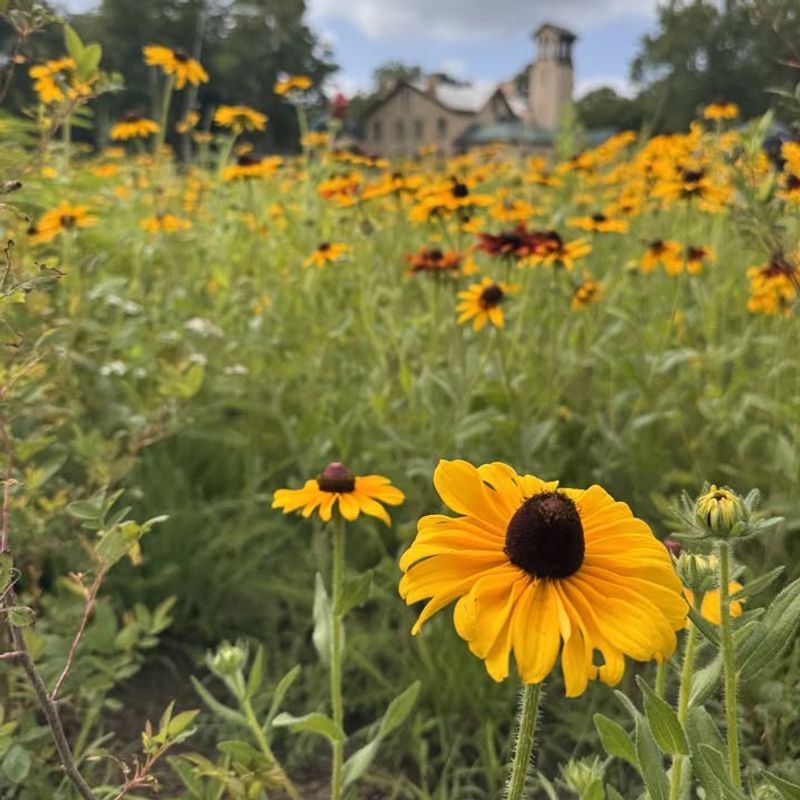
Goldfinches absolutely love the seeds that develop on these cheerful yellow flowers after blooming season ends in late summer and early fall.
Black-Eyed Susans grow naturally across Wisconsin prairies and meadows, making them perfectly adapted to local soil conditions and weather patterns here.
Their sturdy stems hold seed heads upright through winter, providing reliable food when other sources become scarce during cold snowy months.
Cardinals, chickadees, and sparrows also visit these plants regularly to snack on the nutritious seeds that form inside those distinctive dark centers.
Gardeners appreciate how these flowers require minimal maintenance once established in sunny spots with decent drainage throughout the growing season.
Leaving the spent blooms standing instead of cutting them back gives birds access to thousands of tiny seeds packed with protein.
Experts note that a single patch can feed multiple bird families throughout autumn and winter in Wisconsin yards and natural areas.
These golden beauties bloom from June through September before transforming into essential wildlife feeders that support diverse species through challenging seasons.
2. Serviceberry
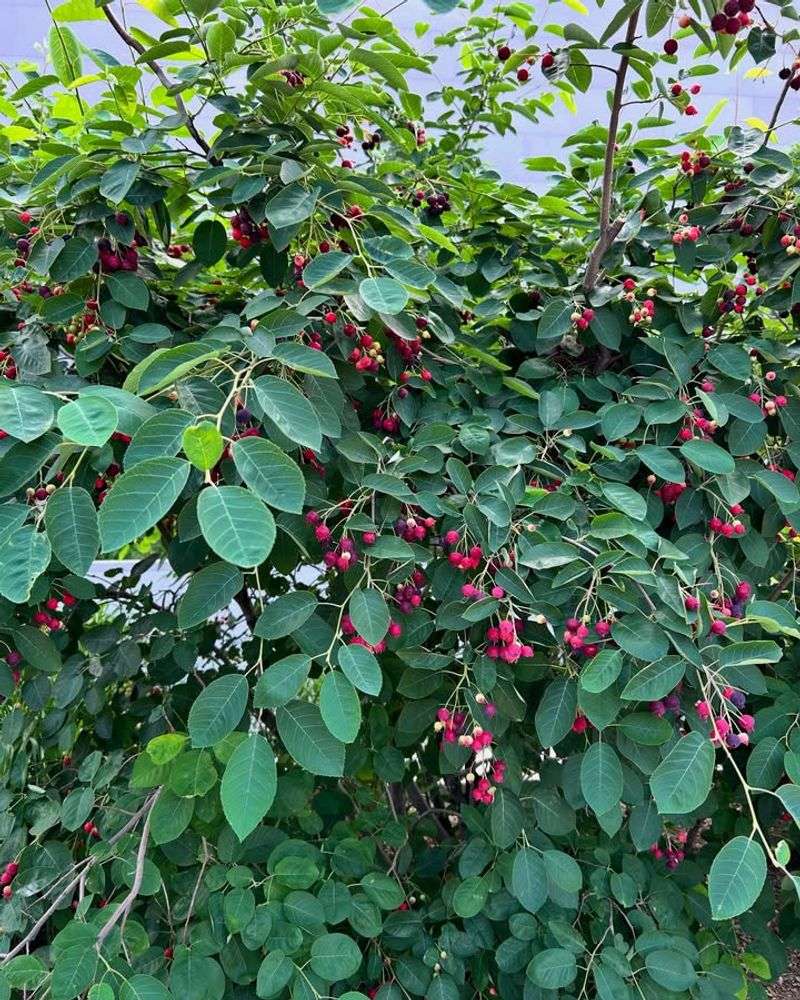
More than 40 bird species feast on the sweet purple berries that ripen on serviceberry branches during early summer across Wisconsin landscapes.
Robins, waxwings, and orioles compete for these tasty treats that appear just when many birds are feeding hungry nestlings in June.
The shrub produces delicate white flowers in spring that later develop into fruit resembling tiny apples with exceptional nutritional value for wildlife.
Serviceberries grow as small trees or multi-stemmed shrubs, fitting nicely into yards of various sizes throughout the state without overwhelming smaller spaces.
Wisconsin gardeners value this plant because it offers food during a critical time when natural berry sources remain limited in early season.
The fruit ripens gradually over several weeks, ensuring birds have access to fresh nutrition rather than everything disappearing at once overnight.
Experts recommend planting several serviceberries together to increase berry production and attract more feathered visitors to your property year after year.
Native to the region, these hardy plants tolerate cold winters and adapt to different soil types found across Wisconsin.
3. Purple Coneflower
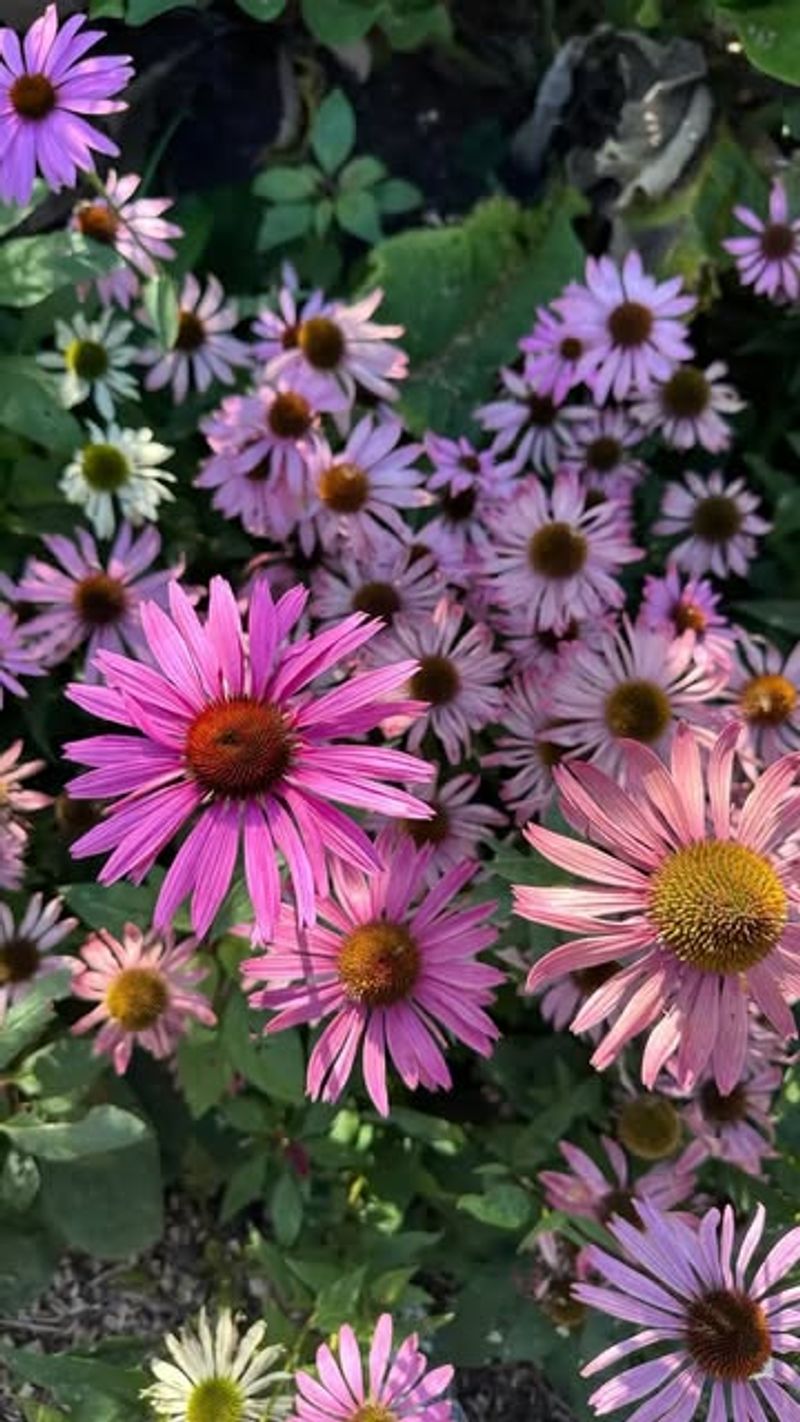
Finches perform acrobatic displays while clinging to the spiky seed heads of purple coneflowers from August through winter in Wisconsin gardens.
These iconic prairie plants produce large cone-shaped centers filled with oil-rich seeds that provide essential calories for birds preparing for migration southward.
Purple coneflowers bloom throughout summer with showy pink-purple petals that eventually drop off, leaving behind the nutritious seed structures birds adore.
Chickadees, nuthatches, and juncos also visit these sturdy plants to extract seeds during fall and winter months across the state.
Experts emphasize leaving the dried flower heads standing rather than deadheading them to maximize their value as natural bird feeders in yards.
A single mature plant can produce dozens of seed heads that collectively offer thousands of individual seeds for hungry visitors throughout seasons.
Wisconsin wildlife enthusiasts appreciate how these drought-tolerant plants thrive in sunny locations with minimal watering once roots establish themselves deeply.
The seeds contain high levels of protein and fat that help birds maintain energy during cold weather and long migration journeys.
4. Wild Bergamot
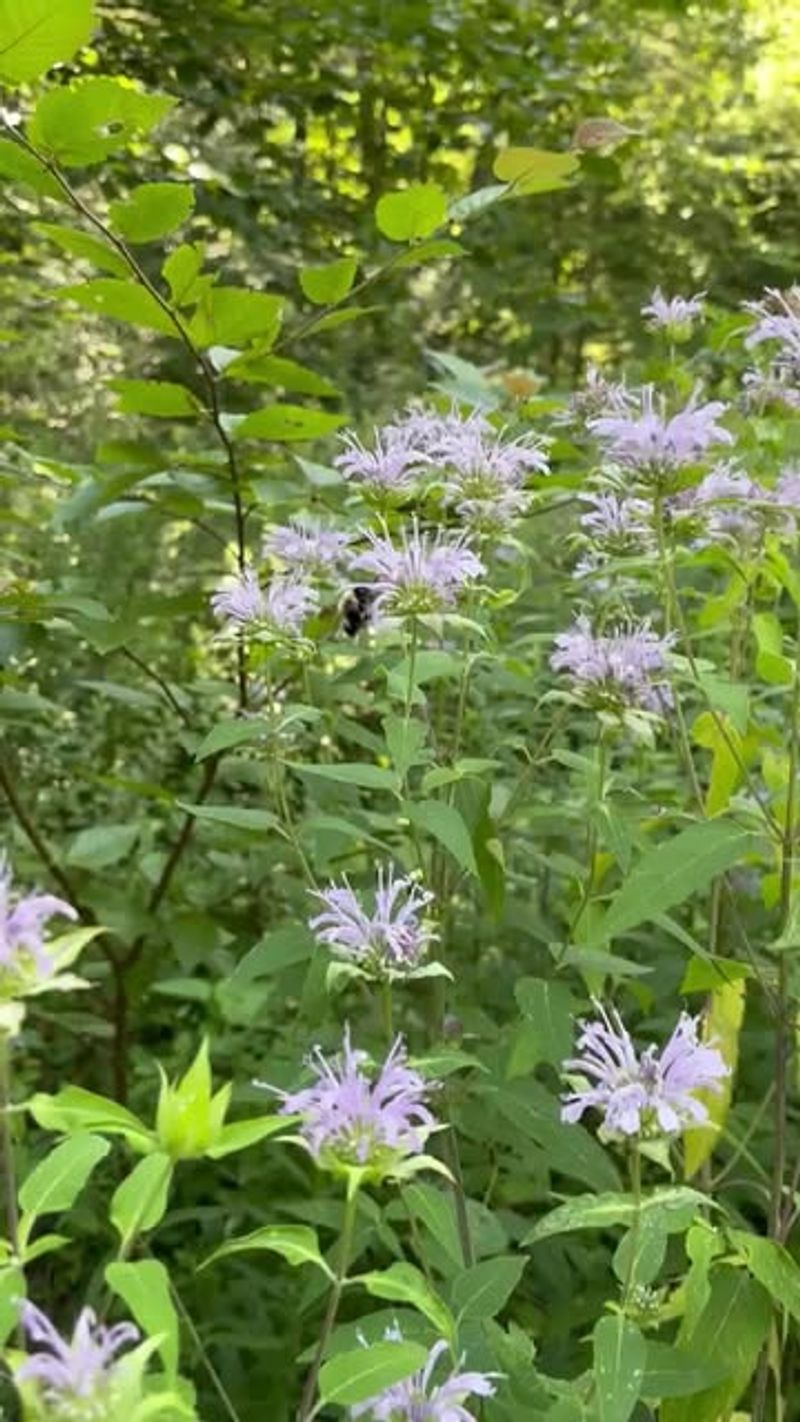
Hummingbirds zoom between the tubular lavender blooms of wild bergamot from July through September, sipping nectar that fuels their incredible metabolic needs.
This minty-scented plant attracts insects that become protein-rich meals for warblers, flycatchers, and other insect-eating birds throughout Wisconsin during breeding season.
Wild bergamot belongs to the mint family and grows naturally in prairies and woodland edges across the state in sunny areas.
After flowering concludes, the plant produces small seeds that finches and sparrows harvest during autumn months before migrating or settling in.
Wisconsin gardeners love how this hardy perennial returns year after year without replanting, spreading gradually to form attractive clumps over time.
The flowers provide nectar for pollinators, which in turn attract birds that feed on those insects, creating a complete ecosystem connection.
Experts point out that wild bergamot tolerates various soil conditions and handles summer heat better than many other native flowering plants.
Its seeds offer nutritional value during fall when birds need to build fat reserves for winter survival or long southward journeys.
5. Red Oak
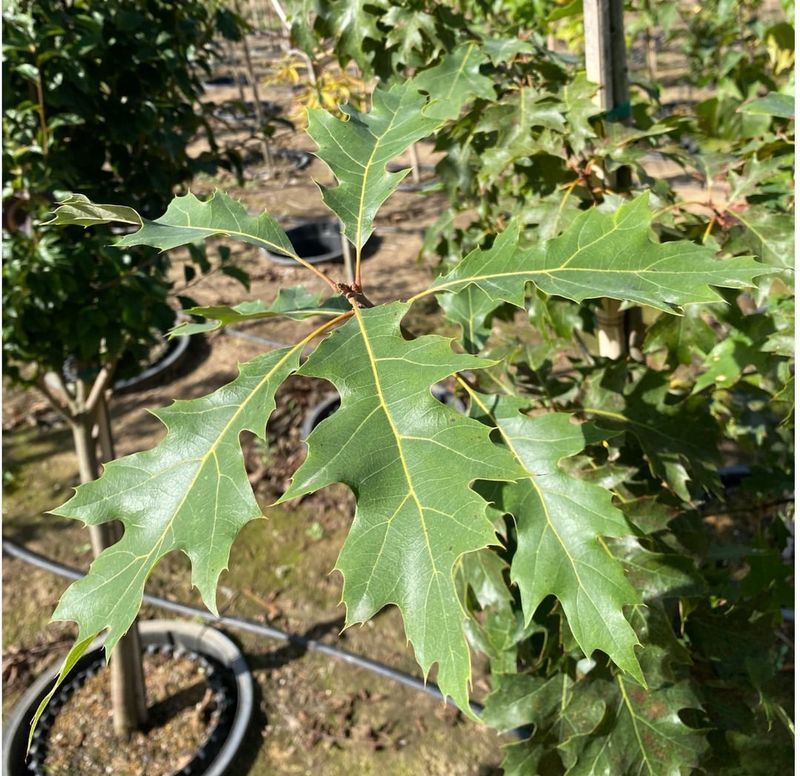
Acorns from red oaks sustain jays, woodpeckers, and nuthatches through harsh Wisconsin winters when other food sources disappear beneath deep snow.
These majestic trees produce abundant crops of acorns every few years in what experts call mast years, providing incredible bounty for wildlife.
Red oaks grow slowly but eventually reach impressive heights, offering nesting sites and shelter in addition to their nutritious nuts across Wisconsin.
The acorns contain fats and proteins that give birds energy to survive subzero temperatures and maintain body heat during long nights.
Jays famously cache thousands of acorns each fall, hiding them throughout the landscape and inadvertently planting future oak trees when forgotten.
Woodpeckers drill into the bark to store acorns in custom-made holes, creating natural pantries that last through winter months statewide.
Wisconsin property owners with space should consider planting red oaks as long-term investments in wildlife habitat that benefits multiple generations.
These native trees support hundreds of insect species that become food for warblers, vireos, and other birds during spring migration periods.
6. Elderberry
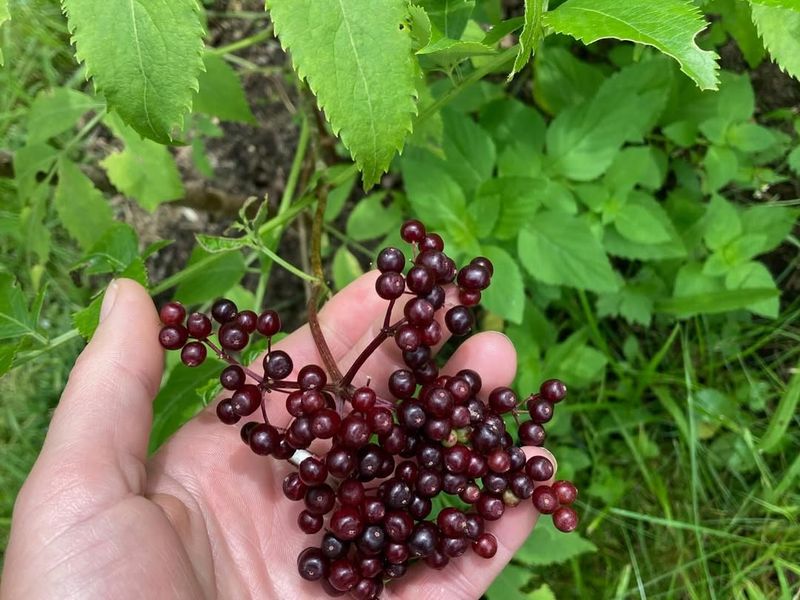
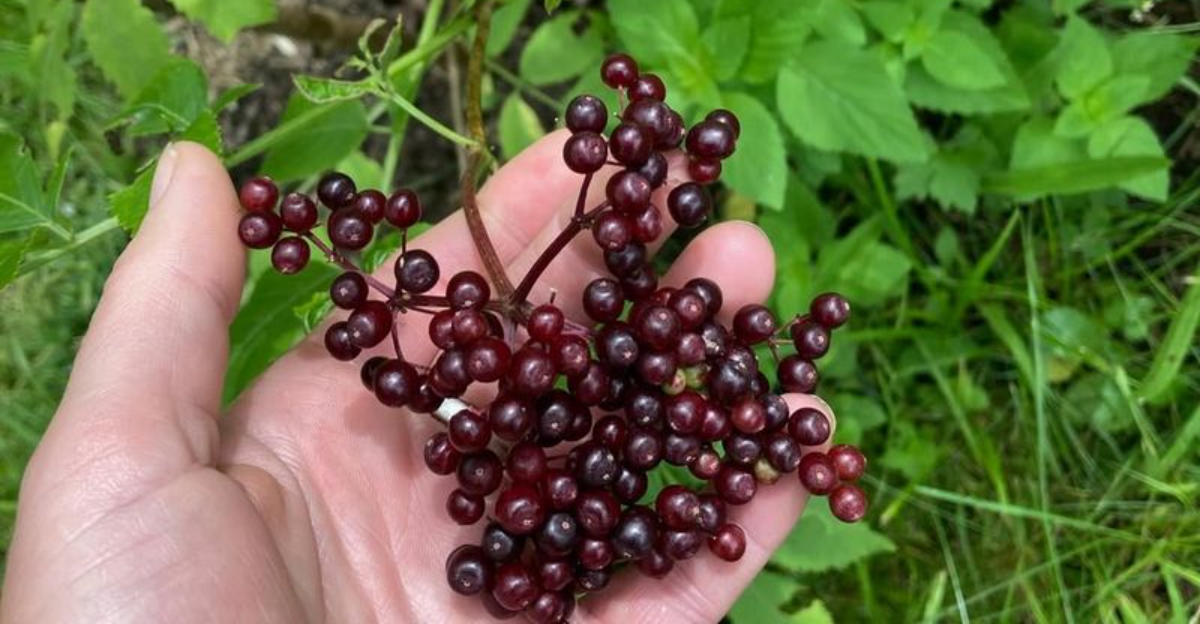
Cedar waxwings arrive in flocks to devour the dark purple elderberries that ripen in late summer across Wisconsin wetlands and woodland edges.
More than 50 bird species consume these berries, which contain antioxidants and vitamins that support immune function during stressful migration periods.
Elderberry shrubs grow quickly in moist soils, producing flat-topped clusters of tiny white flowers in June that transform into fruit by August.
Catbirds, thrushes, and grosbeaks also rely on these berries as an important food source before heading south for winter months.
Wisconsin gardeners plant elderberries along property edges or near ponds where the shrubs thrive in naturally damp conditions without extra watering.
The berries ripen over several weeks rather than all at once, ensuring birds have access to fresh fruit throughout late season.
Experts recommend planting multiple elderberry shrubs together because they produce larger berry crops when cross-pollination occurs between different plants nearby.
These fast-growing natives provide quick results for people wanting to create bird habitat within just a few years in the state.
7. Little Bluestem
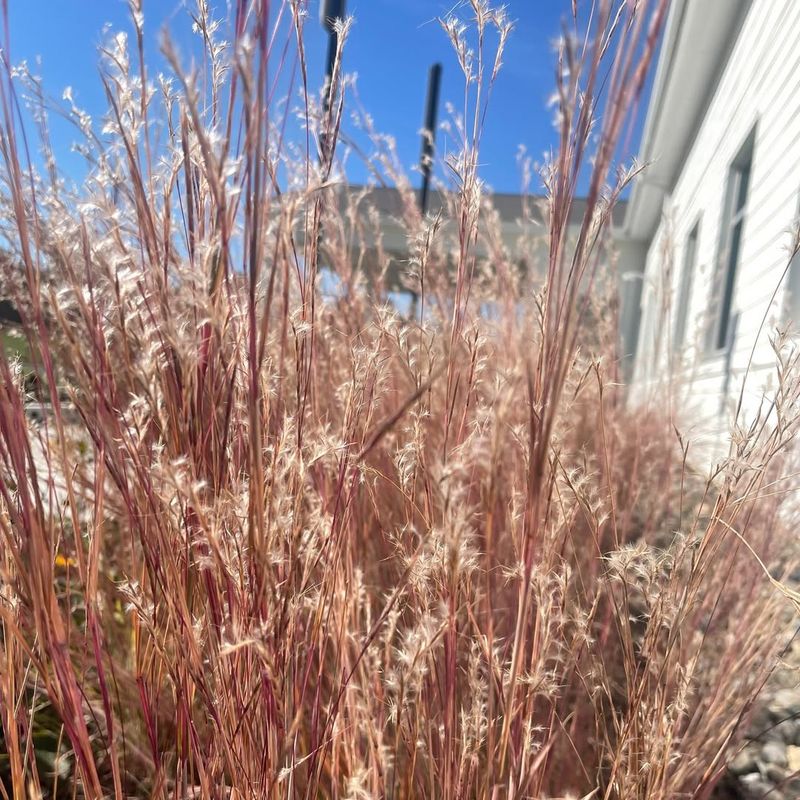
Sparrows and juncos hunt for tiny seeds hidden within the fluffy seed heads of little bluestem throughout fall and winter in Wisconsin prairies.
This beautiful native grass turns stunning shades of copper and burgundy in autumn, providing visual interest while serving as a critical food source.
Little bluestem grows in clumps that offer cover for ground-nesting birds during spring and summer months across the state in sunny locations.
The seeds remain attached to the plants through winter, giving birds reliable access even when snow covers the ground beneath them.
Experts appreciate how this drought-tolerant grass survives harsh conditions without irrigation once established in well-drained soils throughout Wisconsin landscapes.
Each plant produces numerous seed heads that collectively provide hundreds of seeds for small birds that overwinter in the region.
Towhees and native sparrows forage around the base of these grasses, finding fallen seeds and insects sheltering among the dense stems.
Wisconsin gardeners use little bluestem in prairie restorations and ornamental plantings where it adds texture and supports wildlife through multiple seasons.
8. Nannyberry
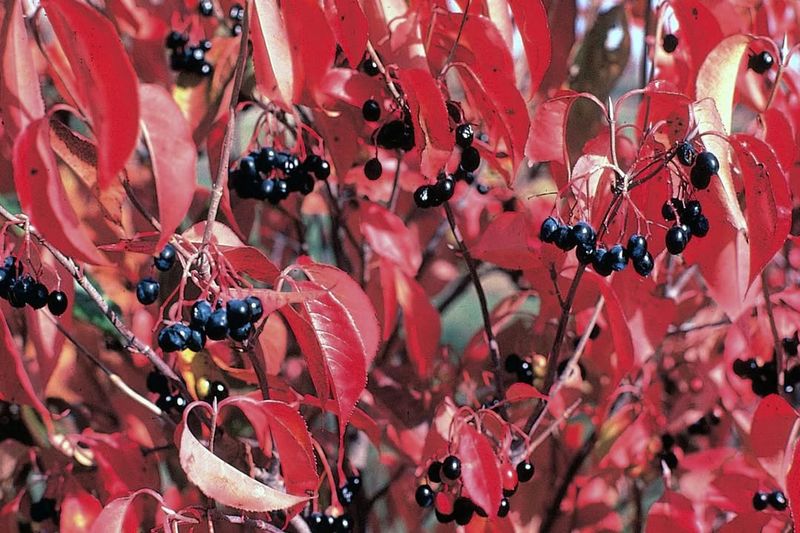
Robins strip the blue-black berries from nannyberry branches during fall migration, fueling up for their long journey southward from Wisconsin landscapes.
This native viburnum produces clusters of sweet berries in September that persist into winter, providing emergency food during harsh weather events.
Nannyberry shrubs grow tall enough to serve as privacy screens while offering dense branching structure for nesting birds during spring months.
Thrushes, waxwings, and grosbeaks all consume these nutritious fruits that contain sugars and fats essential for building energy reserves statewide.
Wisconsin property owners value nannyberry because it tolerates shade better than many fruit-producing shrubs, making it perfect for woodland gardens.
The white flower clusters that appear in May attract insects that become food for warblers and other migratory birds passing through.
Experts note that nannyberry berries often hang on branches well into winter, serving as backup food when other sources freeze solid.
These hardy shrubs adapt to various soil types found across Wisconsin and require minimal pruning to maintain attractive shapes in landscapes.
9. Gray Dogwood
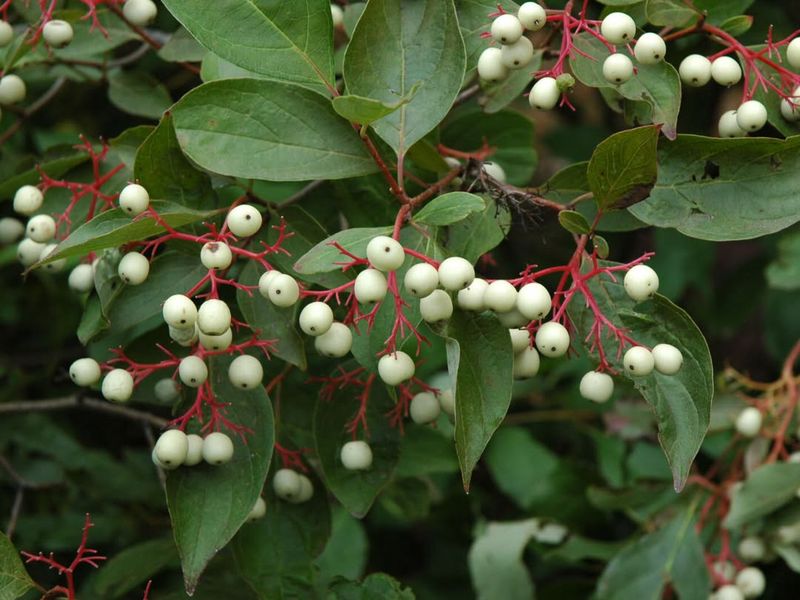
Flickers and catbirds feast on the white berries that develop on striking red stems of gray dogwood throughout autumn in Wisconsin thickets.
More than 40 bird species consume these high-fat berries that ripen in late summer just as many birds prepare for migration southward.
Gray dogwood spreads through underground runners to form dense colonies that provide excellent cover for ground-dwelling birds throughout the state.
The shrub produces creamy white flowers in June that attract numerous insects, which become protein sources for warblers and vireos nesting nearby.
Experts recommend gray dogwood for erosion control on slopes where its spreading habit stabilizes soil while creating valuable wildlife habitat simultaneously.
Wisconsin gardeners appreciate how this tough native tolerates poor soils and challenging growing conditions where other shrubs might struggle or fail.
The white berries stand out dramatically against the colorful red twigs, making it easy to spot birds feeding among the branches.
Thrashers, mockingbirds, and bluebirds all rely on these berries during fall when they need quick energy to fuel migration or prepare themselves.
10. Staghorn Sumac
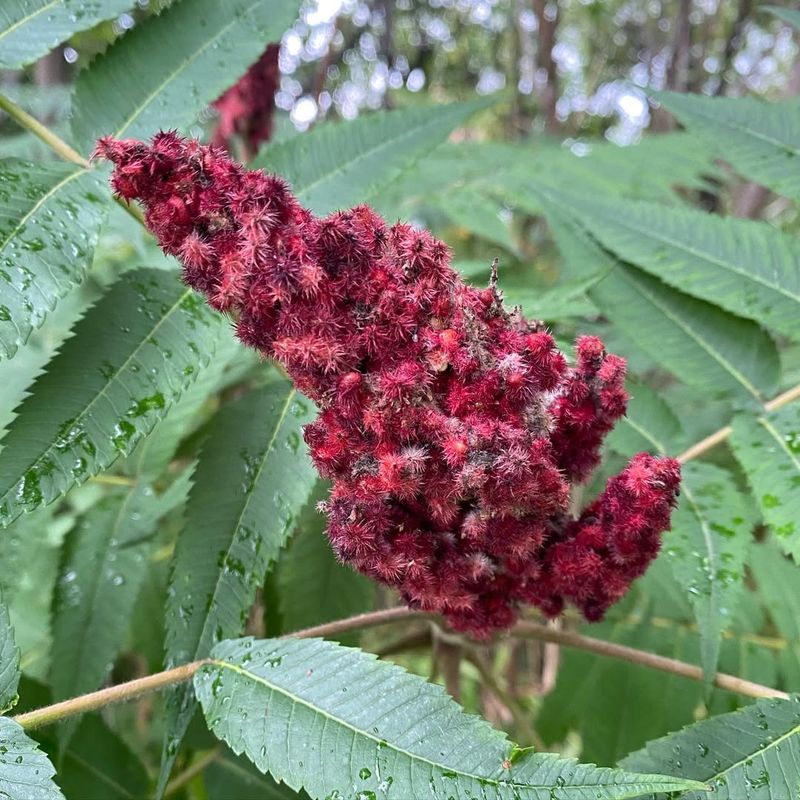
Cardinals crack open the fuzzy red berry clusters of staghorn sumac during winter when snow covers most other food sources across Wisconsin roadsides.
These distinctive cone-shaped fruit clusters persist on branches through the coldest months, providing emergency nutrition for birds during severe weather events.
Staghorn sumac grows rapidly in poor soils and disturbed areas, making it valuable for quickly establishing wildlife habitat on challenging sites.
Woodpeckers, bluebirds, and robins all consume the tart berries that contain vitamin C and other nutrients essential for maintaining health.
Wisconsin landowners plant staghorn sumac along property boundaries where its spreading habit creates natural fences that benefit birds and other wildlife.
The compound leaves turn brilliant shades of orange and scarlet in autumn, offering stunning fall color before dropping to reveal berries.
Experts note that female sumac plants produce the fruit, so planting both male and female specimens ensures good berry production yearly.
These native shrubs tolerate road salt and urban pollution better than many other species, making them perfect for challenging locations throughout the state.