10 Wisconsin Yard Animals That Can Bring A Sense Of Hope
Across Wisconsin yards, small moments spark big comfort.
A flash of fur, a lift of wings, or a quiet pause near the fence can change the tone of a hard day.
These animals show up without fanfare, yet they steady the spirit and warm the heart.
After long winters and heavy news, such sights feel like a breath of fresh air.
From dawn patrols to dusk visits, nature lends a hand when hope feels thin.
Each creature plays a part, from bold regulars to shy guests that pass through quick.
Their presence hints at balance, renewal, and grit.
No grand gesture required, just eyes open and patience in place.
This list shines a light on ten familiar neighbors that lift moods and remind folks that better days still roam close to home.
Step outside, take stock, and let these quiet companions do their work. Sometimes hope arrives.
1. American Robin
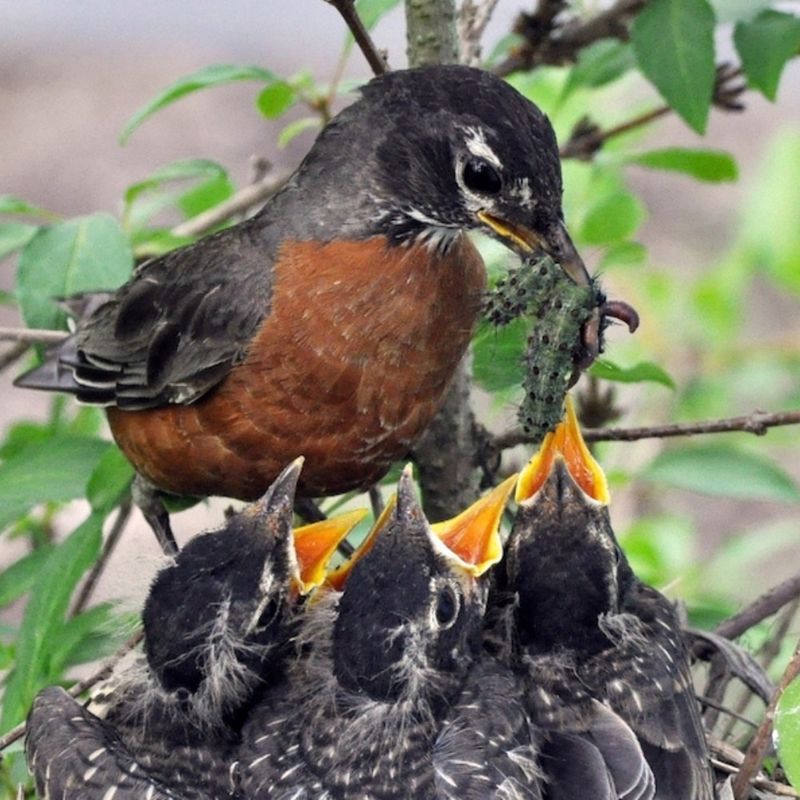
Every spring morning brings the cheerful song of robins back to Wisconsin yards.
Their bright orange breasts stand out against green grass as they hop around searching for earthworms.
Robins represent renewal because they arrive when winter finally ends.
These birds build mud nests in trees and shrubs close to houses.
You might spot them pulling worms from your lawn after a rain shower.
Their confident hopping and head-tilting behavior makes them fun to watch from your window.
Robins raise multiple families each summer, showing dedication to their young.
Parents work together to feed hungry chicks that soon fill the nest.
This teamwork demonstrates cooperation and care in the animal world.
Their return each year feels like a promise that warm weather will come again.
Even on cloudy days, their melodic calls can brighten your mood.
Robins remind us that change brings new opportunities and fresh starts.
Creating a bird-friendly yard with trees and water sources encourages robins to visit.
Their presence adds life and movement to outdoor spaces.
Watching these birds thrive brings a sense of optimism about the natural cycle of seasons.
2. Eastern Chipmunk
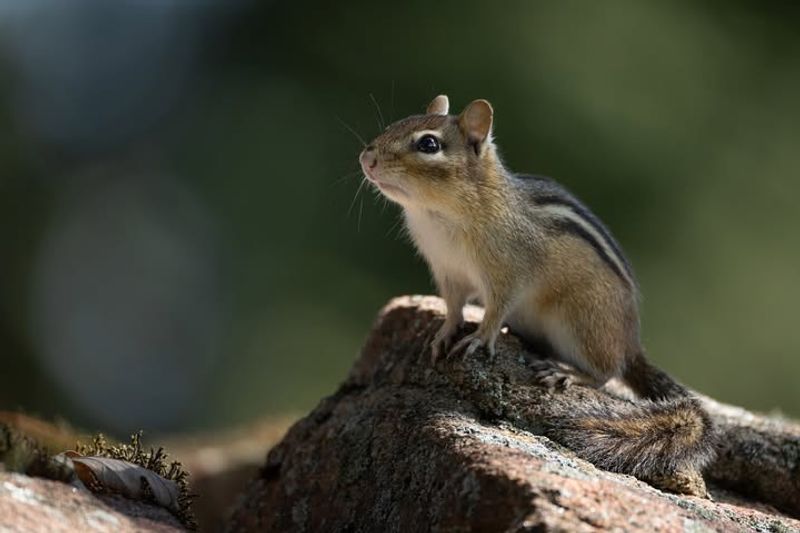
Chipmunks scurry across Wisconsin yards with boundless energy that can make anyone smile.
Their striped backs and puffy cheeks stuffed with seeds create an adorable sight.
These small mammals work hard to gather food and prepare for winter months ahead.
You will often see them darting between bushes and flower beds.
Chipmunks dig underground burrows with multiple rooms for sleeping and storing food.
Their busy lifestyle shows the importance of planning and preparation.
Despite their tiny size, chipmunks display remarkable courage when defending their territory.
They make chirping sounds to communicate with other chipmunks nearby.
Their vocalizations add another layer of activity to your outdoor environment.
Watching a chipmunk stuff its cheeks until they bulge outward never gets old.
They can carry surprising amounts of food back to their burrows.
This determination reminds us that persistence pays off.
Chipmunks adapt well to human presence and often become comfortable around people.
Their playful antics and quick movements bring entertainment to quiet afternoons.
Observing their industrious nature can inspire us to tackle our own tasks with similar enthusiasm and focus on what matters most.
3. Monarch Butterfly
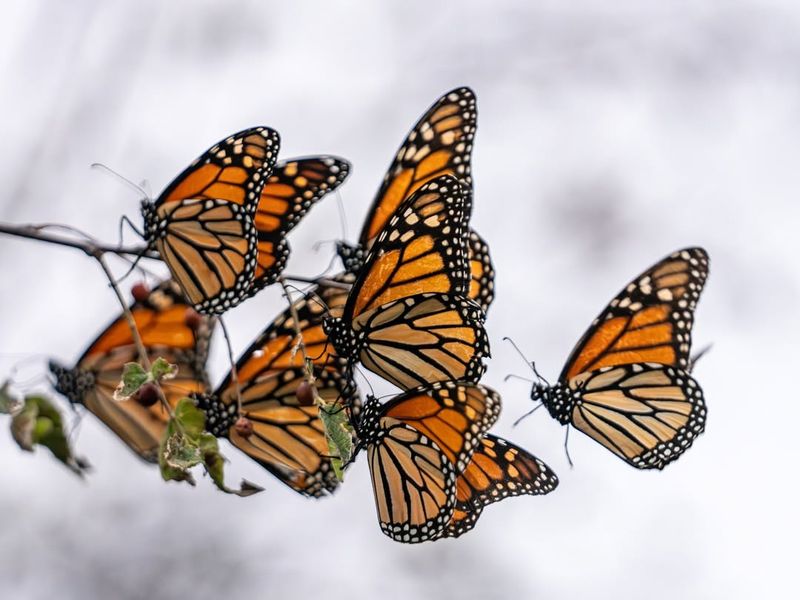
Few sights match the beauty of a monarch butterfly floating through your yard.
Their orange and black wings create a striking pattern that catches every eye.
Monarchs travel thousands of miles during migration, showing incredible endurance.
These butterflies depend on milkweed plants to lay eggs and feed caterpillars.
Planting milkweed in your garden helps support their survival.
You might witness the amazing transformation from caterpillar to chrysalis to butterfly right in your own space.
Monarchs visit various flowers to drink nectar with their long tongues.
Their delicate movements from bloom to bloom appear almost like dancing.
This graceful behavior brings a sense of calm to busy days.
Each butterfly represents a journey that began as a tiny egg.
Their complete metamorphosis symbolizes personal growth and change.
Watching them emerge with wet wings that slowly dry and strengthen teaches patience.
Monarch populations face challenges, but conservation efforts give them hope.
When one lands in your yard, it connects you to a larger story of survival.
Their visit reminds us that even fragile creatures possess remarkable strength and that small actions can make big differences.
4. White-Tailed Deer
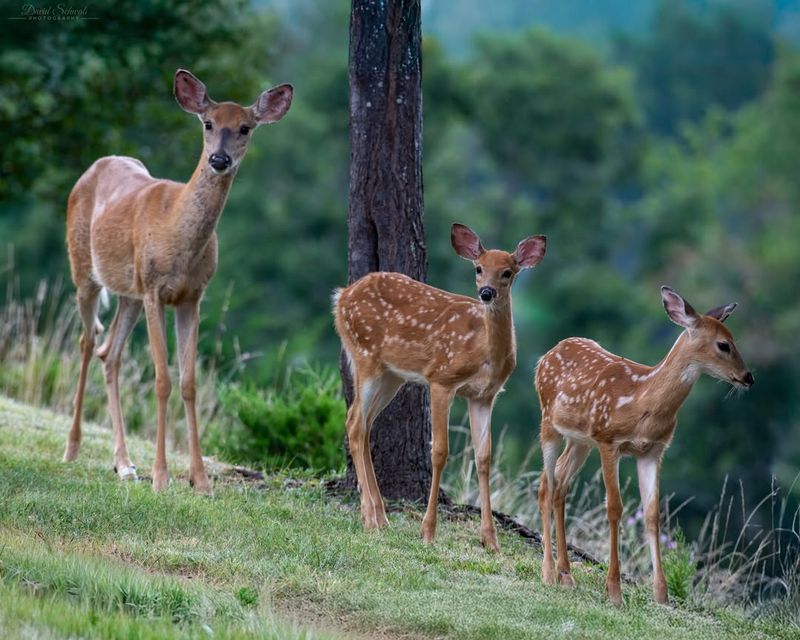
White-tailed deer often appear at dawn or dusk near the edges of Wisconsin yards.
Their graceful movements and large, gentle eyes create peaceful moments.
Seeing a deer pause to look your way feels like a special connection with wildlife.
Does sometimes bring their spotted fawns into open areas to graze.
Young deer stay close to their mothers while learning about their surroundings.
This bond between parent and offspring touches something deep within us.
Deer raise their white tails like flags when startled, giving them their name.
They can leap over fences with ease and move through spaces quietly.
Their athleticism and awareness demonstrate survival skills honed over generations.
While they sometimes nibble garden plants, their presence adds wild beauty to neighborhoods.
Many people enjoy leaving parts of their yards natural to welcome deer visits.
These animals remind us that humans share the land with other creatures.
Observing deer browse peacefully can lower stress and bring tranquility.
Their seasonal patterns connect us to the rhythm of nature throughout the year.
Each encounter offers a chance to appreciate wildlife that adapts to living near people while maintaining their wild spirit.
5. Ruby-Throated Hummingbird
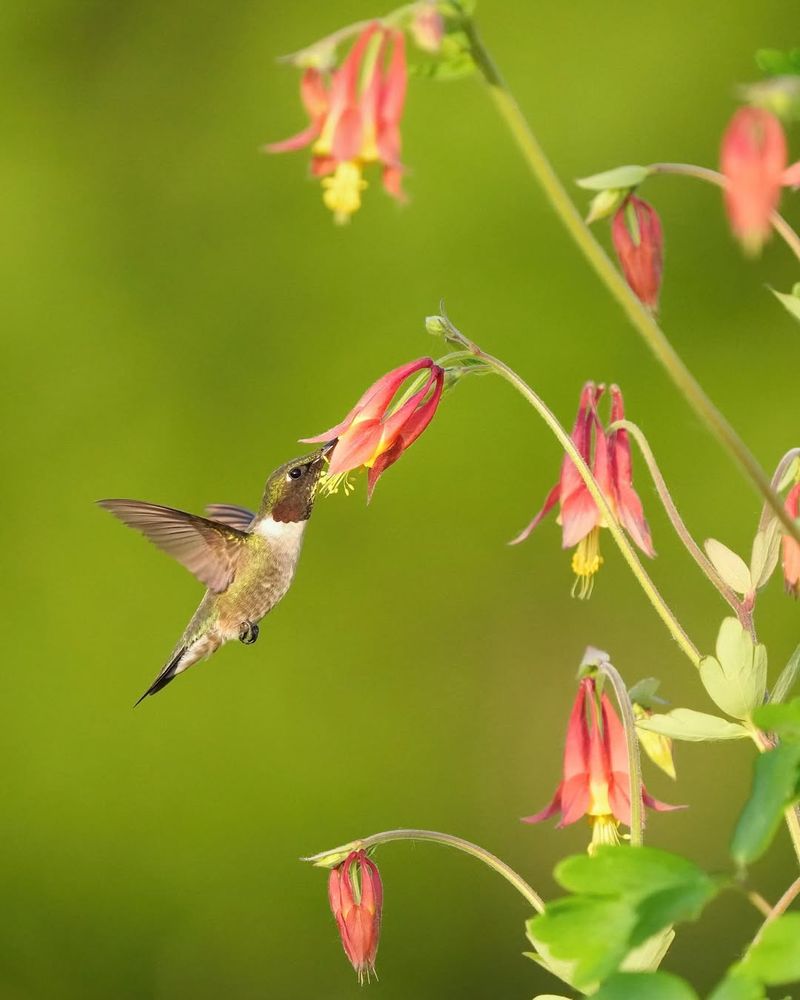
Hummingbirds seem almost magical as they hover in midair at flowers and feeders.
Males sport brilliant ruby-red throats that flash in sunlight like jewels.
Their rapid wing beats create a humming sound that gives them their name.
These tiny birds migrate from Central America to Wisconsin each spring.
Despite weighing less than a nickel, they fly hundreds of miles alone.
Their determination proves that size does not limit capability or courage.
Hummingbirds visit dozens of flowers daily to fuel their high-energy lifestyle.
They remember which flowers they have visited and when nectar will be replenished.
This intelligence in such a small package amazes scientists and birdwatchers alike.
Setting up sugar water feeders attracts hummingbirds to your yard throughout summer.
You might see them chase away other hummingbirds from their favorite feeding spots.
Their feisty personalities add humor and excitement to outdoor observations.
Watching hummingbirds zip backward, forward, and upside down showcases their flying skills.
They hover perfectly still while drinking nectar with their long tongues.
Their presence brings wonder and reminds us that extraordinary things come in small packages and that nature holds endless surprises.
6. Eastern Cottontail Rabbit
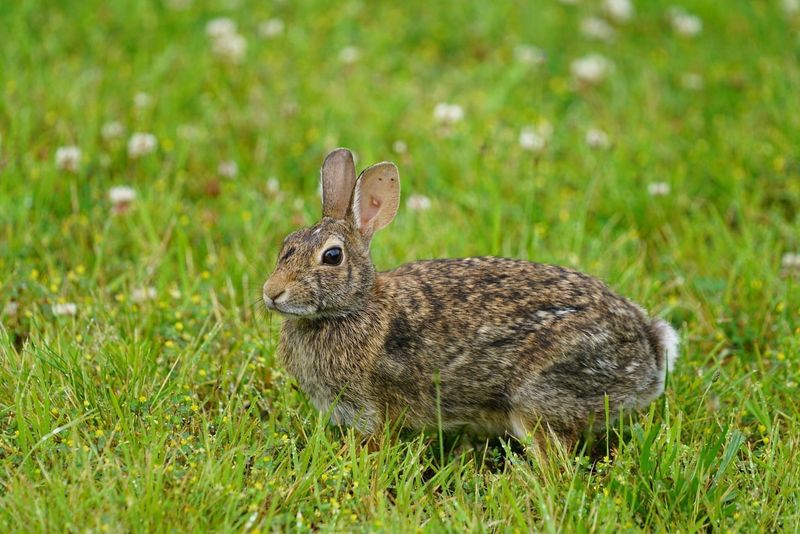
Cottontail rabbits hop across Wisconsin lawns during early morning and evening hours.
Their fluffy white tails bounce as they move, creating an endearing image.
Rabbits pause frequently to stand on hind legs and scan for danger with tall ears.
These animals nest in shallow depressions lined with grass and fur.
Mother rabbits visit their babies only a few times daily to avoid attracting predators.
This protective behavior ensures the survival of their vulnerable young.
Cottontails eat clover, grass, and garden vegetables when available.
They sit perfectly still when they sense threats, blending into their surroundings.
Their freeze response shows a different survival strategy than running away.
Baby rabbits, called kittens, are born without fur and with eyes closed.
Within weeks, they become independent and explore on their own.
Watching young rabbits play and practice hopping brings joy to observers.
Rabbits have been symbols of fertility and renewal across many cultures.
Their presence in yards represents the continuation of life cycles.
Seeing them peacefully graze reminds us to find contentment in simple pleasures and appreciate quiet moments that nature provides when we take time to notice.
7. Red Fox
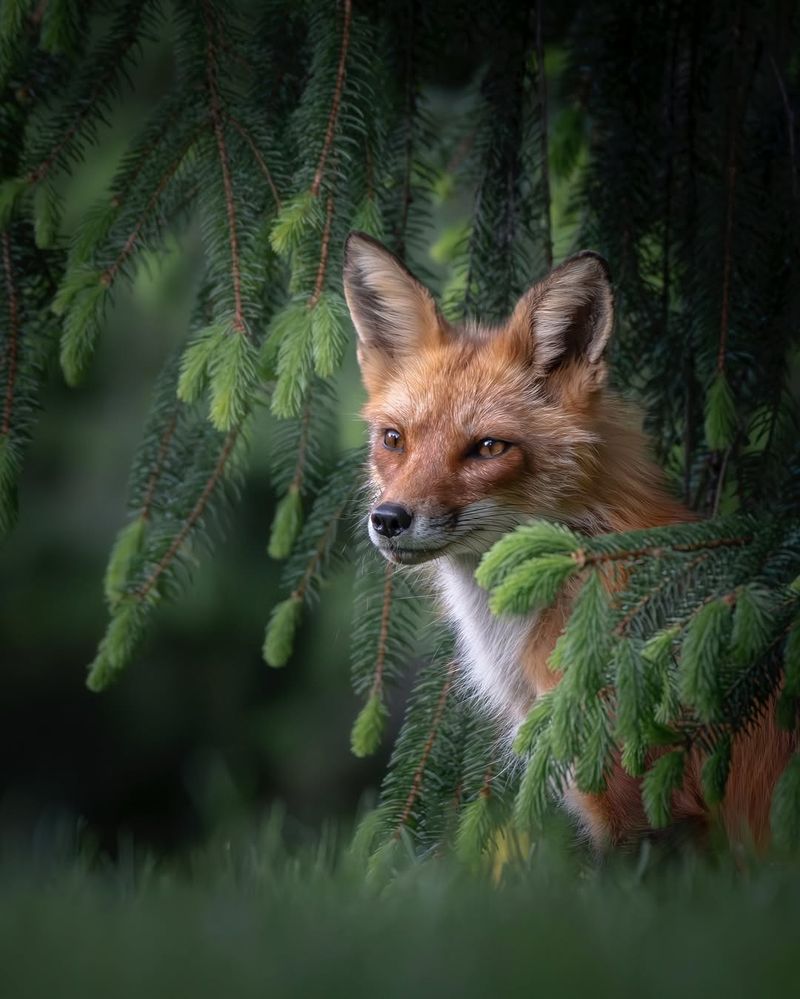
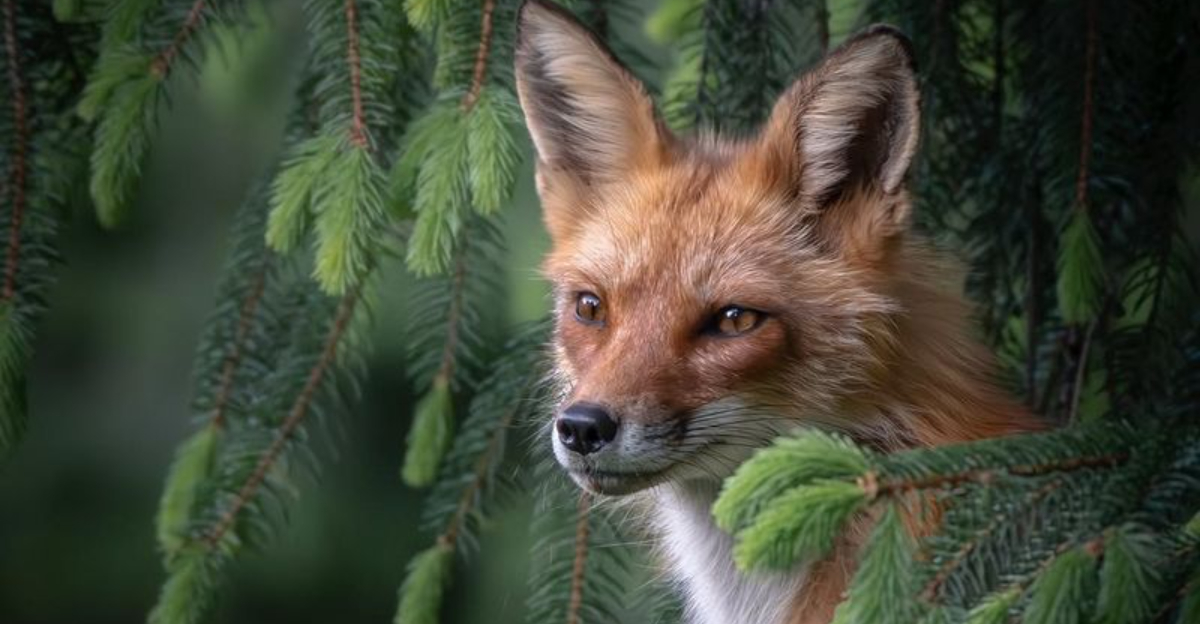
Red foxes occasionally venture into Wisconsin yards, especially those near wooded areas.
Their rusty-red coats and bushy tails with white tips make them unmistakable.
Foxes move with a confident grace that shows their intelligence and adaptability.
These animals hunt small rodents that live in yards and fields.
They pounce on prey by leaping high and landing with front paws first.
This hunting technique looks almost playful but demonstrates precise calculation.
Foxes communicate through various sounds including barks, screams, and howls.
They mark their territory and send messages to other foxes in the area.
Their vocalizations add mystery to nighttime soundscapes.
Parent foxes teach their kits essential survival skills during summer months.
Young foxes tumble and play-fight while learning about their world.
These family interactions mirror the care and teaching in our own lives.
Seeing a fox requires patience since they are cautious around humans.
Their successful adaptation to suburban environments shows remarkable flexibility.
Foxes remind us that wildness still exists even in developed areas and that intelligence and resourcefulness help overcome challenges when environments change around us.
8. Song Sparrow
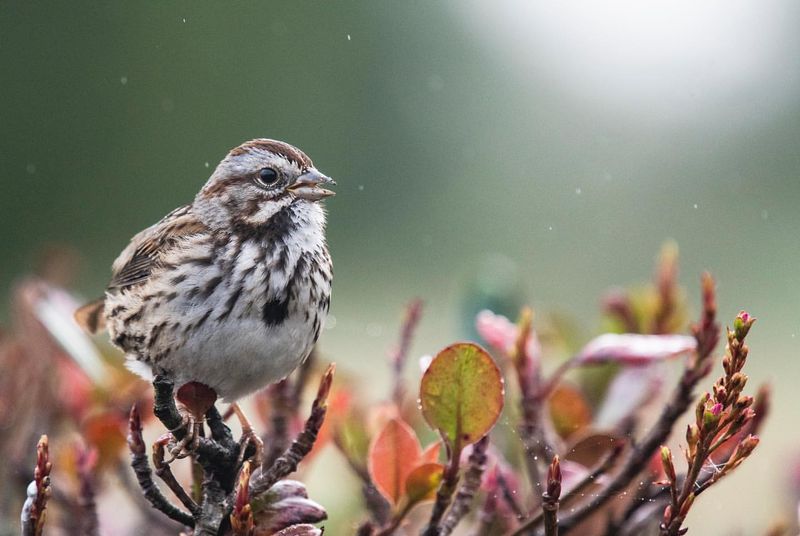
Song sparrows fill Wisconsin yards with their musical calls throughout most of the year.
Their brown streaked feathers help them blend into bushes and tall grass.
Males sing from prominent perches to claim territory and attract mates.
Each song sparrow has its own unique melody that it repeats with variations.
They learn songs from their fathers and neighbors, creating regional dialects.
This cultural transmission of music parallels how humans pass down traditions.
Song sparrows scratch the ground with both feet to uncover seeds and insects.
They bathe in shallow water and dust to keep their feathers clean.
Watching their daily maintenance routines shows the importance of self-care.
These birds nest low in shrubs, building cup-shaped homes from grass and leaves.
They raise multiple broods each season when conditions allow.
Their persistence in raising families demonstrates dedication and hard work.
Song sparrows remain in Wisconsin year-round, enduring harsh winter conditions.
Their cheerful songs continue even on cold, gray days.
Hearing their music when snow covers the ground lifts spirits and provides comfort during difficult times, proving that beauty persists through challenges.
9. Painted Lady Butterfly
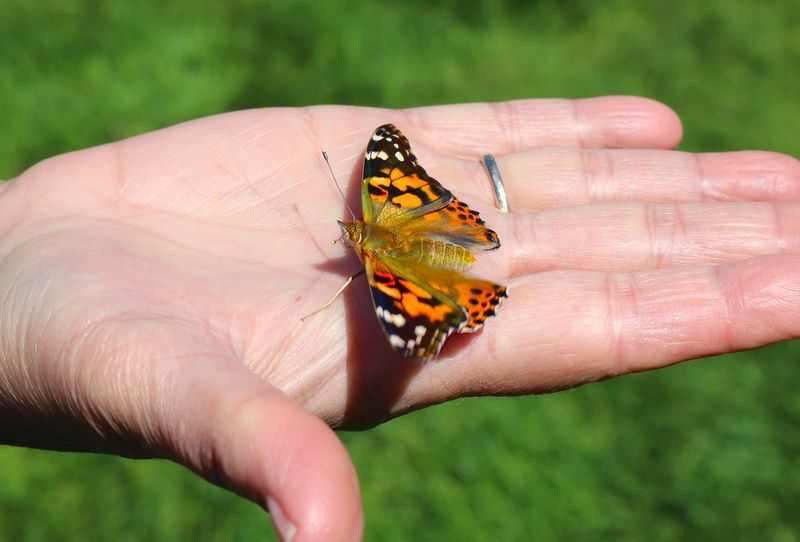
Painted lady butterflies visit Wisconsin gardens during their remarkable migration journeys.
Their orange wings decorated with black and white patterns create stunning visual displays.
Unlike monarchs, painted ladies migrate in multiple generations across continents.
These butterflies lay eggs on thistle and other host plants.
Caterpillars build silk tents on leaves where they safely develop.
Their life cycle happens quickly, allowing several generations each summer.
Painted ladies drink nectar from many flower types, making them easy to attract.
They prefer open, sunny areas where flowers grow abundantly.
Providing diverse blooms ensures these butterflies will visit your space regularly.
Some years bring massive migrations with thousands of painted ladies passing through.
Other years, only a few individuals make appearances.
This variability keeps butterfly watching exciting and unpredictable.
Painted ladies can fly long distances despite their delicate appearance.
They navigate using sun position and landmarks to find their way.
Their navigation abilities inspire us to trust our own internal guidance systems.
Watching painted ladies flutter from flower to flower creates peaceful moments.
Their presence adds color and movement to summer afternoons.
These butterflies show us that beauty can be both temporary and recurring.
10. American Goldfinch
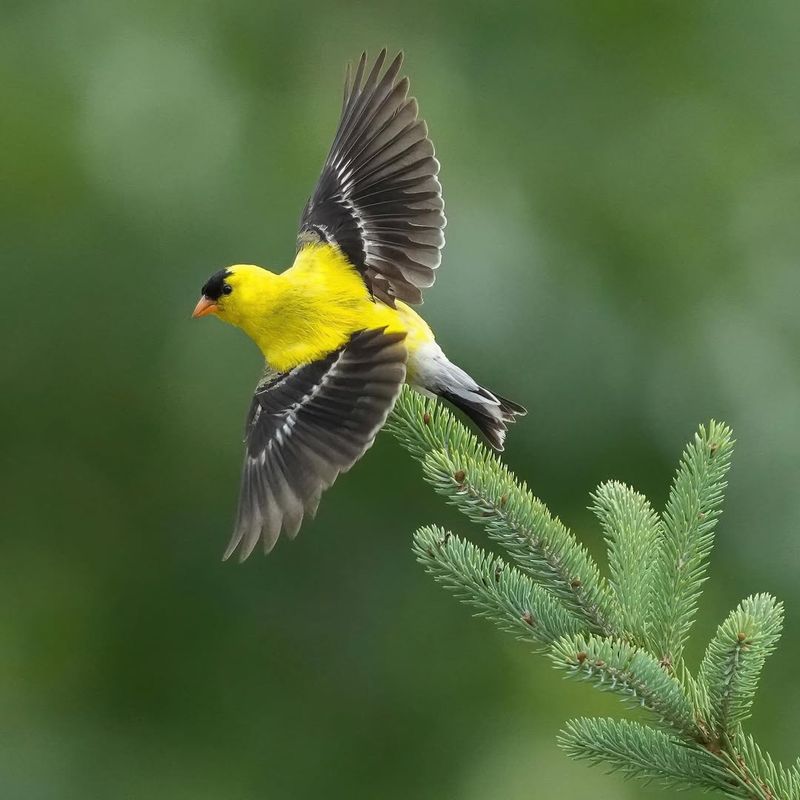
American goldfinches brighten Wisconsin yards with their brilliant yellow summer feathers.
Males wear black caps and wings that contrast beautifully with their sunny bodies.
Their bouncing flight pattern and cheerful calls announce their presence.
Goldfinches wait until late summer to nest, timing it with thistle seed availability.
They build soft nests woven so tightly they can hold water.
This patient approach to breeding ensures abundant food for their young.
These birds love nyjer and sunflower seeds at feeders.
They hang upside down while eating, showing impressive acrobatic skills.
Watching a group of goldfinches at a feeder provides endless entertainment.
In winter, goldfinches molt into olive-brown feathers that help them blend in.
Many people do not recognize them in their dull winter plumage.
This transformation demonstrates how adaptation changes appearance based on needs.
Goldfinches travel in flocks, calling to each other constantly.
Their social nature reminds us of the importance of community.
Seeing them return each year in bright breeding colors signals that summer has truly arrived and brings anticipation for warm days ahead filled with color and song.