Wondering If You Can Prune A Neighbor’s Shrub In California? Here’s The Answer
A hedge creeping over your fence can feel like a personal invasion, especially when it blocks light, scratches your siding, or drops leaves all over your yard. It’s tempting to grab the clippers and solve the problem yourself—but in California, that move can get complicated fast.
One wrong snip could turn a friendly neighbor into a legal nightmare.
California property law draws a firm line between what you’re allowed to cut and what belongs to someone else, even if it’s growing into your space. While you do have certain rights to protect your property, going too far can make you liable for thousands in damages.
Trees, shrubs, and hedges are legally considered part of the owner’s property, and courts take improper trimming seriously. Just because it crosses your fence doesn’t mean it’s yours to cut.
Understanding where your rights end—and your neighbor’s begin—can save you from lawsuits, fines, and long-term disputes. Knowing the correct, legal way to handle overgrown shrubs lets you protect your yard without burning bridges next door.
Smart trimming keeps your yard tidy and your relationships intact.
You May Trim Anything That Crosses Onto Your Property
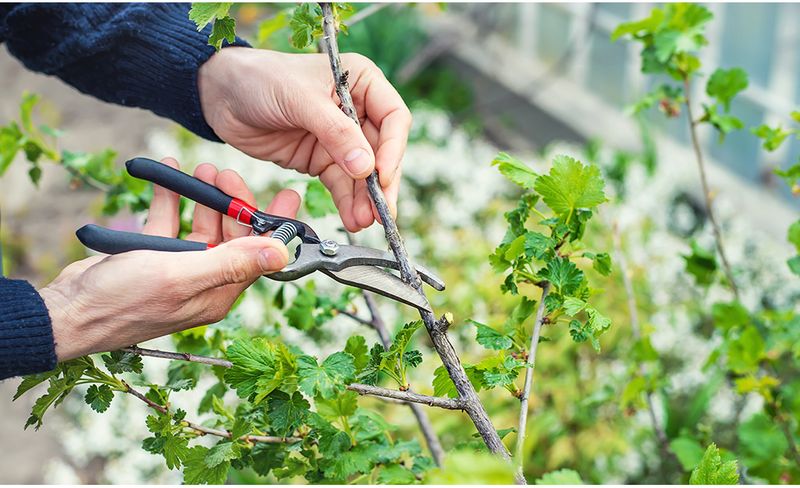
California law gives homeowners a clear right when it comes to overhanging branches and invading roots. The state follows what’s known as the self-help rule, which means you’re legally allowed to trim any part of a neighbor’s plant that crosses over the property line and enters your yard.
This rule exists to protect property owners from encroachment without requiring endless negotiations or costly legal battles.
Think of the property line as an invisible wall extending up into the sky and down into the ground. Anything that passes through that wall onto your side becomes something you can address yourself.
Whether it’s a large oak branch shading your vegetable garden or a hedge pushing through your fence, you have the authority to cut it back to the boundary.
However, this right comes with important responsibilities. You must exercise reasonable care and avoid causing unnecessary harm to the plant itself.
The law trusts you to act like a sensible homeowner, not someone with a grudge and a chainsaw. Trimming should be done thoughtfully, ideally at the right time of year for the plant’s health, and with proper tools to ensure clean cuts that heal well.
You Cannot Go Past The Property Line — Even By Inches
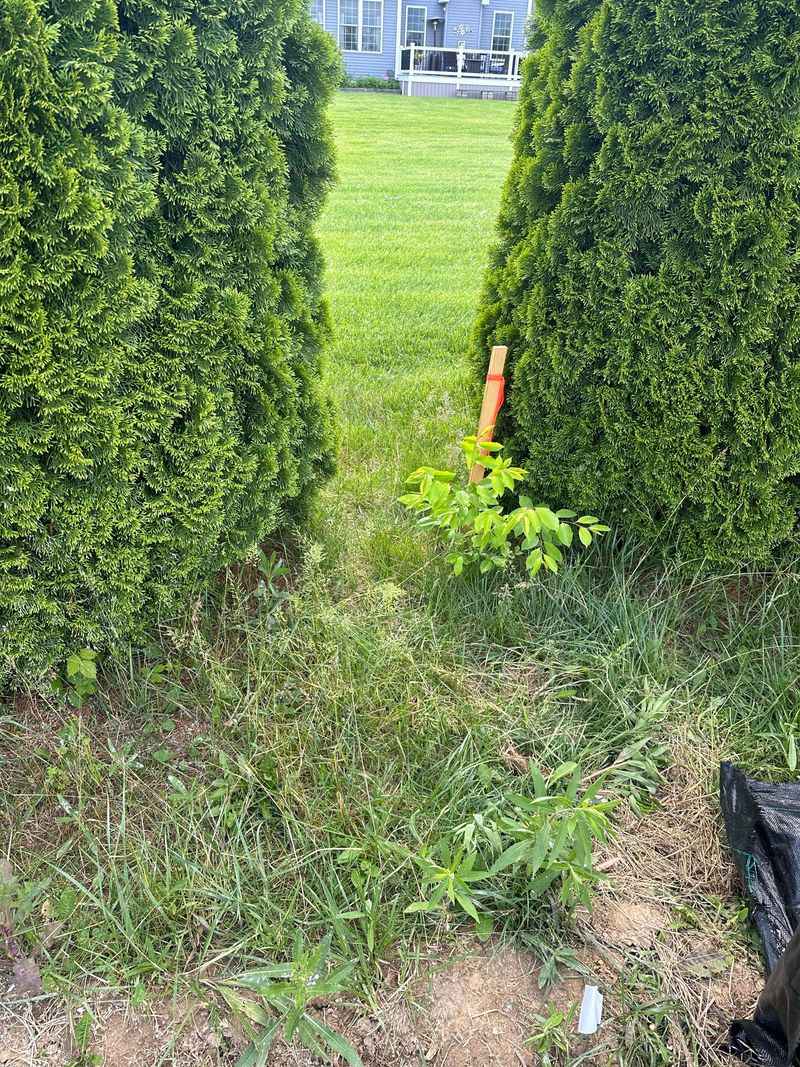
Crossing onto your neighbor’s property, even by the smallest distance, changes everything. What was a legal right on your side of the line becomes trespassing the moment you step or reach over the boundary.
California courts take property rights seriously, and even a few inches can make the difference between lawful pruning and illegal property damage.
Many homeowners make the mistake of thinking a little extra trimming won’t hurt, especially if the plant is clearly overgrown. But the law doesn’t work that way.
If you cut branches that are still on your neighbor’s side, you could be held liable for trespassing, property damage, and any harm caused to the plant. This can result in lawsuits, fines, and strained relationships that last for years.
Before you start trimming, it’s wise to know exactly where your property line sits. If you’re unsure, check your property survey or hire a surveyor to mark the boundary clearly.
Taking this step protects you legally and ensures you’re not accidentally overstepping. Remember, respecting boundaries isn’t just good law—it’s good neighborly conduct that keeps peace on the block.
You Must Not Cause Serious Harm To The Plant
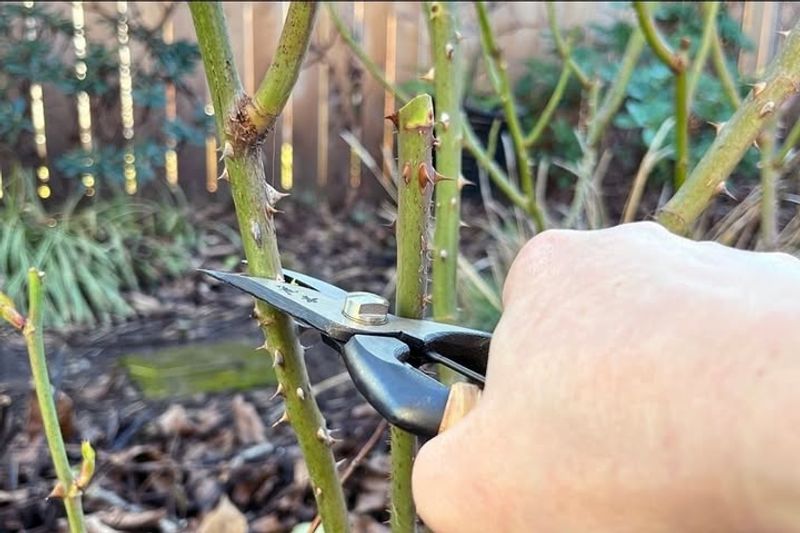
Even though you have the right to trim branches and roots on your side, California law holds you responsible if your actions result in serious harm or the loss of the plant. This means you can’t just hack away recklessly and claim you were within your rights.
The law expects you to act with care and consideration, much like a reasonable gardener would when pruning their own plants.
Plants are living organisms that depend on their branches and roots for survival. Removing too much foliage can prevent photosynthesis, while cutting major roots can destabilize the entire structure or cut off water and nutrients.
If your neighbor’s shrub weakens significantly or stops thriving because of your pruning, you could face legal consequences, including paying for replacement or restoration costs.
To avoid trouble, consider consulting with a certified arborist or landscaping professional before trimming large branches or substantial root systems. They can advise you on how much can be safely removed without compromising the plant’s health.
Taking this extra step shows good faith and protects you from claims that you acted carelessly or maliciously.
Roots Are Treated The Same As Branches
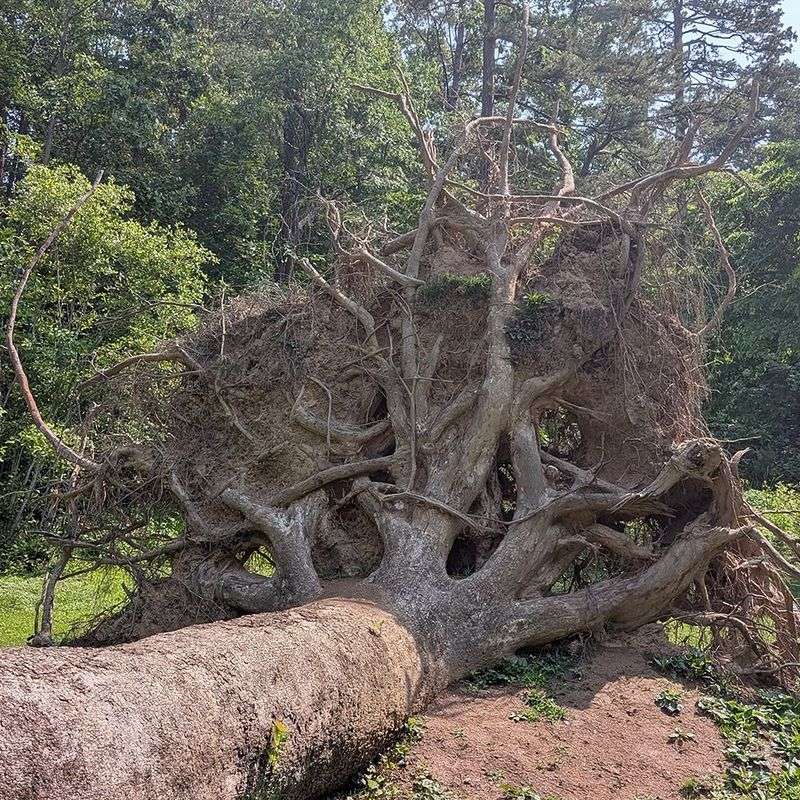
When most people think about neighbor disputes involving plants, they picture overhanging branches. But roots can cause just as many problems, and California law treats them with the same rules.
If roots from your neighbor’s shrub or tree are invading your yard, cracking your driveway, or interfering with your plumbing, you have the right to cut them back to the property line.
Root systems can be surprisingly extensive, often spreading far beyond the visible canopy of the plant above. They search for water and nutrients, sometimes traveling under fences and into neighboring properties.
While you can legally trim these invading roots, you must be cautious. Cutting too many or severing major structural roots can destabilize the plant, making it more likely to topple in a storm or slowly decline in health.
Before you dig down and start cutting, assess the situation carefully. If the roots are causing serious damage to structures like foundations or pipes, document the problem with photos.
This evidence can be useful if disputes arise later. Always aim to remove only what’s necessary, and consider consulting an expert if you’re dealing with large, woody roots from mature trees or shrubs.
You Don’t Need Permission To Trim What’s On Your Side
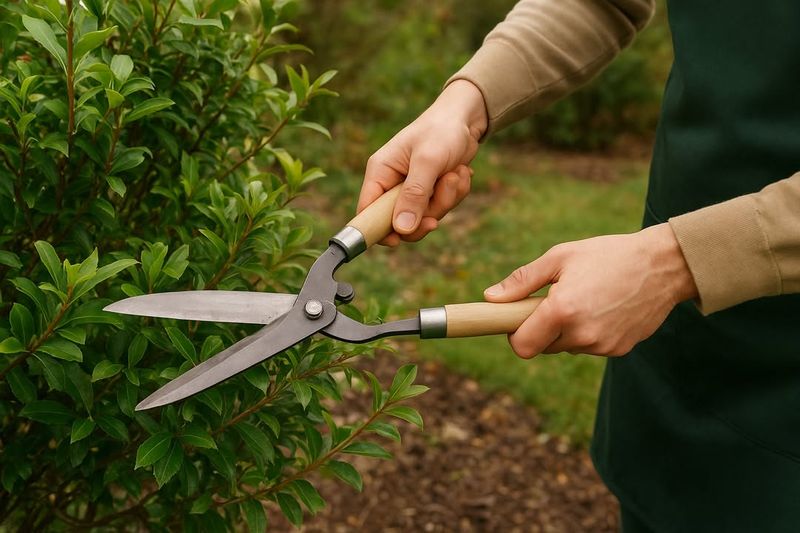
One of the most common questions homeowners ask is whether they need to notify or get approval from their neighbor before trimming. The answer under California’s self-help rule is no. You are not legally required to ask permission or give advance notice when trimming branches or roots that have crossed onto your property.
Your right to maintain your own land is clear and automatic.
This rule can feel empowering, especially if you’ve been dealing with an uncooperative or absent neighbor. You don’t have to wait for someone else’s schedule or approval to take care of your yard.
However, just because you don’t need permission doesn’t mean it’s not a good idea to communicate. A simple conversation can prevent misunderstandings, build goodwill, and sometimes even result in the neighbor handling the trimming themselves.
That said, if your neighbor refuses to cooperate or becomes hostile, you’re still within your rights to proceed on your own. Just make sure you follow all the other rules: stay on your side of the line, use reasonable care, and avoid causing harm to the plant.
Acting legally and responsibly protects you from claims and keeps your actions defensible if disputes arise.
You Can Be Sued If The Plant Suffers Afterward
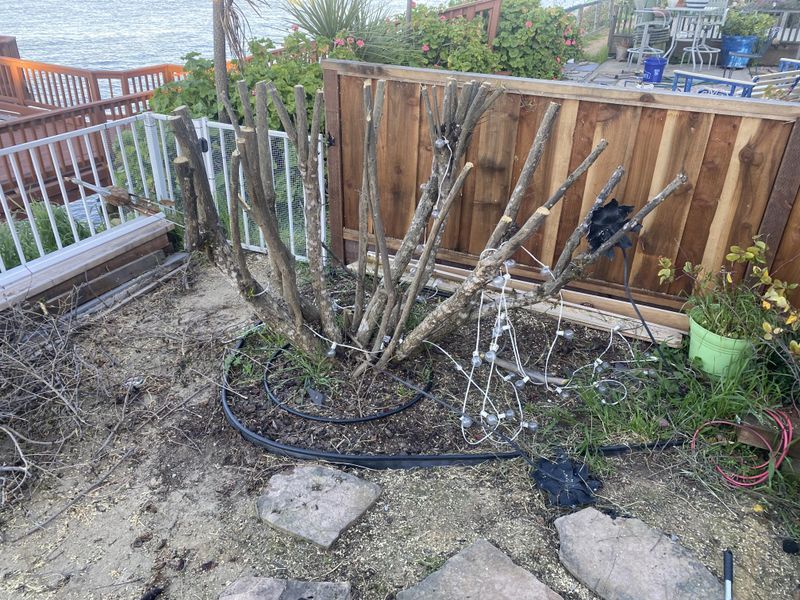
Here’s where things get tricky. Even if you stayed entirely on your side of the property line and trimmed only what crossed over, you can still be held legally responsible if the plant declines or perishes as a result.
California courts recognize that plants are valuable property, and owners have the right to seek damages if their trees or shrubs are harmed by a neighbor’s actions.
This rule might seem unfair at first glance, but it’s designed to prevent reckless or excessive pruning. Just because you have the right to trim doesn’t mean you can do so carelessly.
If you remove too much foliage, cut during the wrong season, or sever critical roots, the plant may suffer long-term damage. Your neighbor can take you to court and seek compensation for the loss, which could include the cost of replacing a mature plant—often thousands of dollars.
To protect yourself, document everything. Take photos before and after trimming, showing exactly what crossed the property line and what you removed.
If possible, hire a professional to do the work or at least consult one beforehand. Having expert guidance and records of your reasonable approach can be your best defense if a lawsuit arises.
Fruit And Flowers Belong To The Tree’s Owner
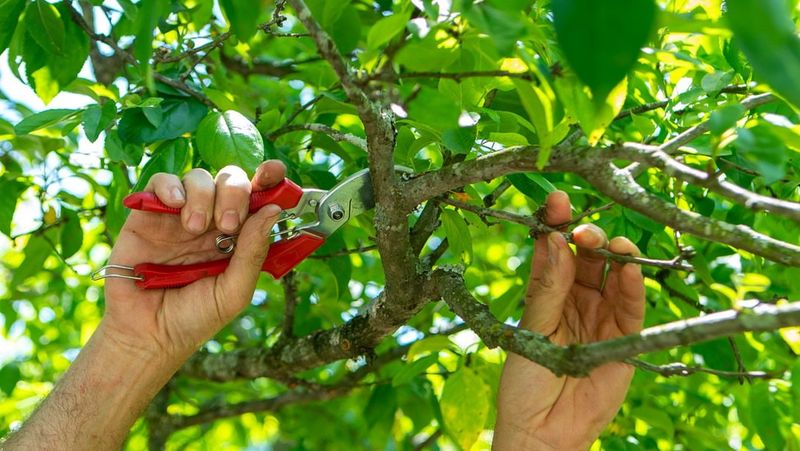
Imagine a lemon tree in your neighbor’s yard with branches heavy with ripe fruit hanging over your patio. It might seem like a gift from nature, but California law says otherwise.
Even if fruit, flowers, or nuts dangle over your property, they still legally belong to the tree’s owner. Taking them without permission is technically theft, no matter how tempting they look.
This rule applies to all types of produce and ornamental growth. Whether it’s apples, avocados, roses, or pinecones, the ownership stays with the person who owns the plant.
If you want to enjoy that fruit, the polite and legal approach is to ask your neighbor if you can pick it. Most people are happy to share, especially if the fruit would otherwise go to waste.
On the flip side, if fruit or flowers from the overhanging branches fall onto your property, you’re generally allowed to dispose of them as yard waste. Fallen items are considered abandoned.
But plucking them while they’re still attached is a different story. Respecting this rule keeps you on the right side of the law and maintains friendly relations with the folks next door.
California Courts Expect Reasonable Care

California’s legal system doesn’t just care whether you stayed on your side of the property line. It also examines how you conducted the trimming.
Courts expect homeowners to act with reasonable care, meaning you should prune in a way that a sensible, informed person would. Hacking, topping, or using improper techniques can land you in hot water, even if the branches were on your property.
Reasonable care means understanding basic plant biology and pruning principles. For example, cutting too close to the trunk can cause permanent scarring or disease entry points.
Removing too much of the canopy can stress the plant and reduce its ability to produce energy through photosynthesis. Topping a tree—cutting off the main leader or large sections—is widely condemned by arborists and can result in weak, hazardous regrowth.
If you’re not confident in your pruning skills, hiring a licensed professional is a smart investment. Professionals understand how to make clean cuts, which branches to remove, and when to do the work for optimal plant health.
Courts look favorably on homeowners who take these precautions, and you’ll have a much stronger defense if your neighbor claims you acted recklessly or with malicious intent.
City And HOA Rules May Add More Limits

California state law gives you the right to trim encroaching plants, but that’s not the whole story. Many cities and homeowners associations impose additional restrictions, especially when it comes to protected species, heritage trees, or plants in public view.
Before you start cutting, check your local ordinances and HOA covenants to make sure you’re not violating any extra rules.
Some California cities have tree protection ordinances that require permits before trimming or removing certain species, even on private property. These laws are designed to preserve urban canopy and protect trees that provide environmental benefits.
If your neighbor’s shrub or tree falls under these protections, you might need approval before trimming, even if the branches are on your side.
HOAs can be even more restrictive, with rules about maintaining curb appeal and preserving landscaping aesthetics. If the plant in question is visible from the street or common areas, your HOA might require you to get permission or follow specific guidelines.
Violating these rules can result in fines, forced restoration, or even liens on your property. Always read the fine print and reach out to your HOA board or city planning department when in doubt.
The Safest Move Is Communication First

While California law doesn’t require you to talk to your neighbor before trimming, courts and mediators strongly encourage it. Taking a few minutes to knock on the door or send a friendly note can prevent misunderstandings, reduce tension, and sometimes solve the problem without you lifting a finger.
Many neighbors are happy to trim their own plants once they realize there’s an issue.
Good communication also creates a paper trail that can protect you if things go south. If your neighbor responds poorly or refuses to act, you have evidence that you tried to resolve the matter cooperatively.
Courts look favorably on homeowners who made reasonable efforts to work things out before taking self-help measures. This can make a big difference if you end up in a lawsuit over plant damage.
Approach the conversation with respect and empathy. Remember, the plant belongs to your neighbor, and they may have emotional attachment to it.
Offer to share the cost of professional trimming or suggest working together on a solution. Most disputes can be resolved with a little patience and goodwill, saving everyone time, money, and stress.