7 Worst Places To Plant Azaleas In Alabama Backyards
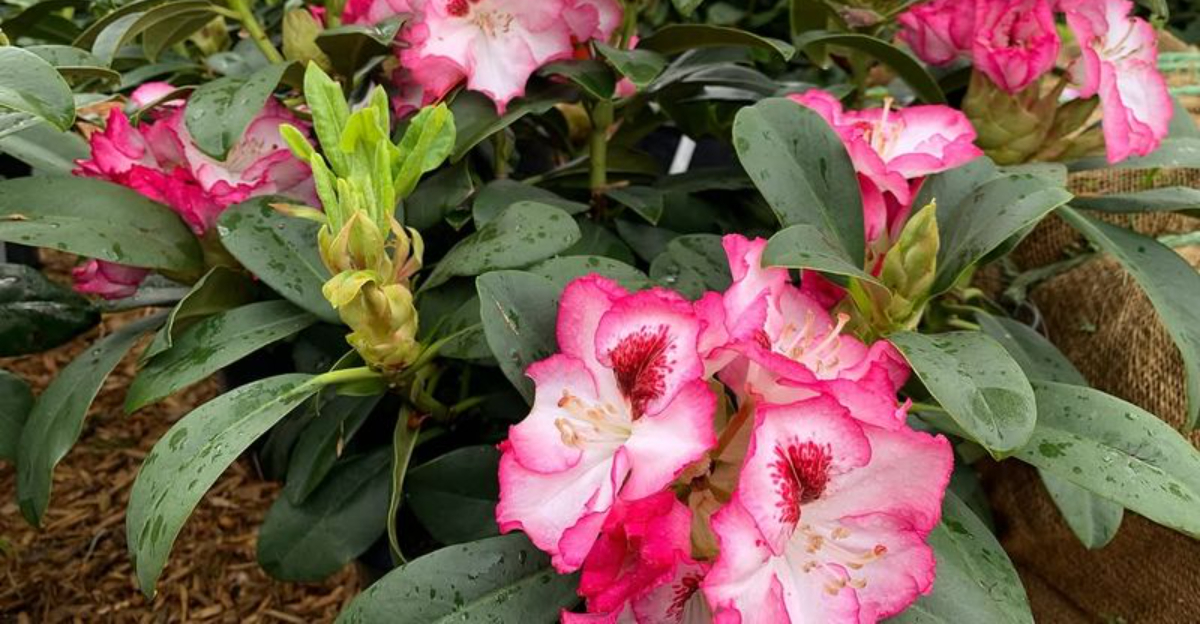
Azaleas are beautiful, colorful shrubs, but planting them in the wrong location in Alabama yards can lead to poor growth, weak blooms, and even plant loss. Knowing where not to plant ensures these shrubs thrive and stay healthy year after year.
Plant azaleas smartly and enjoy vibrant blooms without frustration.
The worst locations include areas with full afternoon sun, poorly draining soil, exposed windy spots, high-traffic areas, near tree roots, compacted soil, or locations with extreme shade.
Azaleas prefer filtered light, acidic, well-draining soil, and protection from harsh elements. Avoiding these poor spots ensures stronger growth, better flowering, and reduced disease risk. Location is everything when it comes to healthy azaleas.
Alabama gardeners who plant azaleas in ideal spots enjoy lush foliage, stunning blooms, and low-maintenance beauty in their landscapes. Choose the right location and watch your azaleas thrive.
1. Full Afternoon Sun Exposure
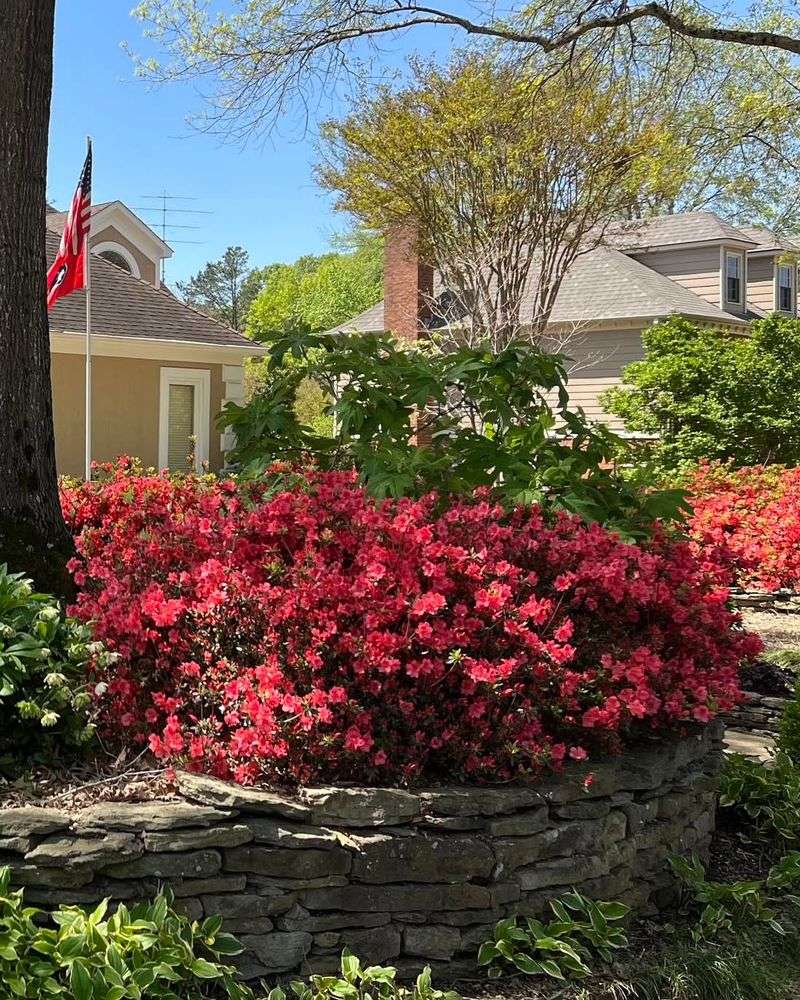
Alabama summers bring scorching heat that can overwhelm azaleas planted in areas receiving intense afternoon sunlight.
When these delicate shrubs face relentless rays during the hottest part of the day, their leaves develop unsightly brown edges and curled tips, a condition known as leaf scorch.
The stress doesn’t stop there because moisture evaporates rapidly from both soil and foliage, forcing the plant to work overtime just to survive.
Flowering performance takes a major hit when azaleas endure full afternoon sun exposure. Buds may form fewer blooms or drop prematurely, robbing you of the spectacular spring display you anticipated.
The vibrant colors that make azaleas so desirable often fade quickly under harsh sunlight, leaving washed-out petals that lack visual impact.
East-facing locations offer the perfect compromise for Alabama gardeners seeking healthy azaleas.
Morning sun provides gentle warmth and light that energizes the plant without causing damage, while afternoon shade from nearby structures or taller plants offers crucial protection during peak heat hours.
Planting azaleas along the eastern side of your home, garage, or fence creates ideal conditions where they receive four to six hours of morning light followed by cooling shade that prevents stress and maintains soil moisture throughout Alabama’s long, hot growing season.
2. Low-Lying Areas With Poor Drainage
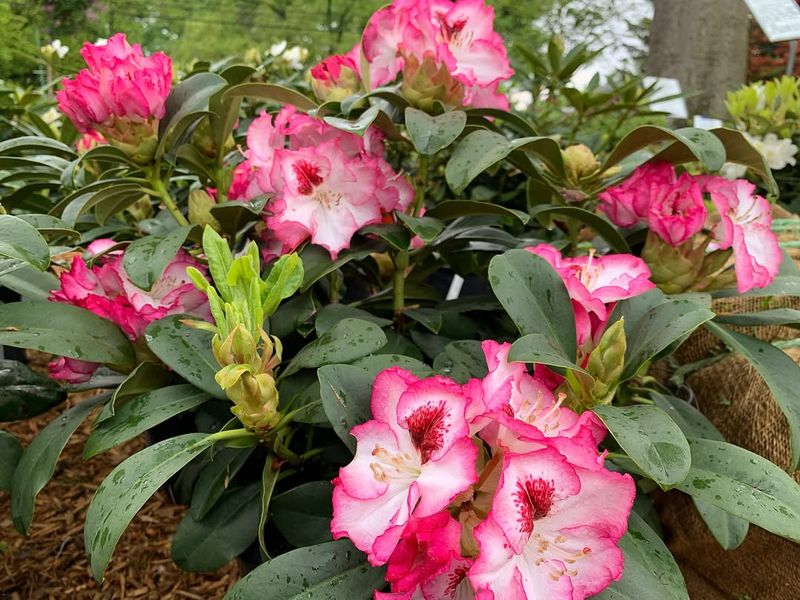
Heavy rainfall is a regular occurrence throughout Alabama, and when water collects in low-lying yard areas, it creates a nightmare scenario for azalea roots.
Our state’s abundant clay soil compounds the problem by preventing water from percolating downward, leaving puddles that linger for days after storms.
Azaleas simply cannot tolerate waterlogged conditions because their fine, fibrous roots need oxygen to function properly.
When roots sit in saturated soil, they suffocate and become vulnerable to rot and disease. The plant responds by wilting despite being surrounded by water, creating a confusing situation for gardeners who might mistakenly add more moisture.
Yellowing leaves, stunted growth, and overall decline follow quickly when drainage problems persist, turning what should be a vibrant landscape feature into a struggling eyesore.
Raised planting beds and berms provide excellent solutions for Alabama gardeners dealing with heavy clay or poor drainage.
Elevating azaleas just twelve to eighteen inches above the surrounding grade allows excess water to drain away from sensitive roots while improving air circulation around the plant base.
Amending the raised area with organic matter like compost and pine bark creates the loose, well-draining environment azaleas crave, transforming problematic low spots into thriving garden spaces.
3. Directly Against House Foundations
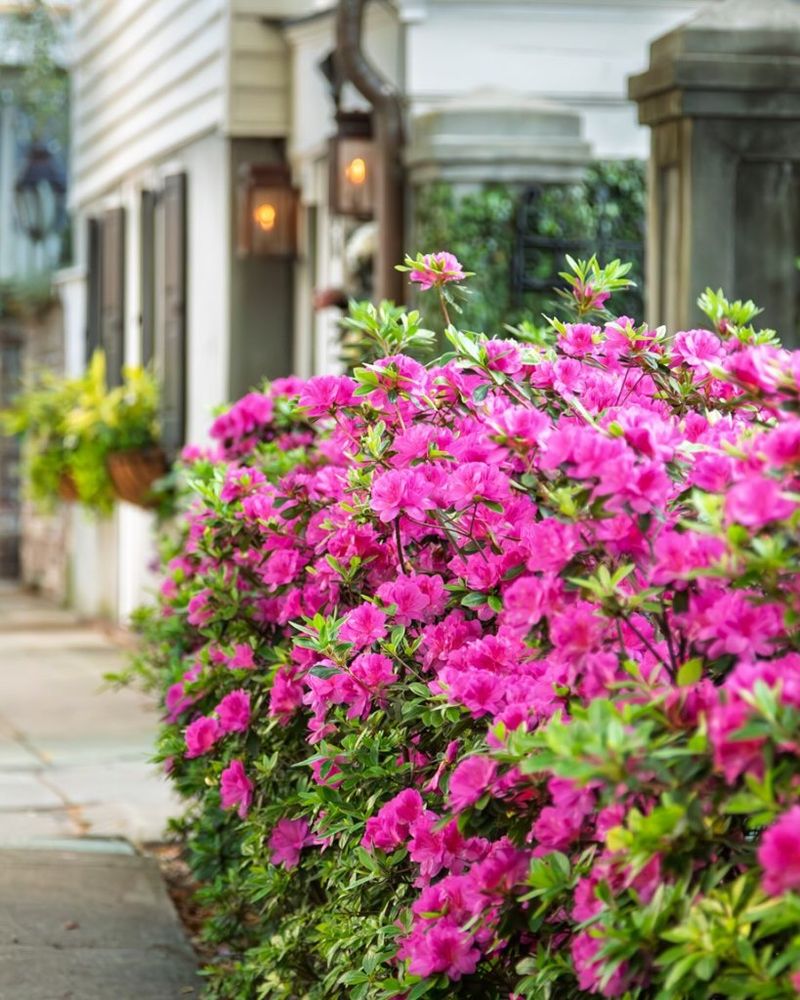
Planting azaleas right up against your home’s foundation might seem like an easy landscaping solution, but this common mistake creates multiple problems that compromise plant health.
Foundation walls trap heat during Alabama’s sweltering summers, radiating warmth back onto nearby plants and creating temperatures far higher than those experienced just a few feet away.
This reflected heat intensifies moisture stress and can actually cook tender foliage. Airflow becomes severely restricted when shrubs crowd against structures, creating stagnant pockets where humidity builds and fungal diseases flourish.
Roof runoff adds another layer of complexity because downspouts and drip lines dump concentrated water volumes onto foundation plantings during rainstorms, followed by extended dry periods that create wildly fluctuating moisture levels.
Azaleas prefer consistent conditions rather than these extreme swings between flood and drought.
Positioning azaleas at least three to four feet away from foundation walls solves these issues while still allowing them to enhance your home’s appearance.
This spacing ensures adequate air circulation around all sides of the plant, reducing disease pressure and allowing foliage to dry quickly after rain or irrigation.
The buffer zone also makes maintenance tasks like pruning and mulching much easier, while protecting your foundation from root intrusion as the shrubs mature over time.
4. Beneath Large Shade Trees With Aggressive Roots
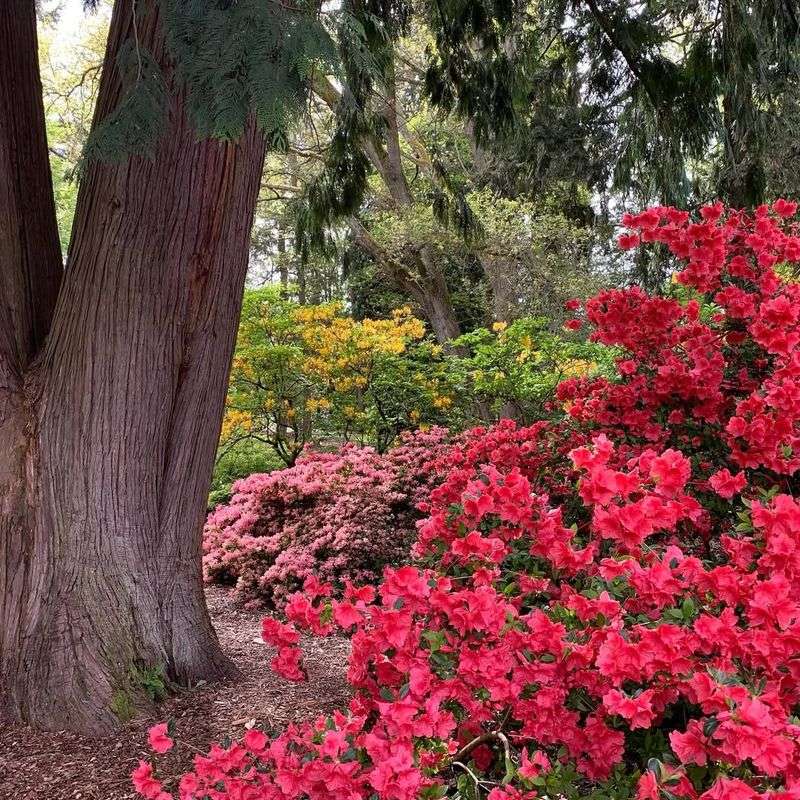
Mature oaks, maples, and pines dominate many Alabama landscapes, offering cooling shade that seems perfect for heat-sensitive azaleas.
However, the reality beneath these towering giants tells a different story because their extensive root systems create fierce competition for essential resources.
Large trees send thousands of fine feeder roots through the upper soil layers, exactly where azaleas also concentrate their root growth.
Water and nutrients become scarce commodities in this underground battleground, and azaleas inevitably lose the competition against well-established tree roots.
Your shrubs may survive but rarely thrive, producing sparse foliage, weak growth, and disappointing bloom displays that pale compared to azaleas planted in better locations.
Pine trees add another challenge by acidifying soil to extreme levels and dropping thick needle layers that can smother azalea crowns if not managed carefully.
Filtered shade from smaller ornamental trees or strategically placed structures provides superior growing conditions without the root competition issues.
Japanese maples, dogwoods, and redbuds offer dappled light that azaleas adore while maintaining less aggressive root systems that coexist peacefully with understory plantings.
Alternatively, planting azaleas several feet beyond the drip line of large trees, where root density decreases, allows you to enjoy the benefits of partial shade without sacrificing plant performance to resource competition.
5. Open, Wind-Exposed Yard Areas
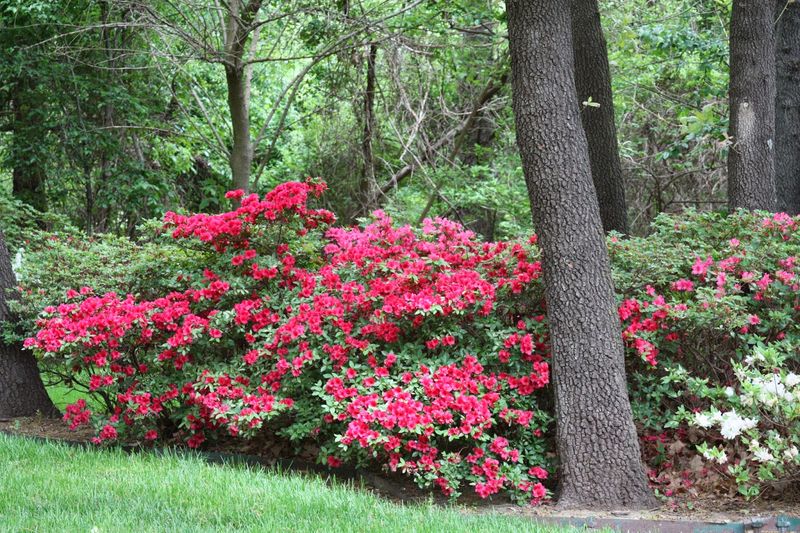
Wide-open lawn areas and exposed hilltops might showcase azaleas prominently, but constant wind exposure creates significant stress that undermines plant health throughout the year.
Winter winds prove particularly damaging because they strip moisture from evergreen azalea foliage faster than roots can replace it from cold soil, resulting in desiccated leaves and damaged flower buds that won’t open come spring.
Summer breezes might feel refreshing to us, but they accelerate water loss from both soil and plant tissues, forcing azaleas to cope with chronic moisture stress even when irrigation seems adequate.
The mechanical action of wind whipping branches back and forth also causes physical damage, breaking tender new growth and creating entry points for diseases and pests that further compromise plant vitality.
Sheltered locations protected by fences, hedges, or building walls create calm microclimates where azaleas flourish without wind-related stress.
Many Alabama properties feature exposed areas that seem ideal for ornamental plantings, but these open spaces suit tougher, more adaptable shrubs better than delicate azaleas.
Positioning your azaleas in naturally protected zones or creating windbreaks with companion plantings ensures they conserve moisture, maintain healthy foliage, and produce abundant blooms without battling constant air movement that saps their energy and beauty throughout every season.
6. High-Alkaline Or Untested Soil Areas
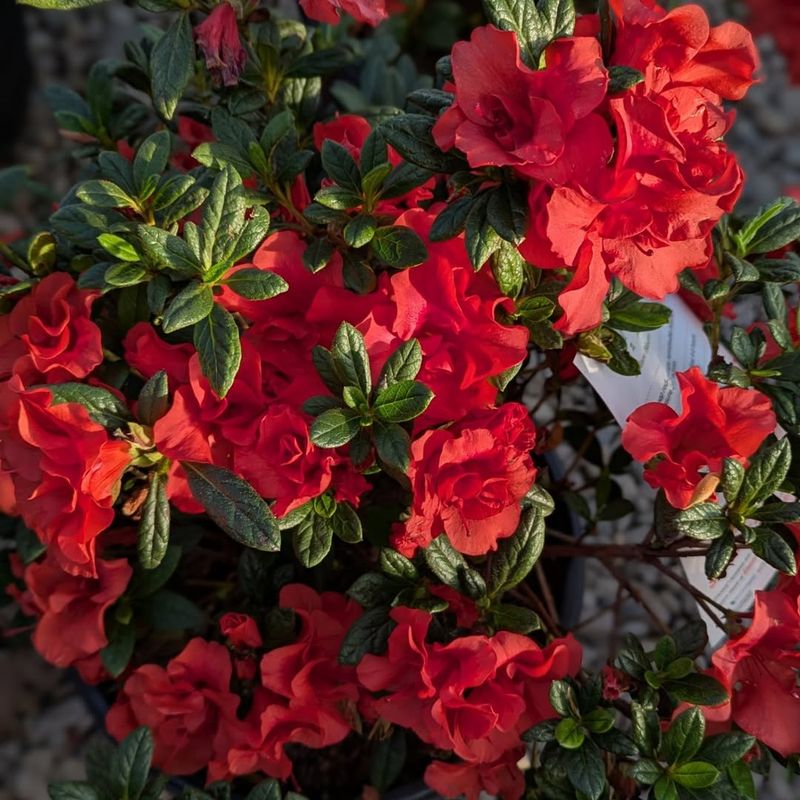
Soil chemistry plays an absolutely critical role in azalea health because these acid-loving plants require pH levels between 4.5 and 6.0 to access essential nutrients.
Alabama soils vary tremendously across different regions and even within individual properties, with some areas naturally acidic while others tend toward neutral or alkaline conditions.
Newer subdivisions often have disturbed soil where builders scraped away topsoil or added fill material of unknown origin.
When azaleas grow in alkaline soil, they develop iron chlorosis, a nutritional disorder that causes leaves to turn yellow while veins remain green, creating a distinctive striped appearance.
Growth slows dramatically, flowering becomes sparse, and the plant gradually declines regardless of how much fertilizer or water you provide.
The problem lies not in nutrient absence but in chemical unavailability because high pH locks nutrients into forms azalea roots cannot absorb.
Testing your soil through the Alabama Cooperative Extension Service costs just a few dollars and provides invaluable information about pH levels and nutrient content before you plant.
Simple test kits available at garden centers offer quick results, though laboratory analysis gives more comprehensive data.
Armed with accurate soil information, you can amend planting areas with elemental sulfur or iron sulfate to lower pH, or wisely choose alternative locations where natural soil chemistry already suits azaleas perfectly.
7. Areas With Poor Mulch Coverage Or Bare Soil
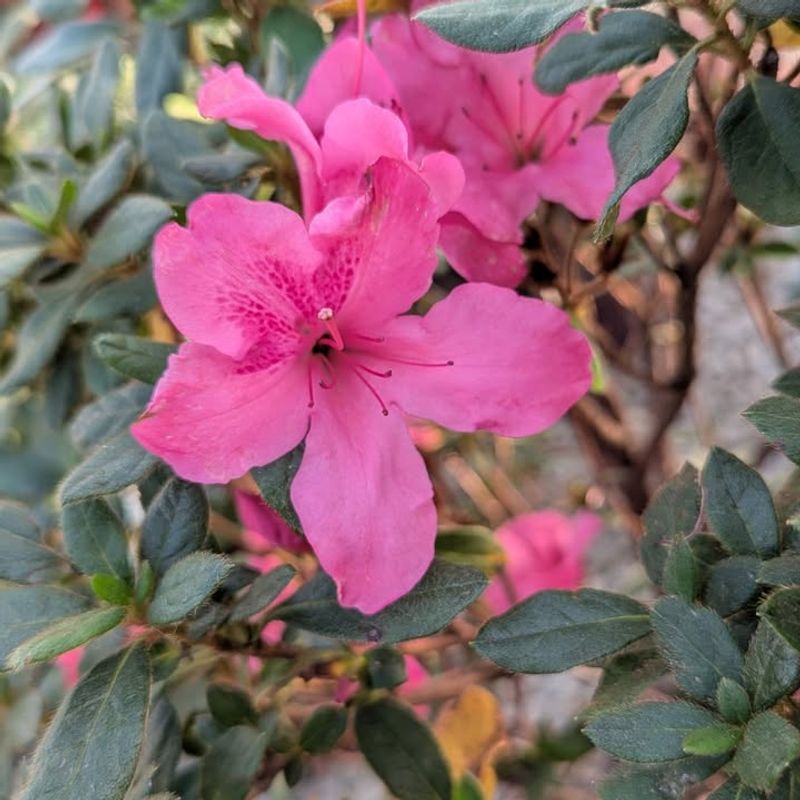
Bare soil surrounding azaleas might look tidy, but it creates harsh growing conditions that stress these shallow-rooted shrubs throughout Alabama’s intense growing season.
Exposed earth heats rapidly under summer sun, with surface temperatures sometimes exceeding 120 degrees Fahrenheit on bright afternoons.
These extreme temperatures bake delicate feeder roots near the soil surface and accelerate moisture evaporation, leaving plants constantly struggling to stay hydrated.
Temperature fluctuations between day and night become more extreme without mulch insulation, creating stress cycles that weaken plants and reduce their ability to resist pests and diseases.
Bare soil also provides no barrier against weed growth, forcing you into constant competition for resources as unwanted plants steal water and nutrients your azaleas need.
A three to four inch layer of pine bark or pine straw mulch transforms the root zone environment, moderating soil temperatures and conserving precious moisture through even the driest spells.
These organic mulches break down gradually, adding beneficial organic matter and maintaining the acidic conditions azaleas prefer.
Mulch also suppresses weeds, reduces soil compaction from heavy rain, and gives your landscape a polished, finished appearance.
Refreshing mulch annually each spring ensures continuous benefits, creating ideal growing conditions that help your azaleas reach their full spectacular potential in Alabama gardens.